10 Stunning Hydrangea Varieties That Will Transform Your Garden
Published on
February 27, 2025
Author
Sarah Wilson
Sarah Wilson started her gardening journey during the pandemic and had fallen in love with it ever since. Eager to connect with fellow garden enthusiasts, she wants to share the knowledge she's gained over the past three years.
Growing Chia Plants Q&A
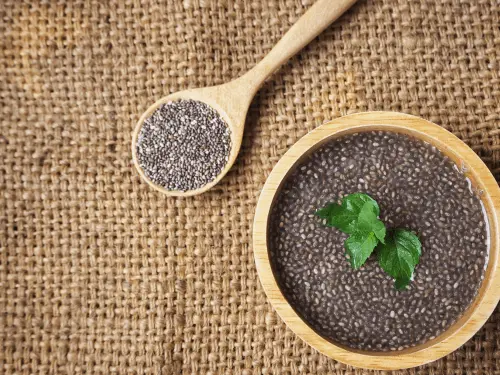
Can I grow chia from the chia seeds I buy at the store?
Yes. Organic chia seeds from the grocery store will often germinate, though germination can vary. Fresh seed from a garden supplier is more reliable.
How long does it take to grow chia?
Seeds sprout in about a week. The plant needs 100 to 150 days to mature before you can harvest the seeds.
Is chia a California native plant?
Salvia hispanica is native to central Mexico and Guatemala. However, Salvia columbariae, sometimes called California chia, is a California native plant.
Can I grow chia indoors?
You can grow chia sprouts and microgreens indoors easily. A full-size chia plant needs strong light and rarely sets a good seed crop indoors.
Why won't my chia flower?
Chia flowers when days get shorter. Plants in cooler regions or those lit at night may bloom late or not at all.
How to Grow Pumpkins Q&A
Can I grow pumpkins in a small home garden?
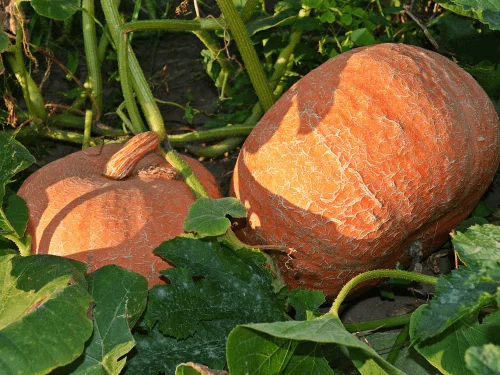
Yes. Choose bush or miniature varieties, grow vines on a trellis, or use raised beds. Plan on one or two plants per hill and prune vines when space is tight.
When should I plant pumpkins for Halloween?
Plant seeds in late May or early June in most climates. Count back from your first frost date and allow for 90 to 120 days of growth.
Why does my pumpkin plant have flowers but no fruit?
Male flowers appear first, so early flowers will not set fruit. If female flowers open but fail to fruit, you probably have too few bees. Pollinate by hand in the morning.
What causes pumpkin leaves to turn white?
This is usually powdery mildew. Improve airflow, water at the base, remove infected leaves, and apply a fungicide or neem oil.
Can I eat the pumpkin I grew for carving?
Yes, though carving types are stringy and bland. Pie pumpkins are sweeter, but the seeds from any pumpkin can be roasted.
Growing Grapevines Q&A
How long does it take for a grape plant to produce fruit?
Most young vines need two to three years after planting before they set a full crop, though a few clusters may appear in year two. Patience pays off — established vines can keep producing for 40 years or more.
Do I need more than one vine to grow grapes?
No. Since most grape varieties are self-fertile, one plant is enough to produce fruit on its own. Planting a second variety nearby is optional and mainly helps with cross-pollination in a few less common types.
Can grape vines grow in containers?
Yes, though grape vines grow best planted directly in the ground, where the root system has room to spread. A large container works for a year or two, but expect to transplant once the vine outgrows the pot.
Why aren't my grapes ripening?
Grapes ripen slowly compared to many fruits, and cool weather, too much shade, or overcrowded canes can all delay the process. Give the vine full sun, thin the clusters, and be patient through the growing season.
What's the difference between table grapes and wine grapes?
Table grapes are bred for fresh eating, with thinner skins and fewer seeds, while wine grapes tend to have thicker skins, more seeds, and higher sugar content suited to fermentation.
Are grape vines toxic to pets?
Grapes and grape leaves are not toxic to people, but grapes and raisins are toxic to dogs and can cause kidney damage, so keep fallen fruit cleaned up if pets have access to the vineyard.
Transforming your garden into a picturesque oasis is easier than you might think, especially when you incorporate the timeless beauty of white hydrangeas. These stunning white blooms not only brighten up any garden space but also add a touch of elegance and tranquility. Whether you have a large yard or a cozy corner, there’s one that's perfect for your needs.
In this guide, we’ll explore 10 breathtaking white hydrangea varieties that will transform your garden into a floral paradise. From the robust and easy-to-care-for 'Annabelle' to the compact and charming 'Little Lime,' each of these hydrangeas offers something unique
Annabelle Hydrangea, a stunning shrub native to the United States, is a favorite for its big, white flowersthat can grow up to a foot wide. These easy-to-care-for plants thrive in most parts of the U.S. (zones 3-9) and prefer a spot with some sun, ideally receiving morning sunlight and afternoon shade. They like soil that drains well and stays a little moist, similar to the damp forest floors where they were first found. To keep your Annabelle happy, prune it in late winter or early spring before new growth starts and give it a little fertilizer to help it grow and bloom beautifully. These versatile plants look great in many parts of your garden, along borders, in front of your house, or even in areas that get a lot of rain. Their large flowers are also perfect for cutting and bringing indoors, whether fresh or dried.
Incrediball Hydrangea is a hardy plant known for its super-sized white flowers that can grow as big as a basketball! It's a bigger and stronger version of the classic Annabelle hydrangea, with sturdy stems that won't droop under the weight of those giant blooms. This easy-to-care-for shrub loves sunshine and well-draining soil that stays a bit damp. It thrives in most parts of the U.S. and blooms on new growth each year, so you can cut it back in early spring without worrying about losing flowers. Incrediball is perfect for adding a wow factor to your garden, attracting pollinators like bees and butterflies, and even creating stunning floral arrangements.
3. Limelight Prime Hydrangea (Hydrangea paniculata)
Limelight Prime Hydrangea is a hardy shrub that's perfect for adding a splash of color to your garden. This improved version of the popular Limelight variety is known for its large, cone-shaped flowers that change from white to vibrant pink and red throughout the summer and fall. It's a tough plant that loves sunshine but can handle some shade, and it thrives in well-drained soil in most parts of the U.S. Simply cut it back in early spring, give it a little fertilizer, and water it regularly, and you'll be rewarded with stunning blooms all season long. Whether you're using it as a hedge, a centerpiece in your garden, or a source for beautiful cut flowers, Limelight Prime is sure to impress.
4. Little Lime Hydrangea (Hydrangea paniculata)
Little Lime Hydrangea is a perfect choice for those with smaller gardens or who love potted plants. This petite version of the popular Limelight Hydrangea boasts the same beautiful blooms that change from lime green to white, then to pink as the seasons change. It grows well in most parts of the U.S. and prefers sunny spots, though it can handle a bit of shade too. Like its bigger relatives, it likes soil that drains well and stays a little moist. With just a bit of pruning in late winter or early spring and a touch of fertilizer, you'll be enjoying its colorful flowers all season long. Its compact size makes it ideal for planting along borders, in front of your house, or even in pots on your porch. You can even cut the flowers and bring them inside to enjoy their beauty!
5. Bobo Hydrangea (Hydrangea paniculata 'ILVOBO')
Bobo Hydrangea is a popular choice for small gardens, thanks to its compact size and stunning floral display. This award-winning shrub grows to just about 3 feet tall and wide, but don't let its small stature fool you! It boasts an abundance of flowers that start out pure white and gradually turn a soft pink as summer fades into fall. Bobo thrives in sunny spots and well-draining soil, making it a great option for most parts of the U.S. Simply give it a little water and fertilizer, trim it back in early spring, and you'll enjoy its beautiful flowers for months. Whether you plant it in the ground or a pot, Bobo Hydrangea is sure to add a touch of charm to any space.
6. Gatsby Gal Hydrangea (Hydrangea quercifolia)
Gatsby Gal Hydrangea, also known as oakleaf hydrangea, is a showstopper in any garden with its large, white flowers that fade to pink and its oak-shaped leaves that turn a brilliant red in the fall. This beautiful shrub thrives in partial shade and well-drained soil in most parts of the U.S. It can grow up to 5-6 feet tall and wide, making it a great choice for adding height and texture to your landscape. The key to keeping Gatsby Gal happy is regular watering, especially when it's young, and a good layer of mulch to keep the soil moist. You'll also want to trim it back after it flowers to encourage even more blooms next year. Whether you're using it as a focal point or mixing it with other plants, Gatsby Gal is sure to be a favorite in your garden.
7. Gatsby Moon Hydrangea (Hydrangea quercifolia)
Gatsby Moon Hydrangea is a stunning shrub known for its large, cone-shaped flowers that change from white to lime green throughout the summer. This American native grows to be about 6-8 feet tall and wide, with unique oak-shaped leaves that turn a beautiful red in the fall. It loves well-drained soil and can handle both sunny and slightly shaded spots, but it does best with a bit of afternoon shade in hotter areas. To keep your Gatsby Moon happy and healthy, make sure it gets regular watering, especially during dry times, and add some mulch around the base to keep the roots cool and moist. Prune it back after it flowers to keep it looking its best and give it a bit of fertilizer in early spring for an extra boost. This versatile plant looks great in any garden setting and its flowers can even be cut and brought indoors to enjoy. As an added bonus, it attracts beneficial pollinators like bees and butterflies, making it a great choice for nature lovers.
8. Hayes Starburst Hydrangea (Hydrangea arborescens)
Hayes Starburst Hydrangea is a compact shrub with unique, star-shaped white flowers that turn green as they age. This beautiful plant grows well in most parts of the U.S., preferring some shade but able to handle full sun with enough water. It's a low-maintenance plant that blooms on new wood each year, so you can prune it in late winter or early spring without losing any flowers. Just make sure to keep the soil moist, add a little mulch to help with that, and give it a bit of fertilizer in early spring. Its small size makes it perfect for smaller gardens, borders, or even in front of your house, and its unique flowers are sure to draw attention. As a bonus, it attracts pollinators, making it a great addition for those looking to support local wildlife.
9. Grin and Tonic Hydrangea (Hydrangea macrophylla)
Grin and Tonic Hydrangea is a compact, easy-care shrub that's perfect for adding a splash of color to smaller gardens or patios. It features large, round blooms that start out lime green and gradually fade to white, creating a beautiful display throughout the summer and fall. This hardy plant thrives in most parts of the U.S., preferring some shade but able to tolerate more sun with consistent watering. It loves well-drained soil that stays moist and does best with a bit of mulch to help it retain moisture. Trimming should be kept to a minimum, mainly focusing on removing spent blooms after the flowering season. With just a little care, Grin and Tonic Hydrangea will reward you with stunning flowers that you can enjoy both in your garden and as cut flowers indoors.
Brussels Lace Hydrangea is a graceful shrub known for its delicate, lacy white flowers that gradually turn pink as summer progresses. This hardy plant can reach up to 6-8 feet tall and wide, making it a substantial presence in any garden. It prefers sunny spots with well-draining soil that stays somewhat moist, and thrives in most parts of the U.S. Simply water it regularly, especially during dry periods, and add a layer of mulch to help the soil retain moisture. Trim it back in late winter or early spring to keep it looking its best and give it some fertilizer for an added boost. Brussels Lace Hydrangea is perfect for adding a touch of elegance to mixed borders, woodland gardens, or even as a standalone plant. Plus, its long-lasting blooms are perfect for cutting and bringing indoors to enjoy.
Frequently Asked Questions
Q: What are the best white hydrangea varieties for my garden?
A: These include 'Annabelle', 'Incrediball', 'Limelight Prime', 'Little Lime', and 'Bobo'. These varieties are known for their pure white blooms, robust growth habits, and adaptability to various garden spaces. They can thrive in both full sun and partial shade, making them versatile choices for any garden setting.
Q: How do I care for a white hydrangea bush?
A: White hydrangea bushes are relatively easy to care for. They require well-draining soil and consistent moisture, especially during dry spells. Mulching around the base of the plant helps retain soil moisture and keep roots cool. Trimming should be done in late winter or early spring to remove dead or damaged wood and to shape the plant. Applying a balanced, slow-release fertilizer in early spring can promote healthy growth and abundant white blooms.
Q: Do hydrangeas turn pink as they age?
A: Some white hydrangea varieties, such as 'Limelight Prime' and 'Little Lime', may develop a light pink or green tinge as they age, particularly in late summer or early autumn. This color change adds to their visual interest and extends the season of enjoyment. However, not all white hydrangeas change color; varieties like 'Annabelle' typically maintain their pure white color throughout their blooming period.
Q: Can white hydrangeas grow in small spaces?
A: Yes, certain ones are suitable for small spaces. 'Little Lime' and 'Bobo' are excellent choices for compact gardens or container planting due to their smaller size. These hydrangeas provide stunning white blooms without overwhelming the garden space, making them perfect for patios, balconies, or small garden beds.
Q: Are white hydrangeas good for cut flower arrangements?
A: Yes, they are fantastic for cut flower arrangements. Their large, showy flower heads and long-lasting blooms make them ideal for fresh and dried arrangements. Varieties like 'Incrediball' and 'Annabelle' are particularly popular for their sturdy stems and large flower clusters, which add elegance and volume to floral displays. The pure white color of these hydrangeas complements any decor, bringing a sense of brightness and freshness to indoor spaces.

.webp)