Growing Peonies in Pots: How to Grow Peonies for Stunning Blooms and Thriving Peony Plants
Published on
April 14, 2025
Author
Sarah Wilson
Sarah Wilson started her gardening journey during the pandemic and had fallen in love with it ever since. Eager to connect with fellow garden enthusiasts, she wants to share the knowledge she's gained over the past three years.
Hypoallergenic Plants Q&A
Do houseplants cause allergies?
Yes, certain indoor plants can trigger a plant allergy through loose pollen, scented flowers, sap, dust, or damp soil. Allergies and houseplants are highly individual: one person may sneeze near peace lilies while another has no response. Overwatering lets mold produce a spore that may become airborne. If symptoms begin after adding plants in your home, isolate each pot, clean the area, and discuss persistent allergy symptoms with a qualified clinician.
Which plants to avoid?
Plants to avoid include strongly fragrant flowers, visibly dusty specimens, and wind-pollinated garden plants brought inside while shedding. Male palms can release pollen if they flower, and wet potting mix can make allergies worse. The best and worst choices depend on the person, so remove any plant that appears to cause pollen allergy symptoms or contact irritation.
Can indoor plants purify air?
Claims about indoor plants that purify come largely from controlled chambers. Although some air-purifying plants can take up chemicals, ordinary air purifying plants are not fast enough to replace ventilation or air cleaners in a real room. Plants can improve air quality mainly by supporting comfort and encouraging care for the space; they should not be presented as houseplants for clean air that reliably remove formaldehyde. To improve indoor air quality, control sources, ventilate safely, and use proven filtration.
How does the ogren scale work?
The Ogren Plant Allergy Scale system, also called OPALS, rates a plant's potential allergenicity from 1 to 10. It considers pollen, fragrance, and contact reactions, but the likelihood a plant will cause a reaction still depends on the individual and exposure. A high score does not prove a particular plant will cause pollen allergy, and a low score is not a medical guarantee.
Can plants help you breathe?
Allergy-friendly plants may make an indoor space calmer, but they do not treat disease or guarantee allergy relief. For people with allergies, clean leaves, dry saucers, fresh potting mix, and steady air circulation matter more than labels such as hypoallergenic plants. These indoor plants that are allergy-safe can help you breathe easier only by limiting likely triggers; they cannot help you breathe during an asthma attack.
Planting Calendar Q&A
Is an almanac planting calendar exact?
No. It is a useful regional estimate built from historical conditions. Confirm its suggested planting date with your local forecast, soil condition, and microclimate.
When is the best time to plant?
The best time to plant is when the crop's temperature needs match your frost window and the soil is workable. Cool crops can begin earlier; tender warm-season crops wait until frost danger has passed.
Can every vegetable be started indoors?
No. Tomatoes and peppers handle indoor seed starting well, while carrots are usually sown directly in the ground. Follow crop-specific seed packets and avoid disturbing sensitive roots.
What if a late frost is forecast?
Delay transplanting tender crops, move containers inside, or cover established plants overnight. Remove covers after temperatures rise so light and airflow return.
How often should I revise my calendar?
Review it at the start of each growing season and add notes after major sowings and harvests. Records reveal which dates, varieties, and methods work best in your garden.
Evergreen Shrubs Q&A
How do I choose evergreen shrubs for my outdoor space?
Match mature size to USDA hardiness, light, drainage, and wind. Use a tall evergreen for screening, a mounded shrub for foundation planting, or ground cover on slopes. Repetition unifies home landscapes, while contrast creates a focal point in the landscape.
What are the best small evergreen shrubs?
Blue Star juniper, dwarf Chamaecyparis, azalea, and Daphne are strong small-space choices. The best evergreen shrubs fit without constant shear work; check mature spread and leave airflow around glossy foliage.
Do evergreen shrubs flower as long as hydrangea?
Not usually. A hydrangea may have a long bloom time from mid-summer onward, while evergreen shrubs often bloom briefly. Combine azalea for spring, Viburnum or Mahonia for winter, and summer perennials.
When should I prune an evergreen hedge?
Prune flowering shrubs after bloom, and shape boxwood, yew, or Thuja lightly during growth. Avoid leafless old conifer wood; natural forms need less pruning and preserve year-round interest.
Why can an evergreen turn brown in winter?
Frozen soil, wind, salt, or poor drainage can brown green foliage. Water before freezing, mulch roots, and choose a protected area so evergreen shrubs retain year-round beauty and lasting structure.
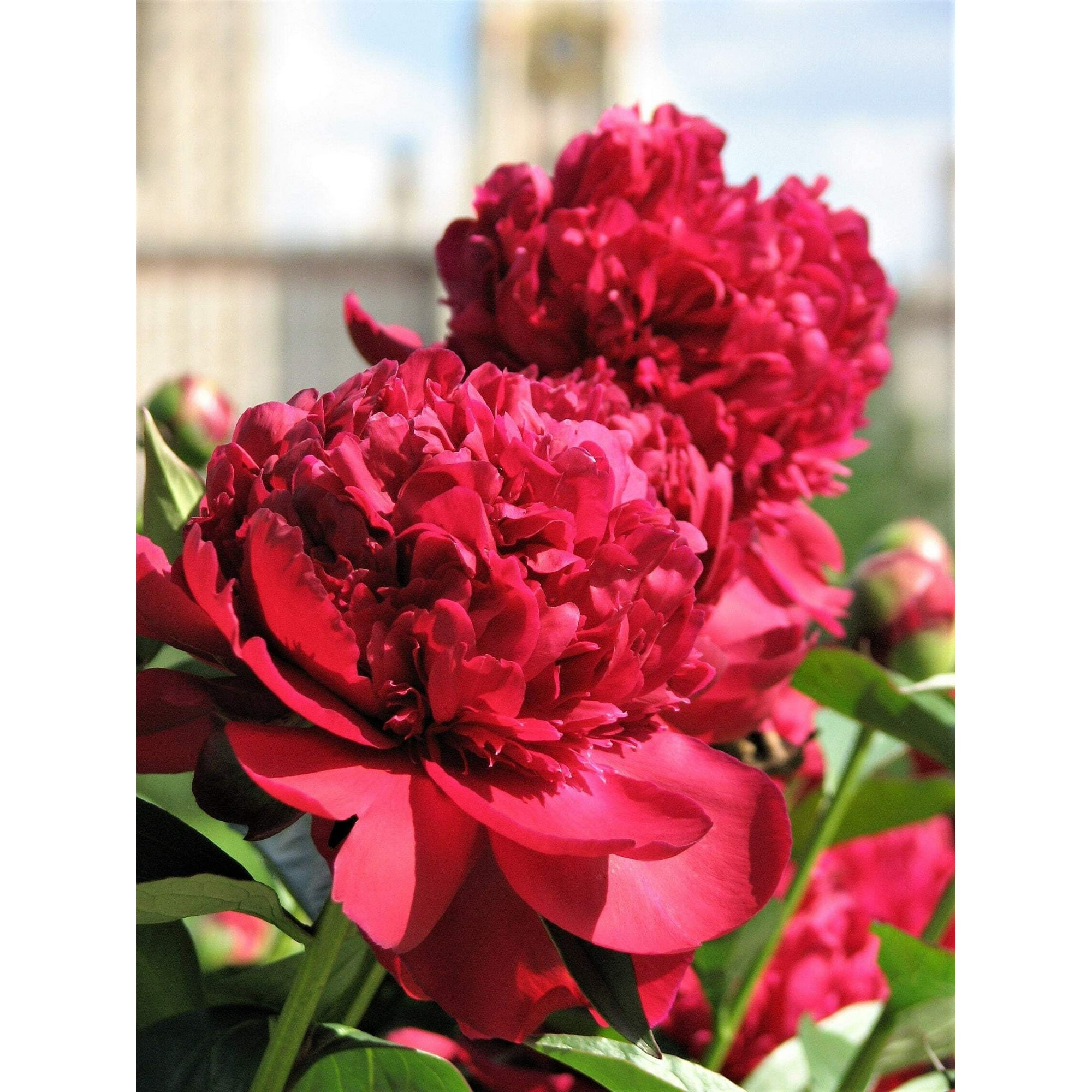
Peonies are renowned for their lush, fragrant blooms and timeless elegance, making them a cherished addition to any garden. But did you know you can enjoy these stunning flowers even if you're short on outdoor space? Growing peonies in pots offers a versatile solution for gardeners who want to cultivate these beauties on patios, balconies, or small garden spaces.
In this guide, we’ll cover everything you need to know about successfully growing peonies in containers—from selecting the right peony variety to proper potting techniques and care tips to ensure thriving plants and breathtaking blooms. Whether you're a seasoned gardener or a beginner, this article will help you unlock the secrets to vibrant, container-grown peonies that bring charm and sophistication to your space year after year.
Plant Type: Perennial
Size: 2 to 3 feet tall and wide, depending on the variety
Soil Type: Well-draining, loamy soil
Soil pH: Slightly acidic to neutral (6.5 to 7.0)
Bloom Time: Late spring to early summer (typically from May to June)
Hardiness Zones: 3-8
Native Area: Native to Europe, Asia, and North America
Toxicity Level: Non-toxic to humans and animals, though consumption in large quantities may cause mild gastrointestinal issues.
Best Peony Varieties for Pots
Peonies come in various types, and while many can be successfully grown in pots, some varieties are better suited for container growth. Here are a few popular peony types that are ideal for growing in pots:
Herbaceous peonies are among the most popular varieties, known for their large, colorful blooms. These peonies die back to the ground in winter, making them perfect for pots, as they require less space for their roots. They typically grow to a height of 2 to 3 feet and have a bushy habit, making them well-suited for smaller to medium-sized containers. Because they regenerate every spring from their root systems, they thrive in pots that offer well-drained soil and good air circulation.
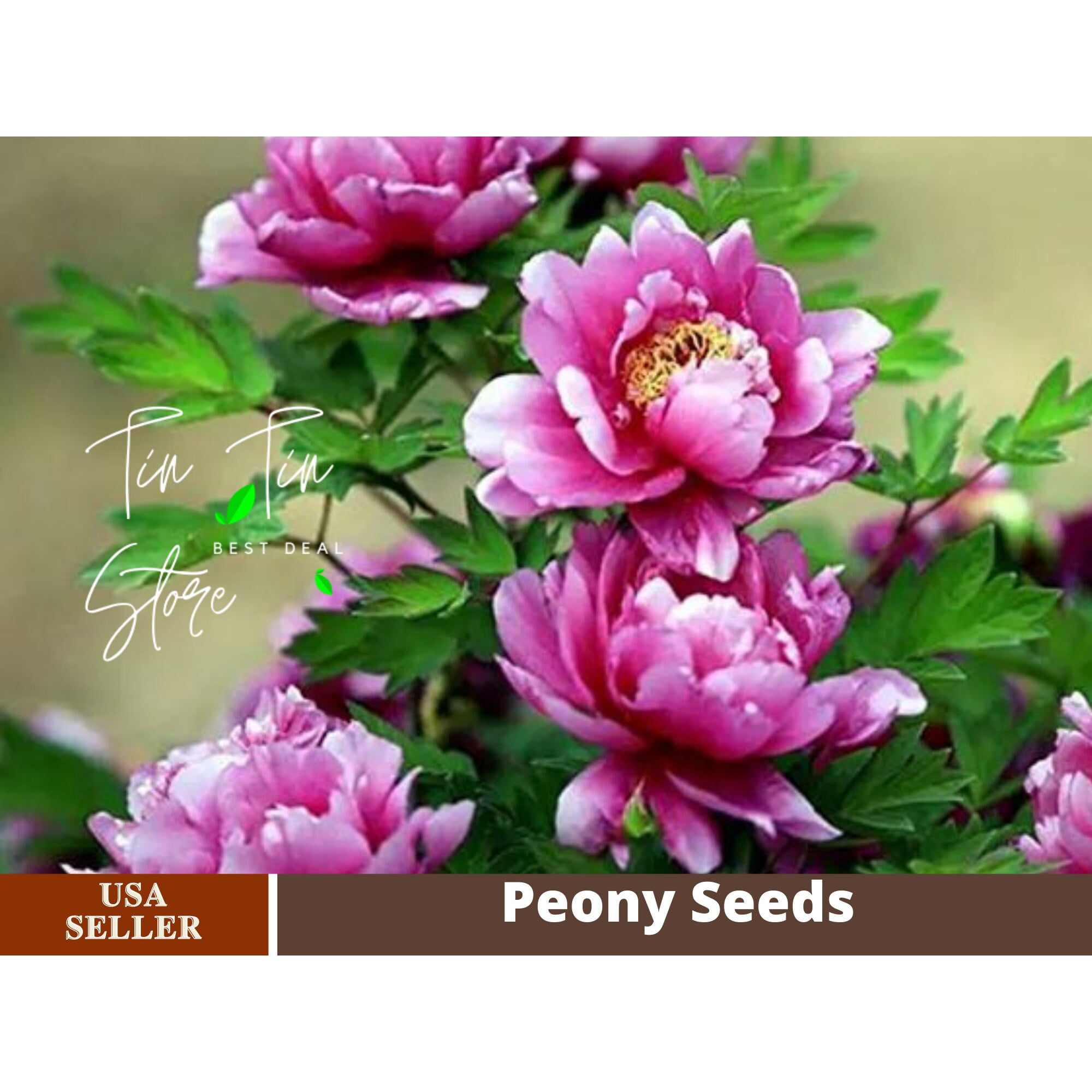
Tree peonies are a more unique option for container gardening. Unlike herbaceous peonies, they are woody shrubs that retain their structure throughout the year, producing stunning, large blooms in early spring. Their persistent, woody stems make them more suited for larger pots or containers. Tree peonies tend to grow taller and wider than herbaceous varieties, so it's important to choose a pot that allows ample space for root expansion. These peonies can be a bit more demanding in terms of care, requiring a deep container with well-draining soil to prevent root rot, but their majestic flowers and robust appearance make them worth the effort.
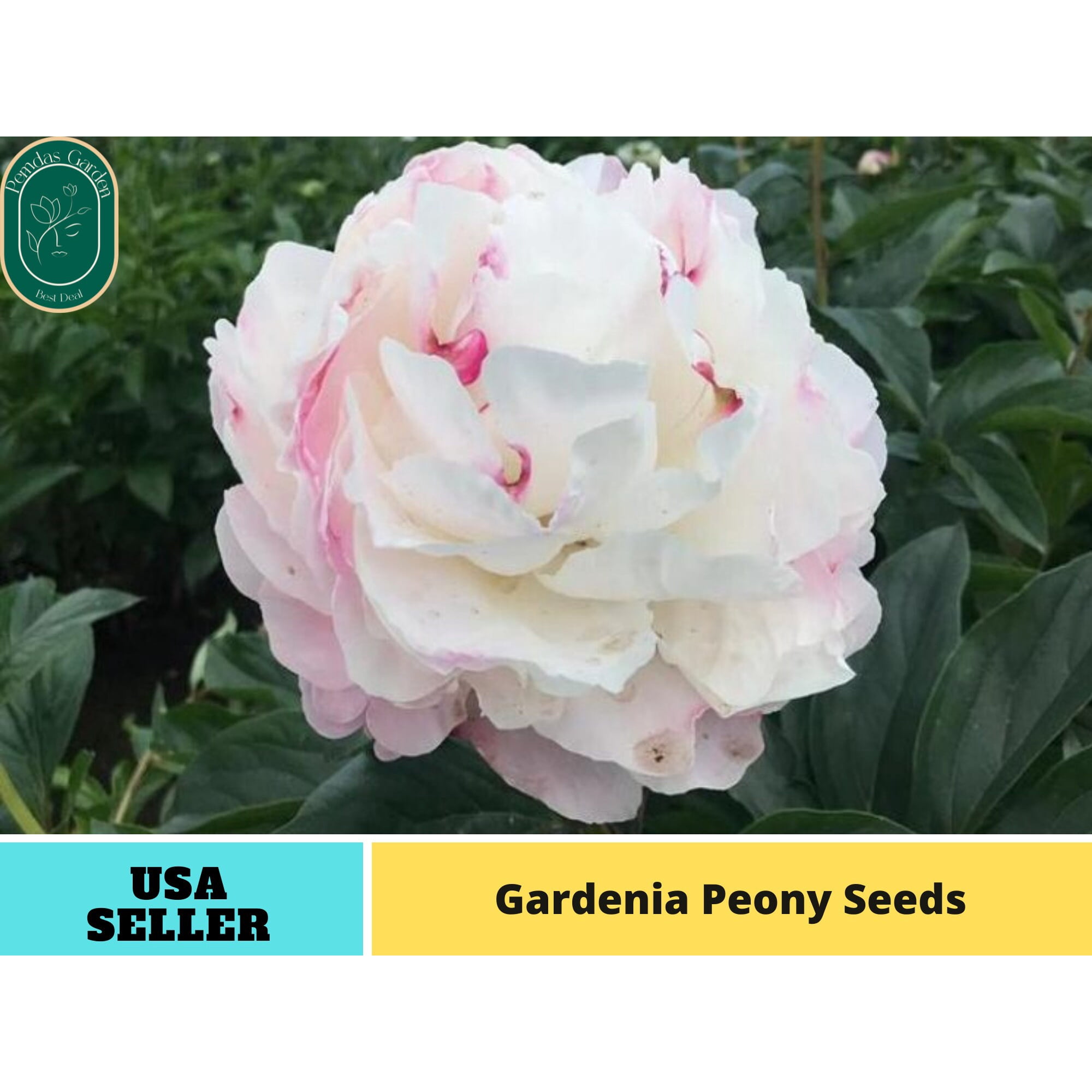
PEMDASGARDEN 10+ Seeds | Chojuraku Tree Peony Flower Seeds
Intersectional peonies, also known as Itoh peonies, are hybrids resulting from a cross between herbaceous and tree peonies. They combine the best characteristics of both types: they have the large, showy blooms of tree peonies, along with the compact, manageable size of herbaceous varieties. Itoh peonies typically grow to about 2 to 3 feet in height, making them an excellent choice for container gardening. Their sturdy structure and ease of care, along with their ability to produce a longer bloom period, make them an attractive option for those with limited space. These peonies perform well in medium to large pots, providing a steady stream of colorful blooms in late spring to early summer.
Step-by-Step Guide on How to Plant Peonies in Pots
Planting peonies in pots is an easy and rewarding process, especially if you follow these simple steps:
Choose the Right Pot:
Select a pot that is at least 20 inches wide and deep to give your peony plant room to grow. Ensure that the pot has good drainage holes to avoid waterlogging.
Prepare the Potting Soil:
Fill your pot with a well-draining potting mix. A good soil mix will contain loamy soil, compost, and perlite or sand to ensure good drainage. Add some organic compost to enrich the soil.
Plant the Peony Root or Bare Root:
From Bare Root: If planting a peony from bare root, dig a hole large enough to accommodate the root ball. Place the root in the hole with the eyes (the small buds or growth points) facing upward. Make sure the crown of the plant is no more than 1-2 inches below the surface of the soil.
From Seedling: If planting a young peony plant, gently remove it from the nursery pot and place it into the prepared hole. Ensure that the plant is at the same depth as it was in the nursery pot.
Backfill and Firm the Soil:
Once the peony is positioned correctly, backfill the pot with soil and firm it around the base of the plant to eliminate air pockets.
Water the Plant:
Water the plant thoroughly after planting, making sure the water drains out from the bottom. This helps to settle the soil and promote healthy root development.
Peony Planting Requirements
Peonies have specific requirements to grow successfully. When planting peonies in pots, it's essential to ensure the following:
Soil
Peonies thrive in well-draining, slightly acidic to neutral soil with a pH range of 6.0 to 7.0. For pots, select a high-quality potting mix enriched with organic matter such as compost, which improves soil fertility and moisture retention. Avoid using heavy clay-based mixes that can retain excess moisture and cause root rot. A well-draining mix will help prevent water from pooling at the roots, ensuring the peony’s roots stay healthy and oxygenated.
Peonies prefer evenly moist soil, meaning the soil should not dry out completely but should also never remain waterlogged. When watering potted peonies, thoroughly saturate the soil until excess water starts to drain from the bottom of the pot. Avoid letting the pot sit in a saucer filled with water, as this can lead to root rot. During dry spells or warm temperatures, monitor soil moisture more frequently, as potted plants dry out faster than those in the ground.
Temperature and Humidity
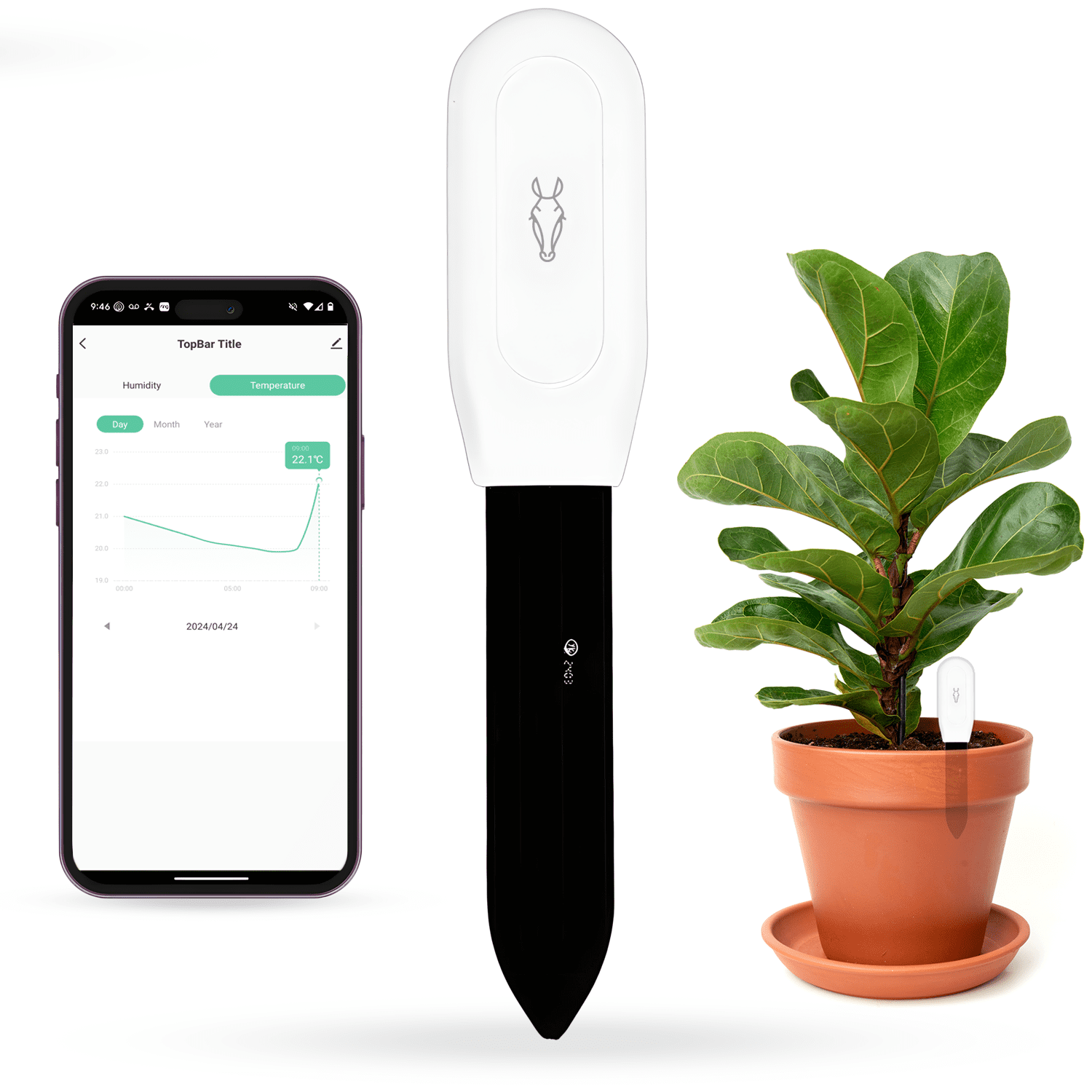
Peonies grow best in temperatures between 60°F to 75°F (15°C to 24°C). They tolerate occasional fluctuations, but prolonged exposure to extreme heat or cold can stress the plant, causing poor growth or flower damage. Peonies also prefer moderate humidity. If growing indoors, be mindful of overly dry air, especially during winter months when indoor heating systems can lower humidity levels. A humidity tray or misting the plant can help maintain a favorable environment.
Sunlight
Peonies require a minimum of 6 hours of direct sunlight daily to produce vibrant blooms. In indoor settings, place the potted plant near a south or west-facing window, where it will receive the most sunlight. Outdoor peonies should be planted in a spot with full sun exposure. While some varieties can tolerate partial shade, their flower production tends to be less abundant in low-light conditions. Ensure the plant gets plenty of sunlight during the blooming season for optimal growth and flowering.
Location
When selecting a location for potted peonies, choose an area with good air circulation to reduce the risk of fungal diseases such as powdery mildew. Avoid placing the pot in a crowded or overly shaded area, as this can promote poor air flow around the plant. Additionally, protect the plant from strong winds, which can cause the delicate blooms to break or become damaged. In windy areas, consider using a windbreak or placing the pot in a sheltered spot to ensure the plant remains safe while it blooms.
Maintenance Tips for Growing Peonies in Pots
Once your peony plant is in place, it’s important to maintain it well to ensure healthy growth and vibrant blooms. Here are some key maintenance tasks:
Fertilization
Peonies are generally not heavy feeders, but they still appreciate some nourishment to thrive. In early spring, as the plant begins to show new growth, apply a balanced, slow-release fertilizer to provide essential nutrients. Organic compost is an excellent choice for feeding your peonies, as it enriches the soil and encourages strong root development. Be cautious with fertilizers that have high nitrogen content, as they can stimulate excessive foliage growth, which could detract from the vibrant blooms you’re hoping for.
Pruning plays a key role in maintaining the overall health and appearance of your peony plant. Start by removing any dead, damaged, or diseased stems in early spring, before new growth emerges. This will allow the plant to direct its energy toward producing fresh shoots. After your peonies have finished blooming, it's important to deadhead (remove) the spent flowers to prevent the plant from expending energy on seed production. Additionally, trim away any yellowing or unhealthy leaves to prevent the spread of disease and to keep the plant looking tidy.
Mulching is a beneficial practice for peonies, as it helps retain soil moisture, regulates temperature, and suppresses weed growth. Apply a generous layer of mulch—such as shredded bark, wood chips, or leaves—around the base of your plant in early spring, once the soil begins to warm up. Ensure that you leave a small gap (about 2 inches) around the crown of the plant to avoid the risk of rot. Mulch will break down over time, enriching the soil with organic matter, which will support healthy root growth and blooming.
Peonies are relatively content in their pots and don’t require frequent repotting. However, if you notice that the plant has outgrown its current container and the roots have become compacted or root-bound, it’s time to repot. Choose a new pot that’s at least 2-3 inches larger in diameter than the current one to provide ample space for the roots to expand. Be sure to use well-draining soil to prevent waterlogged conditions, and try to maintain the same planting depth when transferring the plant to its new container to avoid stressing the roots.
Overwintering
In colder climates, protecting your potted peonies during the winter months is essential to prevent root damage from freezing temperatures. Move the pot to a sheltered, frost-free location, such as a garage or a covered porch, where it will be shielded from harsh winds. If outdoor storage is necessary, consider insulating the pot by wrapping it with burlap, bubble wrap, or other insulating materials to help keep the roots warm. In extreme cold regions, bringing the pot indoors to a cool, dark place (such as a basement or unheated room) can provide an extra layer of protection for the plant until spring.
Common Peony Pests and Diseases
Peonies are relatively hardy, but they can fall prey to a few common pests and diseases. Here are some to watch out for:
Aphids
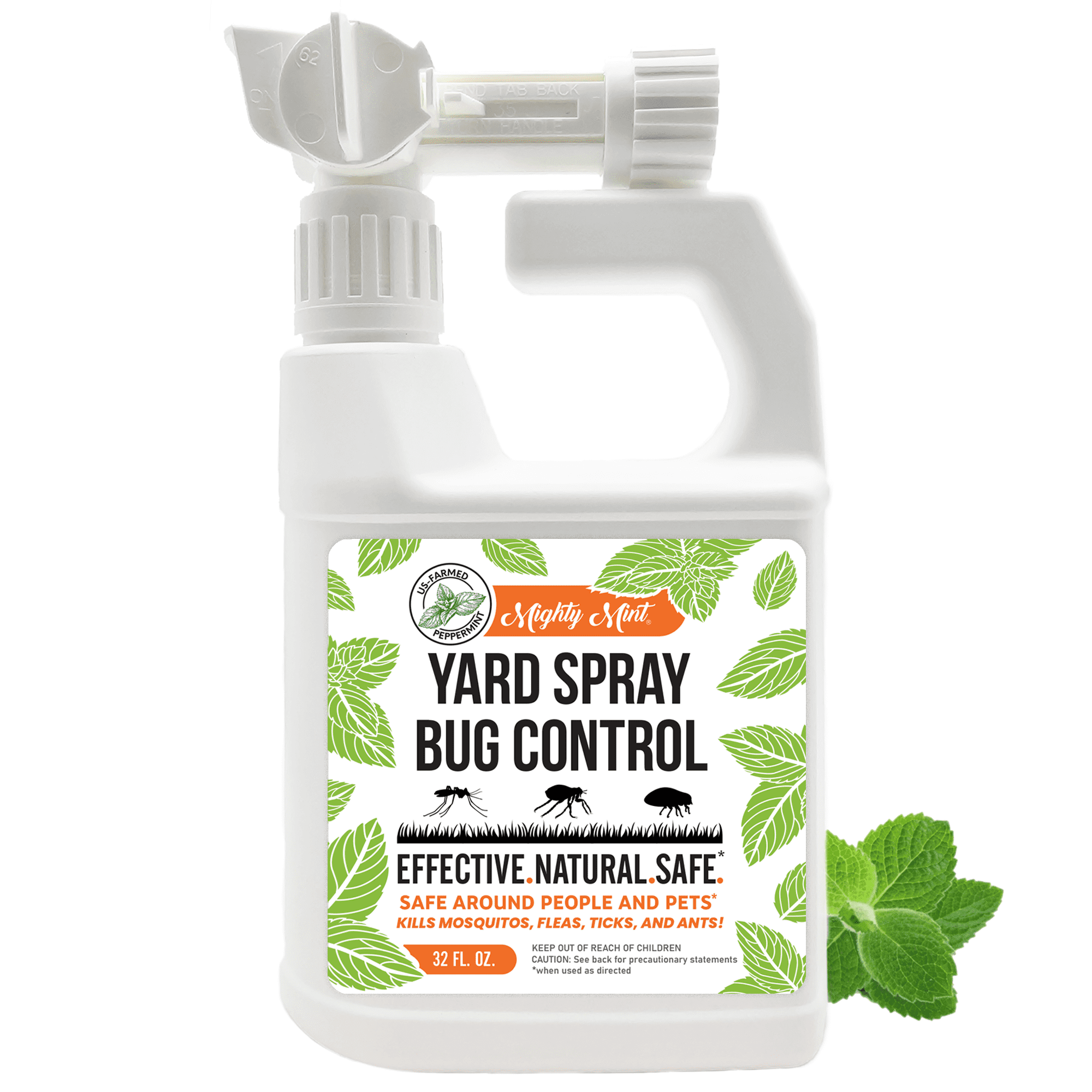
Aphids can attack the new shoots, leaving them deformed. You can remove them by spraying the plant with a strong stream of water or using insecticidal soap.
Mighty Mint Lawn Insect Killer & Repellent for Mosquitos
This fungal disease causes gray mold on peonies, especially in damp, humid conditions. Prevent it by ensuring good air circulation and avoiding overhead watering.
Powdery Mildew
This white, powdery fungus affects peonies in humid weather. Prune infected parts and use fungicides to control the spread.
Leaf Spots
Dark spots on the leaves can indicate a fungal infection. Remove affected leaves and treat with a fungicide if necessary.
Harvesting Peonies for Floral Arrangements
Peonies are beloved for their large, fragrant blooms, making them a popular choice for cut flowers. To harvest peonies effectively and ensure they make a beautiful addition to floral arrangements, follow these detailed steps:
Choose the Right Time to Cut
Peonies should be harvested when the buds are still closed but beginning to show color. This ensures the flowers will open fully once placed in water. Look for buds that are soft to the touch but not yet fully opened, as cutting them too early may prevent them from opening entirely.
Use Sharp, Clean Shears
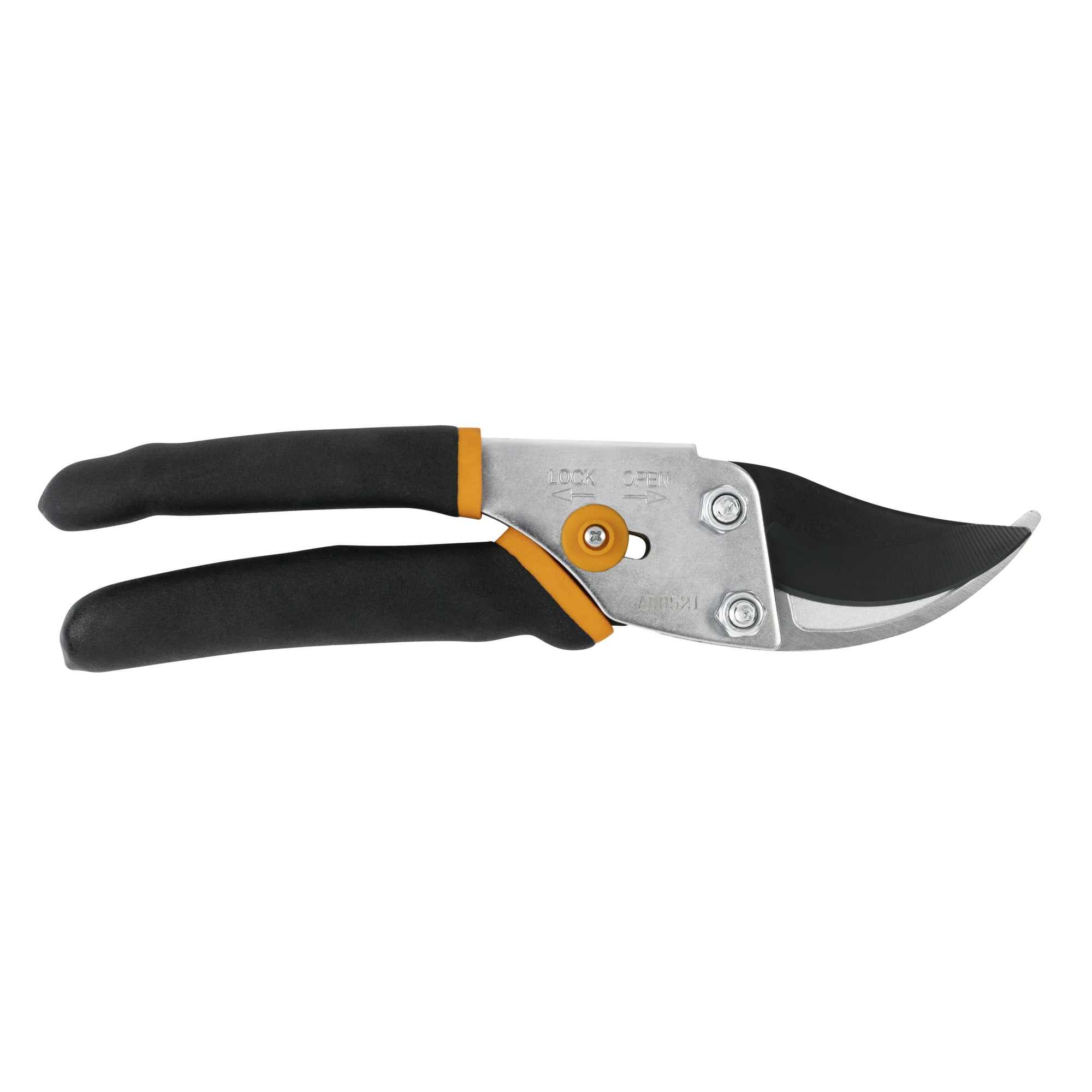
When cutting peonies, always use a sharp pair of shears to avoid crushing the stems. Clean shears are essential to prevent the spread of disease. Make a clean, straight cut at an angle, about 12 to 18 inches from the base of the flower, ensuring that you include a portion of the stem that is free of any leaves or other obstructions.
Place Immediately in Water
Once the stems are cut, immediately place them in a container of water. This helps prevent air from entering the stems, which can cause wilting. Make sure the water is fresh and clean, as stagnant water can lead to bacterial growth, which could shorten the flowers' vase life.
Let the Flowers Open in a Vase
After placing your peonies in water, allow them to fully open in a vase. This process can take anywhere from a few hours to a day, depending on how mature the bud was when cut. As they open, their fragrance will fill the room, and you’ll enjoy the stunning beauty of their large, showy blooms.
A: To grow peonies in pots, choose a large pot (at least 20 inches in diameter) with good drainage. Fill the pot with a well-draining soil mix, and plant the peony tubers or seedlings, ensuring the crown of the plant is no more than 1-2 inches below the surface. Water them thoroughly and place the pot in a sunny spot. Remember, peonies like full sun and need a deep tap root, so make sure your container is deep enough to accommodate their growth.
Q: What is the best pot size for growing peonies in pots?
A: The best pot size for growing peonies in pots is one that is at least 20 inches wide and deep. Peonies have deep root systems and need plenty of room to spread out. A big pot ensures the peony plant has enough space for its roots to grow and thrive.
Q: Can I grow peonies in containers indoors?
A: While peonies thrive best outdoors in containers, you can grow peonies indoors in pots if provided with sufficient sunlight. Place the pot near a south or west-facing window where the plant can get at least 6 hours of sunlight each day. However, peonies don’t like to be moved once they are established, so choose their location carefully.
Related posts
Here are some articles you might be interested in.