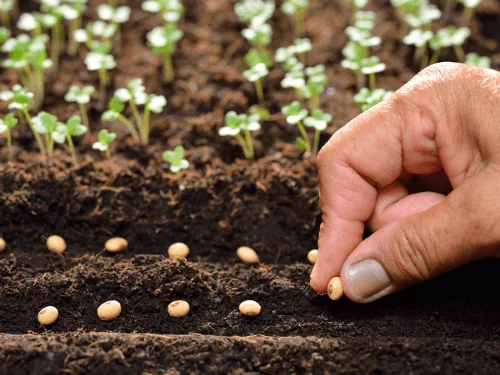
Ryan Johnson relocated to his grandfather's old farm when he was 22 years old where he discovered the joys of farming and gardening. With his cool demeanor and strong-willed passion for the agrarian lifestyle, he now shares his know-how to aspiring gardeners.
Hypoallergenic Plants Q&A
Do houseplants cause allergies?
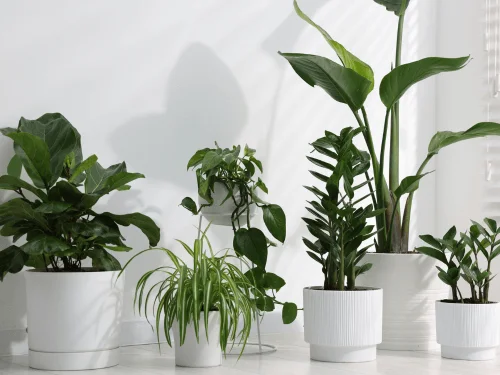
Yes, certain indoor plants can trigger a plant allergy through loose pollen, scented flowers, sap, dust, or damp soil. Allergies and houseplants are highly individual: one person may sneeze near peace lilies while another has no response. Overwatering lets mold produce a spore that may become airborne. If symptoms begin after adding plants in your home, isolate each pot, clean the area, and discuss persistent allergy symptoms with a qualified clinician.
Which plants to avoid?
Plants to avoid include strongly fragrant flowers, visibly dusty specimens, and wind-pollinated garden plants brought inside while shedding. Male palms can release pollen if they flower, and wet potting mix can make allergies worse. The best and worst choices depend on the person, so remove any plant that appears to cause pollen allergy symptoms or contact irritation.
Can indoor plants purify air?
Claims about indoor plants that purify come largely from controlled chambers. Although some air-purifying plants can take up chemicals, ordinary air purifying plants are not fast enough to replace ventilation or air cleaners in a real room. Plants can improve air quality mainly by supporting comfort and encouraging care for the space; they should not be presented as houseplants for clean air that reliably remove formaldehyde. To improve indoor air quality, control sources, ventilate safely, and use proven filtration.
How does the ogren scale work?
The Ogren Plant Allergy Scale system, also called OPALS, rates a plant's potential allergenicity from 1 to 10. It considers pollen, fragrance, and contact reactions, but the likelihood a plant will cause a reaction still depends on the individual and exposure. A high score does not prove a particular plant will cause pollen allergy, and a low score is not a medical guarantee.
Can plants help you breathe?
Allergy-friendly plants may make an indoor space calmer, but they do not treat disease or guarantee allergy relief. For people with allergies, clean leaves, dry saucers, fresh potting mix, and steady air circulation matter more than labels such as hypoallergenic plants. These indoor plants that are allergy-safe can help you breathe easier only by limiting likely triggers; they cannot help you breathe during an asthma attack.
Planting Calendar Q&A
Is an almanac planting calendar exact?
No. It is a useful regional estimate built from historical conditions. Confirm its suggested planting date with your local forecast, soil condition, and microclimate.
When is the best time to plant?
The best time to plant is when the crop's temperature needs match your frost window and the soil is workable. Cool crops can begin earlier; tender warm-season crops wait until frost danger has passed.
Can every vegetable be started indoors?
No. Tomatoes and peppers handle indoor seed starting well, while carrots are usually sown directly in the ground. Follow crop-specific seed packets and avoid disturbing sensitive roots.
What if a late frost is forecast?
Delay transplanting tender crops, move containers inside, or cover established plants overnight. Remove covers after temperatures rise so light and airflow return.
How often should I revise my calendar?
Review it at the start of each growing season and add notes after major sowings and harvests. Records reveal which dates, varieties, and methods work best in your garden.
Evergreen Shrubs Q&A
How do I choose evergreen shrubs for my outdoor space?
Match mature size to USDA hardiness, light, drainage, and wind. Use a tall evergreen for screening, a mounded shrub for foundation planting, or ground cover on slopes. Repetition unifies home landscapes, while contrast creates a focal point in the landscape.
What are the best small evergreen shrubs?
Blue Star juniper, dwarf Chamaecyparis, azalea, and Daphne are strong small-space choices. The best evergreen shrubs fit without constant shear work; check mature spread and leave airflow around glossy foliage.
Do evergreen shrubs flower as long as hydrangea?
Not usually. A hydrangea may have a long bloom time from mid-summer onward, while evergreen shrubs often bloom briefly. Combine azalea for spring, Viburnum or Mahonia for winter, and summer perennials.
When should I prune an evergreen hedge?
Prune flowering shrubs after bloom, and shape boxwood, yew, or Thuja lightly during growth. Avoid leafless old conifer wood; natural forms need less pruning and preserve year-round interest.
Why can an evergreen turn brown in winter?
Frozen soil, wind, salt, or poor drainage can brown green foliage. Water before freezing, mulch roots, and choose a protected area so evergreen shrubs retain year-round beauty and lasting structure.
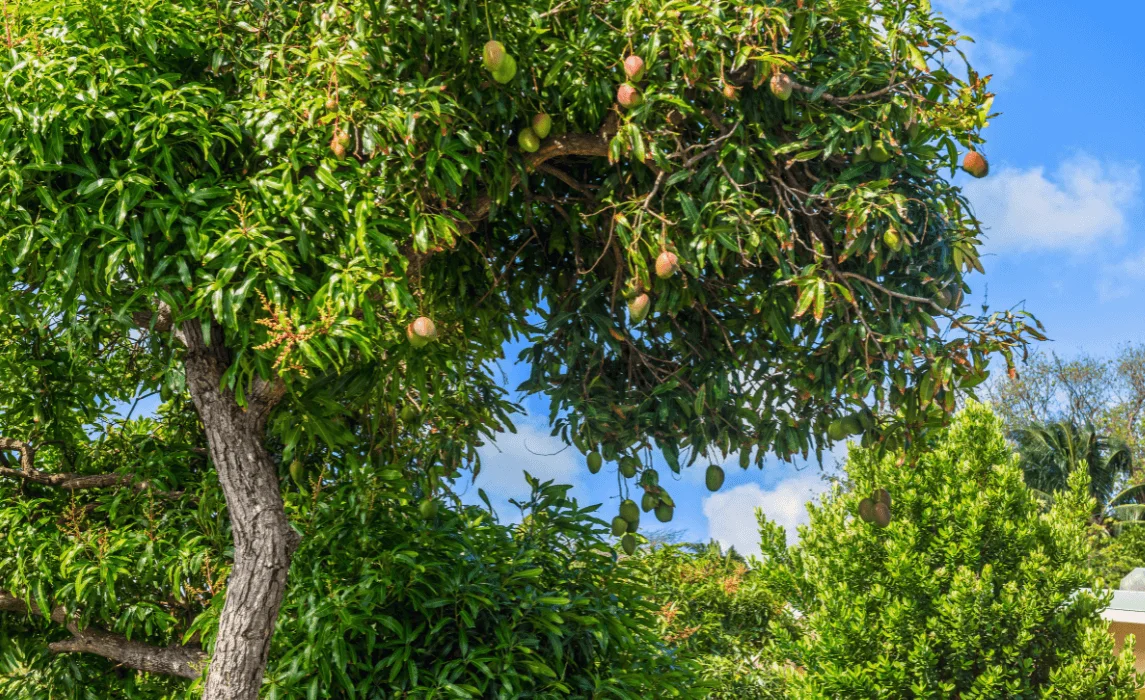
Mangoes are not only delicious and nutritious, but they also make a beautiful addition to any garden or backyard. Growing a mango tree from seed is a rewarding and straightforward process that allows you to witness the entire journey—from a tiny seed to a flourishing fruit-bearing tree. Whether you’re a gardening enthusiast looking to try something new or simply want a fresh supply of mangoes at home, learning how to grow a mango tree from seed is an exciting way to connect with nature and enjoy the fruits of your labor. In this guide, we’ll walk you through each step, from preparing the seed to caring for your young mango tree, ensuring it thrives for years to come.
Plant Attribute
Details
Plant Name
Mango Tree (Mangifera indica)
Plant Type
Evergreen tropical fruit tree
Size
30–100 feet tall in the ground; 6–15 feet for small or potted mango trees
Soil Type
Well-draining sandy or loamy soil
Soil pH
5.5–7.5 (slightly acidic to neutral)
Bloom Time
Late winter to early spring (varies by climate)
Hardiness Zones
USDA Zones 9–11
Native Area
South Asia (India, Myanmar, Bangladesh)
Toxicity Level
Sap may cause skin irritation; leaves, bark, and skin are mildly toxic to humans and pets if ingested in large amounts
Best Mango Tree Types and Varieties
1. Alphonso
Often referred to as the “king of mangoes,” Alphonso mangoes are prized for their rich, sweet flavor and smooth, non-fibrous texture. They thrive in tropical climates with warm temperatures and well-draining soil. Alphonso trees require full sun and regular watering but are relatively hardy once established. This variety is ideal for those who prioritize taste and plan to grow mangoes in a consistently warm environment.
2. Kent
Kent mangoes are known for their juicy, sweet flesh and minimal fiber, making them perfect for fresh eating, smoothies, or desserts. They have good resistance to diseases such as anthracnose and powdery mildew, which makes them easier to maintain compared to more delicate varieties. Kent trees grow well in tropical and subtropical climates and can produce large, abundant fruits during the peak season.
3. Ataulfo
Ataulfo mangoes are smaller in size, with creamy, buttery flesh and a tangy-sweet flavor. Their compact growth habit makes them ideal for smaller yards, container planting, or home gardens. Ataulfo mango trees flourish in warm climates with good sun exposure and well-draining soil. They are perfect for gardeners looking for a manageable tree that still produces high-quality fruit.
How to Plant a Mango Tree (Beginner-Friendly)
Planting Mango Trees from Seed
Remove the seed from a ripe mango fruit and clean it thoroughly.
Carefully open the hard husk and take out the inner seed.
Place the seed in a warm, moist environment until it begins to sprout.
Once sprouted, plant the seed in a pot with well-draining soil, laying it flat and lightly covering it.
Place the pot in full sun.
Planting Mango Seedlings or Nursery Trees
Dig a hole twice as wide as the root ball.
Place the seedling or grafted tree at the same depth it was growing before.
Backfill with native soil and gently firm it in place.
Ensure the tree is upright and stable.
Mango Tree Growing Requirements
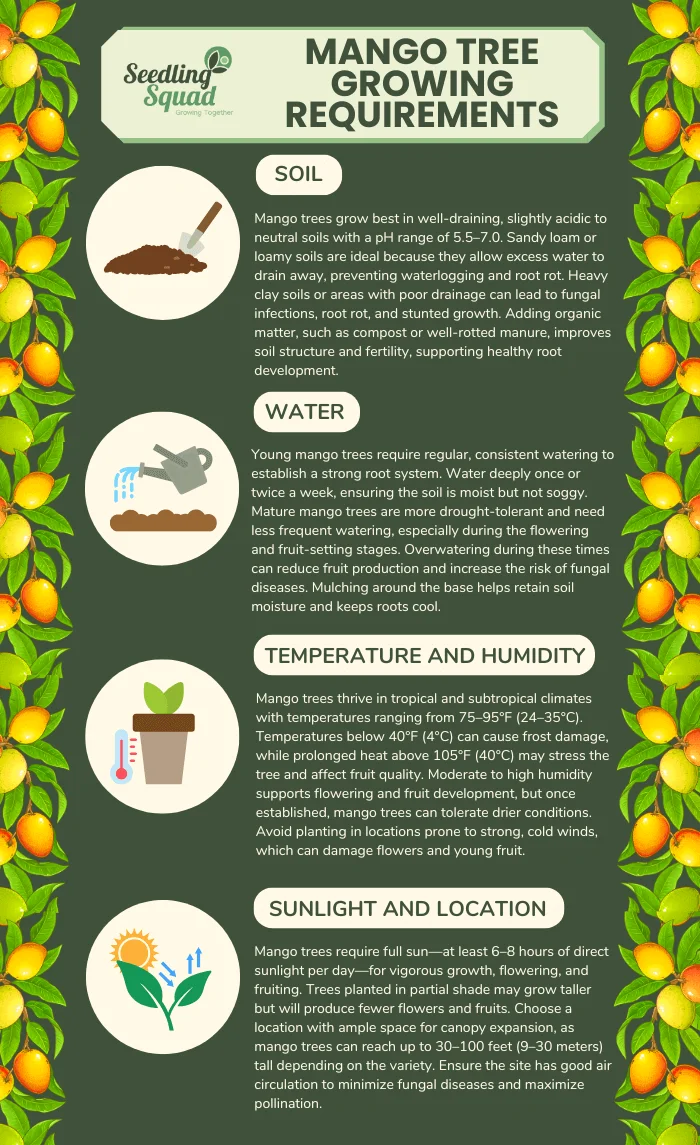
Soil
Mango trees thrive in well-draining soils that prevent waterlogging while still retaining enough moisture for roots. The ideal soil type is sandy loam or loamy soil, rich in organic matter, with a slightly acidic to neutral pH of 5.5–7.0. Poorly drained or heavy clay soils can suffocate roots, encouraging fungal diseases such as anthracnose and root rot. Incorporating organic compost, aged manure, or coconut coir improves soil aeration, fertility, and microbial activity. When planting in less-than-ideal soil, creating raised mounds or planting on a slope can enhance drainage. Additionally, a 2–3 inch layer of mulch around the base helps conserve moisture, regulate soil temperature, and suppress weeds, further supporting healthy root growth.
Water
Watering needs vary depending on the tree’s age and growth stage. Young seedlings require consistent moisture to establish deep, strong roots; water them deeply 2–3 times per week in dry conditions, keeping the top 6–12 inches of soil moist. Overwatering must be avoided, as saturated soil promotes root diseases. Mature mango trees are more drought-tolerant and generally need less frequent watering. During flowering and fruit development, water moderately to prevent stress, which can cause flower drop or poor fruit set. Drip irrigation or soaker hoses are recommended to deliver water directly to the root zone while reducing leaf wetness, which can lower fungal infection risks.
Temperature and Humidity
Mango trees are tropical and subtropical plants, preferring warm temperatures between 75–95°F (24–35°C). They are highly sensitive to frost; temperatures below 40°F (4°C) can damage young shoots, flowers, and fruits, while extreme heat above 105°F (40°C) may cause sunburn on fruits and reduce fruit quality. Humidity plays an essential role in flowering and fruit development; moderate to high humidity levels (50–70%) encourage better pollination and reduce flower drop. However, once established, mango trees can tolerate periods of lower humidity. Planting near structures or trees that block strong winds can protect blossoms and young fruits from mechanical damage, as wind can also desiccate leaves and flowers.
Sunlight and Location
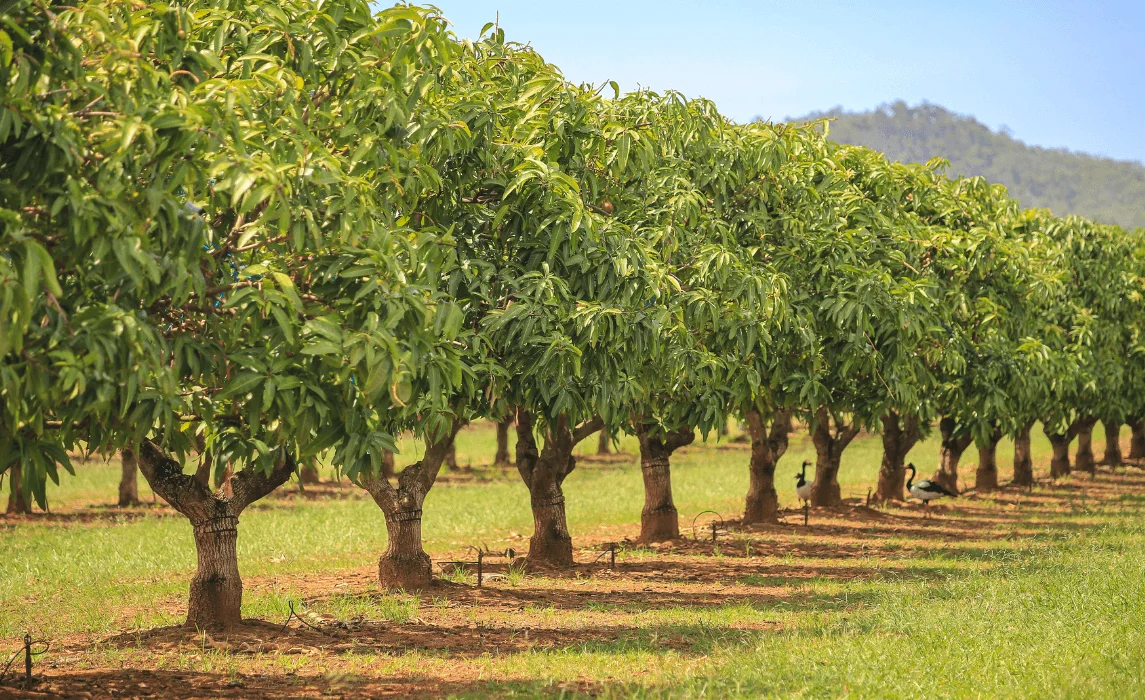
Mango trees require full sun exposure for at least 6–8 hours daily to optimize photosynthesis, flowering, and fruit production. Trees planted in partial shade may survive but will grow slowly and produce fewer flowers and fruits. Choose a location with ample space, as mature mango trees can reach 30–100 feet (9–30 meters) in height and develop a wide, spreading canopy. Proper spacing also ensures good air circulation, reducing humidity around foliage and limiting fungal disease outbreaks. Avoid low-lying areas prone to flooding, as stagnant water can suffocate roots and increase disease risk. Consider planting on slightly elevated ground or using raised planting beds for optimal drainage.
Explore the top fruit trees that thrive in home gardens — from apples and peaches to citrus and beyond!
Mango Tree Maintenance and Care
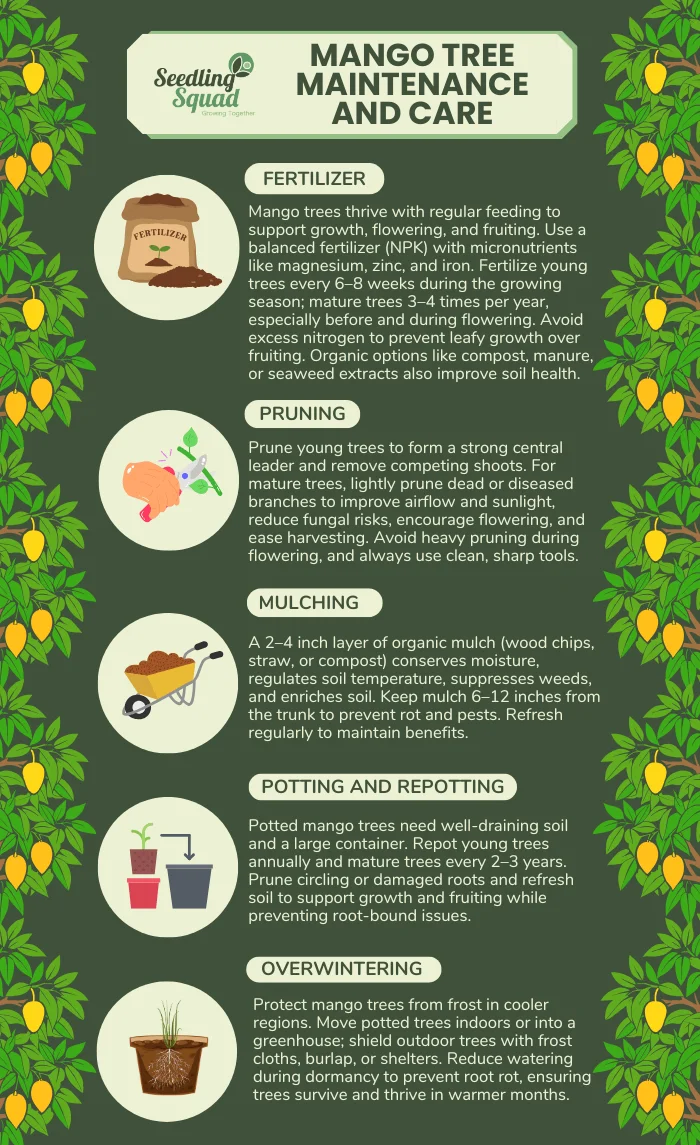
Fertilizer
Mango trees benefit from regular feeding to promote healthy growth, flowering, and fruit production. Apply a balanced fertilizer containing nitrogen (N), phosphorus (P), and potassium (K), ideally with micronutrients like magnesium, zinc, and iron, which are crucial for mango tree health. Young trees should be fertilized every 6–8 weeks during the growing season, while mature trees typically benefit from 3–4 applications per year, particularly just before and during flowering. Avoid over-fertilizing with nitrogen, as this can encourage excessive vegetative growth at the expense of flowers and fruits. Organic alternatives such as compost, well-rotted manure, or seaweed extracts can also improve soil fertility and structure while supporting microbial life in the soil.
Pruning
Pruning is essential to maintain the tree’s shape, size, and overall health. For young mango trees, prune to establish a strong central leader and remove competing shoots. For mature trees, prune lightly to remove dead, diseased, or damaged branches and improve airflow and sunlight penetration into the canopy. Proper pruning reduces the risk of fungal diseases, encourages new flowering shoots, and makes harvesting easier. Avoid heavy pruning during the flowering season, as this can remove potential fruit-bearing branches. Always use clean, sharp pruning tools to prevent spreading pathogens.
Mulching
Applying mulch around the base of a mango tree provides multiple benefits. A 2–4 inch layer of organic mulch—such as wood chips, straw, or compost—helps retain soil moisture, regulate soil temperature, suppress weed growth, and gradually improve soil fertility as it decomposes. Keep the mulch at least 6–12 inches away from the trunk to prevent moisture buildup against the bark, which can lead to rot and attract pests. Regularly refresh the mulch layer to maintain its effectiveness.
Potting and Repotting
Potted mango trees require extra attention to ensure healthy root growth. Choose a large container with good drainage holes and use a well-draining potting mix enriched with organic matter. Repot young trees annually to accommodate root expansion, while mature trees may need repotting every 2–3 years. During repotting, prune any circling or damaged roots and refresh the soil to replenish nutrients. Adequate container size and proper soil help prevent root-bound conditions, which can stunt growth and reduce fruit yield.
Overwintering
In cooler climates or regions prone to frost, mango trees must be protected during winter months. Potted trees can be moved indoors to a bright, sunny location or into a greenhouse. For outdoor trees, frost cloths, burlap wraps, or temporary shelters can shield them from freezing temperatures. Watering should be reduced during winter dormancy, as overwatering in cold conditions can promote root rot. Ensuring proper winter protection allows mango trees to survive and thrive when temperatures rise again.
Common Mango Tree Pests and Diseases
Pests
Aphids – These small, soft-bodied insects often cluster on new growth and flower buds, sucking sap and causing leaves to curl or distort. To prevent infestations, encourage natural predators like ladybugs, regularly inspect new growth, and treat affected areas with neem oil or insecticidal soap.
Scale Insects – Similarly, scale insects attach to stems and leaves, feeding on sap and gradually weakening the tree. **To keep them under control, prune infested branches, apply horticultural oils, and maintain the tree’s overall health and vigor.
Fruit Flies – Another common threat, fruit flies lay eggs inside developing mangoes, and their larvae feed on the fruit, leading to premature rotting. To avoid damage, use fruit fly traps, harvest fruit promptly, and remove any fallen or infested fruits from around the tree.
Diseases
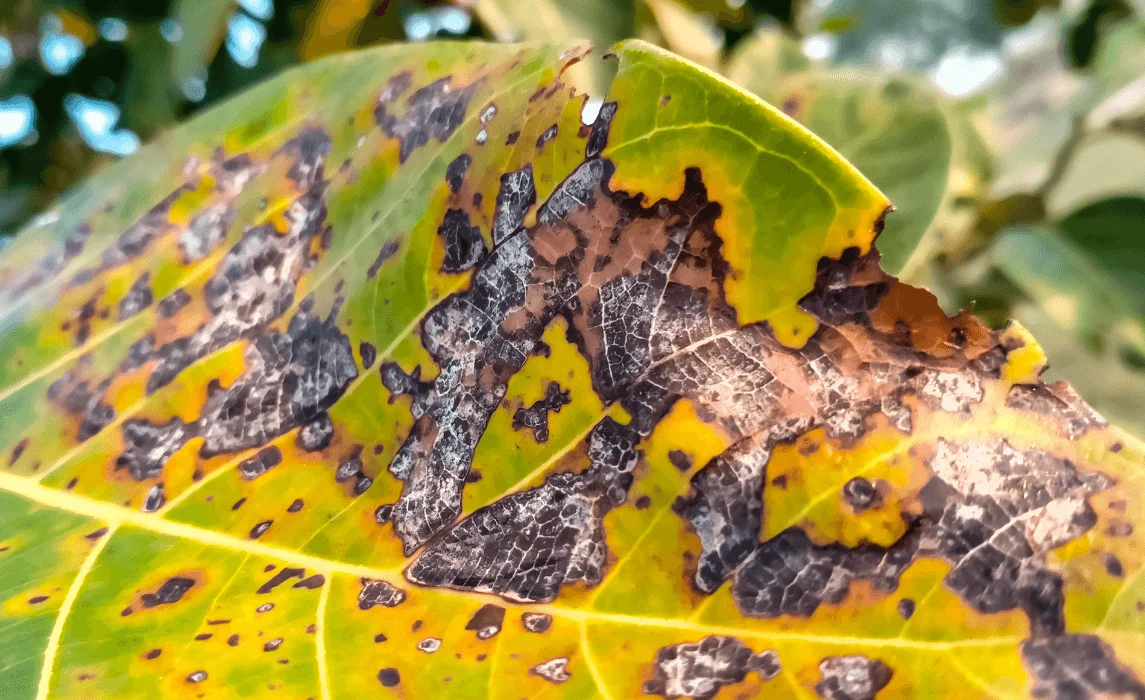
Anthracnose – This fungal disease causes black spots on leaves, flowers, and fruit, often resulting in fruit drop and reduced yield. To prevent it, plant resistant varieties, prune for good airflow, avoid overhead watering, and apply fungicides during flowering when necessary.
Powdery Mildew – In addition, powdery mildew appears as a white, powdery fungus on leaves, shoots, and flowers, which can stunt growth and reduce fruit set. To minimize risk, maintain good sanitation, prune crowded branches, apply fungicides if the infection is severe, and ensure proper sunlight and air circulation around the tree.
How to Harvest Mangoes
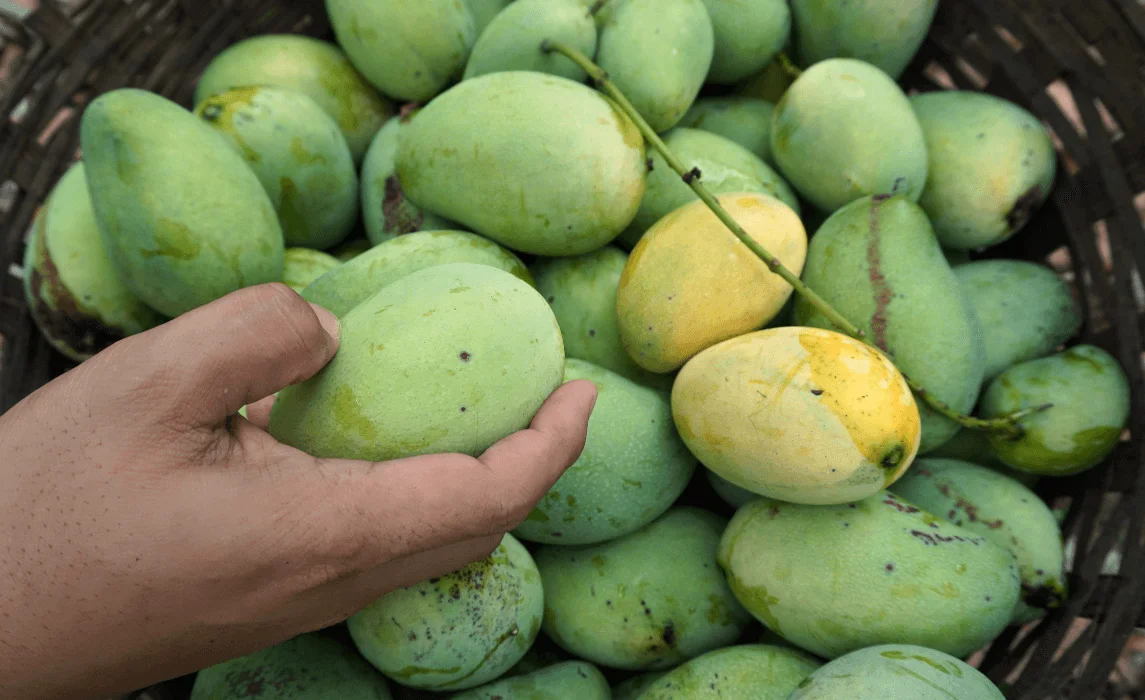
Mangoes are ready to harvest when they have reached their full size and begin to show a noticeable change in color, often from green to a yellow, orange, or red hue depending on the variety. While mangoes can continue to ripen on the tree, many are harvested slightly unripe and allowed to mature off the tree to ensure better shelf life and handling. When picking the fruit, it’s important to handle it gently and avoid tugging or twisting, as this can damage the branches and affect future fruit production. After harvesting, place the mangoes at room temperature to ripen naturally; they are fully ripe when they develop a sweet fragrance and yield slightly to gentle pressure, indicating they are ready to enjoy.
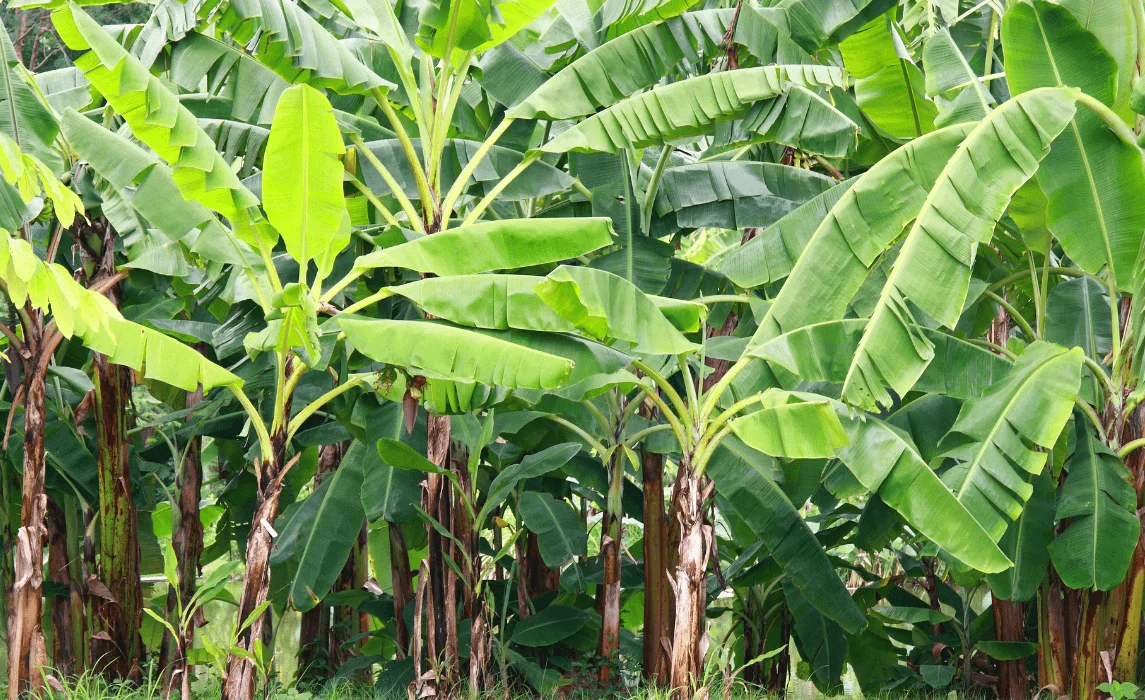
Learn how to plant, grow, and care for banana trees and banana plants — from soil tips to optimal watering.
Frequently Asked Questions:
1: Can mango trees be grown in pots?
A: Yes, potted mango trees require large containers with well-draining soil. Regular repotting and sunlight exposure are essential to grow a healthy mango tree in a pot.
2: Can mango trees grow indoors?
A: Yes, young mango trees can grow indoors in large pots with sufficient sunlight or grow lights. Indoor mango trees may take longer to flower and fruit but are manageable with proper care.
3: How do I grow mango trees from seed faster?
A: Using warm conditions, consistent moisture, and polyembryonic seeds can speed up germination. Grafting onto seedling rootstocks is another method to grow mango trees faster and ensure quality fruit.
4: When do mango trees produce fruit?
A: Grafted mango trees may bear fruit in three to five years, while seed-grown trees may take five to eight years. Flowering and fruiting are influenced by climate, sunlight, and proper mango tree care.
Related posts
Here are some articles you might be interested in.


.webp)