Complete Guide to Learn How to Grow Raspberries Successfully
Published on
November 21, 2025
Author
Anjali Sharma
Anjali was born and raised in Indi and is now residing in New Jersey with her husband. Anjali's passion lies in raising her own vegetables and herbs, which she wants to share with others.
Bee Garden Q&A
What flowers attract the most bees to a garden?
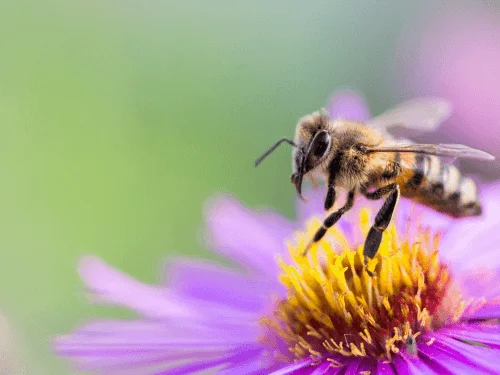
Bees are generally drawn to flowers that are blue, purple, yellow, or white, and that offer easy access to nectar and pollen. Lavender, bee balm, sunflower, and coneflower are some of the most reliable plants that attract bees to a home garden.
Do I need to avoid pesticides in a bee-friendly garden?
Yes, whenever possible. Insecticide and pesticide products can harm adult bees and their larva, even in small amounts. Choosing natural pest control methods helps keep your garden safe for visiting bees.
Can a small home garden still support pollinators?
Absolutely. Even a few containers of zinnias, salvia, or crocus on a balcony can offer pollen and nectar for local bees. Bees will travel between small garden spaces, so every bit of habitat helps.
Do bees need more than just flowers?
Yes. Bees also need nesting sites and water. Ground-nesting bees need patches of bare soil, while a shallow bee bath gives bees a safe spot to drink, especially in hot weather.
Will planting a pollinator garden really help save the bees?
It genuinely can. As natural habitat shrinks, home gardens have become an important food source and shelter for bees, including many native bee species. A well-planned bee garden supports pollination for your own flowers and vegetables while helping the wider bee population.
What is the best USDA zone for growing a bee garden?
There is no single best zone. Most of the plants above grow well across USDA zones 4 through 9, and gardeners in colder or warmer zones can simply choose varieties suited to their climate, or grow warm-season bees favorites like sunflower and zinnia as annuals.
Hypoallergenic Plants Q&A
Do houseplants cause allergies?
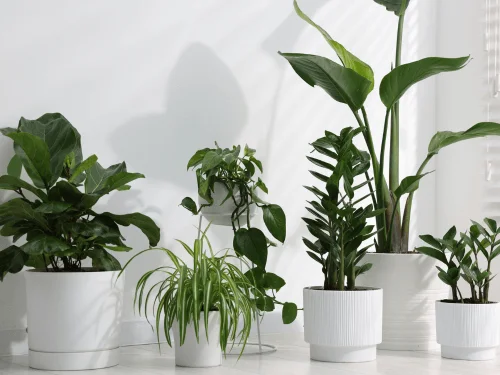
Yes, certain indoor plants can trigger a plant allergy through loose pollen, scented flowers, sap, dust, or damp soil. Allergies and houseplants are highly individual: one person may sneeze near peace lilies while another has no response. Overwatering lets mold produce a spore that may become airborne. If symptoms begin after adding plants in your home, isolate each pot, clean the area, and discuss persistent allergy symptoms with a qualified clinician.
Which plants to avoid?
Plants to avoid include strongly fragrant flowers, visibly dusty specimens, and wind-pollinated garden plants brought inside while shedding. Male palms can release pollen if they flower, and wet potting mix can make allergies worse. The best and worst choices depend on the person, so remove any plant that appears to cause pollen allergy symptoms or contact irritation.
Can indoor plants purify air?
Claims about indoor plants that purify come largely from controlled chambers. Although some air-purifying plants can take up chemicals, ordinary air purifying plants are not fast enough to replace ventilation or air cleaners in a real room. Plants can improve air quality mainly by supporting comfort and encouraging care for the space; they should not be presented as houseplants for clean air that reliably remove formaldehyde. To improve indoor air quality, control sources, ventilate safely, and use proven filtration.
How does the ogren scale work?
The Ogren Plant Allergy Scale system, also called OPALS, rates a plant's potential allergenicity from 1 to 10. It considers pollen, fragrance, and contact reactions, but the likelihood a plant will cause a reaction still depends on the individual and exposure. A high score does not prove a particular plant will cause pollen allergy, and a low score is not a medical guarantee.
Can plants help you breathe?
Allergy-friendly plants may make an indoor space calmer, but they do not treat disease or guarantee allergy relief. For people with allergies, clean leaves, dry saucers, fresh potting mix, and steady air circulation matter more than labels such as hypoallergenic plants. These indoor plants that are allergy-safe can help you breathe easier only by limiting likely triggers; they cannot help you breathe during an asthma attack.
Planting Calendar Q&A
Is an almanac planting calendar exact?
No. It is a useful regional estimate built from historical conditions. Confirm its suggested planting date with your local forecast, soil condition, and microclimate.
When is the best time to plant?
The best time to plant is when the crop's temperature needs match your frost window and the soil is workable. Cool crops can begin earlier; tender warm-season crops wait until frost danger has passed.
Can every vegetable be started indoors?
No. Tomatoes and peppers handle indoor seed starting well, while carrots are usually sown directly in the ground. Follow crop-specific seed packets and avoid disturbing sensitive roots.
What if a late frost is forecast?
Delay transplanting tender crops, move containers inside, or cover established plants overnight. Remove covers after temperatures rise so light and airflow return.
How often should I revise my calendar?
Review it at the start of each growing season and add notes after major sowings and harvests. Records reveal which dates, varieties, and methods work best in your garden.
Growing raspberries can be one of the most rewarding experiences for any gardener. These vibrant, sweet-tart berries are not only delicious but also packed with nutrients and antioxidants that make them a healthy addition to your diet. In this guide, you’ll learn how to grow raspberries successfully—from choosing the right variety and preparing the soil to planting, watering, pruning, and harvesting for maximum yield. Whether you’re a beginner gardener or an experienced grower looking to refine your techniques, this step-by-step guide will help you cultivate healthy, thriving raspberry plants that produce abundant berries season after season.
Plant Attribute
Details
Plant Name
Raspberry (Rubus idaeus)
Plant Type
Perennial fruiting shrub (berry bush)
Size
3 to 5 feet tall; spreads 2 to 3 feet wide
Soil Type
Well-draining loamy soil enriched with compost or aged manure
Soil pH
Slightly acidic (5.5 to 6.5)
Bloom Time
Late spring to early summer
Hardiness Zones
USDA zones 4–8
Native Area
Europe, Northern Asia, and parts of North America
Toxicity Level
Non-toxic to humans and pets
Best Raspberry Types to Grow
There are several raspberry varieties to choose from, each offering unique fruiting habits and colors. Here are the most common types:
1. Red Raspberries
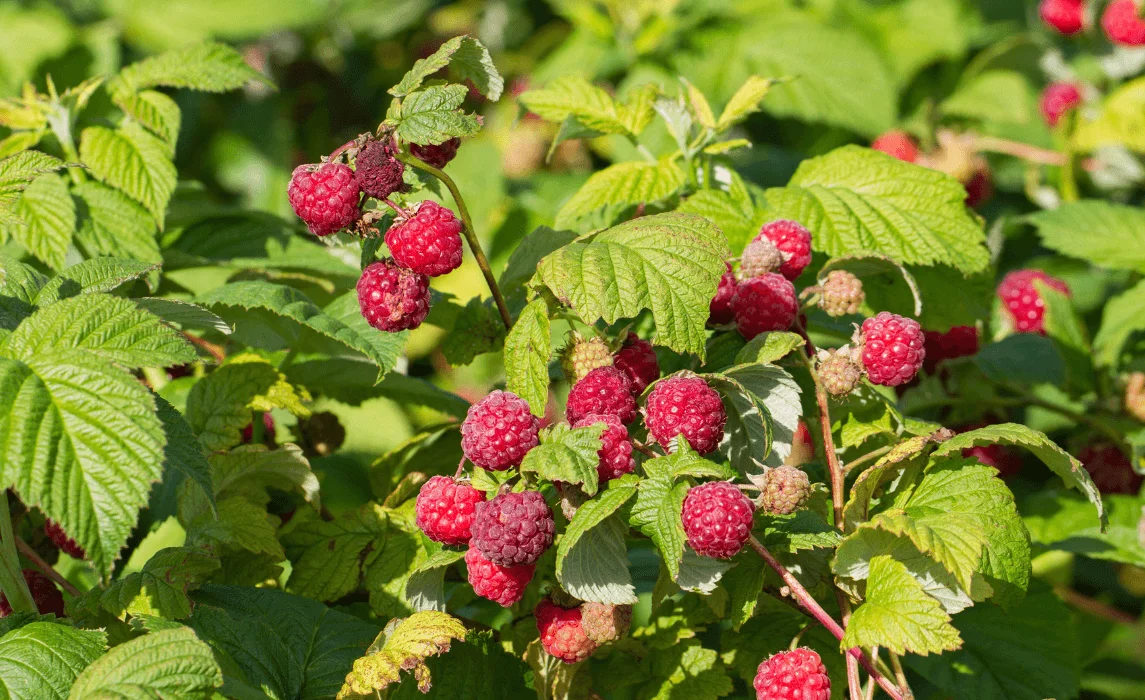
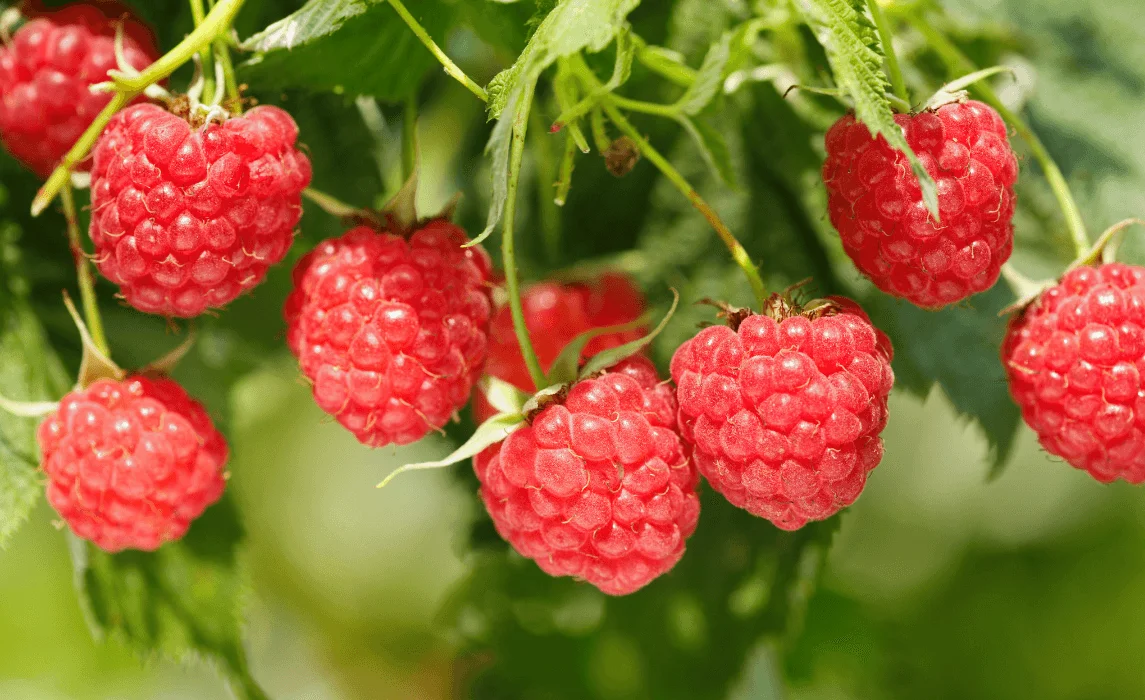
Red raspberries are the most common and widely grown variety, known for their classic sweet-tart flavor and vibrant color. They’re incredibly versatile—perfect for fresh eating, jams, sauces, and desserts. Popular cultivars like ‘Heritage’ and ‘Latham’ are hardy and productive, thriving in most temperate climates. These plants are reliable producers and generally easier to maintain, making them ideal for both beginners and experienced gardeners.
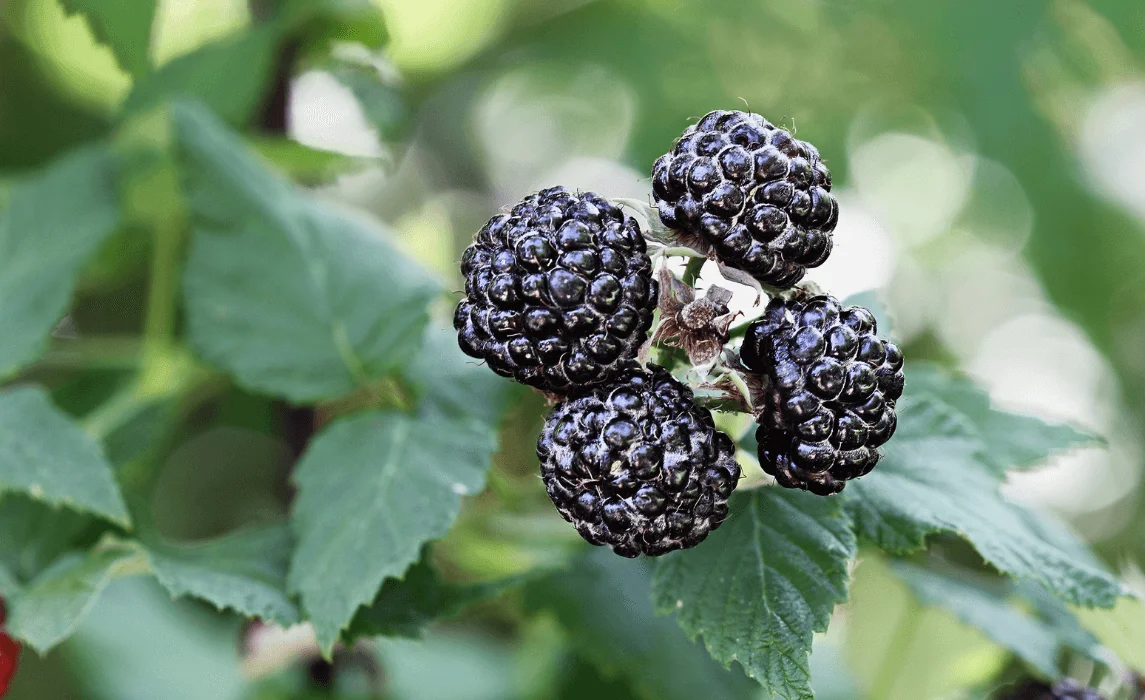
2. Black Raspberries
Black raspberries stand out for their deep purple-black hue and rich, complex flavor that’s sweeter and more intense than red raspberries. They’re prized for their exceptionally high antioxidant content and are often used in pies, preserves, and juices. Varieties like ‘Black Hawk’ and ‘Jewel’ perform well in cooler climates. While they require a bit more care—especially pruning to control vigorous growth—their unique taste and health benefits make them well worth the effort.
3. Everbearing Raspberries (Fall-Bearing)
Everbearing raspberries, also known as fall-bearing types, produce fruit twice a year—once in late summer and again in early fall. This extended harvest period makes them a favorite among gardeners who want fresh berries for a longer season. Varieties like ‘Autumn Bliss’ and ‘Caroline’ are popular for their consistent yield and sweet, flavorful berries. They’re also easier to manage since many growers prune them to the ground after the fall crop, simplifying maintenance for the next growing season.
Discover how to plant, care for, and harvest berry bushes that turn your backyard into a lush fruit-bearing haven.
How to Plant Raspberries (Step-by-Step)
Planting raspberries is simple, even for beginners. Here’s how to plant them from seeds or seedlings:
From Seeds (Indoors)
Cold stratify seeds: Place seeds in a damp paper towel inside a plastic bag and refrigerate for 4–6 weeks to simulate winter.
Prepare seed trays: Fill small pots or trays with seed-starting mix.
Sow seeds: Scatter seeds on the soil surface and lightly cover with about ¼ inch of soil.
Provide warmth and light: Keep trays at around 70°F (21°C) with indirect sunlight.
Germination: Seeds typically sprout in 3–4 weeks.
Harden seedlings: Once seedlings are 4–6 inches tall, gradually introduce them to outdoor conditions over 7–10 days.
Transplant outdoors: Move seedlings to the prepared garden bed or containers, spacing each plant 2 feet apart.
From Seedlings or Bare-Root Canes (Outdoors)
Prepare the soil: Loosen soil to 12–18 inches deep and remove weeds, rocks, and debris.
Enrich soil: Mix in compost or well-rotted manure for nutrients.
Dig holes: Make holes wide enough for the roots to spread comfortably (about 12 inches wide and 6–8 inches deep).
Plant seedlings: Place seedlings or bare-root canes in the hole with the crown 1–2 inches below the soil surface.
Backfill soil: Gently cover roots with soil, pressing lightly to remove air pockets.
Mulch: Apply a 2–3 inch layer of organic mulch around the base to suppress weeds.
Support plants: Install a trellis or support wires if needed for upright growth.
Space properly: Space each plant about 2 feet apart, with rows 6 feet apart for good air circulation.
Requirements for Growing Raspberries
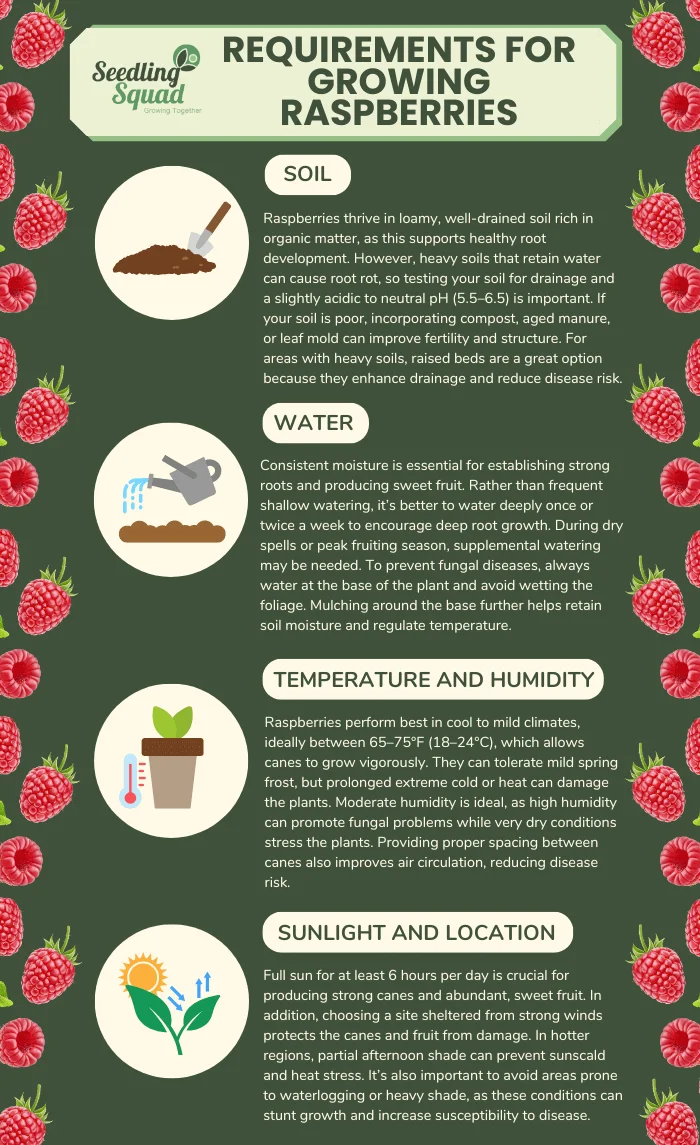
Soil
Raspberries thrive in loamy, well-drained soil that is rich in organic matter. Soils that retain too much water, like heavy clay, can lead to root rot—often referred to as “wet feet” in raspberries. Before planting, test your soil for drainage and pH, which ideally should be slightly acidic to neutral (pH 5.5–6.5). If your soil is poor, incorporate plenty of compost, aged manure, or leaf mold to improve fertility and structure. Raised beds are also a great option for areas with heavy soils, as they promote drainage and reduce disease risk.
Water
Raspberries need consistent moisture to establish roots and produce sweet, juicy fruit. Water deeply once or twice a week rather than frequent shallow watering to encourage deep root growth. During dry spells or peak fruiting season, supplemental watering may be necessary. Always water at the base of the plant to keep the foliage dry, which helps prevent fungal diseases like powdery mildew and cane blight. Mulching around the base can also help retain soil moisture and regulate temperature.
Temperature and Humidity
Raspberries perform best in cool to mild climates, ideally between 65°F and 75°F (18–24°C). They can tolerate mild frost in early spring but may suffer if temperatures drop below -10°F (-23°C) for extended periods or if exposed to extreme summer heat. Moderate humidity is preferred; high humidity and wet conditions can encourage fungal problems, while extremely dry conditions may stress the plants and reduce fruit yield. Proper spacing between canes helps improve air circulation and reduce disease risk.
Sunlight and Location
Raspberries need full sun for at least 6 hours per day to produce strong canes and sweet, abundant fruit. Choose a location that is sheltered from strong winds, which can damage canes and reduce fruit production. In very hot regions, providing partial afternoon shade can help protect the plants from heat stress and prevent the fruit from sunscald. Avoid planting raspberries in areas prone to waterlogging or heavy shade, as this can stunt growth and invite diseases.
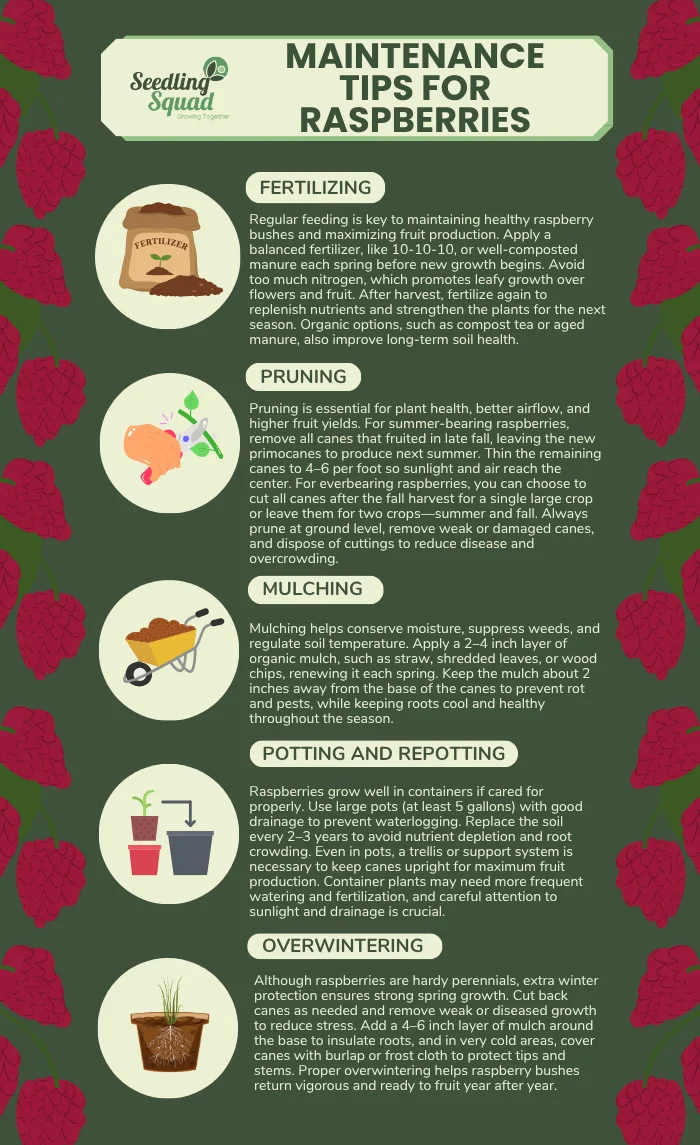
Maintenance Tips for Raspberries
Fertilizing
Raspberry bushes benefit from regular feeding to maintain healthy growth and maximize fruit production. Apply a balanced fertilizer, such as 10-10-10, or well-composted manure each spring before new growth begins. Avoid excessive nitrogen, as it encourages leafy growth at the expense of flowers and fruit. After harvest, fertilize again to help strengthen the plants and replenish nutrients for the next growing season. Organic options like compost tea or aged manure are also excellent for long-term soil health.
Pruning
Pruning is essential for maintaining plant health, improving airflow, reducing disease risk, and encouraging higher fruit yields. For summer-bearing raspberries, remove all canes that bore fruit in late fall, as they will not produce again, and leave the new canes (primocanes) to fruit the following summer. Thin remaining canes to 4–6 per foot to allow sunlight and air to penetrate the center of the plant. For everbearing (fall-bearing) raspberries, gardeners can choose between two approaches. To harvest one large fall crop, cut all canes to the ground after the fall harvest. To enjoy two crops—summer and fall—leave the canes that produced the fall crop, which will fruit the following summer before dying. Always prune at ground level, remove weak or damaged canes, and dispose of cuttings to prevent disease and overcrowding.
Mulching
Mulching helps conserve soil moisture, suppress weeds, and regulate soil temperature. Apply a 2–4 inch layer of organic mulch, such as straw, shredded leaves, or wood chips, and renew it each spring. Keep the mulch slightly away from the base of the canes to prevent rot and pest problems, maintaining a small gap of about 2 inches around the stems. This practice keeps the roots cool, moist, and healthy throughout the growing season.
Potting and Repotting
Raspberries can thrive in containers when given the right care. Use large pots of at least 5 gallons with proper drainage holes to prevent waterlogging. Replace the soil every 2–3 years to prevent nutrient depletion and root crowding. Even in pots, raspberries require a trellis or support system to keep the canes upright and allow for maximum fruit production. Container plants may require slightly more frequent watering and fertilization compared to in-ground plants, and careful attention to drainage and sun exposure is essential.
Overwintering
Raspberries are hardy perennials, but in colder climates, additional protection helps them survive the winter and return strong in spring. Cut back canes as needed and remove weak or diseased growth to reduce stress on the plant. Add a thick layer of mulch, about 4–6 inches, around the base to insulate the roots. In areas with severe frost, covering the canes with burlap or frost cloth can prevent damage to tips and stems. Proper overwintering ensures that raspberry bushes come back vigorous and ready to produce fruit year after year.
Start your strawberry-seed journey right! Discover key tips for sowing, germination, care and early harvests.
Common Pests and Diseases
Common Pests
Aphids – Tiny insects that cluster on raspberry leaves and suck plant sap, causing curling and distortion; control by spraying with insecticidal soap or neem oil.
Spider Mites – Thrive in dry conditions, leaving fine webbing on leaves and fruit; control by increasing humidity and spraying with water or neem oil.
Raspberry Cane Borer – A beetle that lays eggs in young canes, causing wilting and hollow stems; control by cutting and destroying affected canes below the damaged area.
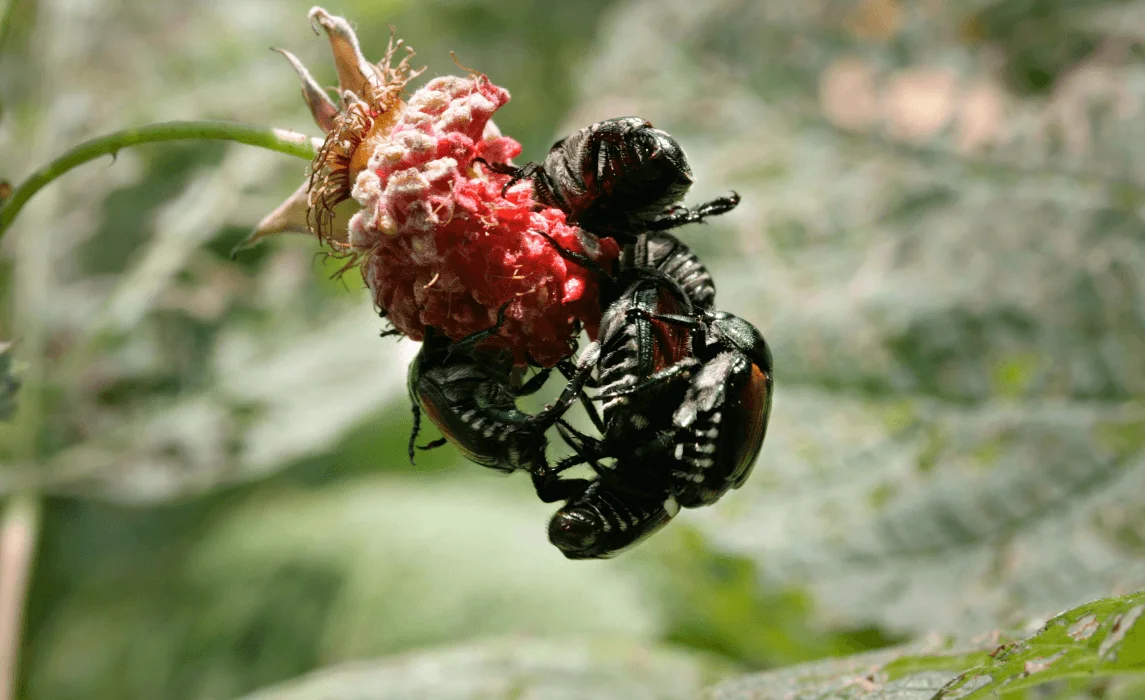
Raspberry Beetle – Larvae feed on flowers and fruit, leading to deformed berries; control by picking off beetles by hand or using insect traps.
Common Diseases
Fungal Diseases – Includes botrytis (gray mold) and powdery mildew, which damage leaves and fruit; control by pruning for airflow, avoiding overhead watering, and applying organic fungicides when necessary.
Verticillium Wilt – A soil-borne fungus that causes yellowing leaves and stunted growth; control by avoiding planting raspberries in soil previously used for tomatoes or potatoes and promptly removing infected plants.
How to Harvest Raspberries
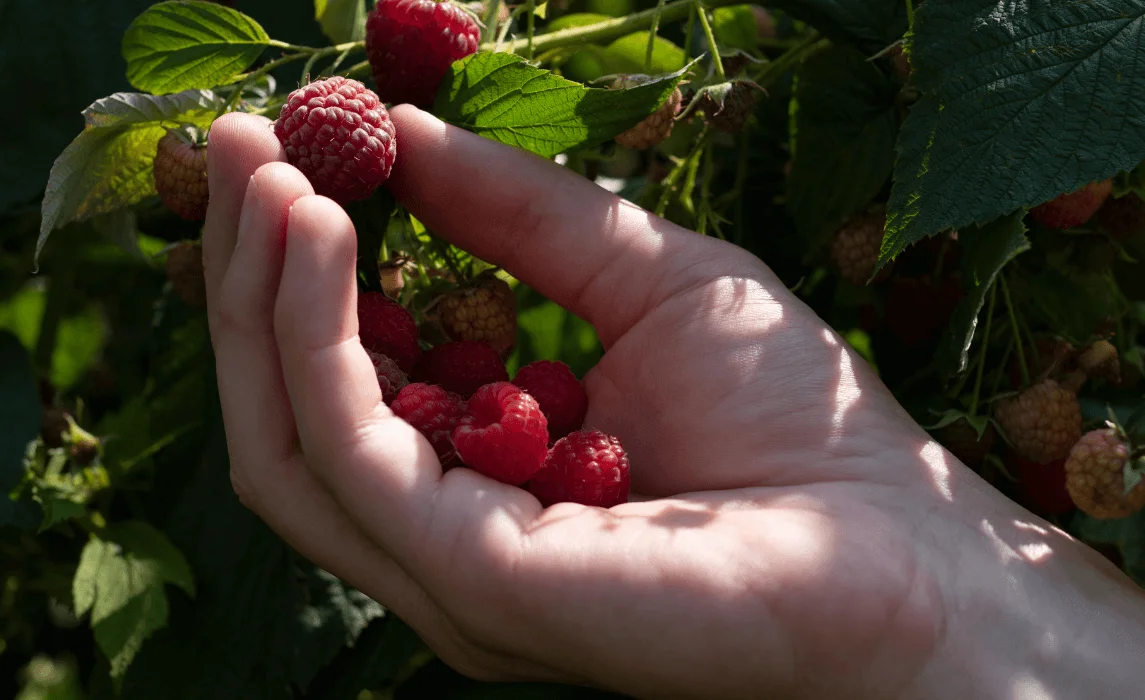
Harvesting raspberries is a rewarding part of growing them, best done when the berries are fully colored—deep red, purple, or yellow depending on the variety—and come off the stem easily. Gently pick each berry to avoid crushing the delicate fruit, and repeat every 2–3 days during peak season to promote continuous fruiting. Since raspberries do not ripen after being picked, make sure they are fully ripe before harvesting. Enjoy them fresh immediately, store in the refrigerator for up to three days, or freeze for later use in smoothies, desserts, or other recipes.
Frequently Asked Questions:
1. What is the best way to grow raspberries?
Raspberries grow best when planted in a sunny garden with well-draining soil. You can start by planting bare-root or potted plants in early spring or late fall. Rows of raspberries should be spaced about 2 to 3 feet apart within a row and 8 feet between rows. Using a trellis or support system helps canes grow upright and promotes healthy berry production.
2. How do I plant raspberries?
When planting raspberries, place the crown of the plant 1 or 2 inches above the ground. For bare-root plants, spread the roots in a hole and cover gently with soil. For potted plants, plant at the same depth as they were in the container. Make sure each bush has space to spread so new shoots and suckers can grow without overcrowding. Raspberries are easy to grow, but giving them proper spacing and sunlight ensures your raspberry patch thrives.
3. When do raspberries grow fruit?
Raspberries are perennials, and the first year canes mostly focus on root and cane growth. Summer raspberries (summer-bearing) produce fruit on two-year-old canes, typically in early summer. Fall-bearing raspberries (everbearing) can produce a crop in the fall of the first year, and another in the following summer from the same primocanes. With proper care, a bush can produce fruit in both summer and fall, giving you fresh raspberries for pies, tarts, or eating straight from the garden.
Related posts
Here are some articles you might be interested in.



.webp)