Grow Green Lettuce and Other Salad Greens in a Simple Salad Garden
Published on
March 23, 2026
Author
Zuri Khumalo
Zuri's frequent journeys to South Africa in her youth ignited her fervor for environmental science, gardening, and sustainable living. These travels deepened her connection with nature, inspiring her to contribute to conservation efforts in her own meaningful ways.
Evergreen Shrubs Q&A
How do I choose evergreen shrubs for my outdoor space?
Match mature size to USDA hardiness, light, drainage, and wind. Use a tall evergreen for screening, a mounded shrub for foundation planting, or ground cover on slopes. Repetition unifies home landscapes, while contrast creates a focal point in the landscape.
What are the best small evergreen shrubs?
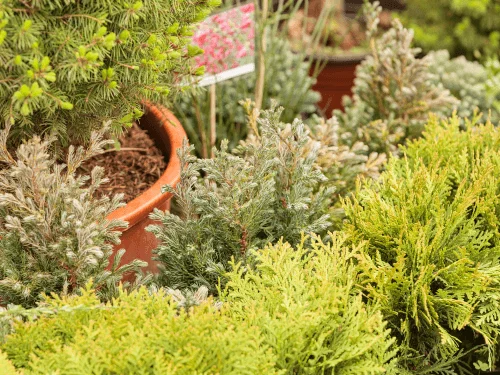
Blue Star juniper, dwarf Chamaecyparis, azalea, and Daphne are strong small-space choices. The best evergreen shrubs fit without constant shear work; check mature spread and leave airflow around glossy foliage.
Do evergreen shrubs flower as long as hydrangea?
Not usually. A hydrangea may have a long bloom time from mid-summer onward, while evergreen shrubs often bloom briefly. Combine azalea for spring, Viburnum or Mahonia for winter, and summer perennials.
When should I prune an evergreen hedge?
Prune flowering shrubs after bloom, and shape boxwood, yew, or Thuja lightly during growth. Avoid leafless old conifer wood; natural forms need less pruning and preserve year-round interest.
Why can an evergreen turn brown in winter?
Frozen soil, wind, salt, or poor drainage can brown green foliage. Water before freezing, mulch roots, and choose a protected area so evergreen shrubs retain year-round beauty and lasting structure.
Starting a Fruit Garden Q&A
What is the easiest fruit to grow for a first garden?
Strawberry is often the simplest starting point because it fits containers, fruits quickly, and is easy to replace. Raspberry, blackberry, and currant can also be forgiving when their spread is controlled. The best fruit is the one matched to your climate, sunlight, soil, and available care.
Can I grow fruit trees in a small space?
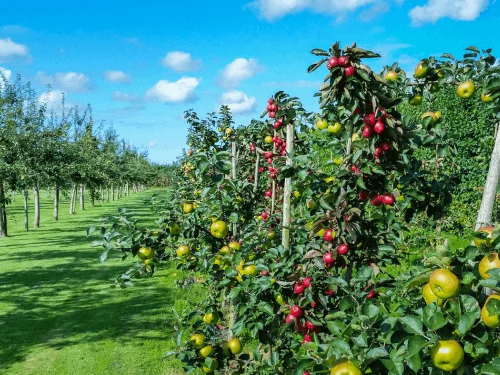
Yes. Choose a dwarf tree on a clearly labeled rootstock, train an espalier against wires, or use fruit trees in containers with sufficient soil volume and winter protection. Confirm mature dimensions, pollination needs, and whether the container can be watered consistently before you grow fruit trees.
Do I need more than one fruit tree?
It depends on the cultivar. Some trees are self-fertile, while others need compatible partners that bloom together. A nursery may recommend 2-4 fruit trees for varied harvests, but one self-pollinating dwarf tree can be enough when garden space is limited.
How soon will fruit plants produce fruit?
Strawberries and some cane fruits may crop in the first or second season, while a grafted fruit tree often takes several years. Rootstock, plant age, climate, pruning, and stress all affect timing. Remove an excessive early crop if the young plant needs energy for roots and structure.
Can a fruit garden share space with vegetables?
Yes. A combined vegetable and fruit area works when permanent crops do not shade or crowd annual beds. Put long-lived fruit plants where future digging will not disturb their roots, maintain clear paths, and choose fruits to grow at home that fit the same sunlight and watering pattern as the wider garden.
Cross Pollination Q&A
Q: Do all plants need cross-pollination?
A: No; self-pollinating plants can set seed alone, while other species benefit from or require a compatible partner.
Q: Do I need two different varieties?
A: For crops such as apples and pears, two compatible cultivars with overlapping bloom times are often needed.
Q: Does cross-pollination change this year's fruit?
A: Usually not; it generally affects the genetics of the seeds and any plants grown from them.
Q: What are signs of poor pollination?
A: Flowers may drop, young fruit may abort, or cucumbers and squash may develop unevenly.
Q: When should I hand-pollinate?
A: Work in the morning when flowers are freshly open and natural pollinator activity is low.
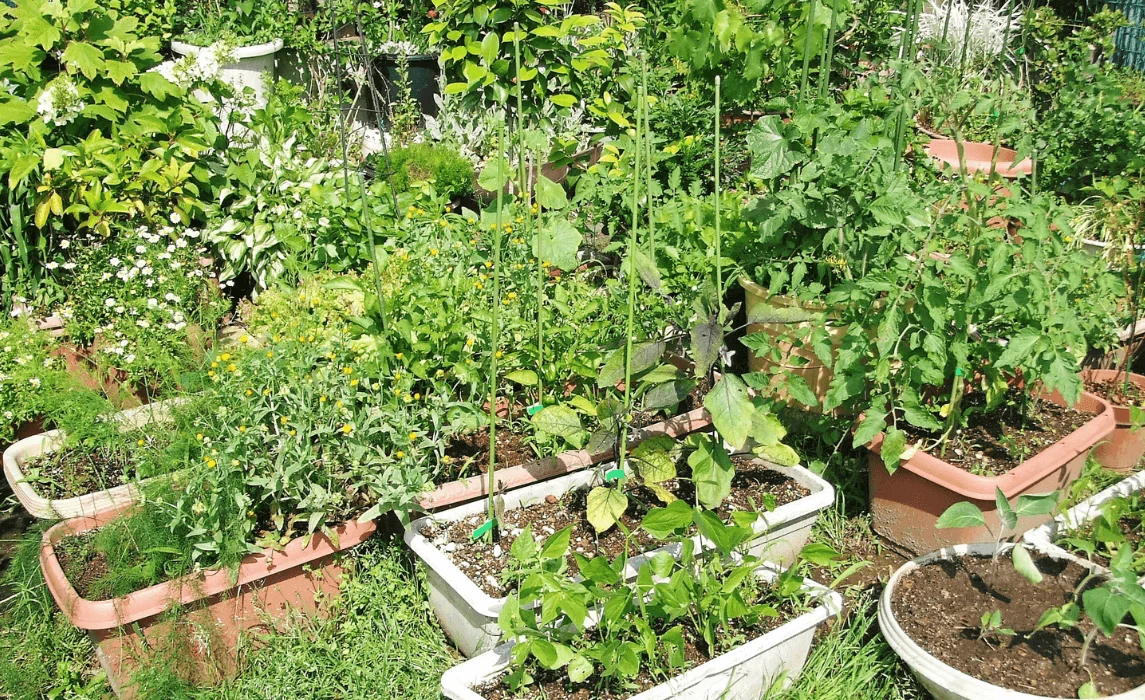
Starting a salad garden is one of the most rewarding projects you can take on for your home. Whether you have a massive backyard or just a small salad bowl on your balcony, the ability to grow a salad garden provides you with fresh greens that taste much better than anything you can buy at the store. When you grow a salad garden, you control the soil, the water, and the variety, ensuring that your favorite salad is always just a few steps away. In this guide, we will explore many salad greens to grow and the seeds to plant to ensure you have a great salad every day.
10 Things to Plant in a Salad Garden
1. Romaine Lettuce (Cos)
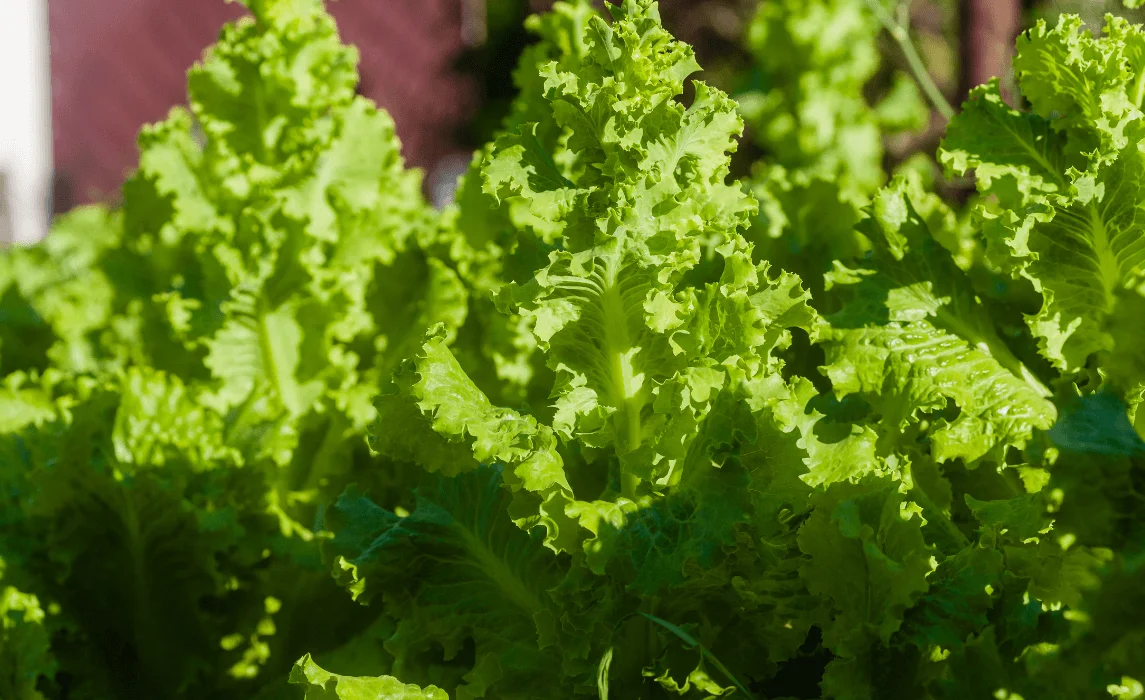
Romaine lettuce is a historical powerhouse that traces its origins back over 5,000 years to the Mediterranean, eventually becoming the preferred lettuce of the Roman Empire for its durability and crispness. Physically, this salad green grows in a distinct upright, cylindrical head reaching about 10 to 12 inches in height, featuring sturdy, deep green leaves with a thick white center rib that provides a signature crunchy texture. It thrives in cool weather and friable soil rich in organic matter, though it is famously more heat-tolerant than delicate butterhead types. To care for it, ensure the soil stays well watered to prevent bitterness, maintain spacing of 10 inches for air circulation, and provide full sun to partial shade in a stable temperature range. We recommend this to the Traditional Gardener who wants a high-yield, reliable base for classic Caesar summer salads.
Soil: Loose, loamy, pH 6.0–7.0
Water: Constant moisture; 1 inch per week
Light: Full sun to partial shade
Humidity: Moderate
Fertilizer: High-nitrogen organic liquid every 3 weeks
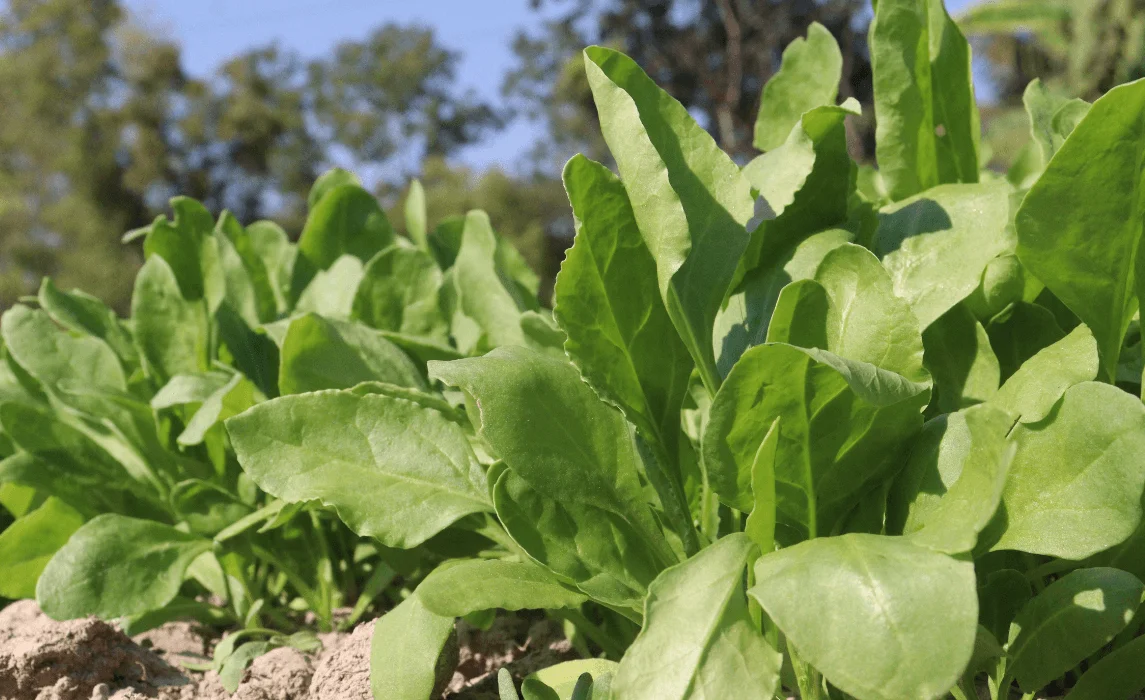
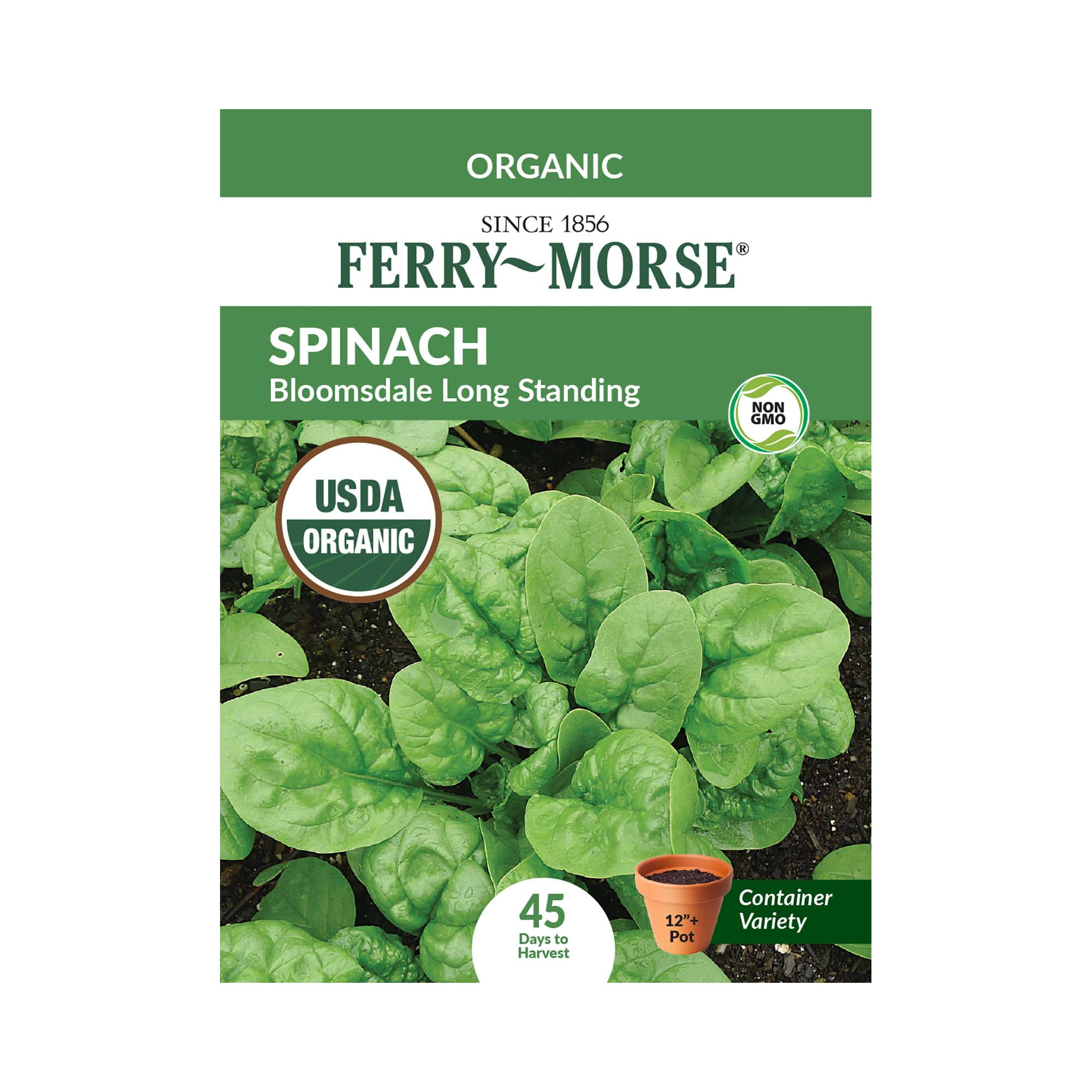
Spinach is a Persian native introduced to Europe in the 12th century, and the "Bloomsdale" variety is a classic heirloom prized for being "long standing," meaning it resists bolting better than other leafy greens when the summer garden warms up. This low-growing weather crop forms a heavy, compact rosette about 6 to 10 inches tall, characterized by thick, dark green leaves with a heavily crinkled or "savoyed" texture that holds salad dressing exceptionally well. It thrives in nitrogen-rich soil during the chilly months of early spring or late autumn and can even survive a light frost, which often makes the young leaves taste sweeter. To care for it, sow seeds directly into the ground, keep the soil surface damp, and provide light shade if the temperature spikes to keep the plant from flowering. We recommend this to the Health-Conscious Gardener who wants to grow herbs and greens and veggies that are packed with iron and vitamins for a power-packed favorite salad.
Soil: Nitrogen-rich, well-drained loam
Water: Frequent; keep soil consistently moist
Light: Full sun to partial shade
Humidity: 50%–70%
Fertilizer: Balanced organic fertilizer at planting
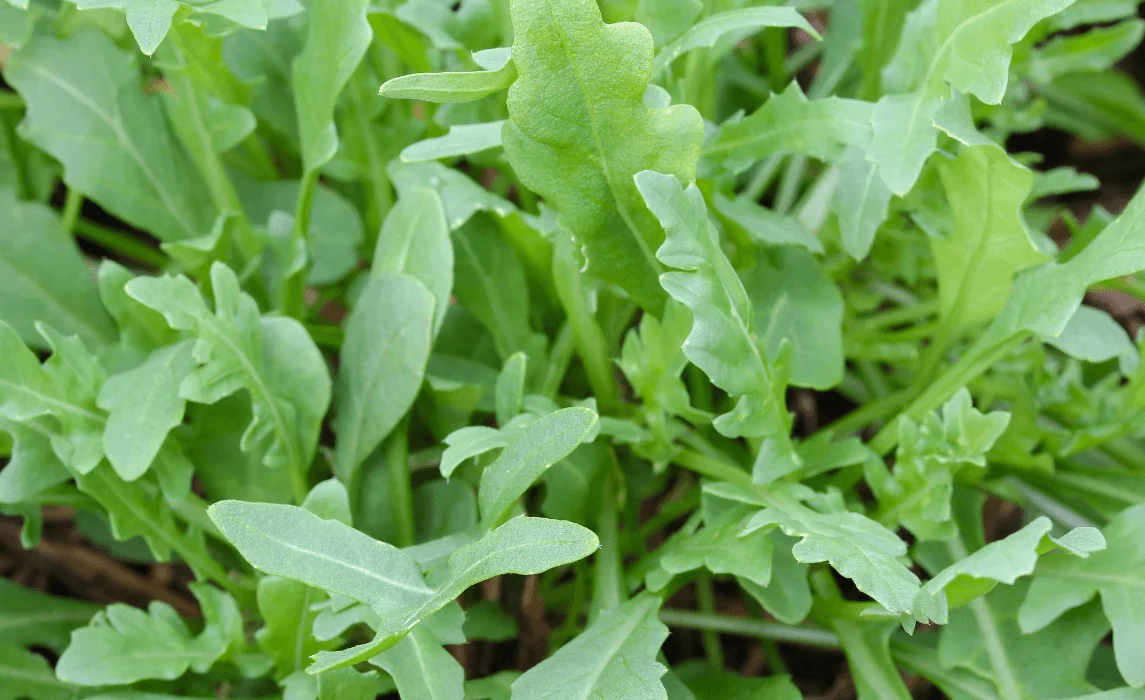
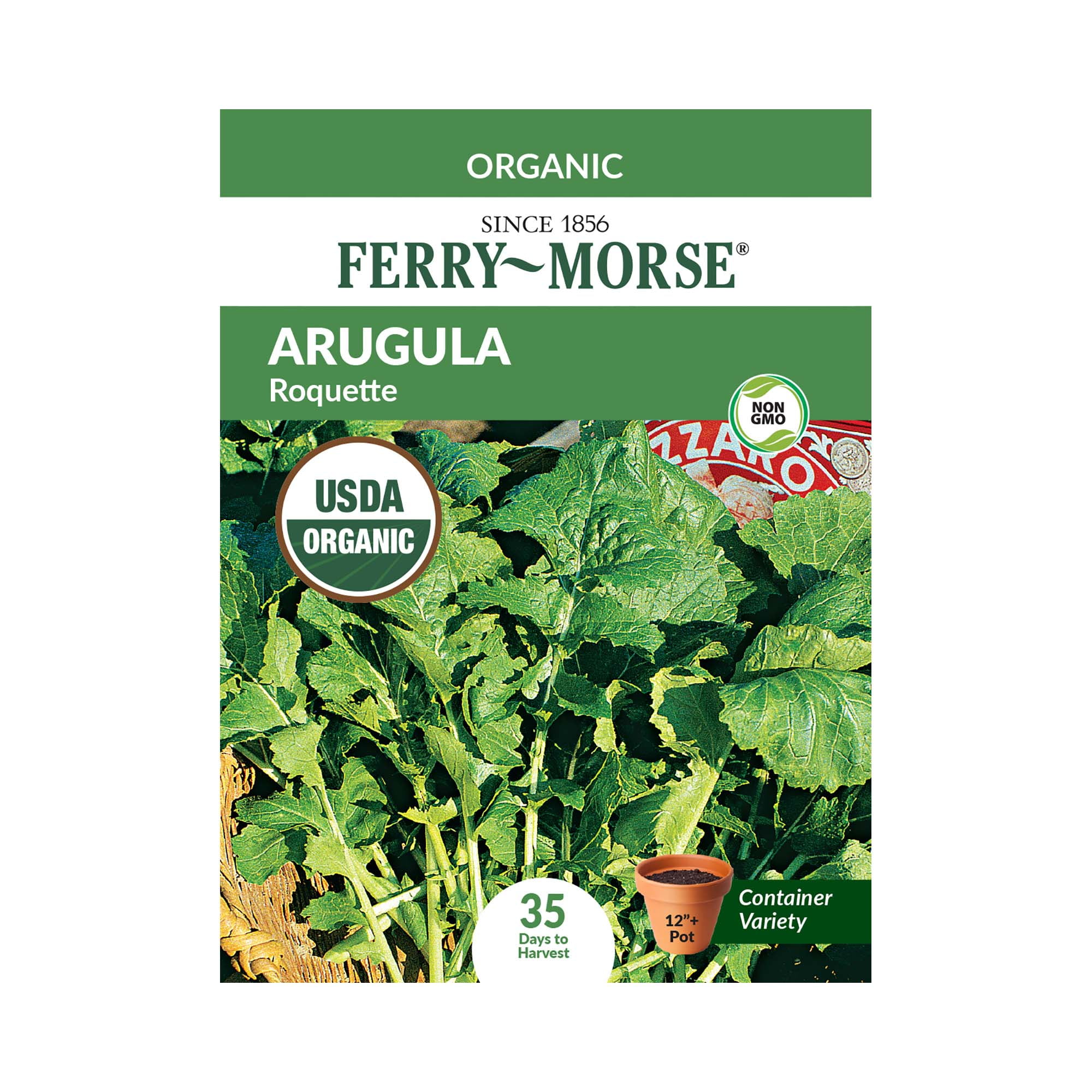
Arugula, a Mediterranean staple since Roman times, is an incredibly easy to grow salad green, with the "Wild Rocket" variety offering a much more intense, peppery flavor than standard types. Physically, it features narrow, deeply lobed green leaves that grow in a loose clump 6 to 12 inches high, and it eventually produces edible white flowers with purple veins that add a zesty look to any salad bowl. It thrives in well-drained soil and cool weather, often being the first thing to harvest due to its rapid germination and growth. Caring for it involves frequent, shallow watering to prevent the leaves from becoming too pungent and practicing succession planting to ensure a constant supply of tender foliage. We recommend this to the Adventurous Gardener who wants to add a spicy, horseradish-like kick to their summer salads without much effort.
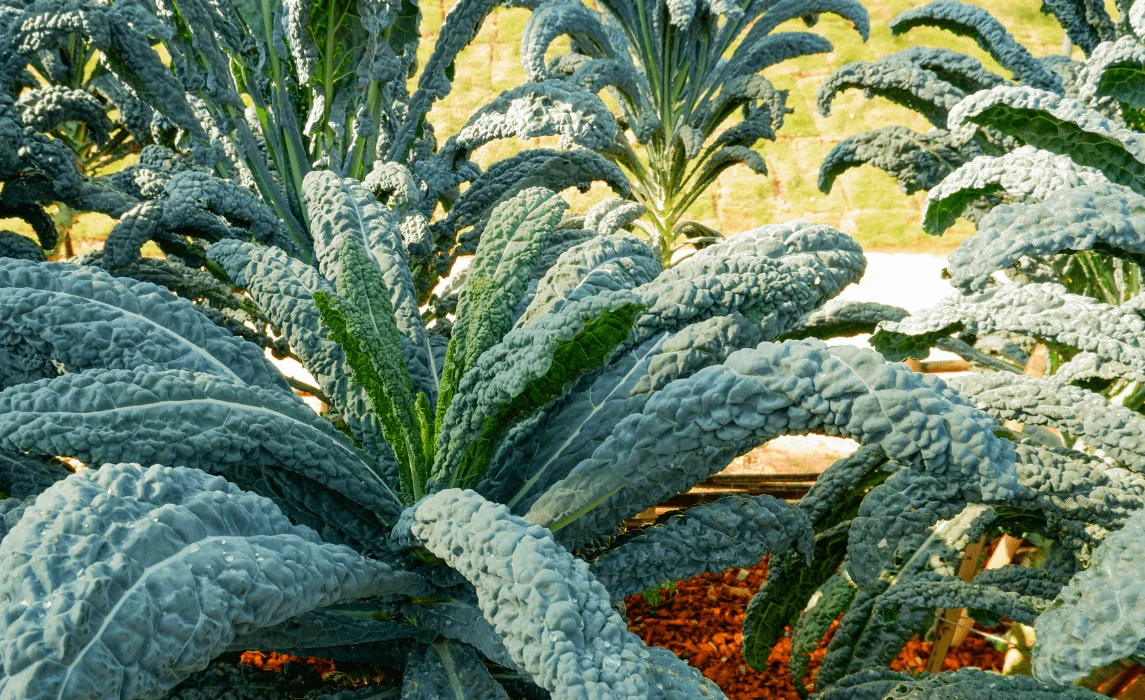
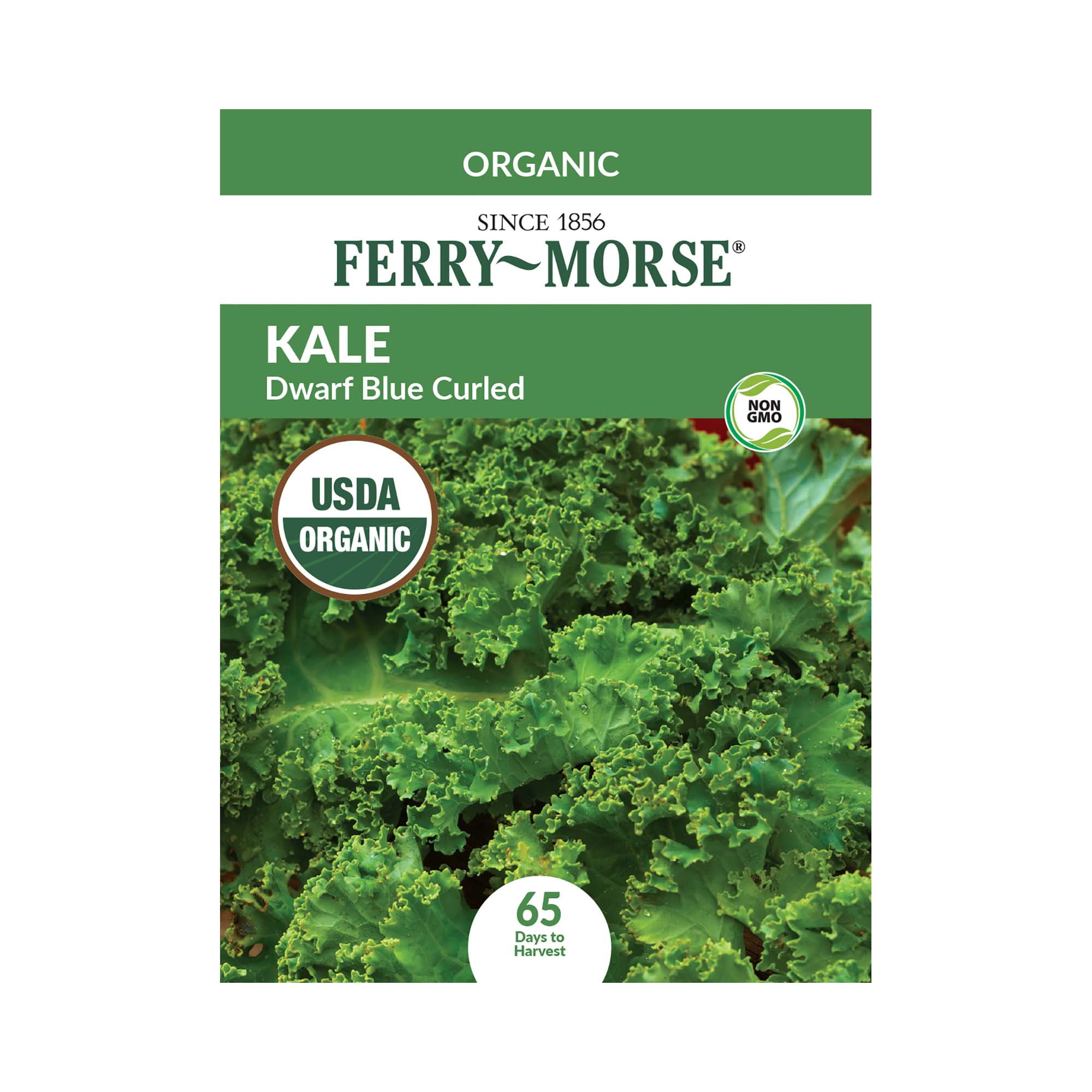
Kale is a rugged member of the cabbage family, and the Lacinato variety—also known as Dinosaur or Tuscan Kale—has been a centerpiece of Italian gardens since the 18th century. This striking, architectural plant can grow up to 2 or 3 feet tall, featuring long, strap-like leaves of a blue-green, almost black color with a heavily puckered texture that resembles dinosaur skin. It thrives in almost any soil and is famously hardy, surviving both the heat of a summer garden and the freezing cool weather of winter, which actually makes the leaves sweeter. To care for it, give the plants plenty of spacing, keep the soil moist, and use a nitrogen-rich fertilizer to support the constant production of leafy foliage. We recommend this to the Practical Gardener who wants a "cut and come again" plant that provides fresh greens for nearly the entire year.
Soil: Rich, loamy, moist
Water: 1.5 inches per week
Light: Full sun (6+ hours)
Humidity: Low to moderate
Fertilizer: High-nitrogen every 4 weeks
Temperature: 40°F–80°C
USDA Zone: 7–9 (biennial)
Ferry‑Morse 800MG Organic Kale Dwarf Blue Curled Seeds
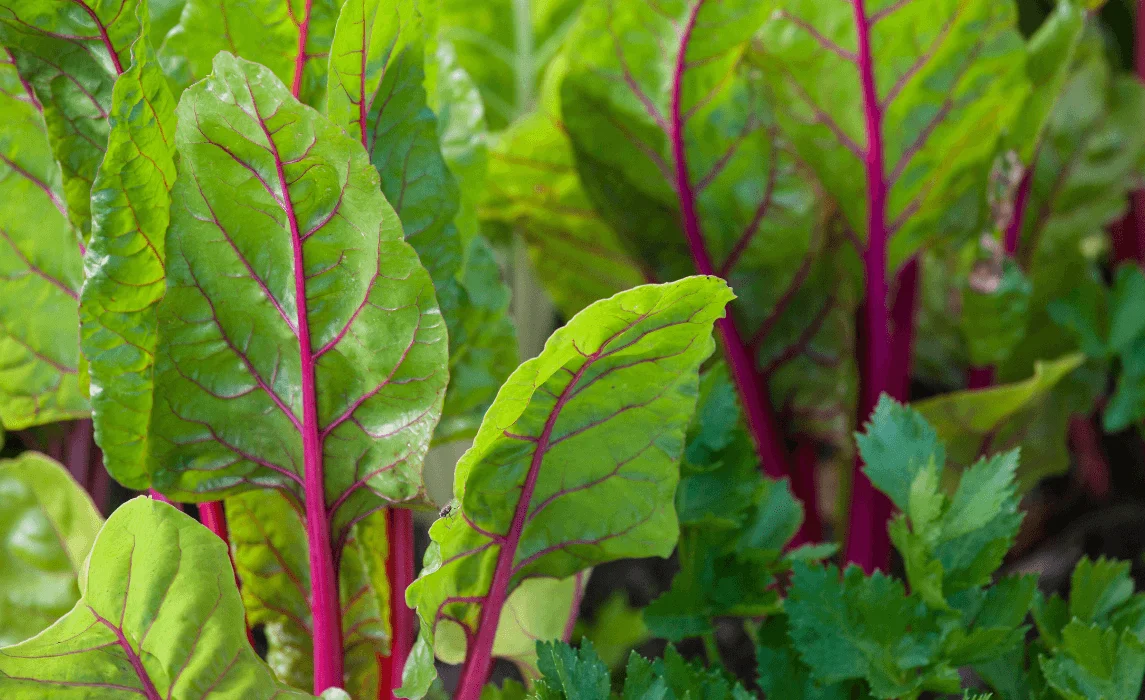
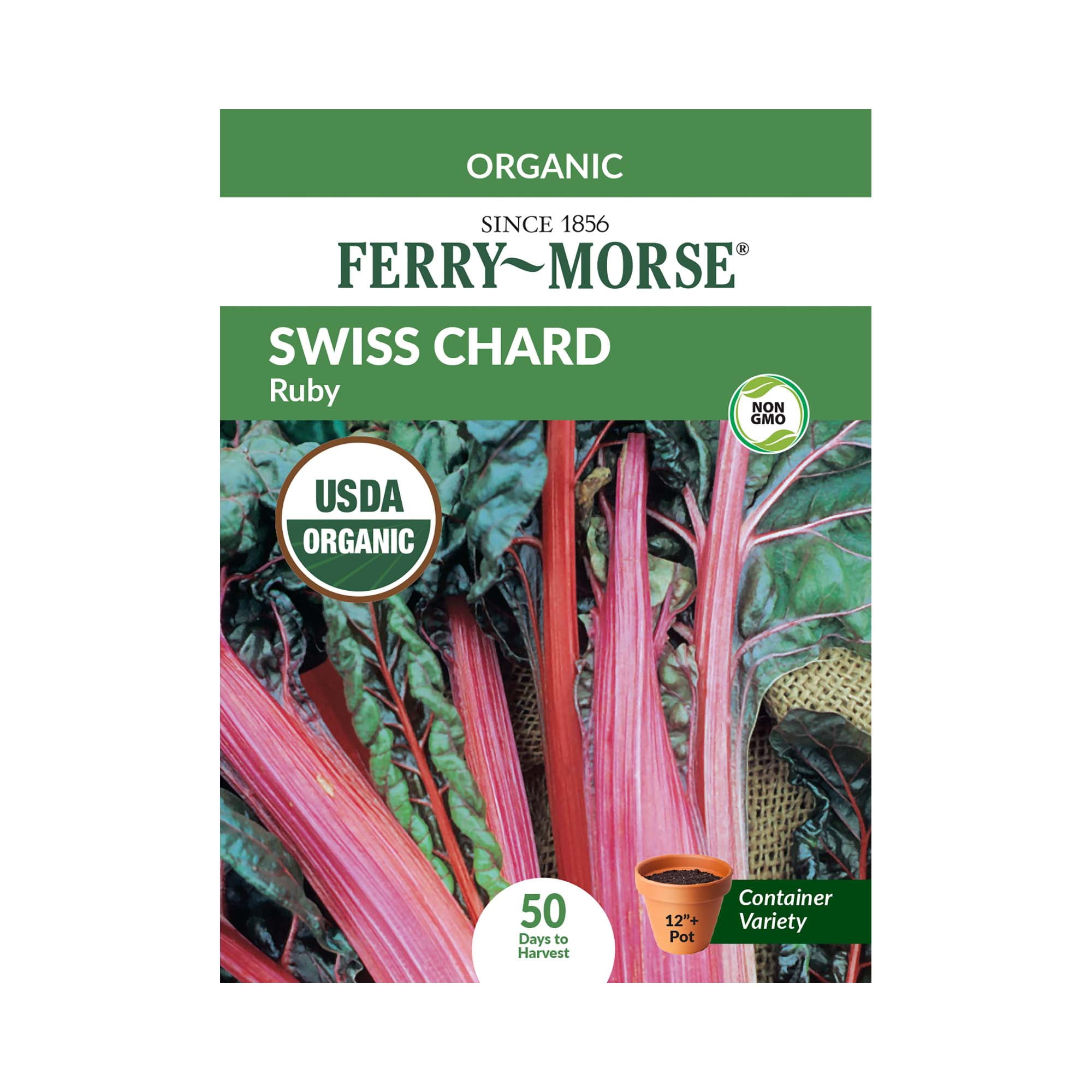
Swiss chard is a relative of the beet grown for its massive leafy tops, and the "Bright Lights" variety is a celebrated heirloom known for its neon-colored stems in shades of pink, yellow, red, and white. This stunning plant grows in upright clumps 12 to 18 inches tall, featuring broad, fan-shaped deep green or bronze leaves with thick, crunchy stalks that add a celery-like texture to a salad bowl. It thrives in cool weather but is exceptionally heat-tolerant, making it a reliable thing to plant to bridge the gap between spring and fall summer salads. Care is simple: keep the soil well watered, provide full sun, and harvest the outer leaves to allow new leaves to grow from the center all season long. We recommend this to the Aesthetic Gardener who wants their personal salad garden to be as beautiful as a flower bed while providing plenty of food.
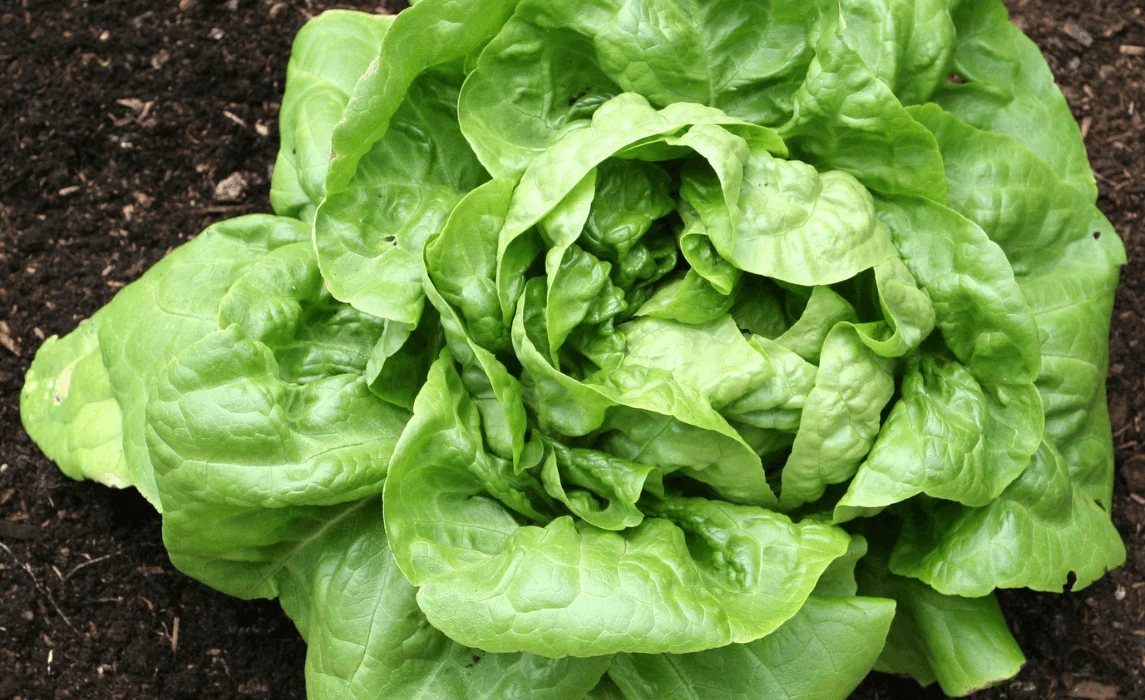
Buttercrunch lettuce was developed by Cornell University to be more heat-resistant than traditional European butterheads, making it a favorite for home garden beds since the 1960s. Physically, it forms a small, loose, semi-upright head 6 to 8 inches wide, with creamy yellow-green inner leaves and thick, vibrant green outer leaves that have a velvety, buttery texture. It thrives in rich soil during cool weather, but it is slower to bolt than other lettuce varieties, allowing for a longer harvest window in late spring. Care involves frequent, light watering at the base of the plant to protect the delicate leaves and providing afternoon shade when the temperature begins to rise. We recommend this to the Gourmet Gardener who appreciates a tender, mild salad green that pairs perfectly with a light vinaigrette.
Soil: High organic matter, loose
Water: Frequent, light watering
Light: Partial shade in the heat
Humidity: 60%–80%
Fertilizer: Liquid seaweed or fish emulsion
Temperature: 55°F–70°C
USDA Zone: 4–9
7. Mizuna
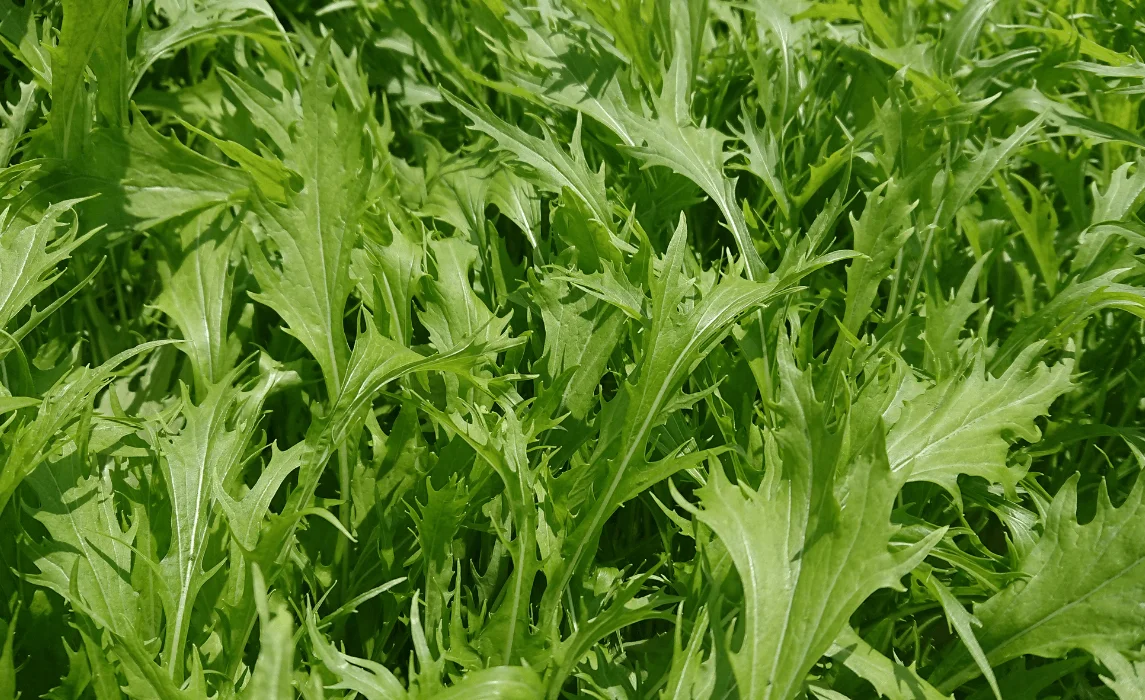
Mizuna is an ancient Japanese mustard green from the Kyoto region that has become a staple in spring mix salads for its unique feathery appearance and mild, slightly peppery taste. This attractive plant grows in a dense, fountain-like clump of thin, deeply serrated lime-green leaves, reaching about 10 to 12 inches in height and looking like a green firework in the soil. It thrives in moist, fertile soil and is very easy to grow because it is resistant to both extreme cold and bolting, making it a reliable "cut and come again" variety. To care for it, keep the ground damp and harvest frequently to encourage new leaves to sprout from the base. We recommend this to the Artistic Gardener who wants to add a light, airy texture and a beautiful look to their favorite salad.
Soil: Moist, fertile loam
Water: High; keep soil damp
Light: Full sun to part sun
Humidity: High
Fertilizer: High-nitrogen compost tea
Temperature: 45°F–75°C
USDA Zone: 4–9
8. Red Giant Mustard Greens
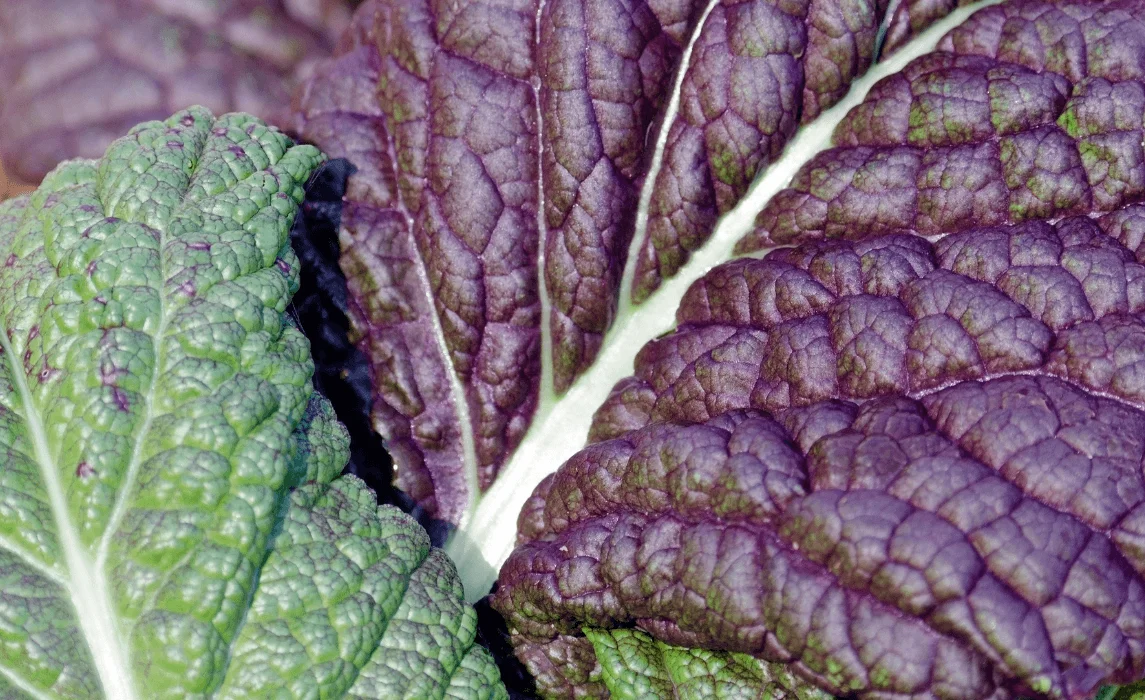
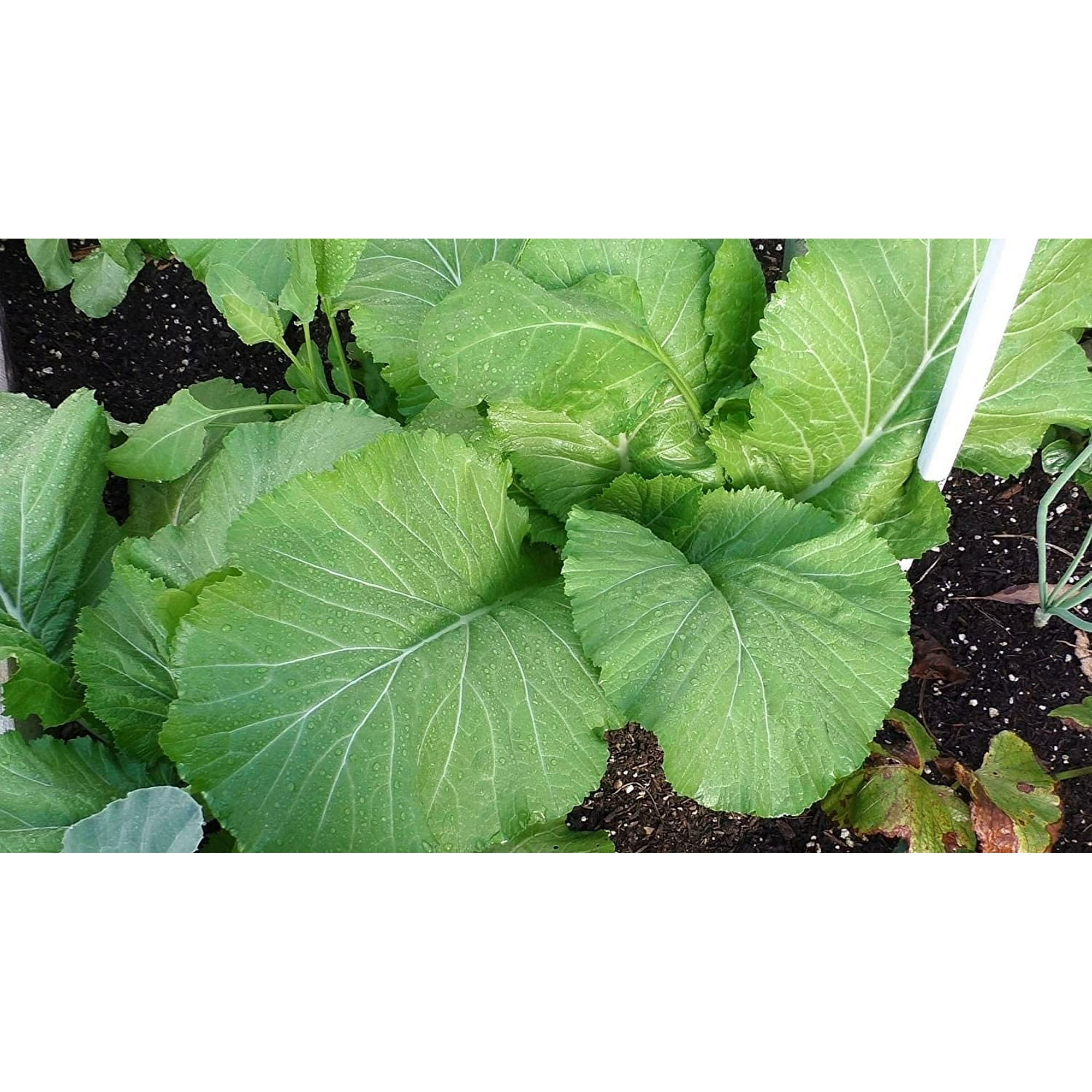
Mustard greens have a long history in Asian and Southern American cuisine, and the "Red Giant" variety is a striking Japanese heirloom known for its massive size and sinus-clearing, wasabi-like heat. Physically, it features broad, slightly ruffled leaves that can reach 18 inches in length, showing a stunning deep purple-maroon on top and bright green on the bottom. It thrives in cool weather; however, if grown in a hot summer garden, the leaves become intensely zesty and spicy, whereas they are milder in the spring or fall. Caring for them requires spacing to allow for their large size and consistent watering to keep the leaves from becoming too tough or bitter. We recommend this to the Bold Gardener who loves a great salad with a powerful, spicy "bite."
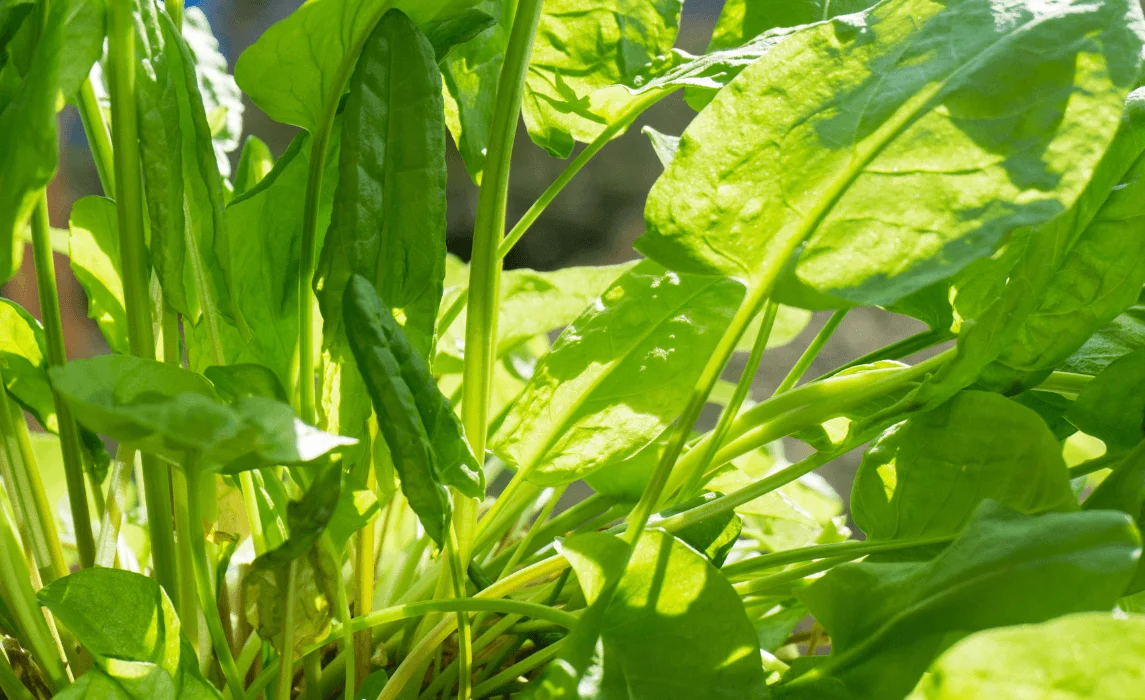
Sorrel is a perennial herb and salad green that has been a darling of French culinary traditions for centuries, specifically for its sharp, refreshing flavor. Physically, it produces smooth, arrow-shaped bright green leaves that grow in a clump 18 to 24 inches tall, looking somewhat like spinach but with a much different flavor profile. It thrives in rich, slightly acidic soil and is exceptionally hardy, being one of the first fresh greens to emerge as soon as the ground thaws in the spring. Caring for it is a simple task: just keep it well watered and snip off the flower stalks in the summer to keep the energy focused on the leafy growth. We recommend this to the Sustainable Gardener who wants a permanent, "set it and forget it" plant that provides a unique, citrusy flavor every year without needing to sow seeds again.
Soil: Rich, moist, slightly acidic
Water: Regular; likes consistent moisture
Light: Full sun to light shade
Humidity: Low to moderate
Fertilizer: Yearly top-dress with compost
Temperature: 40°F–75°C
USDA Zone: 3–9
10. Red Sails Lettuce
Red Sails lettuce is an award-winning loose-leaf variety known for its incredible color and its ability to stay sweet even as the temperature starts to climb. This lettuce does not form a head but instead grows in a large, ruffled rosette of leaves that are bronzy-red at the tips and light green at the base, typically reaching 12 inches in width. It thrives in cool weather and is very easy to grow in a salad bowl or a large garden setup, as it is more "bolt-resistant" than other red lettuce varieties. Care involves keeping the soil well watered and using a layer of mulch to keep the ruffled leaves in salads clean from soil splash. We recommend this to the Beginner Gardener who wants a high-impact, beautiful plant that is very forgiving and yields a large volume of fresh greens.
Soil: Loose, fertile, well-aerated
Water: Morning watering is best; 1 inch per week
Light: Full sun to part shade
Humidity: Moderate
Fertilizer: Nitrogen-rich organic fertilizer
Temperature: 45°F–70°C
USDA Zone: 3–11
Frequently Asked Questions:
How do I stop my lettuce from being bitter?
Bitterness is usually caused by heat. When the temperature rises, the plant thinks it is time to reproduce and produces seeds (bolting). To prevent this, keep your salad garden well watered, use mulch to keep the soil cool, and provide some shade during the hottest part of the day.
Can I grow these in a "salad bowl" on a balcony?
Absolutely! Most leafy greens like lettuce, spinach, and arugula have shallow roots and thrive in containers. Just make sure the bowl has drainage holes and you use good potting soil.
What is "succession planting"?
Succession planting means you sow seeds every 1 to 2 weeks instead of all at once. This ensures that when one batch of lettuce is finished, a new batch of young leaves is ready to harvest, giving you a constant supply of fresh greens.
Related posts
Here are some articles you might be interested in.