Ryan Johnson relocated to his grandfather's old farm when he was 22 years old where he discovered the joys of farming and gardening. With his cool demeanor and strong-willed passion for the agrarian lifestyle, he now shares his know-how to aspiring gardeners.
Growing Chia Plants Q&A
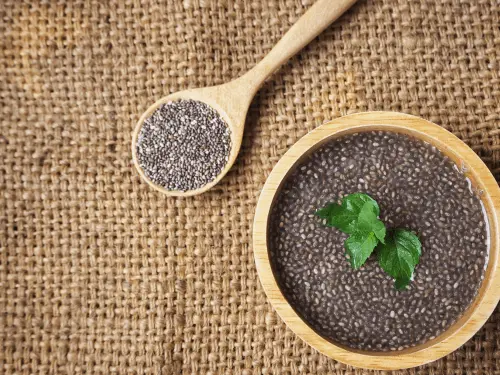
Can I grow chia from the chia seeds I buy at the store?
Yes. Organic chia seeds from the grocery store will often germinate, though germination can vary. Fresh seed from a garden supplier is more reliable.
How long does it take to grow chia?
Seeds sprout in about a week. The plant needs 100 to 150 days to mature before you can harvest the seeds.
Is chia a California native plant?
Salvia hispanica is native to central Mexico and Guatemala. However, Salvia columbariae, sometimes called California chia, is a California native plant.
Can I grow chia indoors?
You can grow chia sprouts and microgreens indoors easily. A full-size chia plant needs strong light and rarely sets a good seed crop indoors.
Why won't my chia flower?
Chia flowers when days get shorter. Plants in cooler regions or those lit at night may bloom late or not at all.
How to Grow Pumpkins Q&A
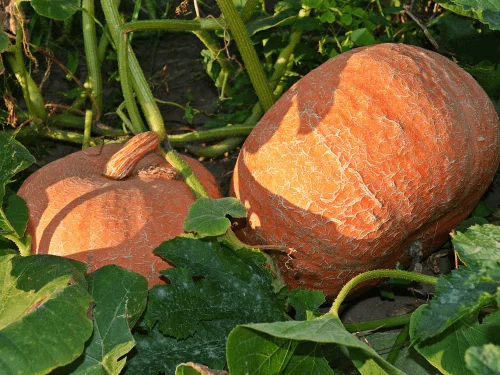
Can I grow pumpkins in a small home garden?
Yes. Choose bush or miniature varieties, grow vines on a trellis, or use raised beds. Plan on one or two plants per hill and prune vines when space is tight.
When should I plant pumpkins for Halloween?
Plant seeds in late May or early June in most climates. Count back from your first frost date and allow for 90 to 120 days of growth.
Why does my pumpkin plant have flowers but no fruit?
Male flowers appear first, so early flowers will not set fruit. If female flowers open but fail to fruit, you probably have too few bees. Pollinate by hand in the morning.
What causes pumpkin leaves to turn white?
This is usually powdery mildew. Improve airflow, water at the base, remove infected leaves, and apply a fungicide or neem oil.
Can I eat the pumpkin I grew for carving?
Yes, though carving types are stringy and bland. Pie pumpkins are sweeter, but the seeds from any pumpkin can be roasted.
Growing Grapevines Q&A
How long does it take for a grape plant to produce fruit?
Most young vines need two to three years after planting before they set a full crop, though a few clusters may appear in year two. Patience pays off — established vines can keep producing for 40 years or more.
Do I need more than one vine to grow grapes?
No. Since most grape varieties are self-fertile, one plant is enough to produce fruit on its own. Planting a second variety nearby is optional and mainly helps with cross-pollination in a few less common types.
Can grape vines grow in containers?
Yes, though grape vines grow best planted directly in the ground, where the root system has room to spread. A large container works for a year or two, but expect to transplant once the vine outgrows the pot.
Why aren't my grapes ripening?
Grapes ripen slowly compared to many fruits, and cool weather, too much shade, or overcrowded canes can all delay the process. Give the vine full sun, thin the clusters, and be patient through the growing season.
What's the difference between table grapes and wine grapes?
Table grapes are bred for fresh eating, with thinner skins and fewer seeds, while wine grapes tend to have thicker skins, more seeds, and higher sugar content suited to fermentation.
Are grape vines toxic to pets?
Grapes and grape leaves are not toxic to people, but grapes and raisins are toxic to dogs and can cause kidney damage, so keep fallen fruit cleaned up if pets have access to the vineyard.
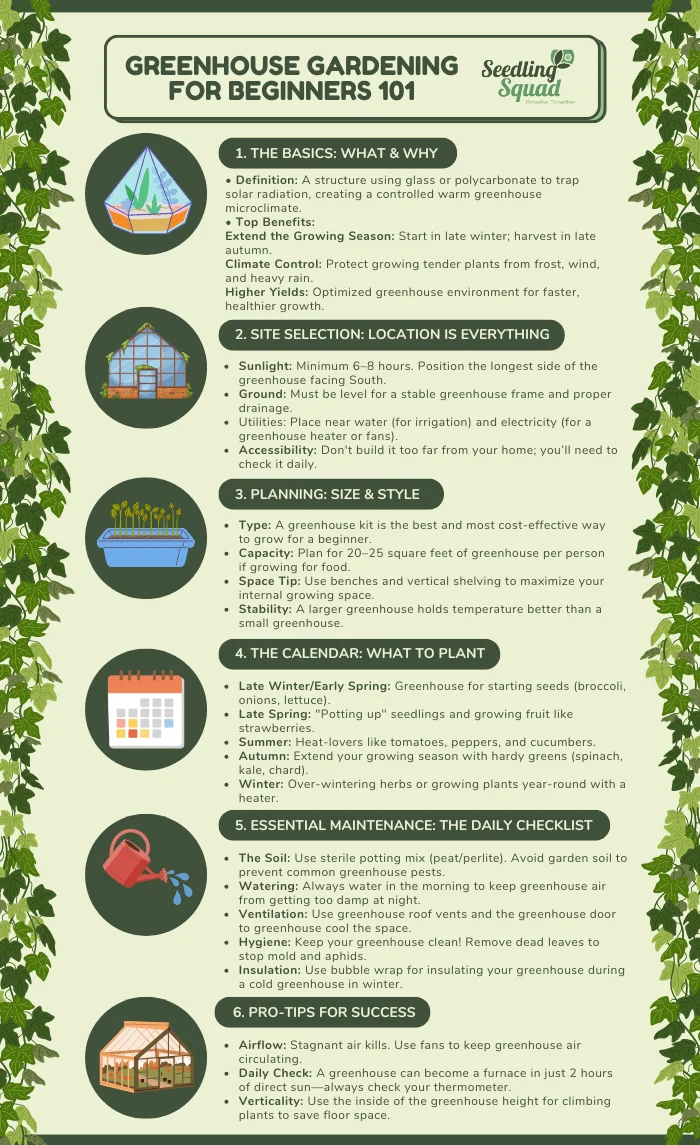
If you have ever felt the frustration of a killing frost ending your harvest too early, or the disappointment of leggy seedlings struggling on a windowsill, then owning a greenhouse is the solution you have been searching for.
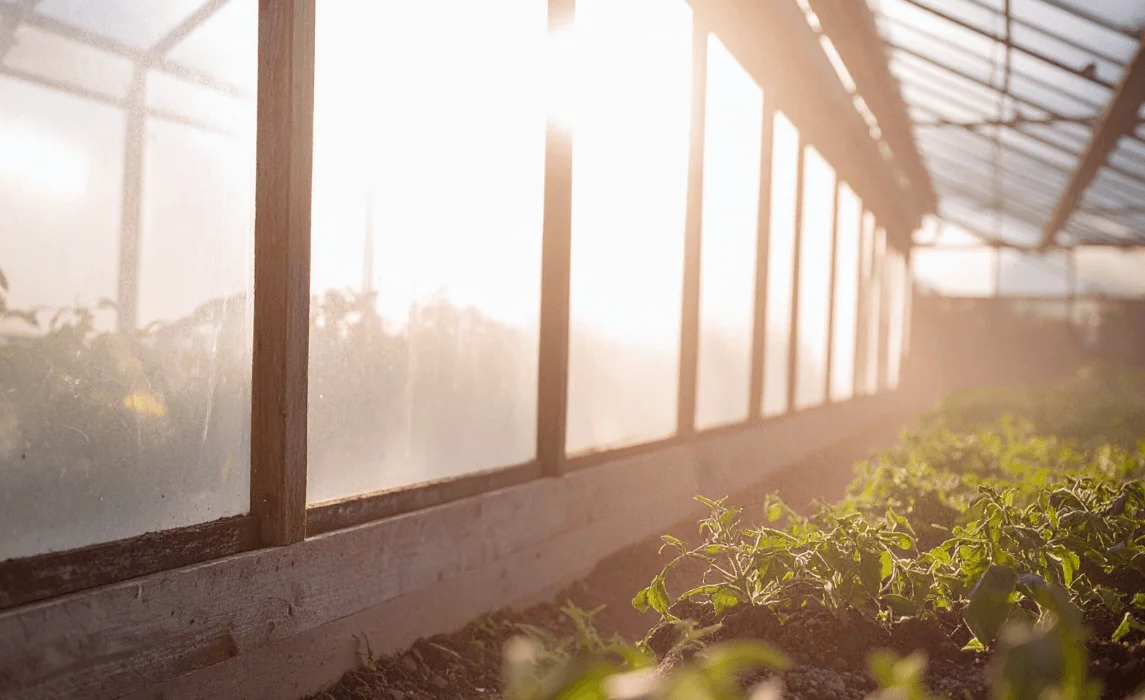
Imagine walking into a warm greenhouse while the outside air is still biting with the chill of late winter. Inside, the air is humid, the scent of damp earth is rich, and rows of vibrant green vegetable starts are reaching toward the glass. This isn't just a dream for professional farmers; it is entirely achievable for the beginner gardener. Whether you have a sprawling backyard or just a small patio, greenhouse gardening offers a way to take control of the climate and grow crops that would otherwise never survive in your local hardiness zone.
In this comprehensive beginner’s guide, we will explore every facet of greenhouse gardening 101. We will cover what these structures are, where to put them, how to choose the right greenhouse, and—most importantly—how to keep your plants in a greenhouse thriving through every season.
What are Greenhouses and What are their advantages?
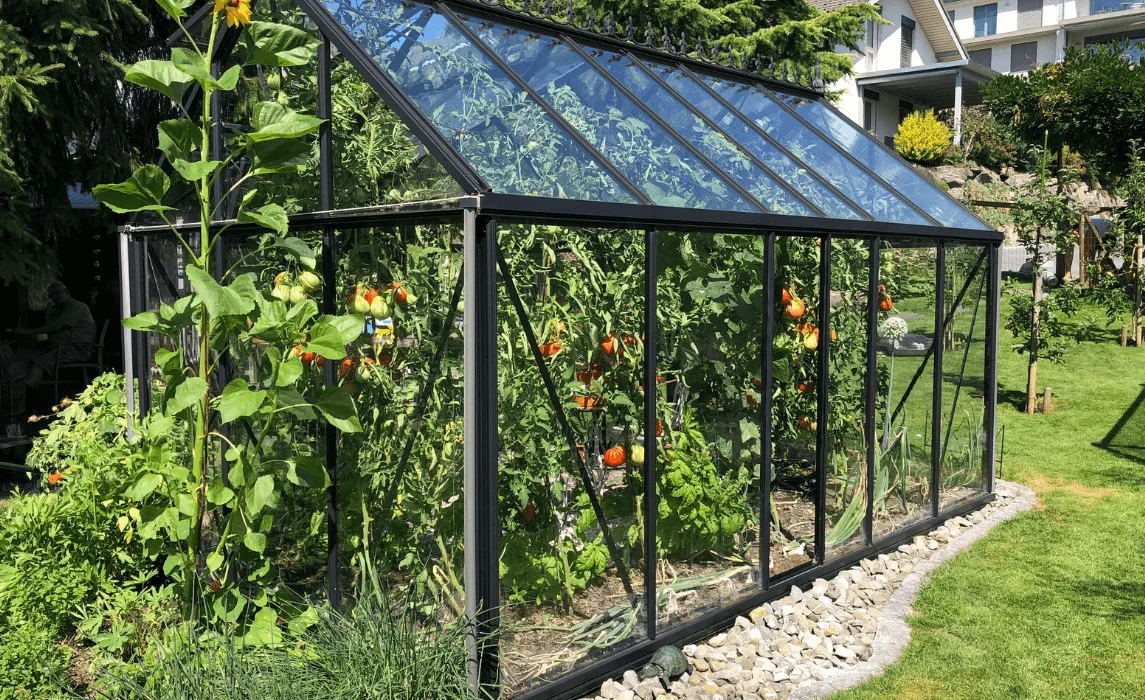
To understand greenhouse growing, we first have to understand the structure itself. A greenhouse is a framed structure covered with a transparent or translucent material—usually glass, polycarbonate, or plastic film. It works by trapping solar radiation. The sunlight passes through the greenhouse roof and walls, warming the soil and plants inside. This heat is then trapped by the structure, creating a microclimate that is significantly warmer than the ambient outdoor temperature.
The Primary Advantages for a Beginner
New to greenhouse growing? You’ll quickly find that a hobby greenhouse offers benefits that traditional open-air gardens simply cannot match.
Extend the Growing Season: This is the most popular reason for adding a greenhouse. You can start your seeds in late winter or early spring and continue growing summer crops well into the autumn.
Protection from Extremes: A quality greenhouse acts as a shield. It protects growing plants from heavy downpours, hail, scorching winds, and the unexpected late-spring frosts that often kill growing tender seedlings.
Pest and Disease Control: While not entirely "pest-proof," inside the greenhouse, you have a much better chance of managing localized outbreaks. You won't have to worry about deer, rabbits, or neighborhood cats digging up your greenhouse borders.
A Sanctuary for the Gardener: Beyond the plants, owning a greenhouse is good for the soul. It provides a warm, bright place to work on your hobby greenhouse projects even when the weather outside is gray and dismal.
Growing Fruit and Exotic Plants: With a warm greenhouse, you can grow citrus trees, orchids, or Mediterranean herbs that would typically perish in colder climates.
Where Should You Install a Greenhouse?
Siting a greenhouse is the most important decision you will make. You cannot simply plop a greenhouse kit anywhere and expect it to work. Make sure your greenhouse is positioned to maximize its efficiency.
Sunlight is King
For greenhouse gardening, light is your primary fuel. Ideally, your greenhouse should receive at least 6 to 8 hours of direct sunlight during the winter months.
Orientation: The best orientation is to have the longest side of the greenhouse facing South (in the Northern Hemisphere). This allows the structure to capture the maximum amount of "low sun" during the winter.
Shadows: Watch out for "winter shadows." A tree that provides nice shade in the summer might cast a long, cold shadow over your growing space in January when the sun is lower in the sky.
Level Ground and Drainage
The greenhouse floor must be level. If the ground is sloped, the greenhouse frame will eventually warp, leading to cracked glass or doors that won't shut. Additionally, ensure the site has good drainage. You don't want water pooling inside the greenhouse or around the foundation, as this leads to high humidity and root rot.
Accessibility and Utilities
Don't put your small greenhouse so far at the back of the property that you dread walking to it.
Water: You will be watering greenhouse plants frequently. Having a hose bib nearby is essential.
Electricity: If you plan on using a greenhouse heater or greenhouse air circulation fans, you’ll need a safe, weather-proof electrical connection.
How Large Should Your Greenhouse Be and What’s the Best Type for You?
When choosing a greenhouse, consider your goals. Are you just starting a greenhouse garden for a few herbs, or do you want to provide vegetables all year round for your family?
Growing Space Per Person: A good rule of thumb is roughly 20 to 25 square feet of greenhouse space per person if you want to be semi-self-sufficient.
Shelving vs. Ground: Remember that inside a greenhouse, you can grow vertically. Using benches and shelves can double your effective growing space.
Greenhouse Options and Styles
Greenhouse Kit: These are the best for a beginner. They come with all the parts (the greenhouse frame, panels, and hardware).
Hobby Greenhouse: Usually a freestanding peak-roof or "A-frame" design. These are aesthetically pleasing and offer great greenhouse air circulation.
Lean-to Greenhouse: If you have limited space, a lean-to attaches to the side of the greenhouse of your home. It benefits from the heat radiating off your house walls.
Cold Frames: Not technically a full greenhouse, but a "mini" version that is a great option for beginners with a very small budget.
When Should You Use a Greenhouse?
The "when" depends on your climate, but for most greenhouse gardening 101 enthusiasts, the calendar looks like this:
Late Winter (Jan - Feb): Use your greenhouse for starting hardy seeds like onions, leeks, and brassicas. If you have a greenhouse heater, you can even start your tomatoes now.
Early Spring (March - April): This is the busiest time. The greenhouse environment is perfect for "potting up" seedlings. It’s also the time to keep the greenhouse tidy for the main summer crops.
Summer (June - August): The main challenge is to greenhouse cool the structure. The greenhouse can get incredibly hot, so ventilation is key.
Autumn (Sept - Nov): Use the structure to extend your growing season. You can grow crops like lettuce and spinach long after the first frost has hit the outdoor garden.
Winter (Dec): In an unheated greenhouse, you can over-winter hardy herbs or use the space for storage. With insulation, it becomes a warm greenhouse for tropicals.
Moving on to the Best Soil and What to Plant
The "Best" Soil for Greenhouse Success
Greenhouse gardening is different from outdoor gardening because the environment is contained. You should almost never use "garden soil" from your backyard in pots inside the greenhouse.
Why? Backyard soil is too heavy, doesn't drain well in pots, and often carries common greenhouse pests and fungal spores.
The Solution: Use a high-quality, sterilized potting mix. A mix of peat moss or coco coir, perlite (for greenhouse air in the roots), and compost is the way to grow healthy plants.
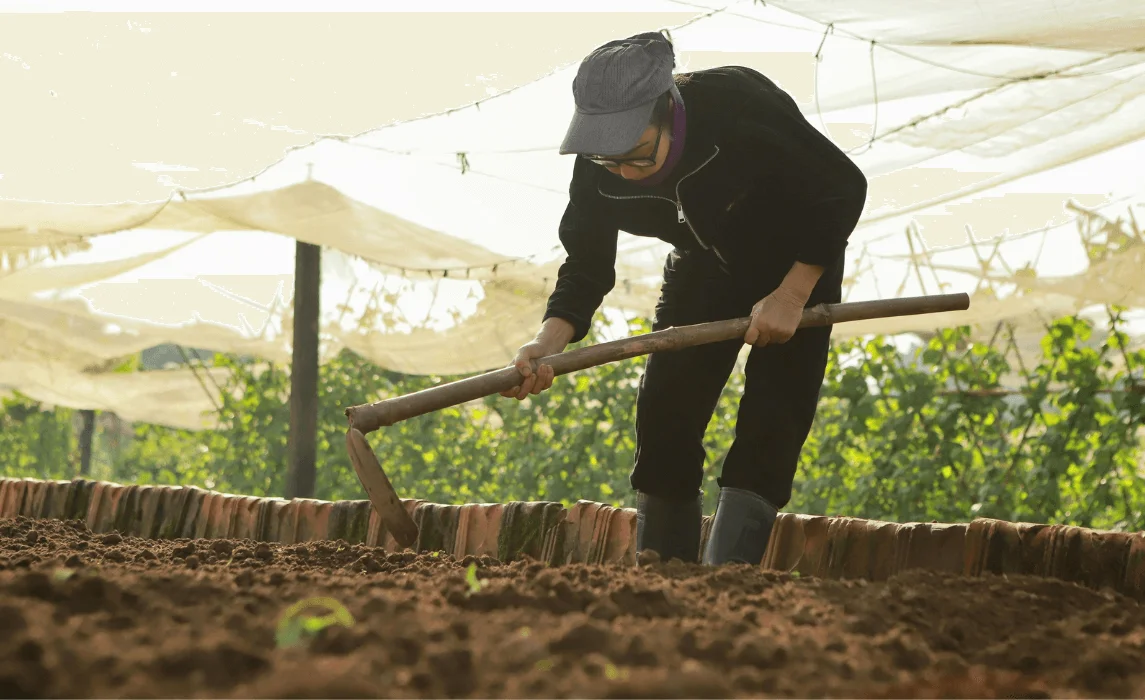
Greenhouse Borders: If you are planting directly into the ground inside the greenhouse, you must enrich the soil with plenty of well-rotted manure and organic matter every year to prevent nutrient depletion.
What to Plant: Best Picks for Beginners
If you are new to greenhouse growing, start with these reliable performers:
Tomatoes: They love the heat and protection.
Cucumbers: They thrive in the humidity inside of the greenhouse.
Peppers and Chillies: These require a long, warm greenhouse season to ripen fully.
Salad Greens: Perfect for growing in a greenhouse during the shoulder seasons.
Strawberries: Growing fruit in a greenhouse protects them from slugs and birds.
Owning a greenhouse means you are the "Weather God." You control the rain, the wind, and the sun. This requires a bit of daily maintenance.
The Watering Schedule
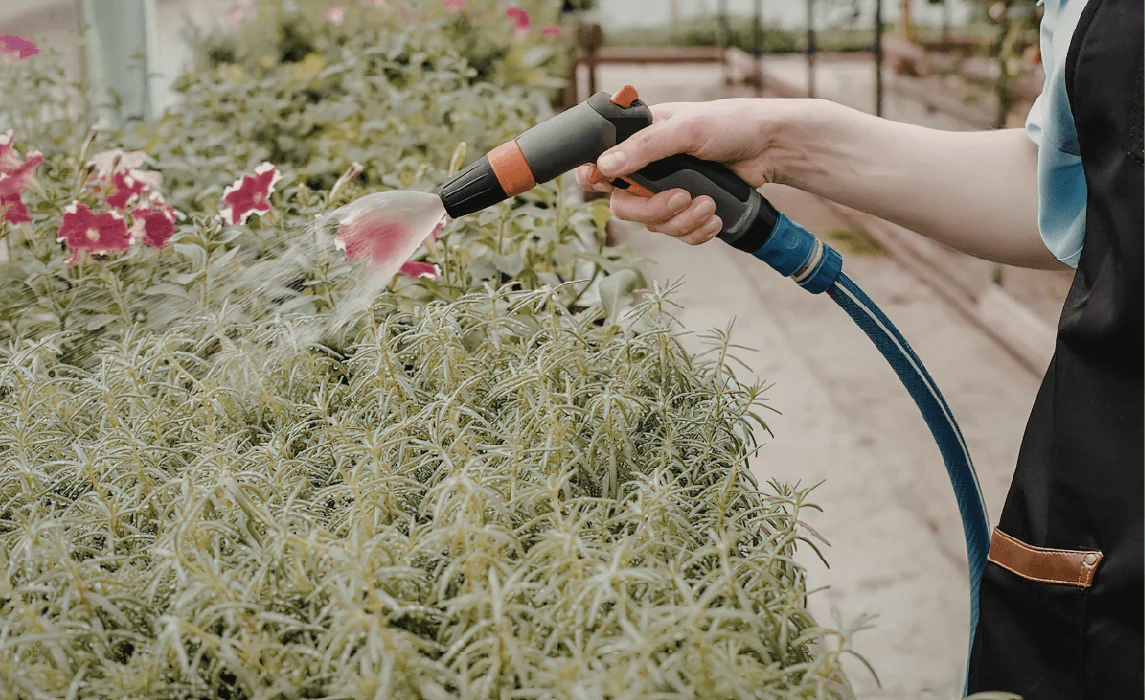
Because a greenhouse can become very warm, plants dry out much faster than they do outside.
Consistency: Check your plants daily. In the heat of summer, a small greenhouse might need watering twice a day.
Method: Always water the soil, not the leaves. Wet leaves inside a greenhouse are an invitation for powdery mildew.
Automation: For a larger greenhouse, a simple drip irrigation system with a timer is the best investment you can make.
Managing Temperature and Ventilation
Greenhouse ventilation is arguably the most neglected part of greenhouse gardening 101.
Cooling Down: To greenhouse cool your space, you must have a greenhouse roof vent and a greenhouse door that can be left open. Cross-ventilation is essential to move the greenhouse air.
Staying Warm: To keep a greenhouse warm at night, you can use "thermal mass"—large barrels of water that soak up heat during the day and release it at night. Insulating your greenhouse with bubble wrap on the North wall also helps significantly.
Pests and Hygiene
Inside the greenhouse, the lack of natural predators (like ladybugs or birds) means that a few aphids can quickly become a plague.
Keep your greenhouse clean: Sweep the greenhouse floor and remove dead or yellowing leaves immediately.
Inspection: Check the undersides of leaves once a week. Catching common greenhouse pests early is the only way to stay ahead.
Airflow: Good greenhouse ventilation prevents the stagnant air that many pests and fungi love.
Frequently Asked Questions:
Q: Do I need a heater for my greenhouse?
A: It depends on what you want to grow. If you want to grow plants year-round in a cold climate, a greenhouse heater is necessary. If you just want to extend the growing season by a few weeks, an unheated greenhouse is usually fine.
Q: Is a glass greenhouse better than a polycarbonate one?
A: Glass is beautiful and lasts forever, but it’s heavy and can break. Polycarbonate is a great option for beginners because it’s shatterproof and provides better insulation (retaining heat inside the greenhouse better).
Q: How do I stop my greenhouse from overheating?
A: Use shade cloth, open all greenhouse ventilation points, and consider a solar-powered fan to keep the greenhouse air moving.
Q: Can I grow vegetables in the winter?
A: Yes! By using a greenhouse, you can grow cold-hardy crops like kale, carrots, and leeks throughout the winter, even without a heater, as long as you provide some extra insulation.
Related posts
Here are some articles you might be interested in.


.webp)