Sarah Wilson started her gardening journey during the pandemic and had fallen in love with it ever since. Eager to connect with fellow garden enthusiasts, she wants to share the knowledge she's gained over the past three years.
Hypoallergenic Plants Q&A
Do houseplants cause allergies?
Yes, certain indoor plants can trigger a plant allergy through loose pollen, scented flowers, sap, dust, or damp soil. Allergies and houseplants are highly individual: one person may sneeze near peace lilies while another has no response. Overwatering lets mold produce a spore that may become airborne. If symptoms begin after adding plants in your home, isolate each pot, clean the area, and discuss persistent allergy symptoms with a qualified clinician.
Which plants to avoid?
Plants to avoid include strongly fragrant flowers, visibly dusty specimens, and wind-pollinated garden plants brought inside while shedding. Male palms can release pollen if they flower, and wet potting mix can make allergies worse. The best and worst choices depend on the person, so remove any plant that appears to cause pollen allergy symptoms or contact irritation.
Can indoor plants purify air?
Claims about indoor plants that purify come largely from controlled chambers. Although some air-purifying plants can take up chemicals, ordinary air purifying plants are not fast enough to replace ventilation or air cleaners in a real room. Plants can improve air quality mainly by supporting comfort and encouraging care for the space; they should not be presented as houseplants for clean air that reliably remove formaldehyde. To improve indoor air quality, control sources, ventilate safely, and use proven filtration.
How does the ogren scale work?
The Ogren Plant Allergy Scale system, also called OPALS, rates a plant's potential allergenicity from 1 to 10. It considers pollen, fragrance, and contact reactions, but the likelihood a plant will cause a reaction still depends on the individual and exposure. A high score does not prove a particular plant will cause pollen allergy, and a low score is not a medical guarantee.
Can plants help you breathe?
Allergy-friendly plants may make an indoor space calmer, but they do not treat disease or guarantee allergy relief. For people with allergies, clean leaves, dry saucers, fresh potting mix, and steady air circulation matter more than labels such as hypoallergenic plants. These indoor plants that are allergy-safe can help you breathe easier only by limiting likely triggers; they cannot help you breathe during an asthma attack.
Planting Calendar Q&A
Is an almanac planting calendar exact?
No. It is a useful regional estimate built from historical conditions. Confirm its suggested planting date with your local forecast, soil condition, and microclimate.
When is the best time to plant?
The best time to plant is when the crop's temperature needs match your frost window and the soil is workable. Cool crops can begin earlier; tender warm-season crops wait until frost danger has passed.
Can every vegetable be started indoors?
No. Tomatoes and peppers handle indoor seed starting well, while carrots are usually sown directly in the ground. Follow crop-specific seed packets and avoid disturbing sensitive roots.
What if a late frost is forecast?
Delay transplanting tender crops, move containers inside, or cover established plants overnight. Remove covers after temperatures rise so light and airflow return.
How often should I revise my calendar?
Review it at the start of each growing season and add notes after major sowings and harvests. Records reveal which dates, varieties, and methods work best in your garden.
Evergreen Shrubs Q&A
How do I choose evergreen shrubs for my outdoor space?
Match mature size to USDA hardiness, light, drainage, and wind. Use a tall evergreen for screening, a mounded shrub for foundation planting, or ground cover on slopes. Repetition unifies home landscapes, while contrast creates a focal point in the landscape.
What are the best small evergreen shrubs?
Blue Star juniper, dwarf Chamaecyparis, azalea, and Daphne are strong small-space choices. The best evergreen shrubs fit without constant shear work; check mature spread and leave airflow around glossy foliage.
Do evergreen shrubs flower as long as hydrangea?
Not usually. A hydrangea may have a long bloom time from mid-summer onward, while evergreen shrubs often bloom briefly. Combine azalea for spring, Viburnum or Mahonia for winter, and summer perennials.
When should I prune an evergreen hedge?
Prune flowering shrubs after bloom, and shape boxwood, yew, or Thuja lightly during growth. Avoid leafless old conifer wood; natural forms need less pruning and preserve year-round interest.
Why can an evergreen turn brown in winter?
Frozen soil, wind, salt, or poor drainage can brown green foliage. Water before freezing, mulch roots, and choose a protected area so evergreen shrubs retain year-round beauty and lasting structure.
Imagine stepping into your kitchen to snip fresh basil for pasta or harvest a crisp cherry tomato right from your windowsill, all without needing a sprawling backyard. Whether you are an urban dweller with limited space or simply want to bring a vibrant touch of nature inside year-round, cultivating an indoor garden is a deeply rewarding endeavor that anyone can master with the right foundation. To help you navigate the transition to indoor pots and successfully manage light, water, and humidity, we have put together this comprehensive 10 Tip Guide to Start an Indoor Garden with an Herb Houseplant and Indoor Vegetable Plants Indoors so you can easily turn your home into a lush, delicious sanctuary.
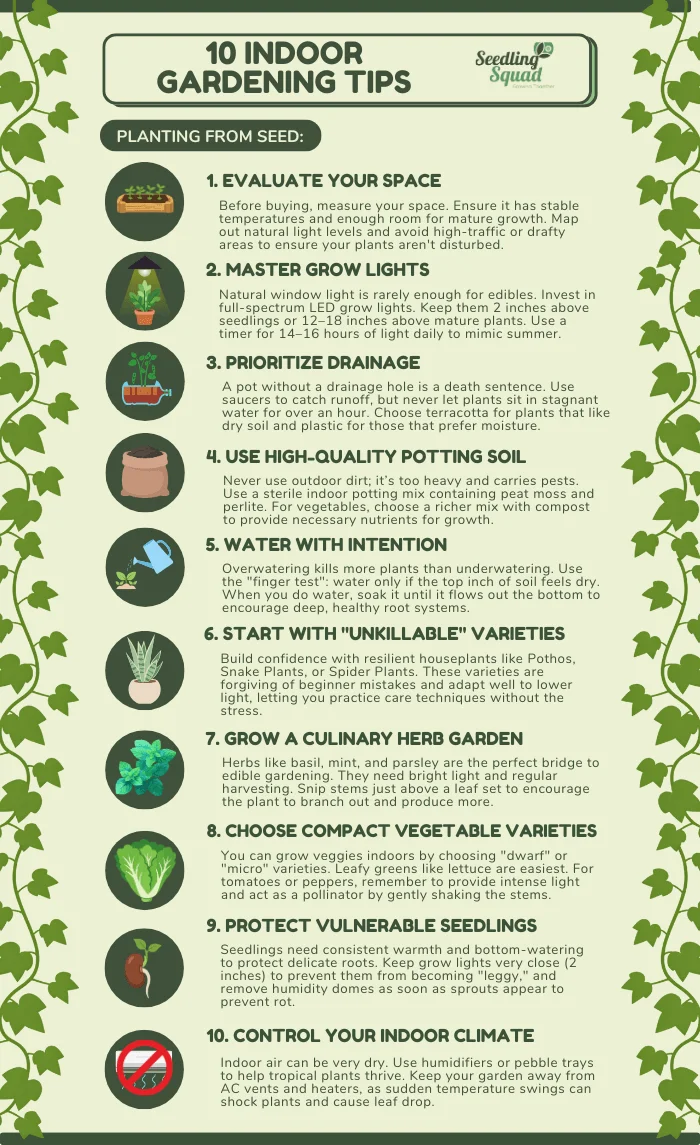
10 Indoor Gardening Tips
Tip 1: Evaluate Your Space to Grow Plants Indoors and Plan Your Garden Ideas
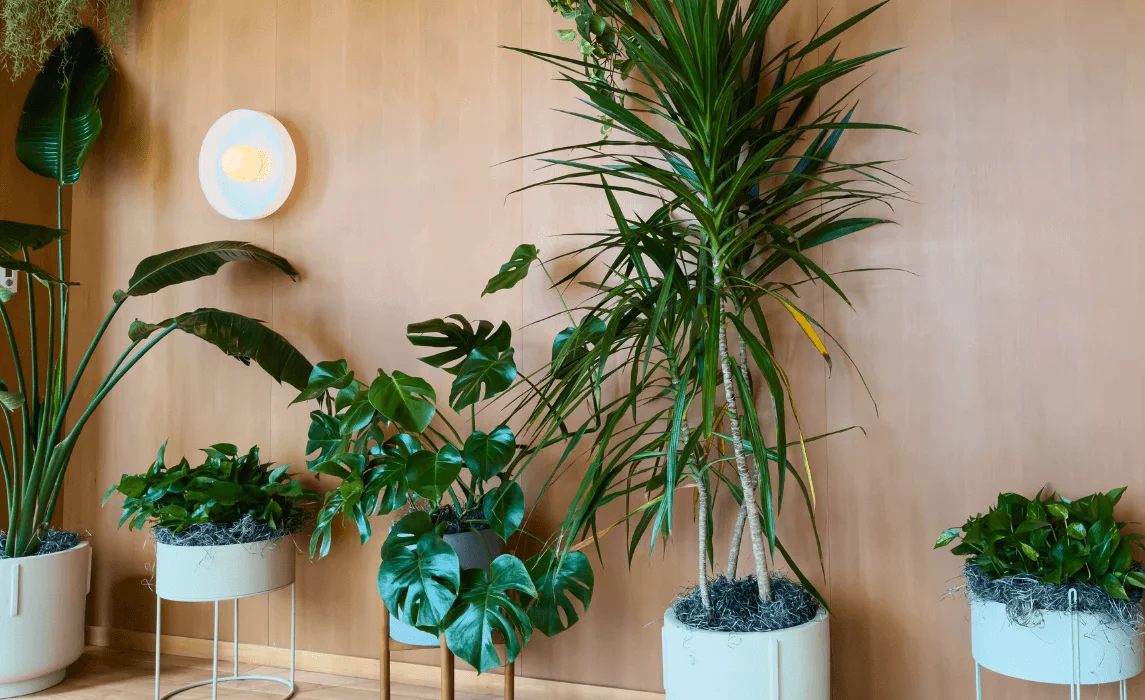
The first thing to do is critically evaluate your physical growing space. Many beginners buy the plants they want to grow before figuring out where they will live. You need a space to grow that offers stable temperatures and adequate room for the mature plants to spread their green leaves. When planning your garden ideas, keep plants away from high-traffic areas or cold drafts. Observe the natural light. Does the spot get bright, direct morning sun? Understanding your baseline environment dictates what edible plants to grow or which houseplant will thrive well indoors without extensive modifications. Always measure your intended area before heading to the garden center so you do not underestimate how much room an indoor vegetable needs once it outgrows its seedling stage. By mapping out your space, you set yourself up for a highly successful container gardening experience.
Tip 2: Master Your Grow Light Setup for Growing Vegetables and Herbs Indoors
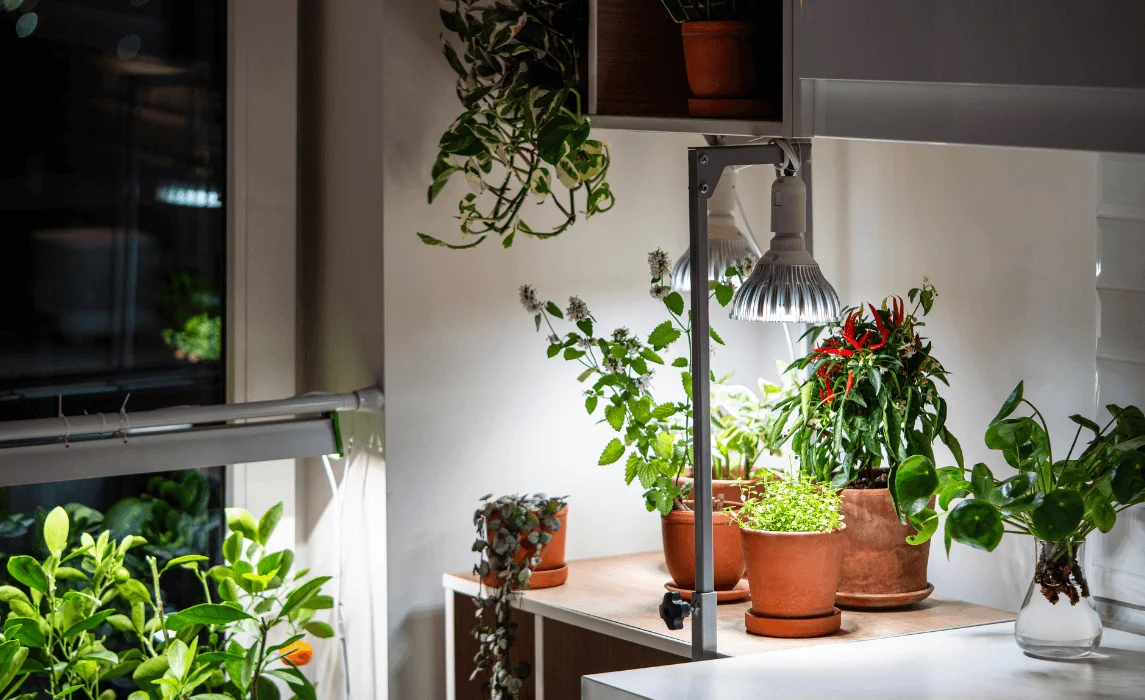
One harsh reality of growing plants indoors is that natural window light is rarely sufficient for high-yield edible plants. If you want to grow vegetables indoors or maintain a robust indoor herb garden, you must invest in artificial light. Plants that we grow for food need a lot of energy to produce. LED lights are currently the gold standard for any home garden. They are energy-efficient, produce very little heat, and provide the full spectrum of light mimicking the sun. When setting up your LED lights, position the bulb just two inches above a fragile seedling or twelve to eighteen inches above mature plants. Plug your grow light into an automatic timer. Edible plants like tomatoes typically need between 14 and 16 hours of strong light per day to mimic the peak of the growing season, ensuring vigorous growth.
Tip 3: Choose the Right Pot, Prioritize Drainage, and Check the Drainage Hole
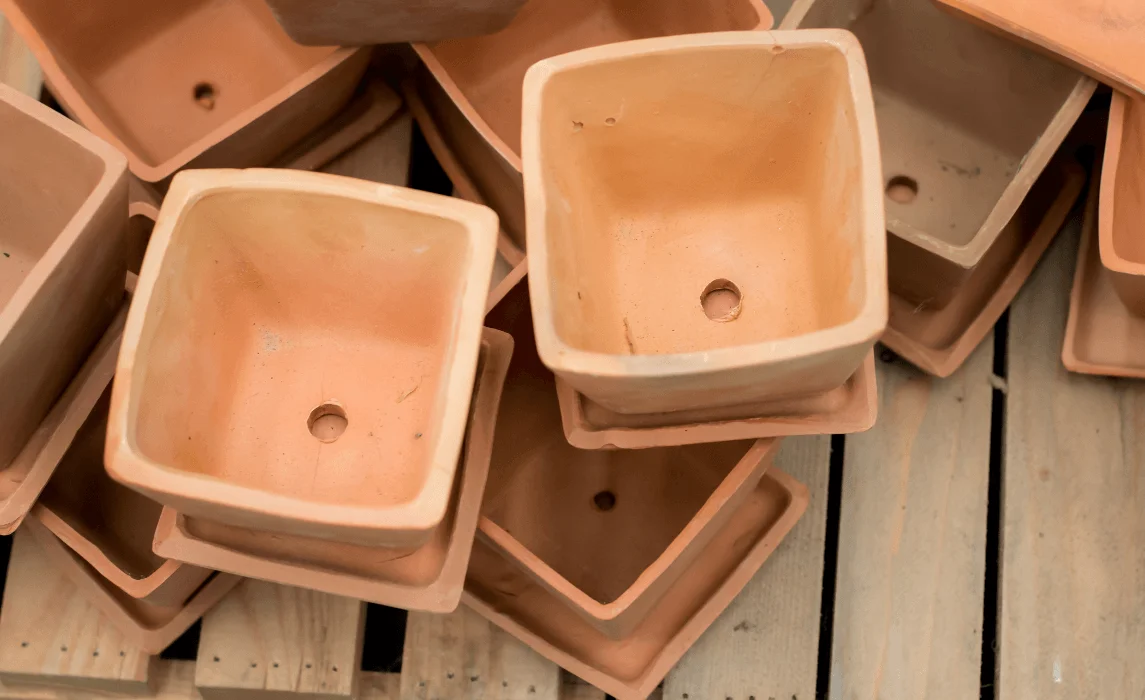
Choosing the right pot is vital. The health of your indoor plants is directly tied to the container they live in. The absolute, non-negotiable rule of container growing is that every single pot must have a drainage hole. Without proper drainage, excess water pools at the bottom, suffocating roots and leading to root rot. Place a saucer beneath your pots to catch runoff water, but never let your plants sit in a saucer full of stagnant water for more than an hour after watering. Different plants prefer different pot materials. Terracotta is porous, allowing the potting soil to dry out faster, which is excellent for herbs to grow like rosemary. Plastic pots retain moisture longer, making them suitable for an indoor vegetable needing damp soil. Always upgrade your pots gradually as your plants grow.
Tip 4: Invest in High-Quality Potting Soil for Your Garden Indoors
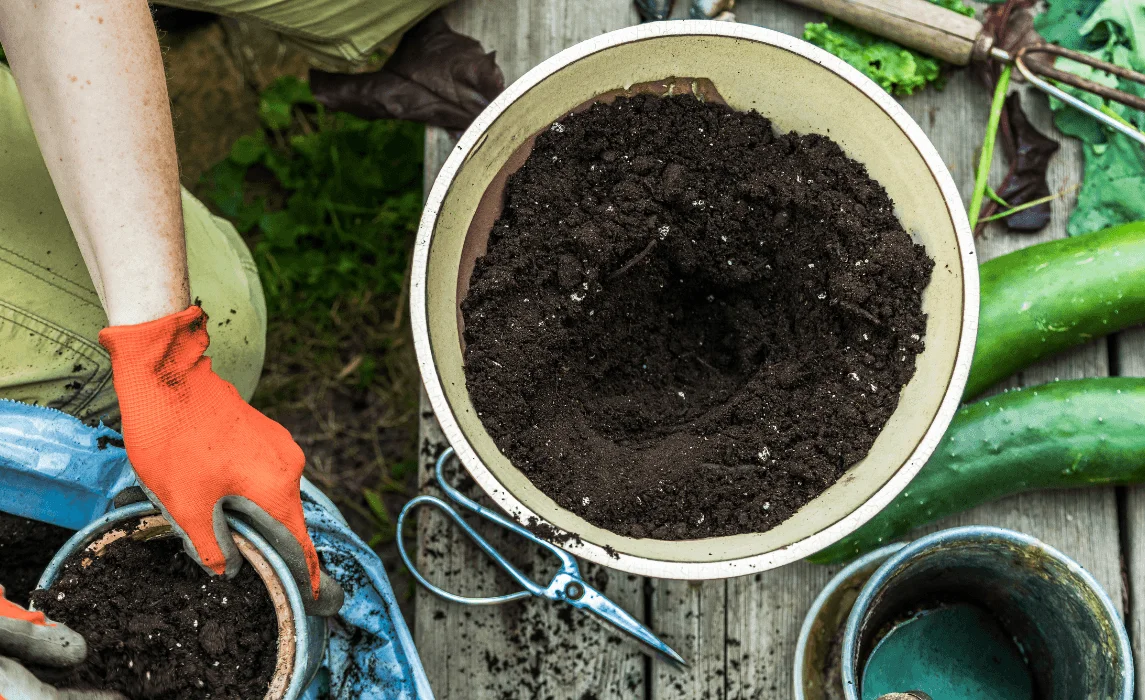
Never use dirt scooped from your outdoor garden for your indoor container gardening. Outdoor soil is heavy, compacts severely in a pot, and often harbors pests and diseases that will wreak havoc indoors. To give your indoor garden the best chance at thriving, purchase a sterile, high-quality potting soil specifically formulated for indoor growing from your local garden center. A good mix contains peat moss for moisture retention and perlite to ensure excellent drainage. If you are starting an indoor vegetable garden, use a richer mix with compost to feed hungry edible plants. Many commercial mixes come with a slow-release fertilizer that provides a great start, but you will eventually need liquid fertilizer. Tailor your soil choice to your specific plant needs; a cactus needs sandy soil, while an indoor herb garden planter thrives in an all-purpose indoor mix.
Tip 5: Learn How to Water Correctly to Keep Your Plants Happy
Watering is where beginners often struggle. It is a harsh fact that more indoor plants are killed by overwatering than by underwatering. To keep your plants happy and their green leaves vibrant, abandon watering on a strict calendar schedule. Instead, learn to assess the moisture level. Use the finger test: stick your finger an inch into the potting soil. If it feels dry, it is time to water. If it feels moist, wait a few days. When you do water, do it thoroughly until water flows freely out of the drainage hole into the saucer. Shallow sips lead to weak, surface-level roots. Different plants require vastly different watering techniques. An indoor vegetable like lettuce prefers consistently lightly moist soil. On the other hand, many herbs indoors prefer their soil to dry out almost completely between deep waterings. Pay close attention to how quickly your soil dries out.
Tip 6: Try Growing Easy-to-Grow Houseplant Varieties First
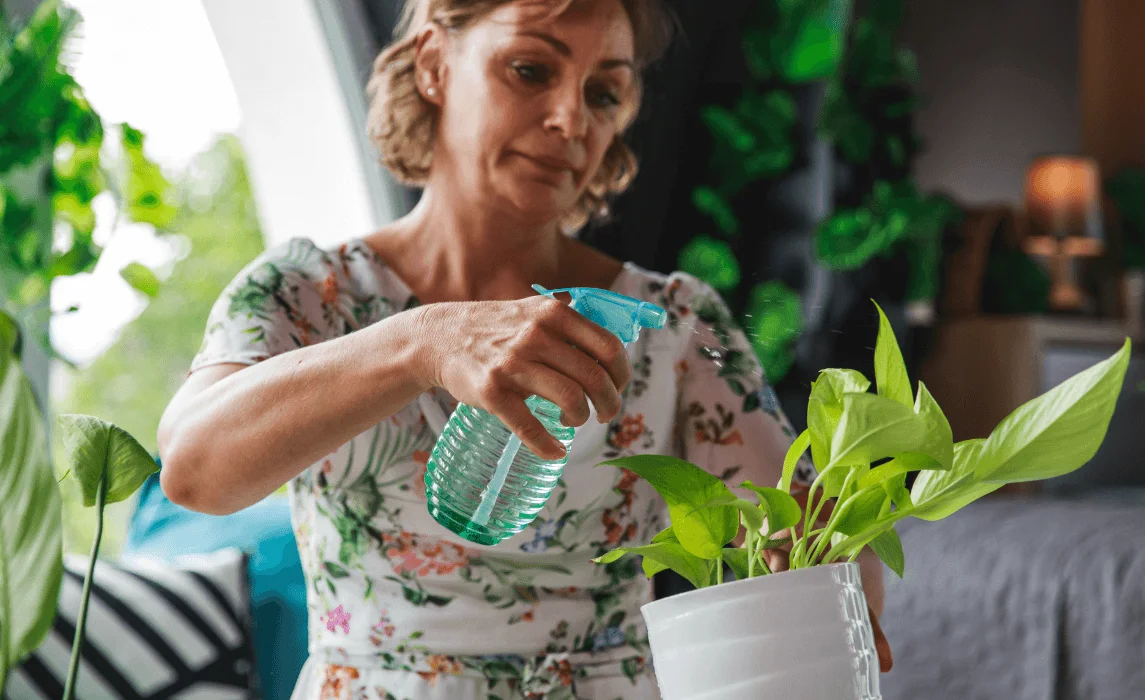
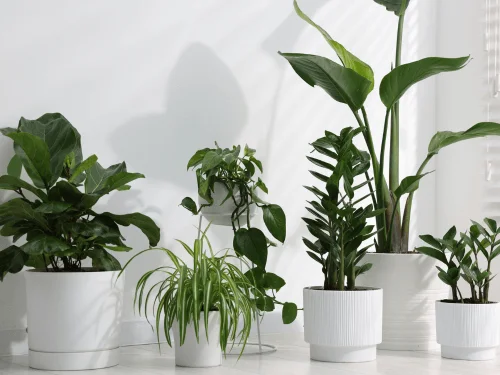
If you are brand new to indoor gardening for beginners, do not start your journey with difficult, fussy plants. Set yourself up for early victories by choosing robust, super easy to grow houseplant varieties. These resilient plants are forgiving of common beginner mistakes and will build your confidence. Excellent choices include Pothos, Snake Plants, and Spider Plants. These plants are incredibly tough and adapt beautifully well indoors. Pothos, for instance, features trailing vines of bright green leaves that survive in lower light conditions where other plants would perish. By starting with these low-maintenance options, you can practice your watering technique, learn how to observe plant needs, and get a feel for indoor growing without the heartbreak of losing a delicate plant. Try growing these first before moving to more demanding tasks.
Tip 7: Start an Indoor Herb Garden for Culinary Joy
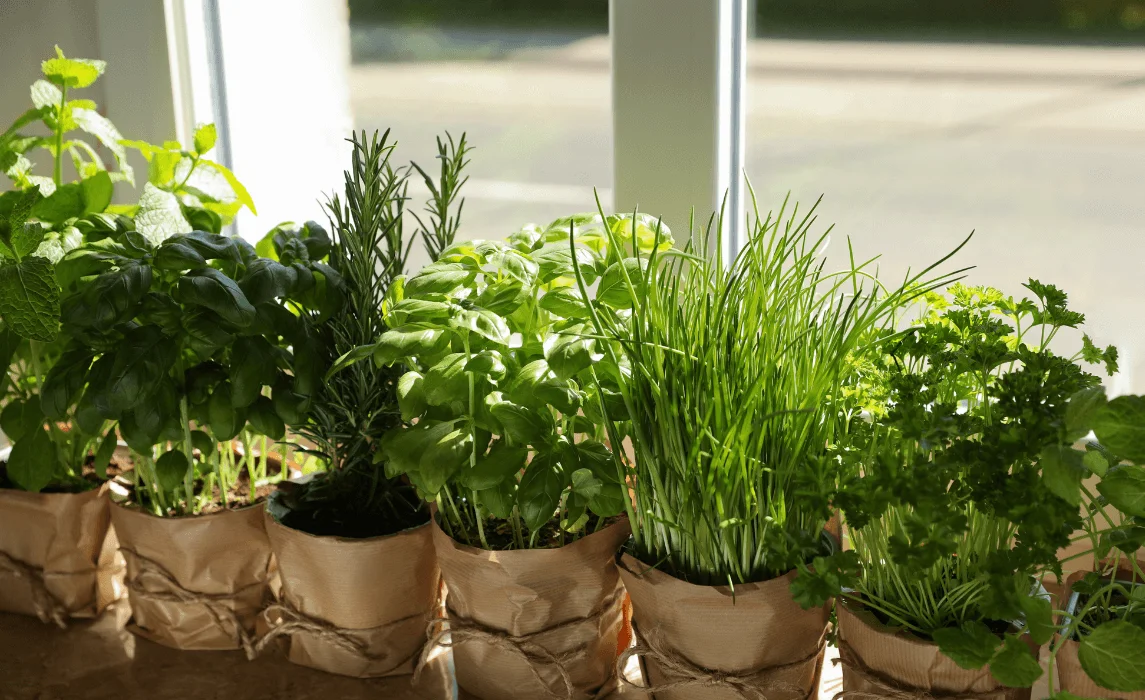
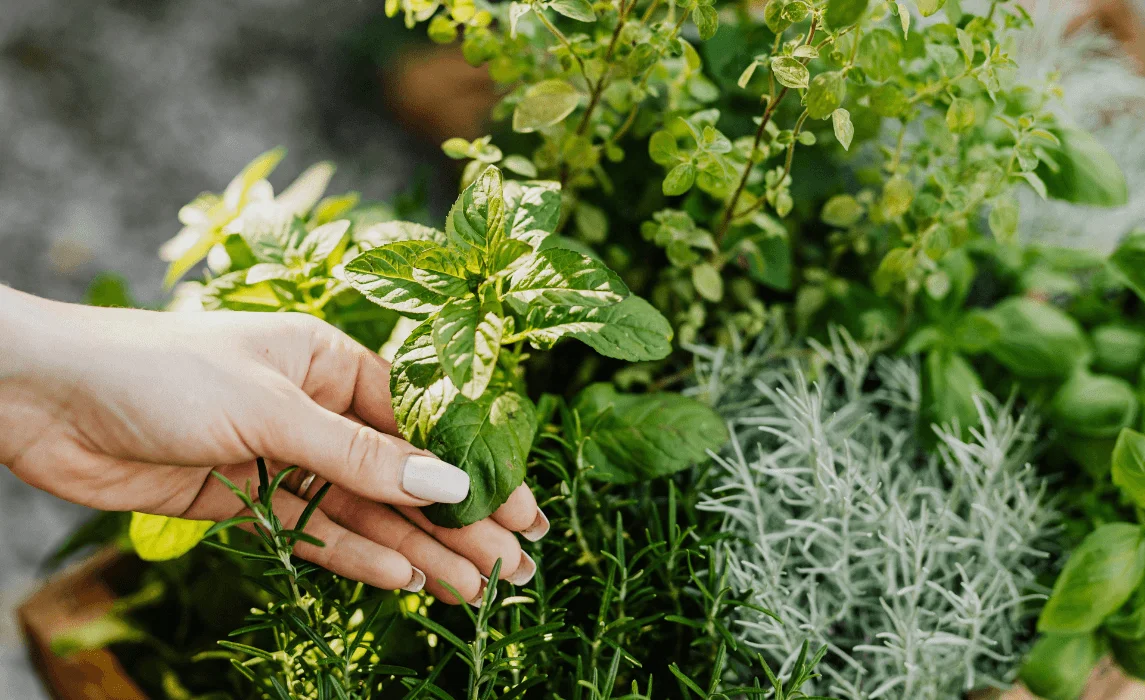
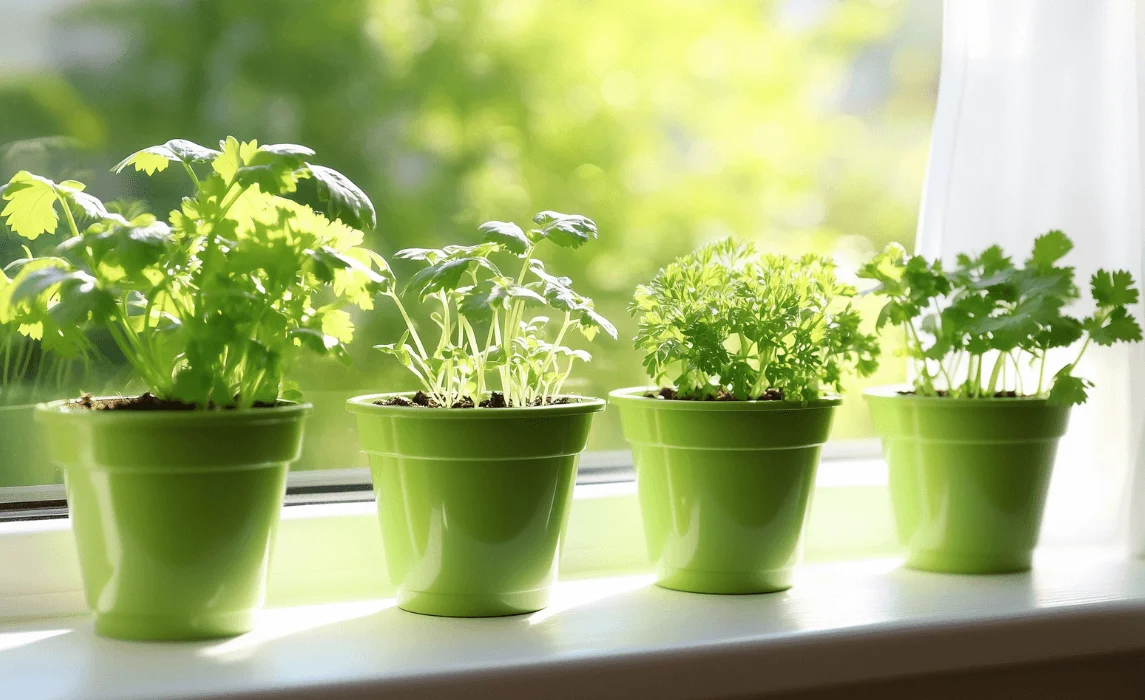
Transitioning to edible plants is an exciting step. An indoor herb garden is the perfect bridge because herbs are relatively compact, highly rewarding, and offer immediate culinary benefits. When growing herbs indoors, maximize their light exposure and manage their specific watering needs. Begin with herbs that are known to perform well indoors. Basil, mint, chives, and parsley are fantastic beginner choices. Plant them in individual pots or create a beautiful DIY herb garden planter by combining a few varieties in one long indoor container. Just ensure the different plants you group together share similar requirements. To keep your herb plants producing continuously, you must harvest them regularly. Use clean scissors to snip the stems just above a set of green leaves, which encourages the plant to branch out and yield more herbs and vegetables over time.
Tip 8: Advance to Grow Vegetables Indoors and Try Edible Plants Like Tomatoes
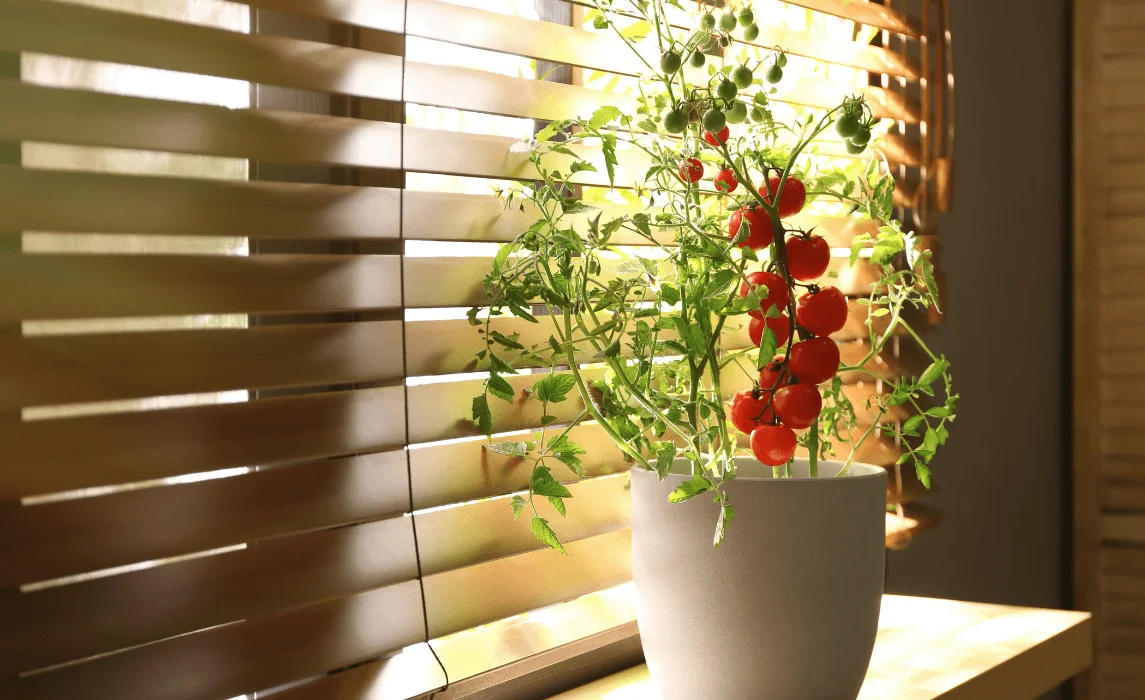
Yes, you absolutely can grow vegetables indoors year-round! While it requires more effort than growing a basic houseplant, the reward is unmatched. To grow vegetables indoors successfully, you must choose the right varieties of vegetables. Seek out "micro" or "dwarf" varieties specifically bred for a small space and container gardening. If you want to try growing fruiting plants like tomatoes or peppers, provide them with intense LED lights for 14 to 16 hours a day. Because there are no bees indoors, act as the pollinator by gently shaking the plant stems daily. If fruiting vegetables seem too intimidating, start your vegetable and herb journey with leafy greens. Spinach, kale, and lettuce are rewarding, require less intense artificial light, and can be harvested repeatedly using the cut-and-come-again method.
Tip 9: Understand the Delicate Care Required for a Seedling
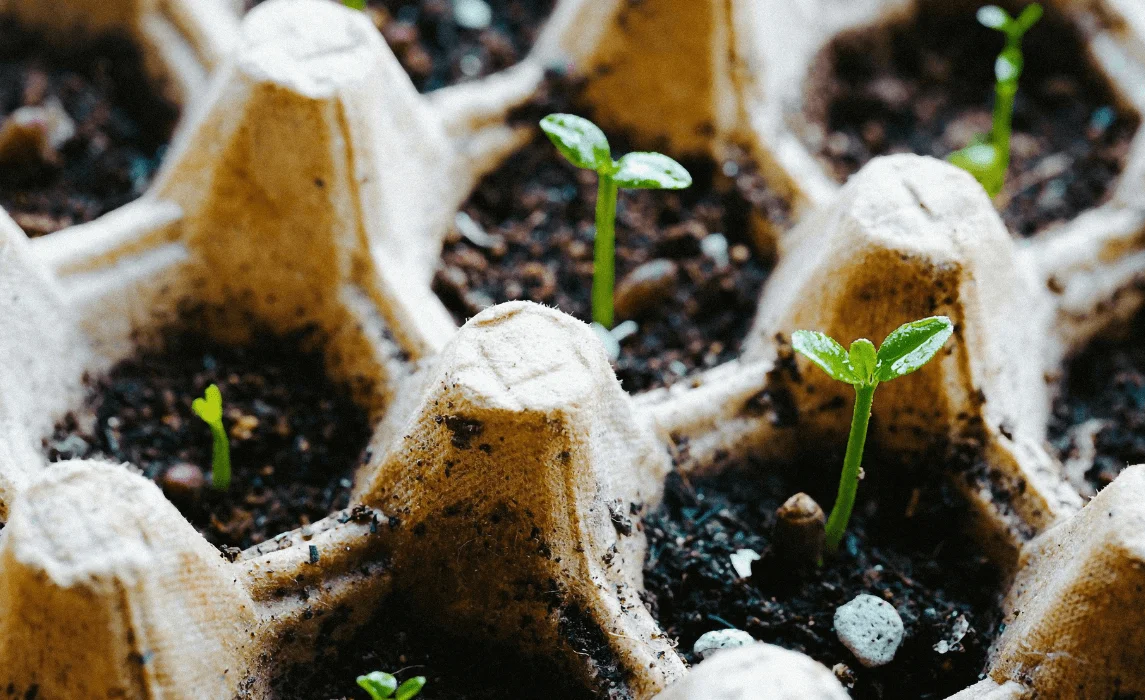
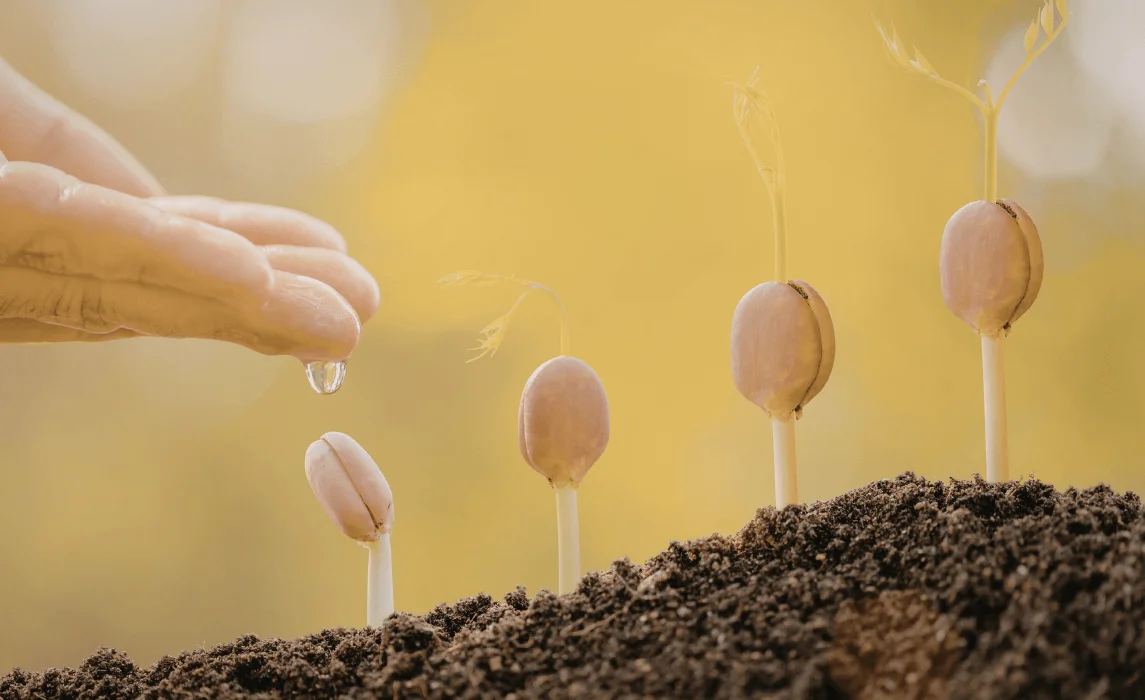
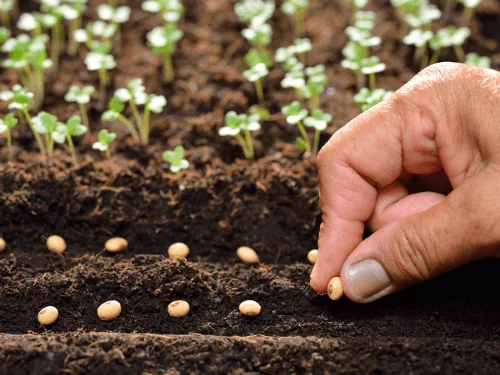
The journey from a tiny seed to a mature plant is miraculous, but the seedling stage is incredibly vulnerable. If you are starting an indoor vegetable garden from seeds, you must provide specific growing conditions. Seeds need consistent warmth and moisture. Using a plastic humidity dome over your seed tray traps moisture until the first shoots appear. Once the seeds sprout, remove the dome immediately to prevent fungal growth. Position your grow light just two inches above the top of the seedlings to prevent them from stretching thin reaching for the light. Water a seedling with extreme care. It is best to bottom-water them by placing their pots in a tray of shallow water, allowing the potting soil to absorb moisture from the bottom up through the drainage hole without disrupting their delicate roots.
Tip 10: Manage the Growing Season and Environmental Factors Indoors
A primary benefit of an indoor garden is bypassing the limitations of the traditional outdoor growing season. However, your home has unique microclimates that affect how plants grow. Heaters in winter dry out the air, while air conditioners in summer create cold drafts. Manage these factors proactively to keep your plants happy. Many plants, particularly tropical houseplants and some delicate varieties of vegetables, suffer in dry air. Increase humidity by running a small room humidifier or using a pebble tray. Furthermore, keep plants away from exterior doors, drafty windows, and direct blasts from heating or cooling vents. Sudden changes in temperature can shock an indoor vegetable or cause a houseplant to drop its green leaves prematurely. Consistency in temperature and humidity is the secret to a thriving garden indoors.
10 Best Indoor Hanging Plants for Every Plant Lover
Q: Do I really need a grow light, or is my sunny window enough to grow plants indoors?
A window is fine for a low-light houseplant. However, to grow vegetables indoors, start a robust indoor herb garden, or grow any edible plants to grow successfully, you absolutely need a grow light. Windows filter usable light, and winter daylight is too short during the growing season. LED lights are the best tip to give your indoor garden a great start.
Q: My indoor vegetable seedling keeps falling over and dying at the base. What am I doing wrong?
This is "damping off," a fungal disease from overly wet potting soil and poor airflow. To prevent this, ensure your pot has a functional drainage hole, never let the seedling sit in water, and remove humidity domes the moment seeds sprout. A gentle fan nearby also helps.
Q: I live in a very small space. What are the best plants to grow that won't take over my apartment?
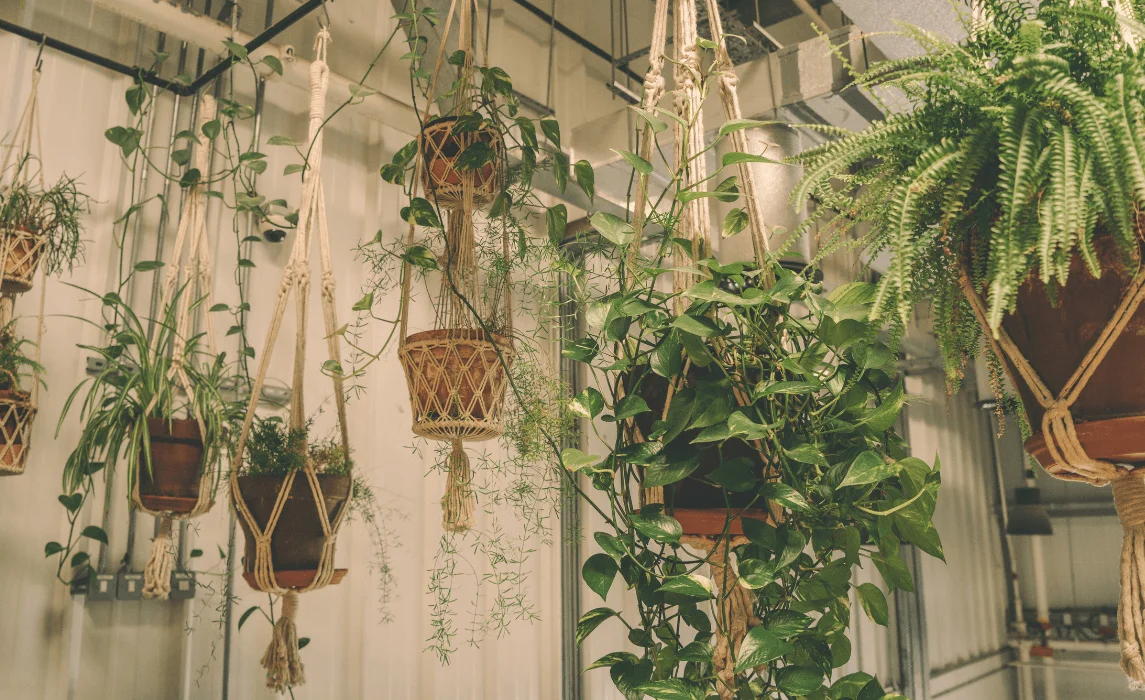
For a small garden, focus on vertical growth. An indoor herb garden using a windowsill herb garden planter is perfect. For edible plants, try growing micro varieties of vegetables or leafy greens in a small indoor container. Try easy to grow at home trailing plants like Pothos that hang from the ceiling to save space to grow.
Related posts
Here are some articles you might be interested in.