Zuri's frequent journeys to South Africa in her youth ignited her fervor for environmental science, gardening, and sustainable living. These travels deepened her connection with nature, inspiring her to contribute to conservation efforts in her own meaningful ways.
Bee Garden Q&A
What flowers attract the most bees to a garden?
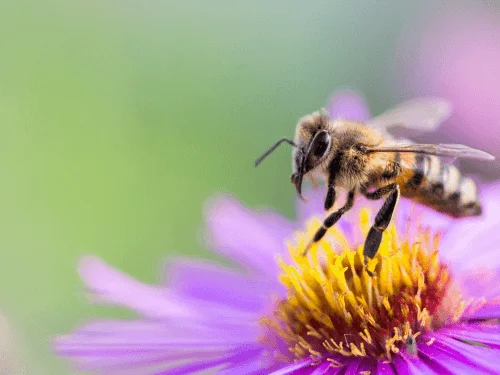
Bees are generally drawn to flowers that are blue, purple, yellow, or white, and that offer easy access to nectar and pollen. Lavender, bee balm, sunflower, and coneflower are some of the most reliable plants that attract bees to a home garden.
Do I need to avoid pesticides in a bee-friendly garden?
Yes, whenever possible. Insecticide and pesticide products can harm adult bees and their larva, even in small amounts. Choosing natural pest control methods helps keep your garden safe for visiting bees.
Can a small home garden still support pollinators?
Absolutely. Even a few containers of zinnias, salvia, or crocus on a balcony can offer pollen and nectar for local bees. Bees will travel between small garden spaces, so every bit of habitat helps.
Do bees need more than just flowers?
Yes. Bees also need nesting sites and water. Ground-nesting bees need patches of bare soil, while a shallow bee bath gives bees a safe spot to drink, especially in hot weather.
Will planting a pollinator garden really help save the bees?
It genuinely can. As natural habitat shrinks, home gardens have become an important food source and shelter for bees, including many native bee species. A well-planned bee garden supports pollination for your own flowers and vegetables while helping the wider bee population.
What is the best USDA zone for growing a bee garden?
There is no single best zone. Most of the plants above grow well across USDA zones 4 through 9, and gardeners in colder or warmer zones can simply choose varieties suited to their climate, or grow warm-season bees favorites like sunflower and zinnia as annuals.
Hypoallergenic Plants Q&A
Do houseplants cause allergies?
Yes, certain indoor plants can trigger a plant allergy through loose pollen, scented flowers, sap, dust, or damp soil. Allergies and houseplants are highly individual: one person may sneeze near peace lilies while another has no response. Overwatering lets mold produce a spore that may become airborne. If symptoms begin after adding plants in your home, isolate each pot, clean the area, and discuss persistent allergy symptoms with a qualified clinician.
Which plants to avoid?
Plants to avoid include strongly fragrant flowers, visibly dusty specimens, and wind-pollinated garden plants brought inside while shedding. Male palms can release pollen if they flower, and wet potting mix can make allergies worse. The best and worst choices depend on the person, so remove any plant that appears to cause pollen allergy symptoms or contact irritation.
Can indoor plants purify air?
Claims about indoor plants that purify come largely from controlled chambers. Although some air-purifying plants can take up chemicals, ordinary air purifying plants are not fast enough to replace ventilation or air cleaners in a real room. Plants can improve air quality mainly by supporting comfort and encouraging care for the space; they should not be presented as houseplants for clean air that reliably remove formaldehyde. To improve indoor air quality, control sources, ventilate safely, and use proven filtration.
How does the ogren scale work?
The Ogren Plant Allergy Scale system, also called OPALS, rates a plant's potential allergenicity from 1 to 10. It considers pollen, fragrance, and contact reactions, but the likelihood a plant will cause a reaction still depends on the individual and exposure. A high score does not prove a particular plant will cause pollen allergy, and a low score is not a medical guarantee.
Can plants help you breathe?
Allergy-friendly plants may make an indoor space calmer, but they do not treat disease or guarantee allergy relief. For people with allergies, clean leaves, dry saucers, fresh potting mix, and steady air circulation matter more than labels such as hypoallergenic plants. These indoor plants that are allergy-safe can help you breathe easier only by limiting likely triggers; they cannot help you breathe during an asthma attack.
Planting Calendar Q&A
Is an almanac planting calendar exact?
No. It is a useful regional estimate built from historical conditions. Confirm its suggested planting date with your local forecast, soil condition, and microclimate.
When is the best time to plant?
The best time to plant is when the crop's temperature needs match your frost window and the soil is workable. Cool crops can begin earlier; tender warm-season crops wait until frost danger has passed.
Can every vegetable be started indoors?
No. Tomatoes and peppers handle indoor seed starting well, while carrots are usually sown directly in the ground. Follow crop-specific seed packets and avoid disturbing sensitive roots.
What if a late frost is forecast?
Delay transplanting tender crops, move containers inside, or cover established plants overnight. Remove covers after temperatures rise so light and airflow return.
How often should I revise my calendar?
Review it at the start of each growing season and add notes after major sowings and harvests. Records reveal which dates, varieties, and methods work best in your garden.
Choosing the best windowsill plant as a houseplant or flower is an easy and rewarding way to bring life into your home, even if you have limited space. A sunny windowsill can provide just the right balance of light, warmth, and visibility for plants to thrive while adding natural beauty to your living area. From leafy houseplants that improve indoor air quality to flowering plants that brighten a room with color, the right windowsill plant can transform an ordinary sill into a vibrant indoor garden. In this article, we’ll explore how to select the best plants for your windowsill, taking into account light exposure, care needs, and the overall look you want to achieve in your home.
10 Best Windowsill Plants
1. Snake Plant (Sansevieria)
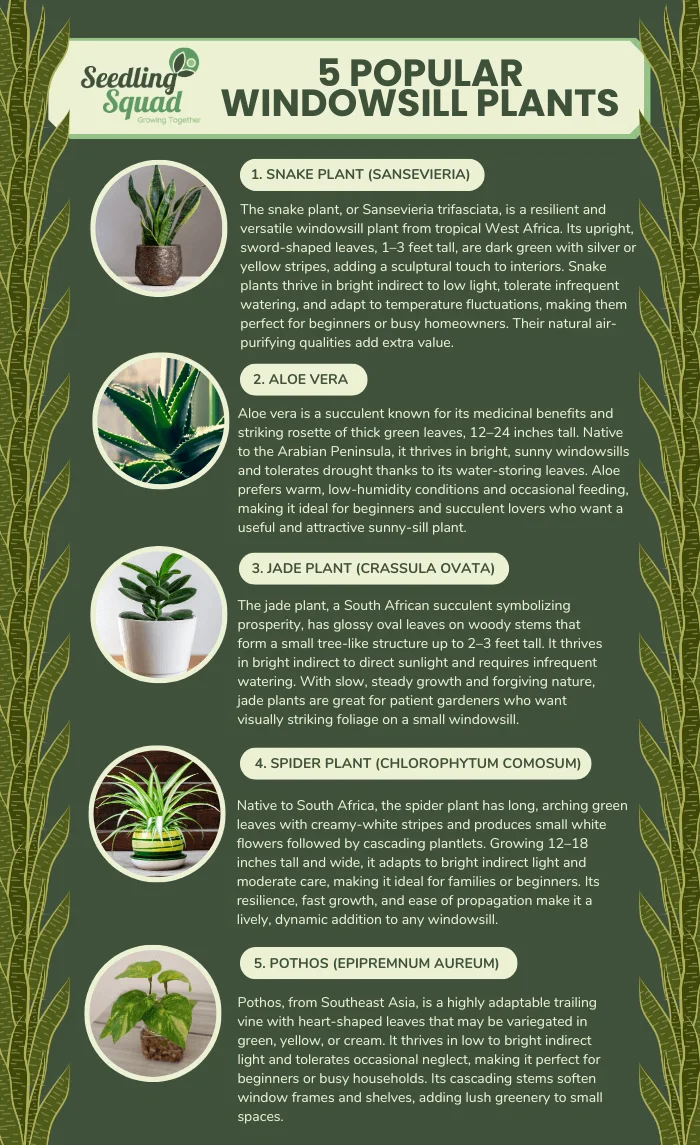
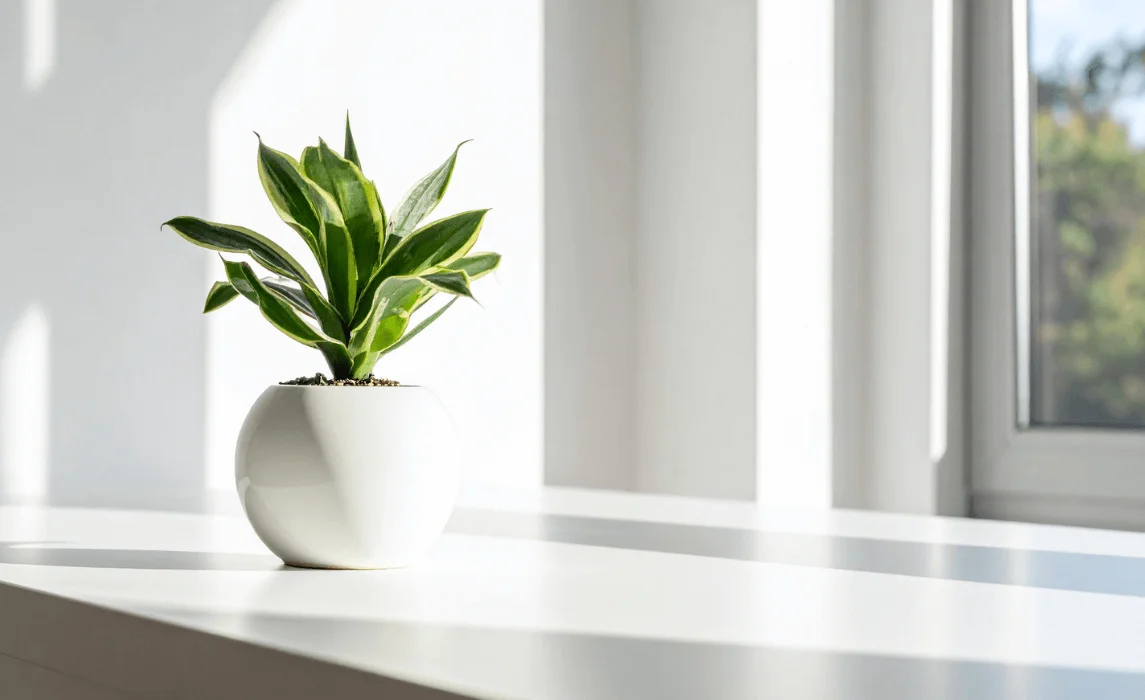
The snake plant, also known as Sansevieria trifasciata, is a resilient and highly versatile windowsill plant native to tropical West Africa. Its signature upright, sword-shaped leaves grow 1 to 3 feet tall indoors and are dark green with striking horizontal stripes of silver or yellow, giving it a bold, sculptural appearance that works beautifully in modern interiors. Snake plants are exceptionally adaptable, thriving in a wide range of environments, from bright south-facing windows with indirect sunlight to low-light north-facing sills, making them one of the most forgiving indoor plants. Their thick, water-storing leaves allow for infrequent watering, while they prefer well-draining soil and average household humidity. Snake plants tolerate temperature fluctuations and low-maintenance conditions, and their natural ability to purify indoor air adds functional value. Because of their hardiness, minimal care requirements, and striking architectural form, snake plants are perfect for beginners, busy homeowners, and anyone looking to bring greenery to a small or narrow windowsill without stress.
Soil: Well-draining potting mix
Water: Allow soil to dry completely between waterings
Light: Low light to bright indirect light
Humidity: Average indoor humidity
Fertilizer: Light feeding during spring and summer
Discover easy tips for growing and caring for snake plants (Sansevieria) — perfect for beginner houseplant lovers.
2. Aloe Vera
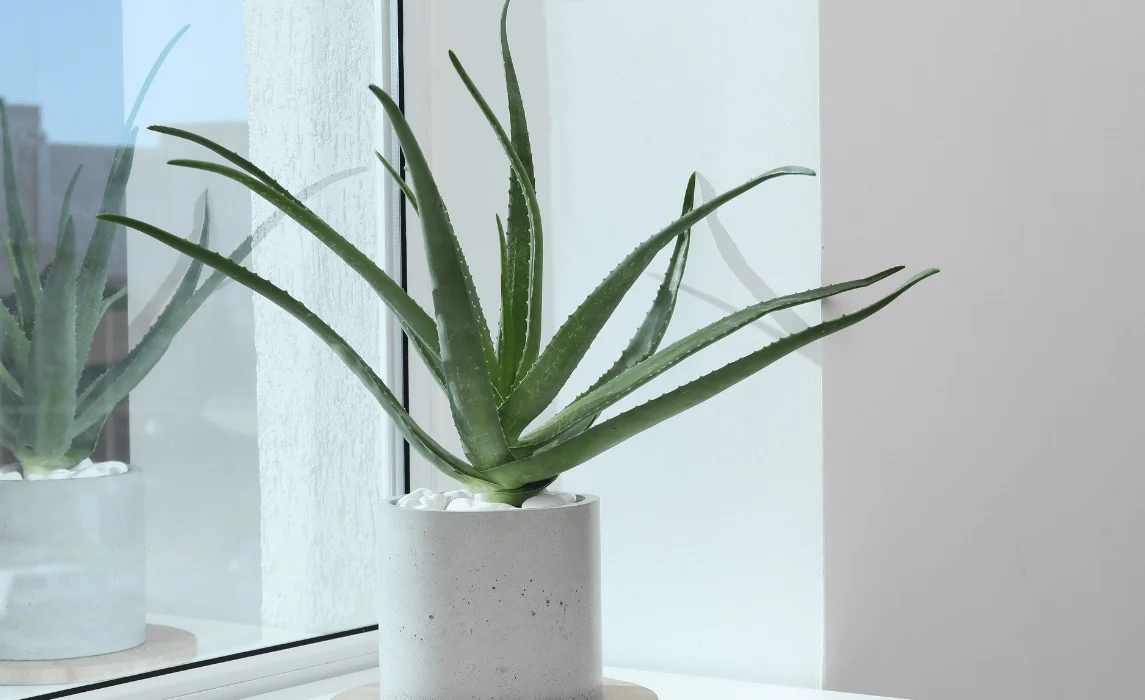
Aloe vera is a succulent windowsill plant renowned for its medicinal properties and striking form. Native to the Arabian Peninsula, it grows in a rosette of thick, fleshy green leaves that can reach 12–24 inches tall indoors, occasionally developing pale spots or a reddish tint when exposed to bright sunlight. Aloe thrives in bright south-facing windowsills with several hours of direct sunlight, although it can tolerate slightly lower light conditions. Its ability to store water in its leaves makes it drought-tolerant, and overwatering is the most common cause of problems, so well-draining soil is essential. Aloe prefers warm indoor temperatures and low humidity, mimicking its natural desert environment, and benefits from occasional feeding during the growing season. Its low-maintenance nature, practical use, and architectural form make aloe vera ideal for beginners, succulent enthusiasts, or anyone who wants an attractive and useful plant for a sunny windowsill.
Soil: Cactus or succulent mix
Water: Water deeply but infrequently
Light: Bright, direct sunlight
Humidity: Low
Fertilizer: Monthly during growing season
Temperature: 55–80°F (13–27°C)
USDA Zone: 10–12
3. Jade Plant (Crassula ovata)
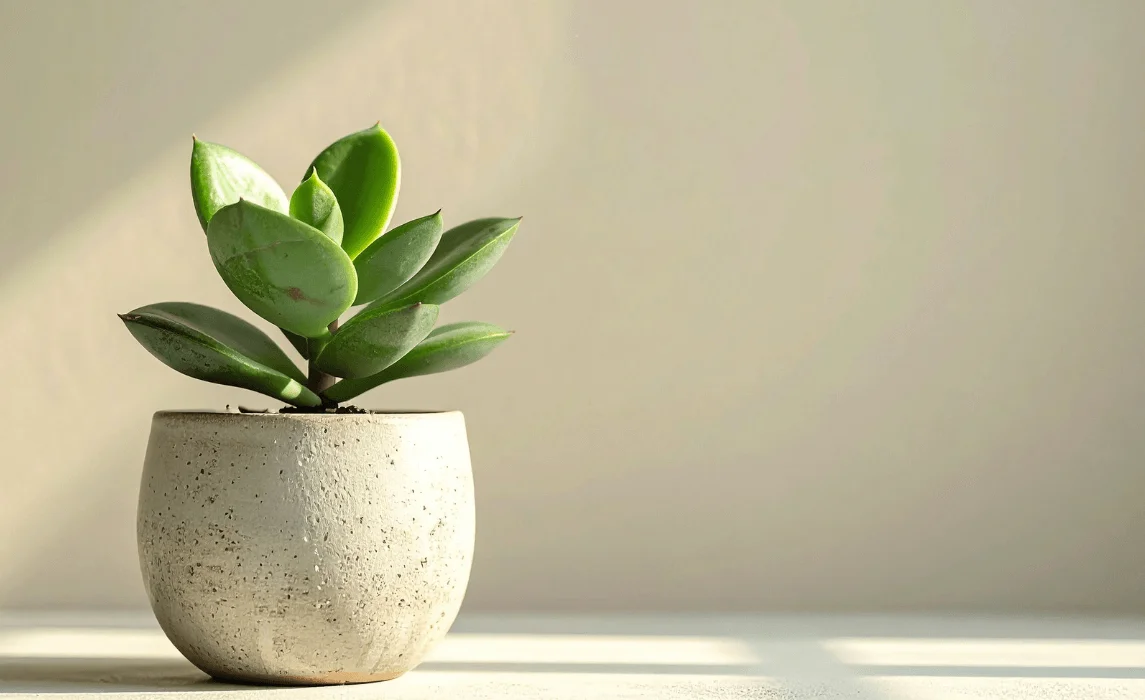
The jade plant is a long-lived succulent and traditional symbol of prosperity, native to South Africa. Its thick, glossy, oval-shaped leaves grow on sturdy, woody stems, forming a small tree-like structure over time that can reach 2–3 feet tall indoors. Jade plants are ideal for windowsills that receive bright indirect to direct sunlight, such as east- or south-facing windows, where they can develop red-tinged leaf edges and strong growth. They thrive in well-draining soil and require infrequent watering, as overwatering can quickly lead to root rot. Low humidity, average indoor temperatures, and a sunny, sheltered position help jade plants flourish. Due to their slow, steady growth and forgiving nature, jade plants are excellent for beginners, patient gardeners, and those who appreciate structured, visually striking foliage on a small window sill.
Soil: Well-draining succulent soil
Water: Only when soil is completely dry
Light: Bright light with some direct sun
Humidity: Low
Fertilizer: Light feeding during active growth
Temperature: 65–75°F (18–24°C)
USDA Zone: 10–11
4. Cactus (Various Indoor Species)
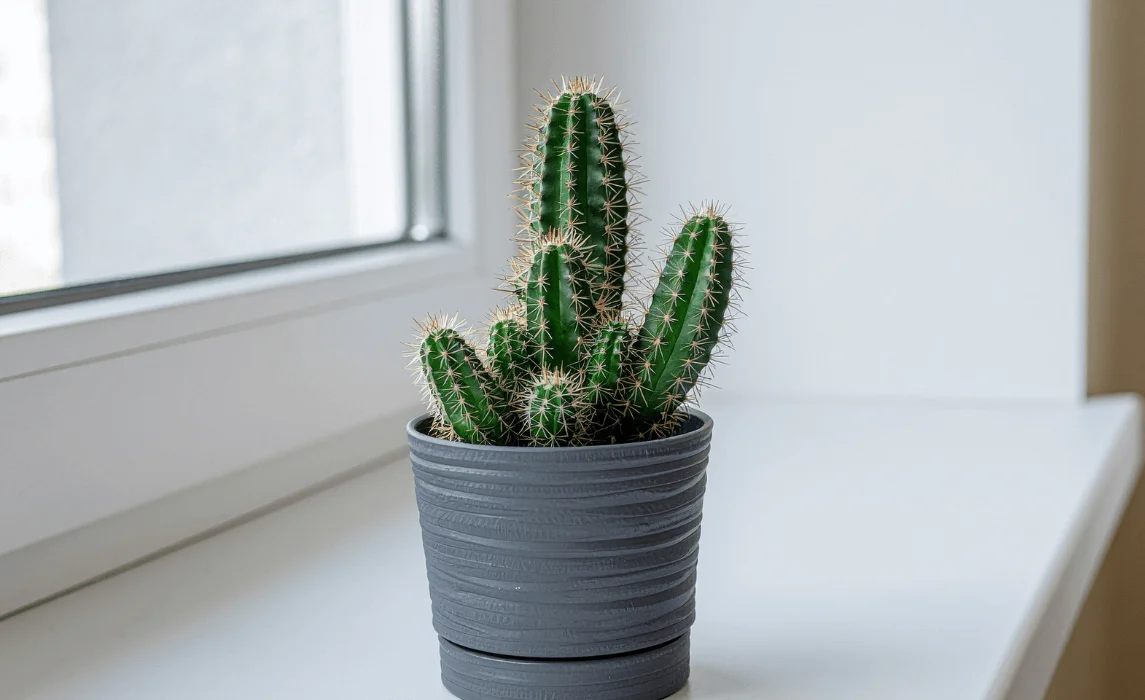
Cacti are iconic windowsill plants celebrated for their unusual shapes, textures, and incredible drought tolerance. Native to deserts across the Americas, indoor varieties can range from small globular types to upright columnar forms, often sporting green, blue-green, or gray stems, and occasionally producing bright flowers in red, yellow, or pink. Most indoor cacti remain compact, growing 6–24 inches tall, making them perfect for small windowsills or shelves. They thrive on sunny windowsills, particularly south-facing windows, and need minimal watering thanks to their ability to store moisture in thick stems. Cacti prefer sandy, fast-draining soil, warm indoor temperatures, and extremely low humidity to replicate their natural habitat. These low-maintenance, sculptural plants are perfect for beginners, neglect-prone plant owners, and anyone seeking a striking, sun-loving addition to a sunny window sill.
Soil: Sandy cactus mix
Water: Very infrequent; allow soil to dry fully
Light: Full sun
Humidity: Very low
Fertilizer: Rare, during spring and summer
Temperature: 60–90°F (16–32°C)
USDA Zone: 9–11
5. Spider Plant (Chlorophytum comosum)
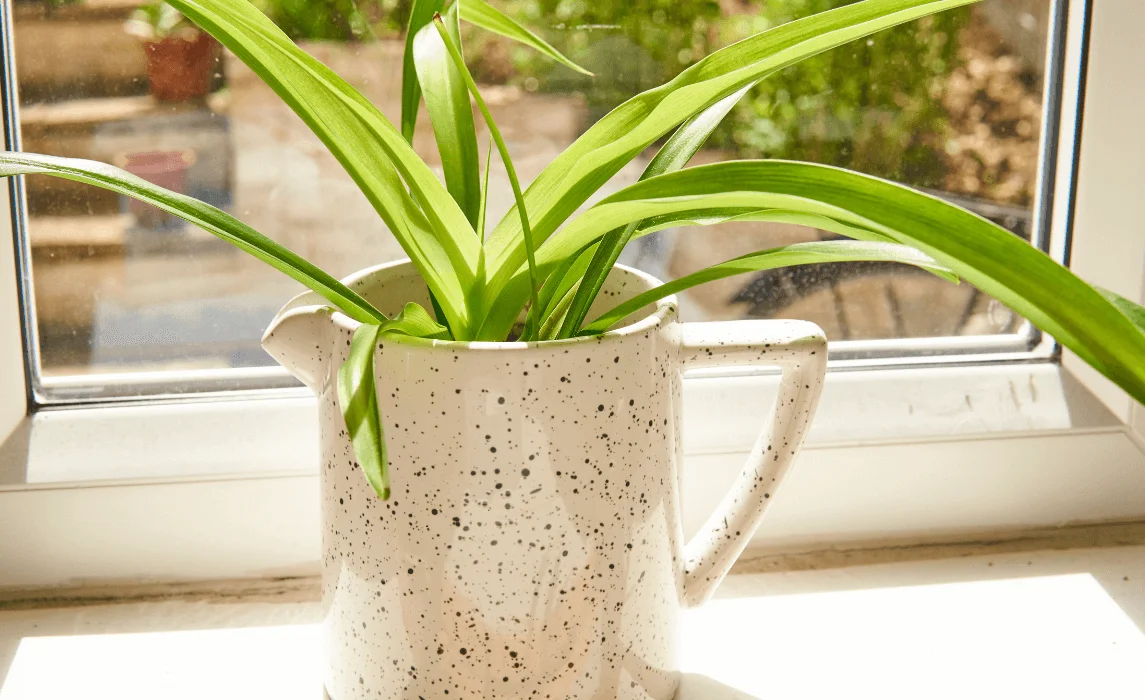
The spider plant is a highly popular houseplant native to South Africa, known for its long, arching, ribbon-like leaves and rapid growth. Its foliage is usually bright green with creamy-white stripes, and mature plants produce small white flowers followed by cascading baby plantlets, creating a lively, textured display. Spider plants typically reach 12–18 inches tall and wide, making them ideal for medium to large windowsills, especially east- or west-facing windows with bright indirect light. They prefer evenly moist soil, average indoor humidity, and stable indoor temperatures, although they are tolerant of occasional neglect. Spider plants adapt well to a variety of light conditions, making them one of the most forgiving indoor plants for windowsills. Their resilience, ease of propagation, and energetic growth make them perfect for beginners, families, and anyone who enjoys dynamic greenery on a sill.
Soil: General-purpose potting soil
Water: Moderate; keep soil lightly moist
Light: Bright indirect light
Humidity: Average to moderate
Fertilizer: Monthly during growing season
Temperature: 60–80°F (16–27°C)
USDA Zone: 9–11
6. African Violet (Saintpaulia)
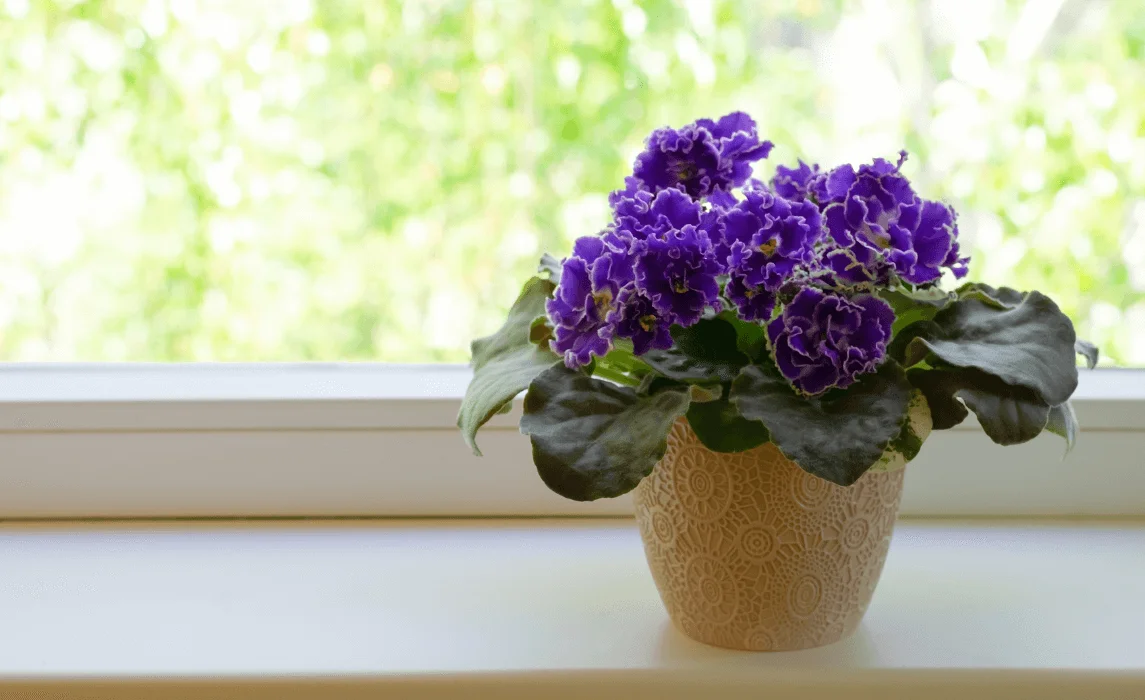
African violets are compact flowering windowsill plants native to the cloud forests of eastern Africa, renowned for their velvety leaves and frequent blooms. They typically grow 6–12 inches tall and wide, making them ideal for small to medium windowsills. African violets produce clusters of vibrant flowers in shades of purple, pink, white, or blue, often blooming several times a year when conditions are optimal. They prefer bright indirect sunlight, such as from an east-facing or lightly shaded south-facing window, as direct sun can scorch leaves. African violets thrive in slightly moist, well-draining soil, high humidity, and stable indoor temperatures, with careful attention to watering methods—bottom watering is often recommended to protect delicate leaves. These plants are ideal for gardeners willing to provide consistent care and enjoy rewarding, long-lasting blooms in a compact space.
Soil: African violet potting mix
Water: Bottom watering recommended
Light: Bright indirect light
Humidity: High
Fertilizer: Bloom-focused fertilizer every 4–6 weeks
Temperature: 65–75°F (18–24°C)
USDA Zone: 11–12
7. Begonia (Polka Dot Begonia)
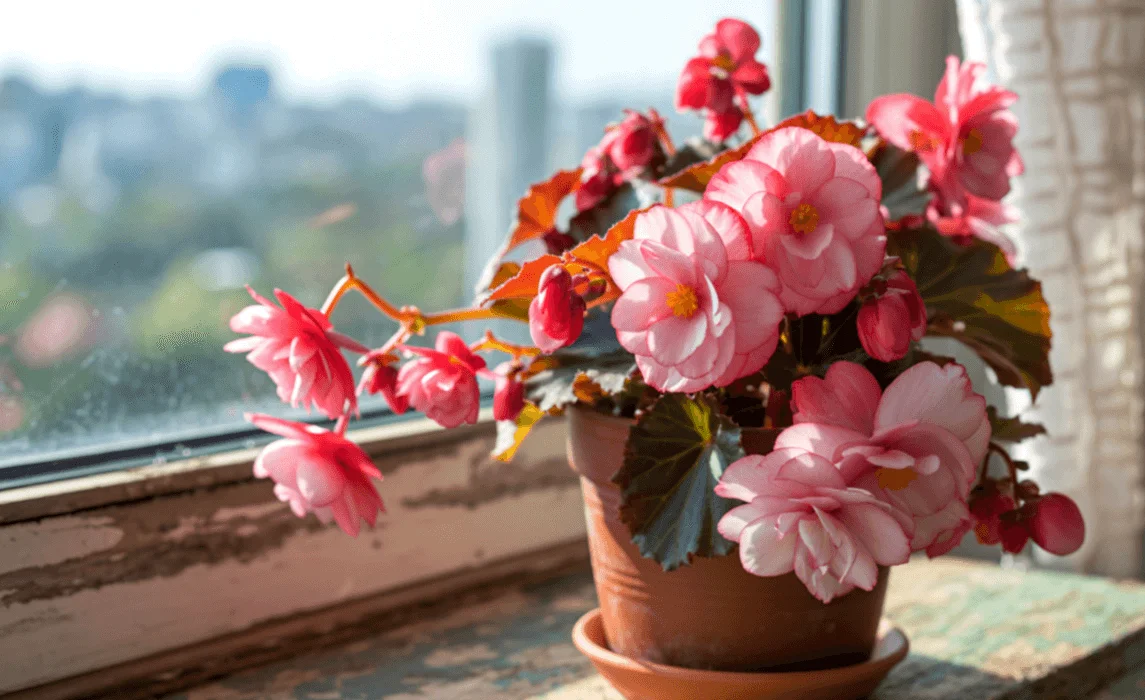
The polka dot begonia (Begonia maculata) is a highly decorative windowsill plant native to the tropical forests of Brazil, where it grows under dappled light and humid conditions. This begonia is best known for its dramatic foliage—elongated, asymmetrical leaves that are deep olive green on top, splashed with silvery-white polka dots, and rich burgundy red underneath. Indoors, it typically grows between 12 and 24 inches tall, making it well-suited for medium-sized window sills where its leaves can be admired up close. In addition to its striking foliage, mature plants may produce delicate clusters of soft pink or white flowers that bloom intermittently throughout the growing season. Polka dot begonias thrive on windowsills that receive bright indirect sunlight, such as an east-facing or lightly shaded south-facing window, as direct sun can scorch their leaves. They prefer consistently moist but never soggy soil, warm indoor temperatures, and moderate to high humidity that mimics their tropical origins. Because they are sensitive to drafts, overwatering, and sudden environmental changes, this plant is best recommended for intermediate gardeners who enjoy foliage-focused plants and can provide attentive, consistent care.
Soil: Well-draining, peat-based potting mix
Water: Keep soil evenly moist but not waterlogged
Light: Bright indirect light
Humidity: Moderate to high
Fertilizer: Balanced fertilizer every 2–4 weeks during growth
Explore the top indoor Japanese plants and learn simple care tips to keep them thriving in your home.
8. Geranium (Pelargonium)
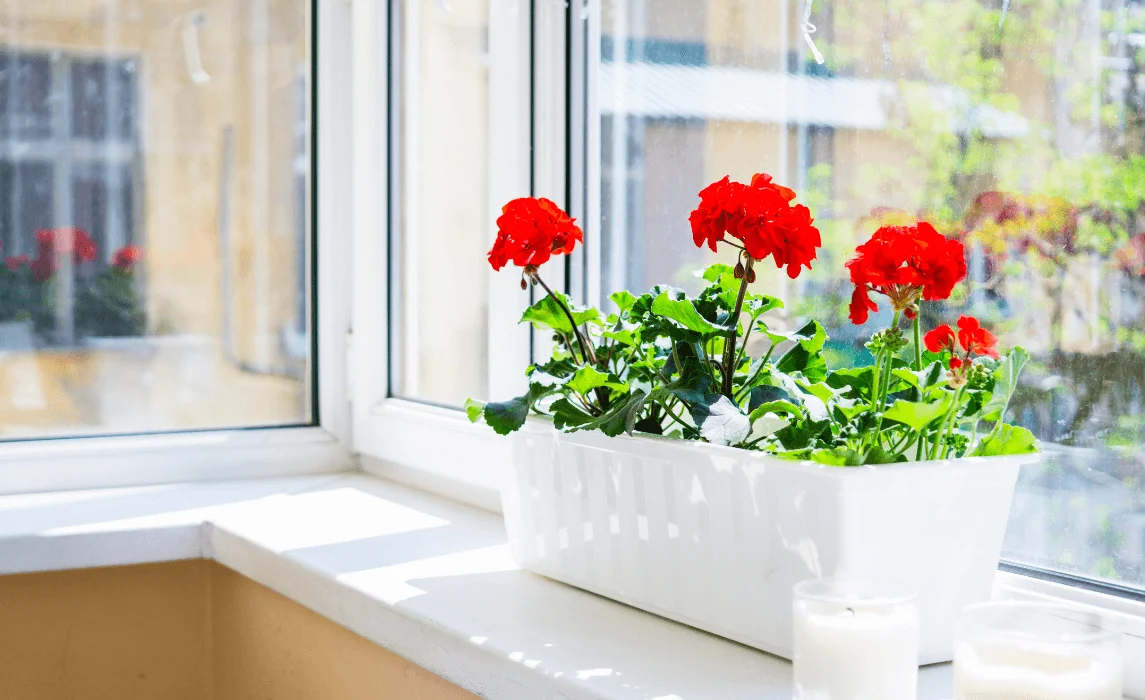
Geraniums, more accurately known as Pelargoniums, are classic flowering plants widely grown as windowsill plants due to their love of sunlight and compact growth habit. Native to South Africa, geraniums feature rounded, slightly fuzzy green leaves that may have subtle zoning patterns and emit a mild fragrance when brushed. Their blooms appear in generous clusters and range in color from bright red and coral to soft pink and white, often flowering for many months when grown in the right conditions. Indoors, geraniums usually grow 12–18 inches tall and wide, making them ideal for sunny windowsills, particularly south-facing windows that receive several hours of direct sunlight daily. They thrive in well-draining soil and prefer to dry slightly between waterings, as consistently wet soil can lead to root problems. Geraniums favor lower humidity than many indoor flowering plants and perform best in bright, airy spaces with good airflow. Because they are relatively easy to care for yet rewarding in bloom, geraniums are excellent for beginner to intermediate gardeners who want long-lasting color without high maintenance.
Soil: Well-draining potting soil
Water: Allow top inch of soil to dry between waterings
Light: Bright light with several hours of direct sun
Humidity: Low to average
Fertilizer: Every 2–3 weeks during active blooming
Temperature: 60–75°F (16–24°C)
USDA Zone: 9–11
9. Pothos (Epipremnum aureum)
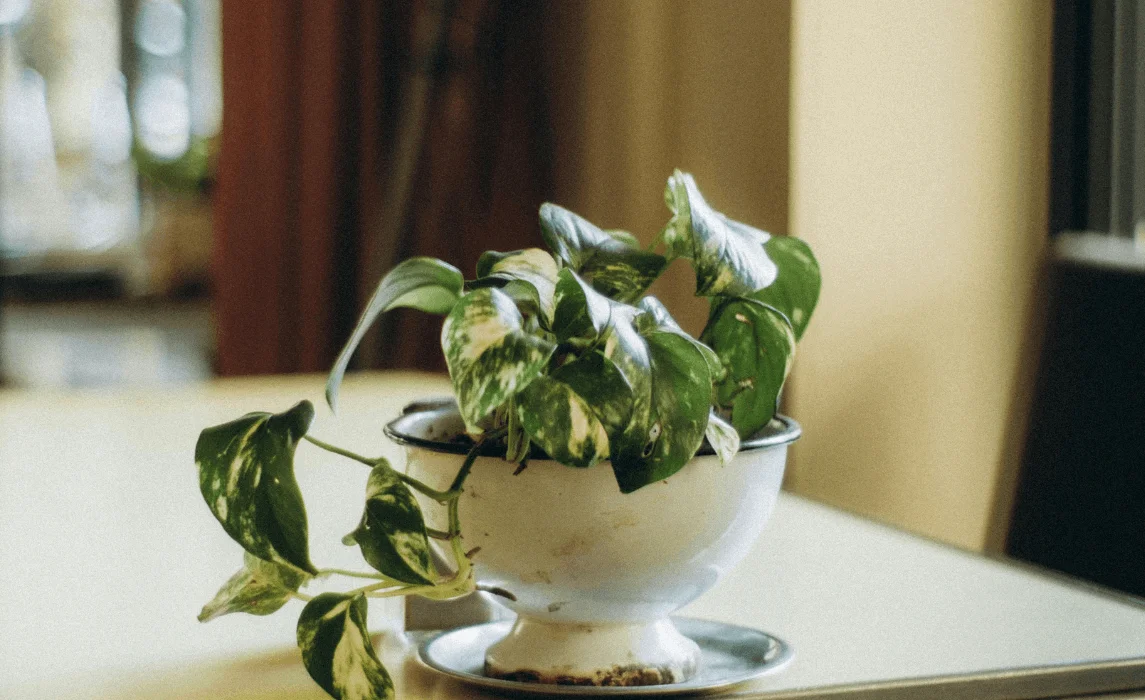
Pothos is one of the most adaptable and forgiving windowsill plants, native to tropical forests of Southeast Asia and the Pacific Islands. In its natural habitat, it grows as a climbing and trailing vine, which translates beautifully to indoor settings where its cascading stems soften window frames and shelves. Pothos features heart-shaped leaves that are typically deep green but may be variegated with yellow, cream, or white depending on the variety. Indoors, its vines can trail several feet long, making it an excellent choice for windowsills with vertical space or nearby shelves. Pothos thrives in low light conditions, making it especially well-suited for north-facing windowsills, though brighter indirect light encourages fuller growth and stronger variegation. It prefers moderately moist soil but is highly tolerant of missed waterings, average indoor humidity, and standard household temperatures. Because of its resilience, rapid growth, and low care demands, pothos is strongly recommended for beginners, busy households, and anyone new to indoor plants.
Soil: Standard well-draining potting mix
Water: Water when top inch of soil dries
Light: Low to bright indirect light
Humidity: Average indoor humidity
Fertilizer: Monthly during spring and summer
Temperature: 60–85°F (16–29°C)
USDA Zone: 10–12
10. Rosemary
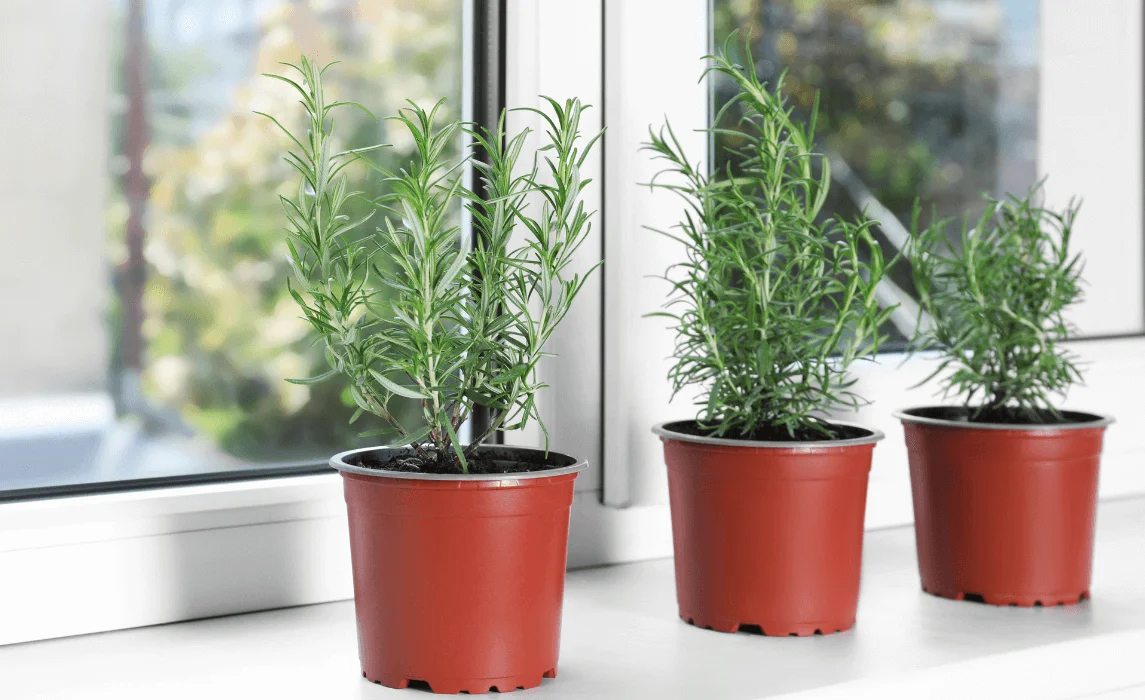
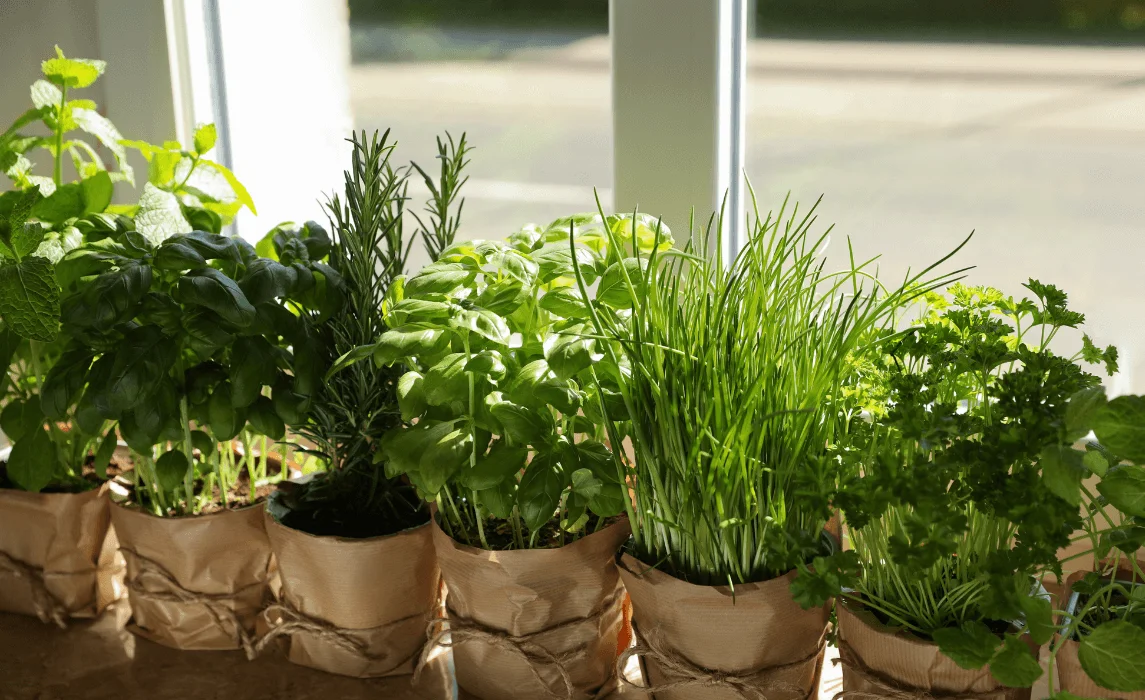
Rosemary is a woody, evergreen herb native to the Mediterranean region and one of the best edible windowsill plants for bright indoor spaces. It features narrow, needle-like gray-green leaves that release a strong, aromatic scent when touched and may produce small pale blue or lavender flowers under ideal conditions. Indoors, rosemary typically grows 12–24 inches tall with an upright, shrub-like form, making it suitable for wider or well-lit window sills. Rosemary thrives on sunny windowsills, particularly south-facing windows, where it can receive at least six hours of direct sunlight daily. Unlike many houseplants, rosemary prefers drier soil, excellent drainage, and low humidity, closely resembling its native coastal climate. It also benefits from good airflow and slightly cooler nighttime temperatures. Because rosemary is sensitive to overwatering and insufficient light, it is best recommended for gardeners with bright windows who are comfortable monitoring soil moisture and light exposure, especially those interested in growing herbs like basil and other culinary plants indoors.
Soil: Sandy, fast-draining soil
Water: Water when top few inches of soil are dry
Light: Full sun (6+ hours daily)
Humidity: Low
Fertilizer: Light feeding during active growth
Temperature: 55–75°F (13–24°C)
USDA Zone: 8–10
Frequently Asked Questions:
1. Can windowsill plants improve indoor air quality?
Yes, several houseplants, including snake plants, pothos, and spider plants, are known for their air-purifying abilities, removing toxins such as formaldehyde and benzene from indoor air. While plants won’t replace proper ventilation, they do contribute to improved air quality and add natural humidity to dry indoor environments.
2. How can I keep my windowsill plants healthy in winter?
During winter, light intensity decreases, and indoor heating can dry the air. Place your plants on windowsills with maximum sunlight, avoid overwatering, and increase humidity using a tray of water or a small humidifier. Sensitive flowering plants like geraniums or African violets may benefit from supplemental grow lights to maintain bloom and foliage quality during shorter winter days.
3. Can I grow flowering and foliage plants together on the same windowsill?
Yes, but pay attention to their light and water requirements. Group plants with similar needs—sun-loving succulents together and shade-tolerant foliage like snake plants and pothos separately. This prevents overwatering or underexposure and ensures all plants thrive. Rotating flowering plants occasionally can also help blooms develop evenly.
Related posts
Here are some articles you might be interested in.



.webp)