Pretty Yet Poisonous Flowers to Avoid in Your Garden: A Guide to Safe Gardening
Published on
October 16, 2025
Author
Sarah Wilson
Sarah Wilson started her gardening journey during the pandemic and had fallen in love with it ever since. Eager to connect with fellow garden enthusiasts, she wants to share the knowledge she's gained over the past three years.
How to Grow Pumpkins Q&A
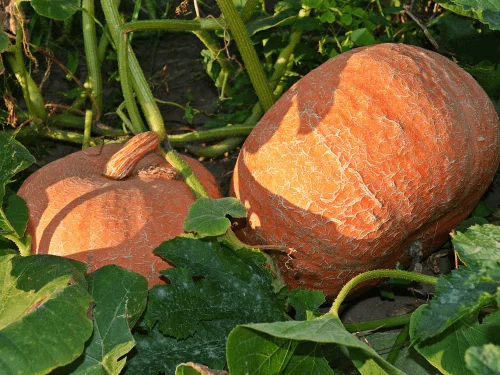
Can I grow pumpkins in a small home garden?
Yes. Choose bush or miniature varieties, grow vines on a trellis, or use raised beds. Plan on one or two plants per hill and prune vines when space is tight.
When should I plant pumpkins for Halloween?
Plant seeds in late May or early June in most climates. Count back from your first frost date and allow for 90 to 120 days of growth.
Why does my pumpkin plant have flowers but no fruit?
Male flowers appear first, so early flowers will not set fruit. If female flowers open but fail to fruit, you probably have too few bees. Pollinate by hand in the morning.
What causes pumpkin leaves to turn white?
This is usually powdery mildew. Improve airflow, water at the base, remove infected leaves, and apply a fungicide or neem oil.
Can I eat the pumpkin I grew for carving?
Yes, though carving types are stringy and bland. Pie pumpkins are sweeter, but the seeds from any pumpkin can be roasted.
Growing Grapevines Q&A
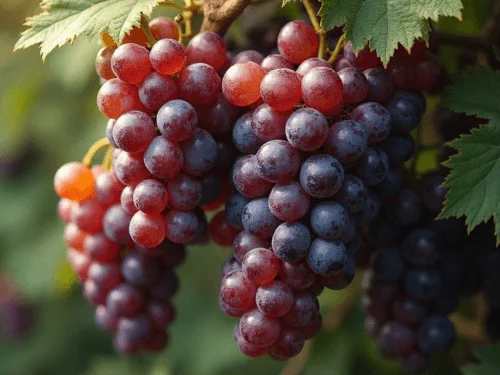
How long does it take for a grape plant to produce fruit?
Most young vines need two to three years after planting before they set a full crop, though a few clusters may appear in year two. Patience pays off — established vines can keep producing for 40 years or more.
Do I need more than one vine to grow grapes?
No. Since most grape varieties are self-fertile, one plant is enough to produce fruit on its own. Planting a second variety nearby is optional and mainly helps with cross-pollination in a few less common types.
Can grape vines grow in containers?
Yes, though grape vines grow best planted directly in the ground, where the root system has room to spread. A large container works for a year or two, but expect to transplant once the vine outgrows the pot.
Why aren't my grapes ripening?
Grapes ripen slowly compared to many fruits, and cool weather, too much shade, or overcrowded canes can all delay the process. Give the vine full sun, thin the clusters, and be patient through the growing season.
What's the difference between table grapes and wine grapes?
Table grapes are bred for fresh eating, with thinner skins and fewer seeds, while wine grapes tend to have thicker skins, more seeds, and higher sugar content suited to fermentation.
Are grape vines toxic to pets?
Grapes and grape leaves are not toxic to people, but grapes and raisins are toxic to dogs and can cause kidney damage, so keep fallen fruit cleaned up if pets have access to the vineyard.
Bee Garden Q&A
What flowers attract the most bees to a garden?
Bees are generally drawn to flowers that are blue, purple, yellow, or white, and that offer easy access to nectar and pollen. Lavender, bee balm, sunflower, and coneflower are some of the most reliable plants that attract bees to a home garden.
Do I need to avoid pesticides in a bee-friendly garden?
Yes, whenever possible. Insecticide and pesticide products can harm adult bees and their larva, even in small amounts. Choosing natural pest control methods helps keep your garden safe for visiting bees.
Can a small home garden still support pollinators?
Absolutely. Even a few containers of zinnias, salvia, or crocus on a balcony can offer pollen and nectar for local bees. Bees will travel between small garden spaces, so every bit of habitat helps.
Do bees need more than just flowers?
Yes. Bees also need nesting sites and water. Ground-nesting bees need patches of bare soil, while a shallow bee bath gives bees a safe spot to drink, especially in hot weather.
Will planting a pollinator garden really help save the bees?
It genuinely can. As natural habitat shrinks, home gardens have become an important food source and shelter for bees, including many native bee species. A well-planned bee garden supports pollination for your own flowers and vegetables while helping the wider bee population.
What is the best USDA zone for growing a bee garden?
There is no single best zone. Most of the plants above grow well across USDA zones 4 through 9, and gardeners in colder or warmer zones can simply choose varieties suited to their climate, or grow warm-season bees favorites like sunflower and zinnia as annuals.
Gardening can be a delightful hobby, transforming your surroundings with beauty and tranquility. However, amidst the vibrant blooms and lush greenery, certain flowers, despite their allure, can pose significant risks to humans and animals. These pretty yet poisonous flowers can lead to serious health hazards if not properly identified and managed.
I recall a time when I was eagerly planting a new selection of colorful blooms in my garden. Among them was a beautiful foxglove, which I had admired for its striking, bell-shaped flowers. It wasn’t until a friend pointed out that foxgloves are highly toxic if ingested that I realized the potential danger they posed. I had to quickly relocate the plant to a less accessible part of the garden, ensuring it was out of reach for curious pets and children. This experience underscored the importance of being informed about the plants we choose to grow.
Understanding which plants can be harmful and knowing how to handle them safely is essential for creating a garden that is not only beautiful but also safe for everyone. In this article, we will explore some of these dangerous yet deceivingly attractive plants that are toxic for both humans and animals.
20 Pretty Yet Poisonous Flowers to Avoid in Your Garden
Here are 20 such flowers, each with a description of their appearance, the nature of their toxicity, and the symptoms of poisoning they can cause.
Oleander (Nerium oleander)
Oleander is an evergreen shrub that produces clusters of white, pink, or red flowers. While beautiful, all parts of the plant are highly toxic to humans, dogs, and cats. Ingesting oleander can cause symptoms like nausea, vomiting, abdominal pain, and in severe cases, heart irregularities and death. This plant thrives in warm climates and is often used as an ornamental shrub. It is commonly found in Mediterranean regions, southern parts of the U.S., and Australia.
Foxglove (Digitalis purpurea)
Foxglove is a tall, striking plant with bell-shaped flowers that can be purple, pink, white, or yellow. The entire plant, especially the leaves, contains digitalis toxins, which can affect the heart. Symptoms of poisoning include nausea, vomiting, diarrhea, hallucinations, and cardiac arrhythmias. Foxglove is commonly found in gardens and wooded areas. Its natural range includes Europe, parts of Asia, and North America.
Lily of the Valley (Convallaria majalis)
Lily of the Valley features small, delicate, bell-shaped white flowers that have a sweet fragrance. The plant contains cardiac glycosides, which can cause severe symptoms such as vomiting, diarrhea, decreased heart rate, and seizures if ingested. It is particularly toxic to children and pets and thrives in shaded, moist environments. This plant is native to Europe, parts of Asia, and North America.
Rhododendron (Rhododendron spp.)
Rhododendrons are known for their large clusters of brightly colored flowers, ranging from pink to purple, red, and white. All parts of the plant contain grayanotoxins, which can cause nausea, vomiting, drooling, low blood pressure, and in severe cases, coma or death. They prefer acidic, well-drained soil and can be found in gardens and wild so be sure to look out for one just in case. They are native to Asia, Europe, North America, and parts of Australia.
Azalea (Rhododendron spp.)
Azaleas, a type of rhododendron, produce vibrant blooms in various colors, including pink, red, white, and purple. They contain the same grayanotoxins as rhododendrons, posing similar health risks such as nausea, vomiting, and cardiovascular issues. In their natural habitats, azaleas are commonly found in forests and woodland areas with dappled sunlight. Azaleas are native to and commonly found in Asia, Europe, North America, and Australia.
Hydrangea (Hydrangea macrophylla)
Hydrangeas are popular garden plants known for their large, rounded flower clusters in shades of blue, pink, white, and purple. The plant contains cyanogenic glycosides, which can cause symptoms such as stomach pain, nausea, vomiting, and sweating if ingested, so in the chance that you'll be gardening them, be sure that there are no pets or kids around. Hydrangeas can be found growing in a variety of environments, including garden beds, landscaped areas, and shaded woodland edges. They are native to East Asia, parts of North America, and Europe.
Daffodil (Narcissus spp.)
Daffodils are spring-blooming bulbs known for their bright yellow or white flowers with a trumpet-shaped center. All parts of the plant, especially the bulbs, contain lycorine, which can cause nausea, vomiting, diarrhea, and abdominal pain if ingested. In their natural and cultivated settings, daffodils are commonly found in gardens, parks, and naturalized areas. They are native to Europe, North Africa, and parts of the Mediterranean region.
Larkspur (Delphinium spp.)
Larkspur features tall spikes of blue, purple, pink, or white flowers and is often used in cottage gardens and ornamental settings. The plant contains alkaloids that can cause symptoms such as nausea, vomiting, muscle weakness, and paralysis if ingested. In its natural habitats and cultivated environments, larkspur is commonly found in meadows, open fields, and garden beds. It is native to North America, Europe, and parts of Asia.
Belladonna (Atropa belladonna)
Belladonna, also known as deadly nightshade, has bell-shaped, purple flowers and shiny black berries. The plant contains tropane alkaloids, which can cause symptoms like dry mouth, blurred vision, hallucinations, and in severe cases, convulsions and death. It grows in wooded areas and along roadsides. It is native to Europe, North Africa, and parts of Western Asia.
Monkshood (Aconitum napellus)
Monkshood, also known as wolfsbane, is distinguished by its tall spikes of hooded blue or purple flowers. The plant contains aconitine, which can cause symptoms such as nausea, vomiting, diarrhea, muscle weakness, and heart irregularities if ingested. Monkshood is commonly found in woodland areas, shaded garden beds, and along forest edges. It is native to Europe, parts of Asia, and North America.
Wisteria (Wisteria spp.)
Wisteria is a climbing vine known for its cascading clusters of purple, blue, white, or pink flowers. All parts of the plant, especially the seeds, contain lectins and glycosides, which can cause nausea, vomiting, diarrhea, and abdominal pain if ingested. Wisteria is commonly found growing in sunny locations such as trellises, arbors, and garden walls. It is native to East Asia, North America, and parts of Europe.
Autumn Crocus (Colchicum autumnale)
Autumn Crocus produces pink, purple, or white flowers in the fall. The plant contains colchicine, which can cause severe symptoms such as nausea, vomiting, diarrhea, abdominal pain, and multi-organ failure if ingested. Autumn Crocus is native to Europe and parts of the Mediterranean region.
Buttercup (Ranunculus spp.)
Buttercups are bright yellow, cup-shaped flowers commonly found in meadows and gardens. The plant contains ranunculin, which can cause skin irritation, blisters, nausea, vomiting, and diarrhea if ingested. Buttercups are native to North America, Europe, and parts of Asia.
Daphne (Daphne spp.)
Daphne plants are small shrubs with clusters of fragrant flowers, often pink, white, or purple. The entire plant, especially the berries, contains toxic compounds such as daphnetoxin and mezerein, which can cause symptoms like nausea, vomiting, abdominal pain, and in severe cases, coma or death if ingested. Skin contact with the sap can also cause irritation. Daphne plants are commonly found in gardens and landscapes, particularly in temperate regions of Europe and Asia.
Yew (Taxus spp.)
Yew is an evergreen shrub or tree with dark green needles and bright red berries. All parts of the plant, except the fleshy part of the berries, contain taxine alkaloids, which can cause dizziness, dry mouth, abdominal pain, and heart failure if ingested. Yew commonly grows in a variety of settings, including woodlands, gardens, and landscape plantings. It is native to Europe, parts of Asia, North America, and the Mediterranean region.
Castor Bean (Ricinus communis)
Castor Bean is a large, tropical plant with striking, palmate leaves and spiky, red seed pods. The seeds contain ricin, a highly toxic substance that can cause severe abdominal pain, vomiting, diarrhea, and multi-organ failure if ingested. Castor Bean commonly grows in tropical and subtropical environments, including gardens, landscapes, and naturalized areas. It is native to Africa, the Middle East, parts of India, and tropical regions worldwide.
Hemlock (Conium maculatum)
Hemlock is a tall, fern-like plant with small, white, umbrella-shaped flower clusters. The plant contains coniine, which can cause symptoms such as nausea, vomiting, abdominal pain, muscle paralysis, and respiratory failure if ingested. Hemlock commonly grows in damp, shaded areas such as woodlands, stream banks, and forest edges. It is native to Europe, parts of Asia, and North America.
Mountain Laurel (Kalmia latifolia)
Mountain Laurel has glossy, evergreen leaves and clusters of pink, white, or red flowers. The plant contains grayanotoxins, which can cause symptoms such as nausea, vomiting, salivation, and low blood pressure if ingested. Mountain Laurel can be found in natural settings such as woodlands, forest edges, and shaded slopes. It is native to Eastern North America.
Jimsonweed (Datura stramonium)
Jimsonweed, also known as thorn apple, features trumpet-shaped white or purple flowers and spiky seed pods. The plant contains tropane alkaloids, which can cause hallucinations, dry mouth, blurred vision, and, in severe cases, convulsions and death if ingested. It is native to North and South America, parts of Asia, and Australia.
Brugmansia (Brugmansia spp.)
Brugmansia, also known as angel's trumpet, is distinguished by its large, pendulous, trumpet-shaped flowers in white, yellow, pink, or orange. The plant contains tropane alkaloids, which can cause hallucinations, dry mouth, muscle weakness, and, in severe cases, respiratory failure and death if ingested. Brugmansia can be found in various environments, including gardens, landscapes, and tropical forests. It is native to South America and is also cultivated in tropical regions worldwide.
Frequently Asked Questions and Answers:
Q: Why should I be concerned about poisonous flowers in my garden?
A: Poisonous flowers can pose serious health risks to humans and animals if ingested or even touched. Symptoms of poisoning can range from mild discomfort to severe, life-threatening conditions. Being aware of these flowers helps prevent accidental poisonings and ensures the safety of everyone in your household, including pets.
Q: How can I identify poisonous flowers in my garden?
A: Identifying poisonous flowers involves recognizing their physical characteristics, such as flower shape, color, and growth habits. Additionally, using reputable gardening resources, books, or consulting with local horticulturists can help you accurately identify toxic plants in your garden.
Q: What should I do if someone ingests a poisonous flower?
A: If someone ingests a poisonous flower, seek medical attention immediately. Call your local poison control center or go to the nearest emergency room. Do not induce vomiting unless directed by a healthcare professional. Providing information about the plant ingested can help medical personnel treat the poisoning effectively.
Q: Are some people or animals more susceptible to plant poisoning than others?
A: Yes, certain groups such as children, elderly individuals, and pets are more susceptible to plant poisoning due to their smaller size and lower tolerance levels. Pets like dogs and cats are particularly at risk since they may chew on plants out of curiosity or boredom.
Q: Can touching a poisonous flower cause harm?
A: Yes, some poisonous flowers can cause skin irritation, rashes, or allergic reactions upon contact. Plants like Poison Ivy, though not included in this list, are notorious for causing skin reactions. Always wear gloves and protective clothing when handling unknown plants and wash your hands thoroughly afterward.
Related posts
Here are some articles you might be interested in.