Sarah Wilson started her gardening journey during the pandemic and had fallen in love with it ever since. Eager to connect with fellow garden enthusiasts, she wants to share the knowledge she's gained over the past three years.
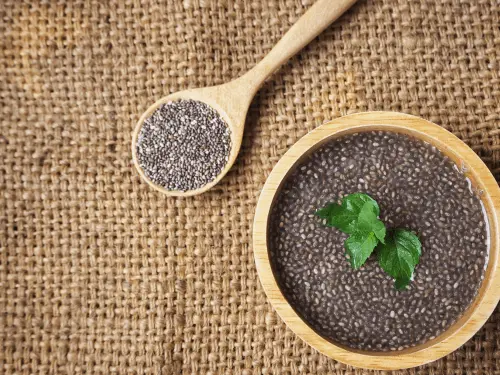
Growing Chia Plants Q&A
Can I grow chia from the chia seeds I buy at the store?
Yes. Organic chia seeds from the grocery store will often germinate, though germination can vary. Fresh seed from a garden supplier is more reliable.
How long does it take to grow chia?
Seeds sprout in about a week. The plant needs 100 to 150 days to mature before you can harvest the seeds.
Is chia a California native plant?
Salvia hispanica is native to central Mexico and Guatemala. However, Salvia columbariae, sometimes called California chia, is a California native plant.
Can I grow chia indoors?
You can grow chia sprouts and microgreens indoors easily. A full-size chia plant needs strong light and rarely sets a good seed crop indoors.
Why won't my chia flower?
Chia flowers when days get shorter. Plants in cooler regions or those lit at night may bloom late or not at all.
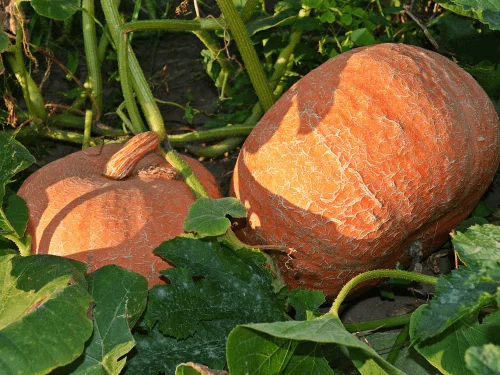
How to Grow Pumpkins Q&A
Can I grow pumpkins in a small home garden?
Yes. Choose bush or miniature varieties, grow vines on a trellis, or use raised beds. Plan on one or two plants per hill and prune vines when space is tight.
When should I plant pumpkins for Halloween?
Plant seeds in late May or early June in most climates. Count back from your first frost date and allow for 90 to 120 days of growth.
Why does my pumpkin plant have flowers but no fruit?
Male flowers appear first, so early flowers will not set fruit. If female flowers open but fail to fruit, you probably have too few bees. Pollinate by hand in the morning.
What causes pumpkin leaves to turn white?
This is usually powdery mildew. Improve airflow, water at the base, remove infected leaves, and apply a fungicide or neem oil.
Can I eat the pumpkin I grew for carving?
Yes, though carving types are stringy and bland. Pie pumpkins are sweeter, but the seeds from any pumpkin can be roasted.
Growing Grapevines Q&A
How long does it take for a grape plant to produce fruit?
Most young vines need two to three years after planting before they set a full crop, though a few clusters may appear in year two. Patience pays off — established vines can keep producing for 40 years or more.
Do I need more than one vine to grow grapes?
No. Since most grape varieties are self-fertile, one plant is enough to produce fruit on its own. Planting a second variety nearby is optional and mainly helps with cross-pollination in a few less common types.
Can grape vines grow in containers?
Yes, though grape vines grow best planted directly in the ground, where the root system has room to spread. A large container works for a year or two, but expect to transplant once the vine outgrows the pot.
Why aren't my grapes ripening?
Grapes ripen slowly compared to many fruits, and cool weather, too much shade, or overcrowded canes can all delay the process. Give the vine full sun, thin the clusters, and be patient through the growing season.
What's the difference between table grapes and wine grapes?
Table grapes are bred for fresh eating, with thinner skins and fewer seeds, while wine grapes tend to have thicker skins, more seeds, and higher sugar content suited to fermentation.
Are grape vines toxic to pets?
Grapes and grape leaves are not toxic to people, but grapes and raisins are toxic to dogs and can cause kidney damage, so keep fallen fruit cleaned up if pets have access to the vineyard.
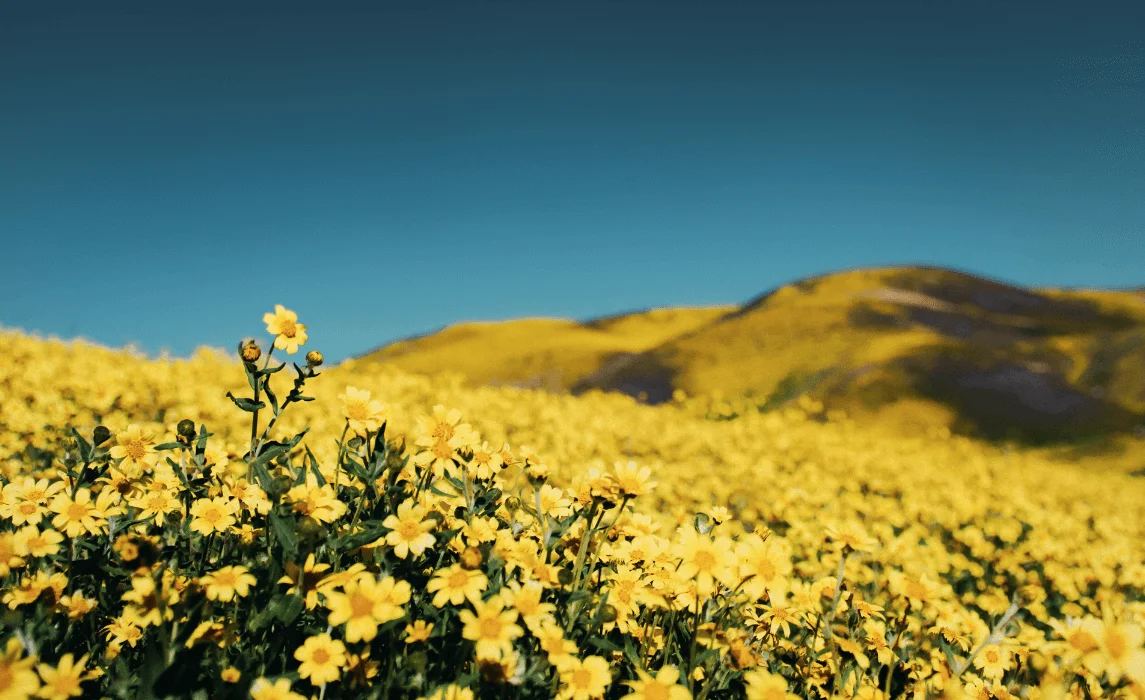
Yellow flowers bring warmth, joy, and sunshine into any garden, instantly lifting the mood with their radiant glow. From delicate buttercups to elegant tulips and vibrant sunflowers, these blooms come in a wide variety of shapes, sizes, and shades—each carrying its own unique meaning. Whether you want to express friendship, happiness, or new beginnings, understanding the types of yellow flowers and their meanings can help you choose the perfect blooms for your space. In this guide, we’ll explore the most popular yellow flower types, their symbolism, and how to use them to create a garden that reflects your personality and style.
10 Types of Yellow Flowers
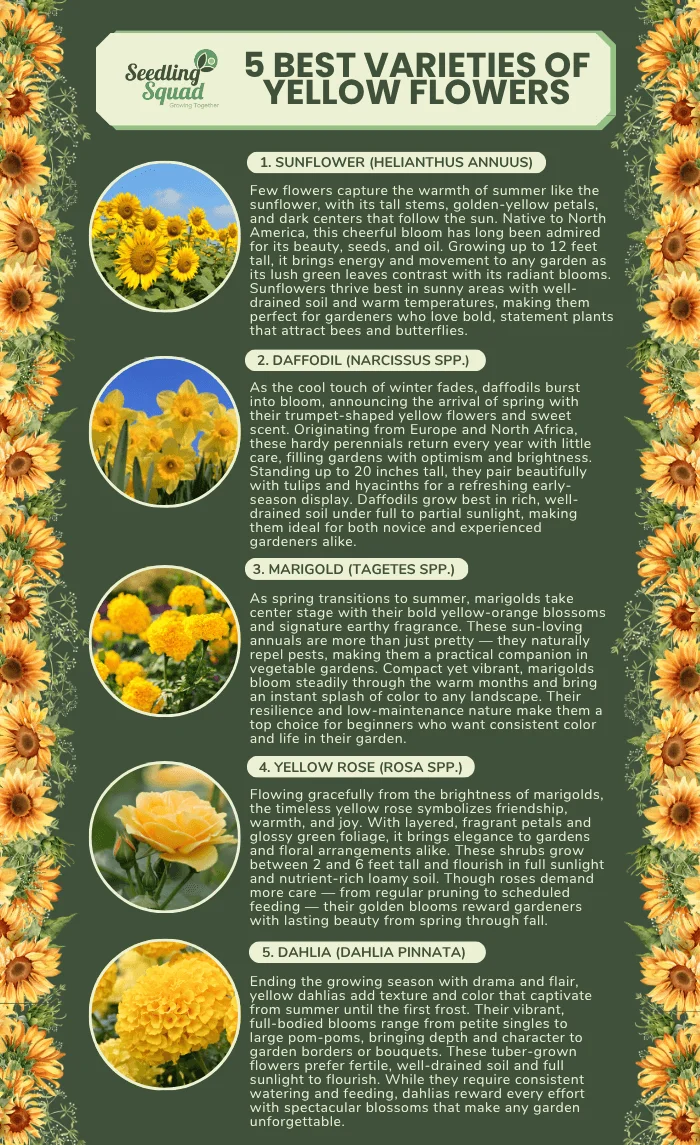
1. Sunflower (Helianthus annuus)
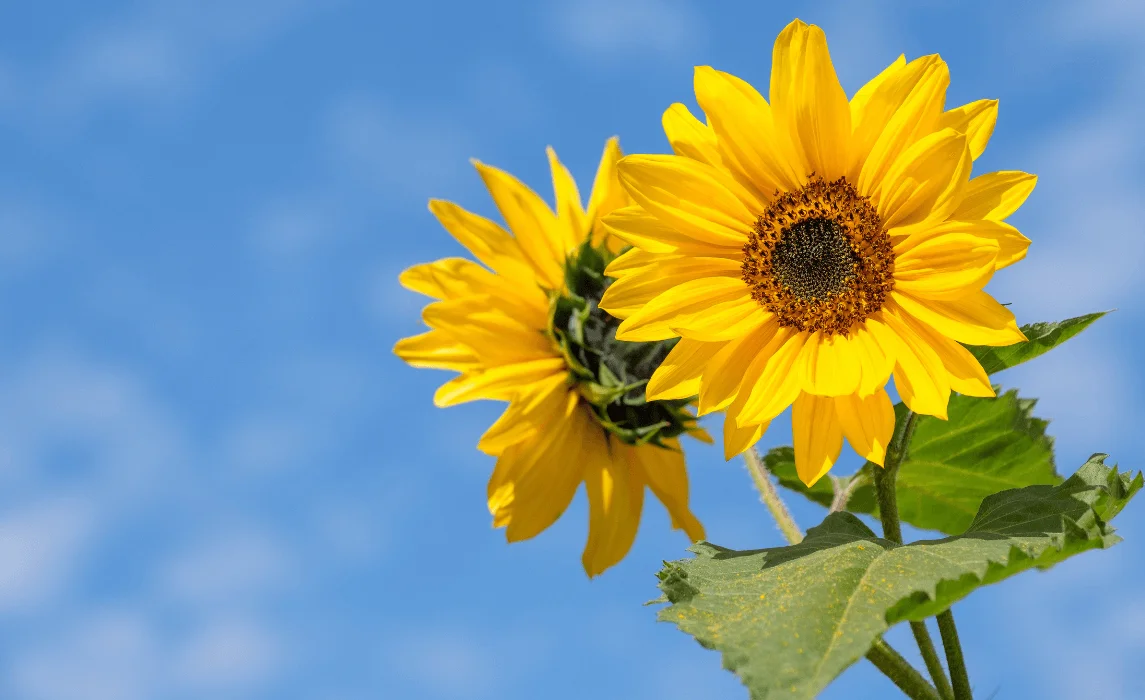
Few flowers capture the essence of sunshine quite like the sunflower. Known for its towering stems and broad, bright yellow petals surrounding a rich brown or dark center, this plant is a symbol of joy, loyalty, and energy. Originating from North America, sunflowers have been cultivated for centuries not just for their beauty but also for their seeds and oil. Their large flower heads follow the direction of the sun — a natural phenomenon called heliotropism — making them a dynamic presence in any garden. Sunflowers can grow anywhere between 5 and 12 feet tall, depending on the variety, with lance-shaped leaves that provide a lush, green contrast to their golden blooms. They thrive best in open fields or gardens with full sunlight, well-drained soil, and a warm environment. Perfect for gardeners who love statement plants, sunflowers are also a favorite among pollinators like bees and butterflies.
Soil: Fertile, loose, and well-drained
Water: Moderate; water deeply once a week
Light: Full sun (6–8 hours daily)
Humidity: Low to moderate
Fertilizer: Balanced fertilizer every 3 weeks during growth
Learn step-by-step how to sow, nurture, and harvest sunflowers for a radiant and rewarding display.
2. Daffodil (Narcissus spp.)
As winter fades and spring begins, daffodils are often the first to bloom, signaling renewal and hope. These trumpet-shaped flowers are typically a vibrant yellow, though some varieties display creamy or soft yellow tones with orange centers. Their slender, leafy green stalks can reach heights of up to 20 inches, and their signature fragrance adds freshness to early spring gardens. Native to Europe and North Africa, daffodils are hardy perennials that return each year with minimal care. They prefer cool to mild climates and grow best in well-drained soil under full to partial sunlight. Their bright color pairs beautifully with tulips and hyacinths, creating a captivating spring landscape. Ideal for both beginner and experienced gardeners, daffodils are easy to plant and maintain, and their bulbs multiply over time, providing a long-term splash of yellow.
Soil: Well-drained, rich in organic matter
Water: Moderate; keep evenly moist during growth
Light: Full sun to partial shade
Humidity: Moderate
Fertilizer: Use bulb fertilizer after flowering
Temperature: 55–65°F (13–18°C)
USDA Zone: 3–9
3. Yellow Lily (Lilium spp.)
Moving from the cheer of spring to the warmth of summer, the yellow lily brings sophistication and elegance to the garden. Its trumpet-shaped blooms and bright yellow petals make it one of the most stunning flowers of the season. Lilies generally grow between 2 to 5 feet tall, featuring glossy, lance-shaped leaves arranged in whorls along the stem. Known for their sweet fragrance, yellow lilies are popular choices for floral bouquets, adding both scent and structure. These perennials prefer well-drained, slightly acidic soil and flourish in full sun with a touch of afternoon shade in hotter regions. Perfect for intermediate gardeners, lilies symbolize gratitude and joy — a wonderful way to infuse beauty into garden borders, containers, or floral arrangements.
Soil: Slightly acidic and well-drained
Water: Keep moist but not waterlogged
Light: Full sun or partial shade
Humidity: Moderate
Fertilizer: Apply slow-release bloom fertilizer in early spring
Temperature: 60–75°F (15–24°C)
USDA Zone: 4–8
4. Marigold (Tagetes spp.)
As summer intensifies, few plants embody sunlight as vibrantly as marigolds. With their fiery yellow to orange blooms, ruffled petals, and strong, earthy fragrance, marigolds are both beautiful and practical. These annual plants are cherished for their pest-repelling properties, often used in vegetable gardens to deter unwanted insects. Compact and hardy, they range from 6 inches to 2 feet in height, producing bright yellow flowers throughout the summer long season. Their low maintenance and prolific flowering make them a favorite for beginner gardeners or those seeking continuous color. Marigolds flourish in full sun and loamy soil, tolerating both heat and moderate drought. Their cheerful color and resilience symbolize creativity, passion, and positivity.
Soil: Loamy, moderately fertile, well-drained
Water: Water when soil feels dry; avoid overwatering
Light: Full sun (at least 6 hours daily)
Humidity: Moderate
Fertilizer: Use light feeding every 4 weeks
Temperature: 65–80°F (18–27°C)
USDA Zone: 2–11
5. Coreopsis (Coreopsis lanceolata)
Transitioning into the heart of summer, coreopsis, also known as tickseed, brings a wild, effortless beauty to gardens. These daisy-like yellow flowers bloom abundantly on slender green stems, creating a sea of sunshine from early summer through fall. Each flower is small yet striking, with a bright yellow hue and, in some varieties, a dark center that adds contrast. Growing about 1–2 feet tall, coreopsis is a perennial plant that thrives in poor or sandy soil where other plants may struggle. It’s drought-tolerant, making it ideal for eco-conscious gardeners or those with dry climates. Its long-lasting yellow blooms attract butterflies and bees, making it not just a visual delight but also a pollinator-friendly addition.
Soil: Well-drained, sandy, or average soil
Water: Minimal; water during dry spells only
Light: Full sun
Humidity: Low
Fertilizer: Minimal; compost once per season
Temperature: 65–85°F (18–29°C)
USDA Zone: 4–9
6. Yellow Rose (Rosa spp.)
No list of yellow flowers is complete without the timeless yellow rose, a symbol of friendship, optimism, and warmth. Unlike their romantic red counterparts, yellow roses express joy and platonic affection, making them perfect for gifting and garden design alike. These shrubs grow anywhere from 2 to 6 feet tall, depending on the variety, with soft yellow petals that open in layers around a fragrant heart. Their glossy green leaves offer an elegant contrast to their bright yellow blooms. Roses prefer well-drained, loamy soil enriched with organic matter and flourish under full sunlight. While they require more care than other species, their reward is unmatched — stunning blooms that last from late spring to early autumn. Gardeners who enjoy nurturing and pruning will find yellow roses a deeply rewarding endeavor.
Soil: Rich, loamy, and well-draining
Water: Deep watering twice a week
Light: Full sun
Humidity: Moderate
Fertilizer: Rose-specific fertilizer every 6 weeks
Explore top flower picks and arrangements designed to brighten your garden or home all summer long.
7. Gerbera Daisy (Gerbera jamesonii)
From romantic roses, we move to the playful and radiant gerbera daisy, known for its large, daisy-like blooms in various shades of yellow. Each bloom has a distinct dark center, surrounded by symmetrical petals that can span up to 5 inches in diameter. These beautiful yellow flowers grow on long stems about 12–18 inches tall, making them ideal for cut flowers and decorative vases. Native to South Africa, gerberas thrive in well-drained, light soil and prefer full to partial sunlight. Their ability to bloom repeatedly throughout the warm months makes them perfect for container gardening or flower beds. They are best suited for gardeners who enjoy colorful, long-lasting blooms and a touch of tropical flair.
Soil: Light, sandy, well-drained
Water: Moderate; water base directly, not foliage
Light: Full to partial sun
Humidity: Moderate
Fertilizer: Balanced liquid fertilizer every 2 weeks
Temperature: 65–75°F (18–24°C)
USDA Zone: 8–11
8. Calla Lily (Zantedeschia elliottiana)
As summer transitions to late warmth, the yellow calla lily adds sophistication with its sculptural beauty. The flower’s trumpet-shaped bloom curves gracefully, while its deep green leaves — often speckled with white — provide an elegant backdrop. Typically growing between 1 and 3 feet tall, calla lilies thrive in moist, fertile soil and partial sunlight. They bloom from mid to late summer, gracing gardens, weddings, and bouquets with their timeless elegance. Best suited for gardeners who appreciate ornamental beauty, calla lilies require a little extra attention but reward with striking blooms that radiate luxury.
Soil: Moist, rich, well-drained
Water: Keep soil consistently moist
Light: Partial to full sun
Humidity: Moderate to high
Fertilizer: Monthly feeding during growth
Temperature: 60–75°F (15–24°C)
USDA Zone: 8–10
9. Dahlia (Dahlia pinnata)
For gardeners who crave drama and variety, the yellow dahlia never disappoints. These showy flowers come in various forms — from simple single blooms to intricate double flowers resembling pom-poms. Ranging in size from 1 foot to over 6 feet tall, dahlias feature vibrant yellow petals that burst into bloom from mid to late summer, continuing until the first frost. They grow from tubers and require fertile, well-drained soil. Dahlias thrive in full sunlight and produce large, long-lasting blossoms ideal for arrangements. Perfect for intermediate gardeners, these flowers demand consistent care but offer spectacular color and texture in return.
Soil: Fertile, well-drained, rich in compost
Water: Keep evenly moist; avoid soggy roots
Light: Full sun
Humidity: Moderate
Fertilizer: Balanced fertilizer every 3 weeks
Temperature: 60–70°F (15–21°C)
USDA Zone: 8–11
10. Solidago (Goldenrod)
To close the summer season gracefully, goldenrod — also known as Solidago — paints fields and gardens in soft yellow tones. This hardy perennial wildflower grows up to 4 feet tall with slender, leafy stalks adorned with clusters of tiny yellow flowers. Blooming in late summer through early fall, it creates a golden sea that attracts butterflies and bees. Contrary to common myth, goldenrod doesn’t cause allergies; it actually benefits pollinators by providing nectar late in the season. Easy to care for and highly adaptable, it’s perfect for naturalistic gardeners who love meadows, rustic landscapes, or wildlife-friendly gardens.
Soil: Well-drained, average soil
Water: Low; drought-tolerant once established
Light: Full sun
Humidity: Low to moderate
Fertilizer: Not required
Temperature: 65–85°F (18–29°C)
USDA Zone: 3–9
Frequently Asked Questions (FAQ)
1. What do yellow flowers symbolize?
Yellow flowers often represent friendship, positivity, and joy. They’re ideal for celebrating success, expressing gratitude, or brightening someone’s day.
2. Do yellow flowers attract pollinators?
Absolutely! Sunflowers, coreopsis, and goldenrod are magnets for bees, butterflies, and other beneficial insects.
3. Can yellow flowers grow in partial shade?
Yes, lilies and calla lilies tolerate partial sunlight, making them great for slightly shaded gardens.
4. How can I extend the bloom time of yellow flowers?
Deadhead spent flower heads, keep soil nutrients balanced, and ensure proper watering to promote continuous blooms.
Related posts
Here are some articles you might be interested in.


.webp)
.webp)
.webp)
.webp)
.webp)
.webp)

.webp)
.webp)
.webp)
.webp)