Growing Baby Spinach Indoors: Ultimate Guide for Your Indoor Garden
Published on
April 15, 2025
Author
Anjali Sharma
Anjali was born and raised in Indi and is now residing in New Jersey with her husband. Anjali's passion lies in raising her own vegetables and herbs, which she wants to share with others.
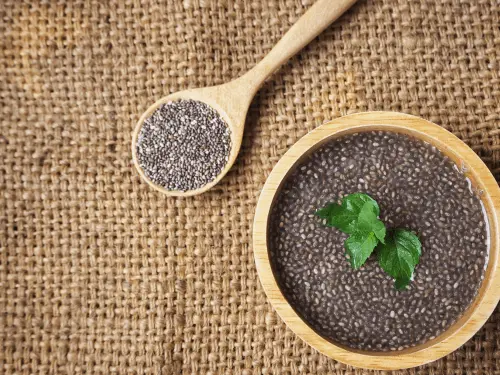
Growing Chia Plants Q&A
Can I grow chia from the chia seeds I buy at the store?
Yes. Organic chia seeds from the grocery store will often germinate, though germination can vary. Fresh seed from a garden supplier is more reliable.
How long does it take to grow chia?
Seeds sprout in about a week. The plant needs 100 to 150 days to mature before you can harvest the seeds.
Is chia a California native plant?
Salvia hispanica is native to central Mexico and Guatemala. However, Salvia columbariae, sometimes called California chia, is a California native plant.
Can I grow chia indoors?
You can grow chia sprouts and microgreens indoors easily. A full-size chia plant needs strong light and rarely sets a good seed crop indoors.
Why won't my chia flower?
Chia flowers when days get shorter. Plants in cooler regions or those lit at night may bloom late or not at all.
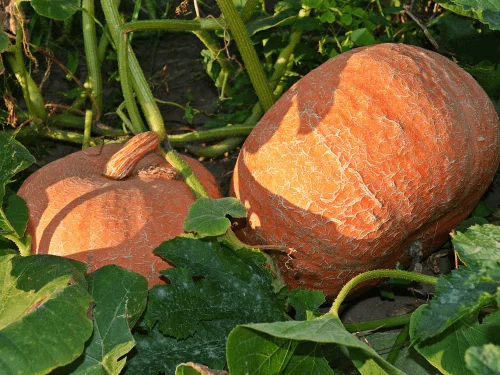
How to Grow Pumpkins Q&A
Can I grow pumpkins in a small home garden?
Yes. Choose bush or miniature varieties, grow vines on a trellis, or use raised beds. Plan on one or two plants per hill and prune vines when space is tight.
When should I plant pumpkins for Halloween?
Plant seeds in late May or early June in most climates. Count back from your first frost date and allow for 90 to 120 days of growth.
Why does my pumpkin plant have flowers but no fruit?
Male flowers appear first, so early flowers will not set fruit. If female flowers open but fail to fruit, you probably have too few bees. Pollinate by hand in the morning.
What causes pumpkin leaves to turn white?
This is usually powdery mildew. Improve airflow, water at the base, remove infected leaves, and apply a fungicide or neem oil.
Can I eat the pumpkin I grew for carving?
Yes, though carving types are stringy and bland. Pie pumpkins are sweeter, but the seeds from any pumpkin can be roasted.
Growing Grapevines Q&A
How long does it take for a grape plant to produce fruit?
Most young vines need two to three years after planting before they set a full crop, though a few clusters may appear in year two. Patience pays off — established vines can keep producing for 40 years or more.
Do I need more than one vine to grow grapes?
No. Since most grape varieties are self-fertile, one plant is enough to produce fruit on its own. Planting a second variety nearby is optional and mainly helps with cross-pollination in a few less common types.
Can grape vines grow in containers?
Yes, though grape vines grow best planted directly in the ground, where the root system has room to spread. A large container works for a year or two, but expect to transplant once the vine outgrows the pot.
Why aren't my grapes ripening?
Grapes ripen slowly compared to many fruits, and cool weather, too much shade, or overcrowded canes can all delay the process. Give the vine full sun, thin the clusters, and be patient through the growing season.
What's the difference between table grapes and wine grapes?
Table grapes are bred for fresh eating, with thinner skins and fewer seeds, while wine grapes tend to have thicker skins, more seeds, and higher sugar content suited to fermentation.
Are grape vines toxic to pets?
Grapes and grape leaves are not toxic to people, but grapes and raisins are toxic to dogs and can cause kidney damage, so keep fallen fruit cleaned up if pets have access to the vineyard.
Alright, let’s talk about baby spinach—the tiny, tender leaves that seem to make their way into just about everything: salads, smoothies, sandwiches, and even fancy pasta dishes. If you’re as obsessed with this green powerhouse as I am, you’ll be thrilled to know that growing baby spinach indoors is not just possible but also super easy. Let me walk you through everything you need to know about planting, caring for, and harvesting this fabulous leafy green.
What’s Baby Spinach, and Why Is It So Good?
Baby spinach is basically spinach picked early, while the leaves are still small and tender. It’s a nutrient-packed green that’s mild in flavor, making it versatile and easy to incorporate into your diet. It’s rich in vitamins A, C, and K, as well as iron, folate, and antioxidants. Plus, it’s low in calories, so you can munch guilt-free!
Whether you’re whipping up a quick salad, blending a green smoothie, or sautéing it with garlic as a side dish, baby spinach is a kitchen MVP. But store-bought spinach can get pricey (and let’s be honest, sometimes a little sad-looking). That’s why growing your own is such a win.
Plant Type: Leafy annual vegetable
Size: 4–8 inches tall when mature
Soil Type: Loamy, well-draining soil
Soil pH: Neutral to slightly alkaline (6.5–7.5)
Bloom Time: Non-flowering (you’re growing it for the leaves)
Hardiness Zones: Can grow outdoors in most climates, from very cold areas to warmer regions. But it thrives indoors all year round.
Native Area: Central and Southwestern Asia
Toxicity Level: Non-toxic (safe for pets and humans)
When and Where to Plant Baby Spinach
You can plant baby spinach almost any time of the year if you’re growing it indoors. It’s a cool-weather crop, so it loves temperatures between 60°F–70°F. As for where to plant it? A sunny windowsill, a countertop near bright light, or even under a grow light will work just fine.
Did you know there are actually different types of spinach? Yep! If you want to grow baby spinach, here are a few great options:
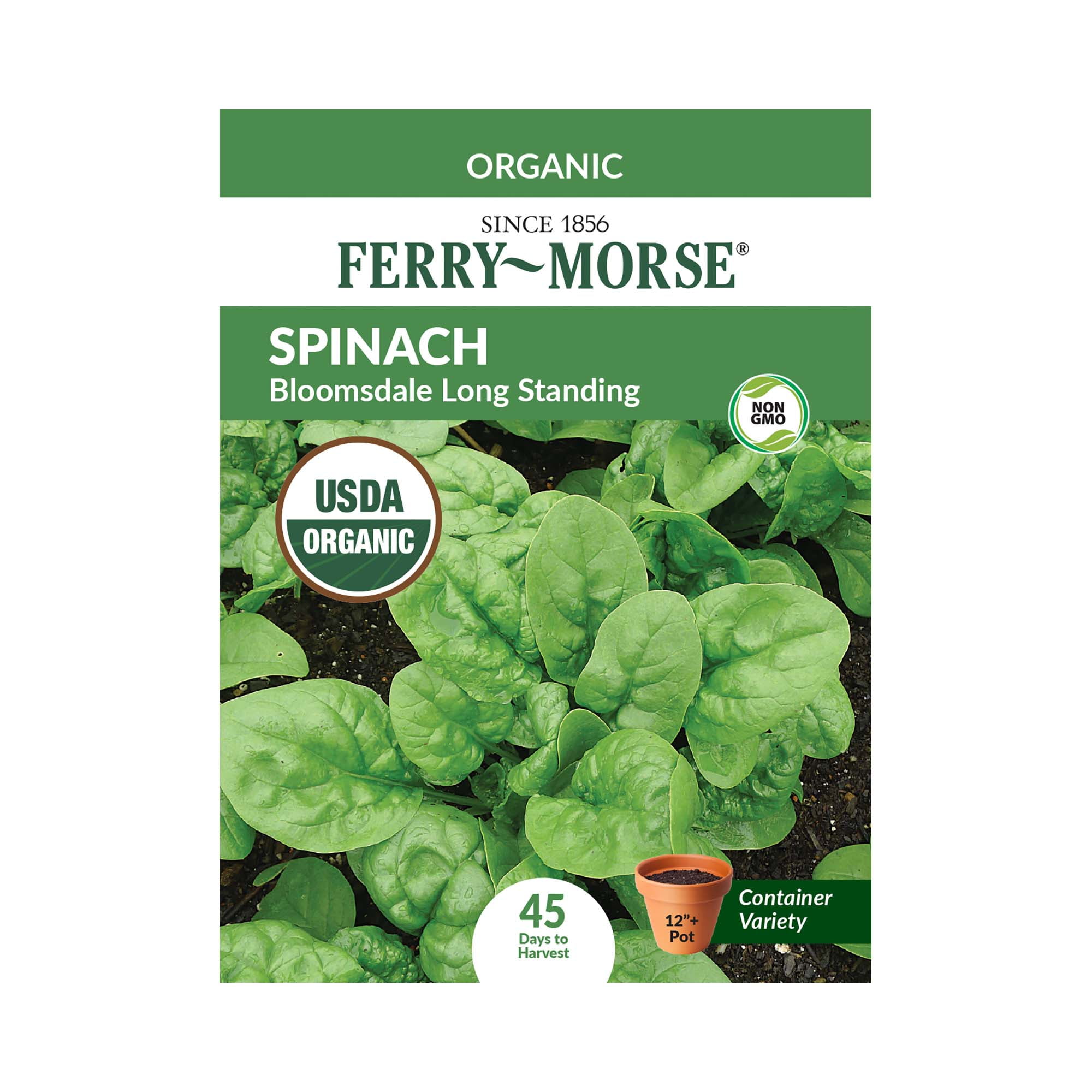
Bloomsdale Longstanding
This is your OG spinach variety—a tried-and-true heirloom with those iconic, deep green, crinkled leaves. It’s super flavorful and known for being slow to bolt, which just means it won’t rush to flower and go bitter on you. Perfect for steady, reliable harvests.
Ferry-Morse 1.8G Organic Spinach Bloomsdale Long Standing Annual Vegetable Seeds
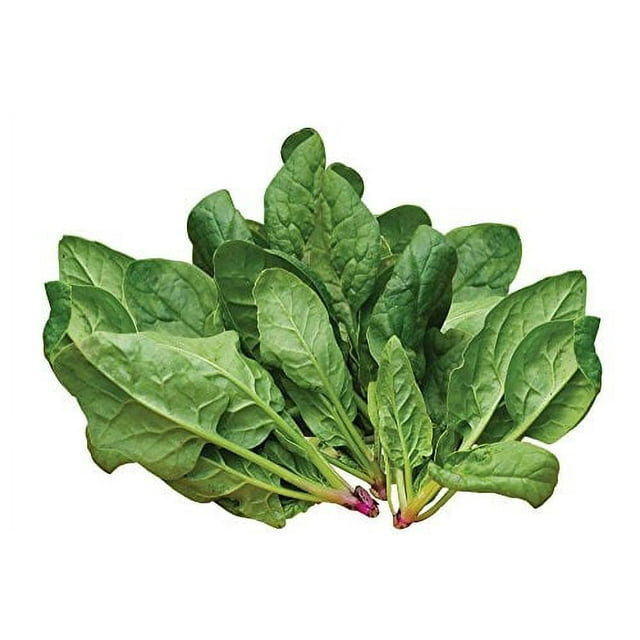
Space Spinach
If patience isn’t your thing, this fast-growing variety is your new BFF. Its smooth, round leaves are tender and mild, making it a favorite for salads. Bonus? It’s compact and great for small spaces, so it’s a winner for indoor gardeners.
Burpee Space Hybrid Spinach Seeds 300 seeds
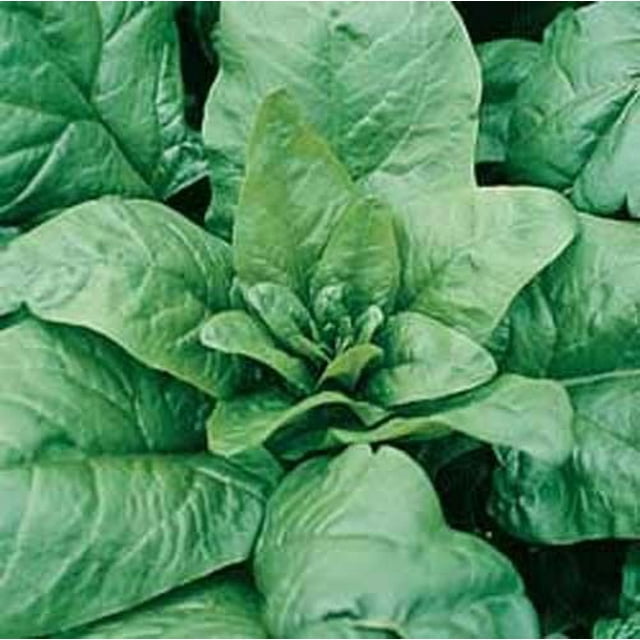
Tyee Spinach
Got a warm home or grow lights that give off a little extra heat? No problem. Tyee is a heat-tolerant variety that stands up to slightly higher temperatures while still producing lush, flavorful leaves. It’s hardy and forgiving—great for beginners.
Seed Kingdom Spinach Tyee Hybrid Great Garden Vegetable 300 Seeds
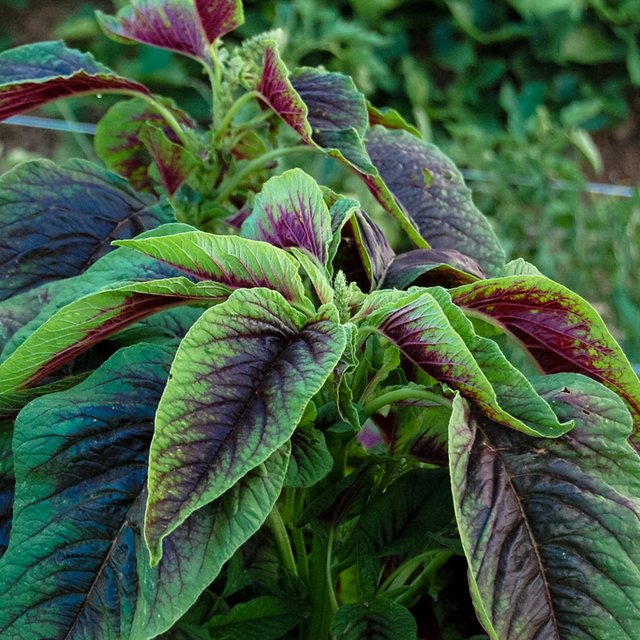
Red Cardinal Spinach
This variety has stunning red veins running through its leaves, giving your dishes a pop of color. It’s just as tasty as it is beautiful, so it’s perfect if you love cooking and aesthetics.
TomorrowSeeds Red Leaf Amaranth Seeds - 3000+ Count Packet
Step-by-Step Guide to Planting Spinach
Here’s how you can grow spinach at home, whether you’re starting from seeds or seedlings.
Planting from Seeds
Pick Your Spot: Choose a container that has drainage holes to prevent soggy roots. A shallow pot, window box, or even a repurposed baking pan with holes poked in the bottom can work like a charm. Spinach doesn’t need much depth, just space to spread its roots.
Fill It Up: Use a high-quality, nutrient-rich potting soil that drains well. If you want to get fancy, you can mix in a bit of compost or organic fertilizer to give your seeds a nutrient boost.
Plant the Seeds: Make small holes about ½ inch deep and sow the spinach seeds about 2 inches apart. Don’t overcrowd—spinach needs room to breathe and grow.
Cover & Water: Gently cover the seeds with a thin layer of soil and lightly water. The soil should be damp but not swampy.
Keep It Cozy: Place your container in a spot where it gets 6–8 hours of sunlight daily. Got a shady apartment? No problem—spinach thrives under a grow light too. Just keep it about 6 inches above the soil for the best results.
Watch for Sprouts: Be patient, but not too patient—spinach seeds germinate quickly. In just 5–10 days, you’ll see tiny green sprouts pushing through the soil.
Planting from Seedlings
Prep the Soil: Just like planting seeds, use a rich, well-draining potting mix. Adding a little compost or slow-release fertilizer can help give your seedlings a head start.
Space It Out: Gently remove the seedlings from their nursery containers and plant them about 2–3 inches apart. They’ll need room to stretch out and grow big, beautiful leaves.
Tuck Them In: Firmly press the soil around the base of each seedling to secure it. Be gentle, though—you don’t want to damage those delicate roots.
Water Gently: Give your seedlings a light but thorough watering. The goal is moist, not muddy, soil. Keep an eye on them for the first week or two as they settle into their new home.
Once your baby spinach is planted, it’s time to give it all the TLC it needs to thrive.
Soil
Baby spinach thrives in loamy, nutrient-rich, and well-draining soil. Think of it as the “fluffy” soil that doesn’t hold water like a sponge but has enough organic matter to keep your plants happy and healthy. If you’re planting in a container, grab a high-quality potting mix labeled for veggies or greens, and you’re good to go.
Water
Consistent moisture is key to keeping spinach happy. Check the soil every couple of days, and if the top inch feels dry, it’s time to water. A light, steady drink is better than drowning your plant—soggy roots can lead to rot, and nobody wants that! Use a watering can or a spray bottle for better control, especially if you’re growing indoors. Also, water early in the day to give any excess moisture time to evaporate.
Temperature and Humidity
It thrives in a range of 60–70°F, which is basically most indoor temperatures. If your home gets cooler at night, that’s fine—spinach actually enjoys a little bit of a temperature dip. As for humidity, there’s no need to overthink it. Standard indoor humidity levels work perfectly, so no need to bust out a humidifier.
Sunlight and Location
Aim for 6–8 hours of light each day. A sunny windowsill is perfect, as long as it gets plenty of direct or bright, indirect light. If your home doesn’t get much sun or you’re working with a darker space, no worries! Invest in a full-spectrum grow light. Keep it about 6 inches above your plants, and voilà—your spinach will be thriving. Pro tip: Rotate your container every few days so your spinach grows nice and evenly instead of leaning toward the light.
Maintenance Tips
Fertilizer
Baby spinach is a fast grower and a bit of a nutrient hog, so treat it to a balanced liquid fertilizer every 2–3 weeks. For an organic option, try compost tea or fish emulsion.
Pruning
Regularly check for yellowing or damaged leaves and snip them off with clean scissors. This keeps the plant healthy and ensures all its energy goes into growing fresh, tender leaves.
Mulching
If you’re growing spinach outdoors, a thin layer of mulch can help retain moisture and keep the soil temperature consistent. Indoors? Skip it—your cozy environment already does the job.
Potting and Repotting
Spinach is low-maintenance when it comes to repotting. Its shallow roots don’t need a deep container, but make sure it’s not overcrowded. If your spinach looks cramped, transplant it into a slightly bigger pot to give it more space to thrive.
Overwintering
Growing spinach indoors means you don’t have to deal with frost or harsh winter weather—it’s a year-round superstar! Just keep up with its light and water needs, and you’ll have fresh greens even in the dead of winter.
Common Pests and Diseases
Even indoors, your baby spinach might face some challenges. Here’s what to watch for:
Aphids: These tiny pests can suck the sap out of your leaves. Use insecticidal soap or spray them off with water.
Fungal Diseases: Powdery mildew and downy mildew can show up in humid conditions. Ensure good airflow and avoid overwatering.
Cutworms: Rare indoors, but if you spot chewed leaves, you might have a problem. Handpick them if possible.
Pro Tip: Keep your spinach plants spaced out to improve airflow and reduce the risk of pests and diseases.
How to Harvest Baby Spinach
Harvesting baby spinach is the best part—especially when you get to eat what you’ve grown!
Wait until the leaves are 3–4 inches long (this usually takes about 3–4 weeks after planting).
Snip the outer leaves with scissors, leaving the smaller inner leaves to grow.
Always harvest in the morning when the leaves are crisp and hydrated.
The great thing about baby spinach is that it keeps growing after your harvest. So, you can enjoy multiple rounds of fresh greens from the same plant.
FAQs
Q: Is growing spinach indoors beginner-friendly?
A: 100%! Baby spinach is one of the easiest greens to grow indoors. It doesn’t require much space, grows quickly, and isn’t overly fussy. Even if you don’t have a green thumb, you’ll likely succeed with spinach!
Q: Can I grow baby spinach hydroponically indoors?
A: Yes, you can! Baby spinach thrives in hydroponic systems because it loves consistent access to water and nutrients. Using a deep water culture (DWC) or nutrient film technique (NFT) setup can yield quick, lush growth. Just ensure you maintain proper water pH (around 6.0–6.5) and use a nutrient solution designed for leafy greens.
Q: Can I companion plant baby spinach indoors?
A: Definitely! You can grow spinach alongside other shallow-rooted herbs or greens like lettuce, cilantro, or parsley. They share similar light and water needs, so they’re easy to manage together. Just make sure each plant has enough space to thrive in your container or planter box.
Related posts
Here are some articles you might be interested in.