Zuri's frequent journeys to South Africa in her youth ignited her fervor for environmental science, gardening, and sustainable living. These travels deepened her connection with nature, inspiring her to contribute to conservation efforts in her own meaningful ways.
Planting Calendar Q&A
Is an almanac planting calendar exact?
No. It is a useful regional estimate built from historical conditions. Confirm its suggested planting date with your local forecast, soil condition, and microclimate.
When is the best time to plant?
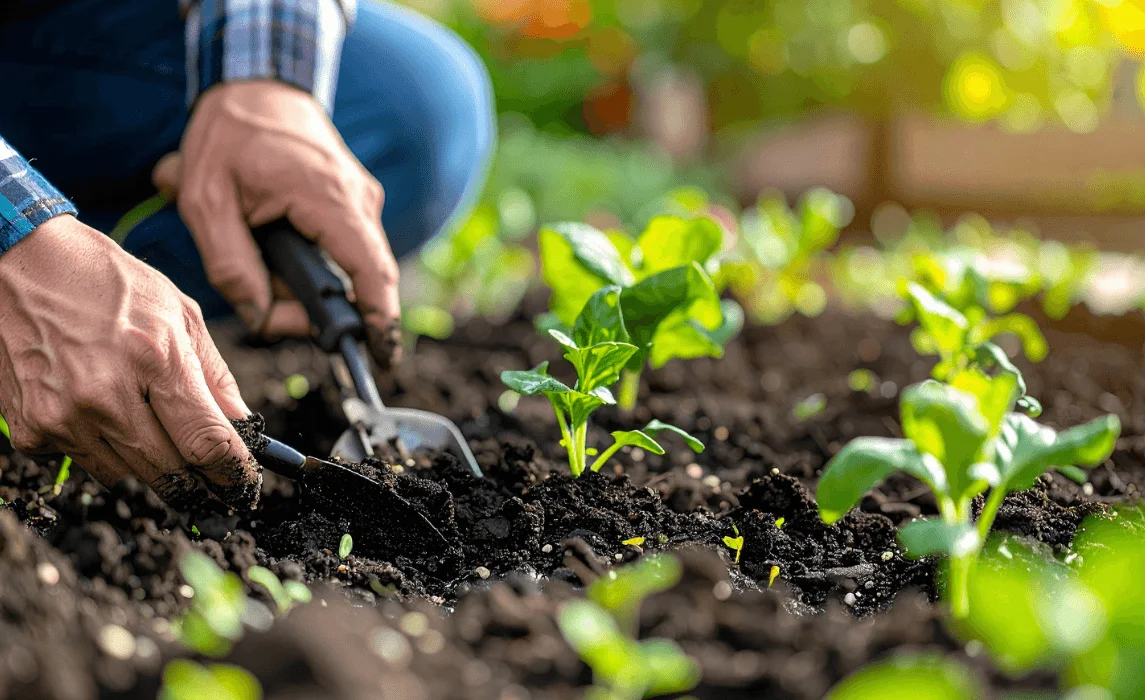
The best time to plant is when the crop's temperature needs match your frost window and the soil is workable. Cool crops can begin earlier; tender warm-season crops wait until frost danger has passed.
Can every vegetable be started indoors?
No. Tomatoes and peppers handle indoor seed starting well, while carrots are usually sown directly in the ground. Follow crop-specific seed packets and avoid disturbing sensitive roots.
What if a late frost is forecast?
Delay transplanting tender crops, move containers inside, or cover established plants overnight. Remove covers after temperatures rise so light and airflow return.
How often should I revise my calendar?
Review it at the start of each growing season and add notes after major sowings and harvests. Records reveal which dates, varieties, and methods work best in your garden.
Evergreen Shrubs Q&A
How do I choose evergreen shrubs for my outdoor space?
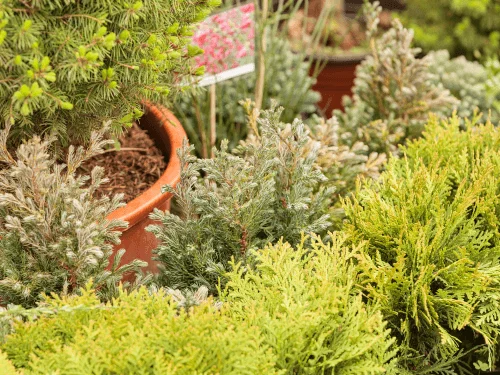
Match mature size to USDA hardiness, light, drainage, and wind. Use a tall evergreen for screening, a mounded shrub for foundation planting, or ground cover on slopes. Repetition unifies home landscapes, while contrast creates a focal point in the landscape.
What are the best small evergreen shrubs?
Blue Star juniper, dwarf Chamaecyparis, azalea, and Daphne are strong small-space choices. The best evergreen shrubs fit without constant shear work; check mature spread and leave airflow around glossy foliage.
Do evergreen shrubs flower as long as hydrangea?
Not usually. A hydrangea may have a long bloom time from mid-summer onward, while evergreen shrubs often bloom briefly. Combine azalea for spring, Viburnum or Mahonia for winter, and summer perennials.
When should I prune an evergreen hedge?
Prune flowering shrubs after bloom, and shape boxwood, yew, or Thuja lightly during growth. Avoid leafless old conifer wood; natural forms need less pruning and preserve year-round interest.
Why can an evergreen turn brown in winter?
Frozen soil, wind, salt, or poor drainage can brown green foliage. Water before freezing, mulch roots, and choose a protected area so evergreen shrubs retain year-round beauty and lasting structure.
Starting a Fruit Garden Q&A
What is the easiest fruit to grow for a first garden?
Strawberry is often the simplest starting point because it fits containers, fruits quickly, and is easy to replace. Raspberry, blackberry, and currant can also be forgiving when their spread is controlled. The best fruit is the one matched to your climate, sunlight, soil, and available care.
Can I grow fruit trees in a small space?
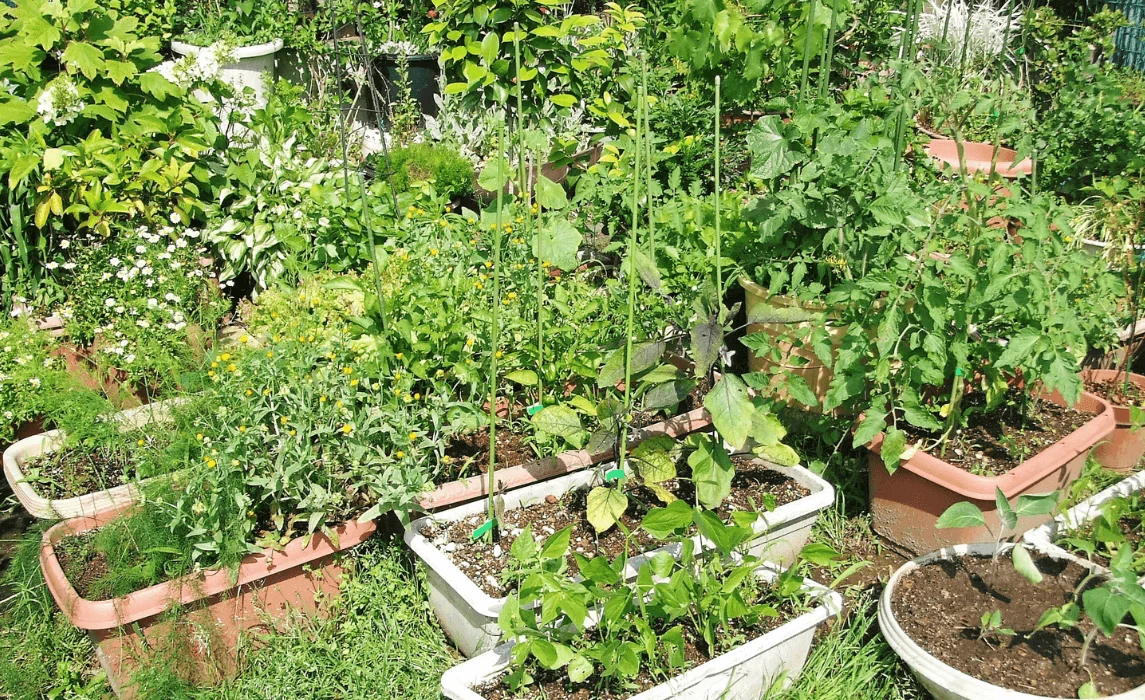
Yes. Choose a dwarf tree on a clearly labeled rootstock, train an espalier against wires, or use fruit trees in containers with sufficient soil volume and winter protection. Confirm mature dimensions, pollination needs, and whether the container can be watered consistently before you grow fruit trees.
Do I need more than one fruit tree?
It depends on the cultivar. Some trees are self-fertile, while others need compatible partners that bloom together. A nursery may recommend 2-4 fruit trees for varied harvests, but one self-pollinating dwarf tree can be enough when garden space is limited.
How soon will fruit plants produce fruit?
Strawberries and some cane fruits may crop in the first or second season, while a grafted fruit tree often takes several years. Rootstock, plant age, climate, pruning, and stress all affect timing. Remove an excessive early crop if the young plant needs energy for roots and structure.
Can a fruit garden share space with vegetables?
Yes. A combined vegetable and fruit area works when permanent crops do not shade or crowd annual beds. Put long-lived fruit plants where future digging will not disturb their roots, maintain clear paths, and choose fruits to grow at home that fit the same sunlight and watering pattern as the wider garden.
As the winter frost retreats and the soil begins to warm, there’s a distinct sense of renewal in the air—and on our plates. Spring isn't just a season of blooming flowers; it’s the official kickoff for the most vibrant flavors of the year. Whether you’re a home gardener looking to get your hands dirty or a food lover hunting for the crispest snap peas at the local market, this season offers a unique window of opportunity.
In this guide, we’ll explore the quintessential produce that defines the season, from the tender earthiness of asparagus to the tart brightness of rhubarb. We will also break down which varieties are best suited for your garden beds right now, ensuring you can transition seamlessly from seed-sowing to harvest-time feasts.
10 Best Spring Vegetables
1. Asparagus (Asparagus officinalis)
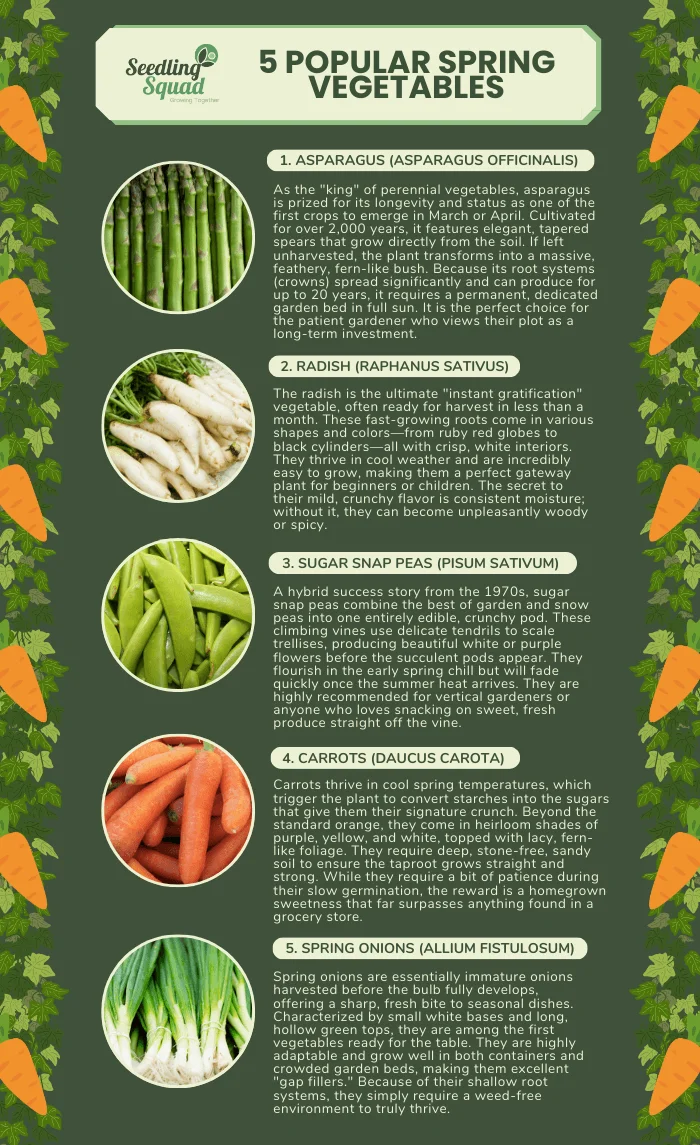
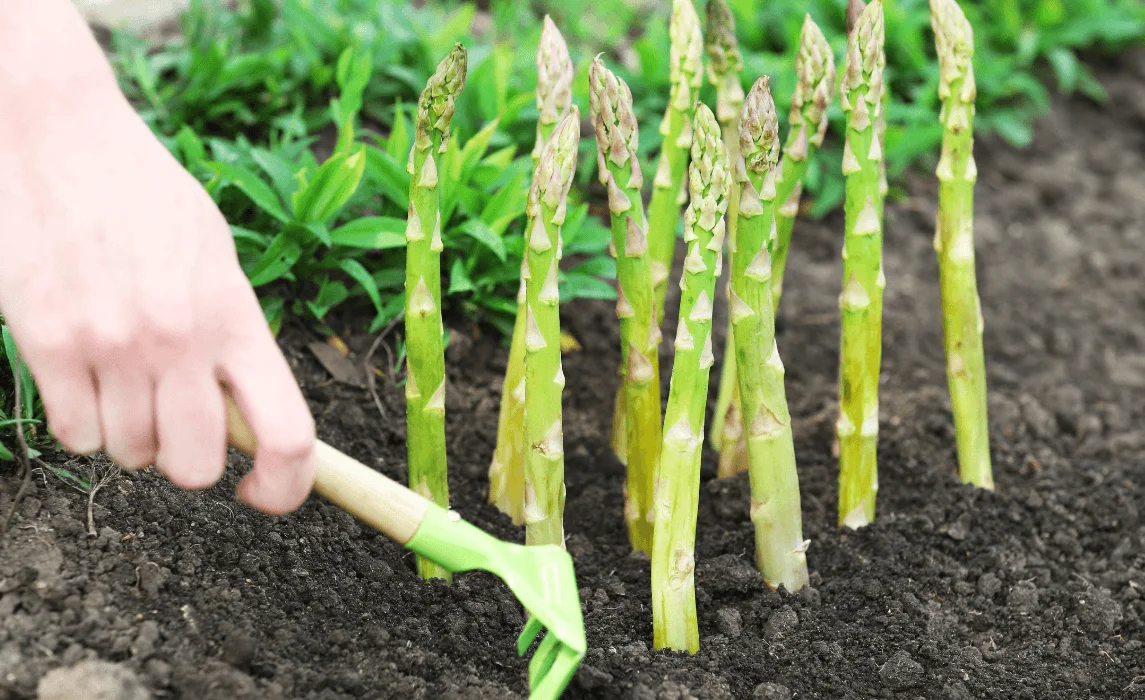
Asparagus stands as the king of perennial vegetables, known for its longevity and status as one of the first vegetables to emerge in march or early april. This ancient spring vegetable has been cultivated for over 2,000 years, prized for its medicinal properties and unique, earthy flavor. Physically, it presents as elegant, tapered spears that emerge directly from the soil, often featuring bright green leaves that appear as small scales along the stalk. If the plant is left to mature without harvesting, it transforms into a massive, feathery, fern-like bush reaching up to five feet in height, decorated with tiny, bell-shaped greenish-yellow blooms that eventually turn into red berries. It thrives in open, sunny locations with permanent, dedicated garden beds because the root systems, known as crowns, spread significantly over time. To care for them properly, the soil must be deeply dug, well-aerated, and kept entirely free of weeds, as the crowns dislike any form of root competition. They prefer a stable environment where they can remain undisturbed for up to 20 years. This vegetable is highly recommended to the patient gardener who views a garden as a long-term investment rather than a quick, one-off spring crop.
Soil: Deeply worked, well-drained, sandy loam with a pH of 6.5–7.0
Water: 1 inch per week; keep consistently moist but never allow it to become soggy
Light: Full sun to very light partial afternoon shade
Humidity: Moderate (40-60%)
Fertilizer: High-phosphorus in early spring; top-dress with compost mulch annually
Temperature: Ideal growth occurs between 55°F to 75°F (13°C-24°C)
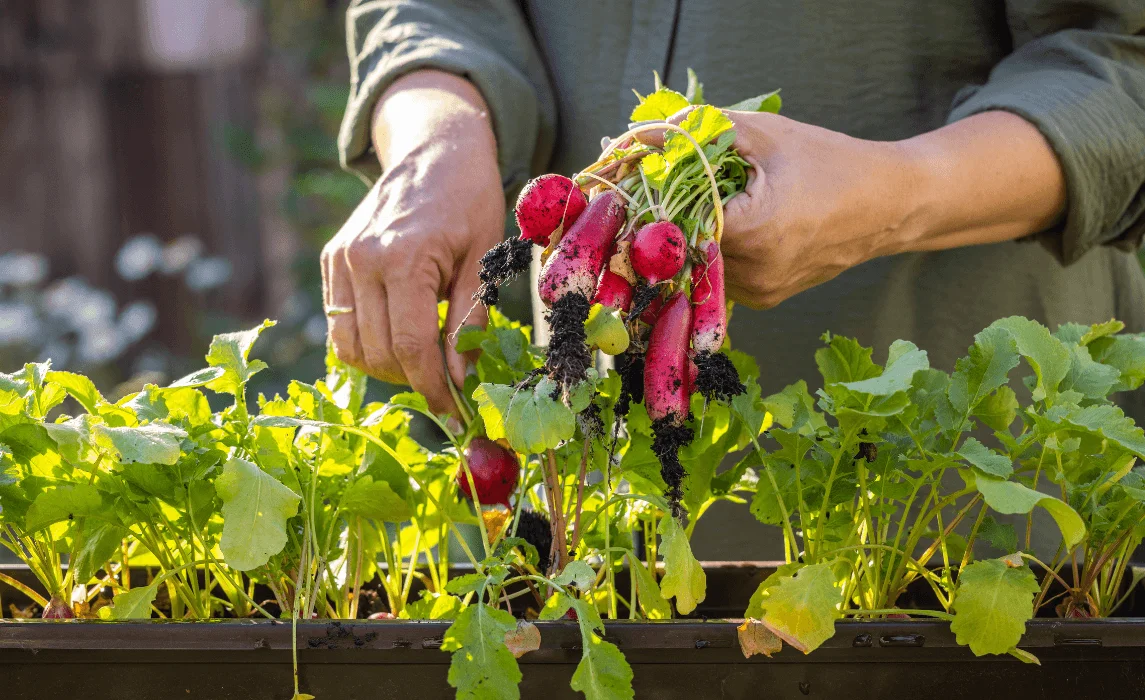
The radish is widely considered one of the easiest spring vegetables for any spring garden, often serving as the gateway plant for those new to horticulture. Originating in Southeast Asia and famously appearing as a staple in the diets of Ancient Egyptians, this fast-growing root vegetable offers nearly instant gratification. These spring vegetable wonders come in various shapes, from perfect globes to long, tapered cylinders, boasting skin colors ranging from ruby red and shocking pink to white or even black, while the interior remains a crisp, snowy white. Their foliage consists of rough, oval-shaped green leaves, and if the plant is allowed to bolt during the summer heat, it produces small four-petaled white or violet flowers followed by edible seed pods. They thrive in almost any cool weather patch and are often ready to eat in less than a month from the day someone chooses to sow the seeds. For optimal care, it is vital to thin the seedlings early to prevent overcrowding, which can lead to stunted, misshapen roots. Consistent moisture is the secret to a mild flavor; a dry radish often becomes unpleasantly spicy or woody. They are highly recommended to beginner gardeners or families with children who want to see a successful harvest almost immediately after planting.
Soil: Loose, stone-free, slightly acidic to neutral (pH 6.0–7.0)
Water: Frequent, shallow watering to maintain even, constant moisture
Light: Full sun (at least 6 hours of direct light)
Humidity: Moderate
Fertilizer: Low nitrogen to encourage root development over excessive leaf growth
Temperature: Best in temperatures between 45°F to 70°F (7°C-21°C)
USDA Zone: 2–10
Ferry‑Morse 1.1G Organic Radish White Icicle Seeds
3. Sugar Snap Peas (Pisum sativum var. macrocarpon)
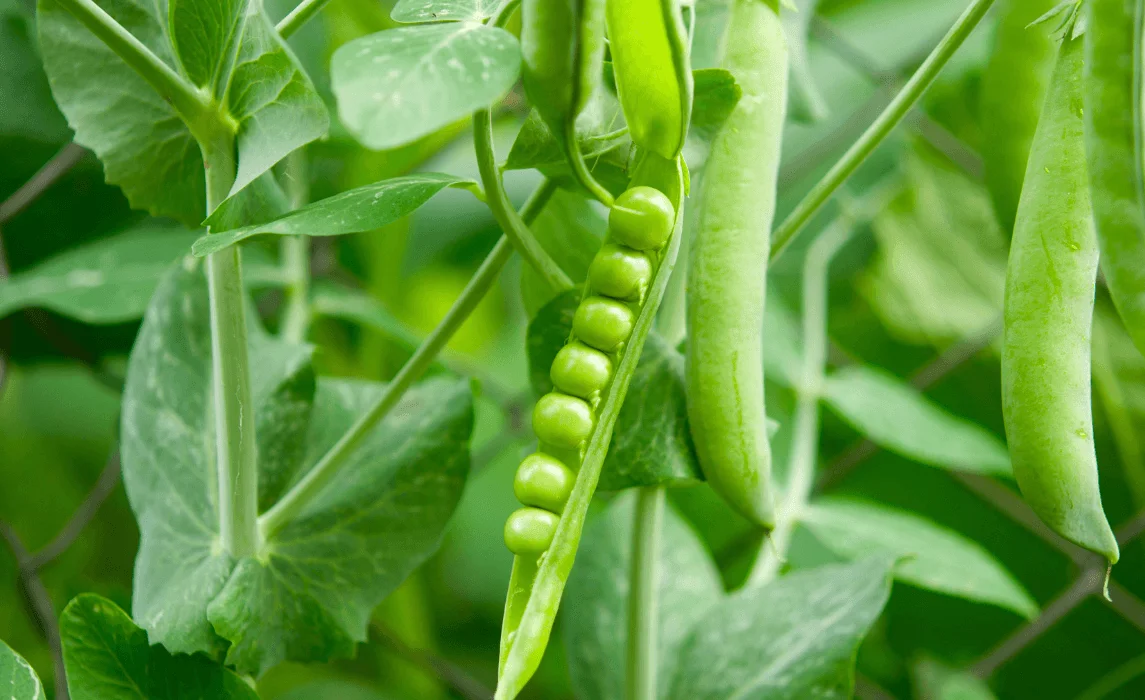
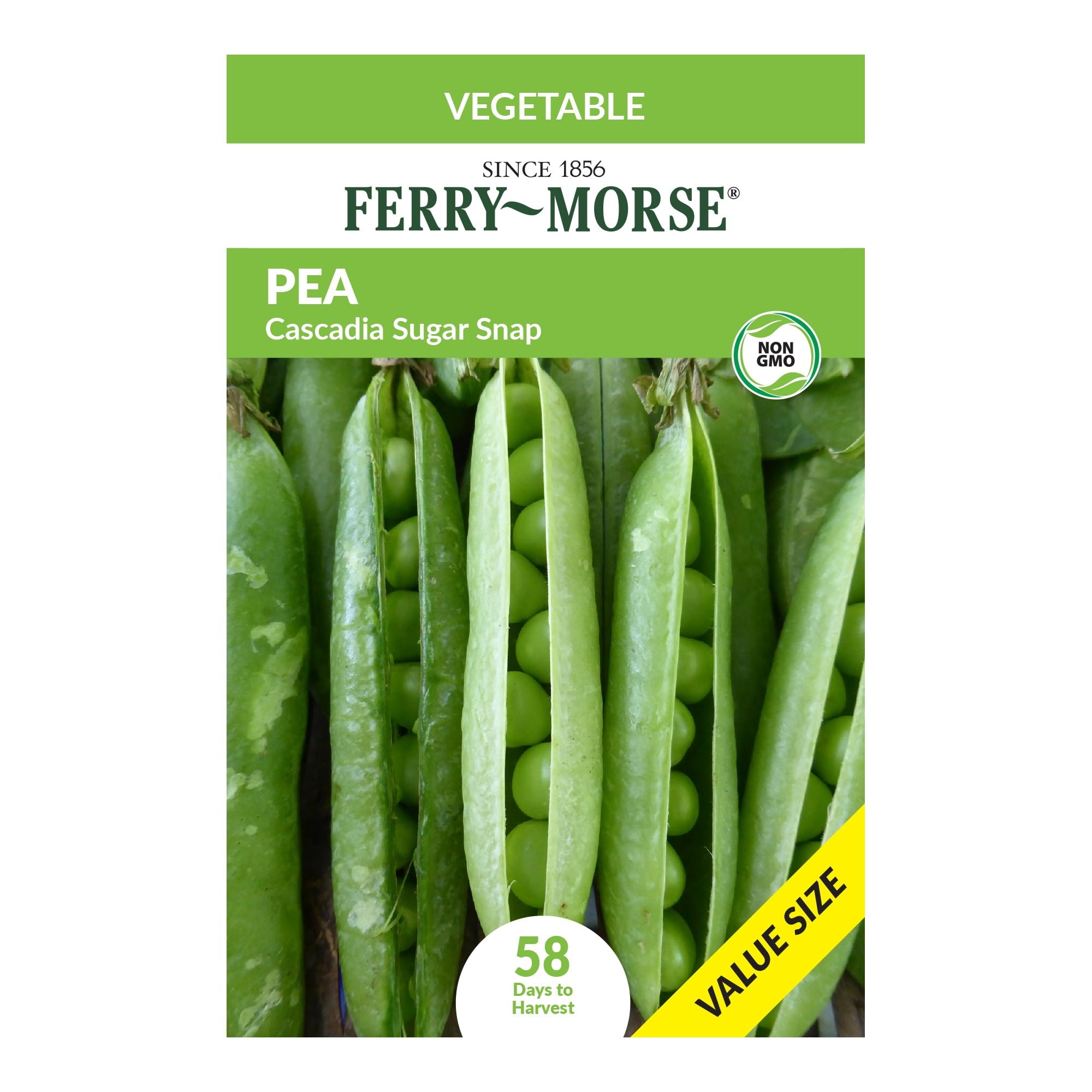
Sugar snap peas are a favorite spring staple that cleverly combines the best characteristics of garden peas and snow peas into one delicious package. Developed relatively recently in the 1970s, they have quickly become a freshest addition to any spring meal due to their entirely edible nature. These climbing vines produce crisp snap peas with thick, succulent walls and sweet internal seeds that do not require shelling. The plants feature delicate, curling tendrils that instinctively grip a trellis or fence, producing beautiful, papery white or bi-color purple flowers that look as lovely as any ornamental vine. They thrive in the cool weather of early spring and will drastically stop producing or die back once the weather gets too hot. To care for them, a sturdy support system must be provided at the time of planting to prevent the fragile stems from breaking. Mulching the base of the plant is also helpful to keep the root systems cool as the sun gets stronger in late spring. These are recommended to vertical gardeners looking to maximize space in small garden beds or those who enjoy snacking on in-season produce directly from the vine.
Soil: Rich, organic, well-draining soil with plenty of compost
Water: Deep watering once a week; avoid wetting the foliage to prevent mildew
Light: Full sun to partial afternoon shade in warmer regions
Humidity: High (60-70% is ideal for pod development)
Fertilizer: Compost-rich soil; avoid heavy nitrogen as peas fix their own nitrogen
Temperature: Best between 55°F to 65°F (13°C-18°C)
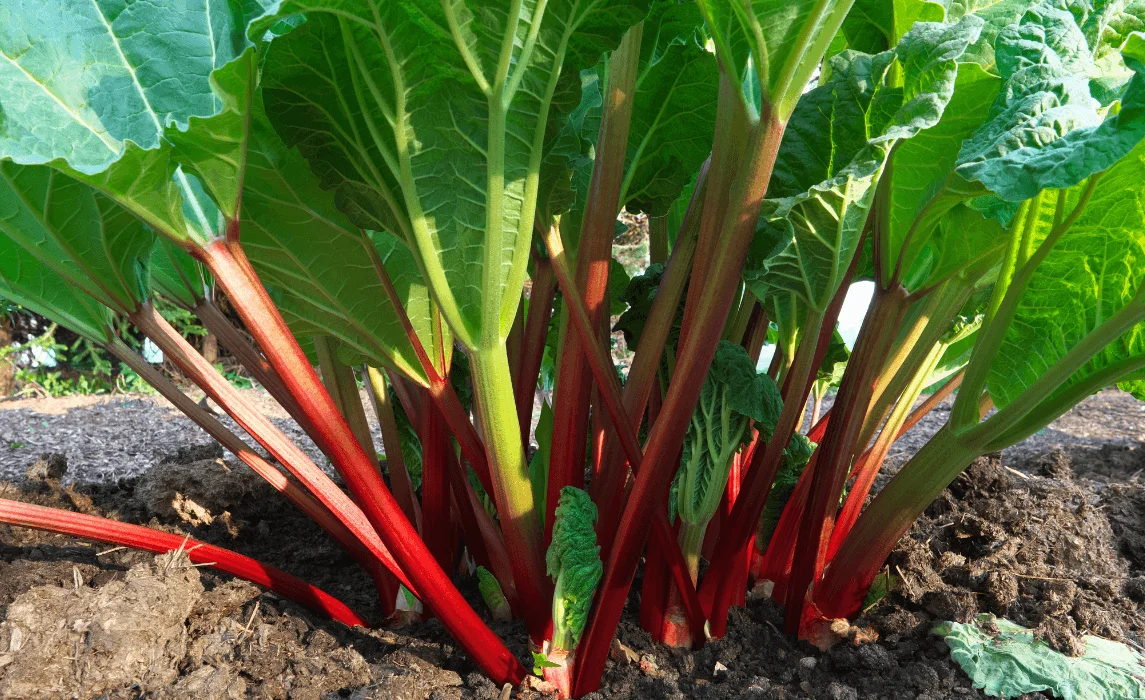
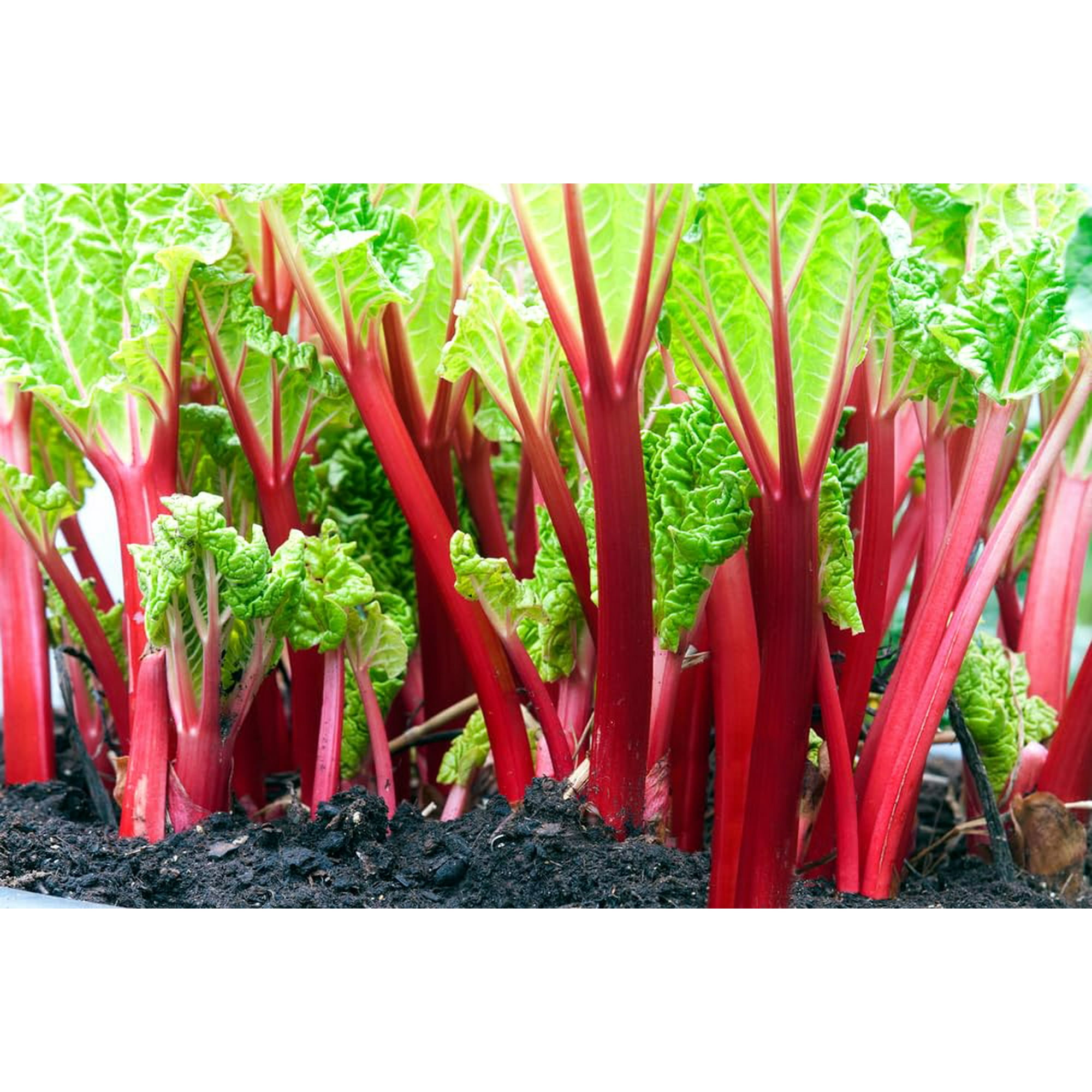
Rhubarb is a hardy perennial vegetable that is frequently categorized within a spring fruits list due to its traditional use in sweet pies and preserves. This spring vegetable is iconic for its thick, succulent red or pink stalk, which can grow up to 18 inches long, and its massive, ruffled green leaves that can span two feet across. It is important to note that the leaves contain high levels of oxalic acid and are toxic; only the stalks should be consumed. Originating in cold Siberian climates, it is one of the first vegetables to show life after the last frost date, emerging from the ground as small, red, knobby buds. It thrives in the back of the garden where it can be left undisturbed for years to grow into a large, ornamental clump. Care involves applying a heavy layer of mulch to suppress weeds and removing any tall flower stalks that appear, which ensures the plant directs its energy into producing thicker stalks. This plant is recommended to home cooks who love making seasonal preserves and have a permanent, sunny spot in their landscape for a plant that returns faithfully every year.
Soil: Very fertile, well-drained, with high organic matter content
Water: 1-2 inches per week, especially during dry spring spells
Light: Full sun is best, though it can tolerate light shade
Humidity: Moderate to High
Fertilizer: A balanced 10-10-10 fertilizer applied in early spring
Temperature: Requires a dormant winter period below 40°F (4°C)
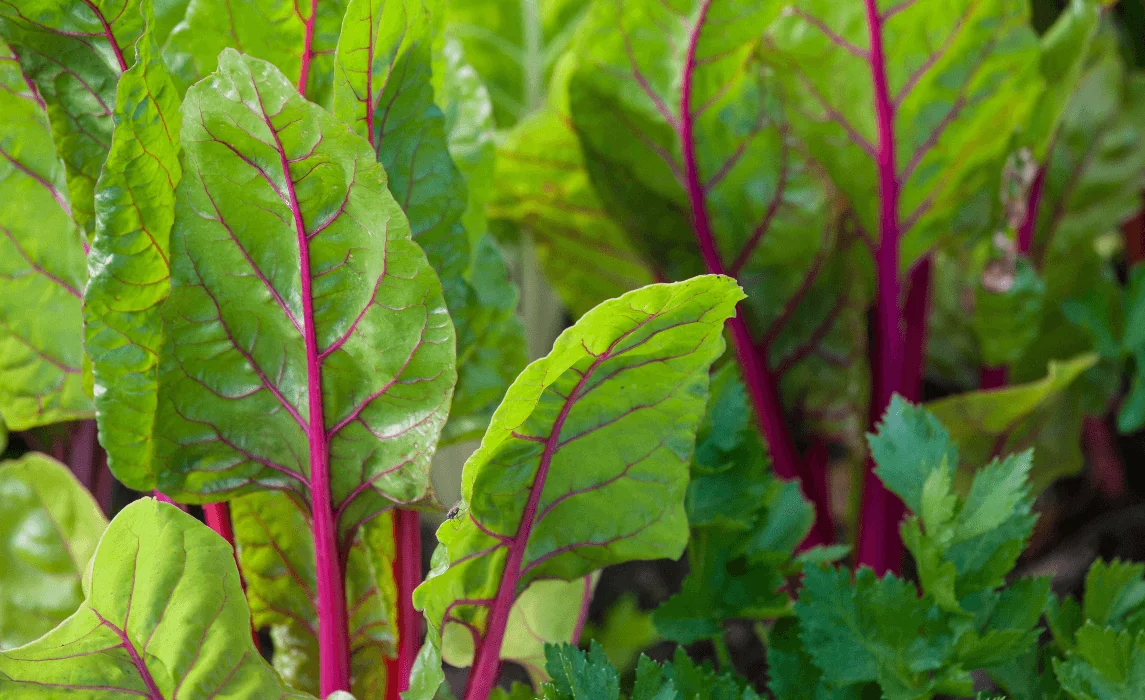
Swiss chard is a stunning, highly nutritious leafy green that serves as both a culinary side dish and a vibrant ornamental plant in the landscape. This spring vegetable features broad, bright green leaves with a crinkled texture, supported by highly pigmented, fleshy stems that come in neon shades of pink, yellow, orange, and white. Because it is a great source of fiber, vitamins K, A, and C, it is a nutritional powerhouse for the spring garden. It thrives in both the early spring and throughout the early summer because it possesses significantly more heat tolerance than traditional spinach. For care, the "cut and come again" method is best; by harvesting the outer leaves first, the center of the plant is allowed to continue producing new growth for months. This variety is strongly recommended to edible landscapers who want their vegetables to grow in a way that provides aesthetic beauty alongside a healthy harvest.
Soil: Loose, deep, fertile soil that allows for root expansion
Water: Consistent moisture is key; provide about 1 inch of water per week
Light: Full sun to partial shade; shade can help prevent bolting
Humidity: Highly adaptable to various humidity levels
Fertilizer: Nitrogen-rich organic fertilizer or compost tea
Temperature: Tolerates a wide range from 50°F to 85°F (10°C-29°C)
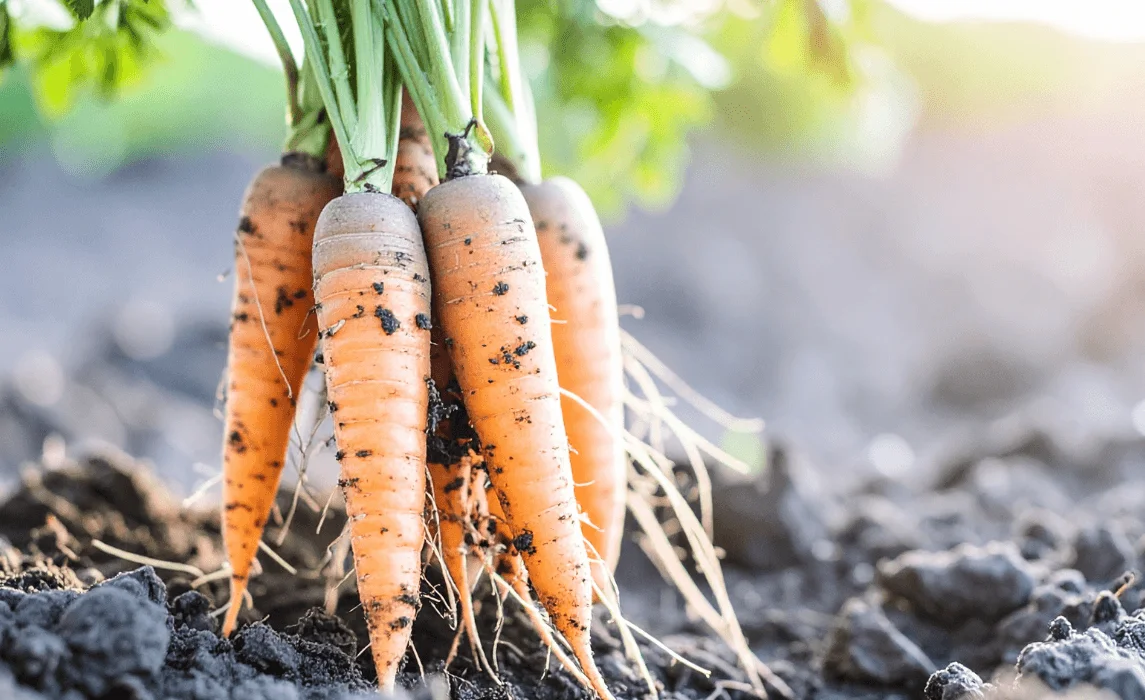
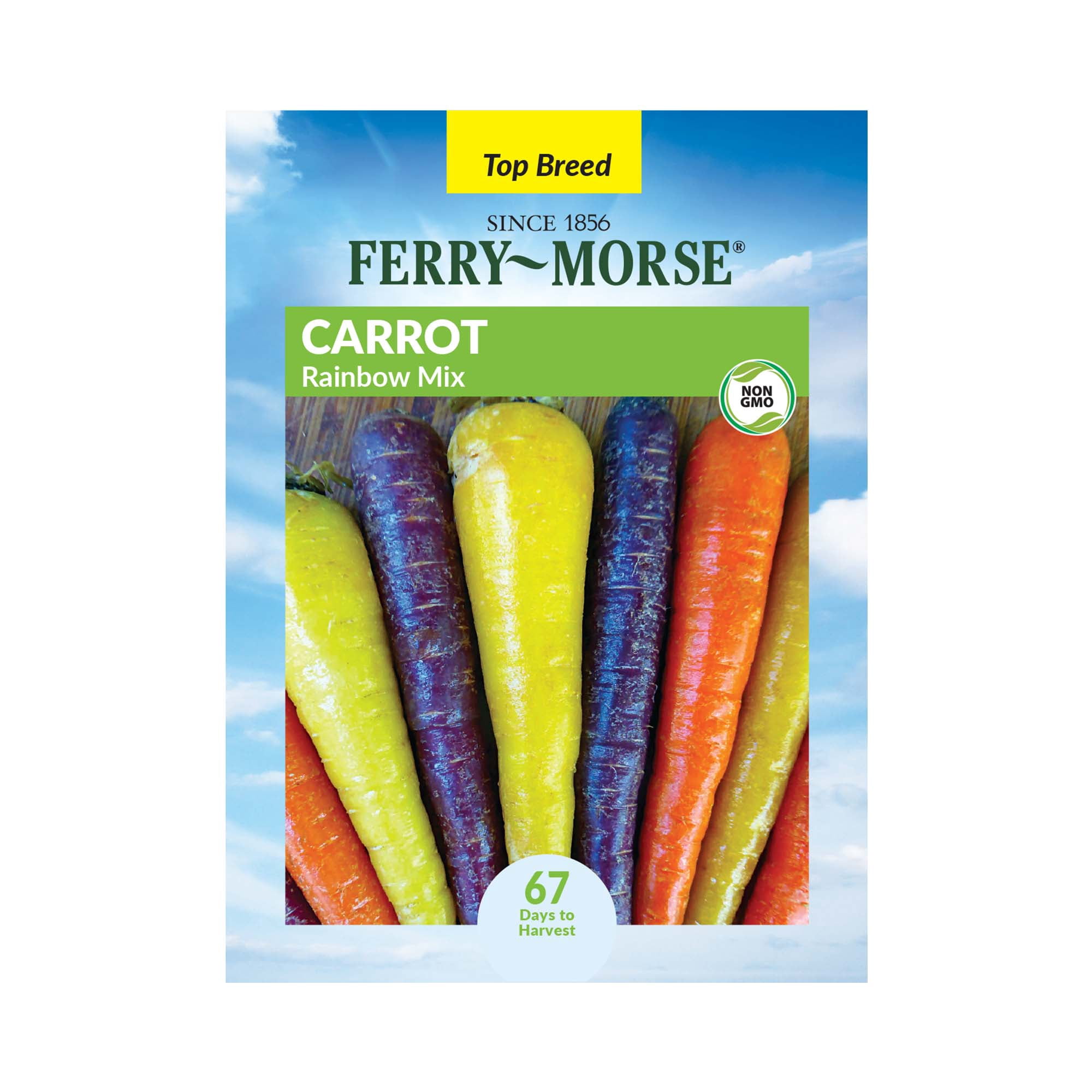
Carrots love cool temperatures, which trigger the plant to convert stored starches into sugars, leading to a much sweeter and crunchier harvest than those grown in the heat of summer. These root vegetable classics come in a variety of fresh colors beyond the standard orange, including heirloom varieties of deep purple, solar yellow, and creamy white. Above the soil, they feature delicate, lacy, fern-like green foliage that can reach a foot in height. They thrive in deep, loose, sandy soil where their primary taproot can grow straight downward without encountering rocks or heavy clay, which can cause the roots to fork or stunt. For care, it is essential to till the soil deeply before planting and to keep the top layer of the soil consistently moist until germination occurs, which can sometimes take up to three weeks. Thinning the seedlings once they reach two inches tall is necessary to ensure each carrot has enough space to swell. These are recommended to meticulous gardeners who enjoy the slow, rewarding process of soil preparation and careful garden maintenance.
Soil: Deeply tilled, sandy, rock-free soil with a fine texture
Water: 1 inch per week; do not allow the soil surface to crust over
Light: Full sun is required for proper root development
Humidity: Moderate
Fertilizer: Low nitrogen, high potassium and phosphorus to focus growth on the root
Temperature: Ideal soil temperatures are between 55°F to 75°F (13°C-24°C)
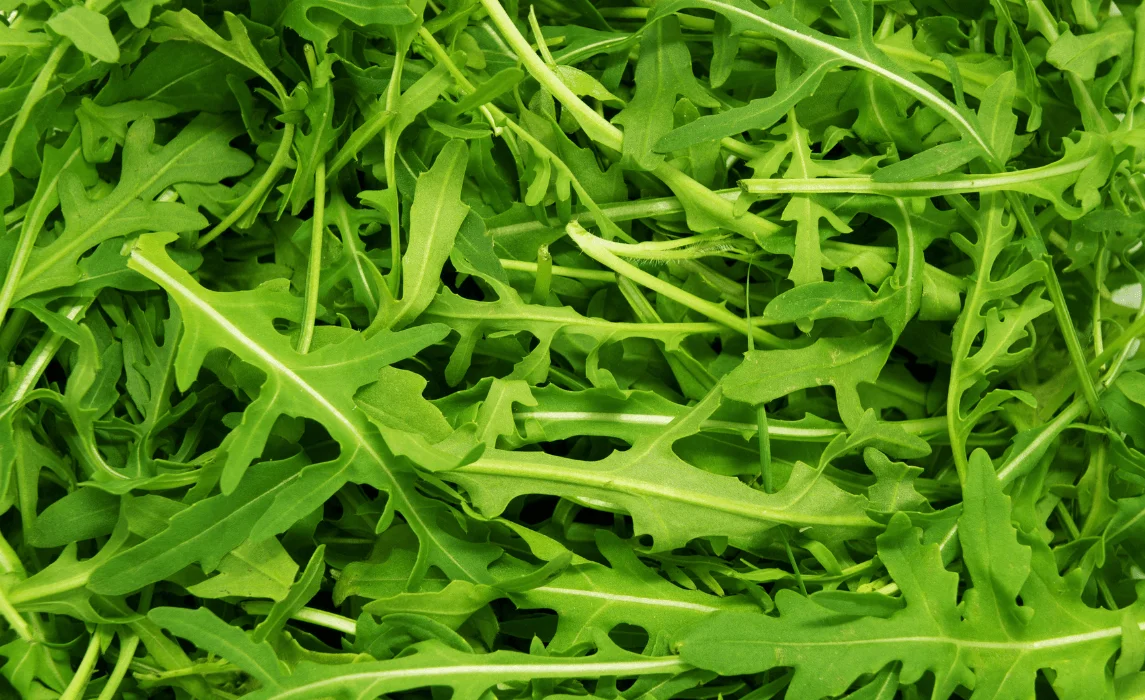
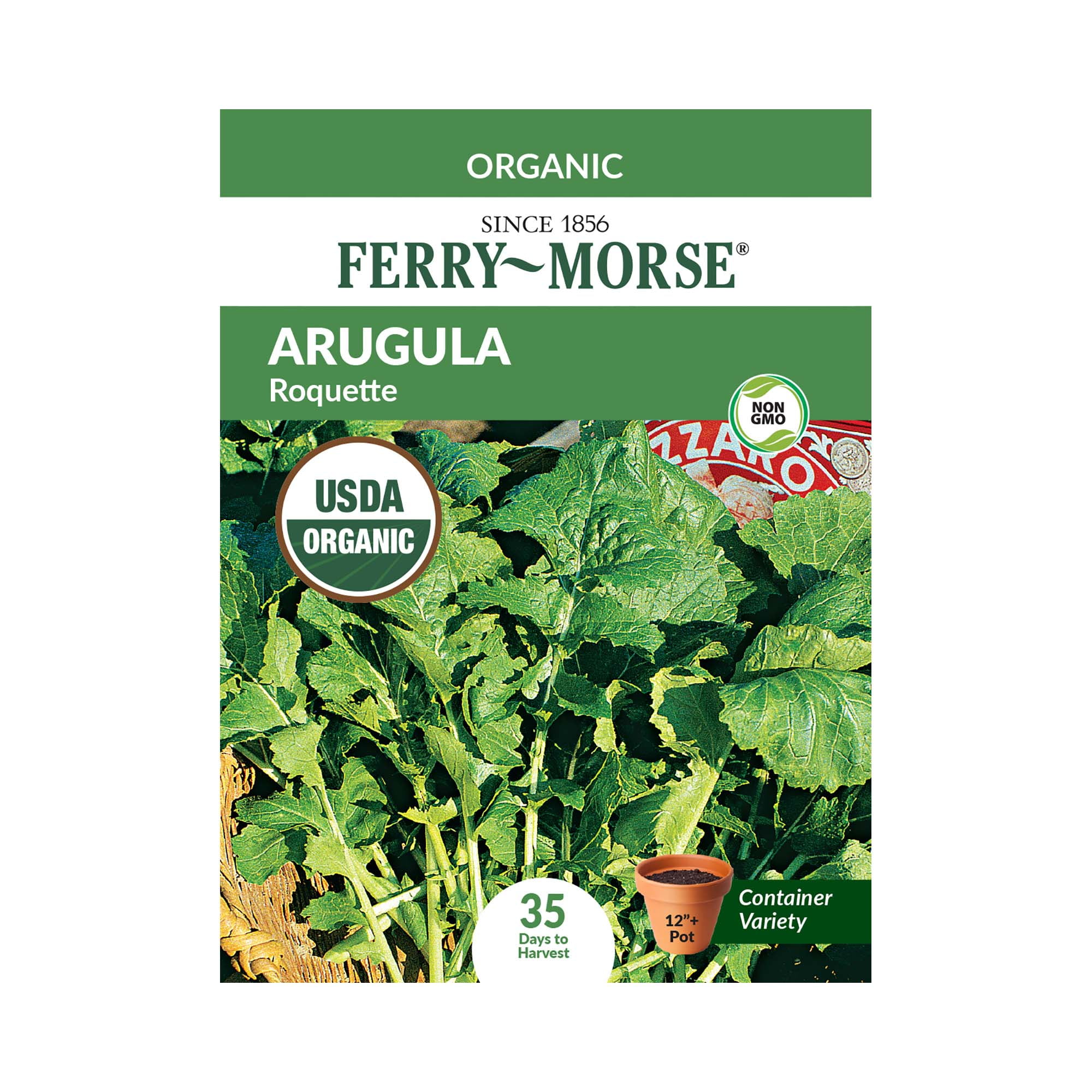
Arugula is a fast-growing, spicy leafy green known for its distinctly peppery flavor that adds a sophisticated kick to spring salads. Often referred to as "rocket" in European countries, this spring vegetable has been a favorite in Mediterranean cooking for centuries and is often found as a fresh spring topping for pizzas and pastas. Its leaves are deeply lobed and dark green, closely resembling small, elongated oak leaves. It thrives in the cool weather of march or early april and is one of the easiest spring vegetables to grow from seed. To care for it effectively, one should sow the seeds every two weeks in a process called succession planting to ensure a continuous harvest throughout the season. The plant will quickly bolt and produce small, four-petaled white flowers with subtle purple veins once the summer heat arrives, at which point the leaves become too bitter to eat. This fast grower is recommended to salad lovers and urban gardeners who may only have small containers or limited balcony space.
Soil: Well-drained, moist, nutrient-rich soil with high organic matter
Water: Frequent misting or light watering to keep the leaves tender
Light: Full sun to partial shade; shade is better as the season warms
Humidity: Moderate to High
Fertilizer: Balanced liquid fertilizer or a top-dressing of compost
Temperature: Best in cool air between 45°F to 65°F (7°C-18°C)
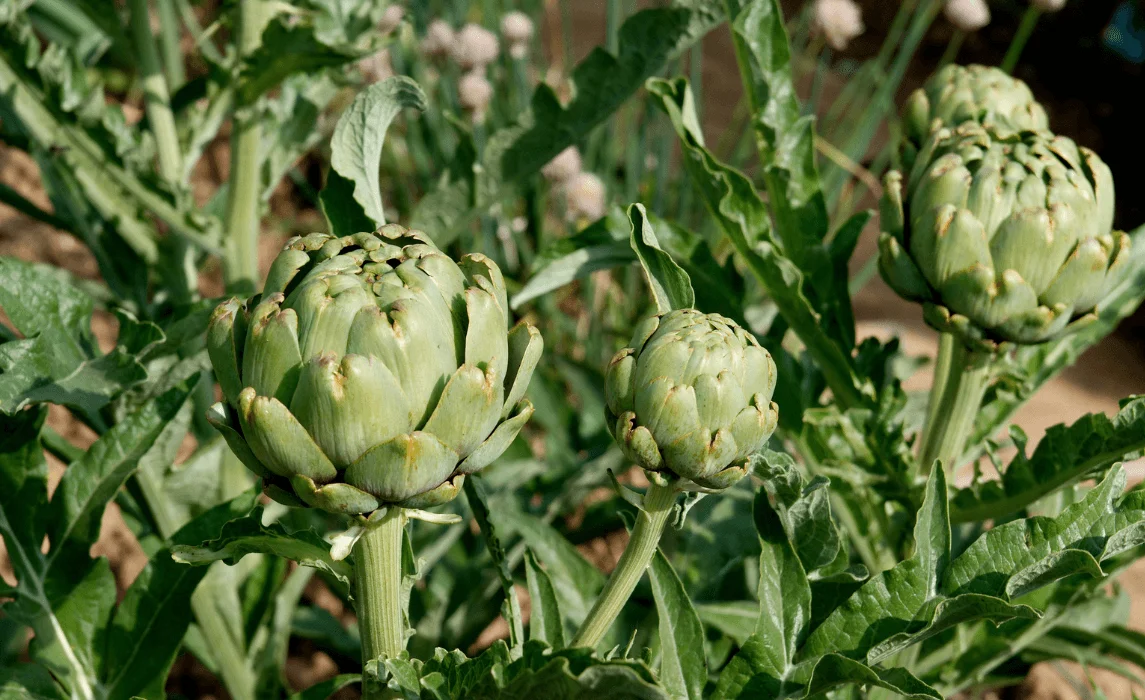
The artichoke is a magnificent, statuesque perennial vegetable that often acts as the dramatic centerpiece in any high-end spring garden. A member of the thistle family, the portion typically consumed is actually the immature, unopened flower bud of the plant. The plant itself is visually striking and massive, featuring silver-green, architectural leaves that can spread up to four feet wide and three feet tall. If the buds are not harvested and are left to bloom, they produce stunning, large, electric-purple thistle-like flowers that are highly attractive to pollinators. They thrive best in coastal climates characterized by mild winters and damp, cool springs. Care involves providing a significant amount of space for the plant to expand and ensuring it receives heavy feeding throughout the growing season. It is also important to mulch the base heavily to retain moisture. This ornamental edible is recommended to experienced gardeners with a large spring produce area and a long, stable growing season.
Soil: Deep, fertile, very well-drained soil; hates "wet feet" in winter
Water: Needs regular, deep watering to keep the flower buds tender
Light: Full sun (at least 6-8 hours a day)
Humidity: High; prefers the moist air of coastal environments
Fertilizer: Heavy feeder; use a high-nitrogen organic fertilizer regularly
Temperature: Ideal between 50°F to 75°F (10°C-24°C)
USDA Zone: 7–11 (can be grown as an annual in cooler zones)
Organo Republic Green Globe Artichoke Seeds – 35+ Non‑GMO Heirloom
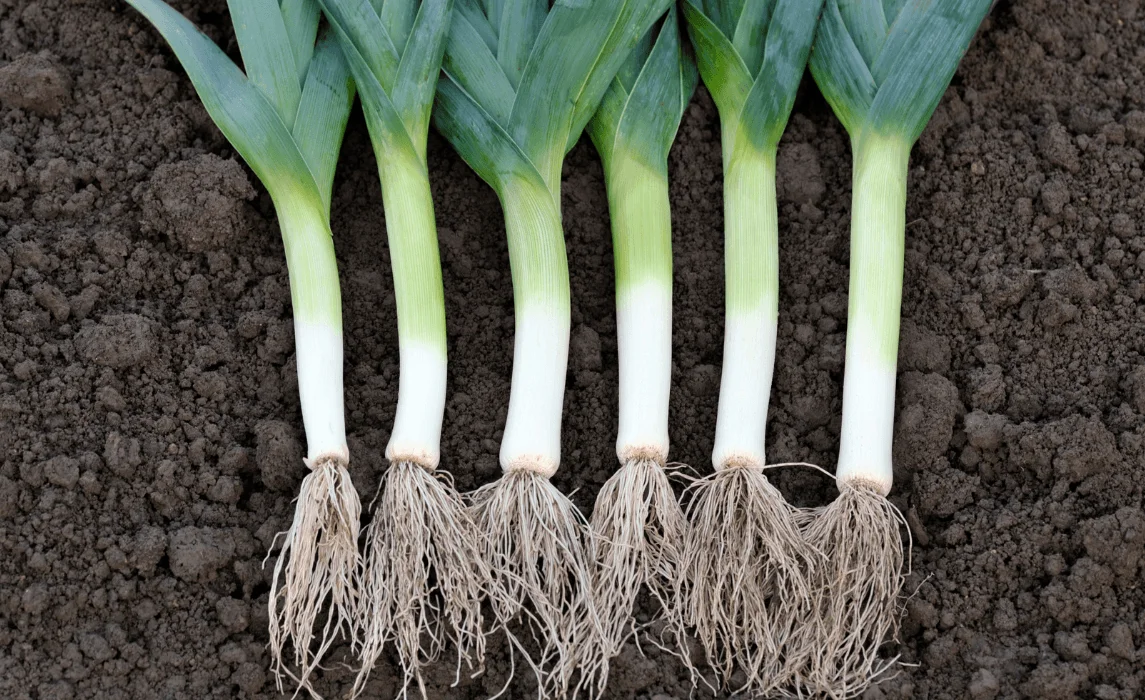
Leeks are a sophisticated and mild relative of the onion, highly prized by chefs for their subtle flavor and buttery, melting texture when braised or sautéed. Unlike the common globular onion, the leek produces a long, thick, white cylindrical stalk that slowly transitions into stiff, fan-like leaves of a deep blue-green hue. They thrive in the cool weather of the spring planting season and are incredibly hardy, capable of surviving a light frost without any damage to the plant. To care for them properly and achieve the sought-after white stem, gardeners often employ a technique called "blanching," which involves mounding soil or mulch around the base of the stalks as they grow to block out the sunlight. They have a long growing season, often staying in the ground from early spring until late autumn. These vegetables are recommended to culinary gardeners who enjoy the process of slow-cooking and creating refined soups, leek tarts, and stews.
Soil: Deep, silty, rich in organic matter and free of large stones
Water: Consistent moisture is essential; roughly 1 inch of water per week
Light: Full sun for at least 6 hours
Humidity: Moderate
Fertilizer: High-nitrogen fertilizer applied every few weeks
Temperature: Best growth occurs between 55°F to 75°F (13°C-24°C)
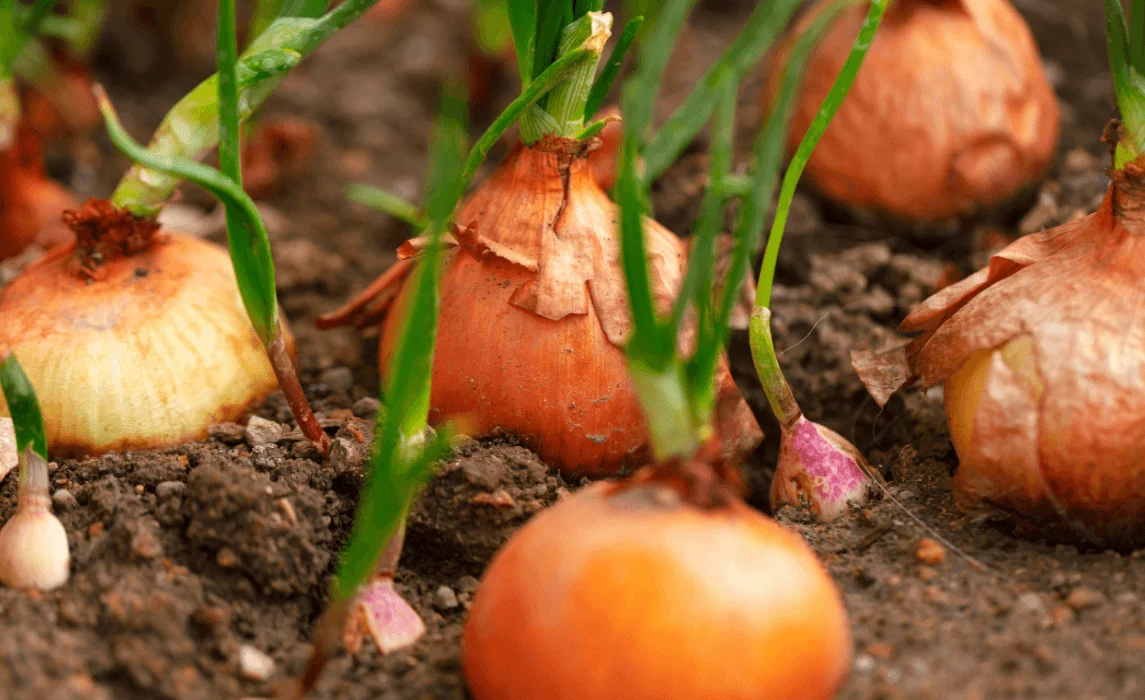
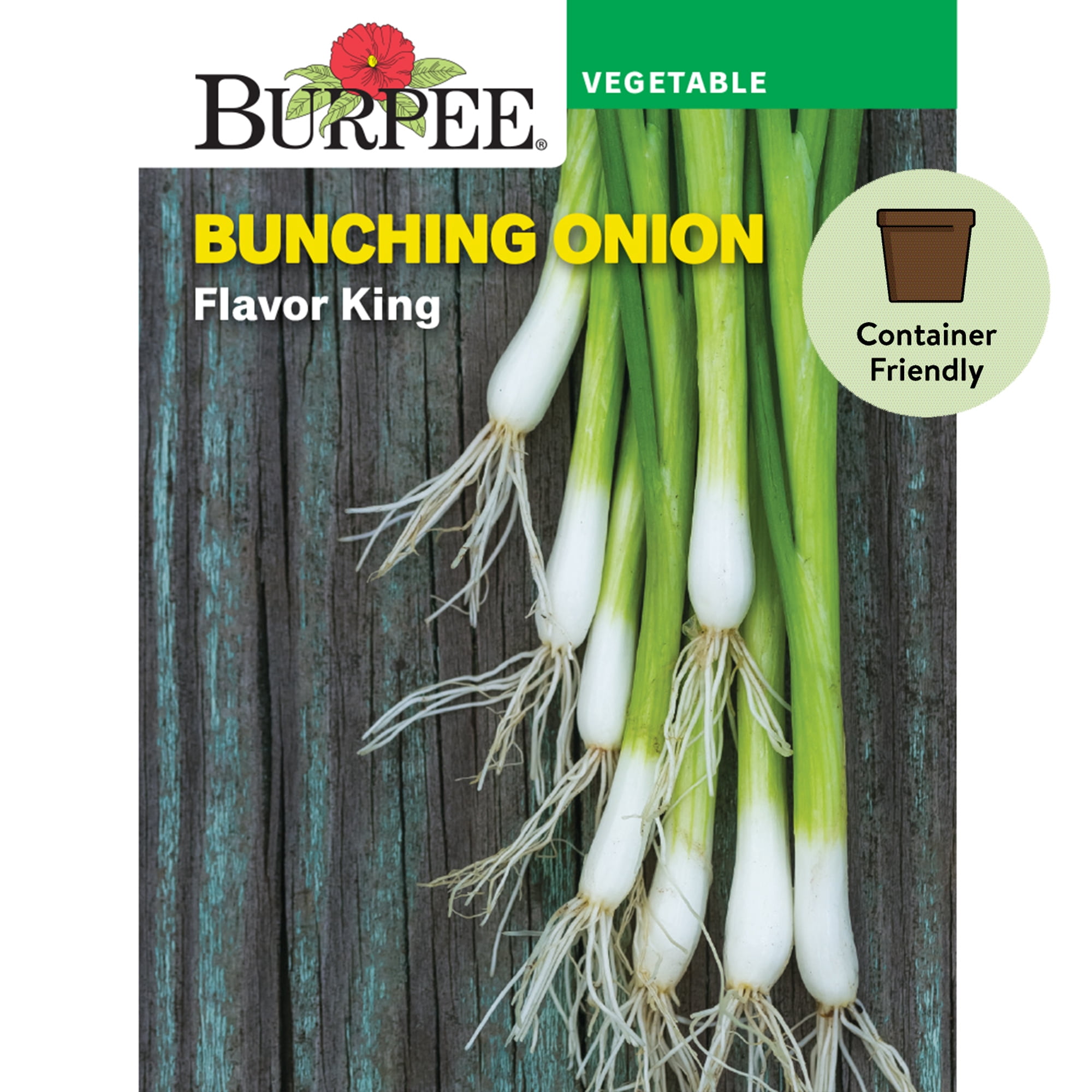
Often confused with scallions, spring onions are essentially immature onions that are harvested early in the peak season before the bulb has fully developed. They are characterized by a small, clearly defined white bulb at the base and long, hollow, succulent green tops that provide a flavorful and sharp bite to any fresh spring dish. They are one of the first vegetables available in the garden and thrive in almost any environment, from small containers to large garden beds. Because they grow relatively quickly, they are an excellent choice for filling in gaps between slower-growing crops. For care, it is vital to keep the area around them well-weeded, as they possess shallow, delicate root systems that do not compete well with aggressive weeds. They are highly recommended to container gardeners and those who love to eat them raw as a garnish or grilled whole as a rustic side dish.
Soil: Loose, well-drained soil rich in compost; pH 6.0–7.0
Water: Shallow but frequent watering to keep the top layers of soil moist
Light: Full sun is preferred, though they can tolerate very light shade
Humidity: Low to Moderate
Fertilizer: A balanced 10-10-10 fertilizer applied every three weeks
Temperature: Ideal growth between 50°F to 75°F (10°C-24°C)
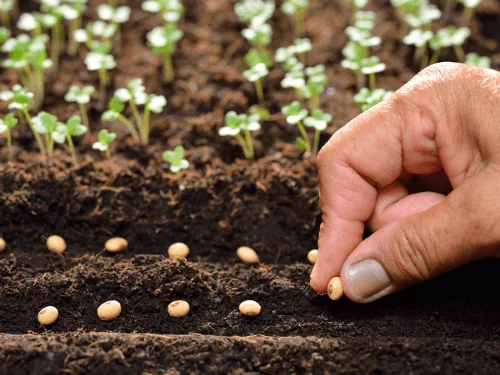
A: Most spring vegetables to grow should be planted as soon as the soil can be worked in the springtime, which is often 4 to 6 weeks before the last frost. Hardy crops like peas and spinach can handle cooler soil, while others may need to wait until the ground warms slightly.
Q: Which are the easiest spring vegetables for beginners?
A: The radish, peas and sugar snap peas, and various leafy greens like lettuce are widely considered the easiest spring vegetables. This is because they have a short growing season, grow quickly from seed, and generally face fewer pest issues than summer crops.
Q: How can a spring garden be protected from a late frost?
A: If a frost is predicted after spring planting has begun, cover the garden beds with a frost blanket, burlap, or even old bedsheets overnight. This traps the radiant heat from the soil and protects tender bright green leaves from freezing. Be sure to remove the covers the next morning once temperatures rise.
Related posts
Here are some articles you might be interested in.





.webp)