Build a Living Wall and Hanging Garden With These Vertical Garden Ideas
Published on
April 21, 2026
Author
Sarah Wilson
Sarah Wilson started her gardening journey during the pandemic and had fallen in love with it ever since. Eager to connect with fellow garden enthusiasts, she wants to share the knowledge she's gained over the past three years.
How to Grow Pumpkins Q&A
Can I grow pumpkins in a small home garden?
Yes. Choose bush or miniature varieties, grow vines on a trellis, or use raised beds. Plan on one or two plants per hill and prune vines when space is tight.
When should I plant pumpkins for Halloween?
Plant seeds in late May or early June in most climates. Count back from your first frost date and allow for 90 to 120 days of growth.
Why does my pumpkin plant have flowers but no fruit?
Male flowers appear first, so early flowers will not set fruit. If female flowers open but fail to fruit, you probably have too few bees. Pollinate by hand in the morning.
What causes pumpkin leaves to turn white?
This is usually powdery mildew. Improve airflow, water at the base, remove infected leaves, and apply a fungicide or neem oil.
Can I eat the pumpkin I grew for carving?
Yes, though carving types are stringy and bland. Pie pumpkins are sweeter, but the seeds from any pumpkin can be roasted.
Growing Grapevines Q&A
How long does it take for a grape plant to produce fruit?
Most young vines need two to three years after planting before they set a full crop, though a few clusters may appear in year two. Patience pays off — established vines can keep producing for 40 years or more.
Do I need more than one vine to grow grapes?
No. Since most grape varieties are self-fertile, one plant is enough to produce fruit on its own. Planting a second variety nearby is optional and mainly helps with cross-pollination in a few less common types.
Can grape vines grow in containers?
Yes, though grape vines grow best planted directly in the ground, where the root system has room to spread. A large container works for a year or two, but expect to transplant once the vine outgrows the pot.
Why aren't my grapes ripening?
Grapes ripen slowly compared to many fruits, and cool weather, too much shade, or overcrowded canes can all delay the process. Give the vine full sun, thin the clusters, and be patient through the growing season.
What's the difference between table grapes and wine grapes?
Table grapes are bred for fresh eating, with thinner skins and fewer seeds, while wine grapes tend to have thicker skins, more seeds, and higher sugar content suited to fermentation.
Are grape vines toxic to pets?
Grapes and grape leaves are not toxic to people, but grapes and raisins are toxic to dogs and can cause kidney damage, so keep fallen fruit cleaned up if pets have access to the vineyard.
Bee Garden Q&A
What flowers attract the most bees to a garden?
Bees are generally drawn to flowers that are blue, purple, yellow, or white, and that offer easy access to nectar and pollen. Lavender, bee balm, sunflower, and coneflower are some of the most reliable plants that attract bees to a home garden.
Do I need to avoid pesticides in a bee-friendly garden?
Yes, whenever possible. Insecticide and pesticide products can harm adult bees and their larva, even in small amounts. Choosing natural pest control methods helps keep your garden safe for visiting bees.
Can a small home garden still support pollinators?
Absolutely. Even a few containers of zinnias, salvia, or crocus on a balcony can offer pollen and nectar for local bees. Bees will travel between small garden spaces, so every bit of habitat helps.
Do bees need more than just flowers?
Yes. Bees also need nesting sites and water. Ground-nesting bees need patches of bare soil, while a shallow bee bath gives bees a safe spot to drink, especially in hot weather.
Will planting a pollinator garden really help save the bees?
It genuinely can. As natural habitat shrinks, home gardens have become an important food source and shelter for bees, including many native bee species. A well-planned bee garden supports pollination for your own flowers and vegetables while helping the wider bee population.
What is the best USDA zone for growing a bee garden?
There is no single best zone. Most of the plants above grow well across USDA zones 4 through 9, and gardeners in colder or warmer zones can simply choose varieties suited to their climate, or grow warm-season bees favorites like sunflower and zinnia as annuals.
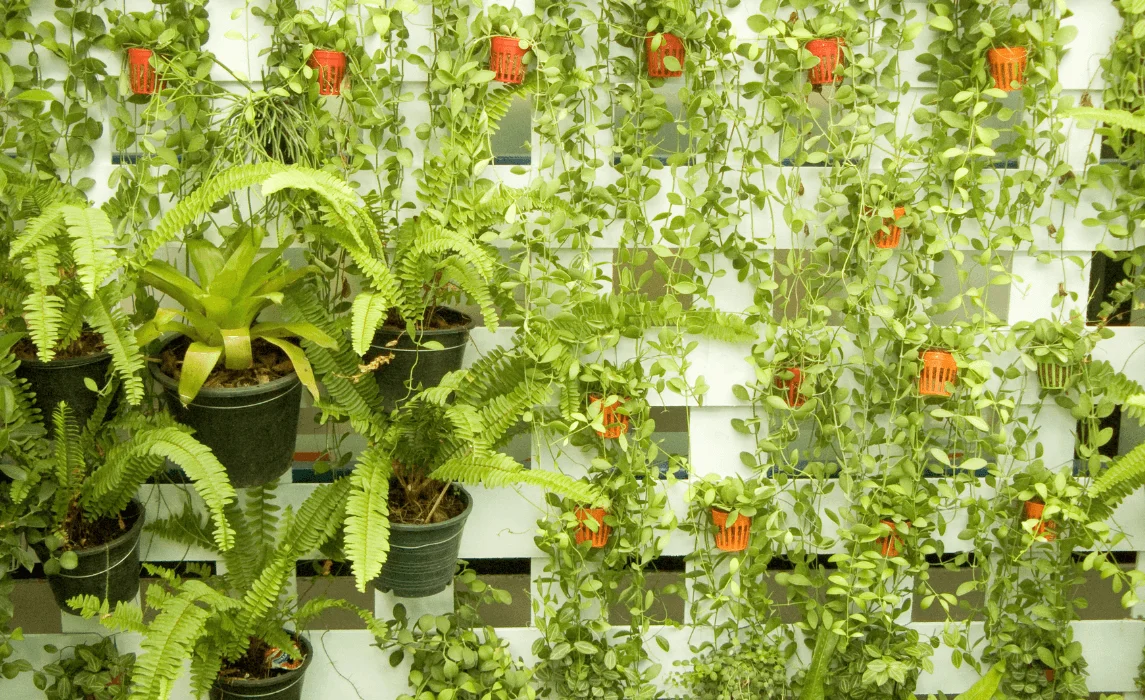
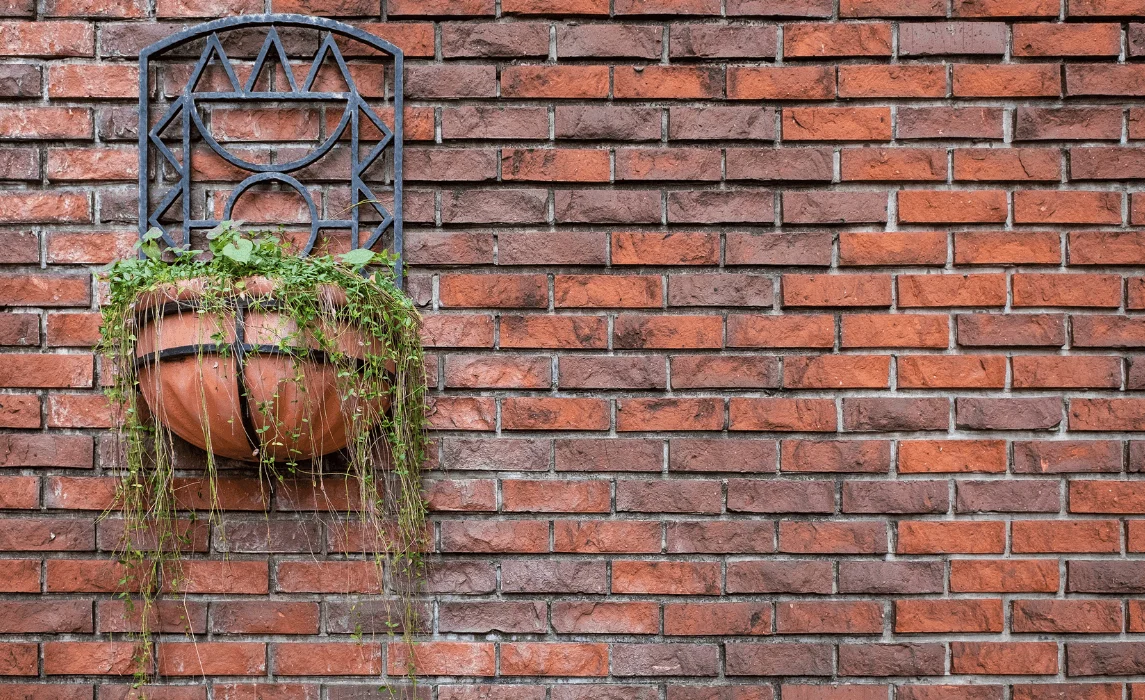
If you've ever walked past a wall dripping with greenery or spotted a gorgeous vertical garden hanging outside a café, you already know the quiet magic of a hanging garden. A hanging garden is exactly what it sounds like — a collection of plants grown vertically, mounted on walls, suspended from ceilings, or draped over railings instead of sitting flat on the ground. It's gardening that goes up instead of out, and it completely changes the way you think about space.
For anyone living in an apartment, a small home, or a compact outdoor living space, a hanging garden is one of the smartest moves you can make. You stop losing precious floor space and start using the one resource most people completely ignore — your walls and ceilings. Whether it's a sunny window ledge or a bare outdoor wall that receives good light, these vertical growing setups can turn any forgotten corner into a living, breathing focal point.
The best part? You don't need to be an experienced gardener to get started. Most hanging garden ideas require very little ongoing maintenance, cost almost nothing to set up, and use beginner-friendly plants that are almost impossible to kill. If you've been curious about creating a vertical garden of your own, this guide is exactly where to start.
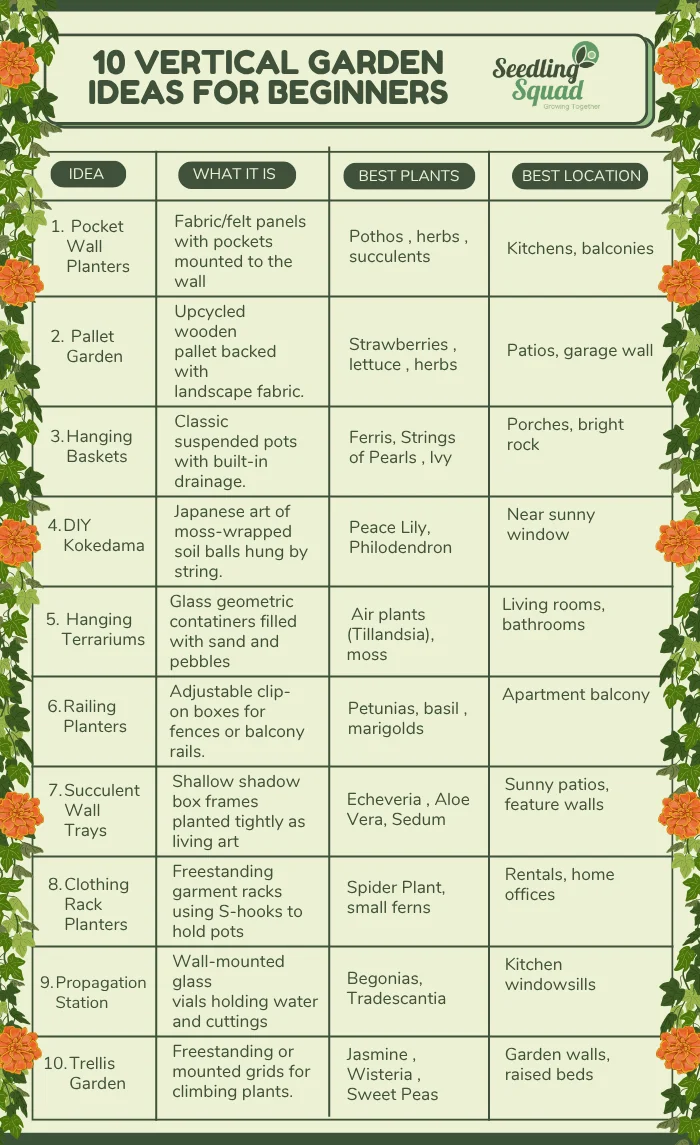
10 Best Hanging Garden Ideas for Beginners
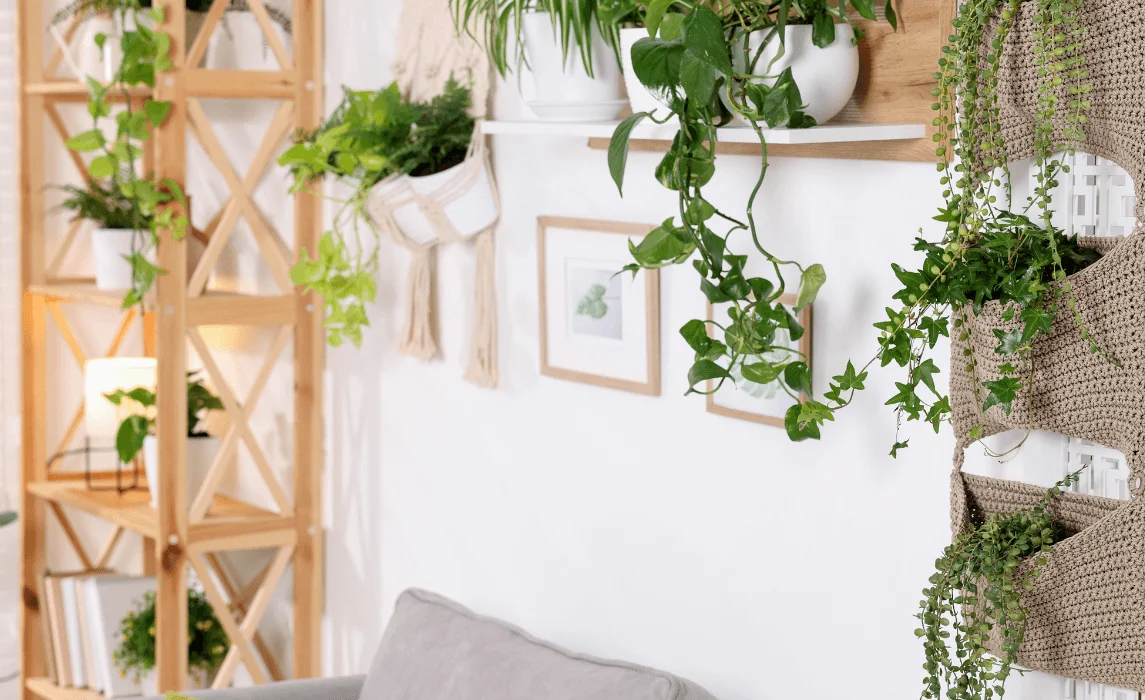
1. Wall Planters with Pockets
What it is: Wall planters are fabric or felt panels with individual pockets designed to hold small pots or soil directly. They're mounted to the wall and can hold anywhere from six to thirty plants in a single compact footprint.
Why it's beginner-friendly: They're one of the most affordable and easy-to-install living wall solutions available. Most come with hooks or grommets already attached, so setup is fast, and the fabric material allows for natural drainage without extra effort.
Best plants to use:
Pothos
Spider Plant
Herbs (mint, basil, parsley)
Small ferns
Succulents
Quick setup steps:
Step 1: Choose a wall that receives moderate to bright indirect light.
Step 2: Mount a sturdy hook or screw into the wall and hang the planter panel securely.
Step 3: Fill each pocket with lightweight potting mix and plant your chosen herbs or trailing plants.
Care basics:
Sunlight: Indirect bright light for most plants; full sun for herbs.
Water: Water each pocket individually; check moisture every 2–3 days.
Best location: Kitchen walls, balconies, or any sunny wall indoors or outdoors.
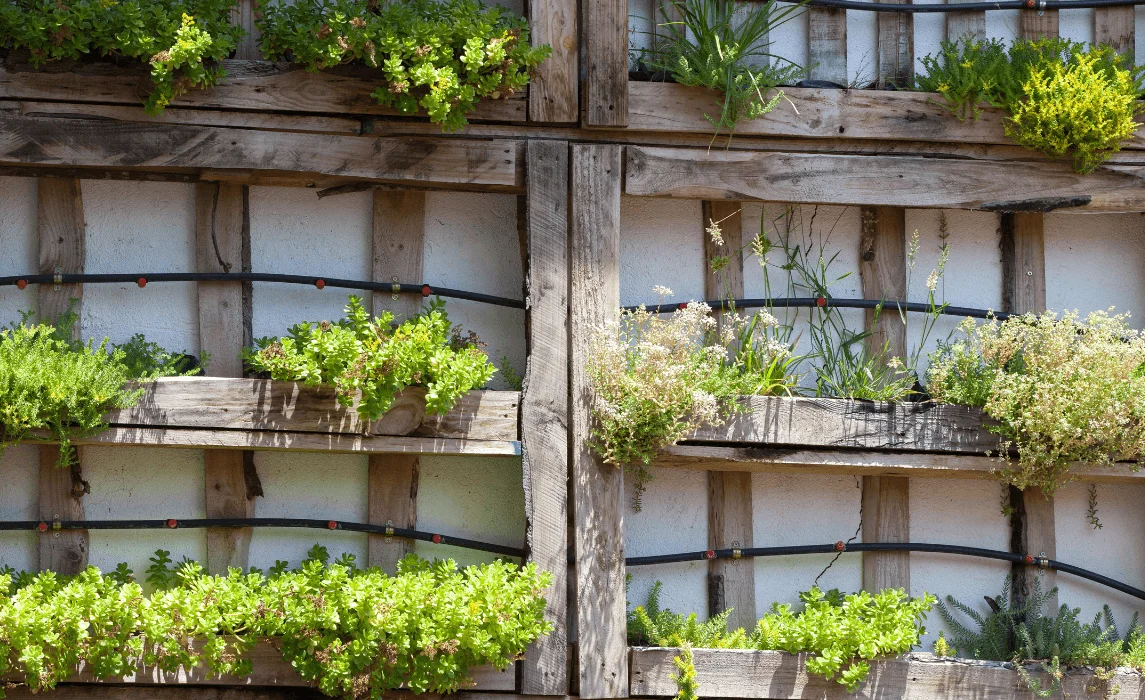
2. Pallet Vertical Garden
What it is: A simple DIY vertical garden built by repurposing an old wooden pallet. Landscape fabric is stapled to the back, creating individual planting sections between each slat.
Why it's beginner-friendly: Pallets are free or nearly free, and this is one of the most straightforward simple DIY projects you can take on. It requires very little in the way of tools or experience, making it a perfect weekend project.
Best plants to use:
Succulents
Strawberries
Herbs
Lettuce
Pansies
Quick setup steps:
Step 1: Sand the pallet lightly and staple landscape fabric to the back and sides.
Step 2: Fill each slat row with potting soil, pressing it firmly into place.
Step 3: Plant your succulents or herbs into the gaps and mount the pallet vertically on a wall or fence.
Care basics:
Sunlight: Full sun to partial shade depending on plant choice.
Water: Water from the top and let gravity do the rest; check weekly.
Best location: Outdoor gardens, patios, or garage walls.
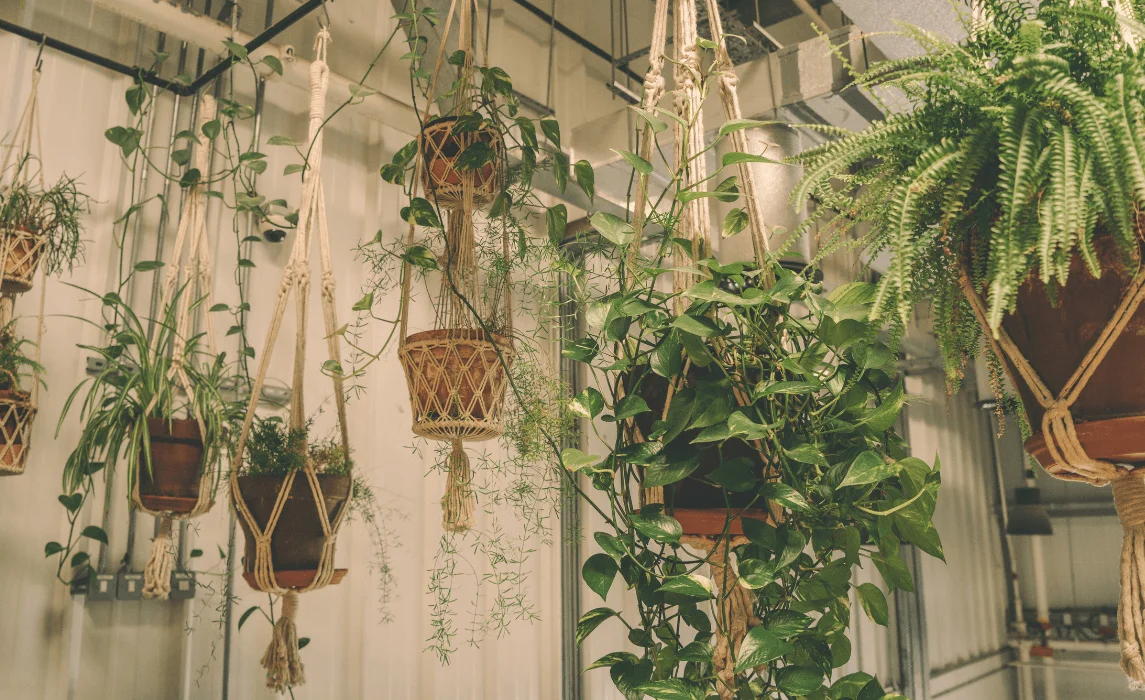
3. Hanging Baskets with Trailing Plants
What it is: Classic hanging baskets suspended from hooks on a porch, fence, or ceiling. They showcase trailing or hanging plants that cascade beautifully downward as they grow.
Why it's beginner-friendly: Hanging baskets are widely available, easy to fill, and simple to maintain. There's no building involved — just fill, hang, and water.
Best plants to use:
Pothos
Philodendron
Ferns
String of Pearls
Ivy
Quick setup steps:
Step 1: Choose a basket with a coco-liner or built-in drainage holes.
Step 2: Fill with a quality potting mix and plant your trailing varieties in the center and edges.
Step 3: Hang from a sturdy hook — make sure the hook can handle the weight of several plants once watered.
Care basics:
Sunlight: Indirect to bright light; check plant labels.
Water: Water when the top inch of soil feels dry; hanging pots dry out faster than ground pots.
Best location: Covered porches, balconies, or bright indoor rooms.
4. DIY Kokedama (Moss Balls)
What it is: Kokedama is a Japanese art form where a plant's roots are wrapped in soil and covered with moss, then bound with twine and hung from strings. The result is a whimsical way to display plants without pots.
Why it's beginner-friendly: No pots, no shelves, and no drilling required. You use soil and moss to create these hanging orbs, and the materials are inexpensive and widely available.
Best plants to use:
Pothos
Ferns
Peace Lily
Philodendron
Herbs
Quick setup steps:
Step 1: Mix peat moss, bonsai soil, and water into a moldable clay-like ball around your plant's root system.
Step 2: Wrap the entire ball tightly in sheet moss and secure it with twine or fishing line.
Step 3: Tie hanging strings from the top and suspend from a ceiling hook or curtain rod.
Care basics:
Sunlight: Medium to bright indirect light.
Water: Soak the moss ball in water for 10 minutes once or twice a week; regular watering and occasional misting keeps moss healthy.
Best location: Bright living rooms, bedrooms, or near a sunny window.
5. Hanging Terrariums with Air Plants
What it is: Hanging terrariums are glass geometric containers — spheres, prisms, or teardrops — filled with decorative sand, pebbles, and air plants, then hung from string or wire.
Why it's beginner-friendly: Air plants (tillandsia) are one of the easiest plants to grow. They don't need soil at all, which makes hanging terrariums an easy and fun DIY that requires very little ongoing maintenance.
Best plants to use:
Air Plants (Tillandsia varieties)
Succulents (in open terrariums)
Moss
Quick setup steps:
Step 1: Layer decorative sand and pebbles in the bottom of your glass terrarium.
Step 2: Place your air plant or small succulent inside and arrange pebbles around it.
Step 3: Hang using clear fishing line or macramé cord from a hook or ceiling bracket.
Care basics:
Sunlight: Bright indirect light; avoid harsh direct sun through glass.
Water: Mist air plants 2–3 times a week or soak them for an hour once a week.
Best location: Near a sunny window indoors; a beautiful focal point in living rooms or bathrooms.
Discover beautiful, space-saving hanging plants—from pothos to spider plants—that add charm and greenery to any home.
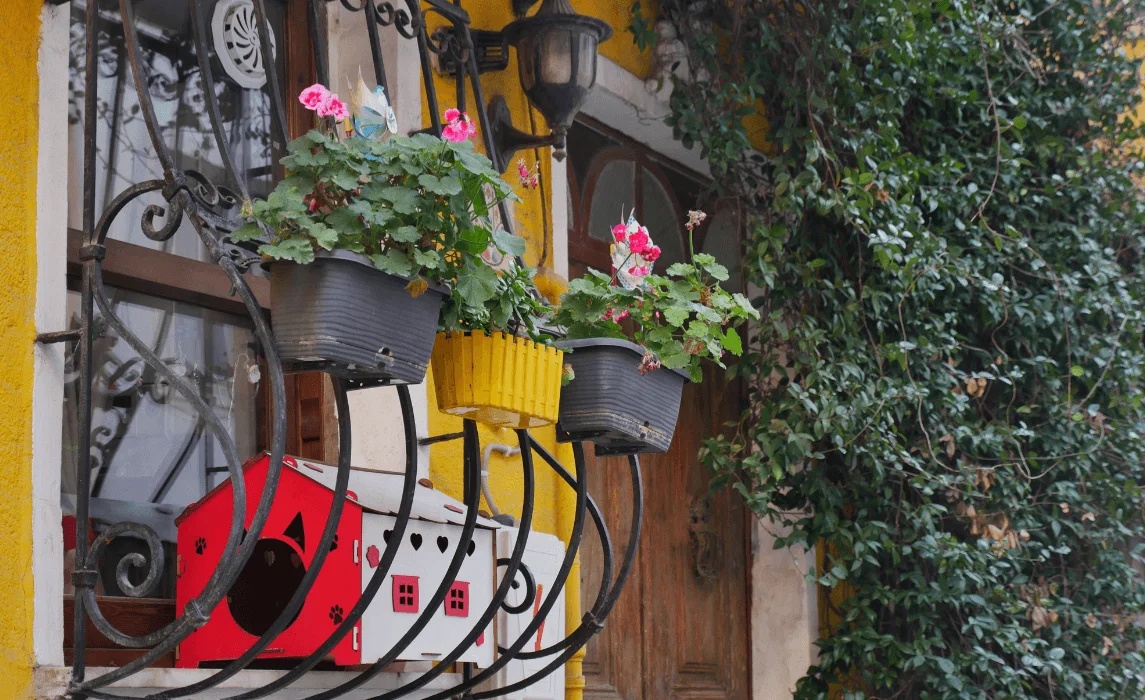
6. Railing Planters for Balconies
What it is: Railing planters are container garden boxes or individual hanging planters designed to clip or hook directly onto balcony railings, fence tops, or deck rails.
Why it's beginner-friendly: No drilling, no tools, and no wall damage — ideal for rental apartments where you can't make permanent changes. Most railing planters are adjustable and clip on in seconds.
Best plants to use:
Petunias
Herbs (basil, mint, thyme)
Strawberries
Marigolds
Trailing Lobelias
Quick setup steps:
Step 1: Measure your railing width and choose a planter with adjustable brackets.
Step 2: Hook or clip the planter securely onto the railing, double-checking it can bear the weight.
Step 3: Fill with potting mix and plant herbs or flowering plants based on your sunlight exposure.
Care basics:
Sunlight: Full sun works best for herbs and flowering plants.
Water: Check daily in summer; balcony plants dry out quickly in heat and wind.
Best location: Apartment balconies, deck railings, fence tops in outdoor gardens.
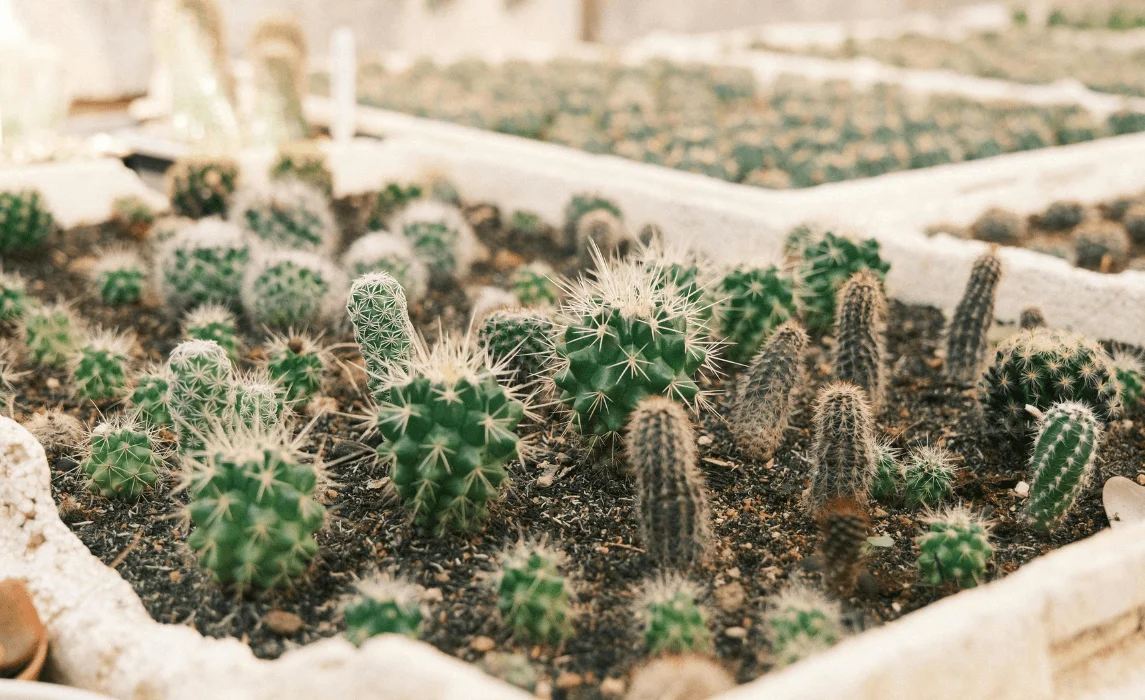
7. Succulent Wall Trays
What it is: Succulent wall trays are shallow wooden or metal shadow box frames filled with succulent varieties, mounted directly on a wall like a piece of living art.
Why it's beginner-friendly: Succulents are drought-tolerant, low-maintenance, and perfect for beginners. Wall trays are an easy way to display your newest plant additions without any complicated setup. They're mounted to the wall and need almost no day-to-day attention.
Best plants to use:
Echeveria
Sedum
Aloe Vera
Haworthia
Crassula
Quick setup steps:
Step 1: Line a shallow shadow box with landscape fabric and fill it with well-draining succulent mix.
Step 2: Plant succulents tightly together, pressing roots into the soil firmly.
Step 3: Let the tray lie flat for 2–3 weeks while roots establish, then mount it vertically on an outdoor wall.
Care basics:
Sunlight: Full sun to bright indirect light; a wall that receives at least 4–6 hours of sunlight works best.
Water: Water sparingly — once every 1–2 weeks is usually enough.
Best location: Outdoor walls, sunny patios, or well-lit indoor feature walls.
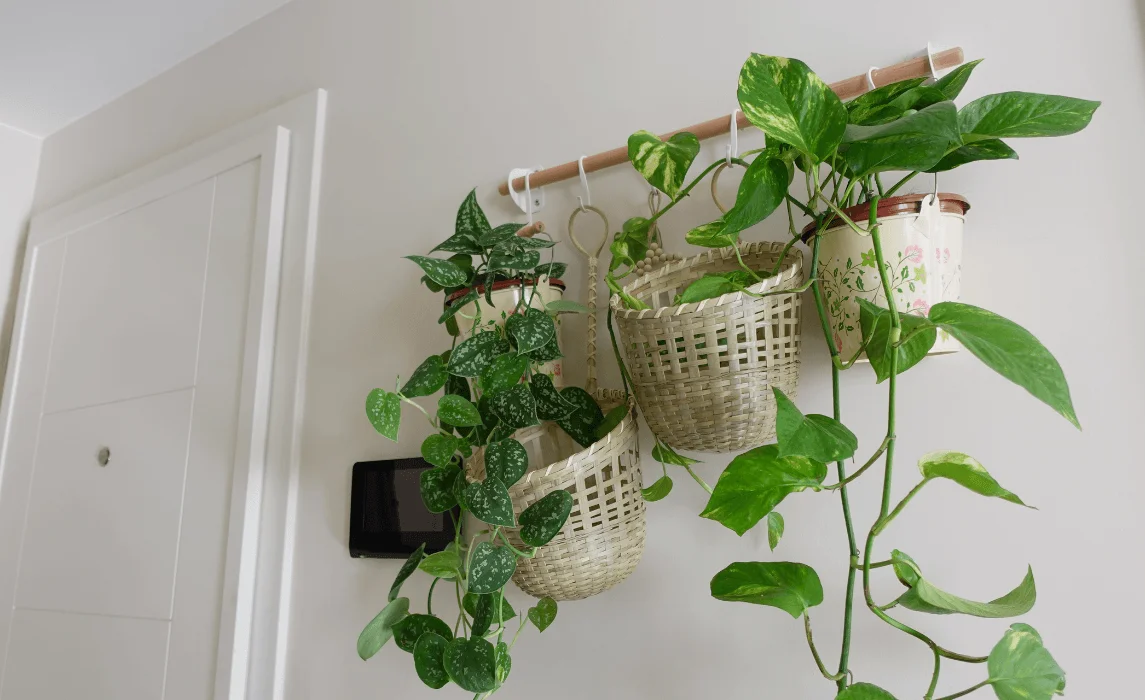
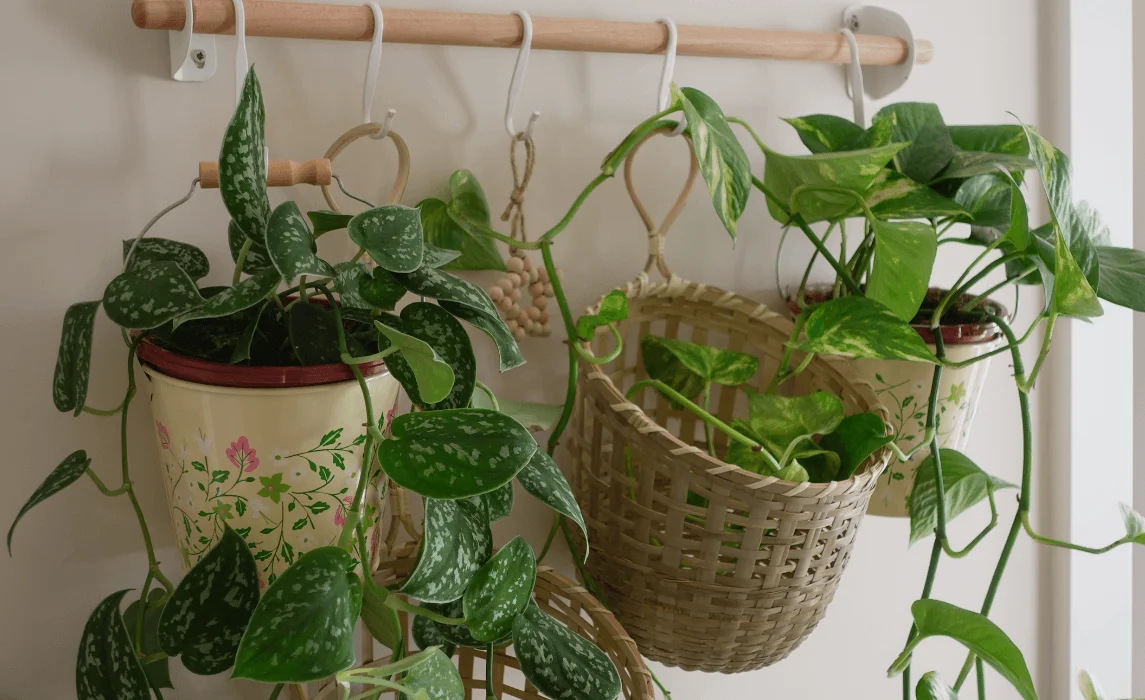
8. Clothing Rods and Racks as Plant Holders
What it is: A creative, budget-friendly way to use clothing rods and racks as plant holders by hanging small pots from S-hooks along the rod. This is a popular idea for renters and small-space gardeners.
Why it's beginner-friendly: Plant holders is a cheap and accessible system — you likely already own a clothing rack, and S-hooks are available anywhere for under a dollar each. No installation skills needed.
Best plants to use:
Pothos
Spider Plant
Trailing Succulents
Small Ferns
Hanging Propagation Cuttings
Quick setup steps:
Step 1: Set up a freestanding clothing rack or mount a curtain rod — make sure the curtain rod is sturdy enough to bear the weight of several hanging pots.
Step 2: Attach S-hooks along the rod at even intervals.
Step 3: Hang small hanging pots or macramé pot holders from each S-hook and fill with your plants.
Care basics:
Sunlight: Position the rack near a sunny window for best results.
Water: Check soil moisture every few days; small pots dry out quickly.
Best location: Living rooms, bedrooms, home offices, or covered outdoor spaces.
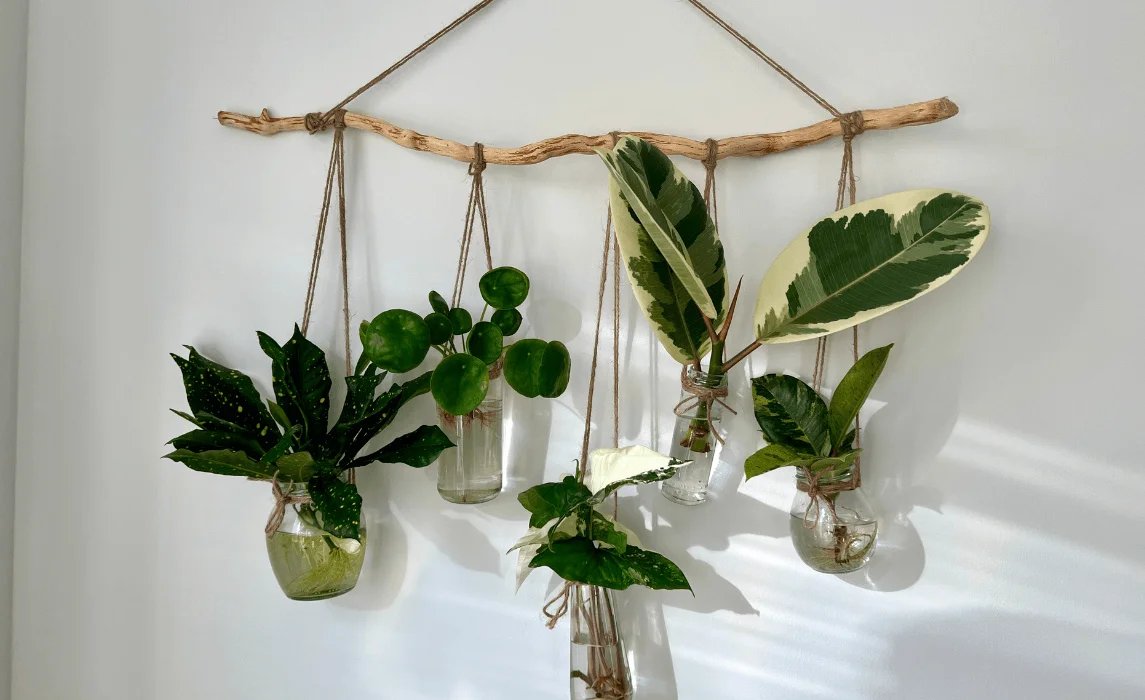
9. Hanging Propagation Station
What it is: A propagation station is a fun way to display your newest plant cuttings in small glass vials or test tubes suspended from a board from the wall or hung on an outdoor wall using twine.
Why it's beginner-friendly: This requires very little setup, no soil (just water), and it's a great way to display your newest plant cuttings while they root. It's also a fantastic conversation starter.
Best plants to use:
Pothos
Philodendron
Spider Plant
Tradescantia
Begonias
Quick setup steps:
Step 1: Mount a wooden board or a piece of driftwood on your wall with two hooks.
Step 2: Attach glass vials or test tubes to the board using wire or leather straps.
Step 3: Fill each vial with water and place a plant cutting inside, making sure at least one node is submerged.
Water: Change the water in each vial every 5–7 days to prevent algae buildup.
Best location: Kitchen windowsills, shelves, or any bright indoor wall.
10. Trellis Garden with Climbing Plants
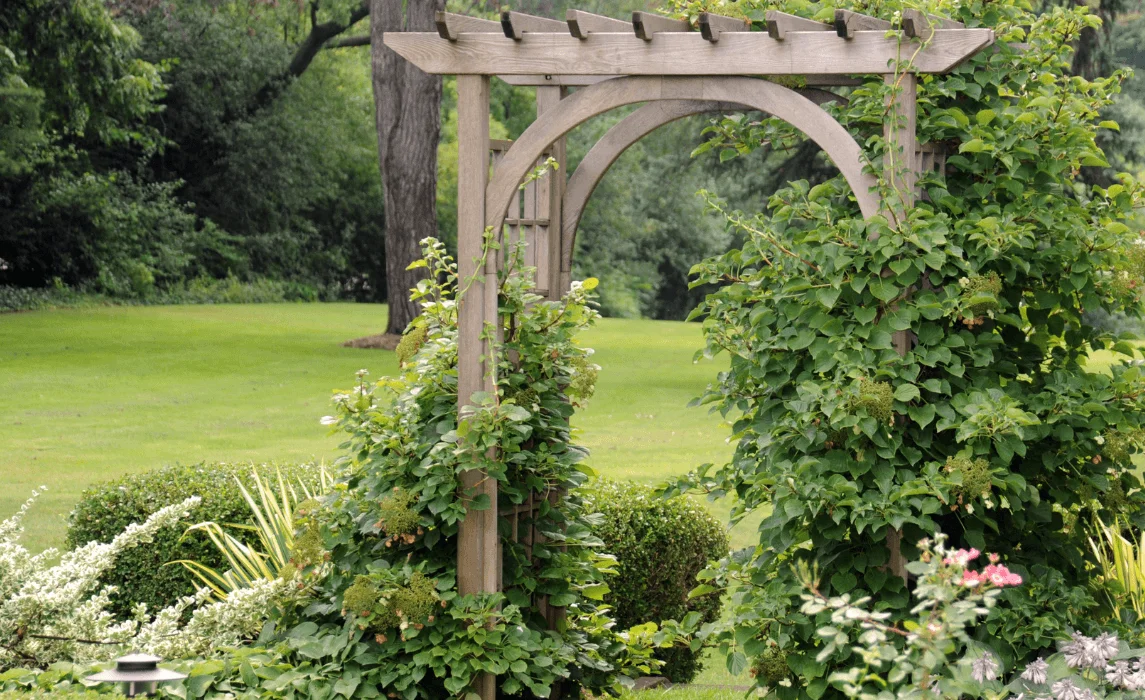
What it is: A trellis is a vertical lattice or grid structure, either freestanding or hung on an outdoor wall, used to train climbing plants upward and create a lush living wall effect over time.
Why it's beginner-friendly: Trellises are inexpensive and require no ongoing intervention once set up. Climbing plants naturally grow toward light and attach to the trellis on their own, making this one of the most hands-off vertical garden ideas available.
Best plants to use:
Climbing Roses
Wisteria
Jasmine
Sweet Peas
Climbing Beans (for edible gardens)
Quick setup steps:
Step 1: Anchor your trellis securely to an outdoor wall, fence, or stake it into a raised garden bed or container.
Step 2: Plant your climbing plant at the base of the trellis and loosely tie the first few stems to the lowest rungs.
Step 3: Guide new growth toward the trellis weekly until the plant begins self-climbing.
Care basics:
Sunlight: Most climbing plants prefer full sun; check your specific variety.
Water: Water deeply at the base once or twice a week; avoid wetting the foliage.
Best location: Outdoor gardens, patios, garden walls, or raised garden beds near a fence.
Discover beginner-friendly garden layouts—from raised beds to square-foot gardening—to maximize space and harvest success.
Best Beginner Plants for Hanging Gardens
Not sure which plants to start with? These are the most forgiving and popular choices for anyone building their first hanging garden:
Pothos — Nearly indestructible, trails beautifully, and thrives in low light.
Spider Plant — Produces cascading "babies" that look stunning in hanging baskets.
Ferns — Love humidity and indirect light; perfect for shaded balconies or bathrooms.
Mint — Grows vigorously in wall planters or railing containers and keeps your kitchen stocked.
Basil — A sunny window herb garden staple that smells incredible and doubles as a cooking ingredient.
Succulents — Hardy, drought-tolerant, and visually striking in wall trays or hanging terrariums.
Philodendron — A trailing plant similar to pothos that thrives with minimal care.
Air Plants — Require no soil at all, making them ideal for terrariums and mounted displays.
Quick Beginner Tips
Before you hang your first plant, keep these simple guidelines in mind:
Use lightweight pots
Heavy ceramic pots can put too much strain on hooks and walls. Opt for plastic, fabric, or lightweight resin containers, especially for overhead installations.
Make sure there's drainage
Every pot or planter needs a way for excess water to escape. Without drainage, roots will rot quickly. Use pots with holes or line your planters with gravel at the bottom.
Don't overload hooks
Always check the weight rating of your hooks before hanging. The weight of several plants once watered is heavier than you'd expect. Use wall anchors for heavier displays.
Match plants to sunlight
Before you choose your plants, spend a day observing how much light your intended spot actually gets. Place sun-loving herbs and succulents where they'll get direct light, and save your pothos and ferns for shadier corners.
Start small
You don't need a full living wall on day one. Start with one or two hanging baskets or a small wall planter, get comfortable with the watering routine, and expand from there.
Choose the right spot for rentals
If you're in a rental, lean toward railing planters, freestanding racks, and self-supporting trellis systems that don't require drilling into walls.
Frequently Asked Questions (FAQ)
Q1: What is a hanging garden vs. a regular garden?
Hanging gardens grow vertically—suspended from ceilings, walls, or railings—rather than spreading out in ground-level beds. This space-saving design makes them perfect for small areas like apartments and balconies.
Q2: Are hanging gardens good for beginners?
Absolutely. Setups like hanging baskets are affordable and low-maintenance. When paired with forgiving plants like pothos or succulents, they are an incredibly easy way to start gardening.
Q3: Can I build one in a rental without damaging walls?
Yes! There are plenty of no-drill options. You can use clip-on balcony railing planters, freestanding clothing racks, heavy-duty Command hooks, or hang lightweight plants from curtain and tension rods.
Related posts
Here are some articles you might be interested in.


.webp)
.webp)