Growing Daisies: Your Beginner-Friendly Garden Guide to Planting Daisies from Seed
Published on
December 19, 2025
Author
Sarah Wilson
Sarah Wilson started her gardening journey during the pandemic and had fallen in love with it ever since. Eager to connect with fellow garden enthusiasts, she wants to share the knowledge she's gained over the past three years.
Planting Calendar Q&A
Is an almanac planting calendar exact?
No. It is a useful regional estimate built from historical conditions. Confirm its suggested planting date with your local forecast, soil condition, and microclimate.
When is the best time to plant?
The best time to plant is when the crop's temperature needs match your frost window and the soil is workable. Cool crops can begin earlier; tender warm-season crops wait until frost danger has passed.
Can every vegetable be started indoors?
No. Tomatoes and peppers handle indoor seed starting well, while carrots are usually sown directly in the ground. Follow crop-specific seed packets and avoid disturbing sensitive roots.
What if a late frost is forecast?
Delay transplanting tender crops, move containers inside, or cover established plants overnight. Remove covers after temperatures rise so light and airflow return.
How often should I revise my calendar?
Review it at the start of each growing season and add notes after major sowings and harvests. Records reveal which dates, varieties, and methods work best in your garden.
Evergreen Shrubs Q&A
How do I choose evergreen shrubs for my outdoor space?
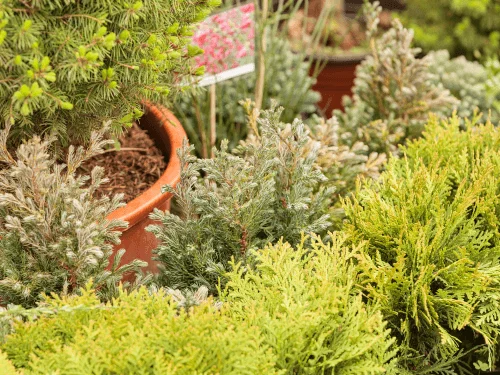
Match mature size to USDA hardiness, light, drainage, and wind. Use a tall evergreen for screening, a mounded shrub for foundation planting, or ground cover on slopes. Repetition unifies home landscapes, while contrast creates a focal point in the landscape.
What are the best small evergreen shrubs?
Blue Star juniper, dwarf Chamaecyparis, azalea, and Daphne are strong small-space choices. The best evergreen shrubs fit without constant shear work; check mature spread and leave airflow around glossy foliage.
Do evergreen shrubs flower as long as hydrangea?
Not usually. A hydrangea may have a long bloom time from mid-summer onward, while evergreen shrubs often bloom briefly. Combine azalea for spring, Viburnum or Mahonia for winter, and summer perennials.
When should I prune an evergreen hedge?
Prune flowering shrubs after bloom, and shape boxwood, yew, or Thuja lightly during growth. Avoid leafless old conifer wood; natural forms need less pruning and preserve year-round interest.
Why can an evergreen turn brown in winter?
Frozen soil, wind, salt, or poor drainage can brown green foliage. Water before freezing, mulch roots, and choose a protected area so evergreen shrubs retain year-round beauty and lasting structure.
Starting a Fruit Garden Q&A
What is the easiest fruit to grow for a first garden?
Strawberry is often the simplest starting point because it fits containers, fruits quickly, and is easy to replace. Raspberry, blackberry, and currant can also be forgiving when their spread is controlled. The best fruit is the one matched to your climate, sunlight, soil, and available care.
Can I grow fruit trees in a small space?
Yes. Choose a dwarf tree on a clearly labeled rootstock, train an espalier against wires, or use fruit trees in containers with sufficient soil volume and winter protection. Confirm mature dimensions, pollination needs, and whether the container can be watered consistently before you grow fruit trees.
Do I need more than one fruit tree?
It depends on the cultivar. Some trees are self-fertile, while others need compatible partners that bloom together. A nursery may recommend 2-4 fruit trees for varied harvests, but one self-pollinating dwarf tree can be enough when garden space is limited.
How soon will fruit plants produce fruit?
Strawberries and some cane fruits may crop in the first or second season, while a grafted fruit tree often takes several years. Rootstock, plant age, climate, pruning, and stress all affect timing. Remove an excessive early crop if the young plant needs energy for roots and structure.
Can a fruit garden share space with vegetables?
Yes. A combined vegetable and fruit area works when permanent crops do not shade or crowd annual beds. Put long-lived fruit plants where future digging will not disturb their roots, maintain clear paths, and choose fruits to grow at home that fit the same sunlight and watering pattern as the wider garden.
Growing daisies especially the ever-popular Shasta daisies—from seed is one of the most rewarding ways to fill your garden or pots with cheerful, long-lasting blooms. Whether you're a beginner gardener or someone looking to expand your flower collection, learning how to grow daisy and Shasta daisy seeds will open the door to a garden full of bright, low-maintenance flowers. In this guide, you’ll discover everything you need to know about starting daisies from seed, nurturing them as they grow, and giving them the proper care they need to thrive in your garden beds or containers.
Plant Attribute
Details
Plant Name
Daisy (Shasta Daisy, Ox-eye Daisy, etc.)
Plant Type
Perennial flowering plant
Size
1–3 feet tall (depending on type)
Soil Type
Well-draining, fertile soil
Soil pH
6.0–7.0 (neutral to slightly acidic)
Bloom Time
Early summer to fall
Hardiness Zones
4–9 (Shasta daisies)
Native Area
Europe; North America (ox-eye daisies)
Toxicity Level
Non-toxic to humans and pets
Best Types of Daisies:
Shasta Daisies
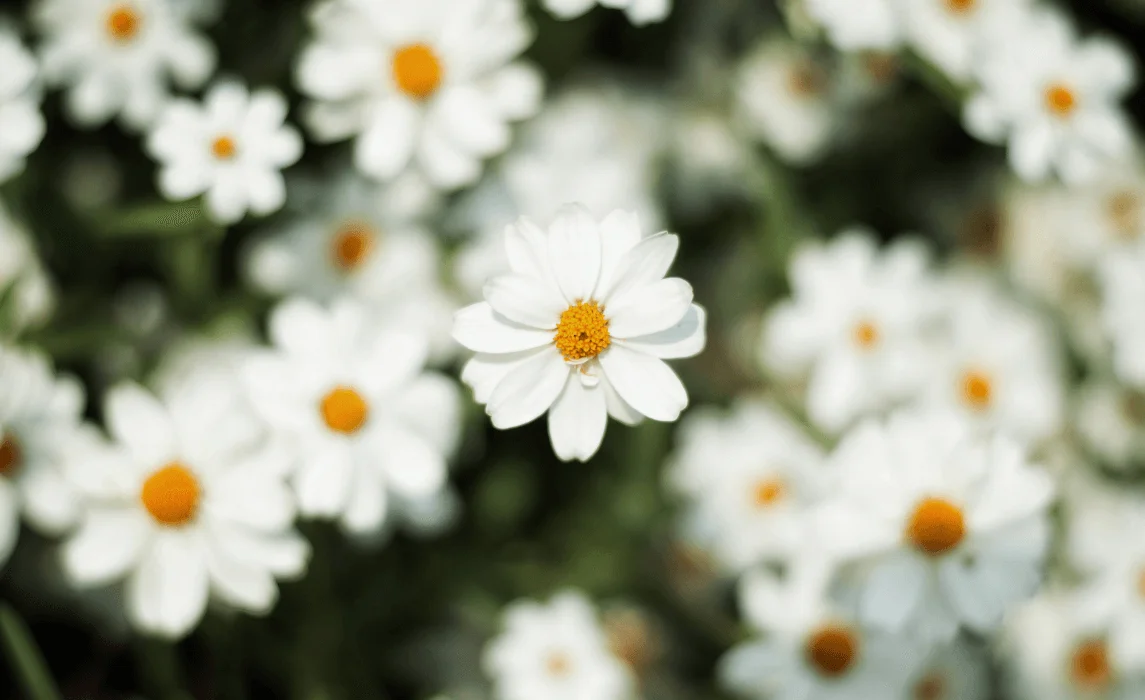
These daisies are known for their large, pristine white petals surrounding vibrant yellow centers. They are long-blooming, producing flowers from early summer to fall, making them excellent for continuous garden color. Shasta daisies work beautifully as border plants, in cottage gardens, or as cut flowers for bouquets due to their sturdy stems and classic appearance.
Ox-eye Daisies
A hardy, naturalized variety, ox-eye daisies produce smaller, delicate blooms that add a wild, meadow-like charm to gardens. They are drought-tolerant and low-maintenance, making them perfect for naturalized wildflower gardens, prairies, or informal landscape areas where a more rustic, free-flowing look is desired.
Bellis perennis (English Daisy)
English daisies form small, compact clumps with dainty blooms in shades of white, pink, and red. Their low-growing habit makes them ideal for container planting, rock gardens, and adding color to lawns or borders. They thrive in cooler climates and bring a charming, classic touch to smaller garden spaces.
Steps to Plant Daisies (Seed or Seedling)
Planting from Seed:
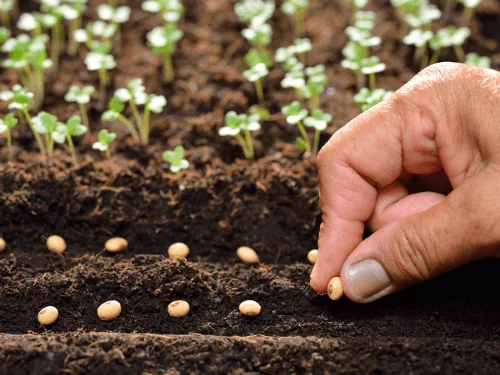
Start daisy seeds indoors 6–8 weeks before the last frost.
Fill a seed tray or small pot with well-draining soil or peat moss.
Scatter seeds on the surface of the soil and lightly press them in; do not cover with soil, as they need light to germinate.
Keep the soil evenly moist and warm (65–70°F) until seeds sprout (10–20 days).
Once seedlings have 2–3 true leaves, transplant them into larger pots or the garden.
Planting from Seedlings:
Choose a sunny garden bed or pot with well-draining soil.
Dig a hole slightly larger than the root ball.
Place the seedling in the hole so the surface of the soil matches its previous depth.
Backfill with soil and gently firm it around the base.
Space Shasta daisies 18–24 inches apart to allow room for growth.
Requirements for Growing Daisies
Soil
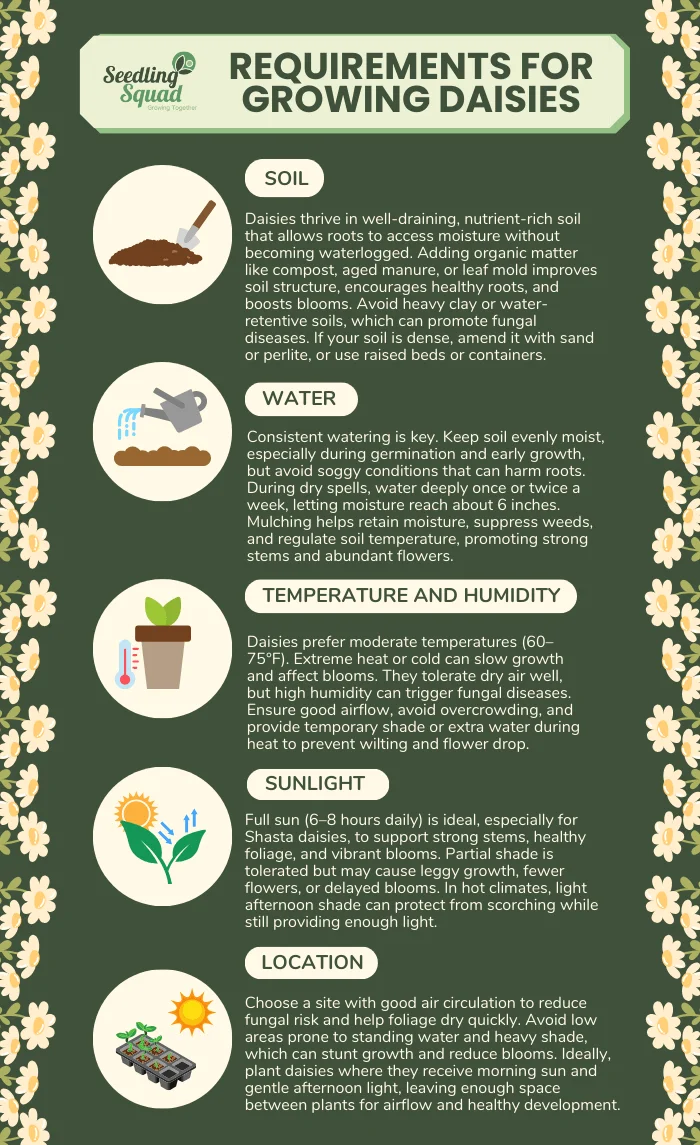
Daisies flourish in soil that is both well-draining and nutrient-rich, as this ensures their roots can access moisture without becoming waterlogged. Incorporating organic matter, such as compost, aged manure, or leaf mold, improves soil structure, promotes healthy root development, and encourages vibrant blooms. Avoid planting daisies in heavy clay soils or areas prone to water retention, as these conditions can create an environment conducive to fungal diseases like powdery mildew or root rot. If your soil is naturally dense, consider amending it with sand or perlite to enhance drainage, or planting daisies in raised beds or containers.
Water
Consistent and careful watering is essential for daisies to thrive. The soil should remain evenly moist, especially during germination and early growth, but it is important to prevent soggy conditions that can suffocate roots and invite disease. During dry periods, daisies may require deep watering once or twice a week, allowing the water to penetrate at least 6 inches into the soil. Mulching around the base of the plants can help retain moisture, suppress weeds, and regulate soil temperature. Proper watering practices not only promote healthy foliage but also ensure the plants produce strong stems and abundant flowers.
Temperature & Humidity
Daisies grow best in moderate temperatures, ideally ranging from 60–75°F. Temperatures above or below this range can slow growth or cause stress, affecting bloom quality. These plants are relatively tolerant of dry air, making them suitable for most garden environments, but excessively humid conditions can encourage fungal diseases such as leaf spot or powdery mildew. Providing good airflow around plants and avoiding overcrowding helps regulate humidity at the leaf level and supports long-lasting blooms. Protecting daisies from extreme heat with temporary shade or ensuring adequate watering during hot spells can prevent wilting and flower drop.
Sunlight
Adequate sunlight is critical for daisies, particularly Shasta daisies, which require full sun typically six to eight hours per day—to produce abundant, vibrant flowers. Sufficient sunlight fuels photosynthesis, leading to stronger stems, healthier foliage, and longer-lasting blooms. While daisies can tolerate partial shade, insufficient light may cause them to become leggy, produce fewer flowers, or delay blooming. In areas with intense afternoon sun, providing light shade during peak heat can prevent scorching, while still ensuring enough light for flower development.
Location
Selecting the right planting site is vital for daisy health and longevity. Choose an area with excellent air circulation to reduce the risk of fungal diseases and allow the foliage to dry quickly after rain or watering. Avoid low-lying spots where water tends to pool, as standing water can lead to root rot and weaken the plant. Heavy shade should also be avoided, as it can limit flower production and encourage spindly growth. Ideally, daisies should be planted where they receive morning sun and gentle afternoon light, with enough space between plants to allow for airflow and growth, creating an environment that supports strong stems, abundant blooms, and overall plant resilience.
Discover the beauty and symbolism behind common yellow flowers and what their meanings say about your garden and life.
Maintenance Tips for Daisies
Fertilizer
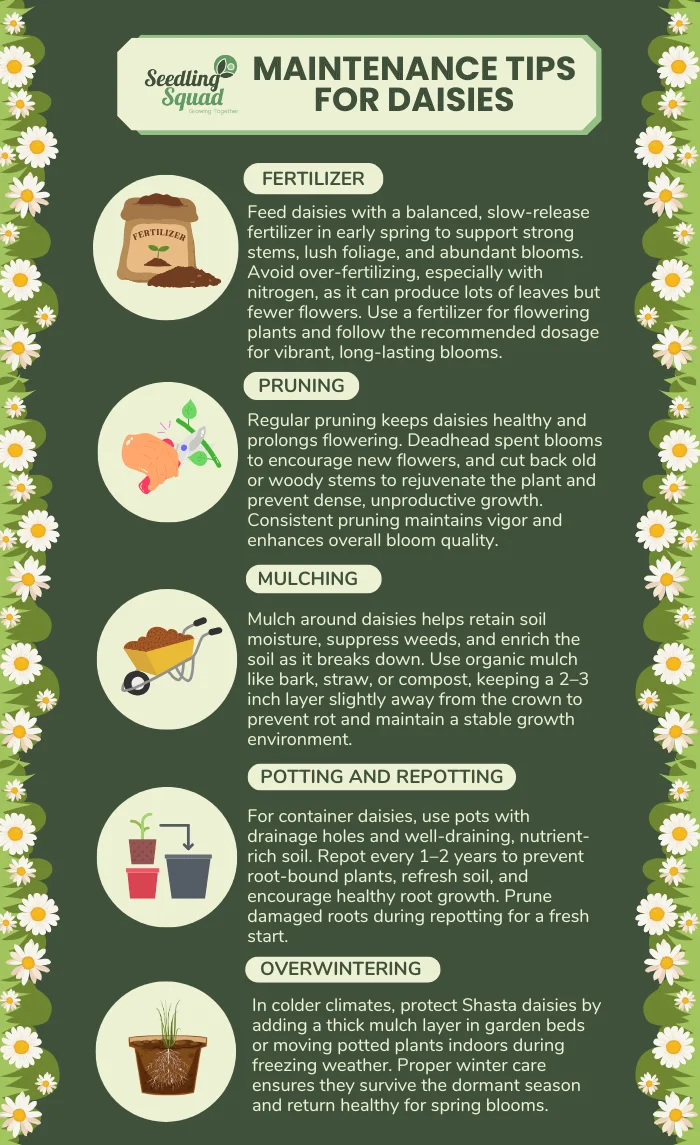
Providing the right nutrients at the right time is essential for healthy daisy growth. Apply a balanced, slow-release fertilizer in early spring as new growth begins to emerge. This encourages strong stems, lush foliage, and vigorous flower production. It is important not to over-fertilize, as excessive nutrients—particularly nitrogen—can result in abundant leafy growth at the expense of blooms. For best results, choose a fertilizer formulated for flowering plants and follow the recommended dosage to ensure your daisies produce vibrant, long-lasting flowers.
Pruning
Regular pruning is key to keeping daisies healthy and prolonging their flowering period. Deadheading, or removing spent blooms, signals the plant to produce new flowers instead of putting energy into seed formation. In addition, cutting back old or woody stems helps rejuvenate the plant, prevents the center from becoming dense and unproductive, and encourages a more compact and attractive growth habit. Consistent pruning throughout the growing season maintains the plant’s vigor and improves overall bloom quality.
Mulching
Applying a layer of mulch around the base of daisies offers several benefits. Mulch helps retain soil moisture, reducing the frequency of watering, while also suppressing weeds that compete for nutrients. Organic mulches, such as shredded bark, straw, or compost, gradually break down and enrich the soil, further supporting healthy root development. Maintaining a 2–3 inch layer of mulch while keeping it slightly away from the crown of the plant prevents rot and creates a stable microenvironment for optimal growth.
Potting & Repotting
When growing daisies in containers, it is crucial to use pots with adequate drainage holes to prevent water from pooling at the roots. Choose well-draining potting soil enriched with organic matter to provide the necessary nutrients. Over time, potted daisies can become root-bound, which limits growth and flowering. Repotting every 1–2 years refreshes the soil, encourages healthy root expansion, and maintains optimal plant health. During repotting, prune damaged roots and remove old soil to give the plant a fresh start.
Overwintering
While Shasta daisies are generally hardy, extra care is needed in colder climates to protect them through the winter. In garden beds, applying a thick layer of mulch in fall shields the roots from freezing temperatures and frost heaving. For daisies grown in pots, it is advisable to move them indoors or to a sheltered location during freezing weather to prevent cold damage. Proper overwintering ensures the plants survive the dormant season and emerge healthy and vigorous in spring, ready to bloom again.
Common Pests and Diseases
Pests:
Aphids: These small insects suck sap from leaves, causing distortion and stunted growth. To prevent this, inspect plants regularly, remove aphids manually, or spray with insecticidal soap, and consider introducing natural predators like ladybugs.
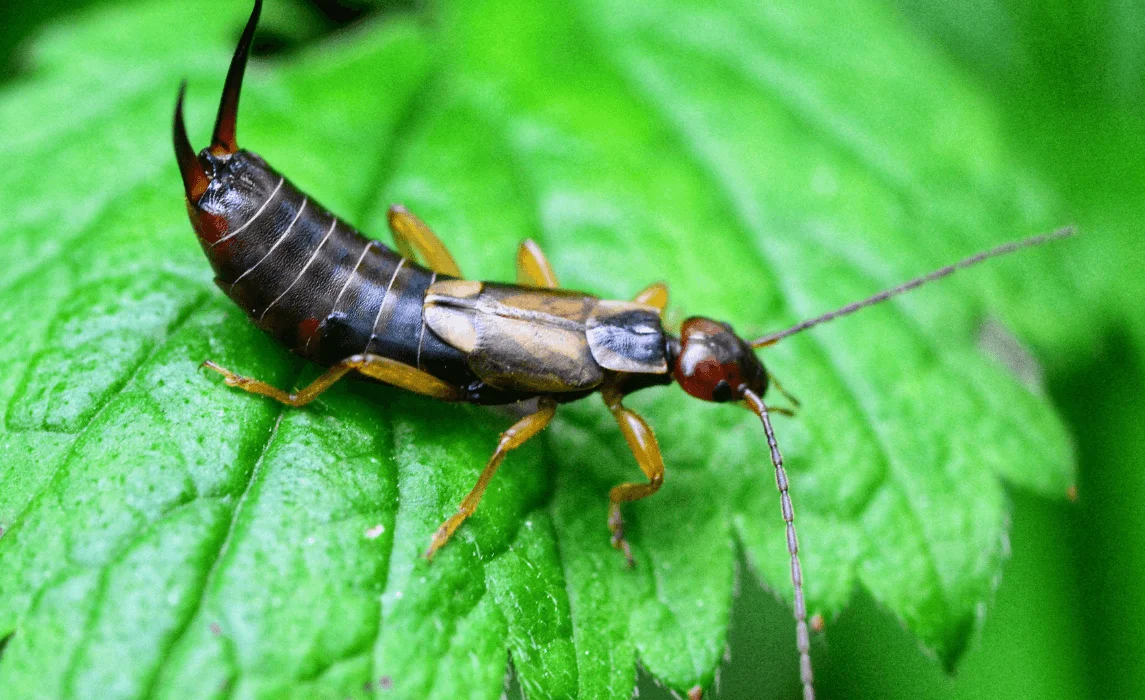
Earwigs: They chew on petals and foliage, leaving ragged edges. To prevent damage, set up traps using rolled-up newspaper or shallow containers with oil, and sprinkle diatomaceous earth around the base of plants.
Slugs and Snails: Often feed on young seedlings, leaving holes in leaves. To prevent infestations, apply copper tape around pots, use beer traps, or handpick them during the evening when they are most active.
Diseases:
Fungal Infections: Excess moisture can promote fungal growth, leading to root rot and leaf spots. To prevent this, ensure soil has good drainage, avoid overcrowding plants, and maintain proper spacing for air circulation.
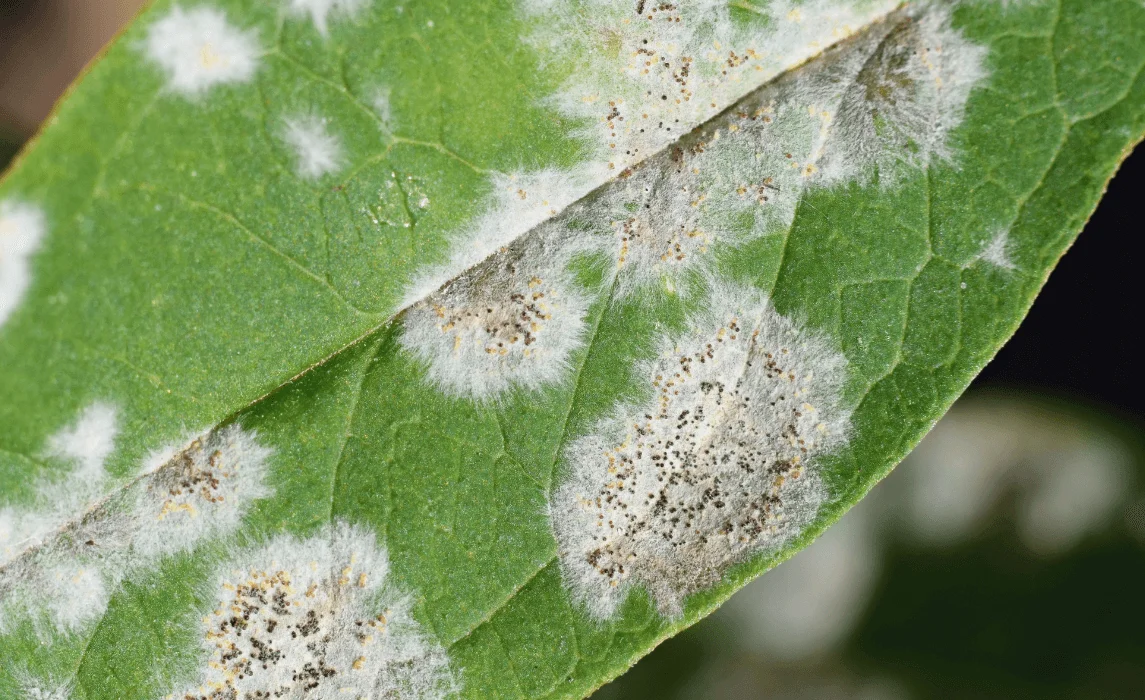
Powdery Mildew: Appears as a white, powdery coating on leaves and stems. To prevent it, reduce humidity around plants, water at the base rather than overhead, remove affected leaves immediately, and apply fungicide if necessary.
Harvesting Daisies
Daisies are wonderful for use as cut flowers, offering bright and cheerful blooms that can enhance any bouquet. For the longest vase life, it’s best to harvest the stems when the buds are just beginning to open, as this ensures the flowers remain fresh for an extended period. Before placing them in water, remove any foliage from the lower portion of the stems to prevent rot and keep the water clean. Once cut, daisies should be placed in a clean vase filled with fresh water immediately, and the water should be changed every two to three days to maintain their freshness. Shasta daisies, in particular, are highly prized for floral arrangements because of their striking white petals, sunny yellow centers, and long-lasting blooms, making them a perfect choice for bouquets and decorative displays.
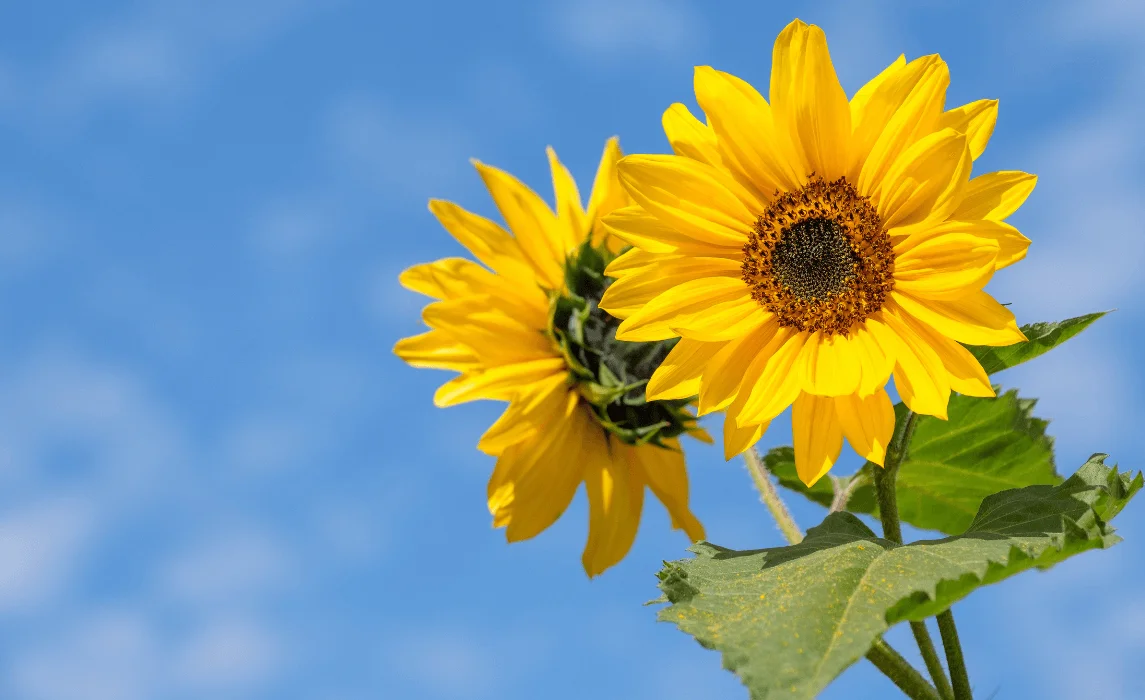
Learn how to plant and care for sunflowers so they thrive and brighten up your garden with tall, radiant blooms.
Frequently Asked Questions:
1. How long does it take for daisies to bloom?
Plants grown from seed may take several weeks to produce their first flower buds. Most daisy plants will start to bloom in early summer, and with deadheading, they can produce a third blooming later in the season. Shasta daisies and oxeye daisies are especially reliable bloomers that can flower continuously throughout the season if given care tips such as fertilizing and proper watering.
2. Can daisies be grown in pots?
Yes! Potted plants are ideal if you have limited garden space. Make sure the pot has drainage holes and use well-draining garden soil. Daisies are also happy in containers if they get enough hours of full sun. Remember to monitor moisture: avoid too much moisture at the bottom of the pot.
3. What are the best companion plants for daisies?
Daisies pair well with bee balm, echinacea, and zinnias. These companion plants share similar sunlight and watering needs, helping your garden flourish throughout the season. They can also create a beautiful mix of single or double flowers alongside bright white petals of daisies.
Related posts
Here are some articles you might be interested in.


.webp)