Indoor Money Plant Varieties: Best Types of Money Plants, Money Trees, and Pothos for Your Home
Published on
April 23, 2025
Author
Anjali Sharma
Anjali was born and raised in Indi and is now residing in New Jersey with her husband. Anjali's passion lies in raising her own vegetables and herbs, which she wants to share with others.
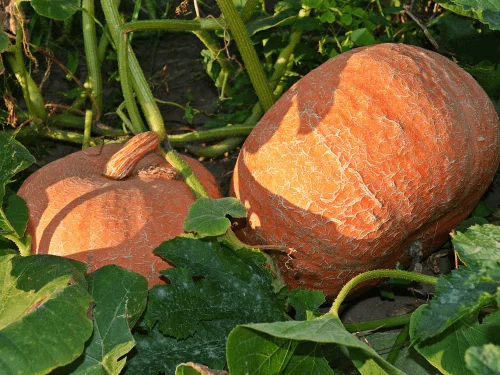
How to Grow Pumpkins Q&A
Can I grow pumpkins in a small home garden?
Yes. Choose bush or miniature varieties, grow vines on a trellis, or use raised beds. Plan on one or two plants per hill and prune vines when space is tight.
When should I plant pumpkins for Halloween?
Plant seeds in late May or early June in most climates. Count back from your first frost date and allow for 90 to 120 days of growth.
Why does my pumpkin plant have flowers but no fruit?
Male flowers appear first, so early flowers will not set fruit. If female flowers open but fail to fruit, you probably have too few bees. Pollinate by hand in the morning.
What causes pumpkin leaves to turn white?
This is usually powdery mildew. Improve airflow, water at the base, remove infected leaves, and apply a fungicide or neem oil.
Can I eat the pumpkin I grew for carving?
Yes, though carving types are stringy and bland. Pie pumpkins are sweeter, but the seeds from any pumpkin can be roasted.
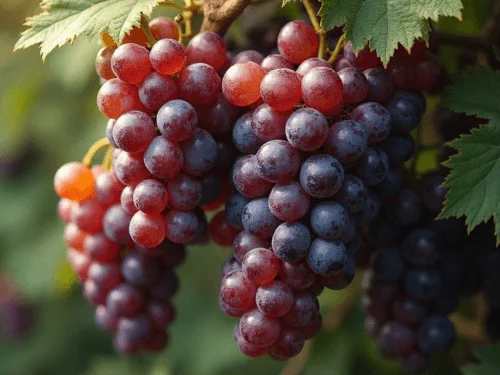
Growing Grapevines Q&A
How long does it take for a grape plant to produce fruit?
Most young vines need two to three years after planting before they set a full crop, though a few clusters may appear in year two. Patience pays off — established vines can keep producing for 40 years or more.
Do I need more than one vine to grow grapes?
No. Since most grape varieties are self-fertile, one plant is enough to produce fruit on its own. Planting a second variety nearby is optional and mainly helps with cross-pollination in a few less common types.
Can grape vines grow in containers?
Yes, though grape vines grow best planted directly in the ground, where the root system has room to spread. A large container works for a year or two, but expect to transplant once the vine outgrows the pot.
Why aren't my grapes ripening?
Grapes ripen slowly compared to many fruits, and cool weather, too much shade, or overcrowded canes can all delay the process. Give the vine full sun, thin the clusters, and be patient through the growing season.
What's the difference between table grapes and wine grapes?
Table grapes are bred for fresh eating, with thinner skins and fewer seeds, while wine grapes tend to have thicker skins, more seeds, and higher sugar content suited to fermentation.
Are grape vines toxic to pets?
Grapes and grape leaves are not toxic to people, but grapes and raisins are toxic to dogs and can cause kidney damage, so keep fallen fruit cleaned up if pets have access to the vineyard.
Bee Garden Q&A
What flowers attract the most bees to a garden?
Bees are generally drawn to flowers that are blue, purple, yellow, or white, and that offer easy access to nectar and pollen. Lavender, bee balm, sunflower, and coneflower are some of the most reliable plants that attract bees to a home garden.
Do I need to avoid pesticides in a bee-friendly garden?
Yes, whenever possible. Insecticide and pesticide products can harm adult bees and their larva, even in small amounts. Choosing natural pest control methods helps keep your garden safe for visiting bees.
Can a small home garden still support pollinators?
Absolutely. Even a few containers of zinnias, salvia, or crocus on a balcony can offer pollen and nectar for local bees. Bees will travel between small garden spaces, so every bit of habitat helps.
Do bees need more than just flowers?
Yes. Bees also need nesting sites and water. Ground-nesting bees need patches of bare soil, while a shallow bee bath gives bees a safe spot to drink, especially in hot weather.
Will planting a pollinator garden really help save the bees?
It genuinely can. As natural habitat shrinks, home gardens have become an important food source and shelter for bees, including many native bee species. A well-planned bee garden supports pollination for your own flowers and vegetables while helping the wider bee population.
What is the best USDA zone for growing a bee garden?
There is no single best zone. Most of the plants above grow well across USDA zones 4 through 9, and gardeners in colder or warmer zones can simply choose varieties suited to their climate, or grow warm-season bees favorites like sunflower and zinnia as annuals.
This disclosure clearly states that the content creator may earn a commission if readers make a purchase through the provided links. Learn more
If you’re looking to add a touch of greenery to your home while inviting good fortune, indoor money plants are an excellent choice. Known for their low-maintenance care and symbolic association with prosperity, these plants come in a variety of types, from the classic Money Tree (Pachira aquatica) to the ever-popular Pothos (Epipremnum aureum). Whether you want a trailing vine to drape over shelves or a lush, upright plant to brighten up a corner, there’s a money plant variety perfect for your space. In this guide, we’ll explore the best types of money plants, money trees, and pothos, along with tips on how to keep them thriving indoors.
Discover how to grow and maintain this quirky, coin-shaped beauty with tips on lighting, watering, and propagation.
12 Indoor Money Plant Varieties
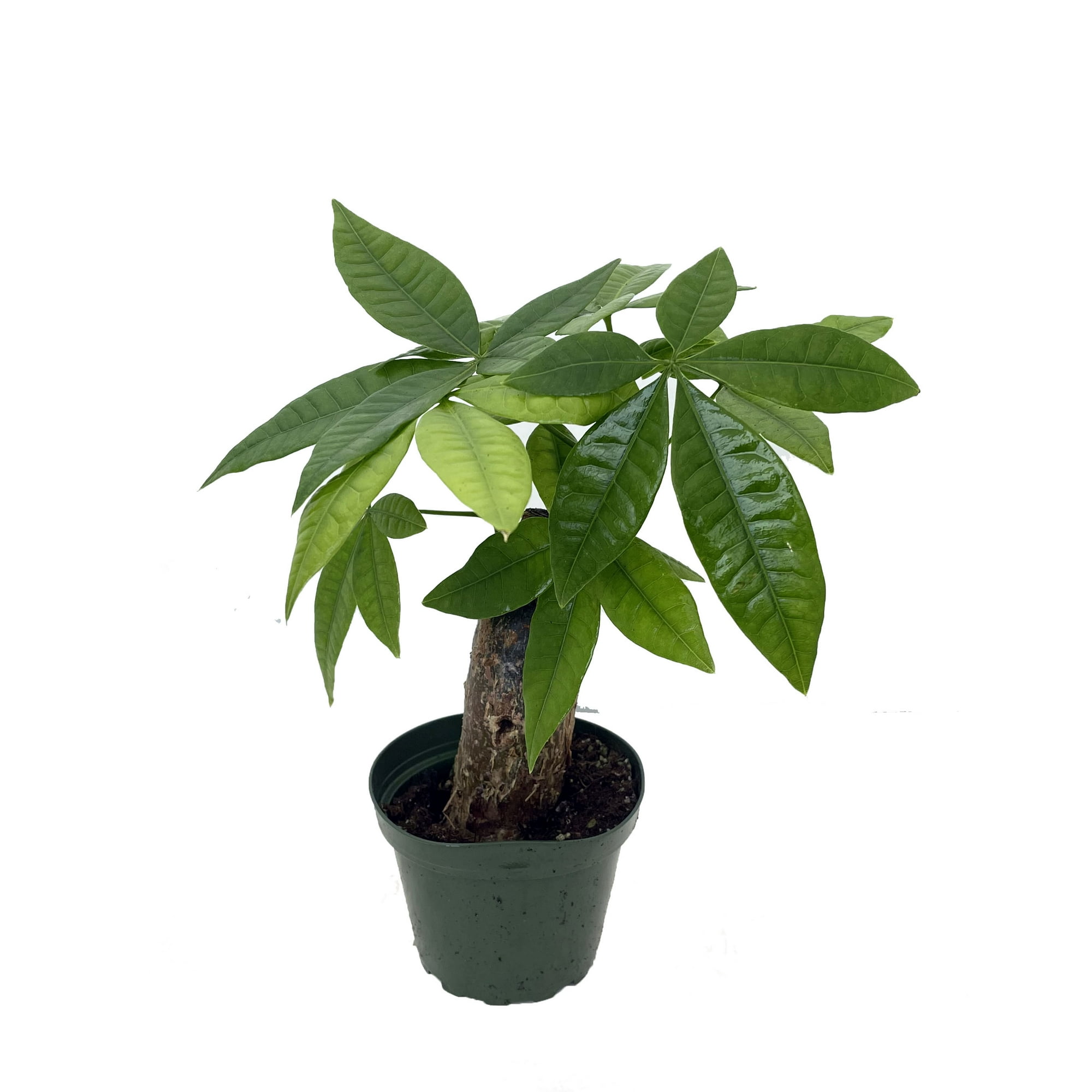
1. Money Tree (Pachira Aquatica)
The Money Tree is one of the most well-known money plants, often seen in homes and offices as a symbol of financial success and prosperity. According to feng shui principles, its braided trunk is believed to trap fortune, ensuring that wealth stays within the household. This plant features glossy, palmate leaves, which fan out into five or more leaflets, resembling an open hand collecting wealth. Indoors, it typically reaches a height of 3–6 feet, although it can grow taller if given ample space. While it may produce yellow or white flowers in its natural habitat, flowering is rare indoors.
This plant thrives in warm, humid environments and prefers bright, indirect light but can tolerate some low light. It requires well-draining soil and should only be watered when the top inch of soil dries out to prevent root rot. The ideal temperature for a money tree is 65–80°F, with moderate to high humidity. Because of its low-maintenance nature, the money tree is perfect for beginner plant parents or those looking to add a statement plant to their indoor space.
Soil: Well-draining soil.
Water: Water when the top inch of soil dries out.
Light: Bright, indirect light; can tolerate low light.
Humidity: Moderate to high.
Fertilizer: Balanced liquid fertilizer every 4–6 weeks during growing season.
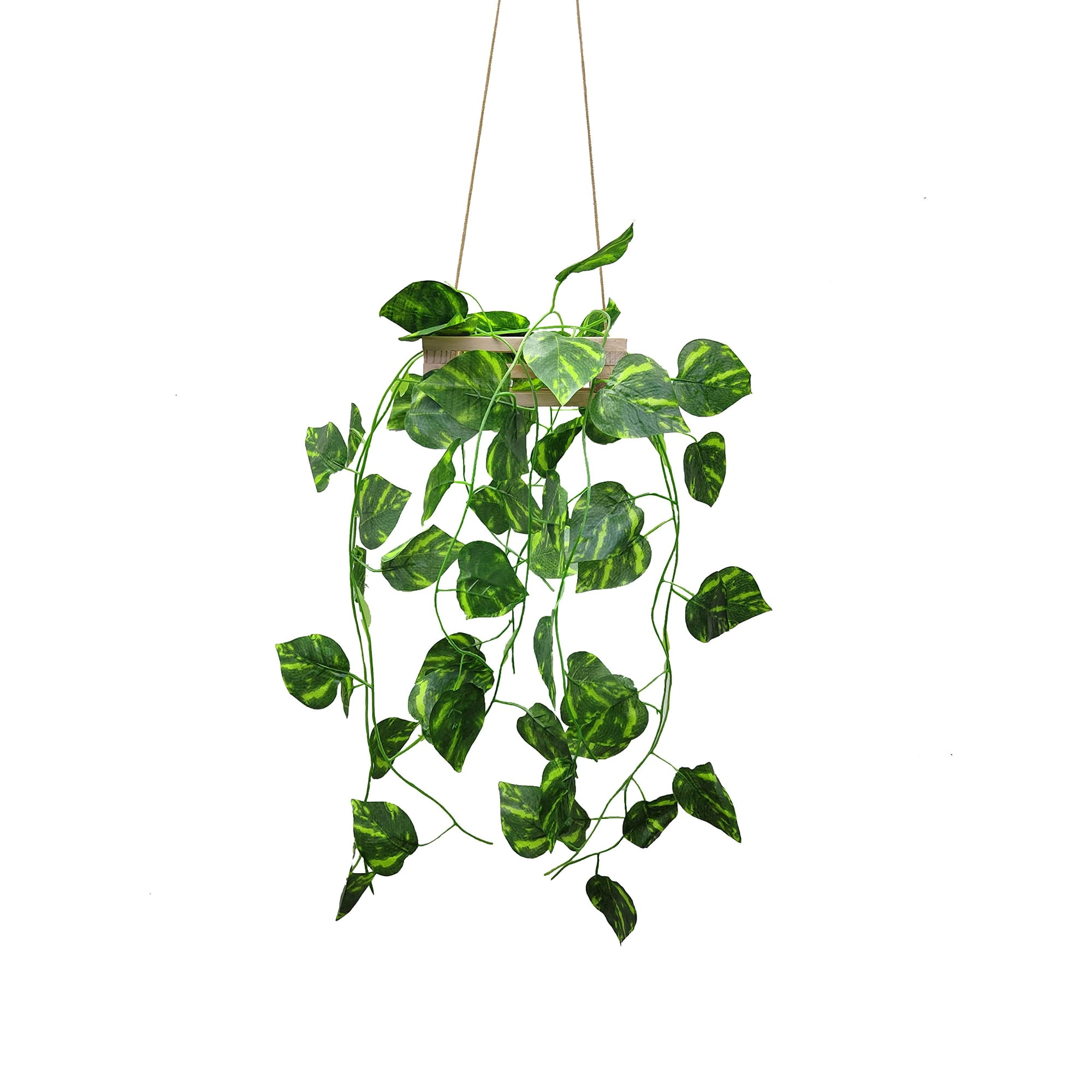
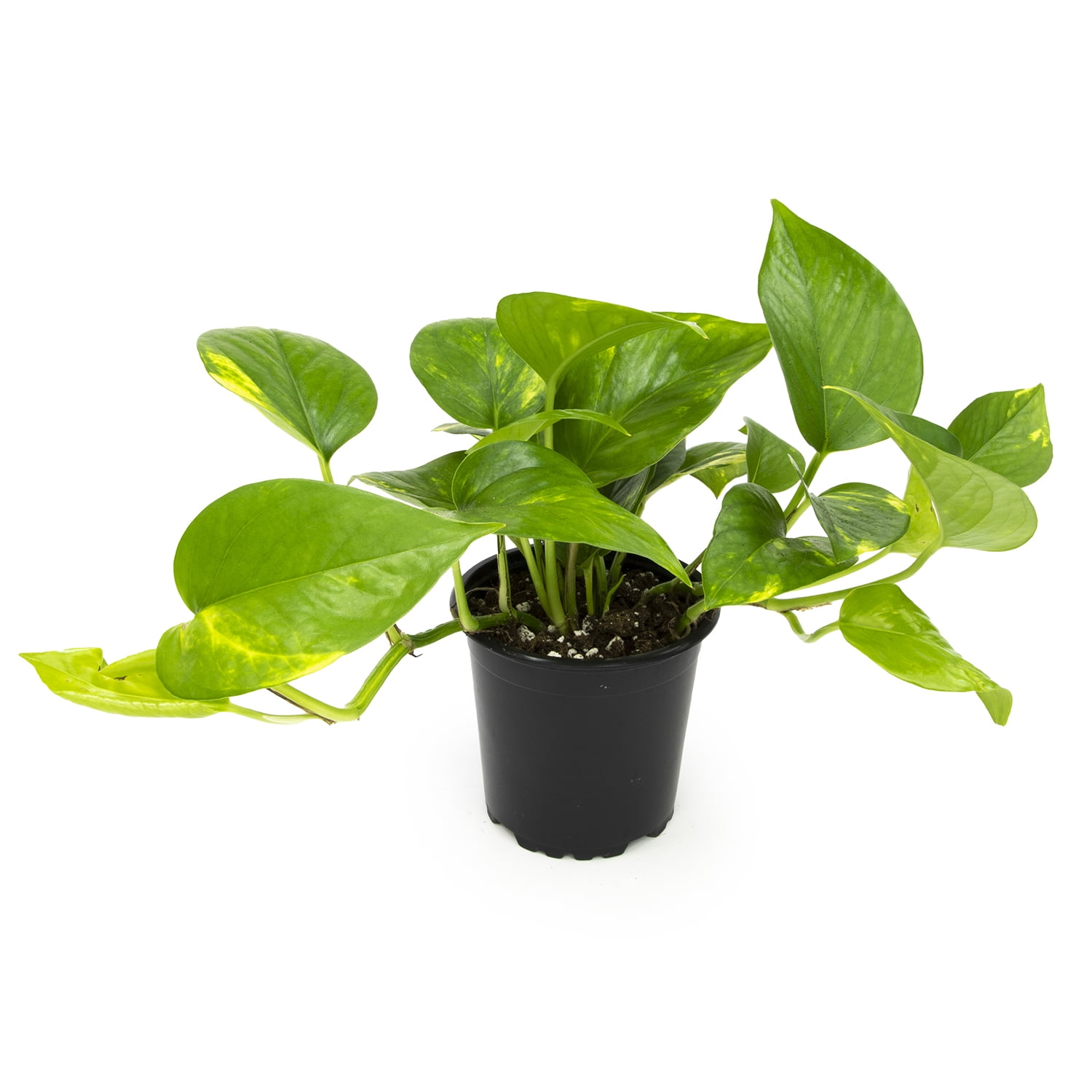
The Golden Pothos, also known as Devil’s Ivy, is one of the easiest houseplants to grow, making it a favorite among new plant enthusiasts. It is believed to attract financial growth due to its resilient nature and rapid growth, symbolizing the steady accumulation of wealth. The plant features long trailing vines adorned with heart-shaped green leaves streaked with yellow, which brighten up any space. Indoors, its vines can reach up to 10 feet or more, making it ideal for hanging baskets or climbing trellises.
Golden Pothos is highly adaptable, thriving in low, moderate, or bright indirect light. It does best in a peat-based, well-draining soil mix and only needs watering when the soil has dried out completely. It prefers temperatures between 60–80°F and does well in moderate humidity. This hardy plant is perfect for beginners or those with a busy lifestyle, as it can survive occasional neglect while still growing vigorously.
Soil: Peat-based, well-draining soil mix.
Water: Water when the soil has dried out completely.
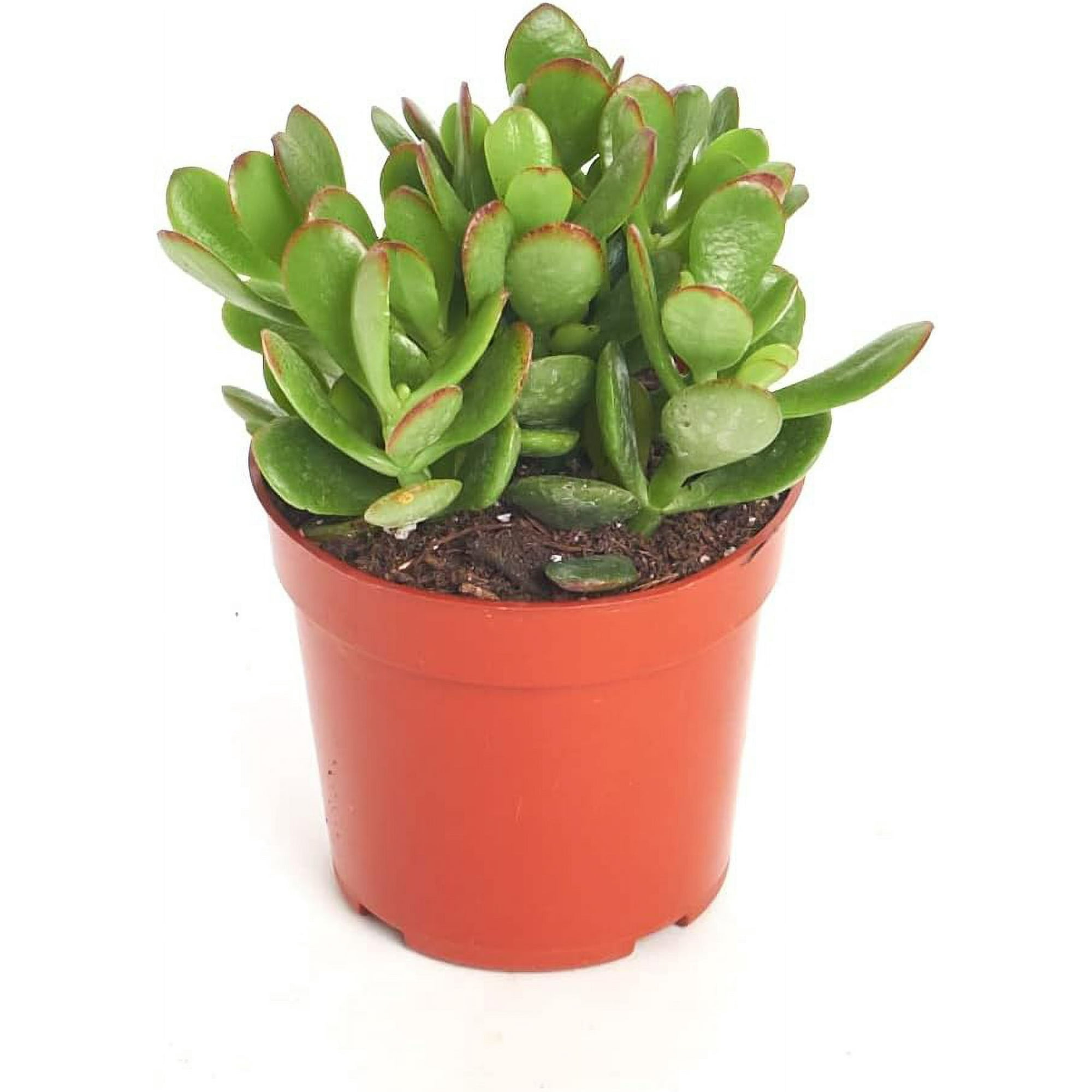
The Jade Plant is a classic symbol of prosperity and is often placed near cash registers or entryways to attract financial success. Its thick, rounded leaves resemble jade coins, reinforcing its reputation as a money magnet. This slow-growing succulent can reach 2–3 feet indoors, and under ideal conditions, it may produce small pink or white star-shaped flowers, adding charm to its compact form.
Unlike other money plants, the Jade Plant thrives in dry environments and requires bright, indirect sunlight or direct morning sun. It should be planted in well-draining, sandy soil and watered only when the soil is completely dry, as overwatering can cause root rot. The ideal temperature range is 65–75°F, with low humidity. Due to its low-maintenance nature, this plant is ideal for those who prefer minimal care succulents or live in drier climates.
Soil: Well-draining, sandy soil.
Water: Water only when the soil is completely dry.
Light: Bright, indirect sunlight or direct morning sun.
Humidity: Low.
Fertilizer: Balanced liquid fertilizer once a month during growing season.
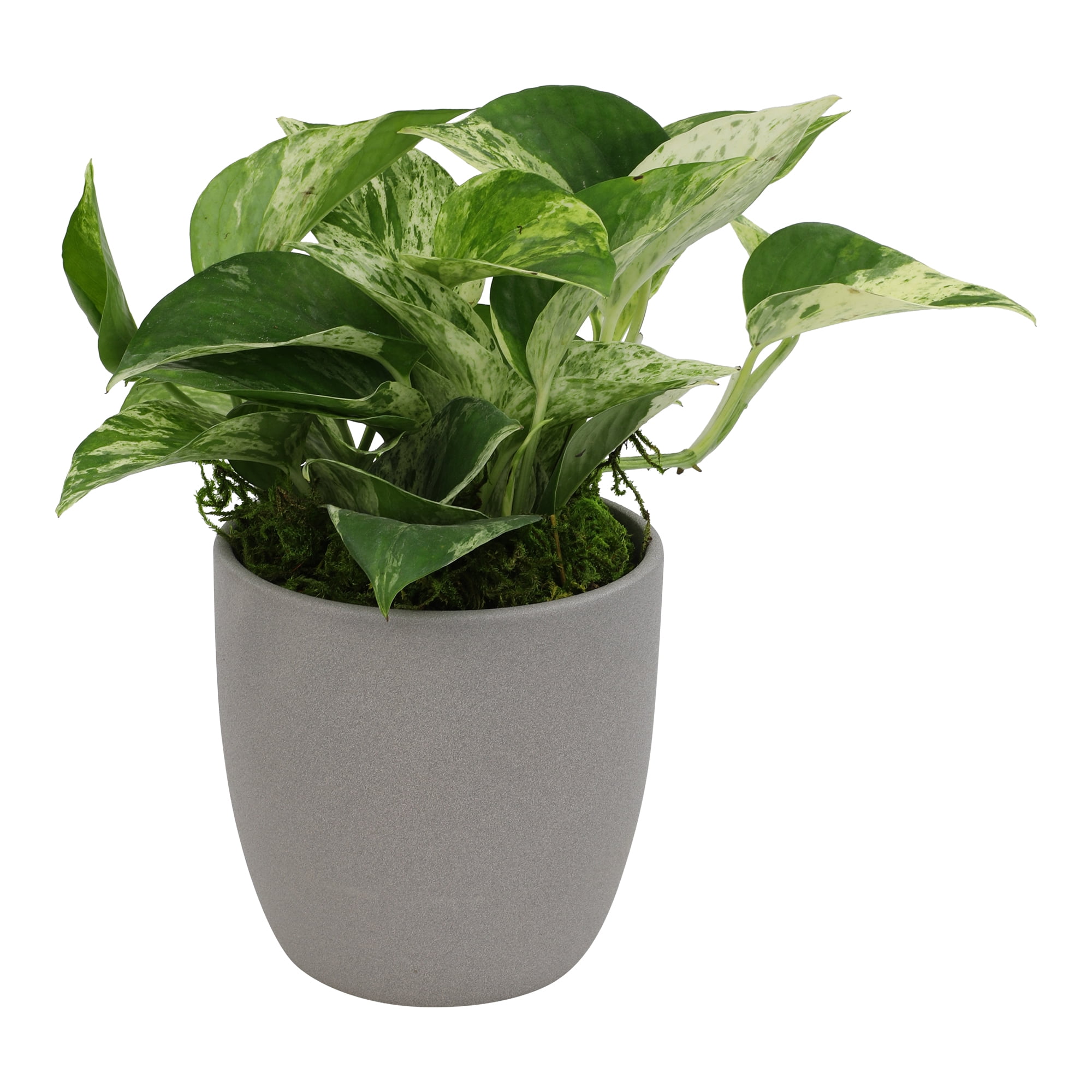
A stunning variation of the Golden Pothos, the Marble Queen Pothos is valued for its exquisite variegation, featuring creamy-white and green marbled leaves that symbolize prosperity and abundance. The striking patterns on its leaves make it a decorative favorite among plant enthusiasts. Like its counterpart, it can grow as a trailing vine, reaching up to 10 feet indoors.
This plant thrives in bright, indirect light, as low light can reduce its variegation, making it appear more green than white. It does best in a peat-rich, well-draining soil mix, and watering should be done when the top inch of soil dries out. The ideal temperature range is 60–80°F, with moderate humidity. Since it requires a bit more attention than the Golden Pothos, the Marble Queen Pothos is best suited for intermediate plant parents who appreciate a decorative yet manageable houseplant.
The Neon Pothos stands out due to its vibrant lime-green foliage, which is believed to attract financial energy by adding a bright, lively presence to any space. This fast-growing vine has heart-shaped leaves that almost glow in the light, making it a striking choice for indoor plant collections. Its vines can extend up to 6–8 feet indoors, making it a great plant for shelves, hanging planters, or tabletop displays.
This plant is highly adaptable and thrives in low to bright indirect light, but its vivid coloration is best maintained in moderate to bright light. It should be watered when the soil dries out completely and grows best in a well-draining potting mix. The ideal temperature range is 60–75°F, with moderate humidity. Because of its bold color and easy maintenance, the Neon Pothos is an excellent choice for modern homes or office spaces looking for a pop of color.
The Chinese Money Plant, also known as the Pancake Plant, is treasured for its round, coin-shaped leaves, which have long been associated with wealth and fortune. The plant itself remains compact, reaching about 12 inches tall, making it a perfect choice for small apartments, desks, or shelves.
This plant thrives in bright, indirect sunlight and prefers a well-draining, slightly moist soil mix. It should be watered when the top inch of soil dries out, as it is susceptible to root rot if overwatered. The ideal temperature range is 60–75°F, with moderate humidity. Its compact size and unique appearance make it an ideal plant for minimalist spaces and those looking for a small yet meaningful money plant.
Soil: Well-draining, slightly moist soil mix.
Water: Water when the top inch of soil dries out.
Light: Bright, indirect sunlight.
Humidity: Moderate.
Fertilizer: Balanced liquid fertilizer every 4–6 weeks during growing season.
Lucky Bamboo is a popular feng shui plant known for its elegant, tall stalks that can be trained into spirals, braids, or grouped formations. The number of stalks carries different meanings, with three representing happiness, five for health, and eight for wealth and abundance.
Learn the essential care tips to keep your lucky bamboo healthy and thriving—whether in water or soil.
Unlike most money plants, Lucky Bamboo can be grown either in water or soil, making it highly versatile. If grown in water, the roots should be fully submerged, and the water should be changed every two weeks to keep it fresh. It prefers indirect light and thrives in temperatures between 65–80°F, with moderate humidity. Because of its symbolism and adaptability, Lucky Bamboo is an excellent choice for office desks, business spaces, and small indoor corners.
Soil: Can be grown in water or soil.
Water: If grown in water, change every two weeks.
Light: Indirect light.
Humidity: Moderate.
Fertilizer: Mild liquid fertilizer every 2–3 months.
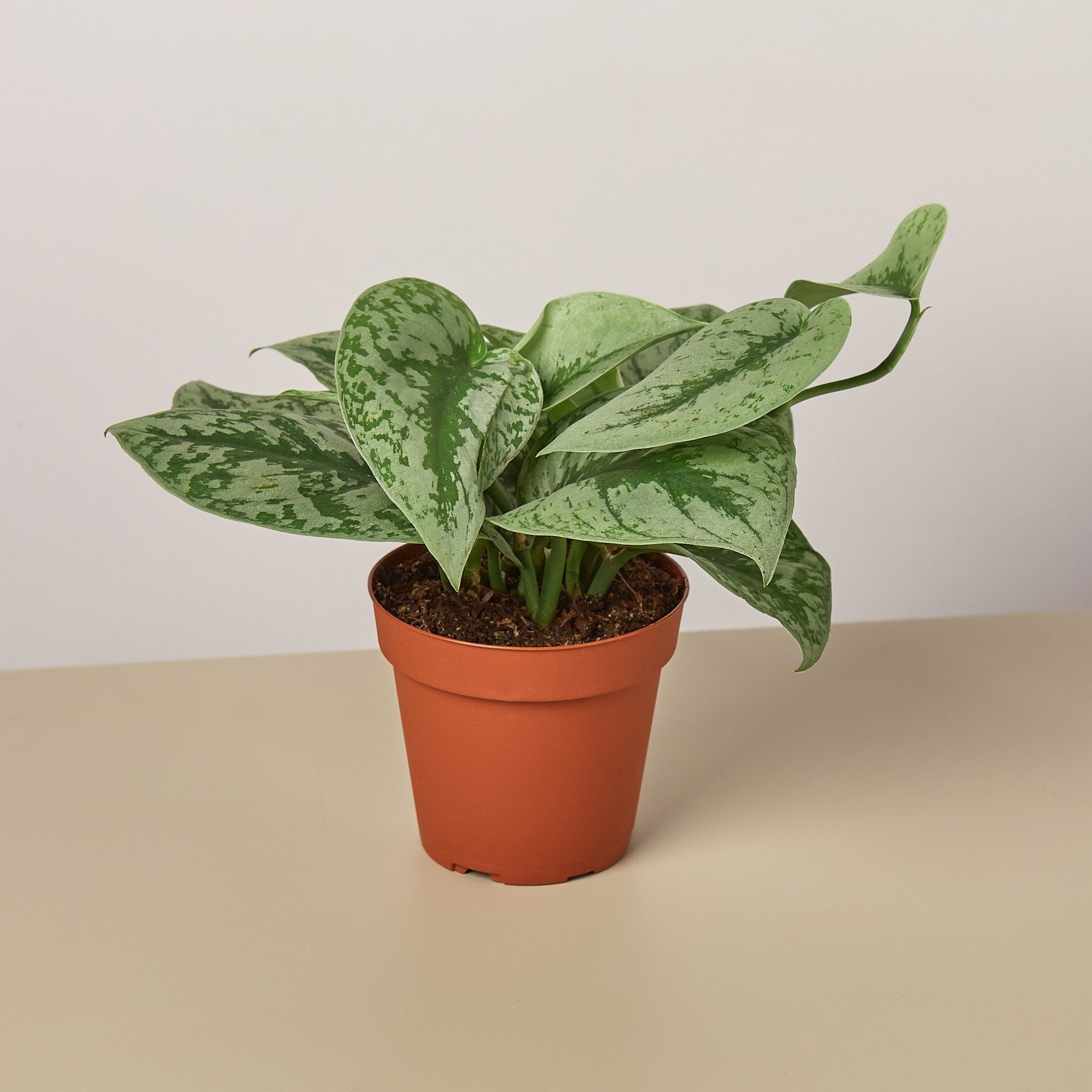
The Silver Satin Pothos is a unique variety of pothos known for its velvety green leaves speckled with silvery markings. These shimmering patterns are believed to attract wealth and prosperity by symbolizing silver coins. The plant’s cascading vines can grow up to 6–10 feet indoors, making it ideal for hanging baskets or climbing supports.
This pothos variety thrives in medium to bright indirect light, though it can tolerate lower light levels. It prefers a well-draining soil mix and should be watered when the top inch of soil dries out. It enjoys temperatures between 65–80°F and moderate humidity. Its elegant foliage and resilience make it perfect for those who want a decorative yet low-maintenance houseplant.
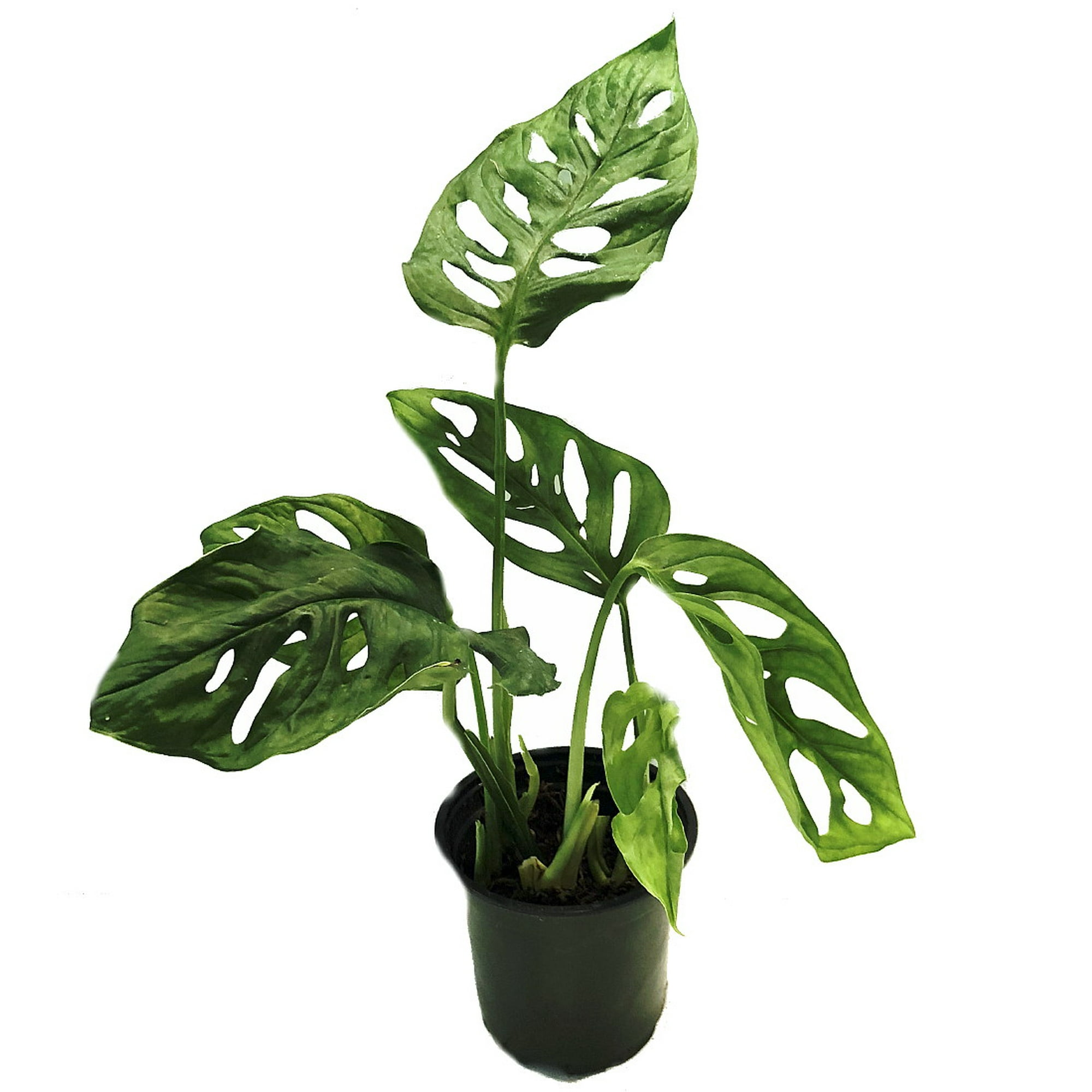
Although not traditionally classified as a money plant, the Swiss Cheese Plant is often included in feng shui plant selections due to its symbolism of growth and expansion, which represents increasing wealth. Its distinctive perforated leaves resemble a net catching prosperity, while its fast-growing vines create an impression of abundant fortune. Indoors, it can climb up to 10 feet if supported with a moss pole.
This plant thrives in bright, indirect light but can tolerate low light. It requires moist, well-draining soil and should be watered when the top layer dries out. It enjoys temperatures between 65–85°F and higher humidity levels. The Swiss Cheese Plant is best for plant lovers who enjoy climbing tropical plants and want to make a bold statement in their home decor.
Soil: Moist, well-draining soil.
Water: Water when the top layer dries out.
Light: Bright, indirect light; can tolerate low light.
Humidity: High.
Fertilizer: Balanced liquid fertilizer every 4–6 weeks during growing season.
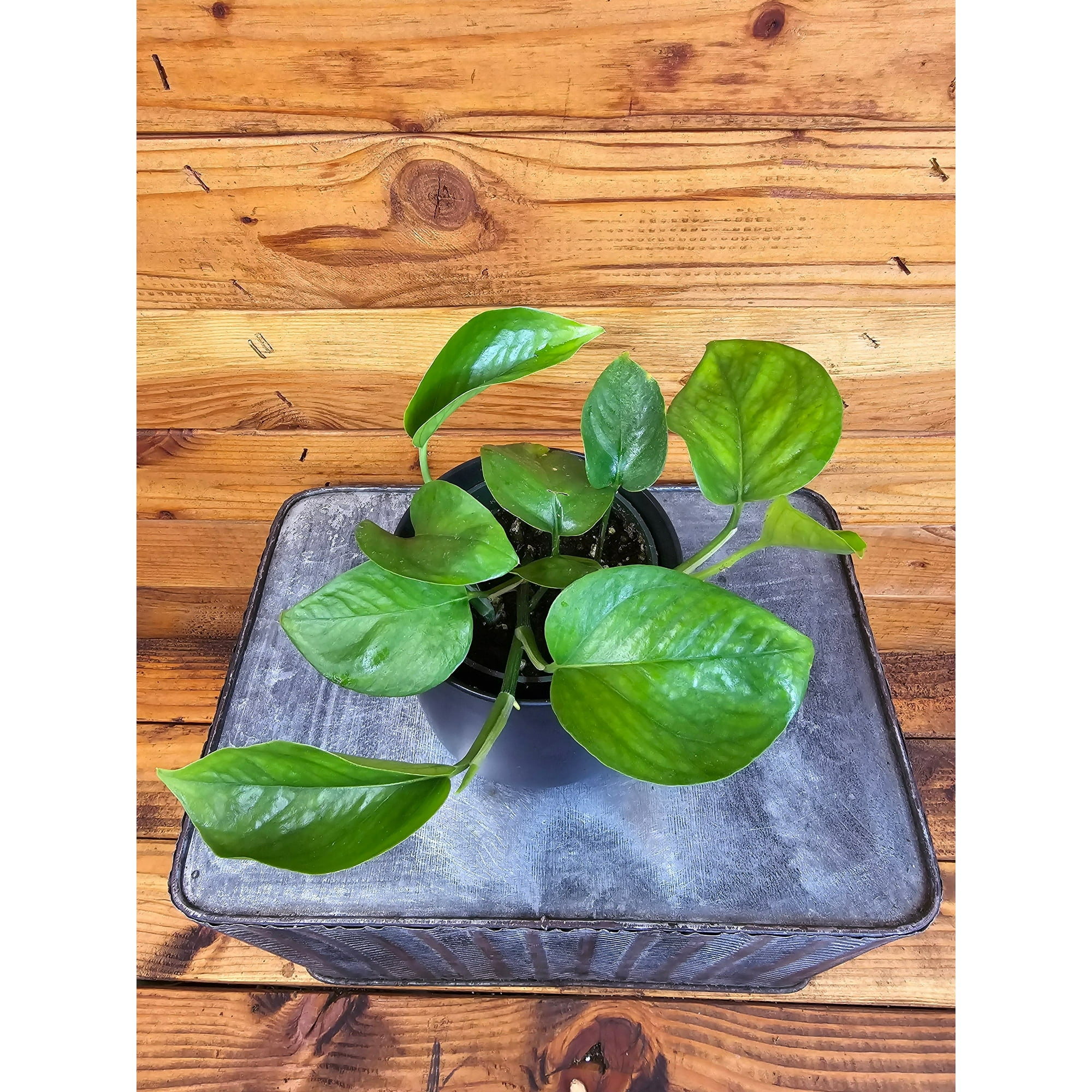
A darker green variation of the traditional Golden Pothos, the Jade Pothos is believed to bring stability and financial security. Its deep green, heart-shaped leaves are associated with growth and abundance, much like the Jade Plant. This variety grows fast and strong, with trailing vines reaching up to 8–10 feet indoors.
Jade Pothos thrives in low to bright indirect light, making it highly adaptable. It requires a well-draining potting mix and should be watered when the topsoil dries out. It prefers temperatures between 60–80°F and moderate humidity. Because of its hardy nature and ability to thrive in various conditions, Jade Pothos is perfect for beginners or those looking for an effortless way to add greenery to their home.
This fast-growing vine is commonly referred to as a money plant in many Asian cultures. It is believed to bring financial success by spreading its vines like a network of wealth and opportunity. The plant’s elongated green leaves with deep lobes create a distinctive tropical appearance. Given the right conditions, it can grow up to 15 feet indoors.
Money Plant Creeper thrives in bright, indirect sunlight but can tolerate some shade. It requires well-draining soil and should be watered when the top 1–2 inches of soil feel dry. It prefers temperatures between 65–85°F and moderate to high humidity. Due to its vigorous growth, this plant is best for plant parents who love trailing or climbing greenery that creates a lush, jungle-like atmosphere indoors.
Soil: Well-draining soil.
Water: Water when the top 1–2 inches of soil feel dry.
Light: Bright, indirect sunlight; can tolerate some shade.
Humidity: Moderate to high.
Fertilizer: Balanced liquid fertilizer every 4–6 weeks during growing season.
The ZZ Plant is often considered a modern feng shui plant that represents financial stability and steady income growth. Its thick, waxy, dark green leaves resemble polished gemstones, which symbolize lasting wealth. This ultra-low-maintenance plant grows up to 3 feet tall indoors, making it a compact but powerful addition to any space.
ZZ Plants thrive in low to bright indirect light and require minimal watering, as their rhizomes store water efficiently. They prefer a well-draining soil mix and should be watered only when the soil is completely dry. The ideal temperature range is 65–80°F, with low to moderate humidity. This plant is perfect for busy professionals, frequent travelers, or anyone who wants a money plant that practically takes care of itself.
Soil: Well-draining soil mix.
Water: Water only when the soil is completely dry.
Light: Low to bright indirect light.
Humidity: Low to moderate.
Fertilizer: Balanced liquid fertilizer every 2–3 months.
The Golden Pothos and ZZ Plant are the easiest money plants to care for. They are highly adaptable and can survive low light and irregular watering, making them perfect for beginners.
2. Where should I place my money plant for the best feng shui?
According to feng shui principles, money plants should be placed in the southeast corner of your home or office, as this area is associated with wealth and prosperity.
3. Can money plants improve indoor air quality?
Yes! Many money plants, including Pothos, Money Tree, and Lucky Bamboo, are known for their air-purifying abilities, removing toxins like formaldehyde and benzene from the air.
4. Do money plants require direct sunlight?
No, most money plants prefer bright, indirect light. Some varieties, like Jade Plant and Money Tree, can tolerate a few hours of direct sunlight, but too much exposure may scorch their leaves.
5. How often should I water my money plant?
Watering depends on the variety, but a good rule of thumb is to water when the top inch of soil is dry. Overwatering is the biggest cause of plant stress, so always check soil moisture before watering.
Related posts
Here are some articles you might be interested in.


.webp)