Onion Companion Planting: The 10 Best Onion Companion Plants
Published on
February 23, 2026
Author
Anjali Sharma
Anjali was born and raised in Indi and is now residing in New Jersey with her husband. Anjali's passion lies in raising her own vegetables and herbs, which she wants to share with others.
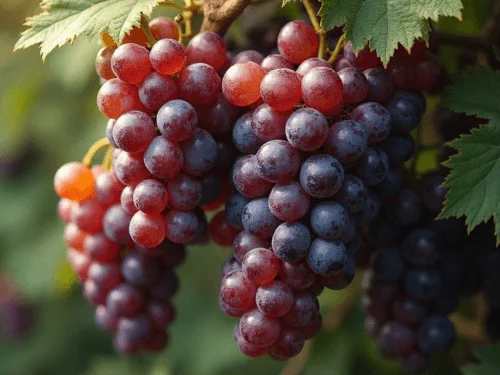
Growing Grapevines Q&A
How long does it take for a grape plant to produce fruit?
Most young vines need two to three years after planting before they set a full crop, though a few clusters may appear in year two. Patience pays off — established vines can keep producing for 40 years or more.
Do I need more than one vine to grow grapes?
No. Since most grape varieties are self-fertile, one plant is enough to produce fruit on its own. Planting a second variety nearby is optional and mainly helps with cross-pollination in a few less common types.
Can grape vines grow in containers?
Yes, though grape vines grow best planted directly in the ground, where the root system has room to spread. A large container works for a year or two, but expect to transplant once the vine outgrows the pot.
Why aren't my grapes ripening?
Grapes ripen slowly compared to many fruits, and cool weather, too much shade, or overcrowded canes can all delay the process. Give the vine full sun, thin the clusters, and be patient through the growing season.
What's the difference between table grapes and wine grapes?
Table grapes are bred for fresh eating, with thinner skins and fewer seeds, while wine grapes tend to have thicker skins, more seeds, and higher sugar content suited to fermentation.
Are grape vines toxic to pets?
Grapes and grape leaves are not toxic to people, but grapes and raisins are toxic to dogs and can cause kidney damage, so keep fallen fruit cleaned up if pets have access to the vineyard.
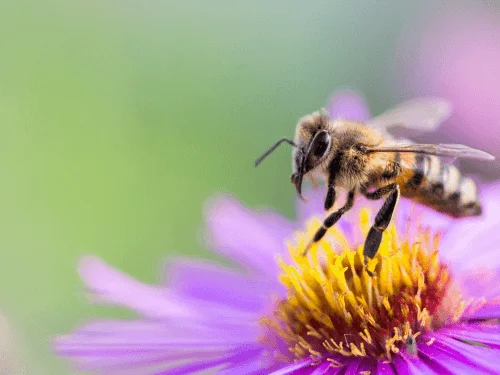
Bee Garden Q&A
What flowers attract the most bees to a garden?
Bees are generally drawn to flowers that are blue, purple, yellow, or white, and that offer easy access to nectar and pollen. Lavender, bee balm, sunflower, and coneflower are some of the most reliable plants that attract bees to a home garden.
Do I need to avoid pesticides in a bee-friendly garden?
Yes, whenever possible. Insecticide and pesticide products can harm adult bees and their larva, even in small amounts. Choosing natural pest control methods helps keep your garden safe for visiting bees.
Can a small home garden still support pollinators?
Absolutely. Even a few containers of zinnias, salvia, or crocus on a balcony can offer pollen and nectar for local bees. Bees will travel between small garden spaces, so every bit of habitat helps.
Do bees need more than just flowers?
Yes. Bees also need nesting sites and water. Ground-nesting bees need patches of bare soil, while a shallow bee bath gives bees a safe spot to drink, especially in hot weather.
Will planting a pollinator garden really help save the bees?
It genuinely can. As natural habitat shrinks, home gardens have become an important food source and shelter for bees, including many native bee species. A well-planned bee garden supports pollination for your own flowers and vegetables while helping the wider bee population.
What is the best USDA zone for growing a bee garden?
There is no single best zone. Most of the plants above grow well across USDA zones 4 through 9, and gardeners in colder or warmer zones can simply choose varieties suited to their climate, or grow warm-season bees favorites like sunflower and zinnia as annuals.
Hypoallergenic Plants Q&A
Do houseplants cause allergies?
Yes, certain indoor plants can trigger a plant allergy through loose pollen, scented flowers, sap, dust, or damp soil. Allergies and houseplants are highly individual: one person may sneeze near peace lilies while another has no response. Overwatering lets mold produce a spore that may become airborne. If symptoms begin after adding plants in your home, isolate each pot, clean the area, and discuss persistent allergy symptoms with a qualified clinician.
Which plants to avoid?
Plants to avoid include strongly fragrant flowers, visibly dusty specimens, and wind-pollinated garden plants brought inside while shedding. Male palms can release pollen if they flower, and wet potting mix can make allergies worse. The best and worst choices depend on the person, so remove any plant that appears to cause pollen allergy symptoms or contact irritation.
Can indoor plants purify air?
Claims about indoor plants that purify come largely from controlled chambers. Although some air-purifying plants can take up chemicals, ordinary air purifying plants are not fast enough to replace ventilation or air cleaners in a real room. Plants can improve air quality mainly by supporting comfort and encouraging care for the space; they should not be presented as houseplants for clean air that reliably remove formaldehyde. To improve indoor air quality, control sources, ventilate safely, and use proven filtration.
How does the ogren scale work?
The Ogren Plant Allergy Scale system, also called OPALS, rates a plant's potential allergenicity from 1 to 10. It considers pollen, fragrance, and contact reactions, but the likelihood a plant will cause a reaction still depends on the individual and exposure. A high score does not prove a particular plant will cause pollen allergy, and a low score is not a medical guarantee.
Can plants help you breathe?
Allergy-friendly plants may make an indoor space calmer, but they do not treat disease or guarantee allergy relief. For people with allergies, clean leaves, dry saucers, fresh potting mix, and steady air circulation matter more than labels such as hypoallergenic plants. These indoor plants that are allergy-safe can help you breathe easier only by limiting likely triggers; they cannot help you breathe during an asthma attack.
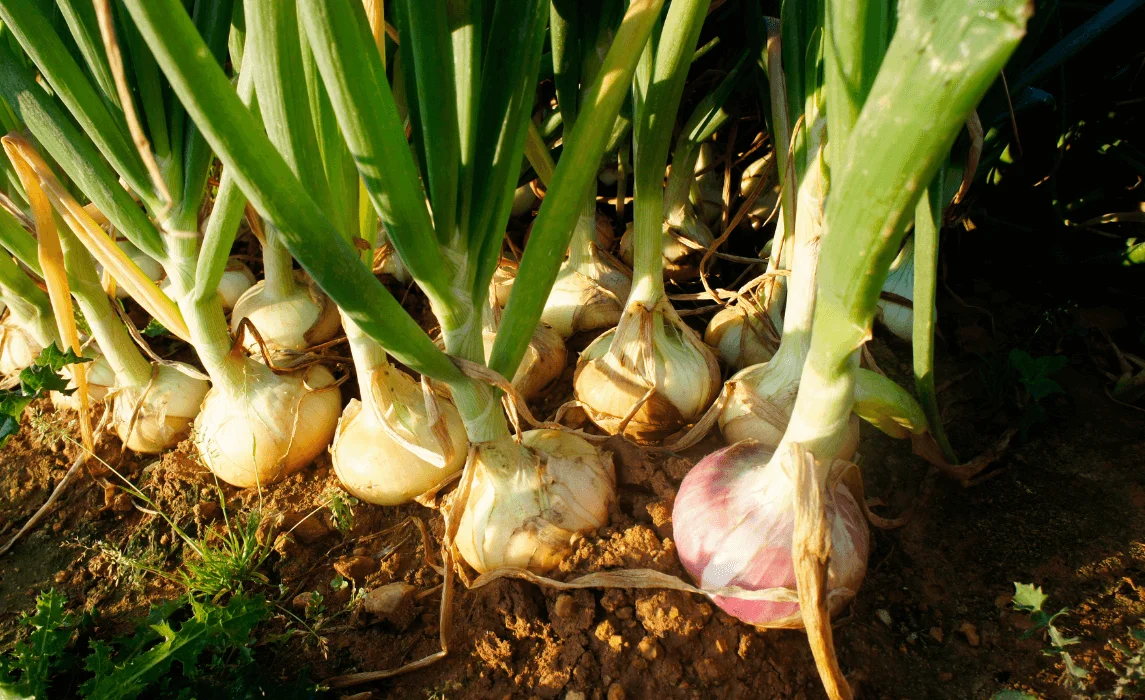
Companion planting is the practice of growing different plants together to enhance their growth, deter pests, and maximize space. For the avid gardener, understanding the benefits of companion planting is crucial for a thriving vegetable garden. When you plant onions, you aren't just cultivating a kitchen staple; you are introducing a powerful ally to your garden beds. Onions and their relatives (the Allium family) are renowned for their strong scent, which can confuse pests and protect vulnerable neighbors. However, to truly unlock the potential of your soil, you must select the best onion companion plants strategically. This guide will explore the great companion plants that thrive near onions, helping you build a symbiotic ecosystem where plants grow well together and pests like aphids and carrot rust fly are kept at bay.
10 Onion Plant Companion
1. Carrots (Daucus carota)
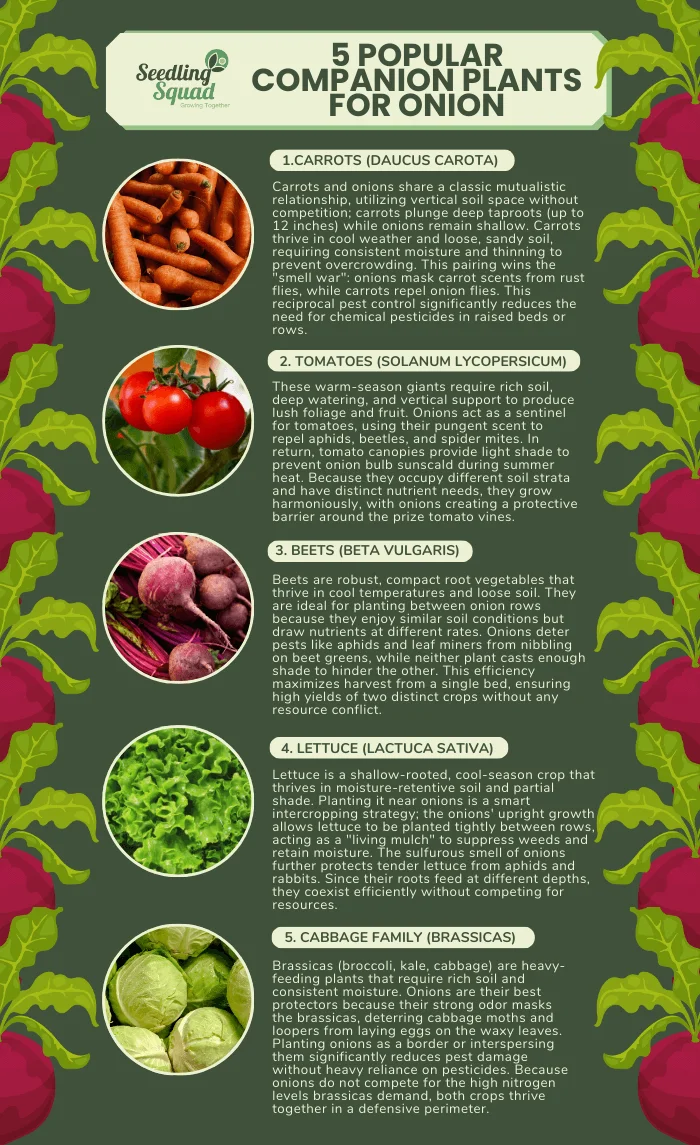
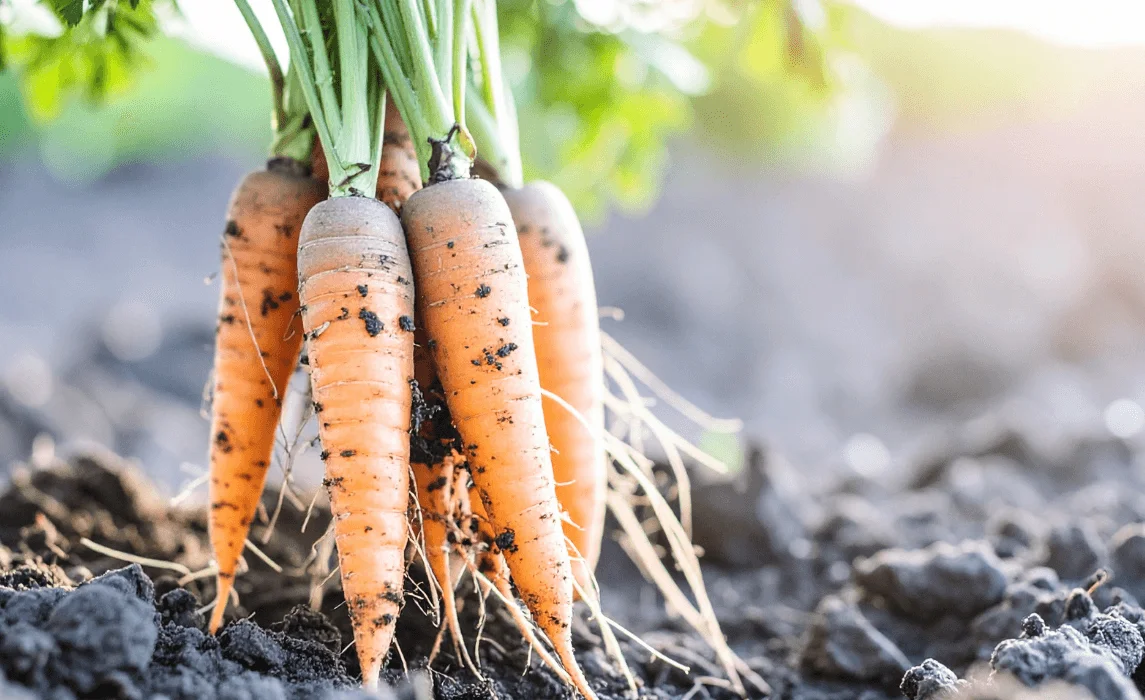
Carrots are arguably the most classic companion plant for onions, creating a mutualistic relationship that every gardener should utilize. These root vegetables are known for their feathery green foliage and vibrant orange (or sometimes purple, white, or yellow) taproots. Carrots typically grow to a height of 12 inches, with their edible roots plunging deep into the soil, while onions have a shallower bulb system, meaning they do not compete for space underground. Carrots thrive in cool weather and loose, sandy soil where their roots can expand without obstruction. To care for them, keep the soil consistently moist to encourage germination and thin seedlings early to prevent overcrowding. They prefer full sun but can tolerate some light shading. The reason they are such a good companion lies in the "smell" war against pests. Onions deter the carrot rust fly by masking the scent of the carrots, while carrots help keep onion flies away from the onion plants. This reciprocal pest control makes them one of the best onion companion plants to utilize in a raised bed or traditional row. By planting these together, you effectively utilize vertical soil space and significantly reduce the need for chemical pesticides, as the onions repel the specific predators that decimate carrot crops.
Soil: Loose, sandy, well-draining
Water: Moderate, keep soil moist
Light: Full sun to partial shade
Humidity: Moderate
Fertilizer: Low nitrogen, high potassium/phosphate
Temperature: 60°F - 70°F (15°C - 21°C)
USDA Zone: 3-10
2. Tomatoes (Solanum lycopersicum)
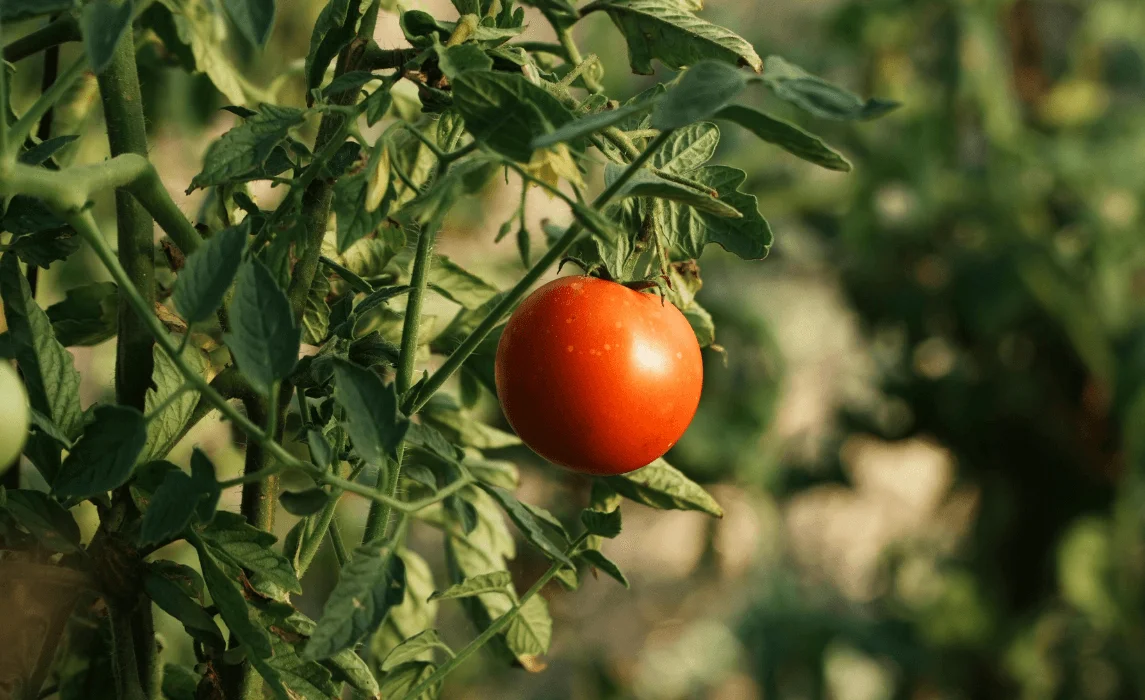
Tomatoes are a staple in almost every vegetable garden, and surprisingly, they are a great companion for onions. These warm-season giants produce lush, green foliage and vibrant red, yellow, or purple fruits that can range from tiny cherry varieties to massive beefsteaks. Tomato plants often require a trellis or stake for support as they grow vertically. They thrive in rich, fertile soil and heat, demanding plenty of water and nutrients to sustain their rapid growth. When caring for tomato plants, ensure they receive deep watering to establish strong root systems and prune suckers to improve air circulation. The partnership between onions and tomatoes is legendary in garden folklore. The pungent scent of onions repels aphids, beetles, and spider mites that frequently attack tomatoes. Conversely, tomato plants can provide light shade to onions in the heat of summer, preventing the bulbs from sunscald if the canopy isn't too dense. While they have different nutrient needs, they grow well together because they occupy different soil strata. Onions act as a sentinel, creating a barrier that makes it difficult for pests to locate the prize tomato vines. This planting combination is a cornerstone of organic gardening, proving that plants like tomatoes benefit immensely from the protective aura of Alliums.
Soil: Rich, loamy, slightly acidic
Water: Deep, regular watering (1-2 inches per week)
Light: Full sun (6-8 hours minimum)
Humidity: Moderate (high humidity can invite fungus)
Fertilizer: Balanced, then low nitrogen/high phosphorus
Temperature: 70°F - 85°F (21°C - 29°C)
USDA Zone: 5-10
3. Beets (Beta vulgaris)
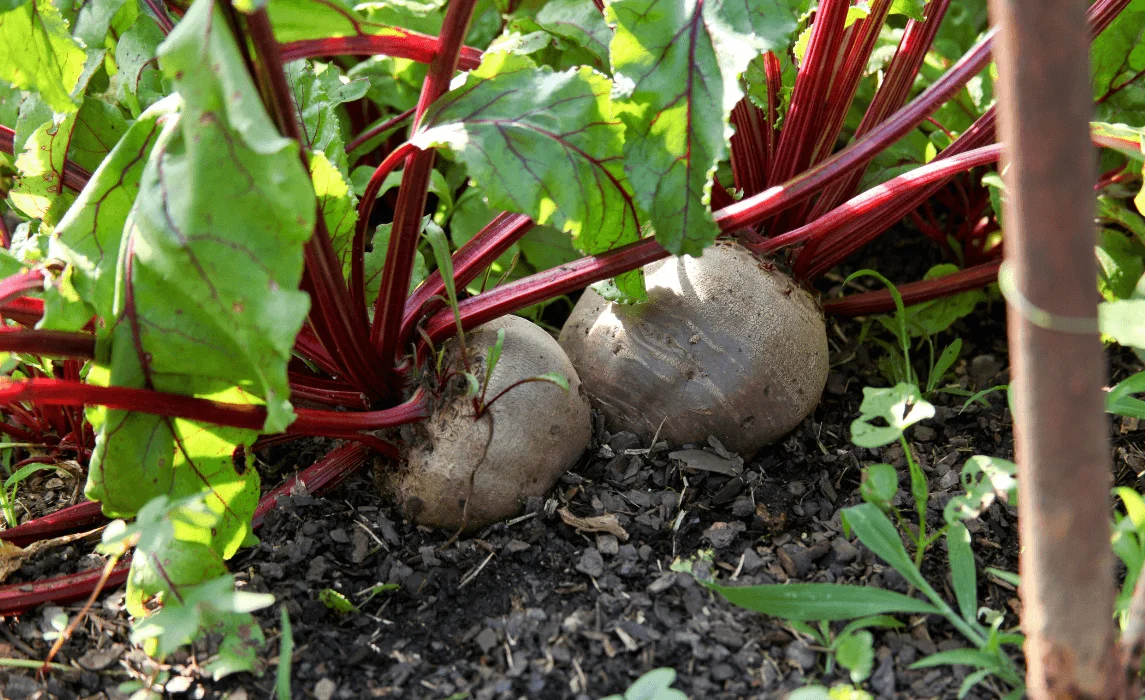
Beets are robust root vegetables that bring a dual harvest of sweet, earthy roots and nutritious leafy greens. Physically, they feature a swollen, bulbous root that is usually deep red—though golden and striped varieties exist—topped with stems of broad, green leaves with red veins. They are compact plants, making them ideal for planting in rows between onions. Beets thrive in cool temperatures and require loose soil to develop proper root shape. Care involves regular watering to prevent the roots from becoming woody and mulching to keep the soil cool and weed-free. As a companion plant, beets are exceptionally compatible with onions. Both species enjoy similar soil conditions but draw nutrients at slightly different rates. Onions help deter pests that might nibble on beet greens, such as aphids and leaf miners. Furthermore, planting beets and onions together maximizes the harvest from a single raised bed, as their growth habits complement each other perfectly. The onion plants do not cast enough shade to hinder the beets, and the beets do not overshadow the onions. This efficiency is a hallmark of onion companion planting, ensuring that you get a high yield of two distinct crops from the same square footage without conflict.
Soil: Fertile, sandy loam, free of stones
Water: Consistent moisture
Light: Full sun to partial shade
Humidity: Moderate
Fertilizer: Balanced fertilizer prior to planting
Temperature: 50°F - 65°F (10°C - 18°C)
USDA Zone: 2-10
4. Lettuce (Lactuca sativa)
Lettuce is a cool-season crop that offers a variety of textures and colors, from crisp green Romaine to soft, ruffled red leaf varieties. It is a low-growing plant with a shallow root system, which makes it physically unobtrusive in the garden. Lettuce thrives in cooler weather and can struggle in high heat, often bolting if temperatures soar. Care for lettuce is relatively simple: keep the soil consistently moist, as it is composed mostly of water, and provide some protection from the harsh afternoon sun. This is where onions step in as a good companion. Planting lettuce near onions is a smart strategy because onions have a small footprint and upright growth, allowing you to interplant lettuce tightly between onion rows. This technique, often called intercropping, acts as a living mulch, suppressing weeds that would otherwise steal nutrients from the onion bulbs. Additionally, the smell of onions repels many common pests that feast on tender lettuce leaves, such as aphids and rabbits. The onions effectively guard the salad greens, while the shallow roots of the lettuce do not compete with the deeper feeding zone of the onions. This makes lettuce one of the most efficient companion plants to grow for maximizing space in a small garden.
Soil: Humus-rich, moisture-retentive, loose
Water: Frequent, light watering
Light: Partial shade to full sun
Humidity: Prefers higher humidity
Fertilizer: Nitrogen-rich
Temperature: 45°F - 75°F (7°C - 24°C)
USDA Zone: 4-9
5. Cabbage Family (Brassicas)
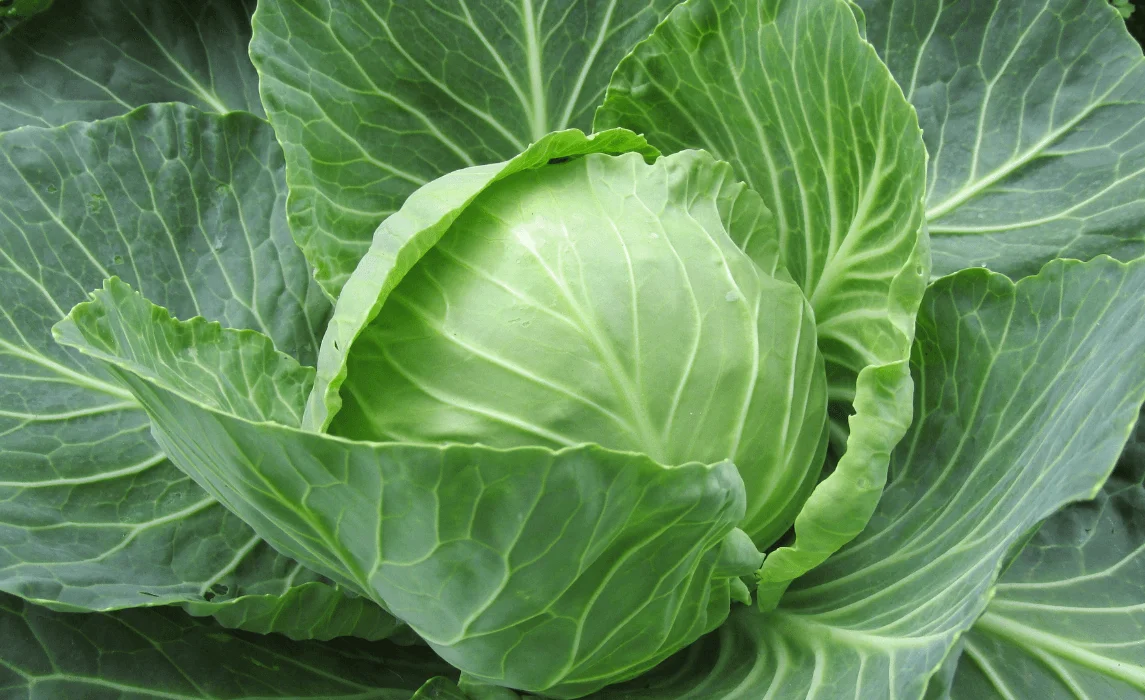
The brassica family, which includes cabbage, broccoli, cauliflower, collards, and kale, consists of heavy-feeding plants known for their broad, waxy leaves and dense heads or florets. These plants can get quite large, often spanning two feet or more in diameter, and they thrive in cool, fertile environments. They require consistent moisture and rich soil to support their substantial vegetative growth. Care involves protecting them from the notorious cabbage worm and keeping the soil cool with mulch. This is where the onion shines as a protector. Onions are arguably the best onion companion plants for the cabbage family because they are excellent at repelling the cabbage moths and cabbage loopers that lay eggs on brassica leaves. The strong sulfurous odor of the onion plants masks the scent of the cabbage, making it harder for these flying pests to locate their host. Planting onions as a border around your brassica patch or interspersing them within the rows can significantly reduce pest damage. Furthermore, onions do not compete for the same nutrients as heavy-feeding brassicas, allowing both to grow well together. By keeping pests like cabbage worms away, onions help your garden produce pristine heads of cabbage and broccoli without heavy reliance on pesticides.
Learn how to grow fresh green onions and other alliums easily right in your garden or containers.
6. Chamomile (Matricaria chamomilla)
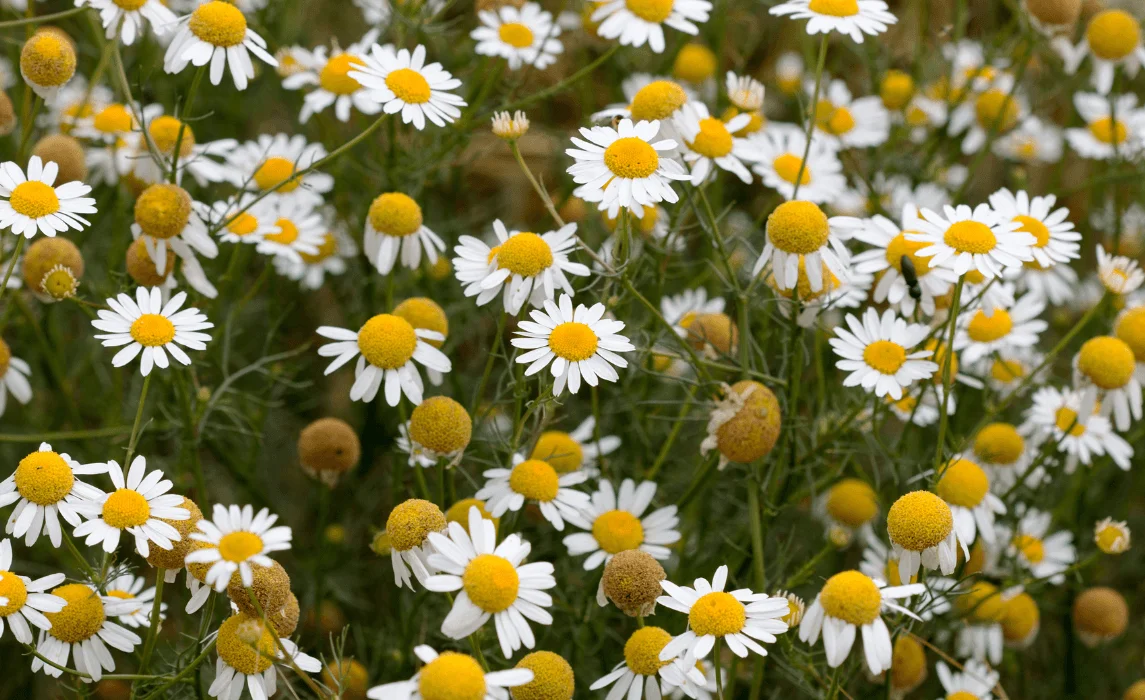
Chamomile is a delightful herb known for its daisy-like flowers with white petals and yellow centers, and its apple-like fragrance. It grows as a low, spreading ground cover (Roman chamomile) or an upright annual (German chamomile), featuring feathery, fern-like foliage. Chamomile thrives in well-drained soil and cooler temperatures, often self-seeding in the garden. Care involves ensuring it doesn't get waterlogged and trimming it back if it becomes too leggy. In the context of onion companion planting, chamomile acts as a tonic for the garden. It is widely believed by organic gardeners to improve the flavor and growth of onion plants when planted near them. Beyond flavor enhancement, chamomile attracts beneficial insects like hoverflies and parasitic wasps, which prey on pests like aphids and thrips that can damage onions. Its antibacterial and antifungal properties can also help reduce fungal issues in the soil. By planting chamomile along the edges of your onion bed, you create a "nurse plant" scenario where the herb supports the health of the vegetable garden. It essentially acts as a companion plant that boosts the immunity of the entire bed, making it a good companion for those looking to practice holistic gardening.
Soil: Sandy, well-drained
Water: Moderate, drought-tolerant once established
Light: Full sun to partial shade
Humidity: Moderate
Fertilizer: Low requirement
Temperature: 60°F - 68°F (15°C - 20°C)
USDA Zone: 3-9
7. Marigolds (Tagetes)
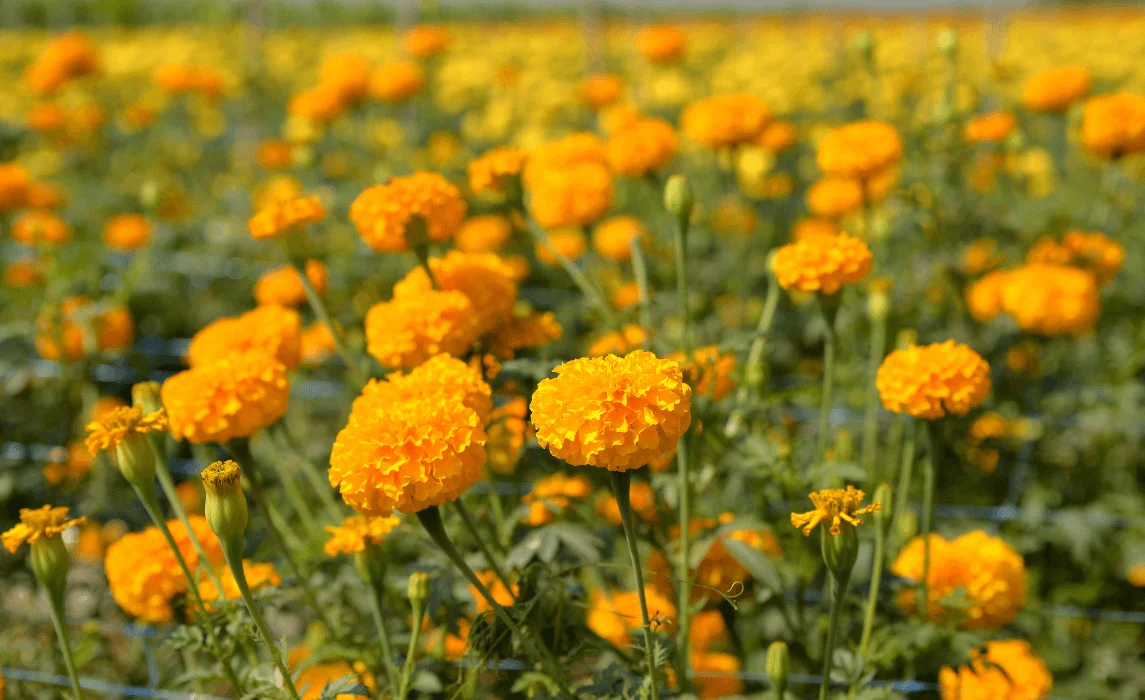
Marigolds are the workhorses of the flower world, featuring vibrant orange, yellow, and red blooms with pungent, fern-like foliage. They range in size from petite French varieties to towering African types. Marigolds thrive in full sun and can tolerate poor soil and heat, making them incredibly low-maintenance. Care is minimal: deadhead spent blooms to encourage more flowers and water at the base to prevent powdery mildew. As companion plants, marigolds are legendary for their ability to deter pests. They produce a substance called alpha-terthienyl, which suppresses nematodes—microscopic soil worms that attack the roots of onion plants and other vegetables. Planting marigolds near onions also helps repel onion flies, beetles, and even rabbits due to their strong scent. They act as a trap crop for slugs and attract beneficial insects that prey on aphids. Using marigolds in your onion companion planting strategy adds a splash of color while functioning as a biological pest control agent. They are truly one of the best onion companion plants because they tackle threats both above and below the ground, keeping pests at bay and protecting the integrity of your onion bulbs.
Soil: Average, well-drained
Water: Allow soil to dry between watering
Light: Full sun
Humidity: Low to moderate
Fertilizer: Low requirement
Temperature: 65°F - 85°F (18°C - 29°C)
USDA Zone: 2-11 (Annual)
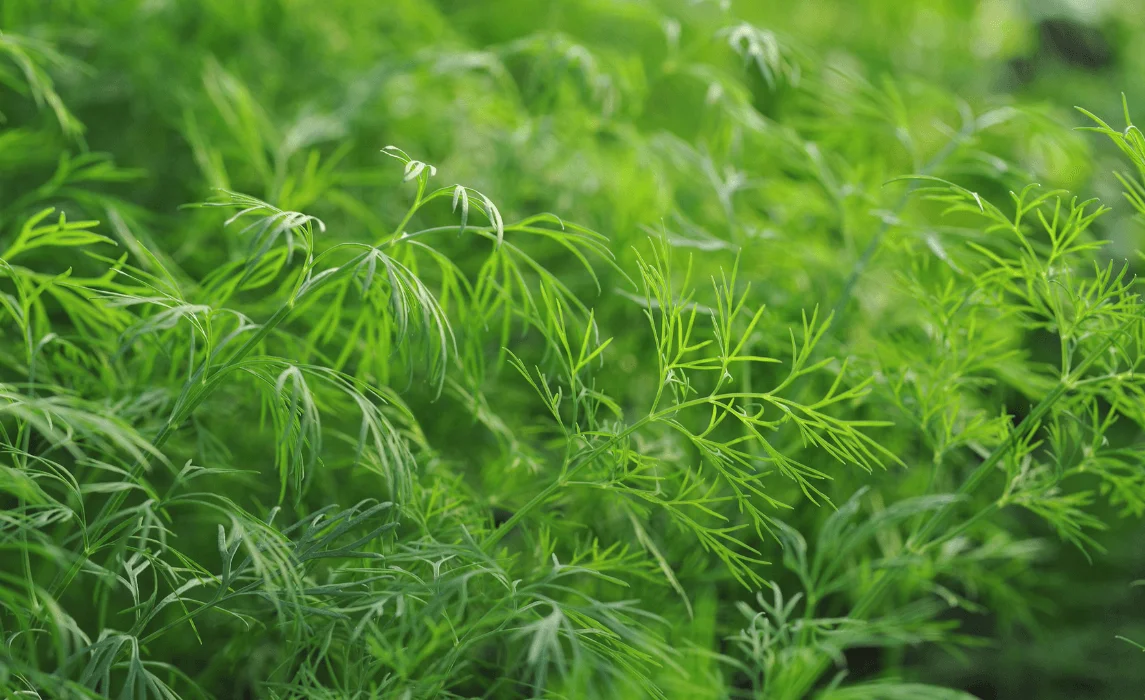
8. Dill (Anethum graveolens)
Dill is an aromatic herb with delicate, blue-green, feathery leaves and tall, hollow stems topped with flat umbels of yellow flowers. It can grow quite tall, sometimes reaching three to four feet. Dill thrives in full sun and well-drained soil, preferring cooler weather. It is sensitive to transplanting due to its taproot, so it is best sown directly. Care involves keeping the soil evenly moist and providing protection from strong winds. In the realm of companion planting, dill is a powerhouse for attracting beneficial insects. When allowed to flower, it draws in predatory wasps, ladybugs, and lacewings, which are voracious eaters of aphids—a common enemy of onions. While some sources suggest mature dill can inhibit carrots (which are friends of onions), dill and onions grow well together. The onion plants provide stability for the lanky dill, and the dill attracts pollinators and predators that keep the onion patch clean of pests. Planting dill is a great way to introduce biodiversity into the garden. However, be mindful to harvest dill before it goes to seed if you don't want it taking over, as it reseeds aggressively. Its ability to bring in the "good guys" makes it a great companion plant for maintaining a balanced ecosystem near onions.
Soil: Slightly acidic, well-drained
Water: Moderate
Light: Full sun
Humidity: Moderate
Fertilizer: Balanced fertilizer occasionally
Temperature: 60°F - 70°F (15°C - 21°C)
USDA Zone: 2-11 (Annual)
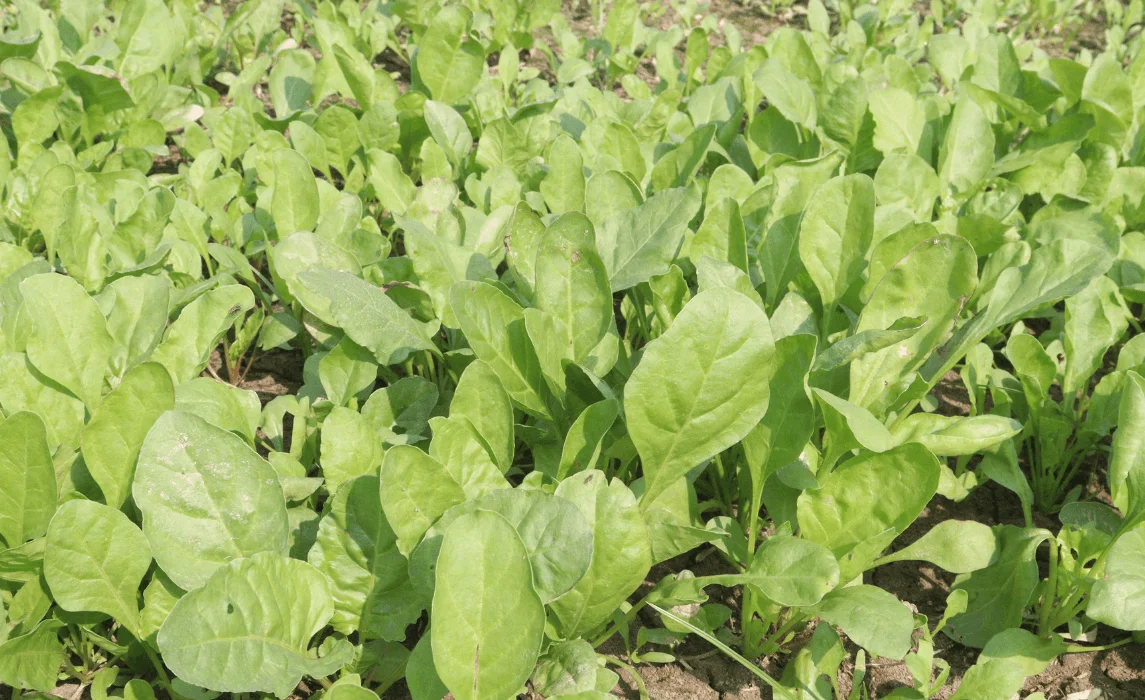
9. Spinach (Spinacia oleracea)
Spinach is a leafy green vegetable with dark, crinkled, or smooth leaves that grow in a rosette pattern. It is a compact, cool-season crop that rarely exceeds a foot in height. Spinach thrives in nitrogen-rich soil and cooler temperatures, making it a perfect candidate for spring and fall gardens. Care involves regular watering to prevent bolting and providing some shade as temperatures rise. Spinach serves as an excellent companion plant for onions due to their complementary root systems and spatial needs. Onions have narrow, upright leaves that do not block the sun from the low-growing spinach, while the spinach acts as a ground cover, suppressing weeds and retaining soil moisture for the onions. Because spinach grows quickly, you can often harvest an entire crop of spinach while the onion bulbs are still maturing. This efficient use of time and space is a key principle of onion companion planting. Additionally, the presence of onions can help deter pests that might target spinach, such as leaf miners. Planting them together allows you to maximize the yield of your raised bed, ensuring that no soil is left bare or unproductive.
Soil: Nitrogen-rich, well-drained
Water: Keep moist
Light: Full sun to partial shade
Humidity: Moderate
Fertilizer: Nitrogen-heavy
Temperature: 35°F - 75°F (2°C - 24°C)
USDA Zone: 3-9
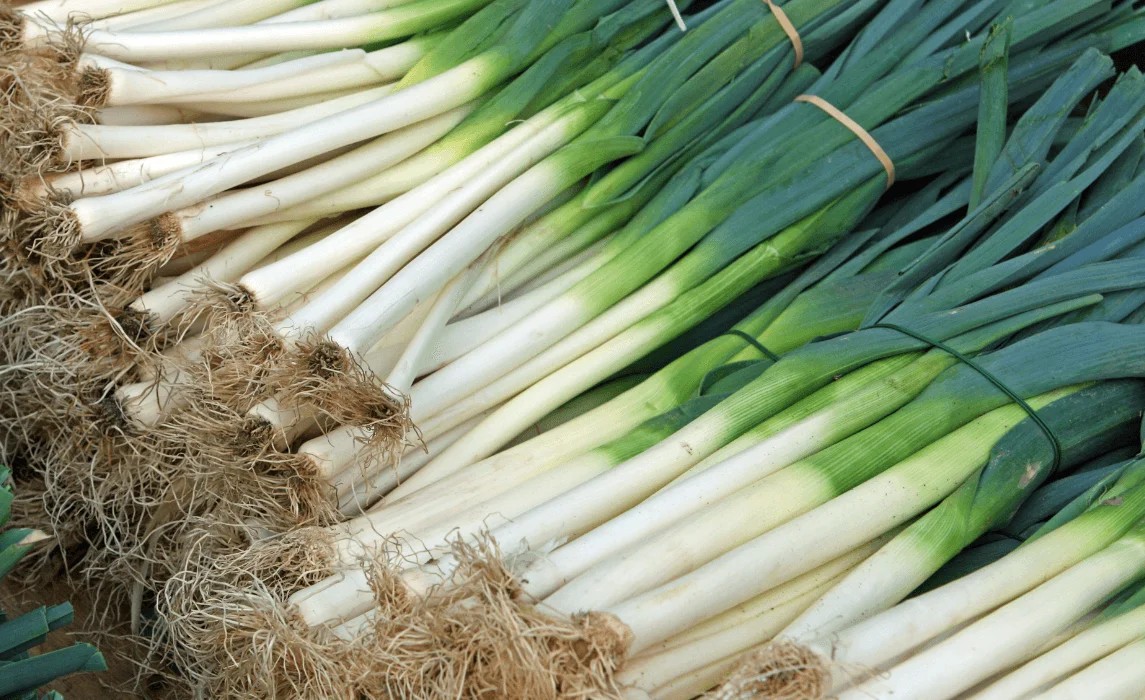
10. Leeks (Allium ampeloprasum)
Leeks are a close relative of the onion, resembling a giant scallion with a thick, white stalk and flat, blue-green leaves that fan out. They do not form a bulb like onions but rather a cylindrical stem. Leeks thrive in cool climates and require a long growing season. Care involves "hilling" soil around the stems to blanch them (keep them white) and consistent watering. While it might seem redundant to plant onions and leeks together, they can actually be good companion plants when managed correctly within a rotation plan. Since they share similar cultural requirements, they can be cared for simultaneously. However, the true benefit comes from planting them with other companions for onions. Leeks possess the same pest-repelling qualities as onions, helping to deter carrot rust fly and onion flies. If you are growing onions for bulbs and leeks for stems, you can organize your garden to create a formidable barrier of scent against pests. They are robust and can stand in the garden late into the fall. Note that because they are in the same family, you must rotate them to a different spot the following year to prevent soil-borne diseases and the depletion of specific nutrients. Used wisely, onions and leeks reinforce the defensive perimeter of your vegetable garden.
Learn how to grow fresh green onions and other alliums easily right in your garden or containers — perfect for beginners!
Frequently Asked Questions:
1. What is the most important benefit of onion companion planting?
The primary benefit is pest control. Onions repel a wide variety of pests, including aphids, carrot rust fly, onion flies, and beetles due to their strong sulfur scent. This helps protect nearby vulnerable plants.
2. Can I plant onions with everything in my garden?
No. You should avoid planting onions near legumes like peas and beans. Peas fix nitrogen, but onions can interfere with this process and inhibit the growth of the pea plants. Asparagus is another plant that does not grow well together with onions.
3. Do onions need full sun?
Yes, onions grow best in full sun. However, they can tolerate some partial shade provided by taller companion plants like tomatoes or peppers, especially in very hot climates.
Related posts
Here are some articles you might be interested in.