How to Plant, Harvest, and Grow Carrots in Your Garden
Published on
April 14, 2025
Author
Anjali Sharma
Anjali was born and raised in Indi and is now residing in New Jersey with her husband. Anjali's passion lies in raising her own vegetables and herbs, which she wants to share with others.
Growing Chia Plants Q&A
Can I grow chia from the chia seeds I buy at the store?
Yes. Organic chia seeds from the grocery store will often germinate, though germination can vary. Fresh seed from a garden supplier is more reliable.
How long does it take to grow chia?
Seeds sprout in about a week. The plant needs 100 to 150 days to mature before you can harvest the seeds.
Is chia a California native plant?
Salvia hispanica is native to central Mexico and Guatemala. However, Salvia columbariae, sometimes called California chia, is a California native plant.
Can I grow chia indoors?
You can grow chia sprouts and microgreens indoors easily. A full-size chia plant needs strong light and rarely sets a good seed crop indoors.
Why won't my chia flower?
Chia flowers when days get shorter. Plants in cooler regions or those lit at night may bloom late or not at all.
How to Grow Pumpkins Q&A
Can I grow pumpkins in a small home garden?
Yes. Choose bush or miniature varieties, grow vines on a trellis, or use raised beds. Plan on one or two plants per hill and prune vines when space is tight.
When should I plant pumpkins for Halloween?
Plant seeds in late May or early June in most climates. Count back from your first frost date and allow for 90 to 120 days of growth.
Why does my pumpkin plant have flowers but no fruit?
Male flowers appear first, so early flowers will not set fruit. If female flowers open but fail to fruit, you probably have too few bees. Pollinate by hand in the morning.
What causes pumpkin leaves to turn white?
This is usually powdery mildew. Improve airflow, water at the base, remove infected leaves, and apply a fungicide or neem oil.
Can I eat the pumpkin I grew for carving?
Yes, though carving types are stringy and bland. Pie pumpkins are sweeter, but the seeds from any pumpkin can be roasted.
Growing Grapevines Q&A
How long does it take for a grape plant to produce fruit?
Most young vines need two to three years after planting before they set a full crop, though a few clusters may appear in year two. Patience pays off — established vines can keep producing for 40 years or more.
Do I need more than one vine to grow grapes?
No. Since most grape varieties are self-fertile, one plant is enough to produce fruit on its own. Planting a second variety nearby is optional and mainly helps with cross-pollination in a few less common types.
Can grape vines grow in containers?
Yes, though grape vines grow best planted directly in the ground, where the root system has room to spread. A large container works for a year or two, but expect to transplant once the vine outgrows the pot.
Why aren't my grapes ripening?
Grapes ripen slowly compared to many fruits, and cool weather, too much shade, or overcrowded canes can all delay the process. Give the vine full sun, thin the clusters, and be patient through the growing season.
What's the difference between table grapes and wine grapes?
Table grapes are bred for fresh eating, with thinner skins and fewer seeds, while wine grapes tend to have thicker skins, more seeds, and higher sugar content suited to fermentation.
Are grape vines toxic to pets?
Grapes and grape leaves are not toxic to people, but grapes and raisins are toxic to dogs and can cause kidney damage, so keep fallen fruit cleaned up if pets have access to the vineyard.
If you’ve ever wanted to grow your own sweet, crunchy carrots in your vegetable garden but thought it was too tricky, I’m here to tell you: you’ve got this! Carrots are not only delicious and versatile but also pretty rewarding to grow. You plant these tiny little seeds, wait a bit, and before you know it, you’re pulling up crunchy, colorful carrots straight from the soil. If you’re ready, I’m here to guide you through it, step by step, with tips I’ve learned from my own carrot-growing journey. Let’s get started!
Carrots are those crunchy, colorful veggies that aren't just orange—oh no, they come in a whole rainbow of shades, including purple, red, yellow, and even white! They’re little nutrient powerhouses, loaded with beta-carotene (that magical stuff that helps keep your eyesight sharp), fiber, potassium, and antioxidants. And here’s the best part—they’re super low in calories, so you can munch on them guilt-free.
Carrot Details
Let’s get into the nitty-gritty specifics of these amazing veggies:
Plant Type: Biennial root vegetable
Size: Typically 6–12 inches long, depending on the variety
Soil Type: Loose, well-drained, sandy or loamy soil
Soil pH: Slightly acidic to neutral (6.0–7.0)
Bloom Time: Carrots don’t bloom unless left to flower in their second year
Hardiness Zones: 3–10, meaning they can handle both cooler and warmer regions,
Native Area: Europe and southwestern Asia
Toxicity Level: Non-toxic (but carrot greens may cause mild skin irritation for some people)
Best Carrot Varieties
Nantes
Sweet, tender, and practically made for snacking. These are the kind you can pull straight from the garden, rinse off, and munch on like Bugs Bunny!
Danvers
Sturdy and tapered, these carrots thrive in heavier soils where other varieties might struggle. They’re dependable and great for soups and stews.
Chantenay
Short, stout, and super cute! They’re perfect for container gardening, so if you’re low on space, give these a shot.
Imperator
The long, thin carrots you see at the grocery store. They look fancy and have a satisfying crunch when eaten raw.
Purple Haze
These guys are as cool as they sound! They’re a deep purple on the outside with a bright orange core. Want to impress someone with a colorful salad? Purple Haze has you covered.
Little Finger
Tiny, sweet, and adorable. These are perfect for kids or adding a pop of flavor to salads. Plus, they grow quickly, so they’re great if you’re impatient!
When and Where to Grow Carrots
Carrots thrive in cool weather, so plan to plant them in early spring or late summer for a fall harvest. You can plant carrots directly outdoors, but if you have a shorter growing season, you can start them indoors and transplant later.
Carrots need soft, loose soil to grow straight and healthy. Use a garden fork or spade to loosen the soil at least 12 inches deep. Remove any rocks, sticks, or clumps of dirt—these can cause your carrots to grow crooked or weirdly shaped. If your soil is heavy clay, consider adding some sand or compost to improve drainage and make it easier for the carrots to push through.
2. Create Furrows
With your soil ready, use a small tool (or even just your finger) to make shallow furrows about 1/4 inch deep. Space these furrows about 12 inches apart so you have enough room to tend to your plants later. Don’t worry too much about precision; carrots are forgiving!
3. Sow the Seeds
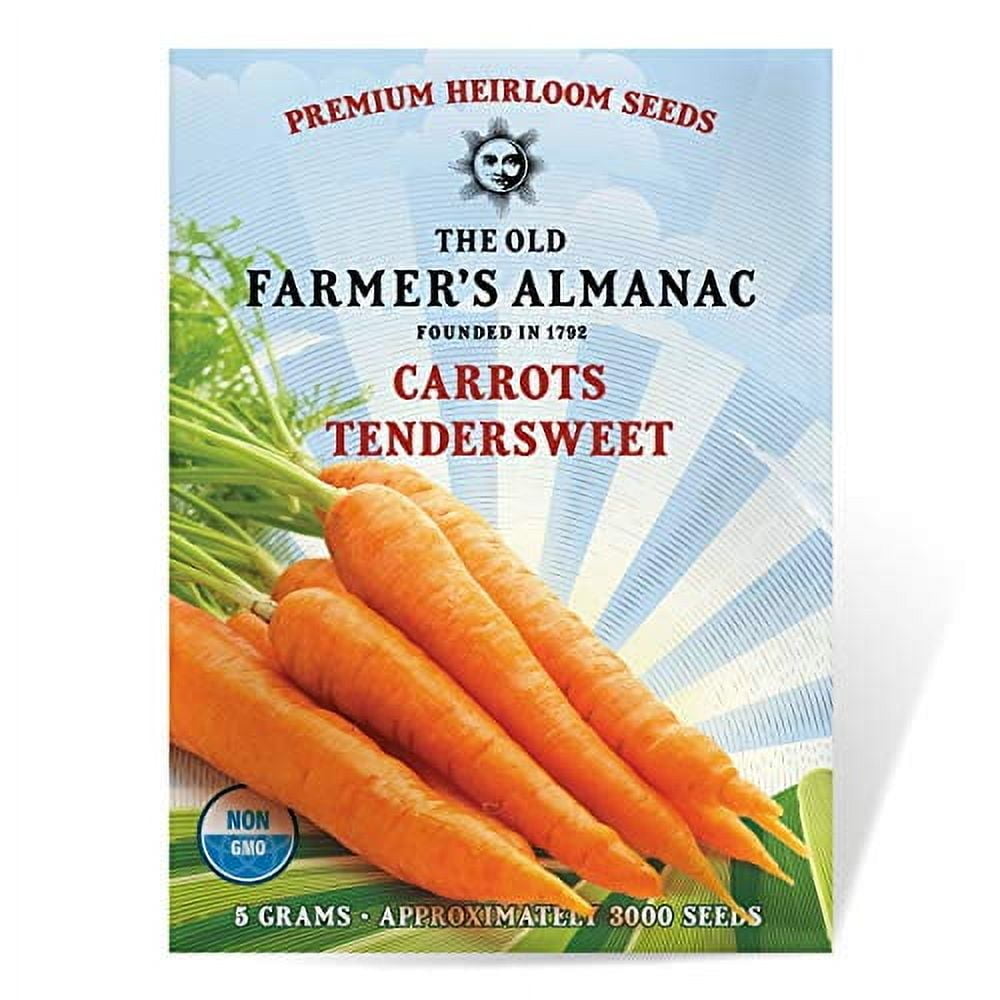
Carrot seeds are super tiny, which can make planting a bit tricky. Sprinkle them thinly along the furrows. If they end up a little too close together, no biggie—you’ll thin them out later.
Pro tip: Mixing the seeds with a bit of sand can help spread them more evenly.
Gently cover the seeds with a very thin layer of soil or sand. You want just enough to protect them but not so much that they struggle to sprout. Think of it as tucking them in lightly for a nap!
5. Water Gently
Carrots need moisture to germinate, but they don’t like being drowned. Use a watering can with a fine nozzle or a spray bottle to mist the soil lightly. Keep the soil consistently moist (not soggy) until the seeds sprout, which can take 1 to 3 weeks depending on the temperature.
6. Thin the Carrot Seedlings
Once your seedlings are about 2 inches tall, it’s time to thin them out. This might feel harsh, but it’s important to give each carrot space to grow properly. Gently pull out extra seedlings, leaving about 2–3 inches of space between each one. If pulling feels tricky, you can snip the extras at the base with scissors to avoid disturbing the roots of the remaining plants.
Carrot Growing Tips and Requirements
If you want to grow sweet, healthy carrots, you need to create the right environment for them. Don’t worry—it’s not complicated! Let’s break it down into simple steps:
Soil
Carrots thrive in loose, well-draining soil that’s easy for their roots to grow through. Sandy or loamy soil is best because it allows carrots to develop their long, straight shape. If your garden has heavy clay soil, it’s a good idea to mix in compost or sand to improve its texture. Make sure the soil is free of rocks and hard clumps, as these can cause the carrots to grow crooked or split.
Pro tip: If you don’t have great garden soil, you can plant carrots in deep containers filled with potting mix!
Carrots like moist soil but hate sitting in water. The key is consistency. Water deeply once a week to keep the soil evenly moist, but not soggy. In hot weather, you might need to water a little more often. To help retain moisture, you can add a thin layer of mulch around the plants once they’ve started growing. This not only helps with moisture but also keeps the soil temperature steady.
Carrots love cooler weather, ideally between 55°F and 75°F. They’re not fans of extreme heat, so if you live in a very warm climate, try planting them in early spring or fall when temperatures are milder. Humidity isn’t a major concern—carrots do fine in both dry and slightly humid conditions, as long as they have enough water.
Sunlight
Full sun is ideal for carrots, meaning they need at least 6 hours of direct sunlight each day to grow well. However, if your garden has a bit of shade during part of the day, don’t worry—carrots can tolerate partial shade too. Just keep in mind that more sun usually means faster and sweeter growth.
Location
Pick a spot in your garden that has well-draining soil and good airflow. Poor drainage can lead to root rot, and proper airflow helps prevent fungal issues. If you’re planting in a container, make sure it has drainage holes at the bottom to keep water from pooling.
Maintenance Tips
Growing carrots doesn’t end once they’ve sprouted—there are a few simple maintenance tasks to keep them happy and ensure a healthy harvest. Let’s break down each tip in a way that’s easy to follow:
Fertilizer
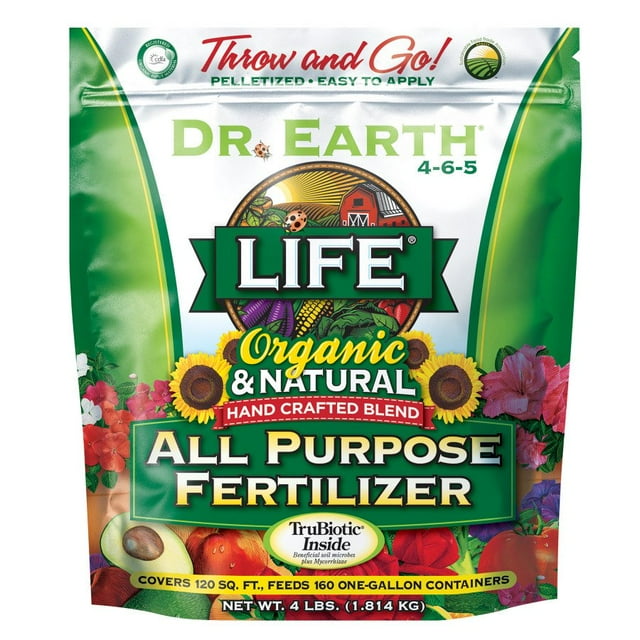
Carrots don’t need a ton of fertilizer, but giving them a little boost helps ensure strong, healthy roots. Use a balanced, low-nitrogen fertilizer—this means one with equal amounts of nitrogen (N), phosphorus (P), and potassium (K), or slightly higher phosphorus and potassium (look for something like 5-10-10 or 10-20-20). Too much nitrogen leads to lots of leafy tops but small, underdeveloped carrots. Apply the fertilizer when the plants are a few inches tall and follow the package instructions to avoid overdoing it.
Pro Tip: Organic options like compost or well-aged manure can work well but avoid fresh manure—it can burn the plants and cause misshapen carrots.
While carrots don’t require heavy pruning, keeping their tops tidy is a good idea. If you notice any yellow, wilted, or damaged leaves, gently snip them off with scissors. Removing these weak leaves helps the plant focus its energy on growing the root instead of maintaining unhealthy foliage. Plus, it reduces the risk of pests and diseases spreading.
Mulching is like giving your carrot bed a cozy blanket! Add a thin layer of mulch (about 1–2 inches thick) around your carrot plants once they’re a few inches tall. Use organic mulch, like straw, shredded leaves, or grass clippings. Mulch helps in two big ways:
Retains moisture: It keeps the soil from drying out, meaning less frequent watering for you.
Regulates temperature: It protects the carrots from extreme heat or cold, helping them grow evenly.
Bonus: Mulch also helps keep weeds at bay, so you won’t need to do as much weeding!
Potting and Repotting
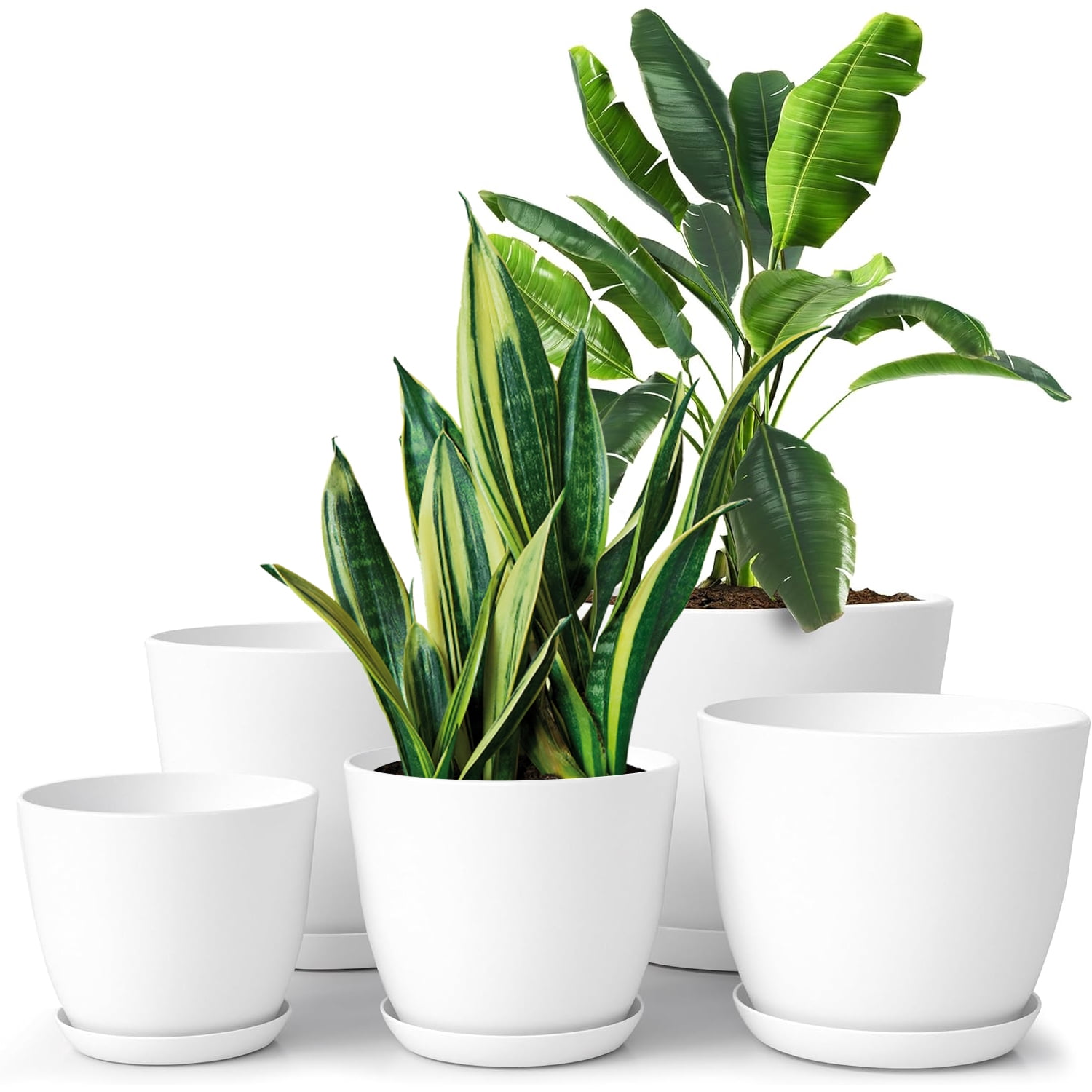
If you’re growing carrots in containers, choosing the right pot is key. Carrots need room to grow straight down, so pick a pot that’s at least 12 inches deep. Use a light, well-draining potting mix and ensure the pot has drainage holes to prevent soggy soil.
If you notice the plants getting overcrowded or if the soil looks compacted over time, you might need to repot them. Gently lift the entire root ball out, loosen the soil, and replant in fresh potting mix. Just be careful not to disturb the roots too much—they’re delicate!
Overwintering
In mild climates (where winters don’t get too harsh), you can leave carrots in the ground over winter. This actually improves their flavor, as the cold weather causes the plant to convert stored starches into sugars, making the carrots taste sweeter.
To protect them from frost, cover the carrot bed with a thick layer of mulch (about 6 inches) before freezing temperatures arrive. You can harvest them throughout the winter as needed. In areas with severe winters, it’s better to harvest carrots before the ground freezes solid.
Pro Tip: If you live in a cold climate and still want winter carrots, consider planting them in a deep container and moving it to a sheltered area like a greenhouse or cold frame.
Common Pests and Diseases
Here are some common problems you might face and how to deal with them:
Pests
Carrot Rust Fly: These pests lay eggs near the base of carrots. Prevent with row covers and by practicing crop rotation.
Aphids: Wash them off with a strong spray of water or use insecticidal soap.
Cutworms: Protect seedlings with collars made from cardboard tubes.
Alternaria Leaf Blight: This fungal disease causes dark spots on leaves. Prevent by watering at the base and improving airflow.
Powdery Mildew: A white, powdery fungus on leaves. Treat with a fungicide or homemade baking soda spray.
Root Rot: Caused by overly wet soil. Ensure good drainage and avoid overwatering.
How to Harvest Carrots
Carrots are typically ready to harvest 60–80 days after planting. Here’s how to do it:
Check the Size: Gently brush away soil to see if the top of the carrot is big enough. If it’s about the thickness of a pencil, it’s ready to go. If it’s too thin, just let them grow a bit longer.
Loosen the Soil: Use a garden fork to loosen the soil around the carrots.
Pull Gently: Grasp the greens close to the base and pull firmly but gently to avoid breaking the carrot.
Store Properly: Cut off the greens and store carrots in a cool, dry place. They’ll last for weeks in the fridge.
FAQs
Q: Why are my carrots all twisted and weird-looking?
A: Ah, the classic “wonky carrot” situation! This usually happens when the soil is too compacted or has rocks in it. Carrots need loose, fluffy soil to grow straight and smooth. If your soil has a lot of heavy clay or stones, try loosening it up before planting or mix in some compost to help things along. Carrots just don’t like being cramped!
Q: Can I grow carrots from carrot tops?
A: Unfortunately, growing carrots from the tops of store-bought carrots won’t work. While it’s fun to try (I’ve done it myself!), the tops will sprout leaves, but you won’t get any new roots growing. To get full-grown carrots, you’ll need to start with seeds or seedlings from a garden center.
Q: What happens if I let my carrots stay in the ground too long?
A: If you leave your carrots in the ground past their harvest time, they can start to flower (bolt) and turn woody or bitter. The carrot root itself will lose its sweetness as it focuses on producing seeds. However, if you're growing carrots for the seeds, you can leave them in the ground and allow them to flower—just know that the root won’t be as tasty.
Related posts
Here are some articles you might be interested in.