Best Indoor Cactus: The Top Cacti and Succulents to Grow Indoors
Published on
April 3, 2025
Author
Zuri Khumalo
Zuri's frequent journeys to South Africa in her youth ignited her fervor for environmental science, gardening, and sustainable living. These travels deepened her connection with nature, inspiring her to contribute to conservation efforts in her own meaningful ways.
How to Grow Pumpkins Q&A
Can I grow pumpkins in a small home garden?
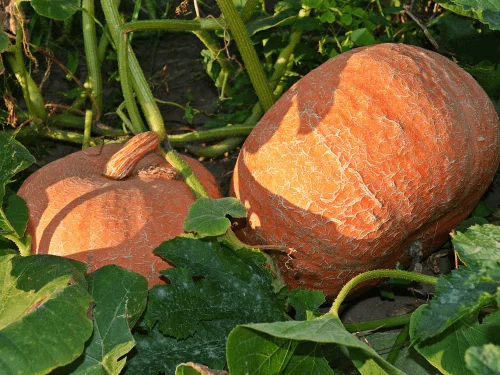
Yes. Choose bush or miniature varieties, grow vines on a trellis, or use raised beds. Plan on one or two plants per hill and prune vines when space is tight.
When should I plant pumpkins for Halloween?
Plant seeds in late May or early June in most climates. Count back from your first frost date and allow for 90 to 120 days of growth.
Why does my pumpkin plant have flowers but no fruit?
Male flowers appear first, so early flowers will not set fruit. If female flowers open but fail to fruit, you probably have too few bees. Pollinate by hand in the morning.
What causes pumpkin leaves to turn white?
This is usually powdery mildew. Improve airflow, water at the base, remove infected leaves, and apply a fungicide or neem oil.
Can I eat the pumpkin I grew for carving?
Yes, though carving types are stringy and bland. Pie pumpkins are sweeter, but the seeds from any pumpkin can be roasted.
Growing Grapevines Q&A
How long does it take for a grape plant to produce fruit?
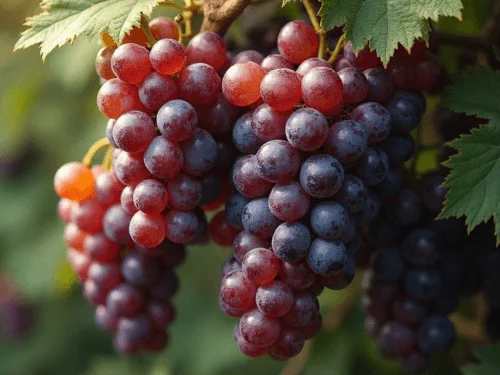
Most young vines need two to three years after planting before they set a full crop, though a few clusters may appear in year two. Patience pays off — established vines can keep producing for 40 years or more.
Do I need more than one vine to grow grapes?
No. Since most grape varieties are self-fertile, one plant is enough to produce fruit on its own. Planting a second variety nearby is optional and mainly helps with cross-pollination in a few less common types.
Can grape vines grow in containers?
Yes, though grape vines grow best planted directly in the ground, where the root system has room to spread. A large container works for a year or two, but expect to transplant once the vine outgrows the pot.
Why aren't my grapes ripening?
Grapes ripen slowly compared to many fruits, and cool weather, too much shade, or overcrowded canes can all delay the process. Give the vine full sun, thin the clusters, and be patient through the growing season.
What's the difference between table grapes and wine grapes?
Table grapes are bred for fresh eating, with thinner skins and fewer seeds, while wine grapes tend to have thicker skins, more seeds, and higher sugar content suited to fermentation.
Are grape vines toxic to pets?
Grapes and grape leaves are not toxic to people, but grapes and raisins are toxic to dogs and can cause kidney damage, so keep fallen fruit cleaned up if pets have access to the vineyard.
Bee Garden Q&A
What flowers attract the most bees to a garden?
Bees are generally drawn to flowers that are blue, purple, yellow, or white, and that offer easy access to nectar and pollen. Lavender, bee balm, sunflower, and coneflower are some of the most reliable plants that attract bees to a home garden.
Do I need to avoid pesticides in a bee-friendly garden?
Yes, whenever possible. Insecticide and pesticide products can harm adult bees and their larva, even in small amounts. Choosing natural pest control methods helps keep your garden safe for visiting bees.
Can a small home garden still support pollinators?
Absolutely. Even a few containers of zinnias, salvia, or crocus on a balcony can offer pollen and nectar for local bees. Bees will travel between small garden spaces, so every bit of habitat helps.
Do bees need more than just flowers?
Yes. Bees also need nesting sites and water. Ground-nesting bees need patches of bare soil, while a shallow bee bath gives bees a safe spot to drink, especially in hot weather.
Will planting a pollinator garden really help save the bees?
It genuinely can. As natural habitat shrinks, home gardens have become an important food source and shelter for bees, including many native bee species. A well-planned bee garden supports pollination for your own flowers and vegetables while helping the wider bee population.
What is the best USDA zone for growing a bee garden?
There is no single best zone. Most of the plants above grow well across USDA zones 4 through 9, and gardeners in colder or warmer zones can simply choose varieties suited to their climate, or grow warm-season bees favorites like sunflower and zinnia as annuals.
This disclosure clearly states that the content creator may earn a commission if readers make a purchase through the provided links. Learn more
If you're looking to add a touch of greenery to your home without the fuss of high maintenance, indoor cacti and succulents are the perfect choice. These resilient plants not only enhance your living space with their unique shapes and vibrant colors but also require minimal care, making them ideal for busy lifestyles. From the classic golden barrel cactus to the stunning jade plant, the world of indoor cacti and succulents offers a wide variety of options to suit every style and preference. In this article, we'll explore the best indoor cacti and succulents to grow, providing you with essential care tips and insights to ensure your plants thrive in their new environment. Whether you're a seasoned plant parent or a curious beginner, you'll find the perfect succulent companion to brighten your home.
The Christmas cactus, a tropical epiphytic plant native to Brazil, is unique among cacti as it thrives in humid environments and indirect sunlight. Unlike typical desert cacti, it features flat, segmented stems that can grow up to 2 feet long. Its blooms are tubular and can come in vibrant colors such as pink, red, and white, usually appearing around the holiday season. This cactus prefers well-draining soil and grows best in bright, indirect light, especially during its growing season in spring and summer. To care for it, keep the soil slightly moist, allowing the top inch to dry between waterings, and use a cactus-specific potting mix. Ideal temperatures range from 60°F to 70°F during the day, and it benefits from cooler conditions at night to promote blooming. This plant is perfect for beginner gardeners looking to add a festive touch to their home without extensive maintenance. Those who appreciate seasonal blooms will find joy in nurturing this unique cactus.
Soil: Cactus mix
Water: Keep slightly moist; let the top dry out
Light: Bright, indirect light
Humidity: Likes higher humidity
Fertilizer: Balanced liquid fertilizer in spring and summer
Feit Electric 4' Plant Grow Linear Tubular LED Bulb - 1pk
The moon cactus is a visually striking grafted plant known for its brightly colored top, which sits atop a green base. Typically reaching about 6 inches in height, its vibrant pink, red, or yellow top contrasts beautifully with the smooth green base. This cactus thrives in bright, indirect sunlight and warm conditions, making it an excellent choice for windowsills. To care for a moon cactus, water it when the soil is dry to the touch, usually every two to three weeks, and use a cactus soil mix for optimal drainage. Ideal temperatures range from 70°F to 80°F, and it can tolerate some direct sunlight but thrives best in filtered light. This variety is suitable for novice gardeners who appreciate a pop of color and unique design in their indoor plant collection. The moon cactus is also an ideal choice for those who want a low-maintenance plant that brings a cheerful vibe to any space.
Soil: Cactus soil mix
Water: Water when dry to the touch, every 2-3 weeks
Light: Bright, indirect sunlight; some direct sun is okay
Humidity: Low humidity is fine
Fertilizer: Diluted cactus fertilizer in growing season
The bunny ears cactus, native to Mexico, earns its name from its distinctive flat pads that resemble bunny ears. It can grow up to 3 feet tall, featuring bright green pads adorned with small yellow spines that can be prickly if touched. This cactus thrives in bright, direct sunlight, making it perfect for sunny windowsills. To care for it, water when the soil has completely dried out, using a well-draining cactus mix, and ensure your pot has drainage holes to prevent root rot. Ideal temperatures are between 65°F and 80°F, and it can tolerate low humidity, making it resilient in various indoor conditions. This cactus is perfect for beginner gardeners who enjoy vibrant and unique houseplants that add character to their spaces. Its ability to thrive in a variety of light conditions makes it a versatile choice for different home environments.
Soil: Cactus mix
Water: Water when completely dry
Light: Bright, direct sunlight
Humidity: Low humidity is fine
Fertilizer: Diluted cactus fertilizer in growing season
The ball cactus is a small, round cactus native to South America, known for its attractive appearance and ease of care. It typically grows between 4 to 12 inches in height, featuring a spherical shape with prominent ribs and bright yellow or orange spines. The ball cactus produces beautiful flowers in various colors, including yellow, pink, and red, which bloom in spring and summer, adding to its charm. Ball cacti thrive in bright, indirect sunlight and prefer a warm environment. To care for them, water when the soil is dry to the touch, ensuring thorough drainage, and use a cactus mix or a soil with good drainage to prevent rot. Ideal temperatures range from 70°F to 80°F, and this cactus can tolerate occasional cooler nights. This variety is suitable for both beginner and experienced gardeners alike, thanks to its low-maintenance nature and attractive blooms. The ball cactus is an excellent choice for anyone looking to brighten their indoor space with minimal effort.
Soil: Cactus mix or well-draining soil
Water: Water when dry to the touch
Light: Bright, indirect sunlight
Humidity: Low humidity is fine
Fertilizer: Balanced cactus fertilizer in spring and summer
The saguaro cactus is iconic for its tall, columnar shape and is native to the Sonoran Desert, where it can grow over 40 feet tall in its natural habitat. Smaller specimens can reach 1 to 3 feet in height, showcasing multiple upward-reaching arms that create a distinctive silhouette. It produces beautiful white flowers that bloom at night, attracting pollinators. This cactus needs full sunlight and plenty of space to grow, making it ideal for sunny spots in the home. To care for a saguaro cactus, water when the soil is completely dry, ensuring the pot has adequate drainage, and use a sandy soil mix to promote airflow. Ideal temperatures range from 70°F to 90°F, and it can tolerate lower temperatures during the winter months. This cactus is best for intermediate gardeners who can provide the light and space it needs to thrive. Those who have the room for a larger plant will appreciate the stunning presence of the saguaro in their indoor garden.
Soil: Sandy soil mix
Water: Water when completely dry
Light: Full sunlight
Humidity: Low humidity is best
Fertilizer: Diluted cactus fertilizer in growing season
The old man cactus, native to Mexico, is known for its long, white, hair-like spines that resemble an old man's beard, adding a unique charm to any indoor garden. This cactus can grow up to 10 feet tall in its natural habitat, but typically stays smaller indoors, showcasing a cylindrical body covered in fluffy, white spines. It thrives in bright, direct sunlight and requires careful watering to prevent rot. To care for the old man cactus, water thoroughly when the top inch of soil is dry, using a well-draining cactus mix to prevent root rot. Ideal temperatures range from 70°F to 80°F, and this variety is suitable for intermediate gardeners who appreciate unique and striking plants. Its distinctive appearance makes it a conversation starter, making it perfect for those looking to add character to their indoor spaces.
Soil: Cactus mix
Water: Water when the top inch is dry
Light: Bright, direct sunlight
Humidity: Low humidity is fine
Fertilizer: Diluted cactus fertilizer in growing season
The zebra cactus, while technically a succulent, is often grouped with cacti due to its similar care needs and distinctive striped appearance. Native to South Africa, this small succulent grows about 6 inches tall, featuring thick green leaves adorned with white, horizontal stripes resembling a zebra's pattern. Zebra cacti prefer bright, indirect sunlight but can tolerate some direct sun, making them versatile for different indoor settings. To care for them, water sparingly, allowing the soil to dry out completely between waterings, and use a well-draining potting mix to prevent waterlogging. Ideal temperatures range from 60°F to 80°F, and they can thrive in low humidity, making them excellent for beginners who want an attractive, easy-to-care-for houseplant. The zebra cactus adds a unique textural element to any indoor garden, making it a popular choice among succulent enthusiasts.
Soil: Well-draining potting mix
Water: Water sparingly; let soil dry completely
Light: Bright, indirect sunlight; some direct sun is okay
Humidity: Low humidity is fine
Fertilizer: Diluted succulent fertilizer in growing season
The Easter cactus, closely related to the Christmas cactus, blooms around Easter, adding a festive flair to indoor gardens. It features segmented stems that can grow up to 2 feet long, producing bright pink or red flowers in the spring. This cactus thrives in a humid environment and prefers indirect sunlight, making it suitable for well-lit rooms without harsh direct sun exposure. To care for an Easter cactus, keep the soil evenly moist during the growing season, allowing it to dry out slightly in winter, and use a well-draining potting mix. Ideal temperatures range from 65°F to 75°F, and this cactus is perfect for beginner gardeners and those who enjoy seasonal blooms. The Easter cactus can also be a thoughtful gift, as it brings beauty and joy during springtime celebrations.
Soil: Well-draining potting mix
Water: Keep evenly moist in growing season; dry slightly in winter
Light: Indirect sunlight
Humidity: Likes higher humidity
Fertilizer: Balanced liquid fertilizer in growing season
The fishhook barrel cactus, native to the deserts of the southwestern United States and Mexico, is known for its cylindrical shape and distinct spines that curve like fishhooks. It can reach heights of 3 feet and has a diameter of about 1 foot, featuring prominent ribs and colors ranging from green to blue-green, with spines often appearing red or yellow. Fishhook barrel cacti thrive in bright, direct sunlight and require careful watering to maintain healthy growth. To care for them, water sparingly, allowing the soil to dry completely between waterings, and use a well-draining cactus soil mix to prevent root rot. Ideal temperatures range from 70°F to 100°F, and this cactus is suitable for intermediate gardeners who can provide the necessary bright light and care. The fishhook barrel cactus can serve as a stunning focal point in any indoor space, thanks to its unique structure and bold appearance.
Soil: Cactus soil mix
Water: Water sparingly; let soil dry completely
Light: Bright, direct sunlight
Humidity: Low humidity is best
Fertilizer: Diluted cactus fertilizer in growing season
Despite its name, the coral cactus is a Euphorbia rather than a true cactus, featuring a unique, coral-like structure that adds interest to any indoor space. This plant can grow up to 1 to 2 feet tall, with a green, ribbed base topped with bright red or purple coral-like growths. It thrives in bright, indirect light but can tolerate some direct sunlight. To care for a coral cactus, water when the top inch of soil is dry, using a cactus mix for good drainage. Ideal temperatures range from 65°F to 80°F, making this plant great for beginners seeking a low-maintenance, visually striking addition to their indoor collection. The coral cactus is perfect for those who appreciate unusual and colorful plants that stand out.
Soil: Cactus mix
Water: Water when the top inch is dry
Light: Bright, indirect light; some direct sun is okay
Humidity: Low humidity is fine
Fertilizer: Diluted liquid fertilizer in growing season
Frequently Asked Questions and Answers:
Q: How often should I water my indoor cactus?
A: Watering frequency for indoor cacti varies depending on the season and the specific type of cactus. Generally, you should water your cactus when the top inch of soil is dry to the touch. During the growing season (spring and summer), most cacti may require watering every 2-3 weeks. In the fall and winter, reduce watering to once a month or even less, as many cacti enter a dormant phase during this time.
Q: What type of soil is best for indoor cacti?
A: Cacti thrive in well-draining soil. A cactus mix or a blend of potting soil with sand, perlite, or pumice is ideal, as it allows excess water to escape and prevents root rot. Ensure that the pot you choose has drainage holes to facilitate proper drainage.
Q: Do cacti need direct sunlight?
A: Most cacti prefer bright, direct sunlight, especially during their growing season. However, some varieties, like the Christmas cactus and Easter cactus, thrive in bright, indirect light. It's essential to consider the specific needs of each cactus type to ensure they receive the right amount of light.
Q: Can indoor cacti survive in low humidity?
A: Yes, cacti are well-suited to low humidity environments, as they are adapted to arid conditions. However, some species, like the Christmas and Easter cacti, may benefit from slightly higher humidity levels, especially during their blooming seasons. For most other cacti, low humidity is not a concern.
Q: What temperatures do indoor cacti prefer?
A: Cacti generally prefer warm temperatures, typically ranging from 70°F to 90°F (21°C to 32°C) during the day. However, they can tolerate cooler temperatures at night, especially during the winter months. Avoid exposing them to frost or extreme cold, as this can damage or kill the plant.
Related posts
Here are some articles you might be interested in.