Zuri's frequent journeys to South Africa in her youth ignited her fervor for environmental science, gardening, and sustainable living. These travels deepened her connection with nature, inspiring her to contribute to conservation efforts in her own meaningful ways.
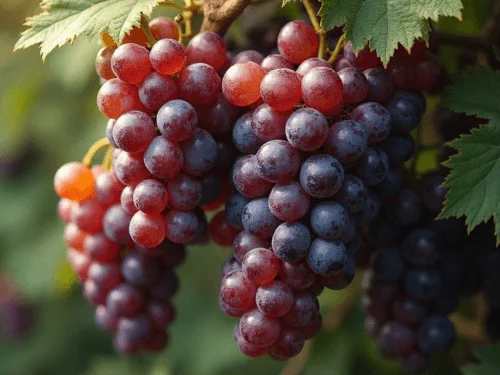
Growing Grapevines Q&A
How long does it take for a grape plant to produce fruit?
Most young vines need two to three years after planting before they set a full crop, though a few clusters may appear in year two. Patience pays off — established vines can keep producing for 40 years or more.
Do I need more than one vine to grow grapes?
No. Since most grape varieties are self-fertile, one plant is enough to produce fruit on its own. Planting a second variety nearby is optional and mainly helps with cross-pollination in a few less common types.
Can grape vines grow in containers?
Yes, though grape vines grow best planted directly in the ground, where the root system has room to spread. A large container works for a year or two, but expect to transplant once the vine outgrows the pot.
Why aren't my grapes ripening?
Grapes ripen slowly compared to many fruits, and cool weather, too much shade, or overcrowded canes can all delay the process. Give the vine full sun, thin the clusters, and be patient through the growing season.
What's the difference between table grapes and wine grapes?
Table grapes are bred for fresh eating, with thinner skins and fewer seeds, while wine grapes tend to have thicker skins, more seeds, and higher sugar content suited to fermentation.
Are grape vines toxic to pets?
Grapes and grape leaves are not toxic to people, but grapes and raisins are toxic to dogs and can cause kidney damage, so keep fallen fruit cleaned up if pets have access to the vineyard.
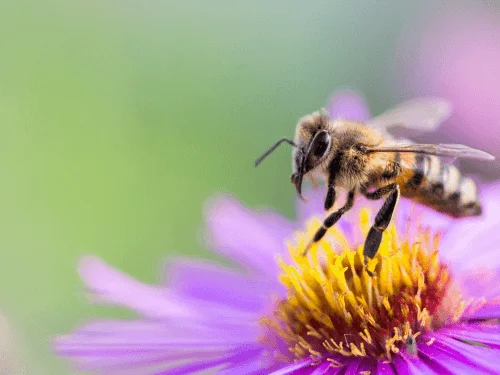
Bee Garden Q&A
What flowers attract the most bees to a garden?
Bees are generally drawn to flowers that are blue, purple, yellow, or white, and that offer easy access to nectar and pollen. Lavender, bee balm, sunflower, and coneflower are some of the most reliable plants that attract bees to a home garden.
Do I need to avoid pesticides in a bee-friendly garden?
Yes, whenever possible. Insecticide and pesticide products can harm adult bees and their larva, even in small amounts. Choosing natural pest control methods helps keep your garden safe for visiting bees.
Can a small home garden still support pollinators?
Absolutely. Even a few containers of zinnias, salvia, or crocus on a balcony can offer pollen and nectar for local bees. Bees will travel between small garden spaces, so every bit of habitat helps.
Do bees need more than just flowers?
Yes. Bees also need nesting sites and water. Ground-nesting bees need patches of bare soil, while a shallow bee bath gives bees a safe spot to drink, especially in hot weather.
Will planting a pollinator garden really help save the bees?
It genuinely can. As natural habitat shrinks, home gardens have become an important food source and shelter for bees, including many native bee species. A well-planned bee garden supports pollination for your own flowers and vegetables while helping the wider bee population.
What is the best USDA zone for growing a bee garden?
There is no single best zone. Most of the plants above grow well across USDA zones 4 through 9, and gardeners in colder or warmer zones can simply choose varieties suited to their climate, or grow warm-season bees favorites like sunflower and zinnia as annuals.
Hypoallergenic Plants Q&A
Do houseplants cause allergies?
Yes, certain indoor plants can trigger a plant allergy through loose pollen, scented flowers, sap, dust, or damp soil. Allergies and houseplants are highly individual: one person may sneeze near peace lilies while another has no response. Overwatering lets mold produce a spore that may become airborne. If symptoms begin after adding plants in your home, isolate each pot, clean the area, and discuss persistent allergy symptoms with a qualified clinician.
Which plants to avoid?
Plants to avoid include strongly fragrant flowers, visibly dusty specimens, and wind-pollinated garden plants brought inside while shedding. Male palms can release pollen if they flower, and wet potting mix can make allergies worse. The best and worst choices depend on the person, so remove any plant that appears to cause pollen allergy symptoms or contact irritation.
Can indoor plants purify air?
Claims about indoor plants that purify come largely from controlled chambers. Although some air-purifying plants can take up chemicals, ordinary air purifying plants are not fast enough to replace ventilation or air cleaners in a real room. Plants can improve air quality mainly by supporting comfort and encouraging care for the space; they should not be presented as houseplants for clean air that reliably remove formaldehyde. To improve indoor air quality, control sources, ventilate safely, and use proven filtration.
How does the ogren scale work?
The Ogren Plant Allergy Scale system, also called OPALS, rates a plant's potential allergenicity from 1 to 10. It considers pollen, fragrance, and contact reactions, but the likelihood a plant will cause a reaction still depends on the individual and exposure. A high score does not prove a particular plant will cause pollen allergy, and a low score is not a medical guarantee.
Can plants help you breathe?
Allergy-friendly plants may make an indoor space calmer, but they do not treat disease or guarantee allergy relief. For people with allergies, clean leaves, dry saucers, fresh potting mix, and steady air circulation matter more than labels such as hypoallergenic plants. These indoor plants that are allergy-safe can help you breathe easier only by limiting likely triggers; they cannot help you breathe during an asthma attack.
If you want to successfully grow your own food, planting a vegetable garden is an incredibly rewarding experience. One of the most popular and versatile vegetables you can choose is the sweet bell pepper. Before diving into this comprehensive growing guide, it helps to understand the basics of what bell peppers are and what they are good for.
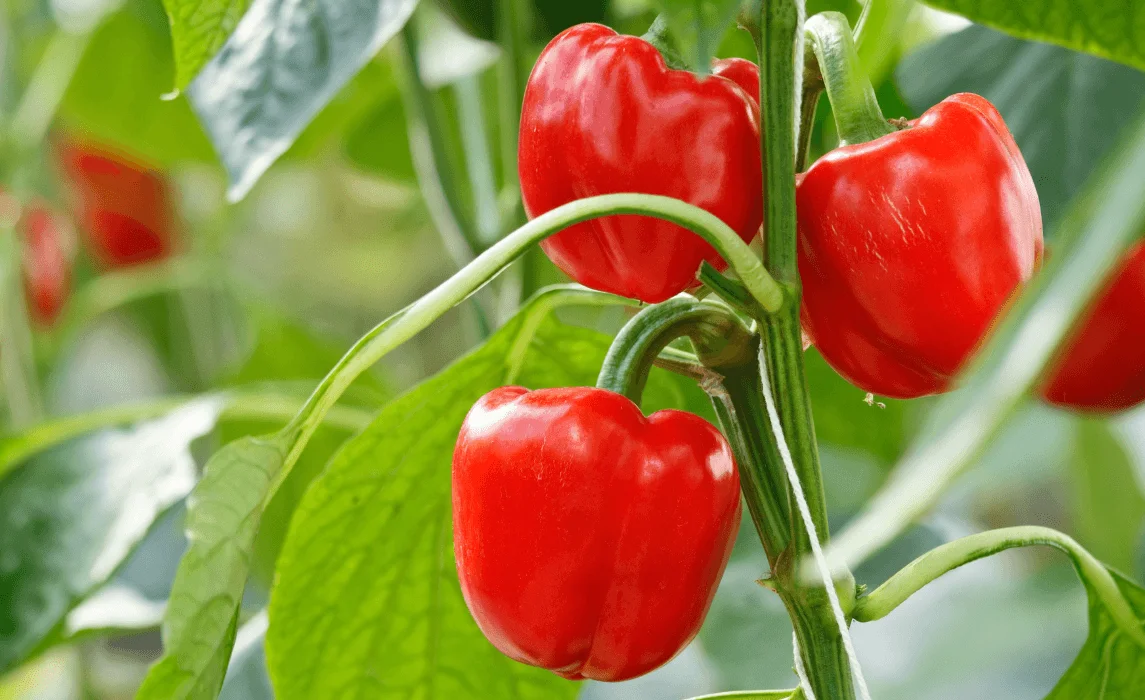
Botanically classified as a fruit but treated as a vegetable in the kitchen, sweet bell peppers are thick-walled, crunchy, and entirely devoid of the chemical capsaicin—meaning they have zero heat. They are packed with essential nutrients, boasting exceptionally high levels of Vitamin C, Vitamin A, and antioxidants. Whether you are slicing them raw for salads, roasting them, or tossing them into a stir-fry, sweet bell peppers are a staple in the home garden. They require a long growing season and plenty of warmth, but with the right guide to growing peppers, anyone can enjoy a massive harvest.
Plant Name
Bell Pepper (Capsicum annuum)
Plant Type
Annual vegetable (perennial in zones 9–10)
Size
18–36 inches tall
Soil Type
Loamy and well-draining soil
Soil pH
6.0–6.8
Bloom Time
Summer
Hardiness Zones
9–11
Native Area
Central and South America
Toxicity Level
Non-toxic
Types of Peppers to Grow
There are countless varieties of peppers to choose from. While some gardeners prefer planting hot pepper varieties like jalapeños or chili peppers, the sweet pepper family is incredibly diverse. When choosing what to plant, note the best sweet bell types for a home garden:
Bountiful Bell
The Bountiful Bell is a classic, highly productive variety that remains a staple for a reliable, heavy summer harvest. This vigorous plant yields large, blocky green peppers that eventually ripen to a rich red if left on the vine. Thanks to its steady productivity and uniform shape, it is an excellent choice for preserving, freezing, or everyday culinary use in fresh salads and stir-fries.
California Wonder
California Wonder is the absolute standard for heirloom sweet bell peppers, earning its stellar reputation over decades of backyard cultivation. It is remarkably easy to grow and produces quintessential, square-shaped fruits with exceptionally thick, crunchy walls that are ideal for making stuffed peppers. Its excellent natural disease resistance also makes it a highly forgiving and rewarding option, especially for beginner gardeners seeking a guaranteed yield.
Sweet Banana Peppers
Sweet Banana Peppers offer a delightful visual departure from the traditional blocky shape while maintaining a mild, family-friendly flavor. These highly prolific plants grow long, slender, thin-walled peppers that emerge a bright yellow before eventually ripening to a deeper orange or red. Their distinctively sweet and tangy flavor profile makes them an absolute favorite for slicing fresh onto sandwiches, tossing into salads, or quick pickling.
Colored Bells
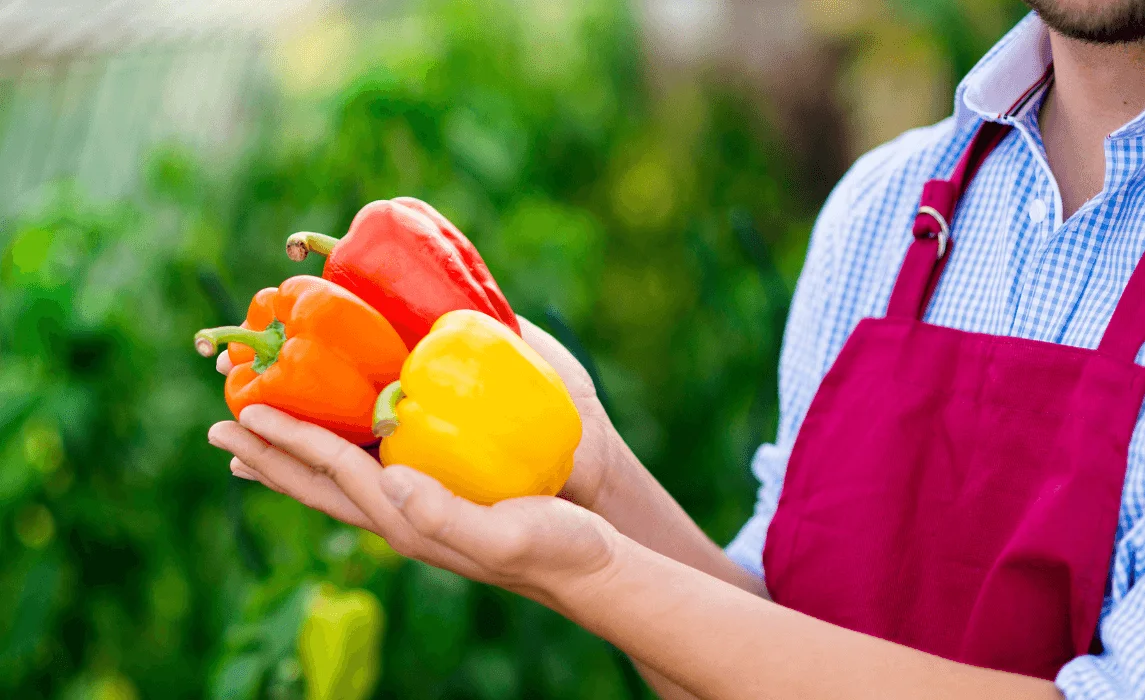
Colored Bells represent a broad category of sweet peppers that add vibrant visual appeal and enhanced nutritional value to your garden. Almost all bell peppers begin as green fruits, but depending on the specific variety planted, leaving them on the vine allows them to mature into striking shades of red, bright yellow, or deep orange. As they take the extra time to change color and fully ripen, their natural sugar content and vitamin concentration increase significantly, resulting in a much sweeter flavor.
How to Grow Peppers From Seed and Transplant Them
Whether you grow peppers from seed or buy established young plants, planting them correctly sets the foundation for healthy plants. This process details exactly how to get your peppers into the soil.
Starting Pepper Seed Indoors
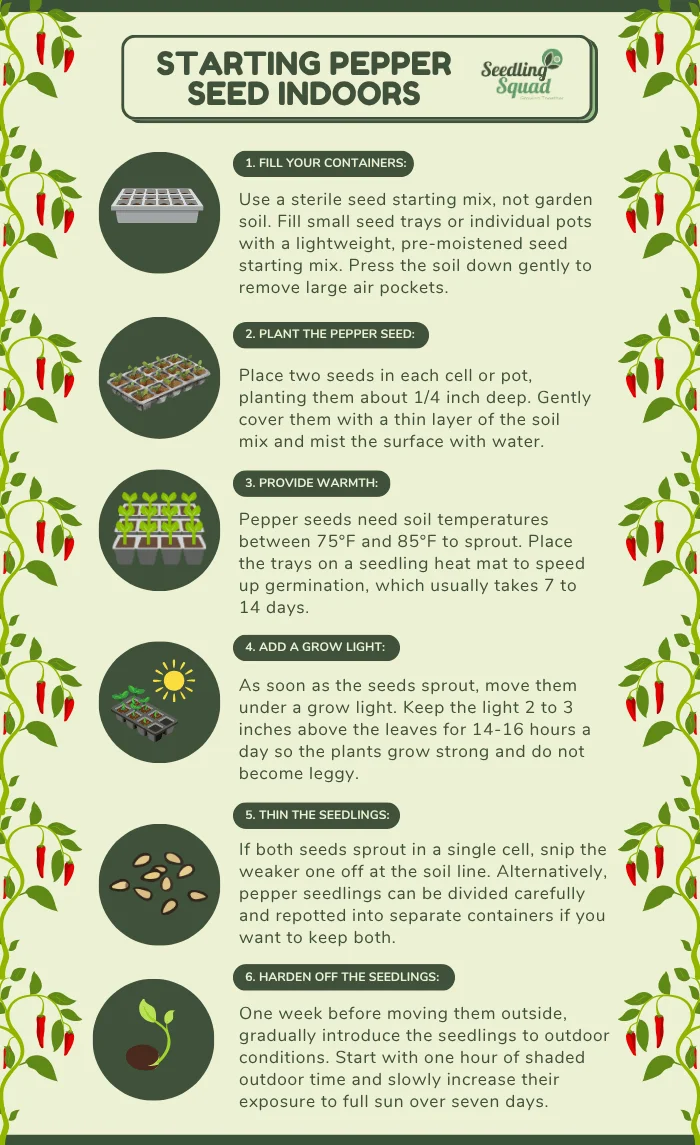
If you are starting from scratch, here is how to plant pepper seeds:
1. Fill your containers: Use a sterile seed starting mix, not garden soil. Fill small seed trays or individual pots with a lightweight, pre-moistened seed starting mix. Press the soil down gently to remove large air pockets.
2. Plant the pepper seed: Place two seeds in each cell or pot, planting them about 1/4 inch deep. Gently cover them with a thin layer of the soil mix and mist the surface with water.
3. Provide warmth: Pepper seeds need soil temperatures between 75°F and 85°F to sprout. Place the trays on a seedling heat mat to speed up germination, which usually takes 7 to 14 days.
4. Add a grow light: As soon as the seeds sprout, move them under a grow light. Keep the light 2 to 3 inches above the leaves for 14-16 hours a day so the plants grow strong and do not become leggy.
5. Thin the seedlings: If both seeds sprout in a single cell, snip the weaker one off at the soil line. Alternatively, pepper seedlings can be divided carefully and repotted into separate containers if you want to keep both.
6. Harden off the seedlings: One week before moving them outside, gradually introduce the seedlings to outdoor conditions. Start with one hour of shaded outdoor time and slowly increase their exposure to full sun over seven days.
How to Transplant Peppers
Once your seedlings are hardened off, or if you purchased seedlings from a nursery, it is time to move them to their permanent home.
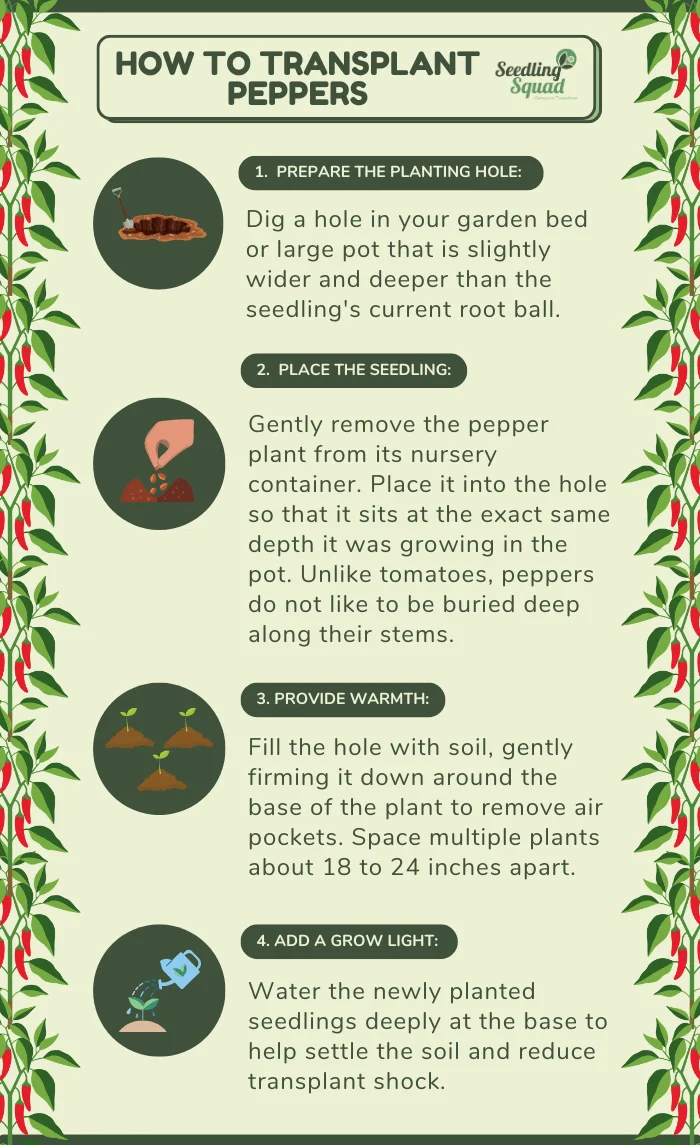
1. Prepare the planting hole: Dig a hole in your garden bed or large pot that is slightly wider and deeper than the seedling's current root ball.
2. Place the seedling: Gently remove the pepper plant from its nursery container. Place it into the hole so that it sits at the exact same depth it was growing in the pot. Unlike tomatoes, peppers do not like to be buried deep along their stems.
3. Backfill the soil: Fill the hole with soil, gently firming it down around the base of the plant to remove air pockets. Space multiple plants about 18 to 24 inches apart.
4. Water immediately: Water the newly planted seedlings deeply at the base to help settle the soil and reduce transplant shock.
Pepper Plant Requirements
To successfully grow sweet bell peppers throughout the growing season, you must provide proper growing conditions. Peppers need specific environmental factors to thrive and set fruit.
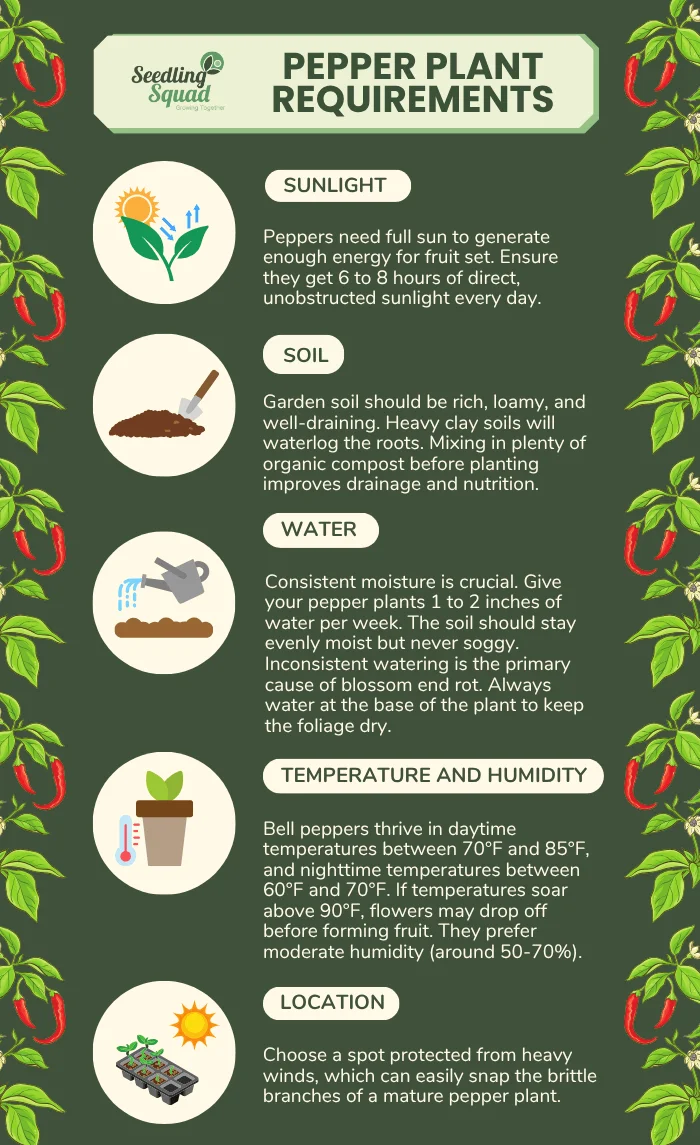
Sunlight: Peppers need full sun to generate enough energy for fruit set. Ensure they get 6 to 8 hours of direct, unobstructed sunlight every day.
Soil: Garden soil should be rich, loamy, and well-draining. Heavy clay soils will waterlog the roots. Mixing in plenty of organic compost before planting improves drainage and nutrition.
Water: Consistent moisture is crucial. Give your pepper plants 1 to 2 inches of water per week. The soil should stay evenly moist but never soggy. Inconsistent watering is the primary cause of blossom end rot. Always water at the base of the plant to keep the foliage dry.
Temperature and Humidity: Bell peppers thrive in daytime temperatures between 70°F and 85°F, and nighttime temperatures between 60°F and 70°F. If temperatures soar above 90°F, flowers may drop off before forming fruit. They prefer moderate humidity (around 50-70%).
Location: Choose a spot protected from heavy winds, which can easily snap the brittle branches of a mature pepper plant.
Keeping your growing plants healthy requires regular attention. Follow these maintenance tips to maximize your yield.
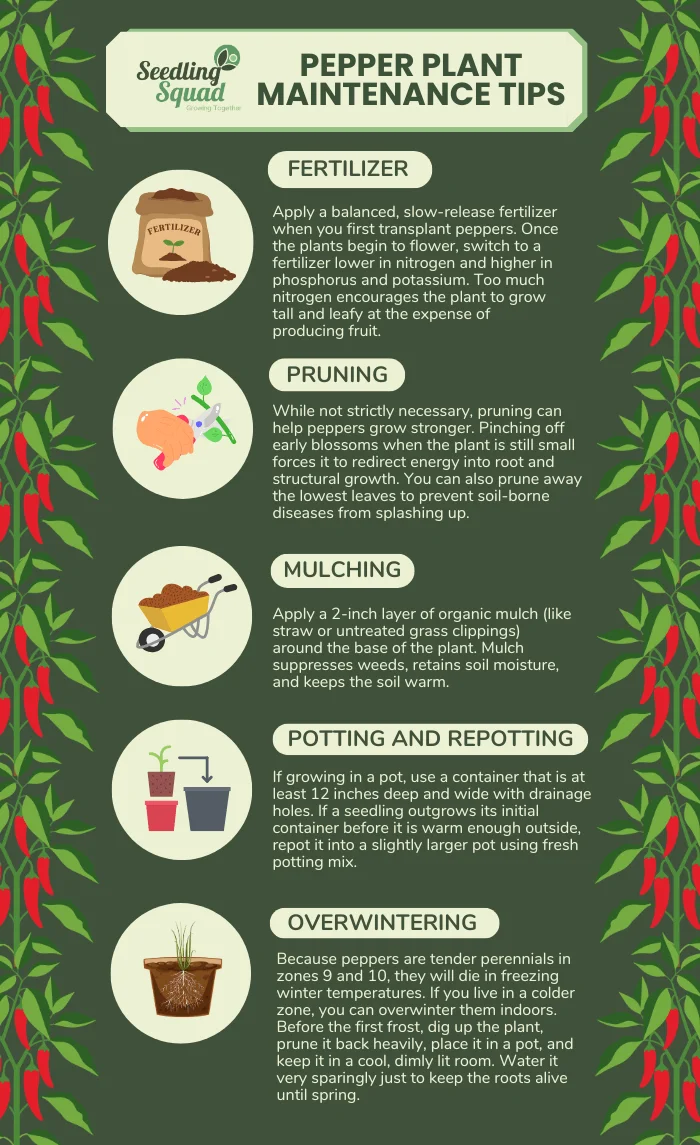
Fertilizer: Apply a balanced, slow-release fertilizer when you first transplant peppers. Once the plants begin to flower, switch to a fertilizer lower in nitrogen and higher in phosphorus and potassium. Too much nitrogen encourages the plant to grow tall and leafy at the expense of producing fruit.
Pruning: While not strictly necessary, pruning can help peppers grow stronger. Pinching off early blossoms when the plant is still small forces it to redirect energy into root and structural growth. You can also prune away the lowest leaves to prevent soil-borne diseases from splashing up.
Mulching: Apply a 2-inch layer of organic mulch (like straw or untreated grass clippings) around the base of the plant. Mulch suppresses weeds, retains soil moisture, and keeps the soil warm.
Potting and Repotting: If growing in a pot, use a container that is at least 12 inches deep and wide with drainage holes. If a seedling outgrows its initial container before it is warm enough outside, repot it into a slightly larger pot using fresh potting mix.
Overwintering: Because peppers are tender perennials in zones 9 and 10, they will die in freezing winter temperatures. If you live in a colder zone, you can overwinter them indoors. Before the first frost, dig up the plant, prune it back heavily, place it in a pot, and keep it in a cool, dimly lit room. Water it very sparingly just to keep the roots alive until spring.
Common Pests and Diseases
Common Pests
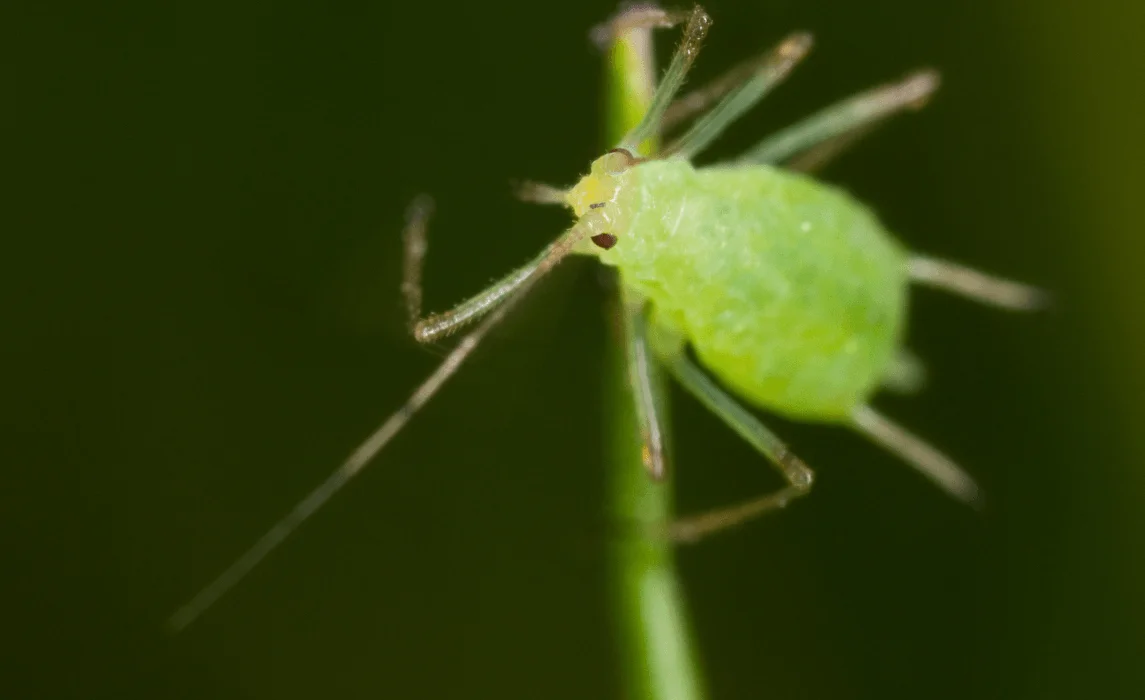
Aphids: Aphids are small green insect pests that suck sap from the plant's leaves, and they can be treated by spraying them off with a strong blast of water or by using an insecticidal soap.
Cutworms: Cutworms are pest caterpillars that sever seedlings right at the soil line, and this damage can be prevented by placing a cardboard collar around the stem of young transplants.
Common Diseases
Blossom End Rot: This is an environmental issue caused by a calcium deficiency that is tied to uneven watering, and it can be prevented and managed by maintaining consistent soil moisture and removing any affected fruit.
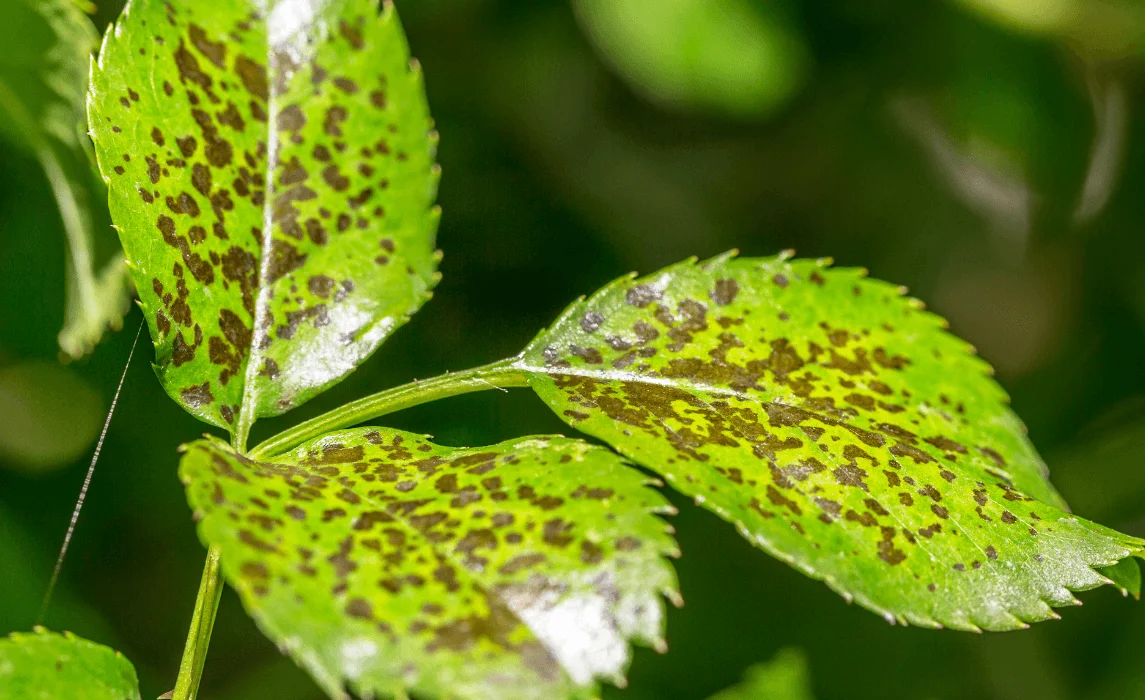
Leaf Spot: This is a fungal disease caused by wet foliage and poor air circulation, which can be prevented and treated by watering at the base of the plant, spacing plants properly, and applying a copper fungicide if needed.
Harvesting Peppers
Knowing when and how to harvest bell peppers ensures the best flavor and keeps the plant producing.
Bell peppers can be harvested at almost any stage of their development. Most bell peppers start out as green peppers. If you prefer a slightly bitter, crisp flavor, you can harvest them once they reach their full size while still green.
However, if you leave them on the plant, peppers mature and change color—usually transitioning from green to red, yellow, or orange. As they ripen, sweet bell peppers become much sweeter and their vitamin C content skyrockets.
To harvest, never pull or yank the fruit, as pepper branches break very easily. Instead, use clean, sharp pruning shears or scissors to snip the stem about half an inch above the bell pepper. Harvesting peppers frequently encourages the plant to produce more fruit throughout the growing season.
Yes, sweet bell peppers are generally easy to grow as long as you wait until the weather is thoroughly warm before planting them outside. Providing consistent water and full sun does most of the heavy lifting.
Do I need to wear gloves when handling sweet bell peppers?
No. While handling hot peppers requires care (and often gloves) to avoid burning your skin or eyes with capsaicin, sweet bell peppers have zero heat and are perfectly safe to handle bare-handed.
Can I grow a bell pepper from a scrap from my kitchen?
While you can technically harvest seeds from a store-bought pepper scrap, it is not recommended. Grocery store peppers are often hybrids, meaning their seeds will not grow true to the parent plant, and they may be treated to prevent germination. It is always better to buy dedicated pepper seed.
Related posts
Here are some articles you might be interested in.