10 Inspiring English Garden Ideas for a Country Cottage Garden
Published on
June 11, 2026
Author
Sarah Wilson
Sarah Wilson started her gardening journey during the pandemic and had fallen in love with it ever since. Eager to connect with fellow garden enthusiasts, she wants to share the knowledge she's gained over the past three years.
Growing Chia Plants Q&A
Can I grow chia from the chia seeds I buy at the store?
Yes. Organic chia seeds from the grocery store will often germinate, though germination can vary. Fresh seed from a garden supplier is more reliable.
How long does it take to grow chia?
Seeds sprout in about a week. The plant needs 100 to 150 days to mature before you can harvest the seeds.
Is chia a California native plant?
Salvia hispanica is native to central Mexico and Guatemala. However, Salvia columbariae, sometimes called California chia, is a California native plant.
Can I grow chia indoors?
You can grow chia sprouts and microgreens indoors easily. A full-size chia plant needs strong light and rarely sets a good seed crop indoors.
Why won't my chia flower?
Chia flowers when days get shorter. Plants in cooler regions or those lit at night may bloom late or not at all.
How to Grow Pumpkins Q&A
Can I grow pumpkins in a small home garden?
Yes. Choose bush or miniature varieties, grow vines on a trellis, or use raised beds. Plan on one or two plants per hill and prune vines when space is tight.
When should I plant pumpkins for Halloween?
Plant seeds in late May or early June in most climates. Count back from your first frost date and allow for 90 to 120 days of growth.
Why does my pumpkin plant have flowers but no fruit?
Male flowers appear first, so early flowers will not set fruit. If female flowers open but fail to fruit, you probably have too few bees. Pollinate by hand in the morning.
What causes pumpkin leaves to turn white?
This is usually powdery mildew. Improve airflow, water at the base, remove infected leaves, and apply a fungicide or neem oil.
Can I eat the pumpkin I grew for carving?
Yes, though carving types are stringy and bland. Pie pumpkins are sweeter, but the seeds from any pumpkin can be roasted.
Growing Grapevines Q&A
How long does it take for a grape plant to produce fruit?
Most young vines need two to three years after planting before they set a full crop, though a few clusters may appear in year two. Patience pays off — established vines can keep producing for 40 years or more.
Do I need more than one vine to grow grapes?
No. Since most grape varieties are self-fertile, one plant is enough to produce fruit on its own. Planting a second variety nearby is optional and mainly helps with cross-pollination in a few less common types.
Can grape vines grow in containers?
Yes, though grape vines grow best planted directly in the ground, where the root system has room to spread. A large container works for a year or two, but expect to transplant once the vine outgrows the pot.
Why aren't my grapes ripening?
Grapes ripen slowly compared to many fruits, and cool weather, too much shade, or overcrowded canes can all delay the process. Give the vine full sun, thin the clusters, and be patient through the growing season.
What's the difference between table grapes and wine grapes?
Table grapes are bred for fresh eating, with thinner skins and fewer seeds, while wine grapes tend to have thicker skins, more seeds, and higher sugar content suited to fermentation.
Are grape vines toxic to pets?
Grapes and grape leaves are not toxic to people, but grapes and raisins are toxic to dogs and can cause kidney damage, so keep fallen fruit cleaned up if pets have access to the vineyard.
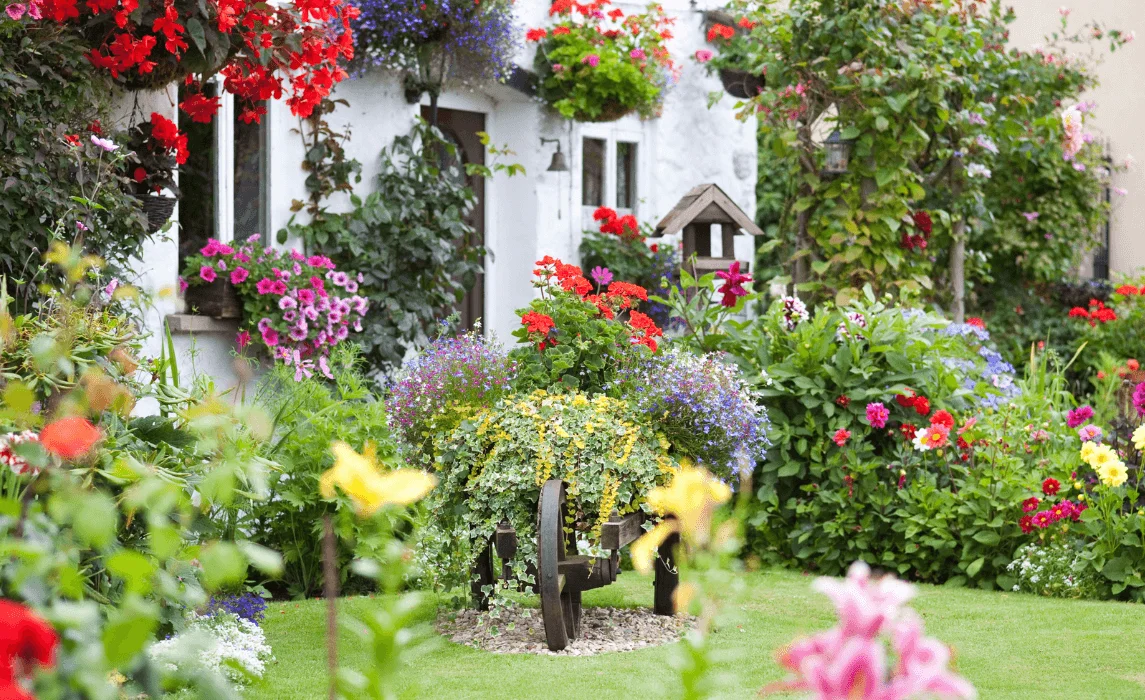
The classic English garden features an enchanting, romantic storybook feel and a beautifully natural look. This quintessential English garden style prioritizes dense planting and seasonal romance, offering great flexibility for a large acreage or a small garden space. These timeless English garden ideas rely on an artful balance: building a structured landscape framework and softening it with an abundance of plants throughout the yard.
Historically, the earliest English gardens were created as utilitarian plots by local landowners, but pioneers like William Robinson at Gravetye Manor and iconic landscape designer Gertrude Jekyll elevated the humble cottage style into a celebrated fine art. Jekyll applied refined color theory to deep herbaceous borders, helping modern enthusiasts design an English garden that captures an authentic English garden feel. Use these 10 foundational garden ideas as your ultimate garden inspiration to transform your property into a sanctuary of timeless charm.
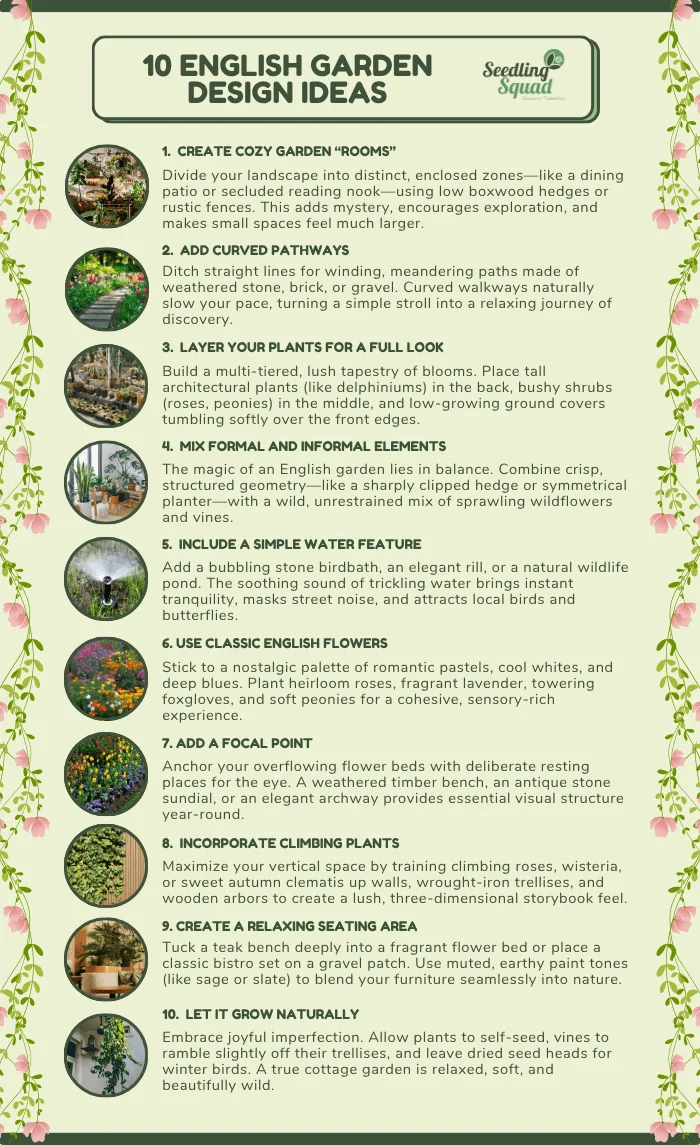
10 English Garden Design Ideas
1. Create Cozy Garden “Rooms”
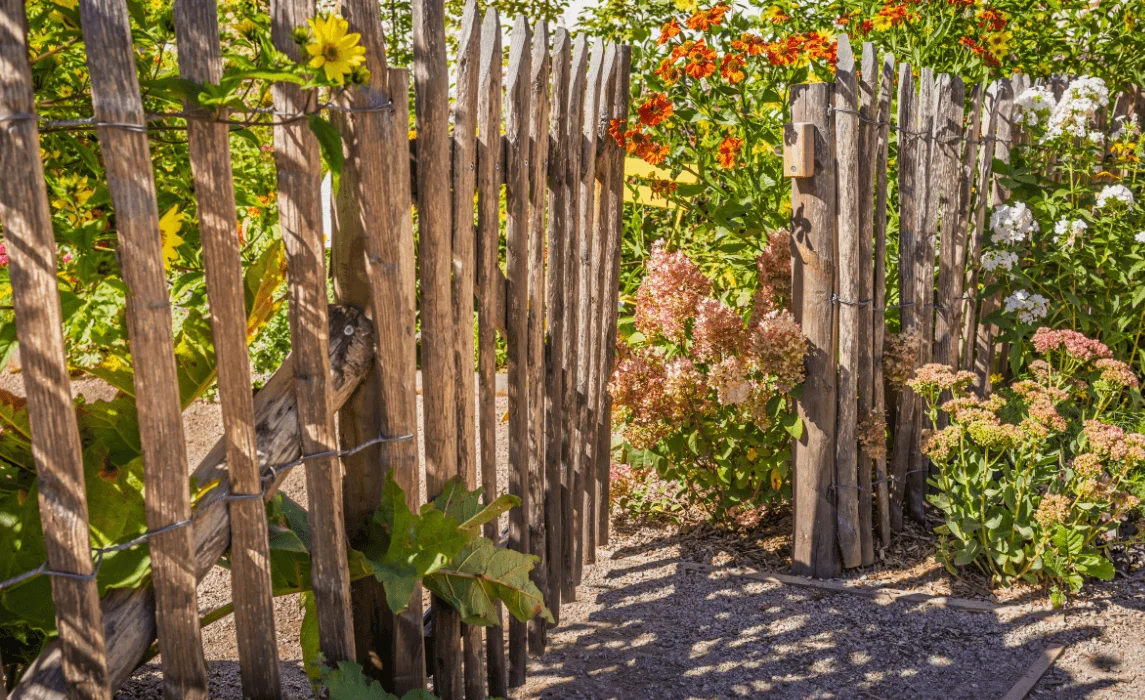
One of the most effective design principles for structuring an expansive property or optimizing a small space is the concept of dividing your landscape into distinct, cozy garden "rooms." In a traditional English country garden style, an outdoor space is rarely revealed all at once from a single vantage point. Instead, the landscape design is structured as a series of sequential, enclosed spaces, each offering its own unique atmosphere, purpose, and visual interest. By partitioning your yard into separate zones, you can establish dedicated areas for specific activities—such as a quiet stone patio for formal outdoor dining, an open lawn area for walking, or a completely secluded, hidden corner featuring an antique sundial for deep reflection. To successfully divide your space, turn to structural English garden elements like a neatly clipped hedge or a rustic wooden fence. Utilizing a slow-growing evergreen shrub like boxwood allows you to create low, crisp partitions that maintain their form and provide invaluable winter interest long after summer perennials have withered away. Alternatively, you can use taller, denser hedges to form living walls that block wind and create total privacy. These boundaries do not have to be completely solid; a well-placed structural arch or an open wrought iron gate can act as an inviting transition point, framing the view of the next room and enticing visitors to explore further. This methodical approach is a cornerstone of historical cottage garden design, ensuring that even a compact front garden feels multi-dimensional, layered, and significantly larger than its actual physical dimensions suggest.
2. Add Curved Pathways
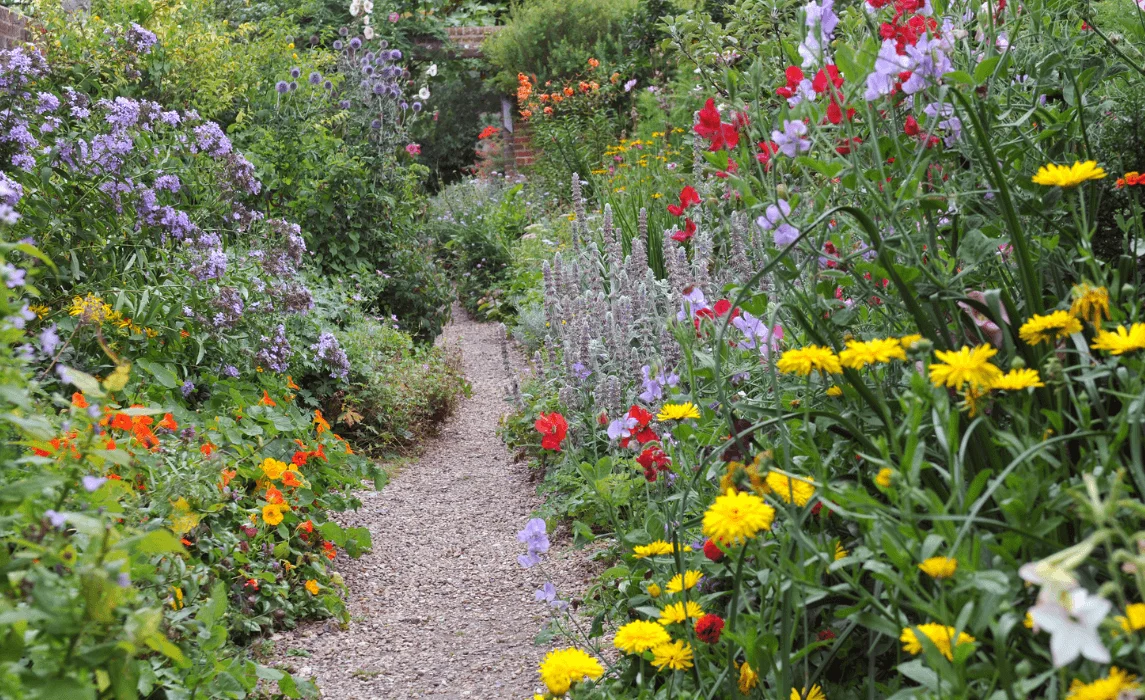
A beautifully executed garden path serves as the true physical and visual backbone of any classic English landscape. While modern landscape layouts often favor straight, efficient concrete paths, an authentic traditional English design relies on winding, undulating pathways that meander organically through the property. The primary objective of a curved pathway is to dictate the rhythm and speed at which your outdoor environment is experienced. A curving path intentionally slows down the visitor's pace, gently guiding their gaze from one flower bed to the next and turning a simple stroll into an engaging journey of discovery. When selecting materials for your walkway, aim for organic textures that gracefully gather moss, weather naturally over time, and blend seamlessly with the surrounding flora. Weathered stone paths, rustic brick paver arrangements, fine gravel, or simple flagstone stepping stones are all excellent choices that evoke an instant sense of permanence and age. As you lay out these pathways, ensure that they map around your planting beds rather than cutting through them rigidly. Allow sprawling, soft perennials like catmint, cranesbill geraniums, or silver-foliaged lamb's ear to spill freely over the hardscape borders. This deliberate softening of the edges blurs the line between the built environment and nature, reinforcing the relaxed, storybook look that characterizes the finest cottage garden style layouts across the world.
3. Layer Your Plants for a Full Look
To achieve the lush, abundant aesthetic that defines the classic english border, a gardener must master the art of vertical and horizontal plant layering. A common mistake in beginner garden design is planting varieties in flat, uniform rows or scattering them randomly without considering their mature heights and growth habits. The traditional herbaceous borders pioneered by Gertrude Jekyll rely on a strict, multi-tiered structural hierarchy within every single flower bed. By carefully organizing your garden plants based on their physical scale, you ensure that every individual specimen is visible, receives adequate direct sun, and contributes to a cohesive, tapestry-like composition. The structural framework begins at the absolute back of the flower bed, where you position your tallest architectural specimens to add height and form a majestic backdrop. This rear tier is the ideal home for towering, dramatic spikes like stately delphinium, historic hollyhock, and vertical foxglove towers. In front of these giants, the intermediate middle tier is filled with substantial perennial varieties and bushy shrubs that provide body, texture, and reliable color throughout the primary seasons. This is where you include roses, soft salvias, peonies, and structural ornamental grasses. Finally, the absolute front edge of the border is reserved for low-growing cottage garden flowers, annual varieties, and sprawling ground cover options that gently tumble over your garden path. Planting in asymmetrical, elongated "drifts" rather than stiff blocks creates an organic wave of continuous bloom, maximizing visual interest and filling every cubic inch of space with rich color.
4. Mix Formal and Informal Elements
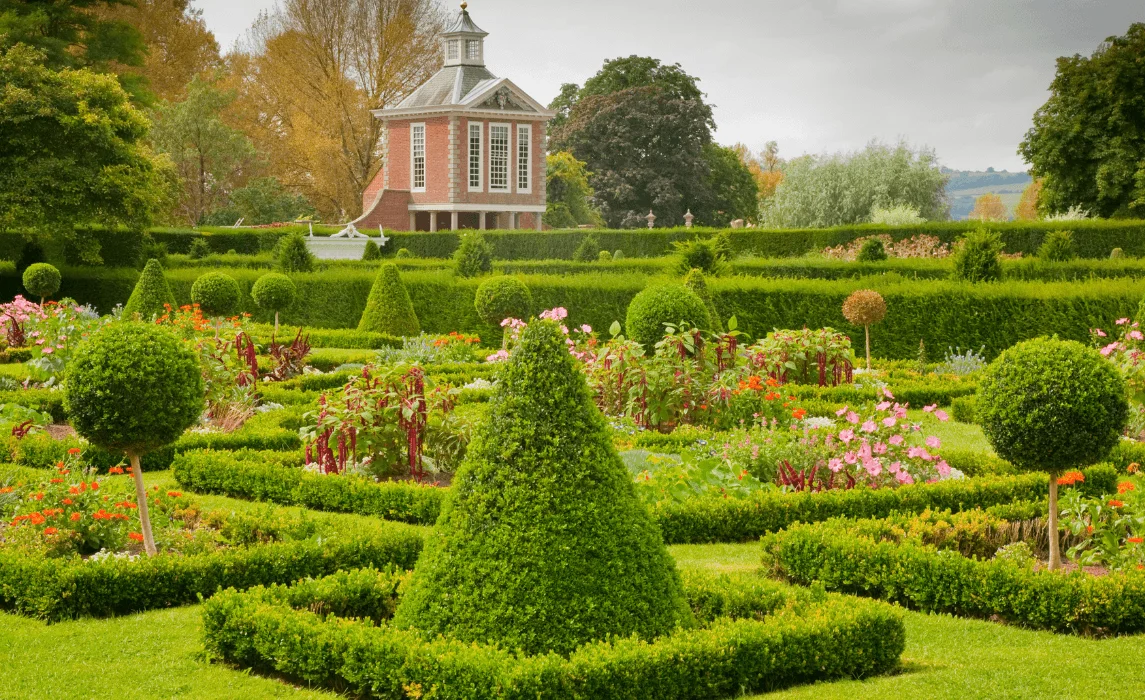
The true magic and enduring allure of the english country garden style reside in a fascinating, deliberate paradox: the masterful juxtaposition of formal structures and informal, free-flowing planting schemes. This unique balance between neatness and wildness ensures that the landscape feels deeply disciplined yet completely spontaneous. Without structural hardscaping or clipped green architecture, a cottage style garden can easily devolve into a chaotic, unkempt mess. Conversely, without the softening influence of untamed flora, a formal layout can feel cold, clinical, and uninviting. To implement this principle on your own property, begin by establishing crisp, formal geometric frameworks. This can take the shape of a perfectly straight boxwood hedge, a symmetrically placed stone planter, or a sharply manicured patch of turf grass. Once these structured lines are set, intentionally disrupt and soften them by packing them tightly with an abundant, unrestrained mix of wildflowers, sprawling perennials, and climbing vines. Allow a vigorous, heavily scented climber like honeysuckle or a rambling white flower cultivar to wrap loosely around a formal arch. Position a perfectly shaped piece of topiary directly within a wildly overflowing bed of purple salvia and texturized catmint. This constant interplay between strict human geometry and wild, natural exuberance creates an engaging tension that underpins the sophisticated charm of traditional English landscaping.
5. Include a Simple Water Feature
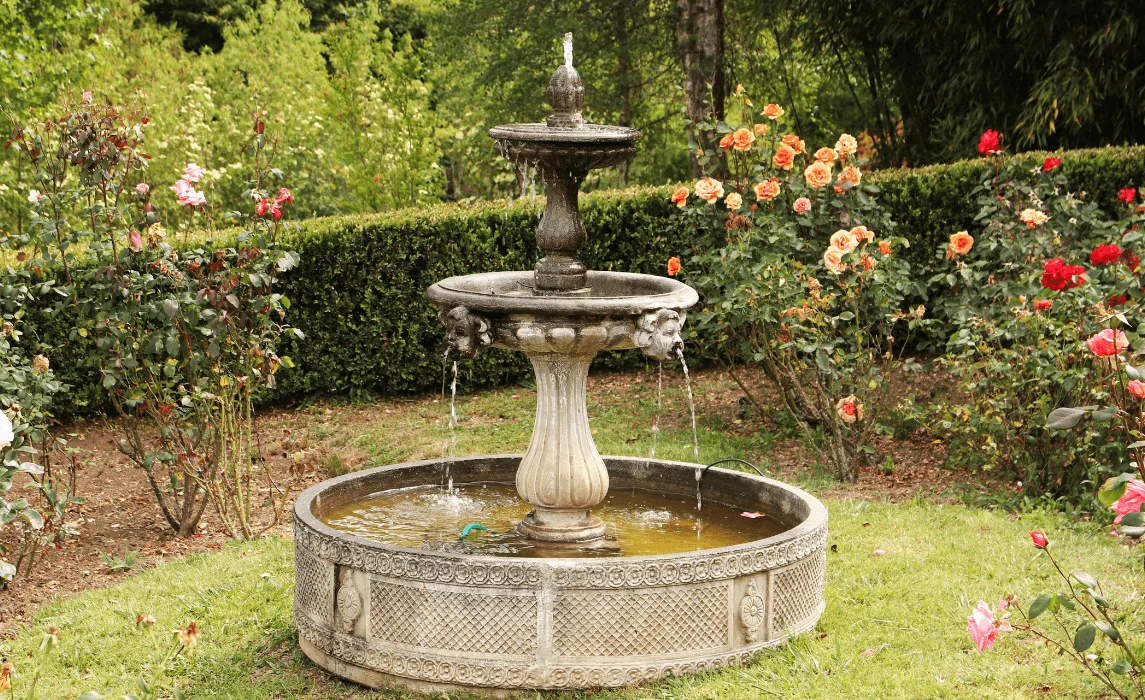
No sensory-rich outdoor environment is truly complete without the soothing acoustic qualities and reflective beauty of a well-integrated water feature. In a traditional English garden, water serves as a vital tool for deepening the ambient sense of peace and natural isolation. The gentle sound of trickling or bubbling water introduces a profound layer of tranquility, effectively masking modern external noises like passing street traffic, while simultaneously cooling the immediate microclimate during warm summer afternoons. Furthermore, incorporating water into your landscape design acts as an instant ecological magnet, attracting a diverse variety of native birds, butterflies, and beneficial pollinator species to your sanctuary. Depending on the specific scale and style of your property, your choice of water feature can range from highly casual to elegantly formal. For a small garden or a compact front garden, a simple, weathered stone birdbath or a modest bubbling basalt fountain nestled within a deep flower bed is often more than enough to create the desired atmosphere. If you are working with an expansive rural plot and wish to embrace a more formal classic english aesthetic, you might install a long, narrow stone-lined rill that directs water through the center of an outdoor room with architectural precision. Alternatively, a naturalized wildlife pond edged with smooth river stones, water lilies, and lush marginal plants offers an incredibly romantic, storybook feel that enhances the overall timeless charm of the landscape.
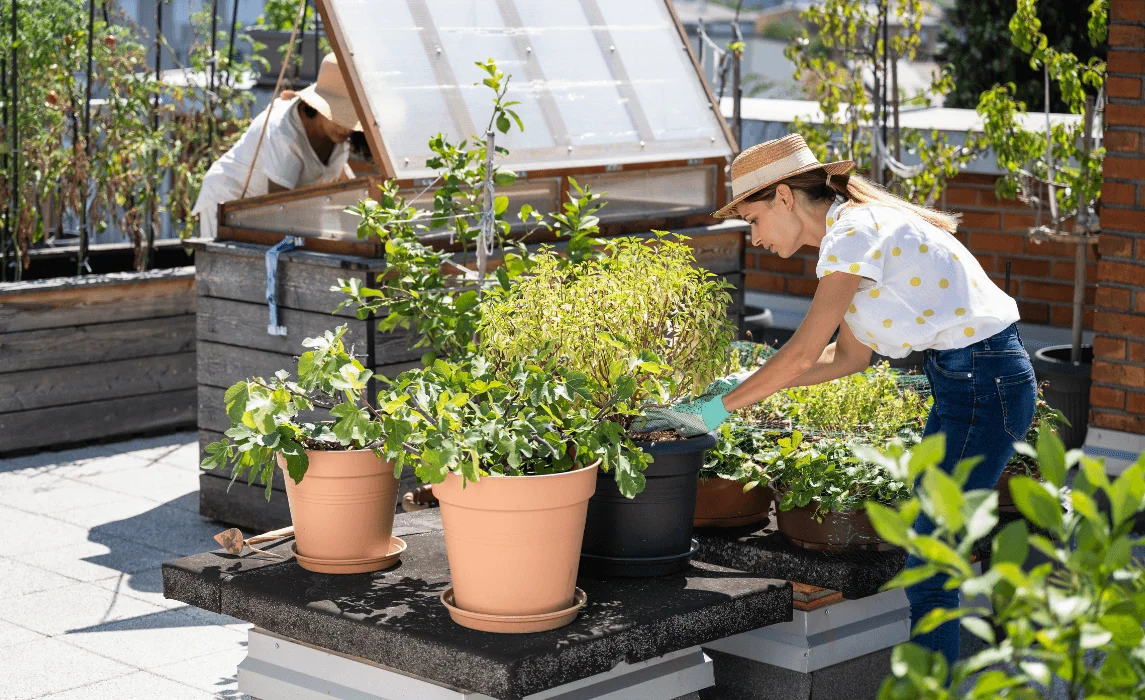
Explore creative rooftop garden designs and terrace garden ideas that transform unused roof space into a beautiful, functional, and productive outdoor retreat.
```
6. Use Classic English Flowers
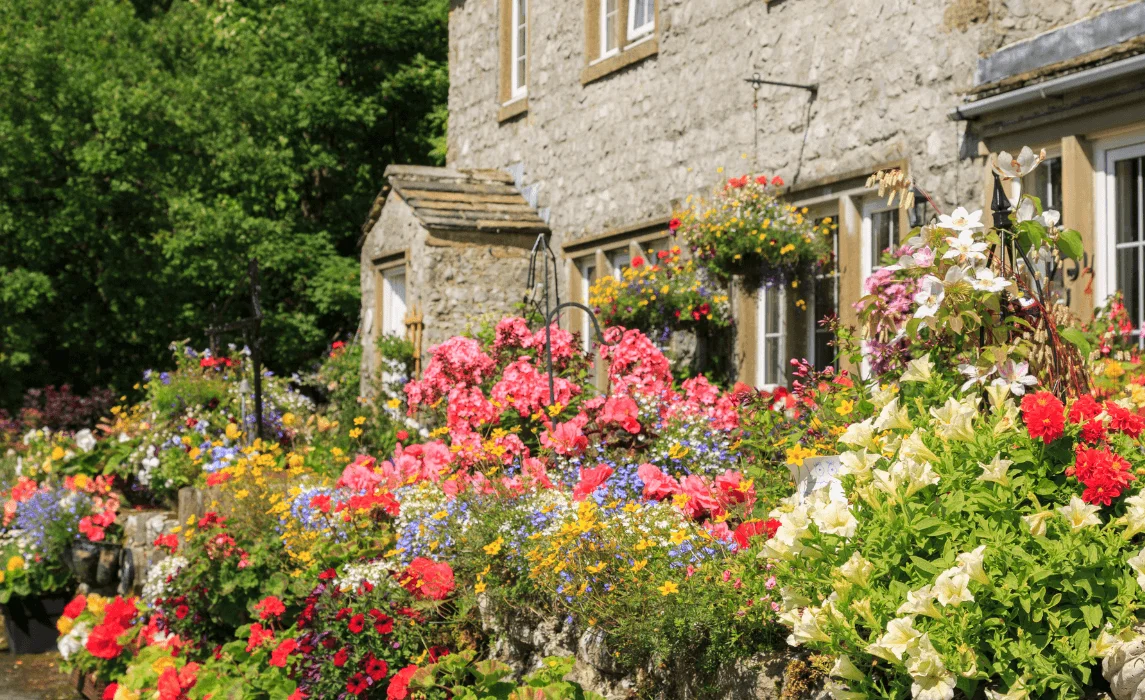
Selecting the appropriate plant palette is an essential step when trying to capture the authentic, nostalgic spirit of an English cottage garden. The goal is to focus on time-tested, historic garden plants that weave together in soft, harmonious blends rather than relying on harsh, neon, or overly tropical modern hybrids. When curating your color palette, favor romantic pastels, cool whites, deep blues, and rich shades of purple. These tones naturally complement one another, creating a soothing, cohesive visual experience that mirrors the historical landscapes of the British countryside. Among the absolute staple cottage garden flowers, several iconic varieties are mandatory for achieving the look. The undisputed queen of the space is the rose—specifically heirloom varieties and modern austin roses, which combine old-fashioned, multi-petaled chalice forms with robust health and continuous bloom cycles. Interspace these woody shrubs with aromatic mounds of lavender along your sunny walkways, allowing their clean, crisp scent to fill the air. Introduce dramatic vertical structure using biennial foxglove plants like Digitalis purpurea, which thrive beautifully in partial shade beneath mature trees. To fill the mid-tier beds, utilize reliable, long-blooming perennials like deep blue salvia, soft pink peonies, and hardy cranesbill. By prioritizing highly fragrant plants and mixing these classic choices throughout your flower borders, you establish a living canvas that delights the senses from early spring through late autumn.
7. Add a Focal Point
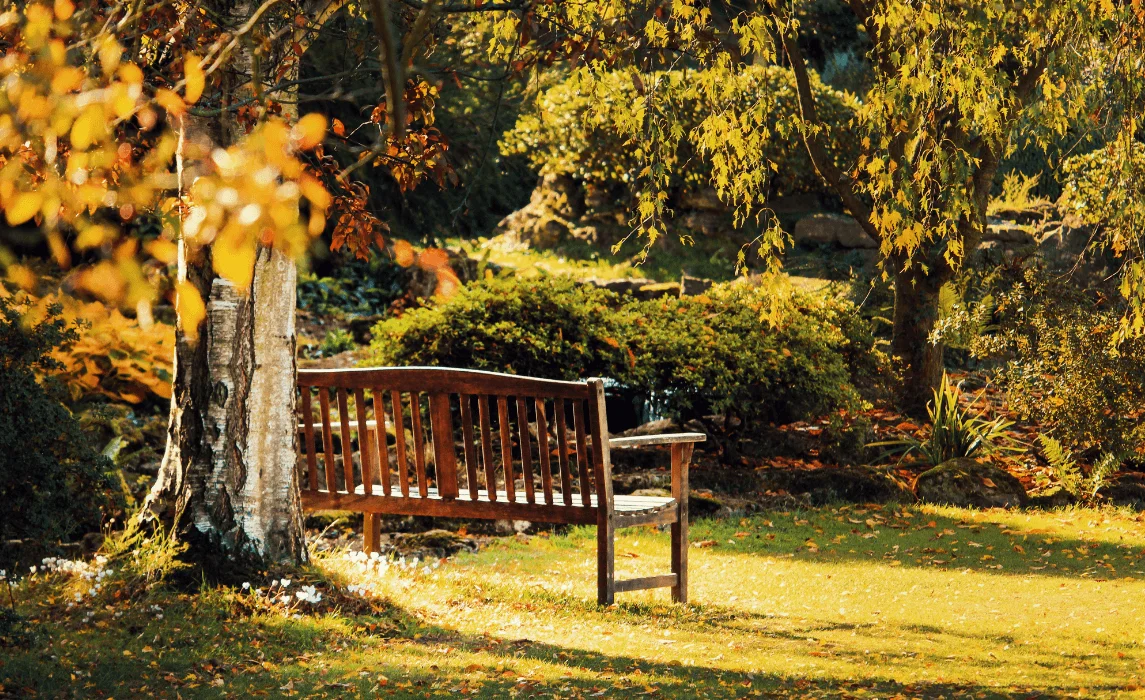
With the immense density and rich visual complexity inherent to an overflowing English border, the human eye requires clear punctuation marks to navigate the space successfully. This is achieved by strategically positioning strong focal points throughout your outdoor rooms. A focal point acts as a visual anchor, drawing the viewer's attention along a specific axis, grounding the surrounding planting scheme, and giving the entire landscape a sense of deliberate structure and balance. Without these anchors, a heavily planted cottage garden style plot can easily feel overwhelming and disorganized. When selecting objects to serve as focal points, choose items that carry a sense of history, weight, and artistic merit. A classic weathered timber or stone bench positioned at the absolute end of a winding garden path provides both an inviting destination and a practical spot to rest. A historic, patinated bronze or stone sundial placed at the center of an intersection of paths introduces a beautiful narrative element. Other excellent options include an elegant statue peeking out from beneath a canopy of ferns, a substantial, oversized ornamental planter filled with a single striking specimen, or a beautifully constructed structural arch that frames a view of the landscape beyond. These touches like permanent architectural ornaments ensure your property retains its essential structure and visual interest even during the barren winter months.
8. Incorporate Climbing Plants
To maximize the planting potential of your property—especially when working within a highly restricted small space—you must learn to utilize vertical real estate. Incorporating a heavy mix of climbing plants is an absolute signature of the traditional English cottage garden, adding an immediate sense of romance, enclosure, and three-dimensional depth to the landscape. Training vines and woody climbers to scale vertical surfaces effectively transforms cold, flat house walls, boundary fences, and bare outbuildings into living, breathing tapestries of rich foliage and seasonal bloom. To support these vertical growers, install strong structural frameworks such as a classic wooden arbor, a dark wrought iron trellis, or a series of elegant rose arches spanning across your main walkways. A classic choice for adding drama is a spectacular climbing rose, trained horizontally across a support structure to maximize the production of flowering side shoots. For early spring splendor, consider a vigorous wisteria, whose long, pendulous racemes of soft lavender flowers drape beautifully over sturdy pergolas. To fill the summer and autumn months with intense fragrance, integrate scrambling honeysuckle or sweet autumn clematis. These versatile climbers weave seamlessly through structural hedges and over frameworks, drawing the human eye upward, creating a powerful sense of overhead shelter, and reinforcing the lush, storybook charm of the space.
9. Create a Relaxing Seating Area
An authentic english country garden is never meant to be viewed merely as a demanding horticultural project or a passive piece of outdoor art; it is designed to be fully lived in, experienced, and enjoyed. Therefore, creating a dedicated, highly relaxing seating area is a vital component of any successful layout plan. Whether you set up a grand stone patio for hosting large family gatherings or a tiny, intimate reading nook hidden away in a secret corner of the yard, these spaces provide a comfortable setting to slow down, disconnect from modern stresses, and immerse yourself fully in the natural world. When designing your seating area, prioritize privacy, comfort, and seamless integration with the surrounding landscape design. A simple teak bench nestled directly into a deep English border allows you to sit completely enveloped by fragrant plants and buzzing pollinators. For a slightly larger space, a classic wrought iron bistro set placed on a small patch of self-binding gravel or weathered flagstone creates an idyllic spot for morning tea or evening reflection. Pay close attention to touches like the paint color of your garden furniture—opting for muted, historical tones like sage green, soft slate grey, or creamy off-white ensures that the structures harmonize perfectly with the natural tones of the foliage and flowers, preserving the relaxed, unforced charm of the entire composition.
10. Let It Grow Naturally
The final, and perhaps most liberating, design idea for mastering the classic english garden look is to intentionally step back and let nature take its course. The defining characteristic that separates an authentic cottage style landscape from other high-maintenance formal styles is its relaxed, un-manicured, and slightly wild attitude. A true English garden embraces the natural lifecycle of plants, celebrating a look of joyful imperfection rather than pursuing an artificial standard of clinical neatness. Over-trimming, constant shearing, and excessive chemical intervention have no place in this organic design philosophy. As a home gardener, this means learning to welcome a slightly messy, soft appearance across your flower borders. Allow your plants to self-seed freely, permitting varieties like foxgloves, forget-me-nots, and poppies to pop up unexpectedly in the cracks between your paving stones or along the edges of your weathered stone paths. Let the soft vines of your climbing rose or scrambling clematis ramble slightly off their designated trellises, weaving organically through neighboring shrubs. When autumn arrives, resist the urge to clear-cut your entire flower bed; instead, leave structural seed heads, dried flower pods, and ornamental grass plumes intact to provide vital winter interest and essential winter food for native birds. By relaxing your standards of control and allowing the landscape to grow naturally, you achieve a soft, authentic look filled with authentic storybook charm.
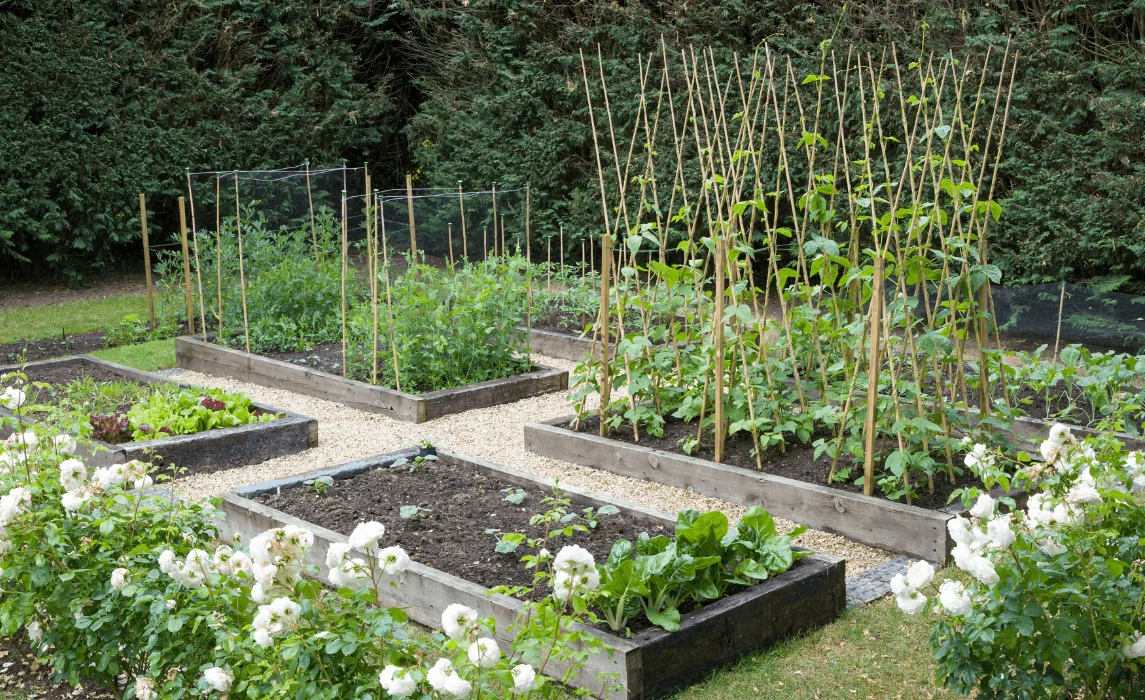
Make the most of limited space with practical small garden design tips, clever layouts, and stylish ideas that create a beautiful and functional outdoor retreat.
```
Conclusion
Adopting the English country garden style is an incredibly rewarding journey that celebrates the beautiful partnership between human creativity and the natural world. A true English cottage garden is defined by its signature timeless charm, character, and romance rather than rigid, flawless perfection. Do not feel overwhelmed by a massive, multi-tiered garden design project; instead, encourage yourself to start small.
Begin by turning a single sunny corner into a rich perennial flower bed, or install a winding garden path lined with a few classic fragrant plants. Use these 10 versatile garden ideas as a flexible framework, allowing plenty of room for your own personal style and favorite garden plants to thrive naturally across the changing seasons.
Frequently Asked Questions:
Q: How can I implement English garden ideas if I only have a very small space or a compact front garden?
A: Focus heavily on vertical layering using climbing roses or honeysuckle, and use a soft pastel color palette to add an illusion of depth. Gathering multi-sized planters along walkways also provides an overflowing, lush look within a restricted footprint.
Q: What are the best strategies to ensure my English border retains visual interest during the winter months?
A: Incorporate structural evergreens like boxwood hedges, pruned topiary, or permanent hardscape anchors like a stone sundial. Avoid clear-cutting in autumn; leaving dried seed heads and tall foxglove stalks intact through winter captures striking structural shapes and textures.
Q: Can I achieve an authentic cottage style look if my yard does not receive direct sun all day?
A: Yes. While roses need direct sun, classic woodland edge plants like the foxglove thrive beautifully in partial shade and dappled light. Pair these with shade-tolerant foliage and soft ground cover to capture a romantic, layered look.
Related posts
Here are some articles you might be interested in.