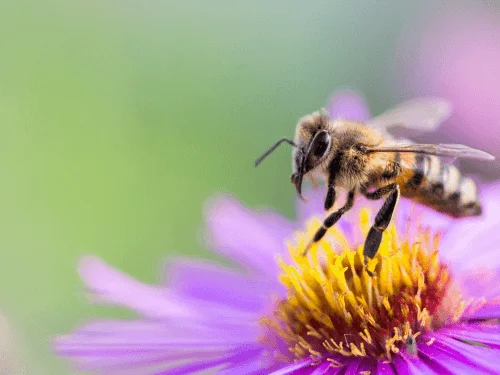
Bees are generally drawn to flowers that are blue, purple, yellow, or white, and that offer easy access to nectar and pollen. Lavender, bee balm, sunflower, and coneflower are some of the most reliable plants that attract bees to a home garden.
Do I need to avoid pesticides in a bee-friendly garden?
Yes, whenever possible. Insecticide and pesticide products can harm adult bees and their larva, even in small amounts. Choosing natural pest control methods helps keep your garden safe for visiting bees.
Can a small home garden still support pollinators?
Absolutely. Even a few containers of zinnias, salvia, or crocus on a balcony can offer pollen and nectar for local bees. Bees will travel between small garden spaces, so every bit of habitat helps.
Do bees need more than just flowers?
Yes. Bees also need nesting sites and water. Ground-nesting bees need patches of bare soil, while a shallow bee bath gives bees a safe spot to drink, especially in hot weather.
Will planting a pollinator garden really help save the bees?
It genuinely can. As natural habitat shrinks, home gardens have become an important food source and shelter for bees, including many native bee species. A well-planned bee garden supports pollination for your own flowers and vegetables while helping the wider bee population.
What is the best USDA zone for growing a bee garden?
There is no single best zone. Most of the plants above grow well across USDA zones 4 through 9, and gardeners in colder or warmer zones can simply choose varieties suited to their climate, or grow warm-season bees favorites like sunflower and zinnia as annuals.
Hypoallergenic Plants Q&A
Do houseplants cause allergies?
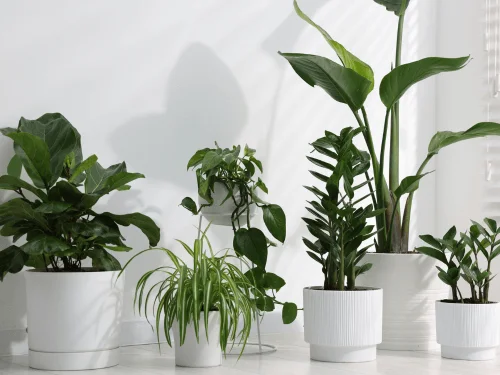
Yes, certain indoor plants can trigger a plant allergy through loose pollen, scented flowers, sap, dust, or damp soil. Allergies and houseplants are highly individual: one person may sneeze near peace lilies while another has no response. Overwatering lets mold produce a spore that may become airborne. If symptoms begin after adding plants in your home, isolate each pot, clean the area, and discuss persistent allergy symptoms with a qualified clinician.
Which plants to avoid?
Plants to avoid include strongly fragrant flowers, visibly dusty specimens, and wind-pollinated garden plants brought inside while shedding. Male palms can release pollen if they flower, and wet potting mix can make allergies worse. The best and worst choices depend on the person, so remove any plant that appears to cause pollen allergy symptoms or contact irritation.
Can indoor plants purify air?
Claims about indoor plants that purify come largely from controlled chambers. Although some air-purifying plants can take up chemicals, ordinary air purifying plants are not fast enough to replace ventilation or air cleaners in a real room. Plants can improve air quality mainly by supporting comfort and encouraging care for the space; they should not be presented as houseplants for clean air that reliably remove formaldehyde. To improve indoor air quality, control sources, ventilate safely, and use proven filtration.
How does the ogren scale work?
The Ogren Plant Allergy Scale system, also called OPALS, rates a plant's potential allergenicity from 1 to 10. It considers pollen, fragrance, and contact reactions, but the likelihood a plant will cause a reaction still depends on the individual and exposure. A high score does not prove a particular plant will cause pollen allergy, and a low score is not a medical guarantee.
Can plants help you breathe?
Allergy-friendly plants may make an indoor space calmer, but they do not treat disease or guarantee allergy relief. For people with allergies, clean leaves, dry saucers, fresh potting mix, and steady air circulation matter more than labels such as hypoallergenic plants. These indoor plants that are allergy-safe can help you breathe easier only by limiting likely triggers; they cannot help you breathe during an asthma attack.
Planting Calendar Q&A
Is an almanac planting calendar exact?
No. It is a useful regional estimate built from historical conditions. Confirm its suggested planting date with your local forecast, soil condition, and microclimate.
When is the best time to plant?
The best time to plant is when the crop's temperature needs match your frost window and the soil is workable. Cool crops can begin earlier; tender warm-season crops wait until frost danger has passed.
Can every vegetable be started indoors?
No. Tomatoes and peppers handle indoor seed starting well, while carrots are usually sown directly in the ground. Follow crop-specific seed packets and avoid disturbing sensitive roots.
What if a late frost is forecast?
Delay transplanting tender crops, move containers inside, or cover established plants overnight. Remove covers after temperatures rise so light and airflow return.
How often should I revise my calendar?
Review it at the start of each growing season and add notes after major sowings and harvests. Records reveal which dates, varieties, and methods work best in your garden.
A beautiful outdoor space is more than just a collection of plants—it is a thoughtfully crafted extension of your home. Whether you are starting with a blank yard or looking to breathe new life into an existing landscape, choosing a cohesive aesthetic is the crucial first step. From the relaxed, blooming charm of a cottage layout to the tranquil balance of a Japanese retreat, the right approach brings harmony and purpose to your outdoor living area.
In this article, we will discover inspiring garden style and landscape design ideas that will help you transform an ordinary yard into a stunning personal sanctuary.
10 Garden Styles
1. English Cottage Garden Style
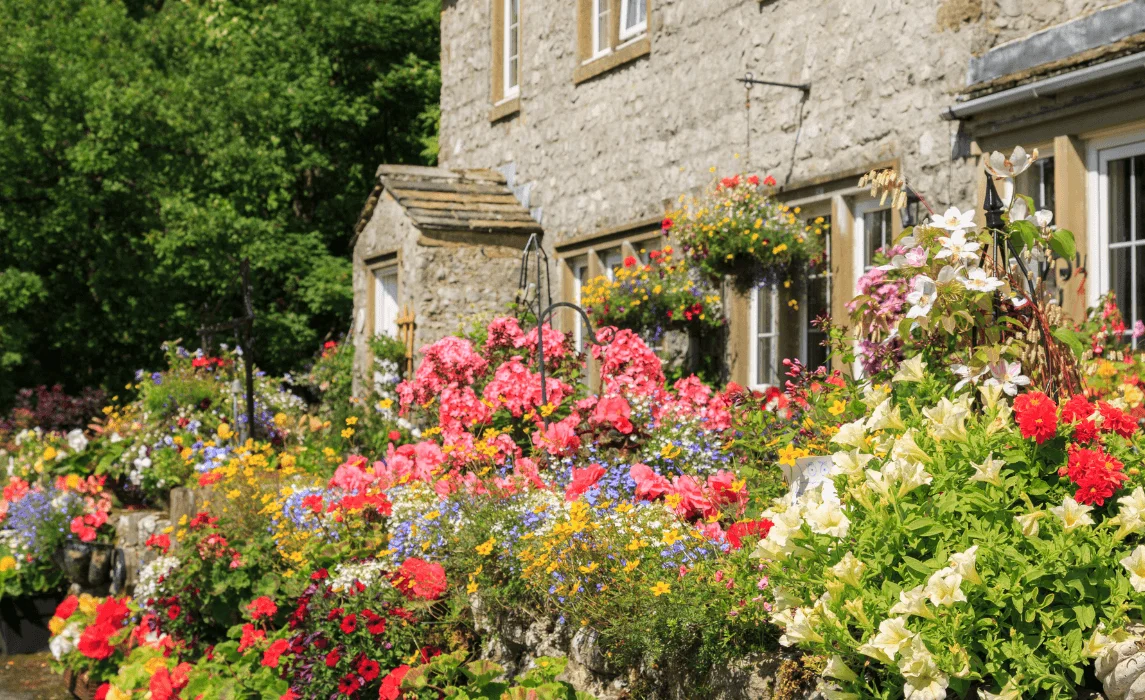
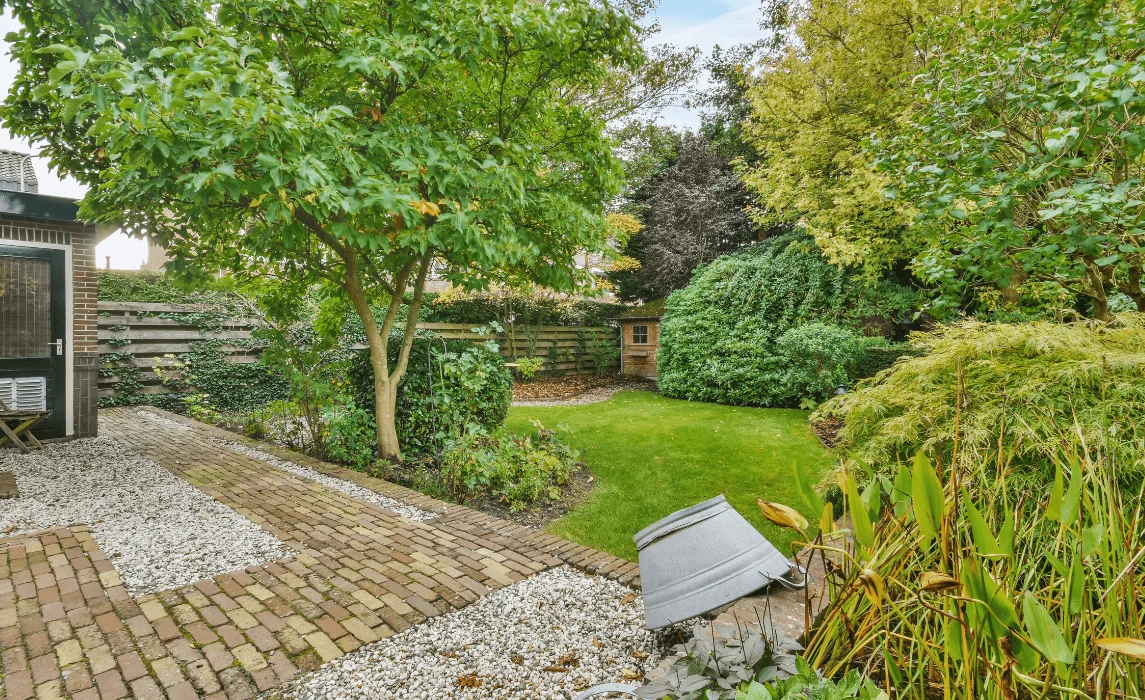
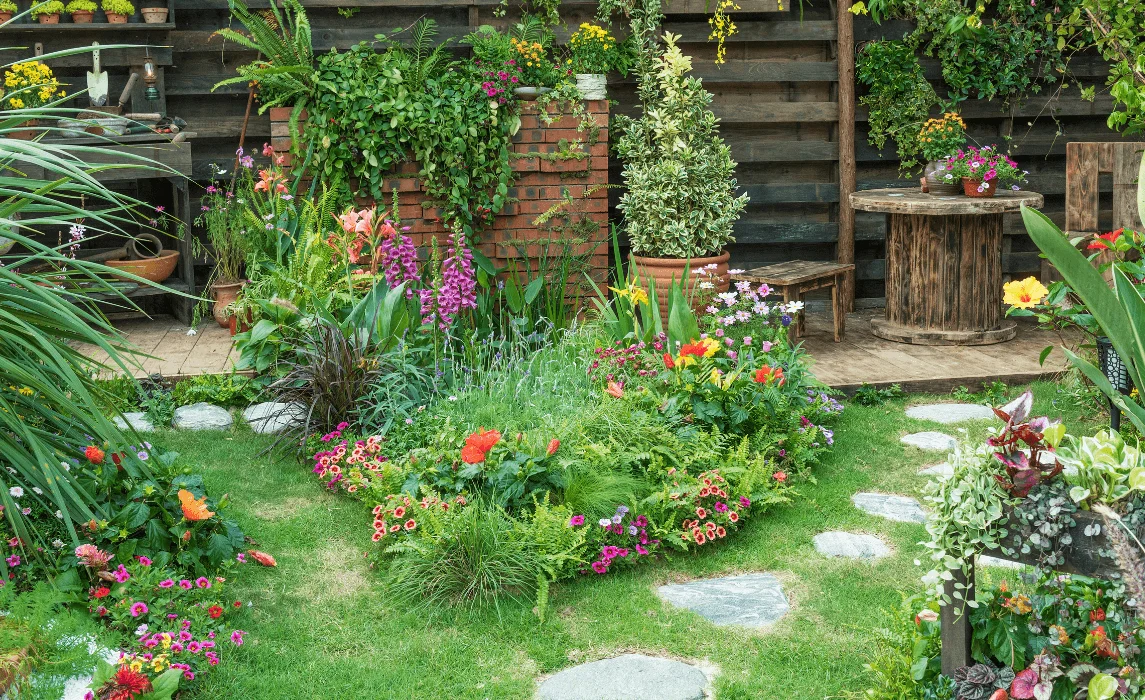
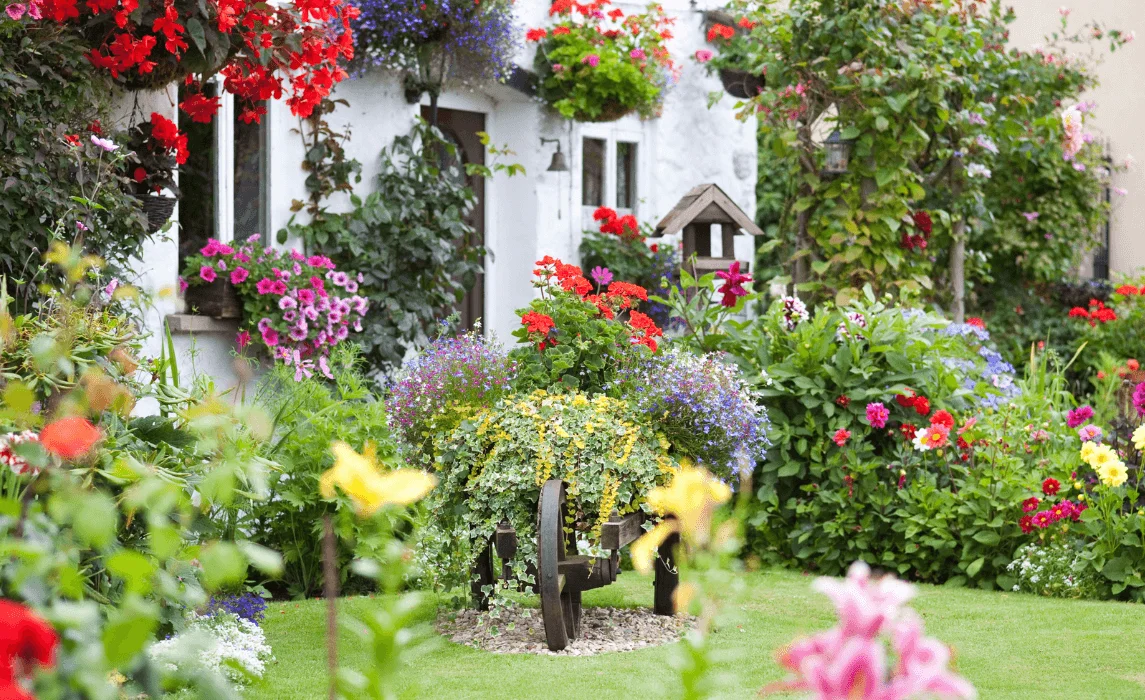
The English cottage garden is perhaps one of the most beloved and instantly recognizable garden styles in the world, born out of rural necessity but evolved into a highly ornamental aesthetic defined by its glorious abundance. It eschews straight lines and strict geometry in favor of a joyful, overflowing profusion of blooms, featuring winding pathways made of brick or gravel, weathered wooden fences, and borders packed with plants in a brilliantly informal design where nature gently takes over. This style is best for homeowners who love flowers, color, and a slightly wild, naturalistic feel, making it ideal for temperate climates and for a hands-on gardener who enjoys the fact that this "effortless" look actually requires regular deadheading, staking, and editing to maintain its charm. The planting palette relies heavily on traditional, heirloom varieties, meaning your garden design ideas should incorporate climbing roses, foxgloves, delphiniums, hollyhocks, peonies, and hydrangeas, alongside fragrant herbs like lavender and mint, and tumbling vines like clematis trained over an arbor. To master this cottage garden style, always plant in drifts of three to five rather than single rows to create a billowy effect, layer the tallest plants at the back with spilling plants at the front, and integrate vintage hardscaping elements to ground the vibrant floral chaos and make the garden complete.
2. Japanese Garden Style
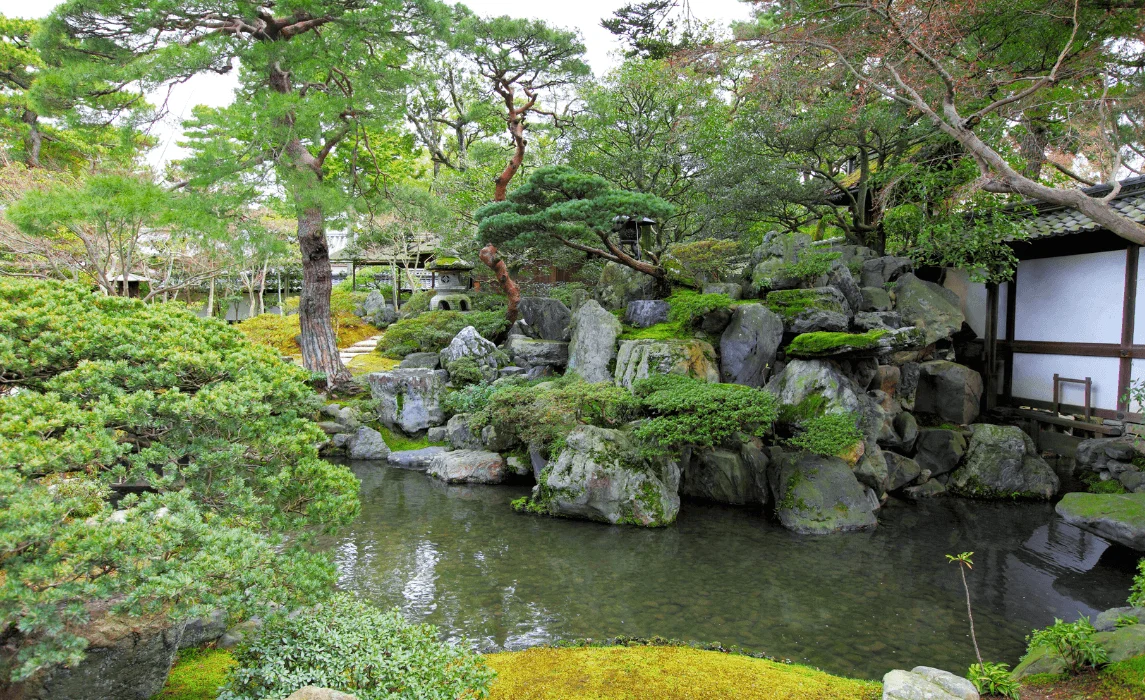
Rooted in ancient traditions, the Japanese garden style is a masterclass in subtlety, symbolism, and tranquility, originally designed as spaces for meditation and deeply connected to Zen philosophy. Characterized by profound balance and restraint, this design style values empty space just as much as filled space, utilizing carefully placed boulders, raked gravel or sand to represent water, and meticulously pruned plants alongside key design elements like koi ponds, bamboo fences, meandering paths of stepping stones, and classic stone lanterns to avoid absolute symmetry. This type of garden is perfect for creating a calming, serene retreat, working exceptionally well in a small garden where every detail can be appreciated, provided the gardener enjoys meticulous, slow maintenance like clipping and shaping. The plant palette is incredibly restrained, focusing more on texture and varying shades of green rather than bright floral colors, relying on Japanese maples for their delicate foliage, bonsai trees, bamboo, moss, azaleas, and Japanese forest grass. To achieve the perfect Japanese garden, embrace asymmetry by grouping rocks and plants in odd numbers, incorporate soothing water features like a bamboo water spout trickling into a basin, and prune your trees and shrubs with deliberate purpose to reveal their architectural branching structure.
3. Formal Garden Style
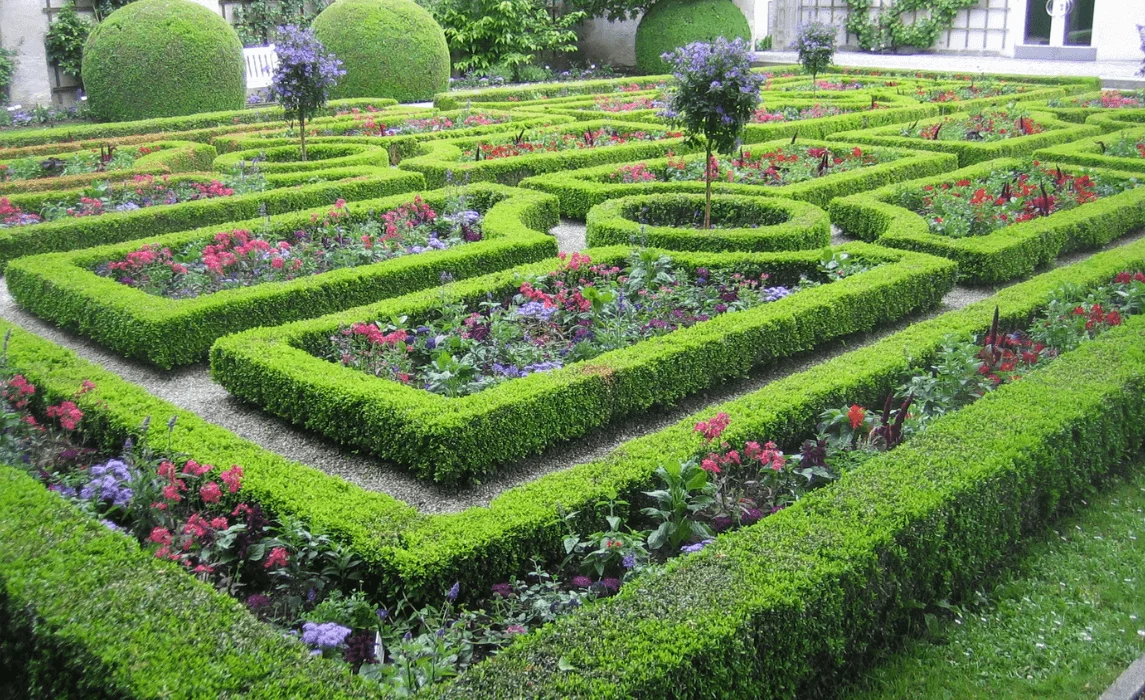
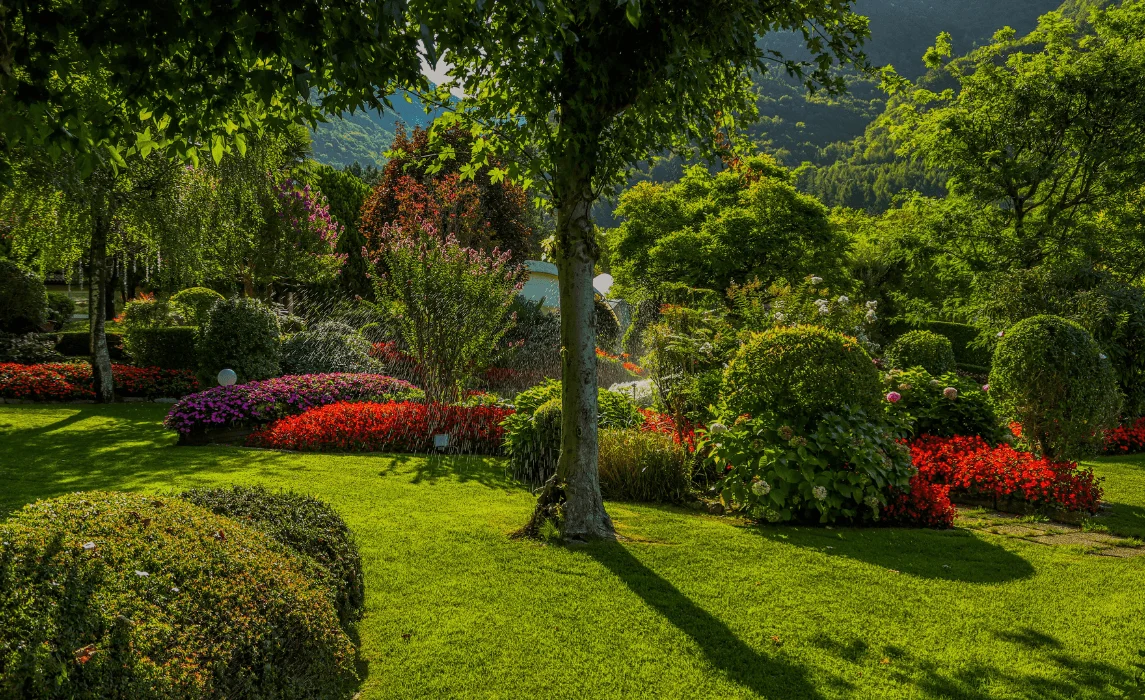
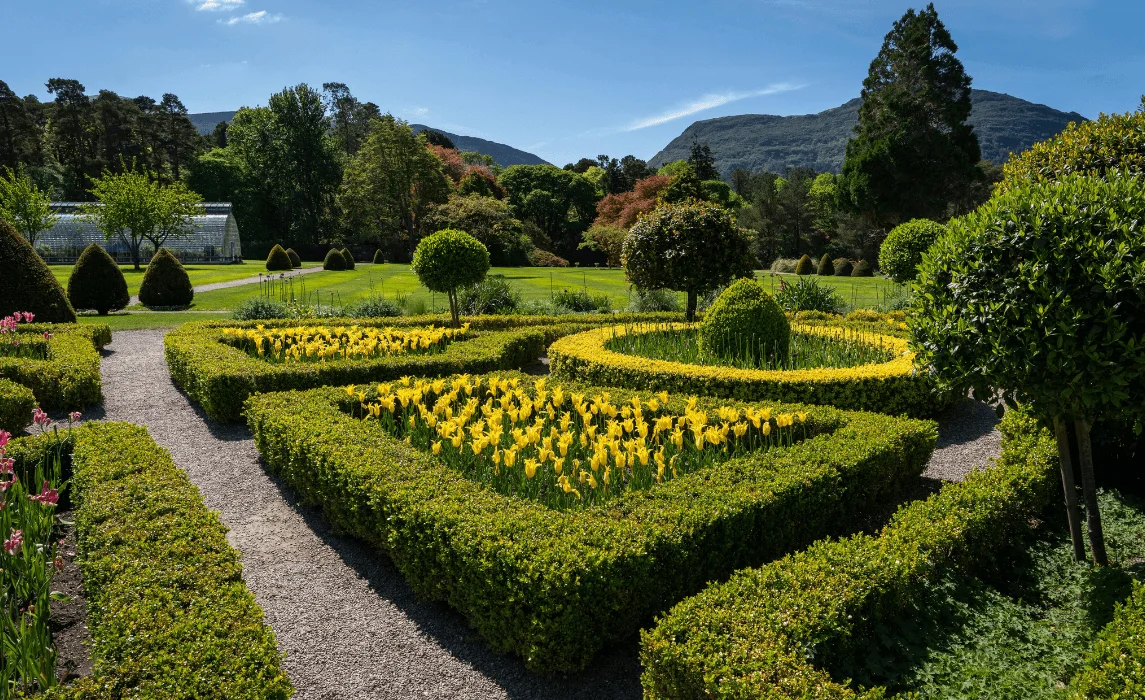
When you imagine the grand estates of Europe, you are picturing the quintessential formal garden style, an approach that is all about order, control, and imposing a strict architectural layout onto the natural landscape. Instantly recognizable by its strict symmetry and geometric patterns, this style dictates that if you draw a line down the center of the garden, one side should perfectly mirror the other, featuring straight, wide pathways, expansive lawns, and shrubs trimmed neatly into precise topiary shapes with clean, sleek lines. This style may be best for traditional architecture, grand homes, or anyone who loves pristine order, though it requires significant maintenance to keep the hedges perfectly manicured and the edges sharp throughout the seasons. The backbone of a formal garden relies on evergreens that can take a hard prune, such as boxwood for low hedges and parterres, or yew for taller symmetrical evergreen borders, while floral choices stick to a limited color palette using standard white roses or neat rows of lavender. To succeed with this major garden style, you must establish a strong focal point like an ornate fountain or classical statue at the intersection of pathways, ensure absolute symmetry in your planting layout, and invest in high-quality shears to maintain the immaculate manicure that this design style demands.
4. Mediterranean Garden
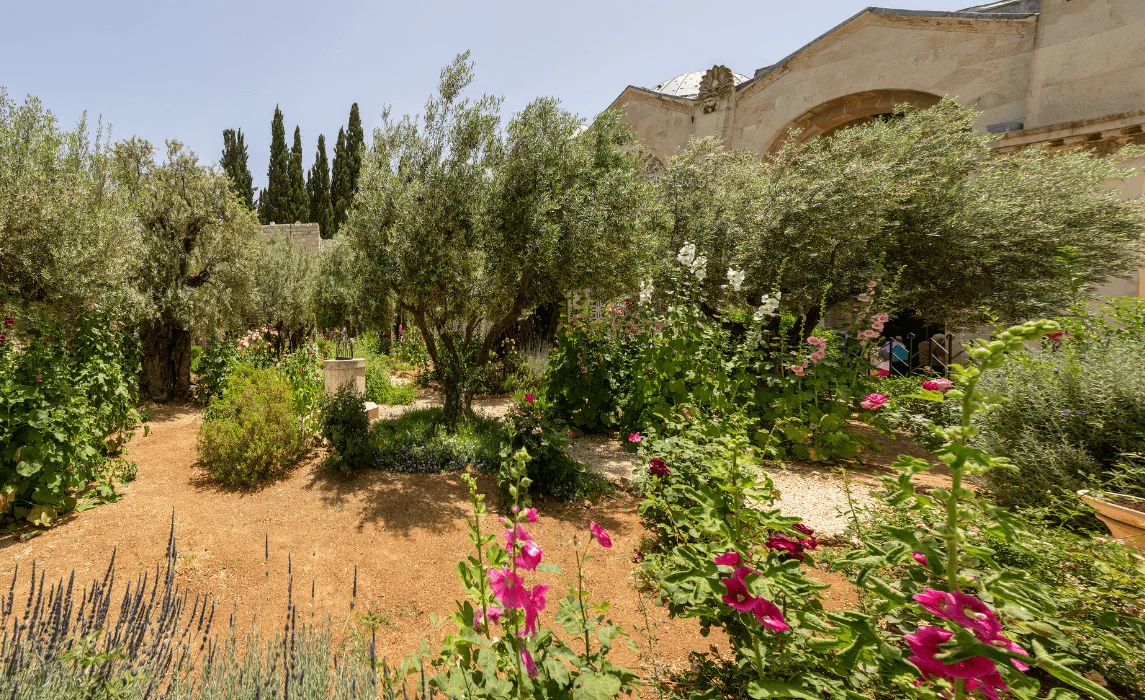
Inspired by the sun-drenched coastal areas of Spain, Italy, and Greece, the Mediterranean garden is a celebration of warmth and outdoor living that beautifully merges the home's interior with the outdoor space in a relaxed, rustic manner. Eschewing massive expanses of green grass, this layout relies heavily on warm, earthy hardscape materials like terracotta tiles, decomposed granite, and gravel pathways, often shaded by pergolas draped in climbing vines to create a comfortable al fresco dining area. This style is absolutely perfect for hot, dry climates and for homeowners who want a low-water, low-maintenance landscape that prioritizes entertaining and outdoor relaxation. The ideal plants for this aesthetic are deeply drought-tolerant, utilizing silver and grey foliage that reflects intense sunlight, meaning your garden design should feature olive trees, citrus trees in large ornamental pots, fragrant herbs like rosemary, thyme, and oregano, and vibrant splashes of color from climbing bougainvillea. To bring this Mediterranean garden design style to life, incorporate abundant terracotta pots to instantly evoke a southern European feel, build a wooden pergola to provide essential shade from the afternoon sun, and replace thirsty lawns with gravel or crushed stone to save water while adding a satisfying textural crunch underfoot.
5. Modern Garden and Contemporary Gardens
Modern garden design strips away the fuss and frills of traditional landscaping, focusing instead on sleek lines, architectural forms, and a highly structural relationship between the indoor and outdoor environments. Contemporary gardens are characterized by their minimalist approach, often utilizing a grid-like layout with geometric shapes and a heavy emphasis on hardscaping materials like poured concrete, steel, dark wood decking, and large-format paving stones, where planting is used more like architectural sculpture than for creating floral profusion. This style looks fantastic near contemporary architecture and mid-century modern homes, and it is highly effective for an urban garden or apartment terrace where space is at a premium and an uncluttered look makes the area feel larger and more serene. Modern gardens incorporate plants with strong architectural shapes, such as ornamental grasses, agave, phormium, carefully placed bamboo, or a single, sculptural Japanese maple serving as a focal point, with any hedges clipped into crisp, rectangular blocks. When executing this design style, remember that less is more by sticking to a highly restricted palette of just three or four favorite plants, focus heavily on investing in high-quality paving and hardscape elements, and use integrated outdoor lighting to up-light architectural plants and illuminate sleek pathways.
Types Of Rooftop Garden Design And Roof Garden Ideas For Your Terrace
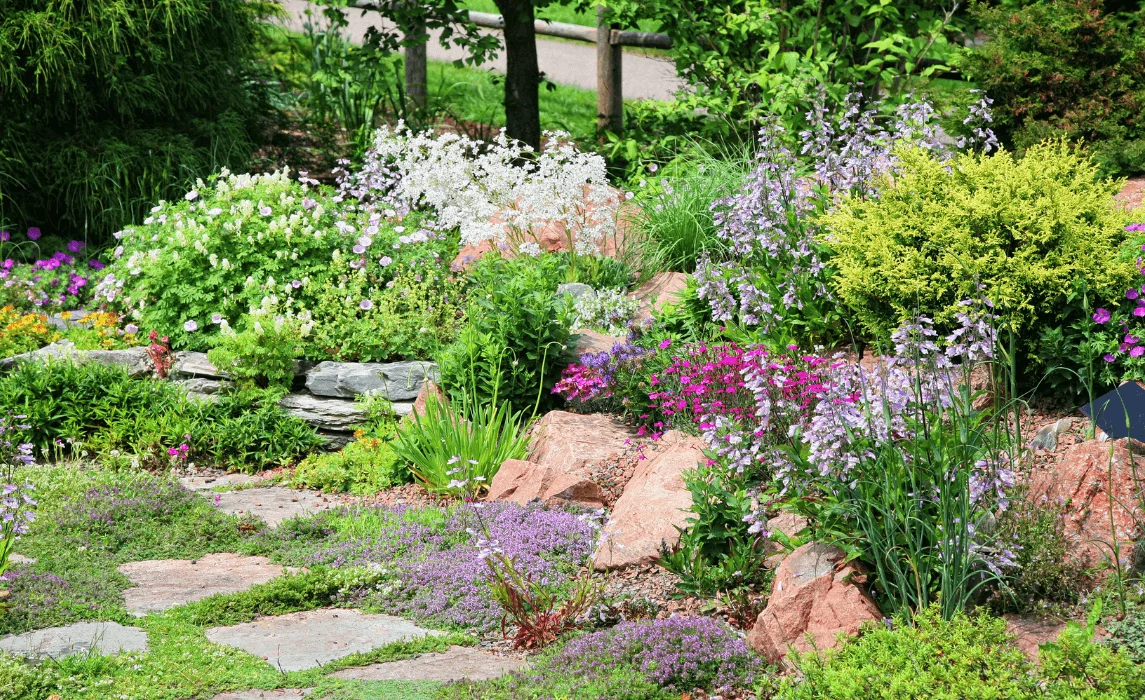
The rock garden, sometimes called an alpine garden, is meticulously designed to mimic the rugged, harsh beauty of high-altitude mountain landscapes, resulting in a highly textural and fascinating style that turns challenging terrain into a stunning asset. Visually, it looks like a natural outcropping of stone, featuring carefully arranged boulders, rocks of varying sizes, and gravel scree slopes, with tiny, tough alpine plants tucked intimately into the crevices between the stones in a low-to-the-ground display that rewards close inspection. If your property is situated near a steep, rocky slope with poor soil where traditional lawns fail, a rock garden is the perfect solution, offering a deeply textured, drought-tolerant, and generally low-maintenance area for the adventurous gardener. You must choose the right plants that demand excellent drainage and thrive in poor soil, such as creeping thyme, sedum, alpine phlox, dianthus, and miniature conifers that have adapted to survive in harsh conditions. To make this style garden look beautifully naturalistic, always bury at least one-third of every rock in the soil so they appear like the tips of massive underground boulders, amend the soil heavily with grit and sand to ensure the fast drainage alpine plants require, and group your plants by their specific water and sunlight needs within the rocky pockets.
7. Naturalistic Garden
Moving away from the heavily controlled environments of formal landscapes, the naturalistic garden aims to work in pure harmony with nature, offering an ecologically sound approach that provides a vital habitat for local wildlife. These gardens are characterized by their wild, untamed beauty, completely avoiding neatly edged borders or expanses of manicured lawn in favor of a dynamic, informal design filled with swaying grasses and colorful wildflowers that change dramatically with the seasons, often featuring meandering paths mown directly through the tall vegetation. This is the ultimate eco-friendly garden, making it perfect for larger properties, for supporting local pollinators and birds, and for homeowners looking to reduce the carbon footprint associated with watering and fertilizing traditional lawns. The right plants for this style are almost exclusively native plants indigenous to your specific region, which might include switchgrass, little bluestem, coneflowers, black-eyed Susans, milkweed, and asters depending on your local climate. To succeed with a naturalistic design style, plant in mixed matrixes rather than traditional flower beds to mimic how vegetation grows in the wild, leave dried seed heads standing through the winter to provide crucial food for wildlife, and mow clean, wide pathways through the meadow to show that the wildness is deeply intentional.
8. Courtyard and Urban Garden
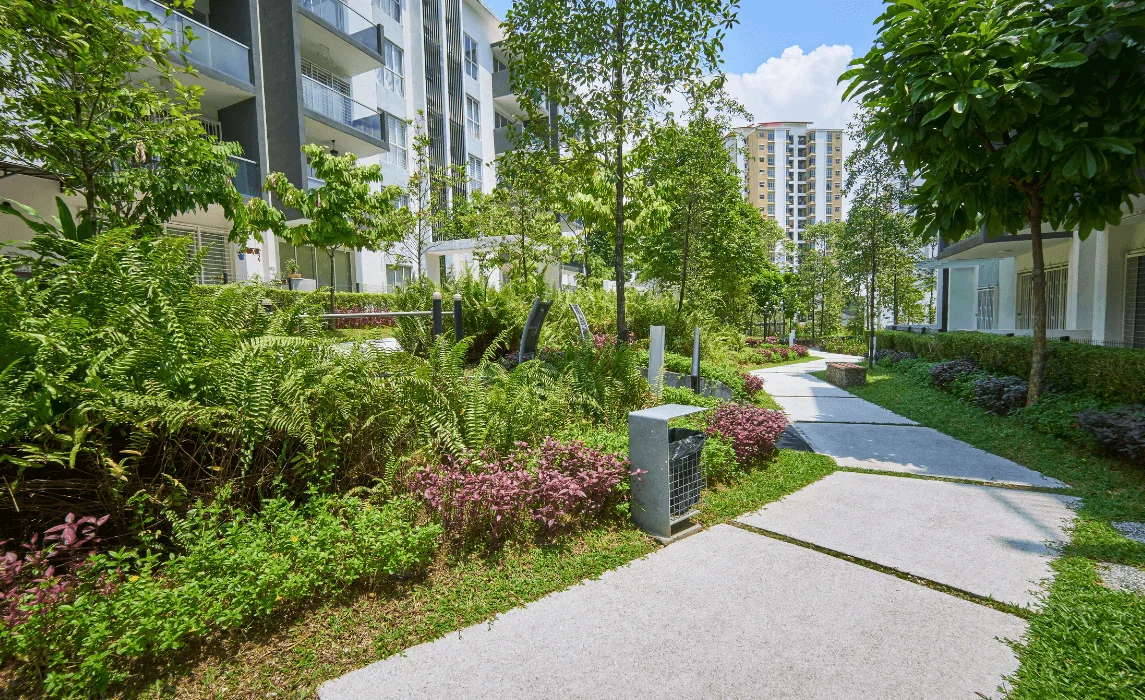
City gardens require a highly unique approach to maximize limited square footage, often dealing with heavy shade from neighboring buildings and a distinct lack of open ground, yet they can be transformed into spectacular outdoor sanctuaries. An urban garden or courtyard feels exactly like an extension of the indoor living space, usually enclosed by walls or a tall fence for privacy, and relies on a highly structured layout utilizing built-in seating, vertical gardening techniques, a mix of high-quality hardscape materials, and an array of potted plants to bring greenery into spaces that may have no exposed soil at all. This style is best for townhouses, city apartments, and homes with small, enclosed backyards, providing an intimate, private oasis in the middle of a bustling metropolis. Because space is limited, choose hard-working, versatile plants like Japanese maples that thrive in containers, climbing vines like star jasmine to cover bare walls, and shade-tolerant ferns and hostas if the courtyard is heavily overshadowed. To maximize this major garden style, always go vertical by installing living walls or trellises, use outdoor-safe mirrors to reflect light into dark corners and create the illusion of a larger space, and stick to a unified color palette for both hardscaping and planting to avoid a cluttered, chaotic look in a small area.
9. Small Garden
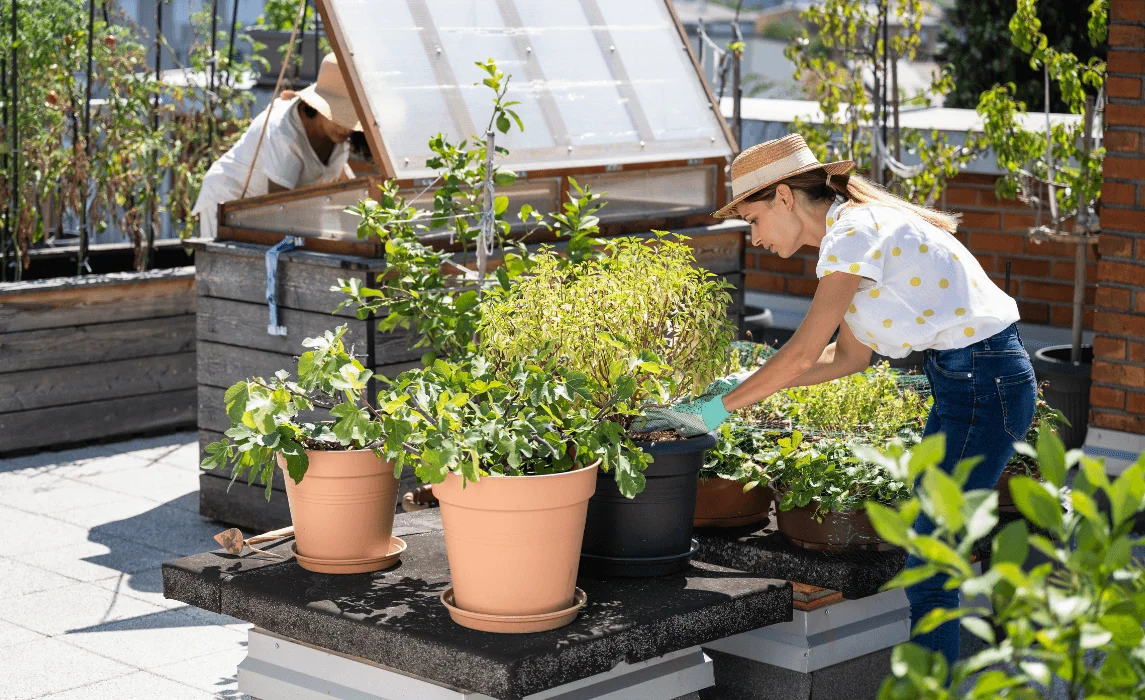
A small garden requires brilliant design ideas to ensure the compact space feels inviting, lush, and purposefully laid out rather than cramped or overwhelmed. A successful small garden is intensely focused, often relying heavily on container gardening, tiered planters, and multi-functional furniture to ensure every single inch of the outdoor space is thoughtfully utilized, frequently blending various styles like the clean lines of a modern garden softened by the vibrant colors of a cottage garden style. This approach is best for anyone with limited outdoor real estate, as it forces the gardener to be highly selective and creative, ultimately resulting in jewel-box spaces that are incredibly striking and easy to manage. Ideal plants include dwarf varieties of your favorite trees, compact shrubs, long-flowering perennials, and fragrant herbs like rosemary that work perfectly in pots, alongside seasonal tropical plants that provide dramatic volume without taking up permanent ground space. To get the most out of a small garden, rely on containers of various sizes to build height and depth, lay paving stones on a diagonal angle to draw the eye and make the space feel wider, and edit your planting choices ruthlessly by removing anything that underperforms or lacks multi-season interest.
10. Tropical Gardens
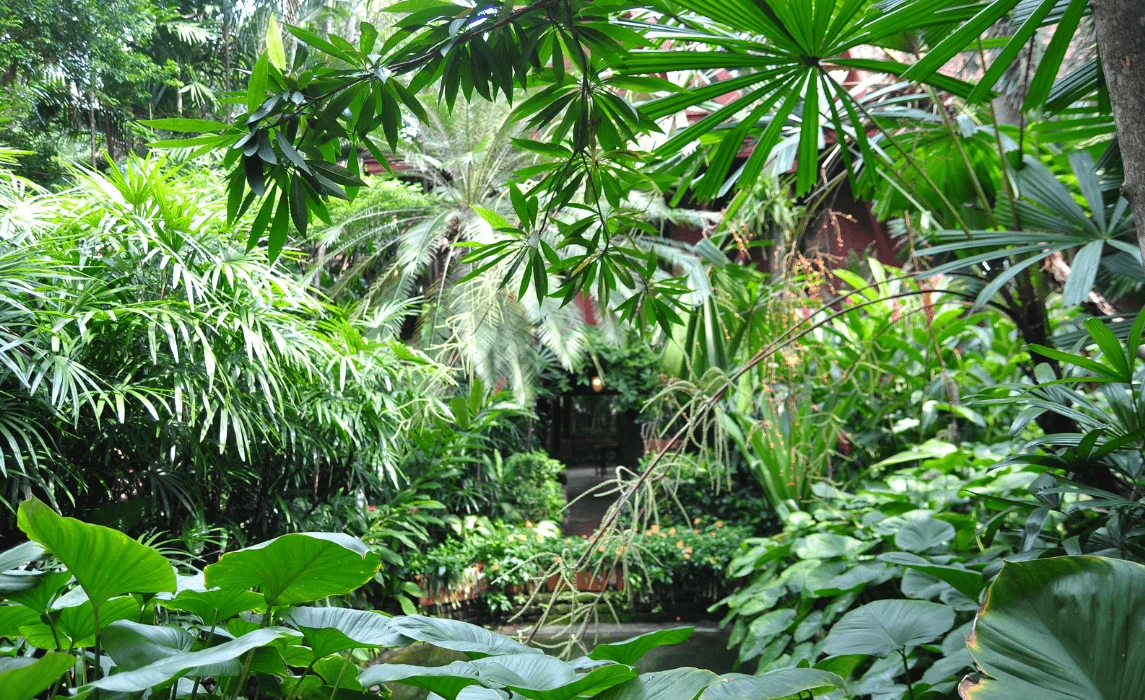
Tropical gardens are designed to transport you to a lush, exotic paradise, utilizing dense planting, vibrant colors, and oversized foliage to create a highly immersive and dramatic outdoor environment. This design style is characterized by its jungle-like profusion, featuring multiple layers of towering canopies, dense mid-level shrubs, and ground-covering vines, often accented with vibrant, boldly colored flowers, winding pathways, and naturalistic water features that add humidity and a sense of deep rainforest tranquility. Naturally, this style is best suited for hot, humid climates where frost is rare, but it is also fantastic for creating a secluded, private retreat in a suburban backyard or a dedicated courtyard where the microclimate can be slightly controlled. The ideal plants to find your garden style here are those with massive, architectural leaves and brilliant blooms, such as elephant ears, bird of paradise, cannas, bananas, lush ferns, and various types of palms and bamboo to create the essential upper canopy. To successfully create a tropical garden, focus on planting in dense layers to mimic a natural jungle, incorporate bright, hot colors like reds and oranges that stand out against the deep green foliage, and if you live in a cooler climate, utilize container gardening so you can easily move your sensitive tropical plants indoors during the winter months.
10 Inspiring English Garden Ideas for a Country Cottage Garden
To find your garden style, gather garden design ideas that match your personal taste and outdoor space. Whether you work alone or hire a landscape architect or garden designer for your project, find the perfect fit by looking at various styles. You might prefer the clean lines of a modern garden or the meandering paths of a Japanese garden style.
What is the best design style for a small garden or apartment?
For an apartment, small garden, or urban garden, container gardening is your best friend. A courtyard or city garden setup looks great with the sleek lines and hardscape of contemporary gardens. You can also create a mini Mediterranean garden with fragrant herbs like rosemary in pots, or a compact tropical gardens layout with bold tropical plants.
How do I choose the right plants for my landscape?
Choosing the right plants makes your garden complete. For a low-maintenance landscape, rely on native plants and drought-tolerant plants. Always match the planting to your design style: use Japanese maples and bonsai trees for a Japanese garden, a neat shrub or hedge for a formal garden style, and wildflowers or grass for a naturalistic space.
Related posts
Here are some articles you might be interested in.

.png)