Sarah Wilson started her gardening journey during the pandemic and had fallen in love with it ever since. Eager to connect with fellow garden enthusiasts, she wants to share the knowledge she's gained over the past three years.
How to Grow Pumpkins Q&A
Can I grow pumpkins in a small home garden?
Yes. Choose bush or miniature varieties, grow vines on a trellis, or use raised beds. Plan on one or two plants per hill and prune vines when space is tight.
When should I plant pumpkins for Halloween?
Plant seeds in late May or early June in most climates. Count back from your first frost date and allow for 90 to 120 days of growth.
Why does my pumpkin plant have flowers but no fruit?
Male flowers appear first, so early flowers will not set fruit. If female flowers open but fail to fruit, you probably have too few bees. Pollinate by hand in the morning.
What causes pumpkin leaves to turn white?
This is usually powdery mildew. Improve airflow, water at the base, remove infected leaves, and apply a fungicide or neem oil.
Can I eat the pumpkin I grew for carving?
Yes, though carving types are stringy and bland. Pie pumpkins are sweeter, but the seeds from any pumpkin can be roasted.
Growing Grapevines Q&A
How long does it take for a grape plant to produce fruit?
Most young vines need two to three years after planting before they set a full crop, though a few clusters may appear in year two. Patience pays off — established vines can keep producing for 40 years or more.
Do I need more than one vine to grow grapes?
No. Since most grape varieties are self-fertile, one plant is enough to produce fruit on its own. Planting a second variety nearby is optional and mainly helps with cross-pollination in a few less common types.
Can grape vines grow in containers?
Yes, though grape vines grow best planted directly in the ground, where the root system has room to spread. A large container works for a year or two, but expect to transplant once the vine outgrows the pot.
Why aren't my grapes ripening?
Grapes ripen slowly compared to many fruits, and cool weather, too much shade, or overcrowded canes can all delay the process. Give the vine full sun, thin the clusters, and be patient through the growing season.
What's the difference between table grapes and wine grapes?
Table grapes are bred for fresh eating, with thinner skins and fewer seeds, while wine grapes tend to have thicker skins, more seeds, and higher sugar content suited to fermentation.
Are grape vines toxic to pets?
Grapes and grape leaves are not toxic to people, but grapes and raisins are toxic to dogs and can cause kidney damage, so keep fallen fruit cleaned up if pets have access to the vineyard.
Bee Garden Q&A
What flowers attract the most bees to a garden?
Bees are generally drawn to flowers that are blue, purple, yellow, or white, and that offer easy access to nectar and pollen. Lavender, bee balm, sunflower, and coneflower are some of the most reliable plants that attract bees to a home garden.
Do I need to avoid pesticides in a bee-friendly garden?
Yes, whenever possible. Insecticide and pesticide products can harm adult bees and their larva, even in small amounts. Choosing natural pest control methods helps keep your garden safe for visiting bees.
Can a small home garden still support pollinators?
Absolutely. Even a few containers of zinnias, salvia, or crocus on a balcony can offer pollen and nectar for local bees. Bees will travel between small garden spaces, so every bit of habitat helps.
Do bees need more than just flowers?
Yes. Bees also need nesting sites and water. Ground-nesting bees need patches of bare soil, while a shallow bee bath gives bees a safe spot to drink, especially in hot weather.
Will planting a pollinator garden really help save the bees?
It genuinely can. As natural habitat shrinks, home gardens have become an important food source and shelter for bees, including many native bee species. A well-planned bee garden supports pollination for your own flowers and vegetables while helping the wider bee population.
What is the best USDA zone for growing a bee garden?
There is no single best zone. Most of the plants above grow well across USDA zones 4 through 9, and gardeners in colder or warmer zones can simply choose varieties suited to their climate, or grow warm-season bees favorites like sunflower and zinnia as annuals.
Transforming your outdoor space from a basic yard into a breathtaking sanctuary starts with a single, powerful element: the right plants. Ornamental plants act as the living architecture of your garden, offering a dynamic mix of vibrant blooms, striking foliage, and varied textures that breathe life into an empty canvas.
Whether you are designing a cozy backyard retreat, aiming for show-stopping curb appeal, or building a minimalist modern landscape, knowing exactly what to plant can feel overwhelming when faced with thousands of options at the nursery. That’s where a curated selection makes all the difference. In this guide, we are exploring a hand-picked list of beautiful ornamental plants with names for garden landscapes, complete with their unique characteristics, growing requirements, and styling tips. Get ready to discover the perfect botanical additions to bring your dream garden to life.
10 Best Ornamental Plants
1. Hydrangea
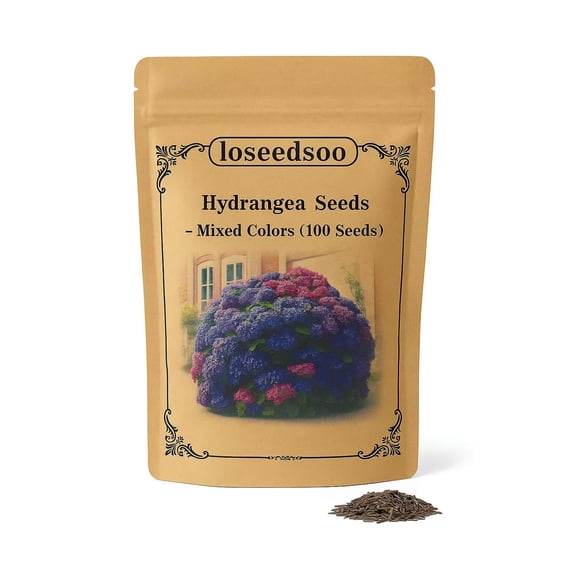
Hydrangeas are truly a classic choice when it comes to beautiful ornamental plants, with a rich background that traces back to ancient Asia and the Americas, where they grew wild along streams and in forests. These stunning plants are famous for their giant, showy bloom clusters that can look like big snowballs or flat lace caps, and they feature large, bright green leaves that make the plant look full and healthy. Depending on the soil, their flowers can change colors, turning deep blue in acidic dirt or bright pink in sweeter, alkaline dirt. Hydrangeas thrive best in places where they can get warm morning sun but are protected from the hot, burning afternoon rays, making them perfect for the eastern side of a house or under the edge of a large tree. Taking care of them is not too hard, but you must remember to keep their dirt moist without making it a muddy puddle, plant them in loose dirt that drains well, and give them a balanced plant food in the early spring so they have the energy to push out those giant blossoms. Because they are so rewarding but require you to pay a little bit of attention to their watering needs during the hot summer, they are highly recommended for an intermediate gardener who loves spending a relaxing weekend morning tending to their yard.
The Dogwood tree is an absolute favorite in landscape design, holding a special background as a native plant to North America, where it naturally grows in the soft light found at the edge of thick forests. This lovely deciduous woody plant is quite easy to spot because it stays fairly small and produces flat, four-petaled blossoms that are usually crisp white or soft pink, paired with green leaves that turn a striking shade of red or purple when the autumn chill arrives. Dogwoods thrive in woodland settings, meaning they do best when they are planted as an understory tree where they can receive dappled light that filters through the branches of much taller trees above them. To help a Dogwood grow strong and healthy, you need to give it plenty of water during the dry summer months, wrap the base of the trunk with a nice layer of mulch to keep the roots cool, and make sure it is planted in rich dirt that reminds it of a forest floor. This gorgeous tree is wonderful for a patient gardener who enjoys watching a plant change through all the different seasons and has a bit of extra space to let a small tree spread its branches naturally.
Soil: Rich and forest-like
Water: Regular watering in summer
Light: Filtered or partial shade
Humidity: Normal outdoor levels
Fertilizer: Feed gently in spring
Temperature: Avoids extreme, blazing heat
USDA Zone: 5 to 9
White Flowering Dogwood Trees – Live Cornus Florida
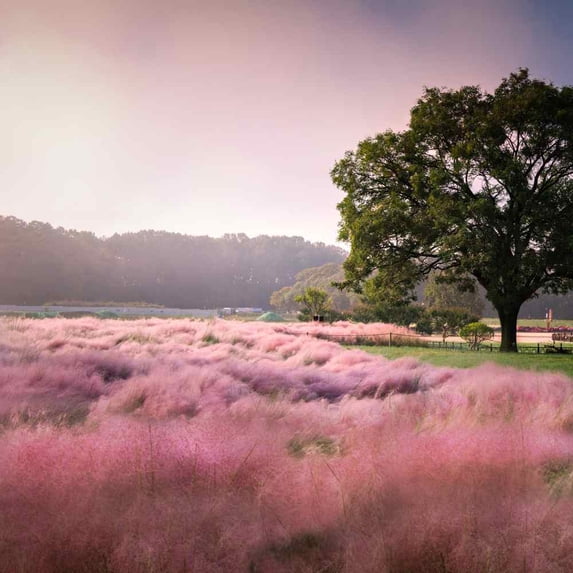
Fountain Grass has a wonderful background rooted in the open plains and meadows, bringing a soft, sweeping texture to any modern or traditional yard. This specific ornamental grass is famous for its physical appearance, which looks just like a bubbling fountain of thin, arching green leaves topped with fluffy, bottle-brush flower spikes that can be silver, pink, or light brown and dance beautifully whenever the wind blows. It thrives in wide open spaces where it can soak up full, direct sunlight all day long, making it a star player in dry borders or as a lovely edge along a driveway. Caring for Fountain Grass is incredibly easy because it is very tough; you only need to water it well when you first plant it, make sure the dirt does not hold puddles of water, and cut the whole plant down to the ground right before spring starts so it can grow fresh and clean all over again. Because it is highly low-maintenance and rarely gets sick or bothered by bugs, it is highly recommended for a busy gardener who wants a huge visual impact in their landscape plants without spending hours working in the dirt.
Creeping Jenny is a lively and cheerful plant with a background that started in Europe and Asia, known for its ability to quickly spread and cover bare patches of dirt like a thick, living rug. If you want a plant to creep across the ground, this is it; it features trailing stems covered in small, rounded, glossy leaves that are a stunning, bright chartreuse or lime green, and it sometimes produces tiny, cup-shaped yellow flowers in the early summer. This plant thrives near the edges of ponds, spilling beautifully out of a tall pot, or rambling over rocks in a damp, shaded corner of the yard where other plants might struggle to grow. To take good care of Creeping Jenny, you must make sure the dirt stays constantly damp because it does not like to dry out at all, and while it can handle some morning sun, giving it too much afternoon sun will burn its bright yellow-green leaves and turn them brown. It is a fantastic choice for an active gardener who enjoys directing where plants grow, as you might need to trim it back occasionally to stop it from taking over the beds of your other herbaceous perennials.
Soil: Wet or damp
Water: Loves plenty of water
Light: Sun or partial shade
Humidity: Loves high moisture
Fertilizer: Feed once a month in summer
Temperature: Handles cold and warm
USDA Zone: 3 to 9
National Plant Network 1 Gal Creeping Jenny Perennial Plant
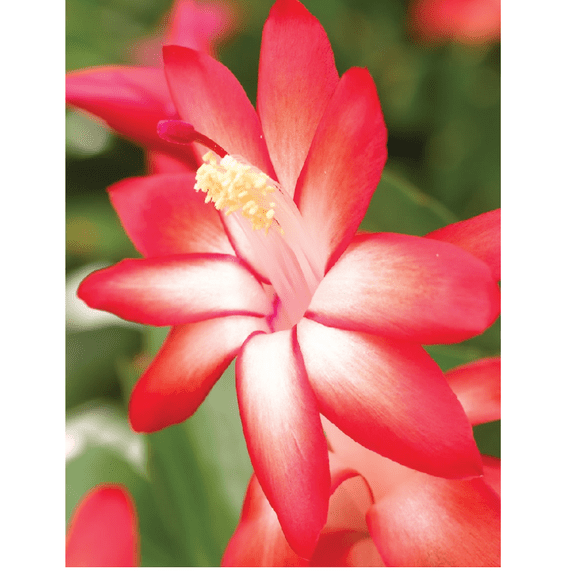
The Christmas Cactus comes from a very interesting background, originally growing naturally high up in the crotches of tree branches in the damp, shady rainforests of Brazil rather than in dry, sandy deserts like a normal cactus. This lovely houseplant has flat, segmented, glossy green leaves that link together like a chain, and right around the winter holidays, it pushes out incredibly bright, showy blossoms in shades of hot pink, classic red, or snowy white at the very tips of its stems. Because of its rainforest roots, it thrives indoors near a bright window where it can get plenty of indirect light, but it should never be placed in the direct, harsh rays of the sun. When caring for this succulent, you need to give it a good drink of water and then let the top of the dirt dry out completely before watering it again, and you must make sure its pot has a hole in the bottom so its roots do not rot. It is highly recommended for an indoor gardener or a beginner who wants a reliable, beautiful blooming plant that can live for decades and be passed down through the family with very little effort.
Boxwood shrubs carry a deeply historic background, having been used for hundreds of years in the royal, formal gardens of Europe to create neat mazes, tidy borders, and perfectly shaped green sculptures. It is the ultimate evergreen plant, featuring dense, tightly packed branches completely covered in small, oval, glossy green leaves that stay vibrant and fresh no matter how cold the winter gets. Boxwoods thrive almost anywhere you put them, doing well in full sun or light shade, and they are incredibly popular for lining front walkways, hiding the base of a house, or sitting elegantly in a large pot by the front door. The care tips for a Boxwood are quite straightforward; you need to plant it in dirt that drains well so it does not sit in water, give it an even amount of water during dry spells, and use a pair of shears once or twice a year to clip it into a neat, tidy shape. This shrub is highly recommended for a tidy gardener who enjoys structure, neat lines, and classic landscape design, and who does not mind spending a little time trimming plants to perfection.
The Marigold is an incredibly popular annual plant with a sunny background starting in the warm regions of the Americas, where it has long been cherished for its bold, spicy scent and ability to keep bad bugs away from food crops. This decorative flowering plant is famous for its heavily ruffled, puffball-like blooms that explode in warm colors of bright yellow, deep orange, and rusty red, sitting on top of lacy, dark green leaves. They thrive in the hottest, sunniest spots of the yard, making them the perfect choice for the front edge of a garden bed, tucked into a small patio pot, or planted right next to tomato plants in a vegetable garden. Caring for Marigolds is wonderfully simple; you just need to plant them in full sun, water them at their base when the dirt feels dry, and pluck off the old, dead blossoms so the plant will quickly create fresh new flowers all summer long. Because they sprout easily from big seeds and are very low-maintenance, they are deeply recommended for a beginner gardener or even young children who are just learning the joys of growing a bright flower from scratch.
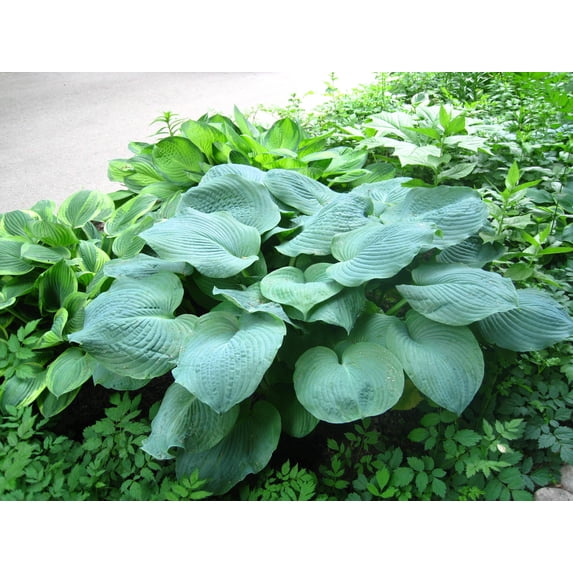
Hostas have a long and respected background originating in the shady forests of East Asia, quickly becoming one of the most loved herbaceous perennials in modern landscaping for anyone dealing with dim, sunless yards. As the kings of foliage plants, Hostas form a wide, overlapping mound of large, heart-shaped leaves that can be dark green, dusty blue, or striped with bright white and yellow, and in the late summer, they send up tall spikes of pale purple or white bell-shaped blossoms. They absolutely thrive in the deep shade or filtered light found under large, leafy trees or tucked safely against the dark, north-facing wall of a house where the hot sun cannot scorch their delicate, wide leaves. To keep them looking their best, you must plant them in rich dirt that has plenty of old leaves or compost mixed in, water them regularly so the dirt stays moist, and keep an eye out for slugs, which love to chew holes in their pretty leaves during damp nights. They are the ideal plant for a relaxed gardener who wants a huge, reliable pop of color and texture in a shady spot without having to replant things year after year.
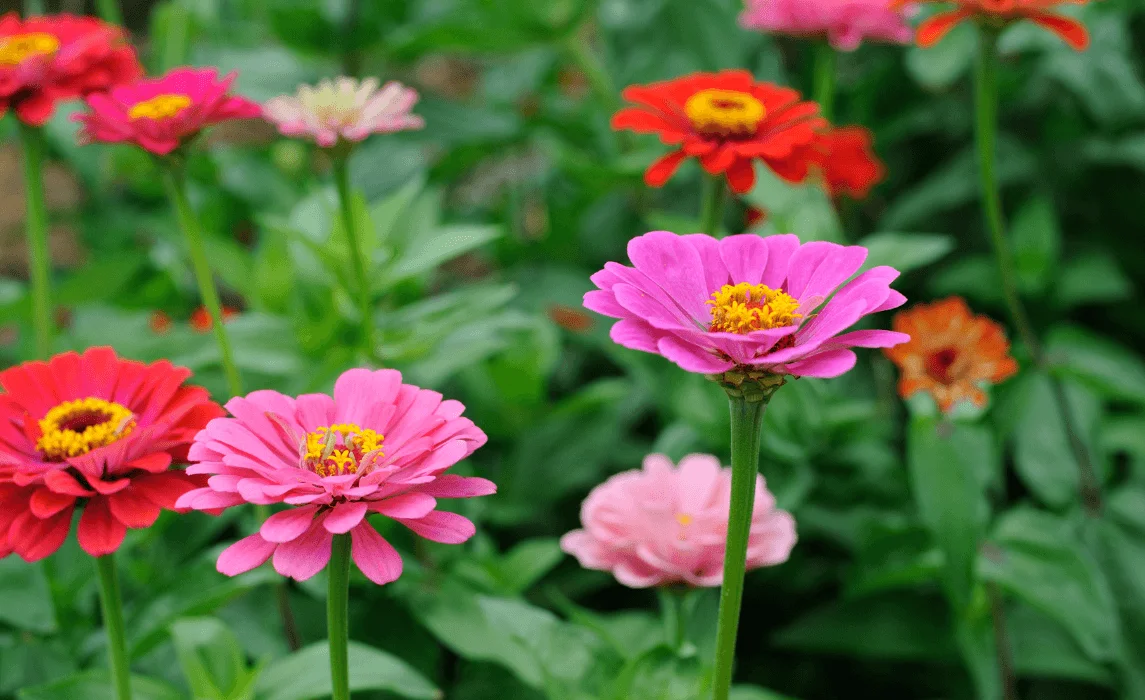
Zinnias bring a burst of pure joy to the yard, holding a warm background as a native wild flower from the scrubby grasslands of Mexico before becoming a staple in backyard plots everywhere. They are highly showy flowering ornamental plants that grow on sturdy, upright green stems, topped with flat, daisy-like or thick, double-layered blossoms that come in every single color of the rainbow except true blue. Zinnias thrive in places where the sun beats down hard all day, making them excellent choices for large pots on a hot patio or grown in long, straight rows in a cutting garden. If you want to care for Zinnias properly, you must wait until all the cold frost has passed before planting them, space them out so the wind can blow between them to keep their leaves dry, and give them a big drink of water right at the dirt level rather than splashing their leaves. They are perfect for a cheerful gardener who loves to walk outside with a pair of scissors to cut fresh flowers for an indoor vase, as cutting Zinnias actually forces the plant to grow even more blossoms.
Lavender is a wonderfully famous ornamental plant that traces its rich background directly to the rocky, sun-baked hills of the Mediterranean, where it has been gathered for centuries for its oils and perfumes. This small, bushy perennial features lovely, dusty gray-green leaves that smell amazing when you rub them, and it sprouts tall, thin spikes covered in tiny, sweet-smelling purple or blue flowers that bees absolutely adore. Lavender thrives in harsh, hot, and dry places, making it the perfect addition to a rock garden, a hot concrete driveway border, or anywhere that the dirt is sandy and gets baked by the afternoon sun. To take care of this fragrant plant, the most important thing you must do is make sure the dirt drains very fast so its roots never sit in mud, water it only when the dirt is totally dry, and cut it back lightly after the flowers fade to keep it from getting messy and woody. This is a brilliant plant for a sensory gardener who loves to smell their garden, dry flowers for indoor crafts, and wants an ease of care plant that practically thrives on being ignored.
Can I grow ornamental plants with names I do not know in pots?
Yes! Almost any plant can thrive in a container as long as the pot is the right size and has drainage holes at the bottom. From indoor houseplants to outdoor shrubs like boxwoods, the key is simply matching the container to the plant's root size and ensuring excess water can escape.
What is the difference between an annual and a perennial plant?
This is a great question for any new gardener. An annual plant, like a Marigold or a Zinnia, lives its whole life in just one year. You plant the seed in the spring, it grows flowers all summer, and when the winter cold comes, it dies completely, meaning you have to plant new ones next year. A perennial plant, like a Hosta or a Lavender, will go to sleep during the winter but its roots stay alive, and it will push out new green leaves and flowers every single spring for many years.
Are beautiful ornamental plants hard to take care of?
Not at all. The secret to low-maintenance gardening is "right plant, right place." A shade-loving plant put in a dark corner will thrive with almost no effort, whereas a sun-loving plant in that same spot will constantly struggle. Once you match a plant to your yard's specific sunlight and soil moisture, many stunning ornamentals will practically take care of themselves.
Related posts
Here are some articles you might be interested in.