Ryan Johnson relocated to his grandfather's old farm when he was 22 years old where he discovered the joys of farming and gardening. With his cool demeanor and strong-willed passion for the agrarian lifestyle, he now shares his know-how to aspiring gardeners.
Growing Chia Plants Q&A
Can I grow chia from the chia seeds I buy at the store?
Yes. Organic chia seeds from the grocery store will often germinate, though germination can vary. Fresh seed from a garden supplier is more reliable.
How long does it take to grow chia?
Seeds sprout in about a week. The plant needs 100 to 150 days to mature before you can harvest the seeds.
Is chia a California native plant?
Salvia hispanica is native to central Mexico and Guatemala. However, Salvia columbariae, sometimes called California chia, is a California native plant.
Can I grow chia indoors?
You can grow chia sprouts and microgreens indoors easily. A full-size chia plant needs strong light and rarely sets a good seed crop indoors.
Why won't my chia flower?
Chia flowers when days get shorter. Plants in cooler regions or those lit at night may bloom late or not at all.
How to Grow Pumpkins Q&A
Can I grow pumpkins in a small home garden?
Yes. Choose bush or miniature varieties, grow vines on a trellis, or use raised beds. Plan on one or two plants per hill and prune vines when space is tight.
When should I plant pumpkins for Halloween?
Plant seeds in late May or early June in most climates. Count back from your first frost date and allow for 90 to 120 days of growth.
Why does my pumpkin plant have flowers but no fruit?
Male flowers appear first, so early flowers will not set fruit. If female flowers open but fail to fruit, you probably have too few bees. Pollinate by hand in the morning.
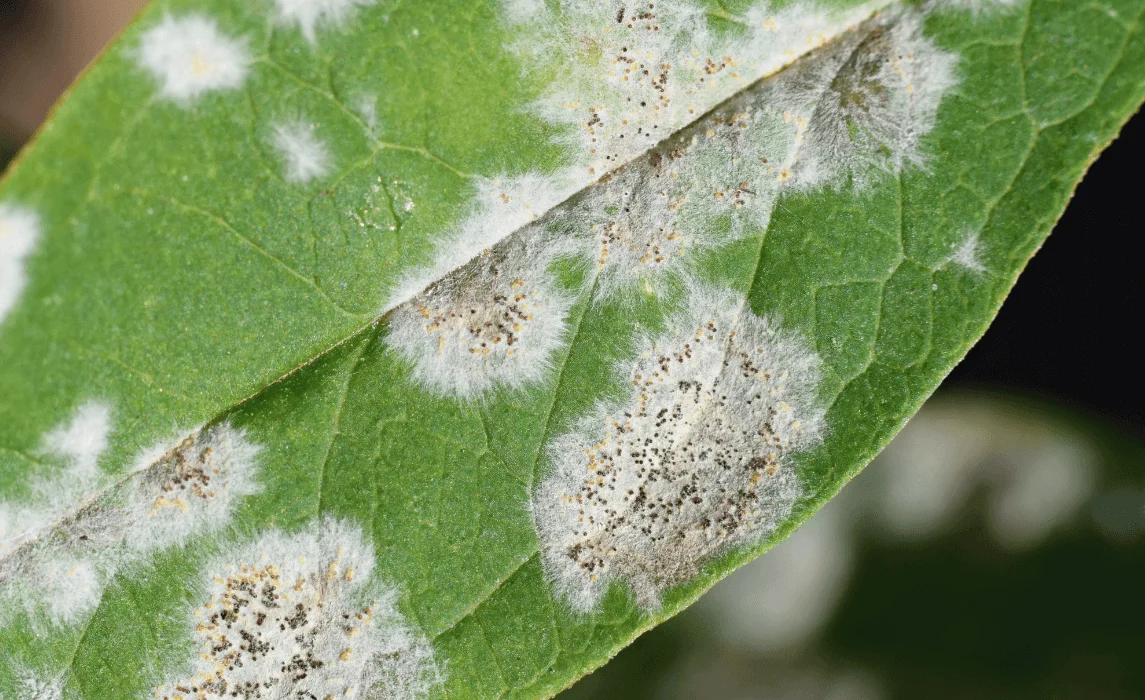
What causes pumpkin leaves to turn white?
This is usually powdery mildew. Improve airflow, water at the base, remove infected leaves, and apply a fungicide or neem oil.
Can I eat the pumpkin I grew for carving?
Yes, though carving types are stringy and bland. Pie pumpkins are sweeter, but the seeds from any pumpkin can be roasted.
Growing Grapevines Q&A
How long does it take for a grape plant to produce fruit?
Most young vines need two to three years after planting before they set a full crop, though a few clusters may appear in year two. Patience pays off — established vines can keep producing for 40 years or more.
Do I need more than one vine to grow grapes?
No. Since most grape varieties are self-fertile, one plant is enough to produce fruit on its own. Planting a second variety nearby is optional and mainly helps with cross-pollination in a few less common types.
Can grape vines grow in containers?
Yes, though grape vines grow best planted directly in the ground, where the root system has room to spread. A large container works for a year or two, but expect to transplant once the vine outgrows the pot.
Why aren't my grapes ripening?
Grapes ripen slowly compared to many fruits, and cool weather, too much shade, or overcrowded canes can all delay the process. Give the vine full sun, thin the clusters, and be patient through the growing season.
What's the difference between table grapes and wine grapes?
Table grapes are bred for fresh eating, with thinner skins and fewer seeds, while wine grapes tend to have thicker skins, more seeds, and higher sugar content suited to fermentation.
Are grape vines toxic to pets?
Grapes and grape leaves are not toxic to people, but grapes and raisins are toxic to dogs and can cause kidney damage, so keep fallen fruit cleaned up if pets have access to the vineyard.
Growing watermelon in your garden is incredibly rewarding—especially when you slice into that first juicy, sun-ripened fruit you grew yourself. Whether you're a beginner gardener or someone looking to improve your results this season, learning the best tips to grow watermelon can make all the difference. From choosing the right variety and preparing your soil to giving your plants proper water, sunlight, and space, this guide will walk you through everything you need for a successful harvest. Let’s dive into how you can grow watermelon confidently and enjoy sweet, refreshing rewards right from your backyard.
Plant Attribute
Details
Plant Name
Watermelon (Citrullus lanatus)
Plant Type
Annual fruiting vine
Size
Vines spread 6–10 feet or more; fruit ranges 5–30+ lbs depending on variety
Soil Type
Well-draining, sandy-loam soil enriched with compost
Soil pH
6.0–7.0 (slightly acidic to neutral)
Bloom Time
Summer (male flowers appear first, followed by female flowers)
Hardiness Zones
Grown as an annual in USDA Zones 2–11
Native Area
Africa (originating from the Kalahari Desert region)
Toxicity Level
Non-toxic to humans and pets
Best Watermelon Types to Grow
1. Icebox Watermelons (Small & Compact)
Icebox watermelons, such as Sugar Baby and Mini Love, are perfect for gardeners with limited space or those growing in containers and raised beds. Their vines stay compact, and the fruits typically weigh between 5–12 lbs, making them easier to handle and harvest. They also mature faster—usually within 70–80 days—so they’re ideal for warm climates and short growing seasons. Despite their smaller size, they’re known for delivering rich sweetness and excellent flavor.
2. Seedless Watermelons
Seedless watermelons are a favorite for families because they’re incredibly convenient and enjoyable to eat, with no seeds to pick out. These varieties thrive in warm soil and benefit from having a seeded variety planted nearby to ensure proper pollination. Once they begin producing, they yield crisp, juicy fruits with consistently good sweetness. Many modern seedless types also come with improved disease resistance, making them reliable and easy to grow once established.
3. Large Traditional Watermelons
Large watermelon varieties, including classics like Crimson Sweet and Charleston Gray, are best suited for gardeners with plenty of space. These watermelons can grow up to 20–30 lbs or more, offering that traditional summer experience of cutting into a huge, juicy melon. They produce vigorous vines that love full sun and heat, and many of these varieties are known for their strong disease resistance and dependable performance. They’re ideal for growers who want big harvests and exceptional flavor.
How to Plant Watermelon (Beginner-Friendly Step-by-Step Guide)
Below are simple planting instructions tailored separately for seeds and seedlings.
Planting Watermelon From Seeds
Warm the soil - Ensure soil temperature is 70–95°F. Watermelon seeds will not germinate in cold soil.
Prepare planting hills or rows - Create small mounds (hills) 3–5 feet apart. Hills warm quickly and help watermelon roots drain well.
Add compost - Mix 2–3 inches of compost or organic matter into each hill.
Plant the seeds - Plant 4–6 seeds per hill, 1 inch deep.
Thin the seedlings - When seedlings have two true leaves, thin to 2–3 strongest plants per hill.
Remove weeds gently - Keep the soil weed-free early on to avoid competition.
Optional: Add row cover - Cover young seedlings for a week or two to protect from pests such as cucumber beetles.
Planting Watermelon From Seedlings
Harden off your seedlings - Expose them to outdoor conditions gradually for 5–7 days.
Choose a warm planting day - Soil must be warm; temperatures below 60°F can stunt growth.
Dig holes - Holes should be slightly larger than the root ball.
Plant carefully - Place seedlings at the same depth as they were in their pots.
Gently firm the soil - Lightly press soil around the roots to secure the plant.
Leave space for vines - Space plants 3–4 feet apart for small varieties, 6–8 feet apart for large ones.
Requirements for Growing Watermelons
Soil
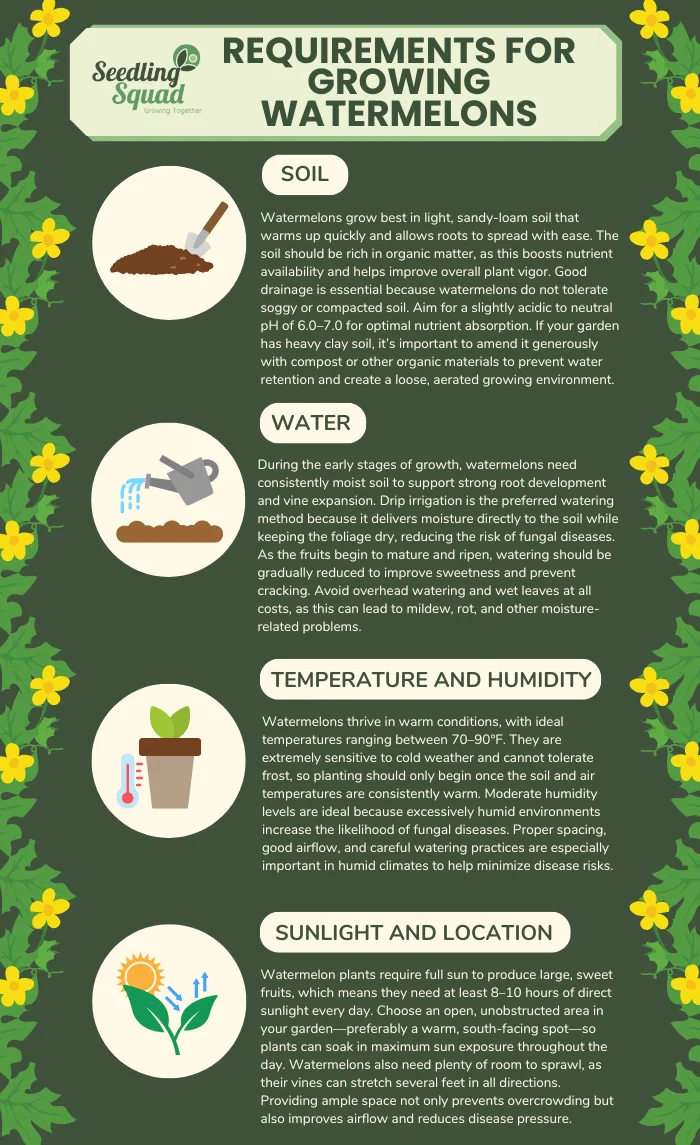
Watermelons grow best in light, sandy-loam soil because this type of soil warms up quickly in spring, provides excellent aeration, and allows roots to expand deeply. A rich supply of organic matter is essential, as it increases soil fertility and boosts the plant’s ability to absorb nutrients throughout the growing season. Well-draining soil is a must—watermelons are highly sensitive to excess moisture, which can cause root rot, stunted growth, and poor fruit quality. Aim for a soil pH between 6.0 and 7.0, as this slightly acidic to neutral range allows the plant to uptake nutrients effectively. If you have naturally heavy clay soil, it should be amended generously with compost, aged manure, or coarse sand to improve texture, drainage, and overall structure before planting.
Water
Watermelons need a consistent supply of moisture during early growth, especially when seedlings are establishing and vines are rapidly extending. The soil should remain evenly moist—but never muddy—to prevent stress and encourage steady development. Using drip irrigation is highly recommended because it supplies water directly to the root zone without wetting the leaves, which helps prevent fungal outbreaks. Mulching around the base can also help retain soil moisture and reduce evaporation on hot days. As the fruits begin maturing, gradually reduce watering to prevent overly watery flesh and fruit splitting. Limiting water at this stage concentrates natural sugars, leading to sweeter, better-tasting melons. Avoid overhead watering throughout the entire season, as wet foliage is one of the biggest contributors to mildew, blight, and other fungal issues.
Temperature & Humidity
Watermelons thrive in warm climates with daytime temperatures consistently between 70–90°F. They have zero frost tolerance, so planting too early—even by a week—can kill young seedlings or severely stunt their growth. Soil temperature is just as important as air temperature; the soil must reach at least 65–70°F before transplanting or direct seeding. These heat-loving plants also prefer moderate humidity, which helps maintain healthy foliage without encouraging disease. When humidity becomes too high, fungal diseases can spread quickly, especially if vines are crowded or air circulation is poor. Gardeners in humid regions should space plants wider, prune lightly to increase airflow, and water only at the base to keep moisture off the leaves.
Sunlight & Location
Sunlight is one of the most critical factors for growing sweet, full-size watermelons. They require a minimum of 8–10 hours of direct sun every day, though more sunlight generally results in faster growth, stronger vines, and more flavorful fruit. The best planting location is an open, unobstructed area—preferably south-facing—where the plants can absorb heat from the sun throughout the day. Since watermelon vines spread extensively, the planting area should be spacious enough for vines to sprawl without competing with nearby crops. Wide spacing also helps reduce disease by improving airflow. If you live in a cooler climate, planting near a heat-reflective surface like a wall or using black plastic mulch can help warm the soil and extend the growing season.
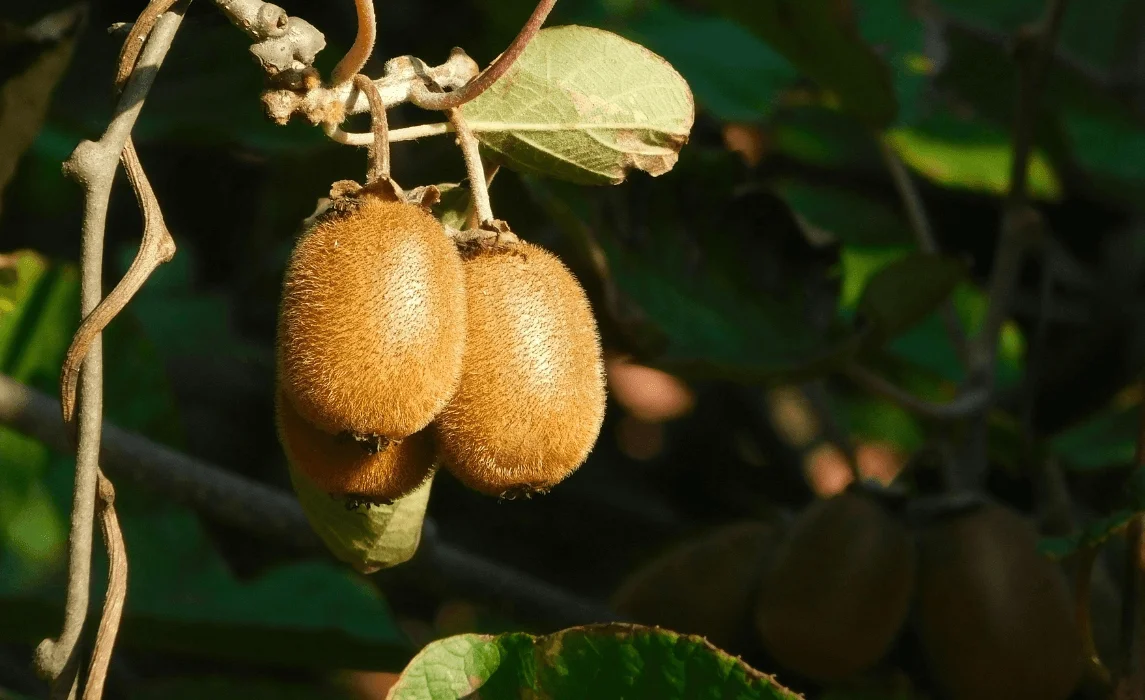
Learn how to grow and care for a healthy kiwifruit vine — from planting to harvest — even in limited spaces.
Maintenance Tips for Watermelon Plants
Fertilizer
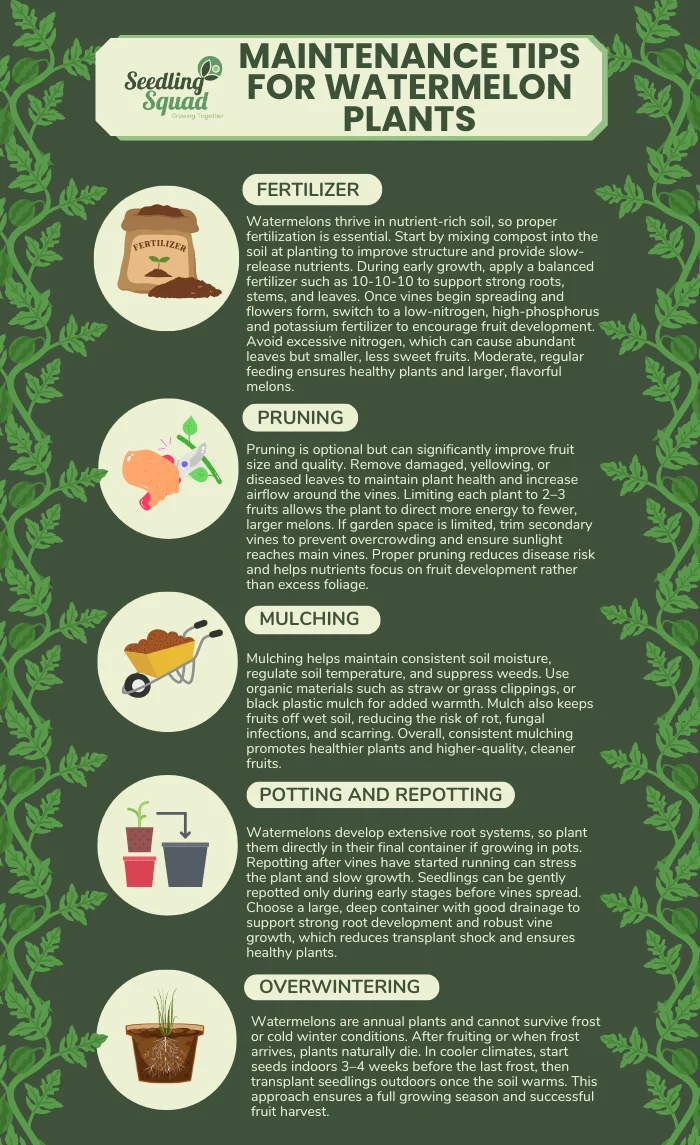
Watermelons benefit from nutrient-rich soil throughout their growth, so proper fertilization is key. Begin by adding plenty of compost at planting to provide a steady supply of nutrients and improve soil structure. During the early stages of growth, use a balanced fertilizer, such as 10-10-10, to encourage healthy roots, stems, and leaf development. Once the vines begin to spread and flowers appear, switch to a fertilizer low in nitrogen but high in phosphorus and potassium to promote strong fruit development. Excess nitrogen should be avoided because it encourages leafy growth at the expense of fruit size and sweetness. Regular, moderate feeding helps ensure vigorous plants and larger, flavorful watermelons at harvest.
Pruning
Pruning is optional but can be very helpful, especially if you want larger, higher-quality fruits or need to manage space in your garden. Start by removing damaged, yellowing, or diseased leaves to keep the plant healthy and improve air circulation. Limiting each plant to 2–3 fruits allows the plant to focus its energy on developing fewer, but bigger, melons. If space is limited, you can also trim secondary vines to prevent overcrowding and ensure sunlight reaches the main vines. Pruning encourages better airflow, reduces disease risk, and directs nutrients toward the developing fruits rather than excess foliage.
Mulching
Mulching provides multiple benefits for watermelon plants. Organic options like straw or grass clippings, or even black plastic mulch, help maintain consistent soil moisture, reduce evaporation, and moderate soil temperature. Mulch also acts as a barrier against weeds, which compete for nutrients and water. Additionally, placing a layer of mulch beneath the fruits prevents them from resting directly on wet soil, reducing the risk of rot, fungal infections, and soil-borne diseases. Consistent mulching contributes to healthier plants and higher-quality fruits.
Potting & Repotting
Watermelons develop extensive roots, so it is best to plant them directly in their final container if growing in pots. Repotting after vines have begun running is discouraged, as the plant can experience stress and slowed growth. If necessary, seedlings can be gently repotted during the very early stages before vines spread. Choosing a large, deep container with good drainage from the start ensures strong root development and robust vine growth, making the plant less prone to transplant shock.
Overwintering
Watermelons are annual plants and cannot survive frost or cold winter conditions outdoors. Once the fruits have matured and the season ends, or when frost arrives, the plant naturally dies. They cannot be overwintered like perennials, so gardeners should plan to start new plants from seed each year. In cooler climates, starting seeds indoors and transplanting after the last frost ensures a full growing season and successful harvest.
Common Pests and Diseases
Pests
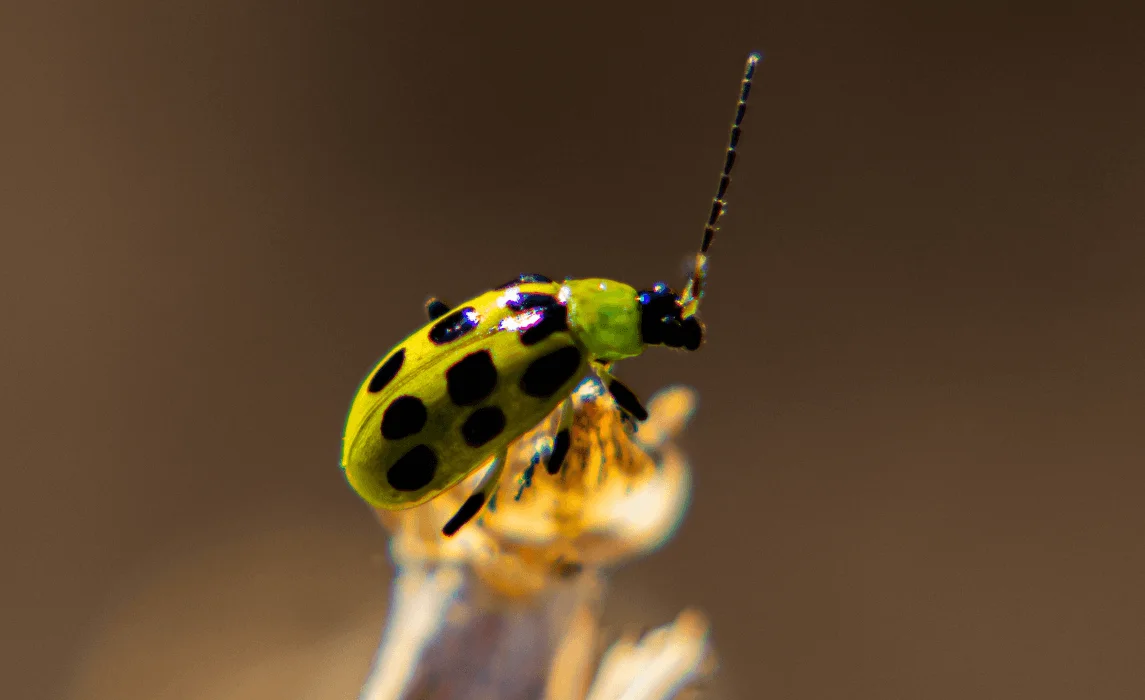
Cucumber Beetles - Cucumber beetles are small insects that damage leaves and spread bacterial wilt. Prevent infestations by using row covers early in the season, placing sticky traps around plants, and hand-picking beetles regularly.
Aphids - Aphids cluster on stems and leaf undersides, causing curling and stunted growth. Spray with insecticidal soap or encourage natural predators like ladybugs to control populations.
Squash Bugs - Squash bugs feed on leaves and stems, sometimes causing wilting. Hand-pick adults and eggs, remove debris, and apply neem oil if necessary.
Diseases
Powdery Mildew - This fungal disease appears as a white, powdery coating on leaves. Improve airflow, avoid wet foliage, and treat with neem oil or sulfur spray if needed.
Gummy Stem Blight - Spread by beetles and wet leaves, this disease causes lesions and gummy stems. Remove infected leaves, avoid overhead watering, and maintain good garden sanitation.
Fusarium Wilt and Other Wilts - Soil-borne fungi cause sudden wilting and plant death. Prevent by rotating crops yearly and avoiding planting in infected soil. Resistant varieties help reduce risk.
How to Harvest Watermelons
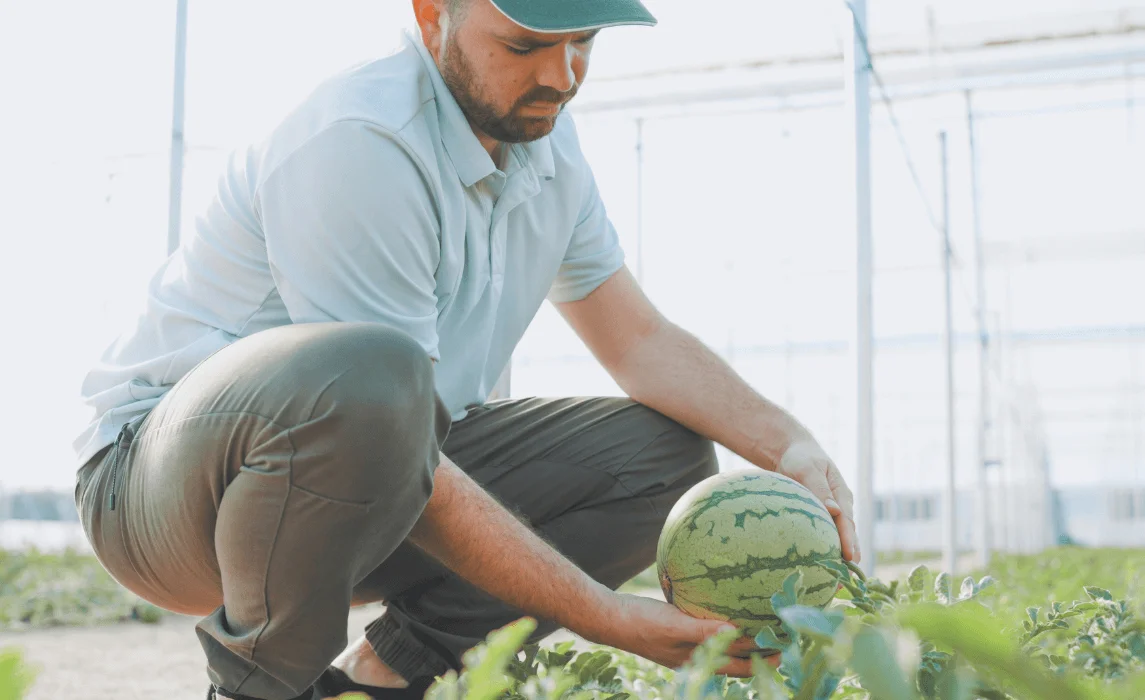
Harvesting watermelons at the right time is crucial because they do not continue to ripen once picked. One of the most reliable indicators is when the tendril nearest the fruit turns brown and dries out. Additionally, the underside of the watermelon, called the “ground spot,” should turn a creamy yellow color. The rind also loses its shine and becomes dull, while tapping the fruit produces a hollow sound. Another sign is that the surface of the watermelon becomes tougher and more difficult to scratch with a fingernail. Observing these signs together will help ensure you harvest your watermelons at peak sweetness and flavor.
Learn how to plant and care for berry bushes to create a lush, fruit-filled backyard — ideal for fresh harvests and a thriving garden.
Frequently Asked Questions:
Q1: How long does it take to grow a watermelon?
Watermelon growing time varies by variety. Most watermelons take about 75–100 days from planting seeds to harvest. Seedless watermelons often take slightly longer. Starting seeds indoors can give you a head start, especially in shorter growing seasons.
Q2: Can I grow watermelon in a pot or container?
Yes! Small or icebox varieties like Sugar Baby grow well in large pots (15–20 gallons). Ensure the container has good drainage, is filled with fertile, well-draining soil, and gets full sun daily. Water frequently, as pots dry faster than garden beds, and provide a trellis or allow vines to trail over the sides.
Q3: Can watermelons grow in raised garden beds?
Absolutely! Raised garden beds are ideal because they warm up faster in spring and provide excellent drainage. Space plants well, enrich the soil with compost, and mulch around vines to maintain moisture and control weeds.
Related posts
Here are some articles you might be interested in.


.webp)