Common Garden Pests Every Gardener Should Know for Better Pest Control
Published on
December 5, 2025
Author
Ryan Johnson
Ryan Johnson relocated to his grandfather's old farm when he was 22 years old where he discovered the joys of farming and gardening. With his cool demeanor and strong-willed passion for the agrarian lifestyle, he now shares his know-how to aspiring gardeners.
How to Grow Pumpkins Q&A
Can I grow pumpkins in a small home garden?
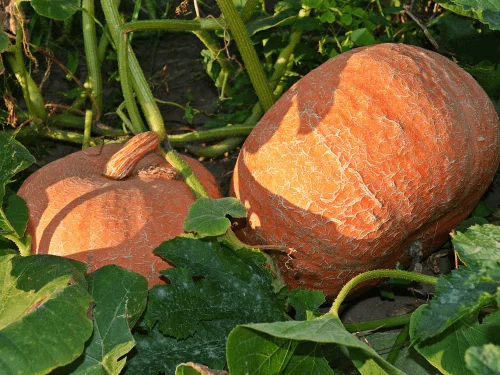
Yes. Choose bush or miniature varieties, grow vines on a trellis, or use raised beds. Plan on one or two plants per hill and prune vines when space is tight.
When should I plant pumpkins for Halloween?
Plant seeds in late May or early June in most climates. Count back from your first frost date and allow for 90 to 120 days of growth.
Why does my pumpkin plant have flowers but no fruit?
Male flowers appear first, so early flowers will not set fruit. If female flowers open but fail to fruit, you probably have too few bees. Pollinate by hand in the morning.
What causes pumpkin leaves to turn white?
This is usually powdery mildew. Improve airflow, water at the base, remove infected leaves, and apply a fungicide or neem oil.
Can I eat the pumpkin I grew for carving?
Yes, though carving types are stringy and bland. Pie pumpkins are sweeter, but the seeds from any pumpkin can be roasted.
Growing Grapevines Q&A
How long does it take for a grape plant to produce fruit?
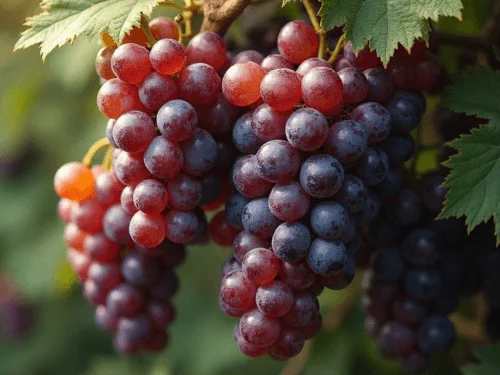
Most young vines need two to three years after planting before they set a full crop, though a few clusters may appear in year two. Patience pays off — established vines can keep producing for 40 years or more.
Do I need more than one vine to grow grapes?
No. Since most grape varieties are self-fertile, one plant is enough to produce fruit on its own. Planting a second variety nearby is optional and mainly helps with cross-pollination in a few less common types.
Can grape vines grow in containers?
Yes, though grape vines grow best planted directly in the ground, where the root system has room to spread. A large container works for a year or two, but expect to transplant once the vine outgrows the pot.
Why aren't my grapes ripening?
Grapes ripen slowly compared to many fruits, and cool weather, too much shade, or overcrowded canes can all delay the process. Give the vine full sun, thin the clusters, and be patient through the growing season.
What's the difference between table grapes and wine grapes?
Table grapes are bred for fresh eating, with thinner skins and fewer seeds, while wine grapes tend to have thicker skins, more seeds, and higher sugar content suited to fermentation.
Are grape vines toxic to pets?
Grapes and grape leaves are not toxic to people, but grapes and raisins are toxic to dogs and can cause kidney damage, so keep fallen fruit cleaned up if pets have access to the vineyard.
Bee Garden Q&A
What flowers attract the most bees to a garden?
Bees are generally drawn to flowers that are blue, purple, yellow, or white, and that offer easy access to nectar and pollen. Lavender, bee balm, sunflower, and coneflower are some of the most reliable plants that attract bees to a home garden.
Do I need to avoid pesticides in a bee-friendly garden?
Yes, whenever possible. Insecticide and pesticide products can harm adult bees and their larva, even in small amounts. Choosing natural pest control methods helps keep your garden safe for visiting bees.
Can a small home garden still support pollinators?
Absolutely. Even a few containers of zinnias, salvia, or crocus on a balcony can offer pollen and nectar for local bees. Bees will travel between small garden spaces, so every bit of habitat helps.
Do bees need more than just flowers?
Yes. Bees also need nesting sites and water. Ground-nesting bees need patches of bare soil, while a shallow bee bath gives bees a safe spot to drink, especially in hot weather.
Will planting a pollinator garden really help save the bees?
It genuinely can. As natural habitat shrinks, home gardens have become an important food source and shelter for bees, including many native bee species. A well-planned bee garden supports pollination for your own flowers and vegetables while helping the wider bee population.
What is the best USDA zone for growing a bee garden?
There is no single best zone. Most of the plants above grow well across USDA zones 4 through 9, and gardeners in colder or warmer zones can simply choose varieties suited to their climate, or grow warm-season bees favorites like sunflower and zinnia as annuals.
Keeping a healthy and thriving garden starts with understanding the enemies that often lurk among your plants. From tiny sap-sucking insects to leaf-chewing caterpillars, common garden pests can quickly damage your hard work if left unchecked. By learning how to identify these pests early and knowing the right control methods to use, every gardener can protect their plants more effectively and prevent small problems from turning into major infestations. In this guide, we’ll explore the most common garden pests you’re likely to encounter and share practical tips to help you maintain a beautiful, pest-free garden.
14 Common Garden Pests and How to Get Rid of Them
1. Moles
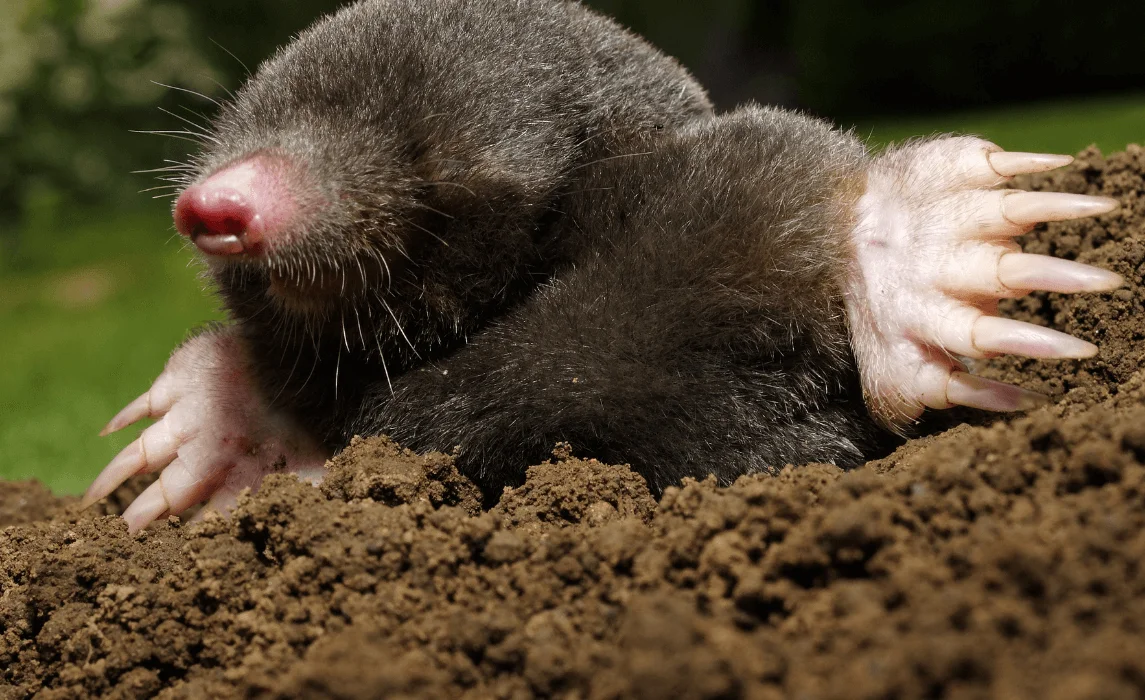
Moles often enter gardens because the soil is rich, moist, and full of their favorite foods—mainly earthworms and grubs. While they don’t eat plants, their constant tunneling uproots roots, dries out garden beds, and creates raised ridges that ruin lawns and vegetable plots. Their tunnels can destabilize the soil, making young plants especially vulnerable. To discourage moles naturally, many gardeners rely on castor oil–based DIY repellents. A simple mixture of castor oil, water, and a bit of dish soap poured into active tunnels makes the soil unpleasant for them. Beneficial nematodes can also be added to the soil to reduce grub populations, removing the moles’ main food source. When food becomes scarce and the environment becomes irritating, moles usually relocate on their own.
2. Voles
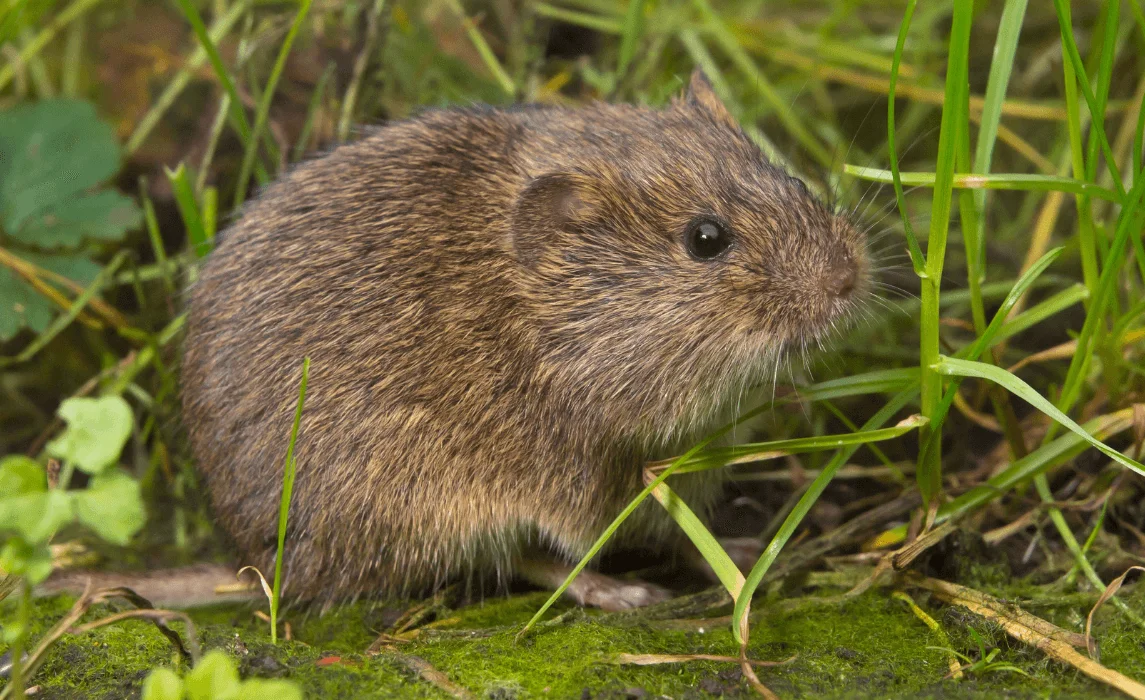
Voles are small rodents that thrive in gardens with thick mulch layers, tall grass, woodpiles, or clutter, all of which give them excellent shelter. They are strongly attracted to root vegetables, bulbs, and soft stems, and they can quickly kill young plants by chewing through their roots. Unlike moles, voles actively feed on plant material, so the damage is often more severe. Naturally controlling voles begins with removing their hiding places—reducing mulch depth, trimming overgrown vegetation, and clearing debris around garden beds. Many gardeners also create DIY deterrent borders using sharp gravel or crushed stone, which voles dislike digging through. Simple box traps baited with apple slices or peanut butter provide an effective low-cost solution when voles are active in large numbers.
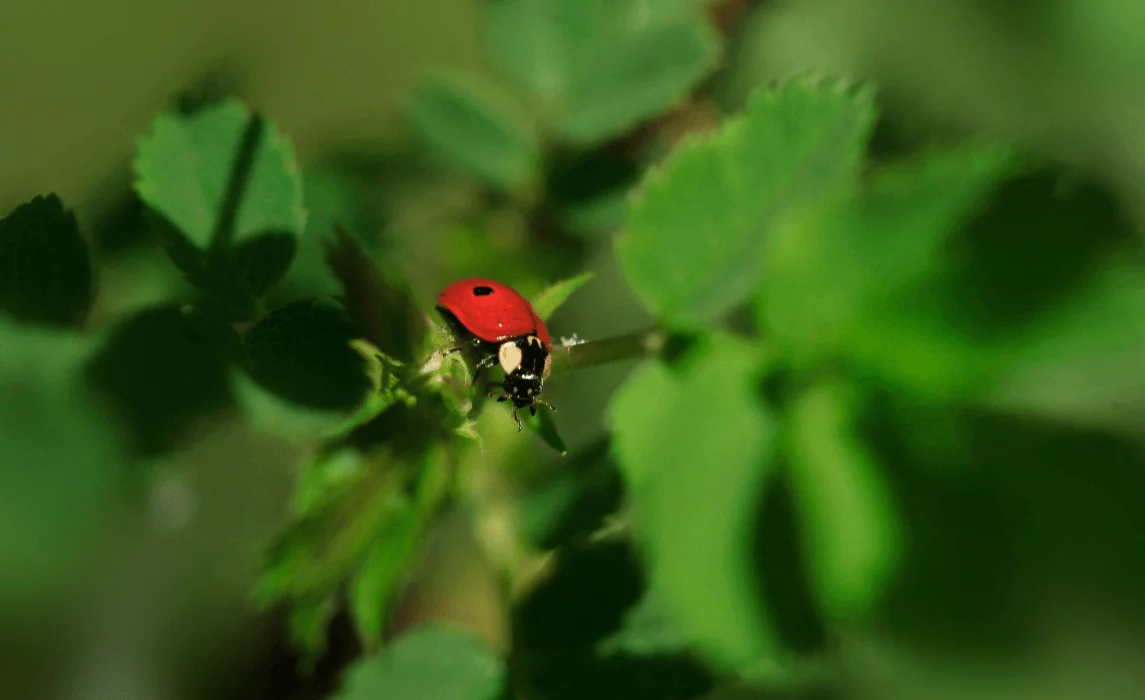
Learn which plants help draw ladybugs naturally — a great, eco-friendly way to control pests in your garden!
3. Aphids
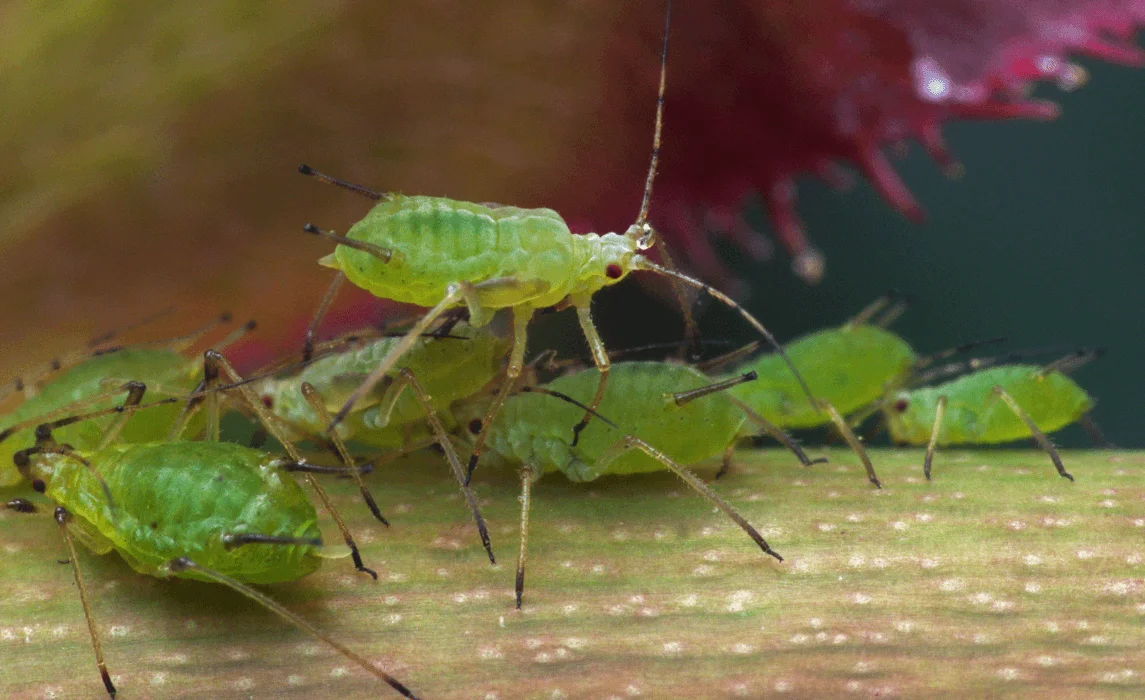
Aphids are among the most common garden pests because they reproduce quickly and are drawn to almost any plant with soft, tender new growth. Warm, humid conditions help them thrive, and their ability to hide on the undersides of leaves makes them easy to overlook at first. As aphids feed on plant sap, they cause curling leaves, stunted growth, and a sticky residue called honeydew that leads to black sooty mold. Controlling aphids naturally is simple and effective. A strong blast of water from a hose dislodges them easily. A DIY mix of mild dish soap and water suffocates aphids without harming plants when applied regularly. Even better, encouraging beneficial insects like ladybugs or lacewings creates long-term biological control, since these predators consume hundreds of aphids daily.
4. Caterpillars
Caterpillars—including cabbage loopers, tomato hornworms, and cabbage white larvae—are drawn to leafy vegetables, brassicas, and tomato plants where moths and butterflies lay their eggs. These larvae have strong chewing mouthparts and can devour large sections of leaves in just a few days. Their feeding often leaves behind ragged edges, deep holes, or almost completely skeletonized leaves, making plants unable to photosynthesize properly. Controlling caterpillars naturally often begins with handpicking, a simple but highly effective method for visible pests. Placing them in a bucket of soapy water ensures they do not return. A DIY garlic-pepper spray acts as a strong natural repellent, helping stop egg-laying before infestations begin. For long-term prevention, gardeners often attract parasitic wasps, which lay eggs inside caterpillars and dramatically decrease their numbers.
5. Leaf Miners
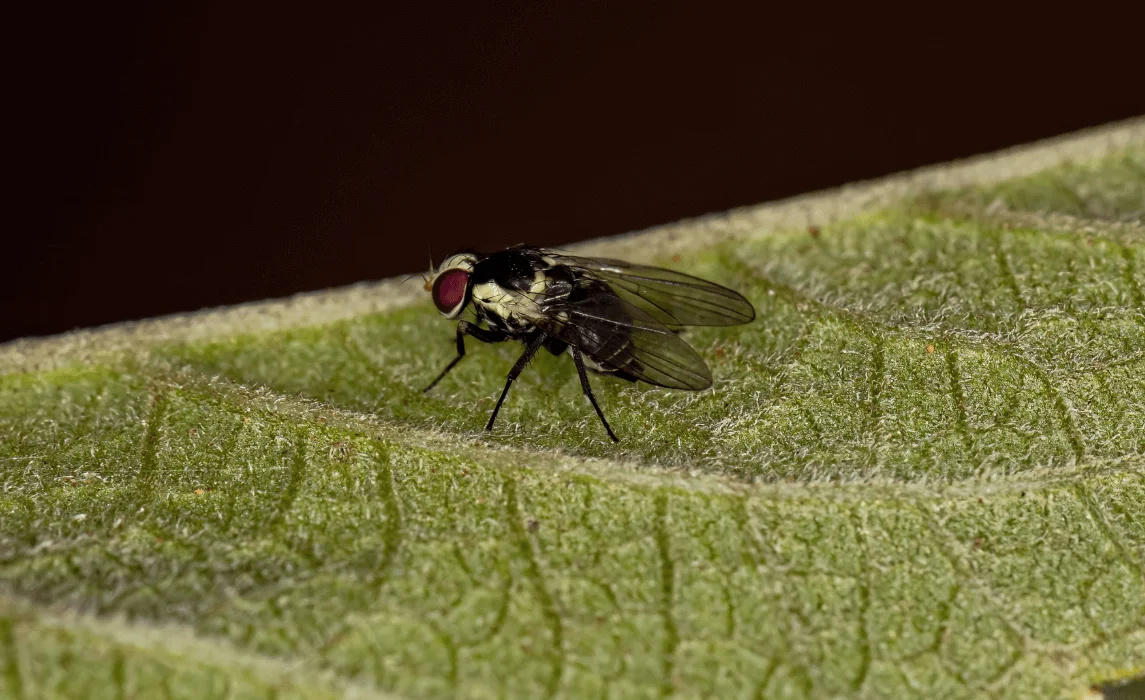
Leaf miners are tiny larvae that become trapped between the top and bottom layers of leaves, creating winding white tunnels as they feed. They are especially attracted to spinach, beets, chard, and citrus, where soft leaves are easy to burrow into. Because the larvae feed inside the leaves themselves, the damage reduces the plant’s ability to make food and can stress young crops. Natural control focuses heavily on prevention and early removal. Pruning and discarding affected leaves immediately interrupts their lifecycle and prevents new adults from emerging. Floating row covers placed over seedlings act as a physical barrier that keeps adult flies or moths from laying eggs. Neem oil, applied regularly as a DIY spray, helps disrupt larval feeding and reduces the number of new tunnels.
Discover effective methods to eliminate snails and slugs — protect your garden the natural, fast and safe way.
6. Slugs
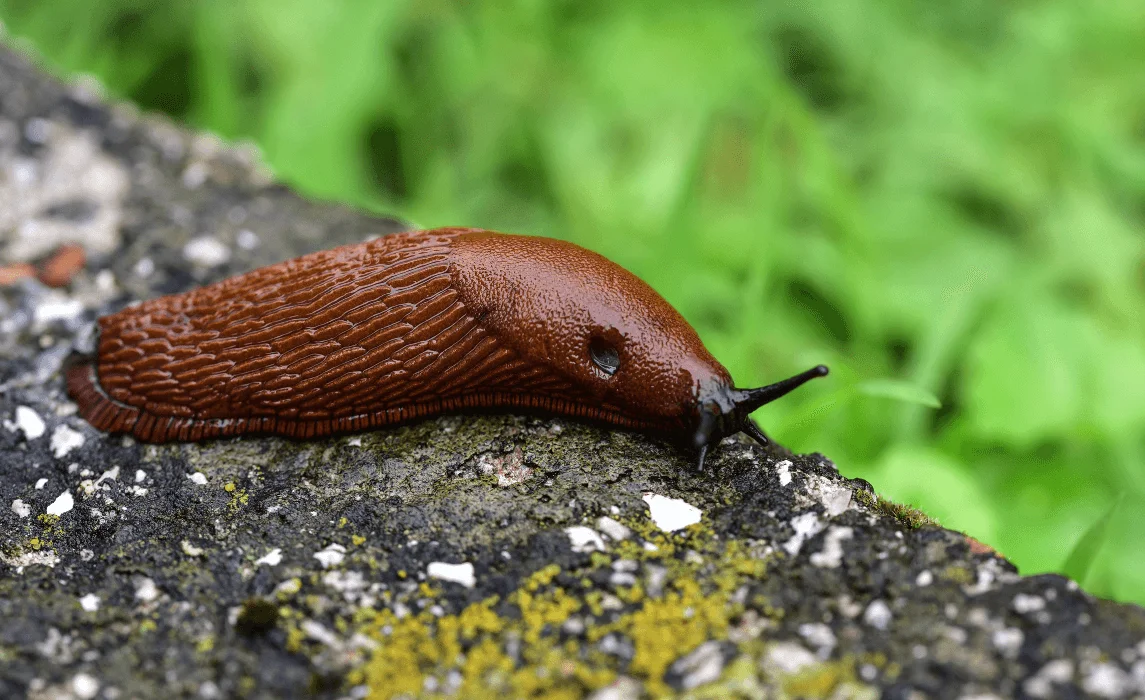
Slugs thrive in damp, shady parts of the garden, especially around mulch, pots, and decaying organic materials. They are attracted to tender plants like lettuce, strawberries, and newly transplanted seedlings, which provide easy food. Their feeding leaves behind large, irregular holes and a shiny mucus trail that makes them simple to identify. Natural slug control is surprisingly easy. One popular DIY method is setting out shallow beer traps; slugs crawl in, attracted by the yeast smell, and drown. Gardeners can also sprinkle crushed eggshells, coffee grounds, or diatomaceous earth around plants to create a gritty barrier slugs avoid crossing. Watering the garden in the morning rather than the evening reduces moisture during their most active hours and naturally discourages them.
7. Spider Mites
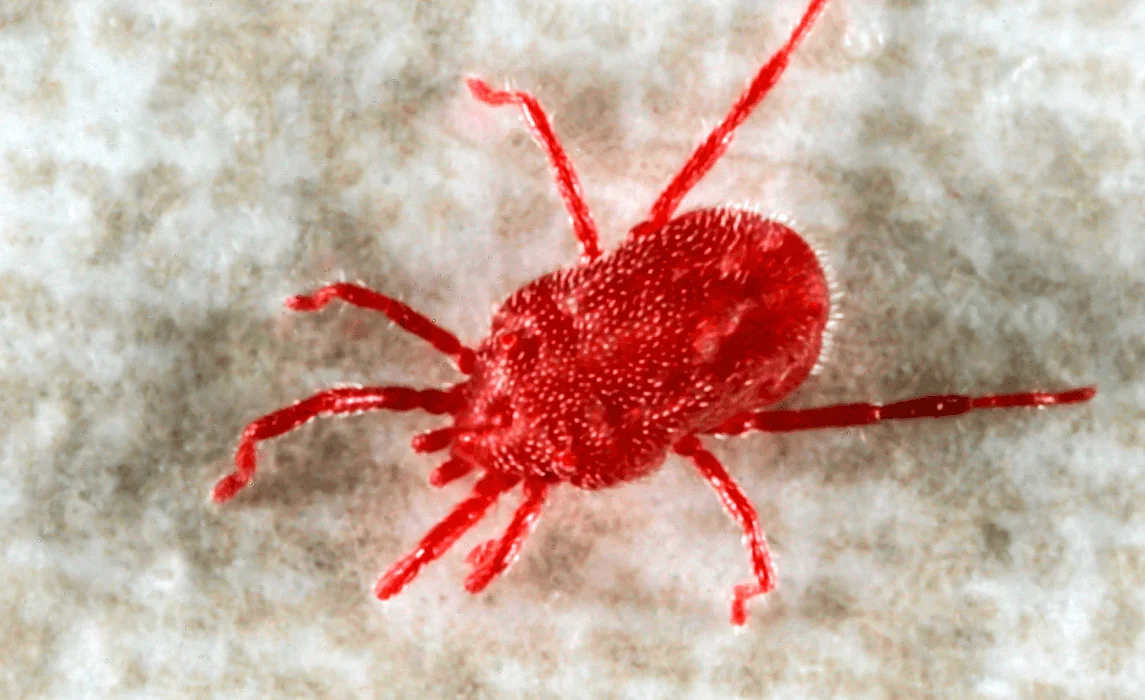
Spider mites are tiny, often invisible pests that thrive in dry, dusty conditions and feed by sucking the sap from plant leaves. Their feeding causes fine speckling, yellowing, and eventually browning of foliage. In severe infestations, you may notice delicate webbing across stems or leaf joints. Spider mites are attracted to stressed plants and areas lacking humidity. A highly effective natural solution is simply to rinse plants regularly with water, especially the underside of leaves, which disrupts mites and raises humidity. A DIY spray made from neem oil mixed with mild soap helps smother eggs and reduce new generations. Encouraging predatory mites is also beneficial, as these natural enemies quickly consume spider mite populations when given the right environment.
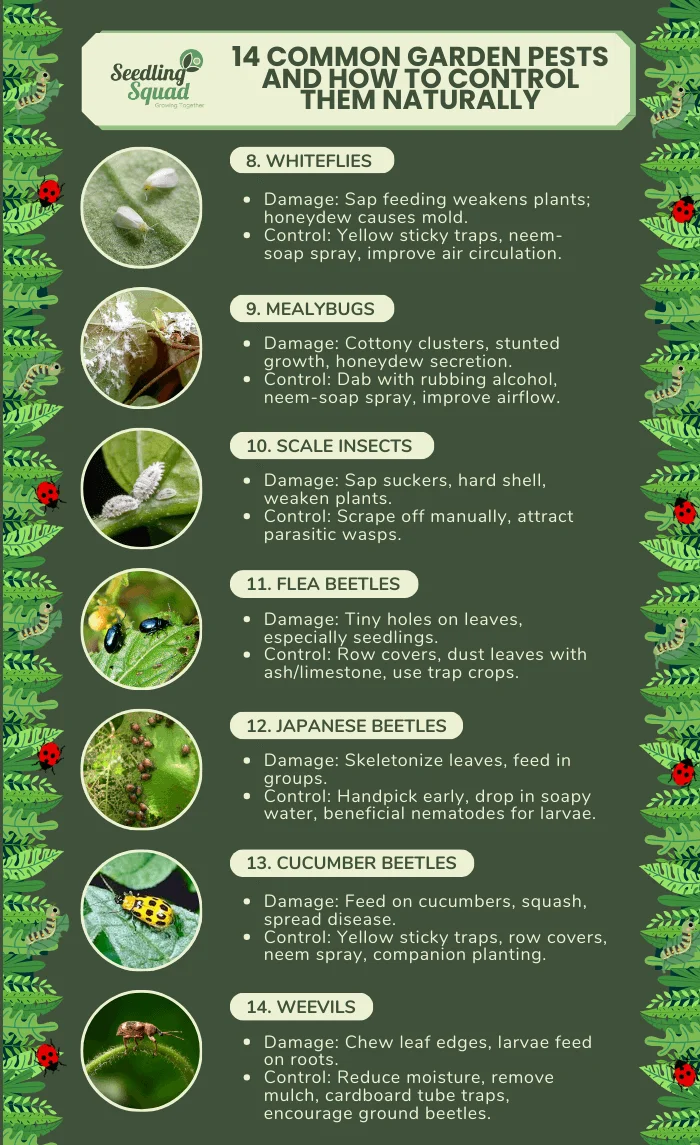
8. Whiteflies
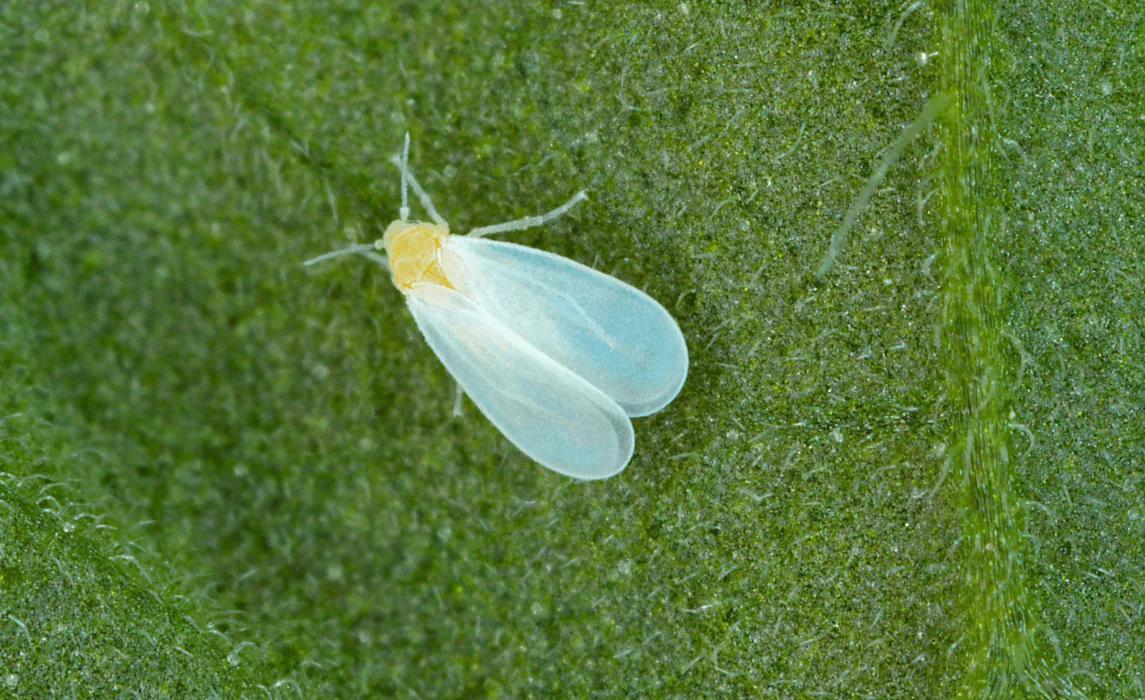
Whiteflies cluster on the undersides of leaves, feeding on sap and causing wilting, yellowing, and reduced plant vigor. They are especially drawn to warm climates and well-fertilized plants with abundant new growth. Their honeydew secretion often leads to black sooty mold, which further weakens plants. To control whiteflies naturally, many gardeners use homemade yellow sticky traps, which attract and capture adult flies. A regular application of DIY soapy water or neem oil spray helps eliminate nymphs before they mature. Improving air circulation around plants also discourages whiteflies, since they prefer still, sheltered conditions.
9. Mealybugs
Mealybugs appear as white, cottony clusters tucked into leaf joints, stems, and sometimes roots. They are drawn to stressed or overwatered plants and multiply quickly in warm environments. As they feed, they weaken the plant, stunt new growth, and create sticky honeydew that attracts mold. One of the most effective natural remedies is to dab individual insects with a cotton swab soaked in rubbing alcohol, which breaks down their protective coating. For larger infestations, gardeners use a DIY spray of neem oil or mild soap. Improving airflow and reducing excessive watering also makes the garden less inviting to mealybugs.
Discover safe, organic ways to fight off pests and protect your garden without harsh chemicals.
10. Scale Insects
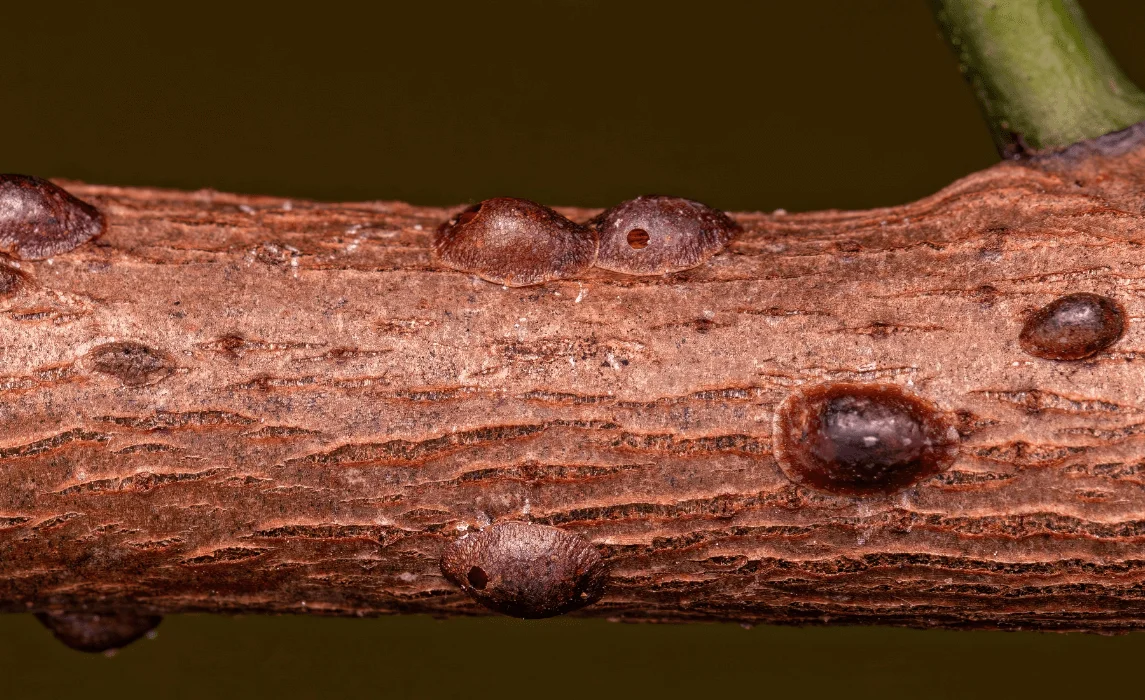
Scale insects attach themselves to stems or leaves and form shell-like coverings, making them appear more like growths than insects. They are attracted to plants under stress and feed by sucking sap until the host plant becomes weak or discolored. Because their hard shell protects them from most sprays, manual removal is the most effective natural method. Scraping them off gently with a fingernail, toothbrush, or cloth dipped in soapy water can make a significant difference. For long-term control, encouraging beneficial insects such as parasitic wasps helps keep populations low.
11. Flea Beetles
Flea beetles are small jumping beetles that prefer feeding on young plants, especially brassicas, nightshades, and leafy greens. They chew numerous tiny holes through leaves, giving them a “shotgun” appearance and weakening seedlings significantly. Because flea beetles are attracted to warm, dry soil, protecting seedlings early is crucial. Floating row covers provide excellent natural defense. Many gardeners also dust leaves lightly with a DIY mixture of wood ash or crushed limestone to deter beetles. Planting radishes nearby as a trap crop draws flea beetles away from more valuable vegetables.
12. Japanese Beetles
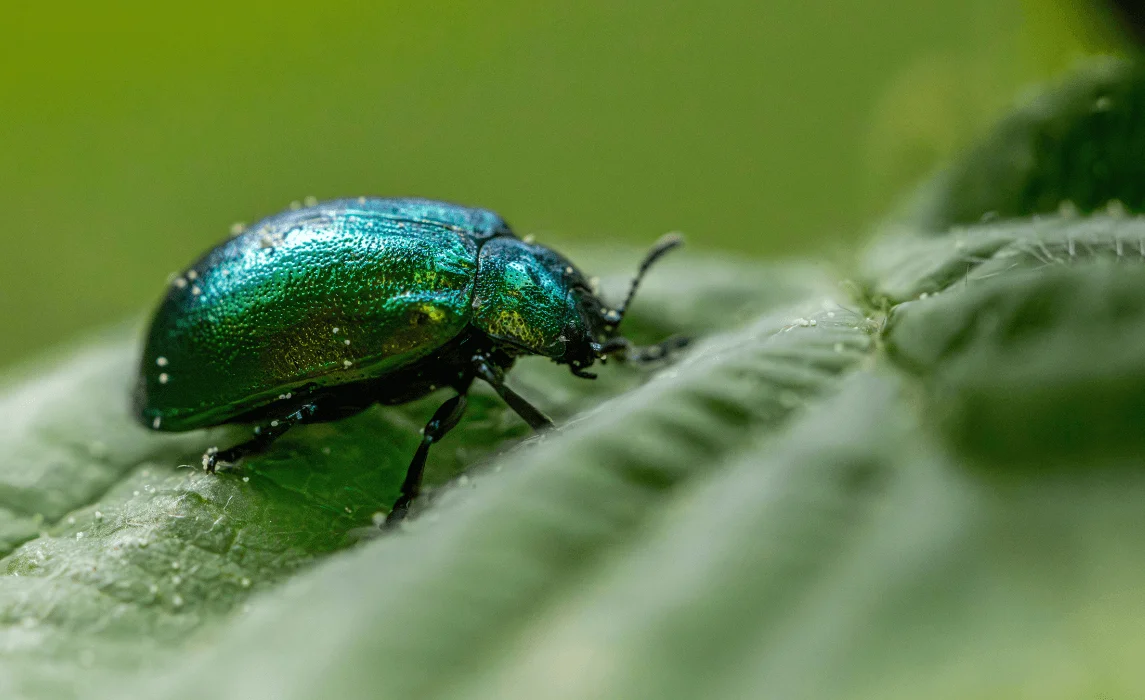
Japanese beetles are highly destructive pests that skeletonize leaves, leaving only veins behind. They are attracted to fragrant flowers, ripe fruit, and lush garden plants. Their destructive potential is high because they feed in groups, making damage happen quickly. Natural control begins with handpicking the beetles in the early morning when they are slow-moving and easy to capture. Dropping them into soapy water prevents them from returning. DIY traps should be placed far from the garden, never inside it, since they attract beetles over long distances. Applying beneficial nematodes to the soil reduces grub populations, which helps prevent future outbreaks.
13. Cucumber Beetles
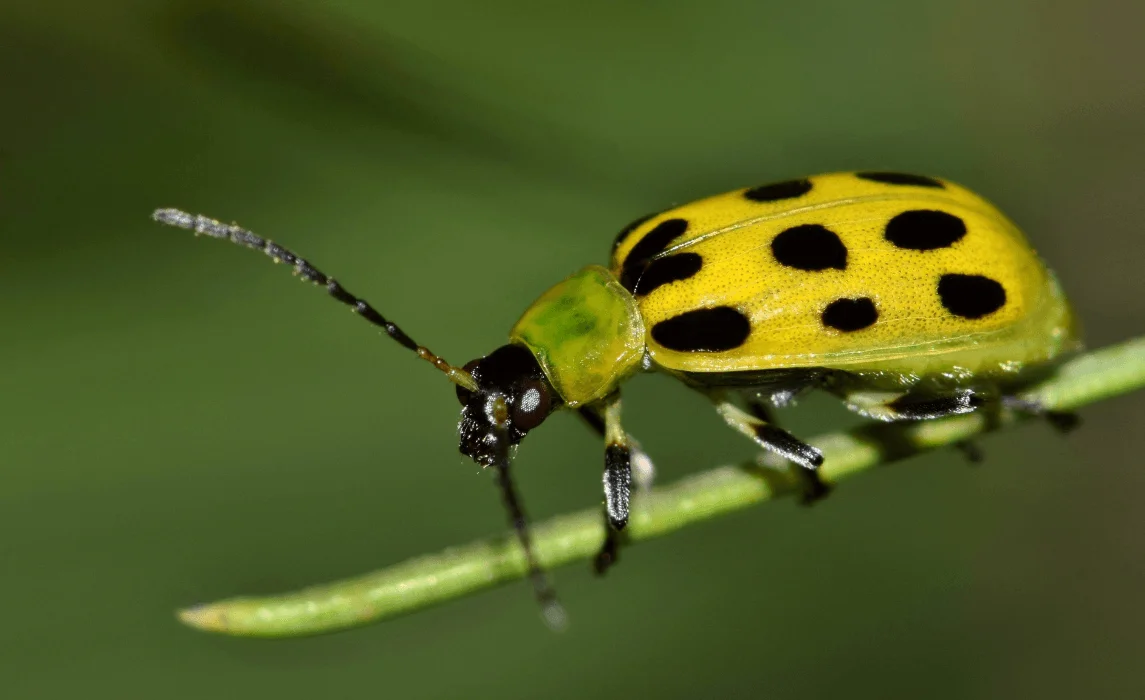
Cucumber beetles are attracted to cucumbers, squash, melons, and pumpkins, feeding on stems, flowers, and leaves. They also spread diseases such as bacterial wilt, which can kill plants quickly. Their bright coloration and buzzing activity make them easy to spot. Natural control includes placing yellow sticky traps around the garden and covering young plants with row covers to prevent beetles from landing. A homemade neem spray can help repel adults and discourage feeding. Companion planting with marigold or nasturtium also helps reduce cucumber beetle activity.
14. Weevils
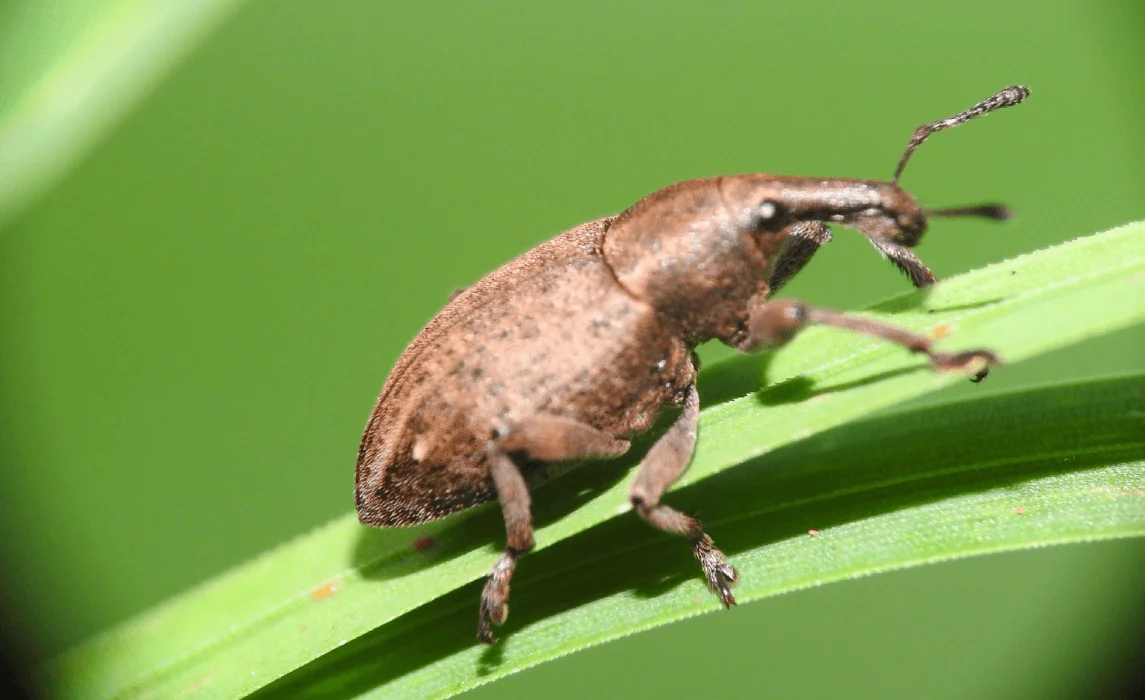
Weevils attack both roots and leaves, depending on the species, and are most active in moist garden beds with dense vegetation. They chew notches along leaf edges and cause young plants to wilt when larvae feed underground on roots. Natural control focuses on reducing moisture and removing mulch from the base of plants to eliminate hiding spots. DIY cardboard tube traps filled with straw work well because adult weevils crawl inside during the day. Once full, the tubes can be thrown away or shaken out far from the garden. Encouraging ground beetles also helps because they prey on weevil larvae hidden in the soil.
Frequently Asked Questions:
Q1: How can I identify common insects in my garden?
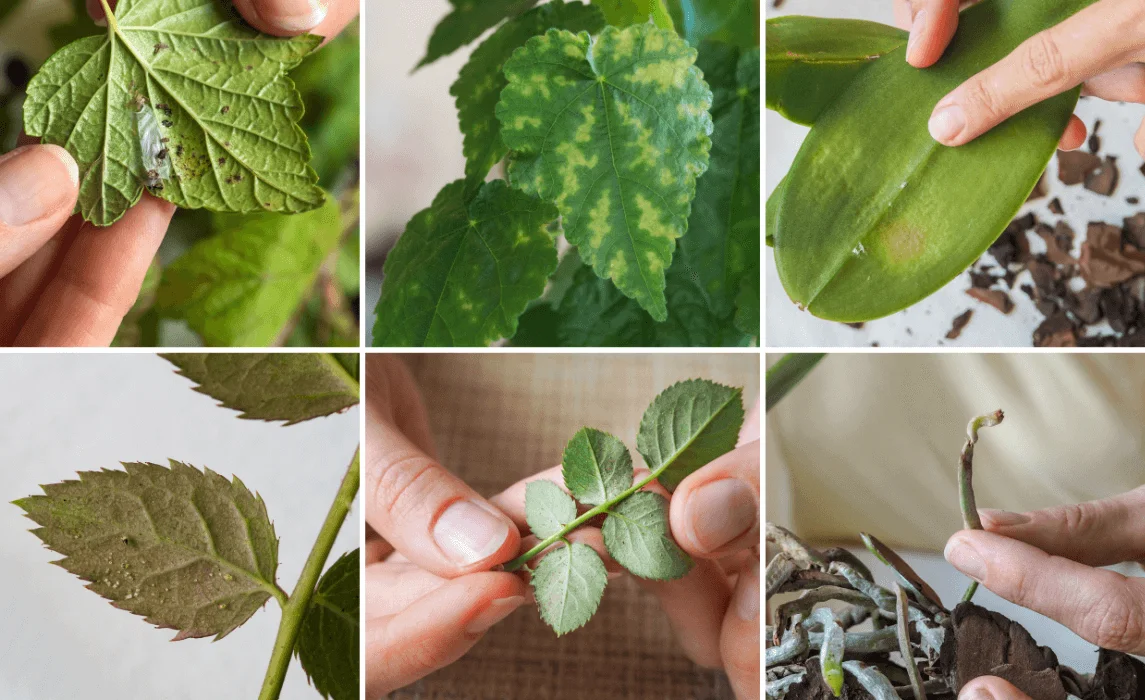
A: Look for signs such as holes in leaves, leaf miner damage, egg clusters, or wilting. Inspect the undersides of leaves, stems, and roots for adults and larvae of moths, sawfly, cabbage looper, tomato hornworm, and European corn borer.
Q2: What natural methods can control pests?
A: Encourage beneficial insects like ladybugs and parasitic wasps, handpick pests, squish caterpillars and slugs, prune infested leaves, and use DIY sprays like neem oil or spinosad. Row covers can also repel moths, sawfly, and cabbage white.
Q3: How can I prevent pests in my garden?
A: Maintain garden hygiene, remove debris, rotate crops, use companion planting, encourage beneficial insects, and inspect leaves and roots for early damage. Row covers and DIY sprays also help prevent infestations.
Q4: How do pests cause plant diseases?
A: Pests spread blight and bacterial wilt through feeding wounds. Early identification, removing infested plants, natural pest control, and healthy soil help minimize disease.
Related posts
Here are some articles you might be interested in.


.webp)