Advertisement
Advertisement
Advertisement

Welcome to Seedling Squad where your gardening journey begins.

All gardeners start somewhere, and this is where you'll be able to learn the basics, allowing you to solidify a good foundation for your gardening projects.

Did you know...?

Visit our knowledge base if you want to learn the basics down to the most unconventional questions.

Indoor Garden Q&A

Q: Do I really need a grow light, or is my sunny window enough to grow plants indoors?

A window is fine for a low-light houseplant. However, to grow vegetables indoors, start a robust indoor herb garden, or grow any edible plants to grow successfully, you absolutely need a grow light. Windows filter usable light, and winter daylight is too short during the growing season. LED lights are the best tip to give your indoor garden a great start.

Q: My indoor vegetable seedling keeps falling over and dying at the base. What am I doing wrong?

This is "damping off," a fungal disease from overly wet potting soil and poor airflow. To prevent this, ensure your pot has a functional drainage hole, never let the seedling sit in water, and remove humidity domes the moment seeds sprout. A gentle fan nearby also helps.

Q: I live in a very small space. What are the best plants to grow that won't take over my apartment?

For a small garden, focus on vertical growth. An indoor herb garden using a windowsill herb garden planter is perfect. For edible plants, try growing micro varieties of vegetables or leafy greens in a small indoor container. Try easy to grow at home trailing plants like Pothos that hang from the ceiling to save space to grow.

Healthiest Plants for Beginners Q&A

1. Can I grow these plants on a balcony or indoors?

Yes — many of these thrive in containers. Basil, parsley, rosemary, lettuce, strawberries, and jalapeños all do well on a sunny balcony or in bright indoor spots. Make sure containers have drainage holes, use quality potting mix, and place plants where they get enough light for their type. A south-facing window usually works well for herbs grown indoors.

2. How often should I water my beginner garden?

Most beginner plants need consistently moist — not soggy — soil. A deep watering 2 to 3 times per week usually works better than daily shallow watering because it encourages deeper root growth. Stick your finger an inch into the soil; if it feels dry, water. Mulch helps keep soil moisture steady between waterings and reduces how often you need to water overall.

3. Which plants work best in cool seasons versus hot summers?

Cool season crops like lettuce, kale, snap peas, broccoli, cauliflower, and radish do best in spring and fall. Heat-loving plants including basil, cucumber, squash, jalapeños, strawberries, and zinnias thrive through the heat of summer. Matching the plant to the right season makes a huge difference — it is often the single biggest factor in beginner success.

Growing Mung Beans at Home Q&A

Q: Can I plant the dry mung beans I bought from the grocery store?

A: Yes, you often can! Many home gardeners successfully sprout or plant whole, dried mung beans from the supermarket. However, for the highest germination rates and to ensure the seeds haven't been heat-treated or irradiated (which prevents sprouting), it is best to purchase organic mung beans or seeds specifically packaged for planting and sprouting.

Q: Do mung bean plants need a trellis or support to grow?

A: No. Unlike pole beans that require a tall trellis to climb, mung beans are "bush beans." They grow into upright, self-supporting, bushy plants that typically reach between 24 and 36 inches tall.

Q: Why did my homegrown mung bean sprouts turn green and bitter?

A: Your sprouts were likely exposed to light. When sprouting beans are exposed to sunlight, they begin to produce chlorophyll, which turns the leaves green and creates a bitter taste. To keep your sprouts white, sweet, and crisp, make sure you store your sprouting jar in a completely dark place, like inside a kitchen cabinet, or cover it with a thick, dark towel.

Hanging Garden Q&A

Q1: What is a hanging garden vs. a regular garden?

Hanging gardens grow vertically—suspended from ceilings, walls, or railings—rather than spreading out in ground-level beds. This space-saving design makes them perfect for small areas like apartments and balconies.

Q2: Are hanging gardens good for beginners?

Absolutely. Setups like hanging baskets are affordable and low-maintenance. When paired with forgiving plants like pothos or succulents, they are an incredibly easy way to start gardening.

Q3: Can I build one in a rental without damaging walls?

Yes! There are plenty of no-drill options. You can use clip-on balcony railing planters, freestanding clothing racks, heavy-duty Command hooks, or hang lightweight plants from curtain and tension rods.

Thank you! Your submission has been received!
Oops! Something went wrong while submitting the form.
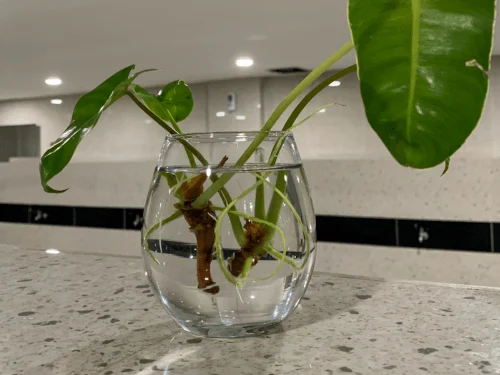
How to Start New Plants from Cuttings with Easy Plant Propagation

How to Start New Plants from Cuttings with Easy Plant Propagation

Learn how every gardener can master plant propagation to grow a favorite houseplant or garden staple. This simple guide shows you how to successfully start a new plant from a cutting using proven plant propagation techniques.
How to Grow and Care for a Snake Plant (Sansevieria)

How to Grow and Care for a Snake Plant (Sansevieria)

Discover how to grow and care for a snake plant (Sansevieria), one of the easiest low-maintenance houseplants. Explore tips for thriving indoors and snake plant varieties!
Top 12 Fast-Growing Plants to Transform Your Garden in No Time

Top 12 Fast-Growing Plants to Transform Your Garden in No Time

Discover the top 10 fast-growing plants that will quickly enhance your garden with vibrant greenery and blooms. Perfect for gardeners seeking quick results!
How to Grow Lantana from Seed in Your Garden: A Beginner Gardener Guide to Lantana Plant

How to Grow Lantana from Seed in Your Garden: A Beginner Gardener Guide to Lantana Plant

Learn how to grow lantana from seed in your garden with this beginner's guide. Discover tips for propagating the vibrant lantana flower and creating a stunning display!
Echeveria Care: How to Grow and Care for Echeveria with Succulent Tips for a Healthy Plant

Echeveria Care: How to Grow and Care for Echeveria with Succulent Tips for a Healthy Plant

Discover how to care for Echeveria succulents, stunning rosette shaped plants perfect for your home or garden. These easy to care houseplants feature fleshy leaves and require minimal water. Learn the best tips to care for Echeveria and keep your Echeverias thriving!
The Best Low Maintenance Garden Ideas on a Budget

The Best Low Maintenance Garden Ideas on a Budget

Discover the best low-maintenance garden ideas on a budget for your outdoor space. From landscaping to decor, find cheap garden ideas that won't break the bank.
Caring and Maintaining a Spider Plant: A Guide to Thriving Greenery in Your Home

Caring and Maintaining a Spider Plant: A Guide to Thriving Greenery in Your Home

Nurture a thriving spider plant with beginner-friendly care tips. Grow and care for this resilient houseplant, ensuring optimal growth and well-being.
Low-Maintenance Grass: Choosing the Best Type for a Durable and Easy-Care Lawn

Low-Maintenance Grass: Choosing the Best Type for a Durable and Easy-Care Lawn

Transform your lawn with low-maintenance grass alternatives. Explore durable turfgrass types for an easy-care, low-maintenance lawn and choose the best type of grass for a vibrant, stress-free outdoor space!