Sarah Wilson started her gardening journey during the pandemic and had fallen in love with it ever since. Eager to connect with fellow garden enthusiasts, she wants to share the knowledge she's gained over the past three years.
Growing Chia Plants Q&A
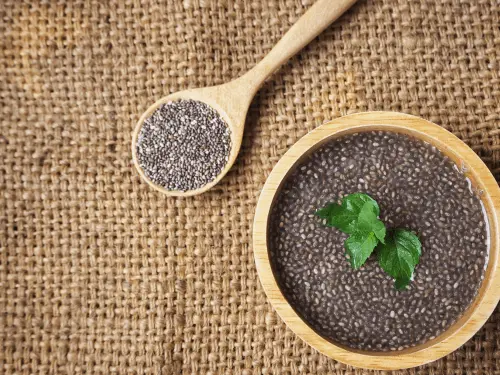
Can I grow chia from the chia seeds I buy at the store?
Yes. Organic chia seeds from the grocery store will often germinate, though germination can vary. Fresh seed from a garden supplier is more reliable.
How long does it take to grow chia?
Seeds sprout in about a week. The plant needs 100 to 150 days to mature before you can harvest the seeds.
Is chia a California native plant?
Salvia hispanica is native to central Mexico and Guatemala. However, Salvia columbariae, sometimes called California chia, is a California native plant.
Can I grow chia indoors?
You can grow chia sprouts and microgreens indoors easily. A full-size chia plant needs strong light and rarely sets a good seed crop indoors.
Why won't my chia flower?
Chia flowers when days get shorter. Plants in cooler regions or those lit at night may bloom late or not at all.
How to Grow Pumpkins Q&A
Can I grow pumpkins in a small home garden?
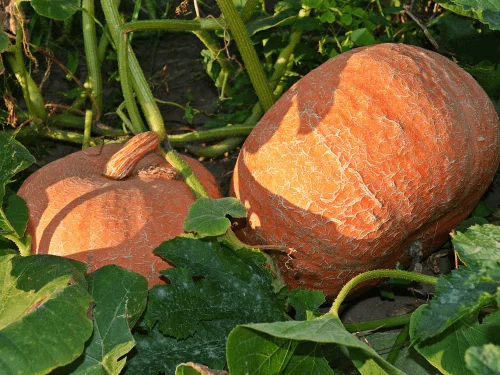
Yes. Choose bush or miniature varieties, grow vines on a trellis, or use raised beds. Plan on one or two plants per hill and prune vines when space is tight.
When should I plant pumpkins for Halloween?
Plant seeds in late May or early June in most climates. Count back from your first frost date and allow for 90 to 120 days of growth.
Why does my pumpkin plant have flowers but no fruit?
Male flowers appear first, so early flowers will not set fruit. If female flowers open but fail to fruit, you probably have too few bees. Pollinate by hand in the morning.
What causes pumpkin leaves to turn white?
This is usually powdery mildew. Improve airflow, water at the base, remove infected leaves, and apply a fungicide or neem oil.
Can I eat the pumpkin I grew for carving?
Yes, though carving types are stringy and bland. Pie pumpkins are sweeter, but the seeds from any pumpkin can be roasted.
Growing Grapevines Q&A
How long does it take for a grape plant to produce fruit?
Most young vines need two to three years after planting before they set a full crop, though a few clusters may appear in year two. Patience pays off — established vines can keep producing for 40 years or more.
Do I need more than one vine to grow grapes?
No. Since most grape varieties are self-fertile, one plant is enough to produce fruit on its own. Planting a second variety nearby is optional and mainly helps with cross-pollination in a few less common types.
Can grape vines grow in containers?
Yes, though grape vines grow best planted directly in the ground, where the root system has room to spread. A large container works for a year or two, but expect to transplant once the vine outgrows the pot.
Why aren't my grapes ripening?
Grapes ripen slowly compared to many fruits, and cool weather, too much shade, or overcrowded canes can all delay the process. Give the vine full sun, thin the clusters, and be patient through the growing season.
What's the difference between table grapes and wine grapes?
Table grapes are bred for fresh eating, with thinner skins and fewer seeds, while wine grapes tend to have thicker skins, more seeds, and higher sugar content suited to fermentation.
Are grape vines toxic to pets?
Grapes and grape leaves are not toxic to people, but grapes and raisins are toxic to dogs and can cause kidney damage, so keep fallen fruit cleaned up if pets have access to the vineyard.
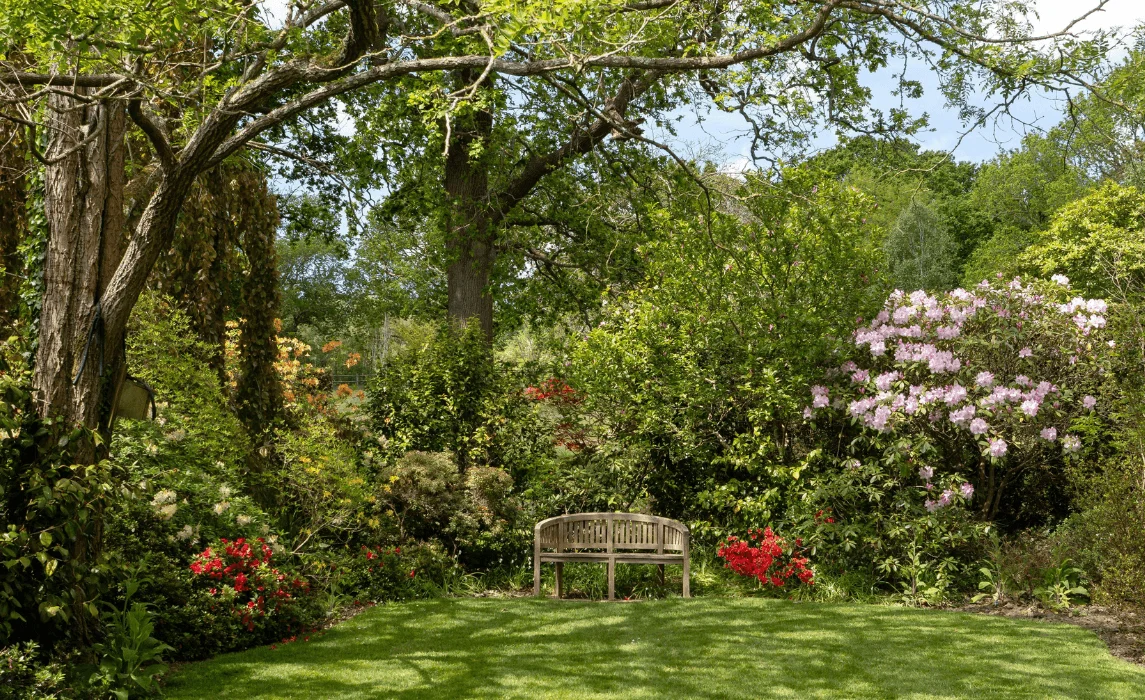
Your backyard should feel like a personal sanctuary, not a neighborhood showcase. If you are tired of making awkward eye contact with your neighbors every time you step on the patio, or if you simply want to block out street noise, it might be time to build a wall. But rather than putting up a sterile wooden fence or pouring concrete, consider planting a living screen.
Evergreen shrubs are the ultimate multitaskers of the landscaping world. Unlike deciduous plants that drop their leaves and leave you exposed in the winter, evergreens provide a lush, dense barrier 365 days a year. Beyond blocking prying eyes, they act as natural sound barriers, serve as windbreaks, and bring vibrant life to your yard even in the dead of winter. Whether you are dealing with a tight property line or just want to carve out a secluded garden retreat, we have rounded up the best evergreen shrubs to turn your yard into a private, year-round oasis.
13 Best Evergreen Shrubs
1. Rhododendron
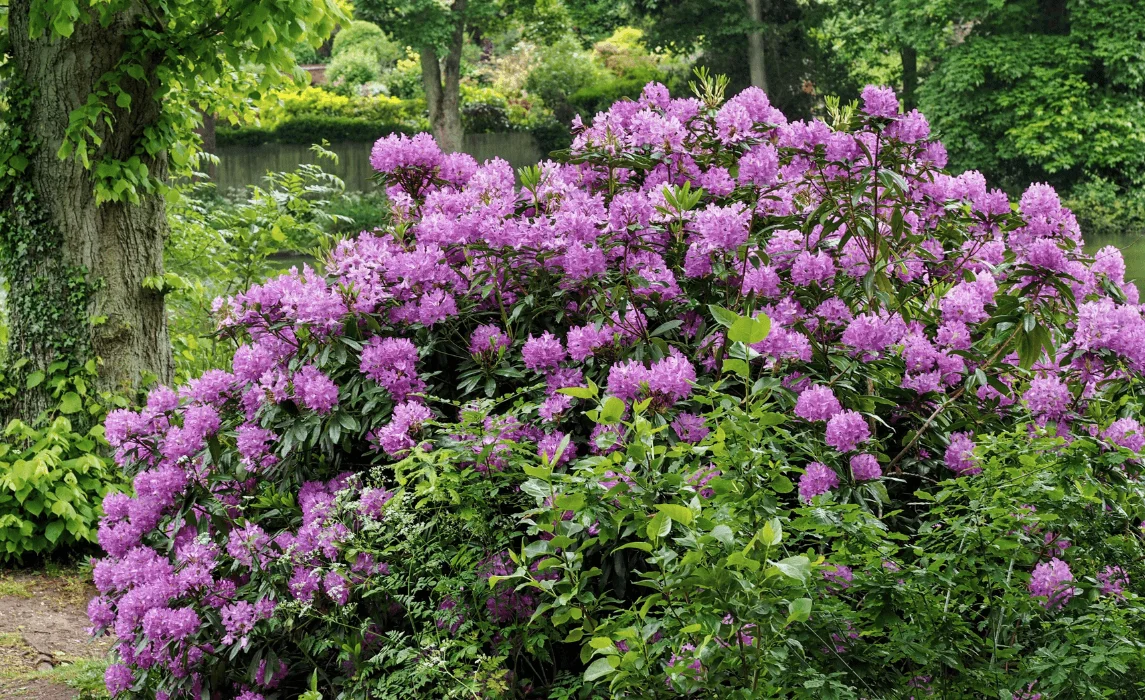
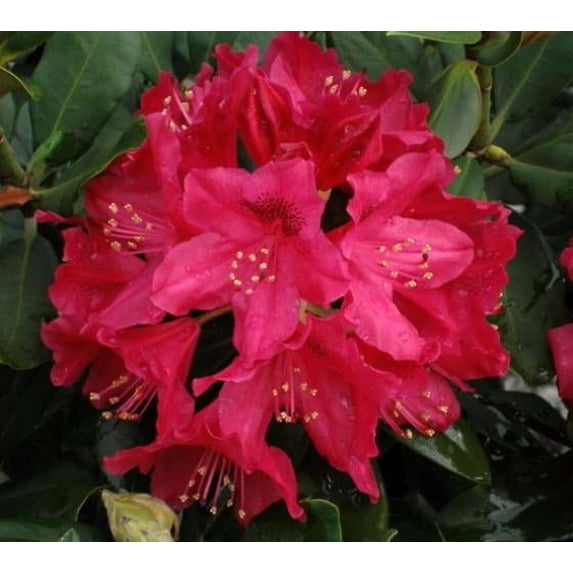
Historically, rhododendron has been treasured in woodland gardens, especially where acidic soil and cool roots suit its shallow root system. In appearance, a cultivar may form a 3- to 8-foot rounded habit with leathery dark green leaves and evergreen foliage. As spring arrives, purple flowers, including deep purple trusses, appear when flowers occur in spring, while other forms range from white to ruby red. To thrive, it is best planted in dappled light, sheltered from drying wind, with mulch kept off the crown. Because soggy roots cause decline, water during dry spells without saturation. Therefore, recommend it to an intermediate gardener who can test pH and maintain steady moisture.
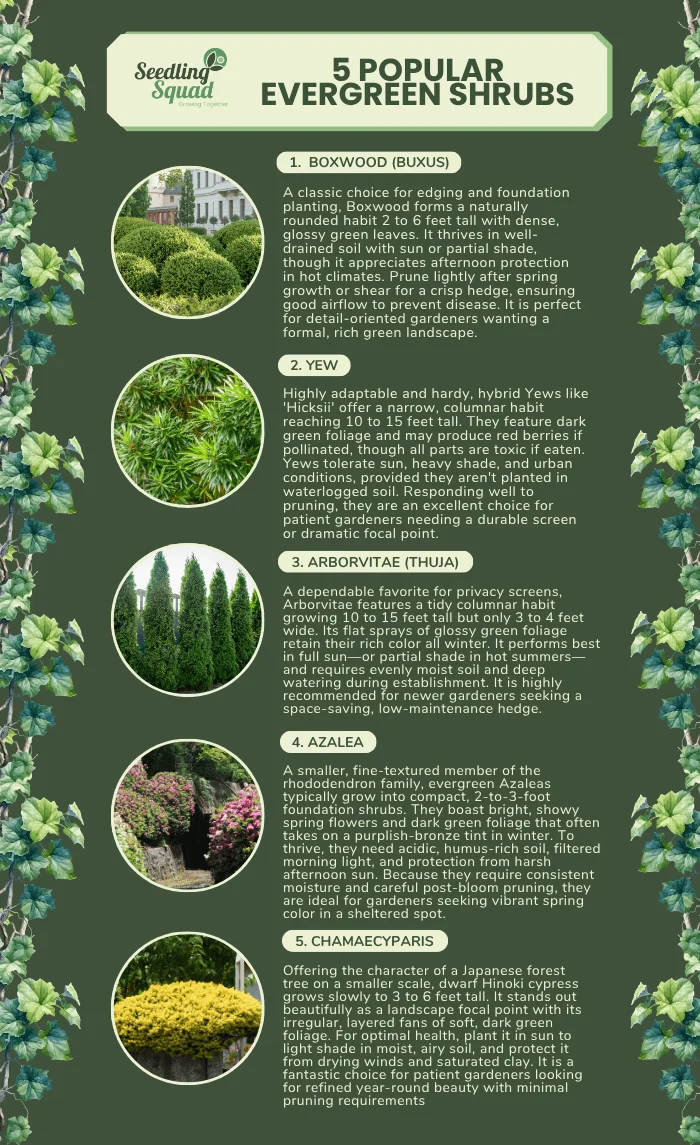
Long used in European and Asian gardens, boxwood, or Buxus, remains a classic choice for edging, parterres, and foundation planting. Visually, most forms reach 2 to 6 feet and carry dense, glossy green leaves on a naturally mounded or rounded habit. Although its cream flower is modest, the rich green foliage provides the main attraction. For reliable growth, place boxwood in sun or partial shade, add afternoon protection in hot regions, and provide drainage. Then prune lightly after spring growth, or shear only when a crisp hedge is essential, because airflow reduces disease pressure. Therefore, recommend it to detail-minded gardeners seeking a formal landscape who can monitor winter burn.
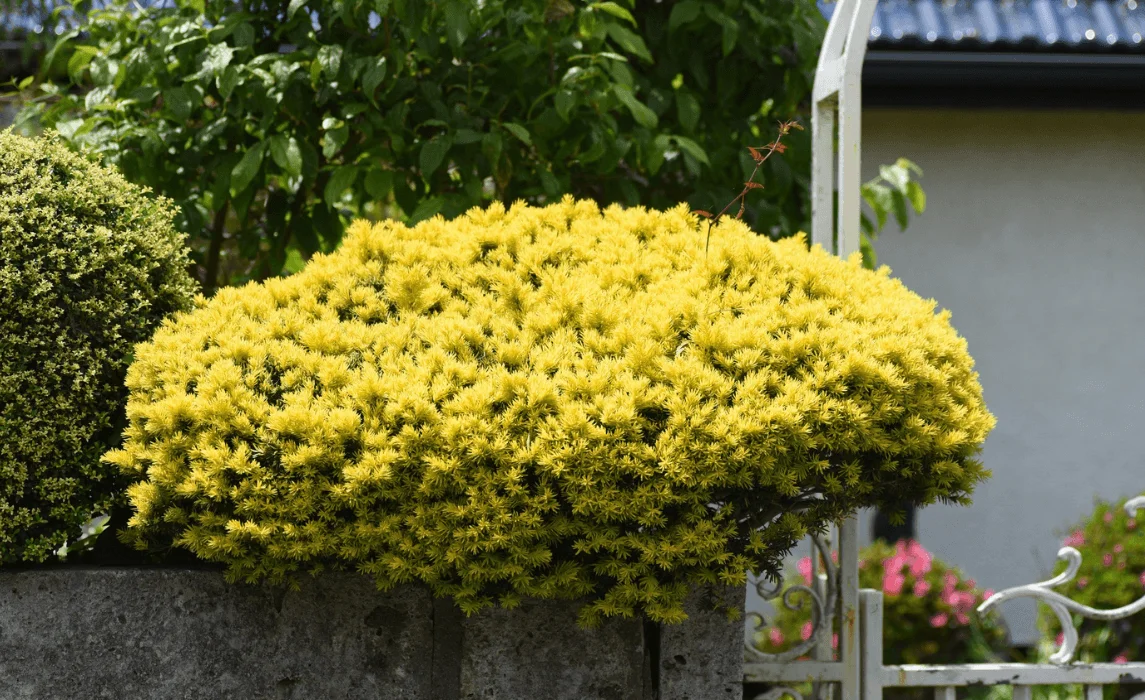
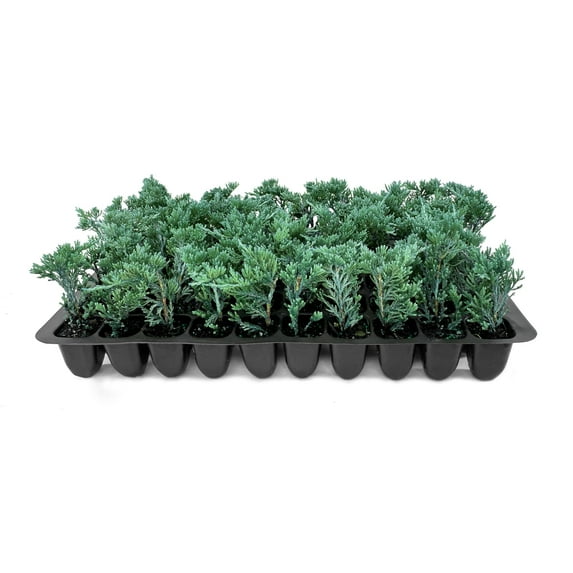
Native to demanding northern and dry habitats, juniper includes many rugged Juniperus species. Among them, 'Blue Star' is one of the best small choices, forming a slow, mounded conifer about 2 to 3 feet tall and 3 to 4 feet wide. Its attractive blue-green needles create a soft texture from a distance, so it needs neither flower nor bloom for winter interest. For strong blue-green color, give it full sun and sharply drained soil. At the same time, avoid wet lawns, heavy shade, and humid corners, and prune only dead tips because old brown wood may not regrow. As a result, recommend it to beginners, xeric gardeners, and anyone wanting low-maintenance ground cover.
Soil: Dry, fast-draining
Water: Low
Light: Full sun
Humidity: Low to moderate
Fertilizer: Usually none
Temperature: Cold to hot
USDA Zone: 4-8
Blue Rug Juniper 60 Live Plants – Evergreen Ground Cover
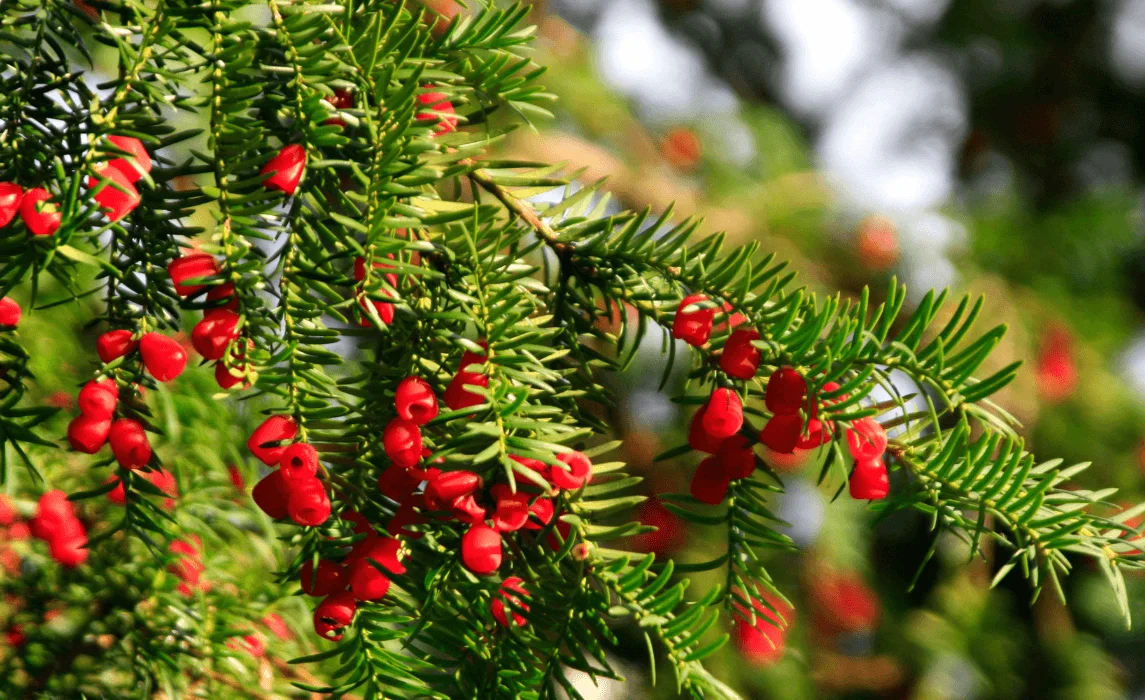
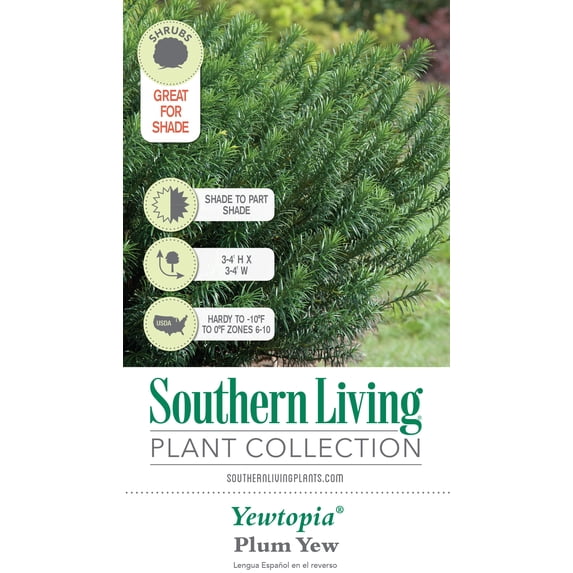
For centuries, yew has anchored European and North American gardens, while hybrid Taxus x media selections add hardiness and an adaptable nature. In form, 'Hicksii' becomes a tall evergreen 10 to 15 feet high and 3 to 4 feet wide, with a narrow columnar habit and dark green foliage. When a compatible male plant grows nearby, female plants may carry berry-like red fruits; however, all parts are toxic if eaten. Fortunately, yew accepts sun, shade, and urban conditions, though it rejects waterlogged soil. It responds to prune work and needs less pruning when spaced for mature width. Consequently, recommend it to patient gardeners needing a durable screen or focal point in the landscape.
Soil: Moist, well-drained
Water: Moderate
Light: Sun to shade
Humidity: Moderate
Fertilizer: Light spring feed
Temperature: Cold to mild
USDA Zone: 4-7
Live Evergreen Plants – Low Maintenance Landscaping
Known as a dependable North American and Asian conifer group, arborvitae includes Thuja occidentalis 'Emerald Green', a familiar home garden screen. As it matures, this selection reaches 10 to 15 feet but stays only 3 to 4 feet wide, combining a tidy columnar habit with flat sprays and glossy green foliage that remains rich green foliage through winter. For a dense hedge, plant it in sun, allowing partial shade where summers are hot, and keep the soil evenly moist during establishment. In addition, water deeply rather than splashing frequently, and use mulch to moderate root temperature. Finally, avoid bare interior wood. Recommend it to newer gardeners who need a space-saving hedge and can water consistently.
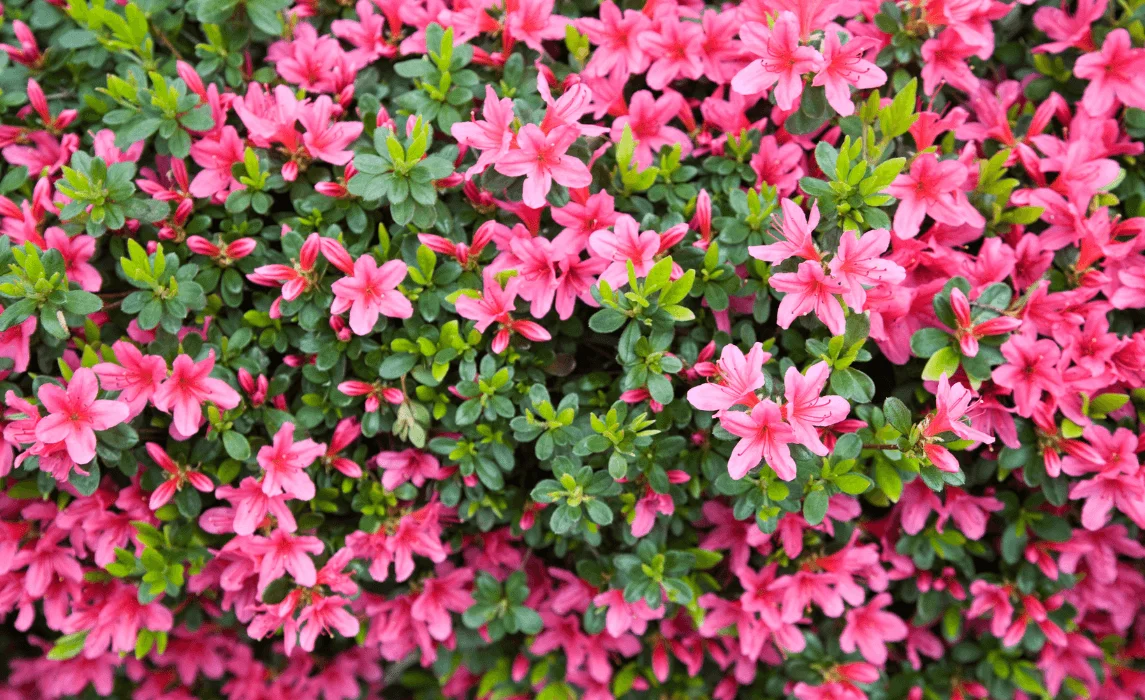
Although evergreen azalea belongs to the rhododendron family, it generally creates a smaller, finer-textured plant. For example, 'Girard's Rose' grows about 2 to 3 feet tall and wide, making a compact foundation shrub with glossy foliage and bright pink, slightly orange-red flowers in spring. As cold weather arrives, its dark green leaves may turn purplish, creating purple foliage tinged with bronze. To support that display, give it acidic, humus-rich soil, filtered morning light, and protection from harsh afternoon sun. Then water before the root ball dries while maintaining drainage, and prune just after bloom to protect next year's buds. Recommend it to gardeners seeking spring color in a protected area who monitor moisture.
Soil: Acidic, humus-rich
Water: Even moisture
Light: Morning sun
Humidity: Moderate to high
Fertilizer: Azalea feed after bloom
Temperature: Cool to warm
USDA Zone: 5-8
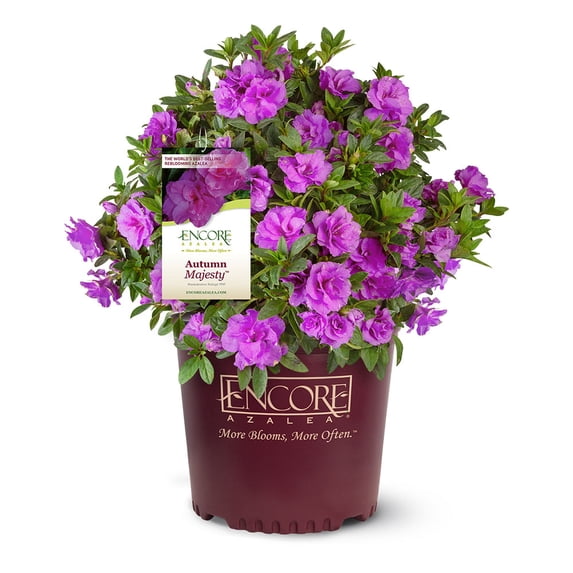
Encore Azalea Autumn Majesty – Purple Ruffled Blooms
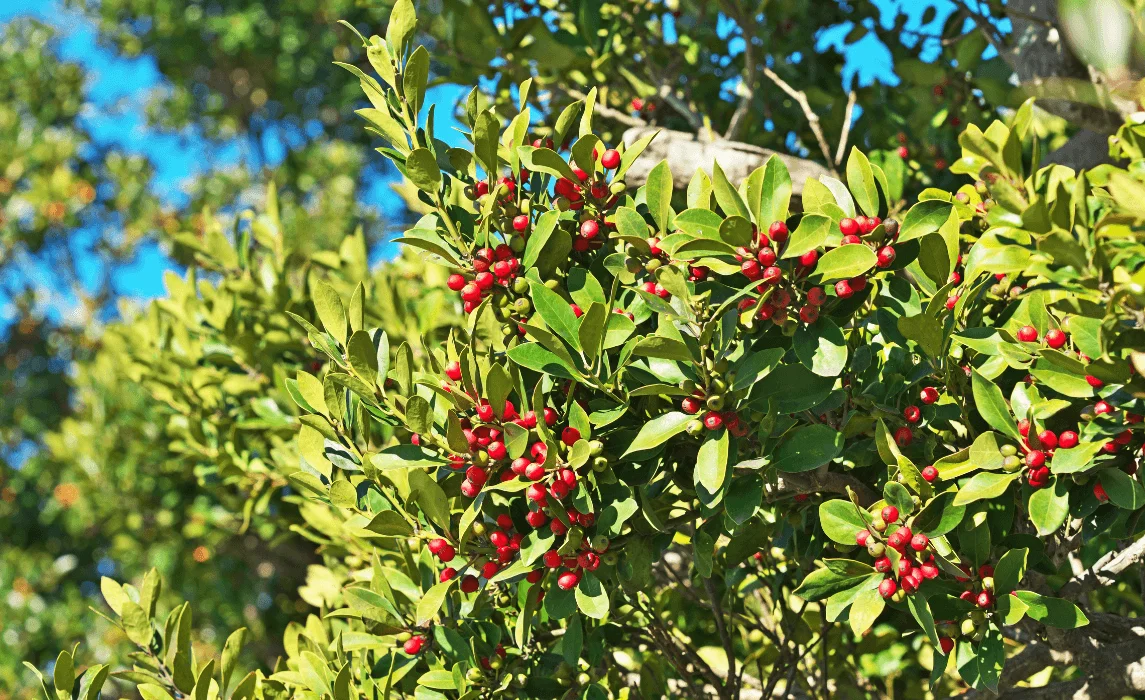
Bred for cold tolerance and dependable ornament, Ilex x meserveae 'Blue Princess', or blue holly, is a durable broadleaf evergreen. At maturity, it reaches about 8 to 12 feet with a rounded habit, spiny blue-green leaves, small white flowers, and abundant red berries that become red fruits for winter interest. For good fruit set, place a compatible male plant, such as 'Blue Prince', nearby. Next, choose sun to partial shade and moist, acidic, well-drained soil, while protecting it from winter wind. During drought, water deeply, and prune in late winter if needed. Accordingly, recommend it to intermediate gardeners who want wildlife value and glossy green foliage and can plan pollination.
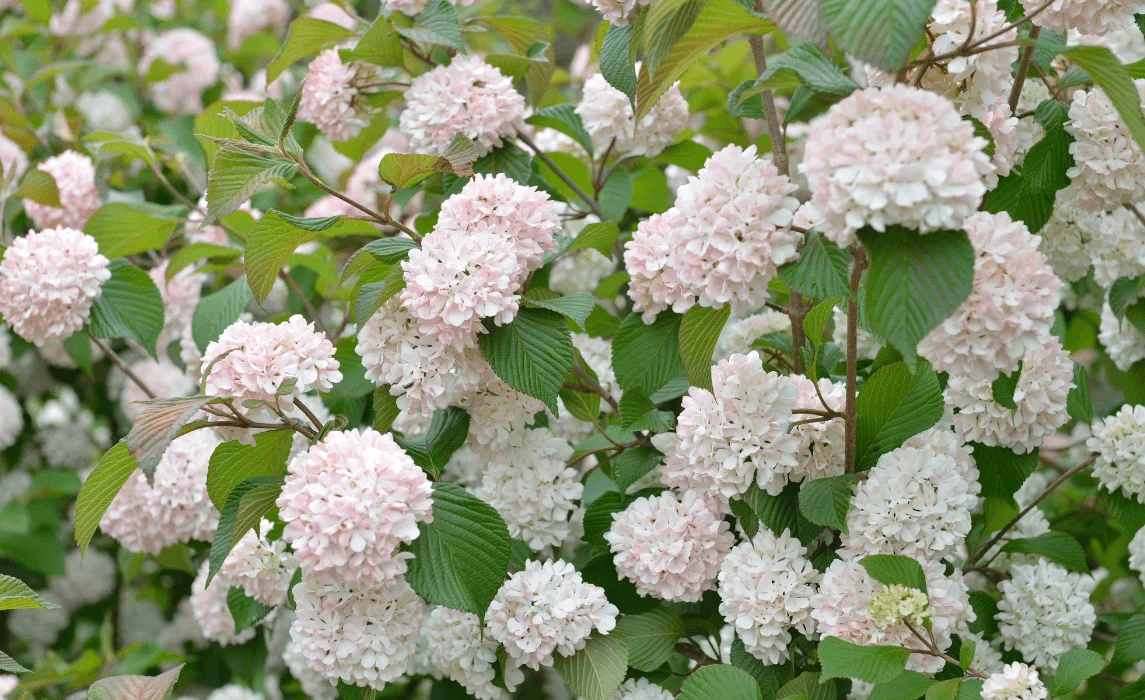
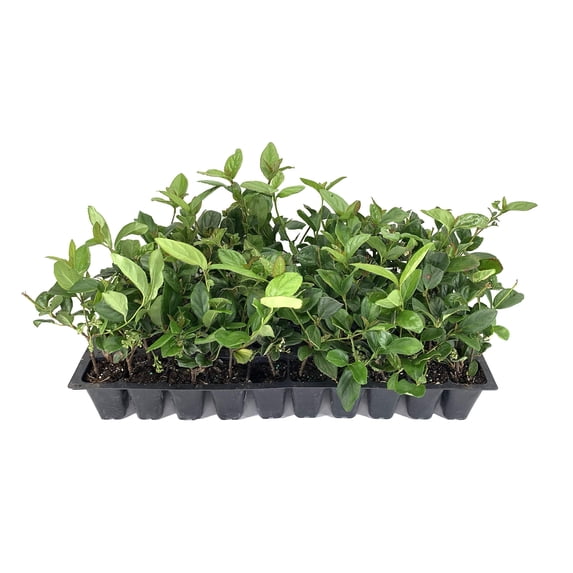
Originating around the Mediterranean, Viburnum tinus supplies unusual cool-season bloom in mild gardens. Typically, it grows 6 to 10 feet tall and wide, pairing leathery, glossy green leaves with pink buds, clusters of white flowers, and blue-black fruit. Because the flowers occur from late winter into spring, the shrub offers early forage and lasting structure. In colder edges of its range, however, it may behave as a semi-evergreen shrub, so treat it as semi-evergreen where frost is severe. For best results, provide sun or partial shade, good drainage, and shelter from icy wind. Recommend it to relaxed, intermediate gardeners who want flowers when little else is active.
Soil: Fertile, well-drained
Water: Moderate
Light: Sun to part shade
Humidity: Moderate
Fertilizer: Compost in spring
Temperature: Mild
USDA Zone: 8-10
Viburnum Suspensum – 10 Live Plants Evergreen Privacy Hedge
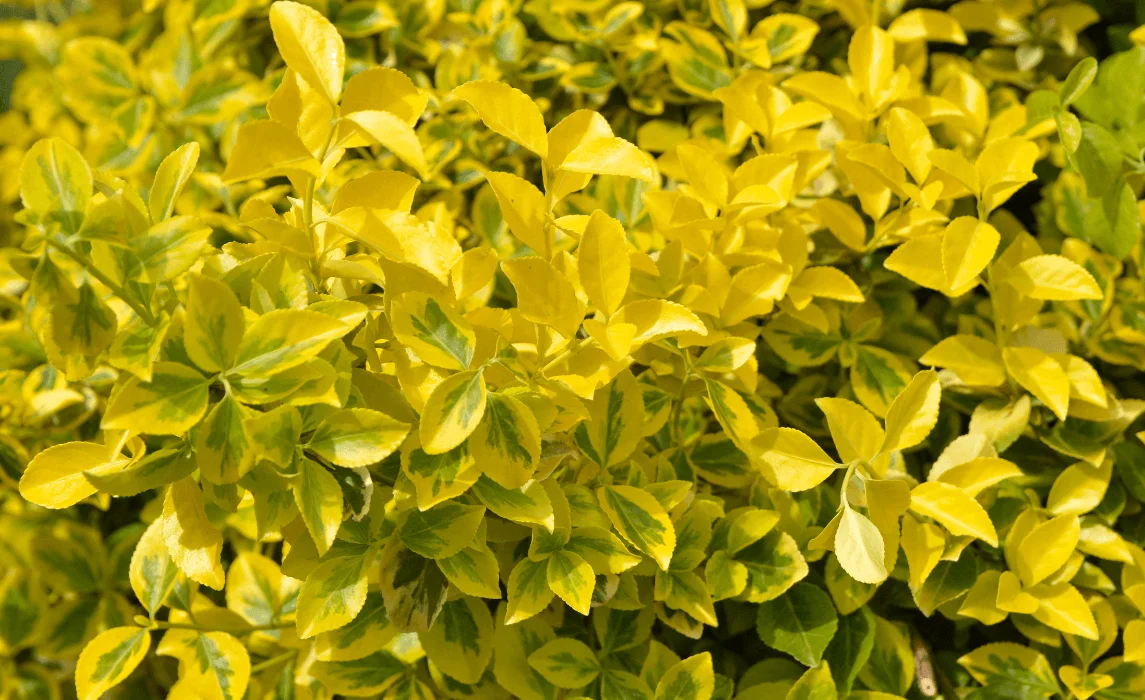
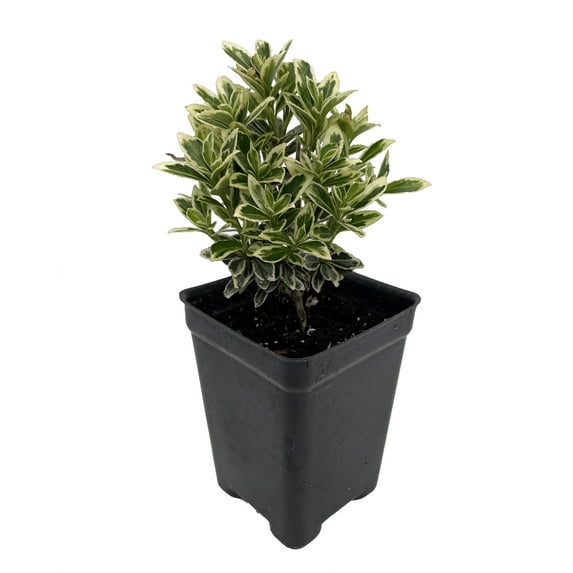
Long used on banks, walls, and difficult edges, Euonymus fortunei 'Emerald Gaiety' is a tough East Asian selection. As it spreads, it forms a wide spreading mat or low shrub about 2 feet tall and 4 feet wide, while supported stems may climb. Its small green leaves have white margins, and the leaves turn pinkish in winter, extending year-round foliage and structure and color. Because it is adaptable, it accepts sun, part shade, average soil, pollution, and periodic dryness after establishment. Even so, trim wandering stems and check local guidance because wintercreeper can be invasive. Recommend it to practical beginners needing a groundcover massed in the landscape who will contain it.
Bringing the character of a Japanese forest tree into smaller gardens, Chamaecyparis obtusa 'Nana Gracilis' is a dwarf Hinoki cypress. Over time, it grows slowly to roughly 3 to 6 feet and forms irregular fans of dark green foliage with a soft texture and layered, shell-like sprays. Because the evergreen foliage needs no flowers to stand out, it becomes an excellent focal point in the landscape. For healthy growth, site it in sun to light shade, protect it from drying wind, and use moist but airy soil. Then water deeply during heat, allow the surface to breathe, and avoid saturated clay. Recommend it to patient gardeners who value slow growth, less pruning, and refined year-round beauty.
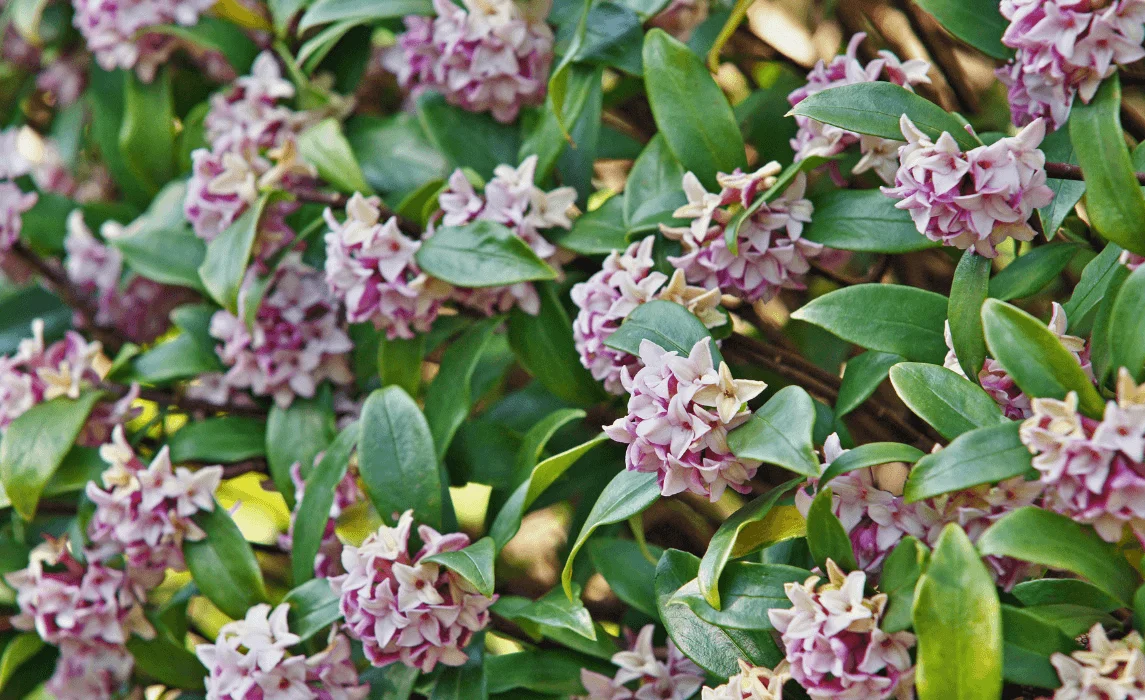
Prized for fragrance near doors and paths, Daphne odora 'Aureomarginata' is a compact Asian shrub. In time, it reaches about 3 to 4 feet with a rounded habit, leathery dark green leaves edged in gold, and purple-pink buds that open to pale pink or white flowers in late winter. Despite the plant's size, the scent is powerful. However, Daphne dislikes root disturbance, reflected heat, and wet feet, so it is best planted once in a protected area with sharp drainage and light mulch. Likewise, feed sparingly and avoid routine prune work; remember that all parts are toxic if eaten. Therefore, recommend it to experienced gardeners seeking a special specimen.
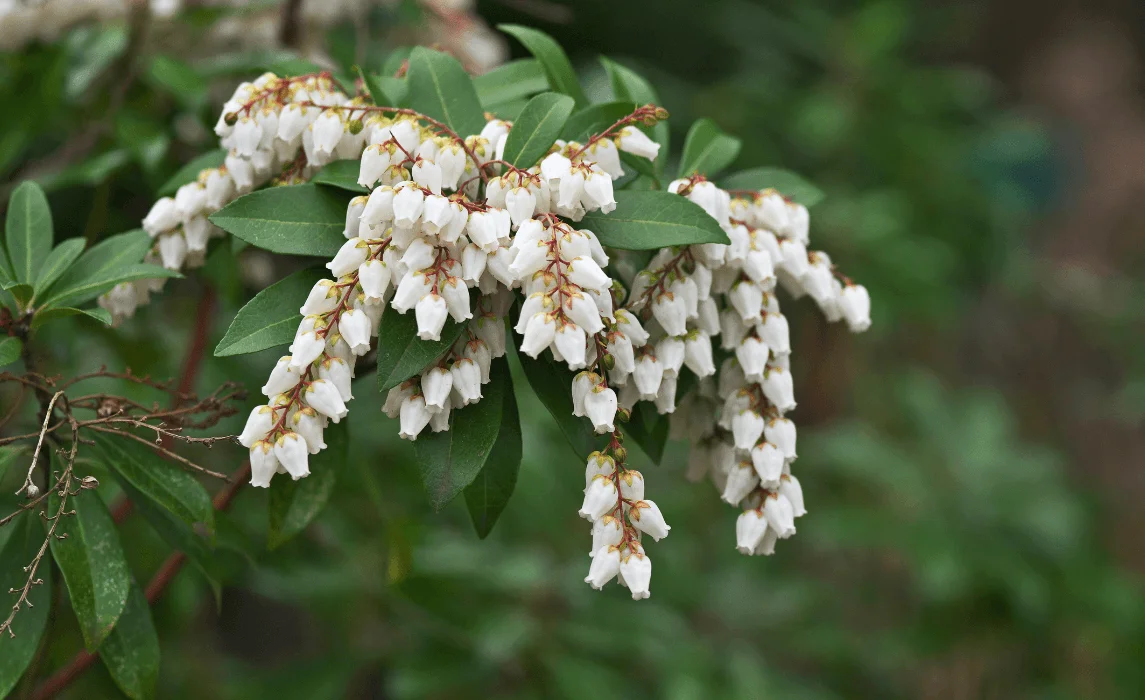
Valued for dramatic new growth, Pieris japonica 'Mountain Fire' is a Japanese broadleaf evergreen. As it matures to 4 to 7 feet, it develops a dense, mounded outline with glossy green leaves, drooping white flowers in spring, and shoots that emerge ruby red before fading to copper and green. Consequently, the foliage provides several seasons of interest even after bloom. Like rhododendron, however, Pieris needs acidic, organic soil and dislikes drought, alkalinity, and hot afternoon sun. For simple care, remove spent clusters and mulch the shallow roots. Recommend it to intermediate woodland gardeners who want an evergreen plant with changing color and can maintain acidic growing conditions.
Soil: Acidic, organic
Water: Even moisture
Light: Part shade
Humidity: Moderate to high
Fertilizer: Acid-lover spring feed
Temperature: Cool to mild
USDA Zone: 5-8
Mountain Snow Pieris – Japanese Andromeda Evergreen Shrub
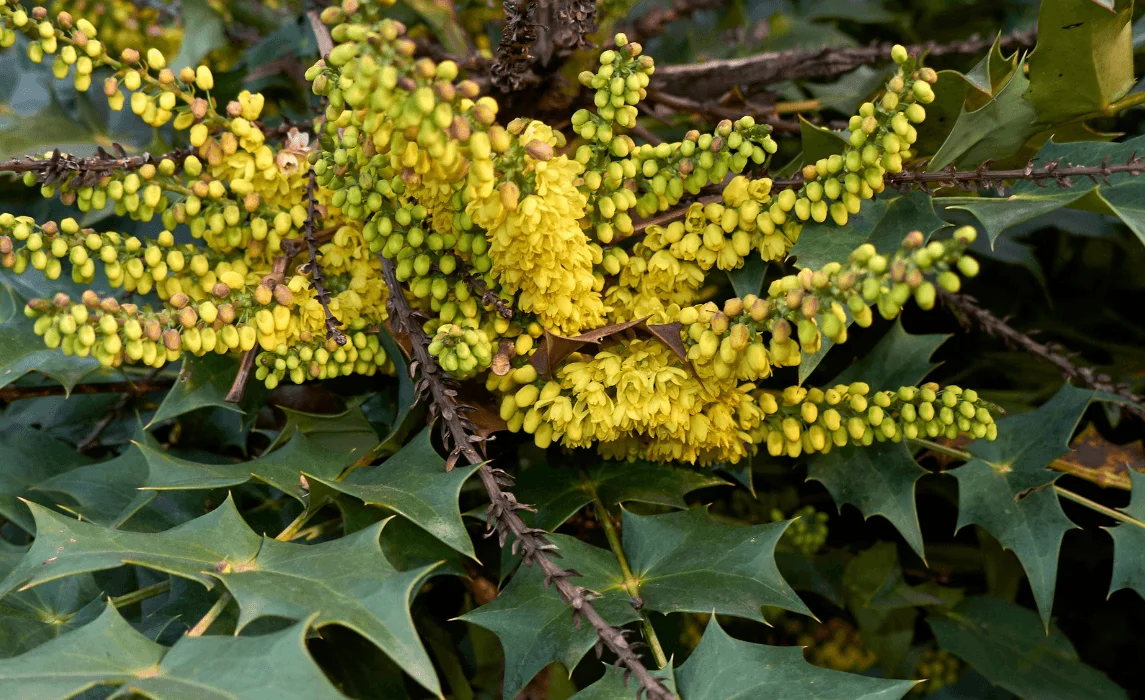
Brightening winter borders, Mahonia x media 'Charity' is an architectural hybrid. In a sheltered site, it grows 8 to 12 feet tall and 6 to 10 feet wide, carrying tiered stems of glossy green leaves with spiny edges. From late fall through winter, long sprays of yellow flowers rise above the foliage, followed by blue-black berries for birds. To keep the plant full, provide partial shade and fertile, well-drained soil, then water regularly during establishment; afterward, it tolerates dry shade. Because the leaves are sharp, place it away from narrow walkways and prune old stems after flowering. Recommend it to confident gardeners who want a bold, low-maintenance specimen and year long winter drama.
How do I choose evergreen shrubs for my outdoor space?
Match mature size to USDA hardiness, light, drainage, and wind. Use a tall evergreen for screening, a mounded shrub for foundation planting, or ground cover on slopes. Repetition unifies home landscapes, while contrast creates a focal point in the landscape.
What are the best small evergreen shrubs?
Blue Star juniper, dwarf Chamaecyparis, azalea, and Daphne are strong small-space choices. The best evergreen shrubs fit without constant shear work; check mature spread and leave airflow around glossy foliage.
Do evergreen shrubs flower as long as hydrangea?
Not usually. A hydrangea may have a long bloom time from mid-summer onward, while evergreen shrubs often bloom briefly. Combine azalea for spring, Viburnum or Mahonia for winter, and summer perennials.
When should I prune an evergreen hedge?
Prune flowering shrubs after bloom, and shape boxwood, yew, or Thuja lightly during growth. Avoid leafless old conifer wood; natural forms need less pruning and preserve year-round interest.
Why can an evergreen turn brown in winter?
Frozen soil, wind, salt, or poor drainage can brown green foliage. Water before freezing, mulch roots, and choose a protected area so evergreen shrubs retain year-round beauty and lasting structure.
Related posts
Here are some articles you might be interested in.


.webp)

.webp)

.webp)