Ryan Johnson relocated to his grandfather's old farm when he was 22 years old where he discovered the joys of farming and gardening. With his cool demeanor and strong-willed passion for the agrarian lifestyle, he now shares his know-how to aspiring gardeners.
Invasive Plants Q&A
What is the difference between a non-native plant and an invasive plant?
A non-native plant is any species growing outside its natural range, usually because people moved it. Most non-native species stay where they are planted. An invasive plant is a non-native plant species that spreads aggressively on its own, harms natural ecosystems, and causes economic or human health problems.
What key physical traits make an invasive plant easy to spot early on?
Watch for plants that leaf out earlier and hold leaves later than native species, grow unusually fast, form dense patches of a single species, or climb over other vegetation. Heavy seed production is another red flag.
What is the difference between an invasive species and a officially listed "noxious weed"?
Invasive species is an ecological label for organisms that spread and cause harm. A noxious weed is a legal designation set by a state or the U.S. Department of Agriculture, which can restrict selling or moving the plant. Many noxious weeds are invasive, but not every invasive is legally listed.
How do invasive plants harm local ecosystems, soil chemistry, and native wildlife?
They crowd out native plants that insects, birds, and mammals rely on, which lowers native biodiversity. Some, like garlic mustard, change soil chemistry and fungal networks, while others alter water flow or erosion. The combined impact of invasive species can endanger rare plants and animals and is a factor in the decline of many endangered species.
Can invasive plants cause structural damage to private property or lower land values?
Yes. Knotweed rhizomes can push through foundations, drains, and pavement, while English ivy and kudzu add weight that brings trees down onto roofs and fences. A heavy infestation can shrink usable land, raise removal costs, and in some markets complicate home sales.
Are any common invasive plant species toxic or hazardous to humans and pets?
Several are. Wild parsnip and giant hogweed sap can cause severe burns in sunlight. English ivy leaves and berries can upset the stomachs of people and pets, and buckthorn berries are a strong laxative. Dense shrub thickets like Japanese barberry also hold humid air that favors deer ticks.
How do invasive plant seeds accidentally hitchhike into new areas?
Plant seeds ride along in mud on boots, tires, and mowers, in contaminated mulch, fill dirt, hay, and birdseed, and on boat trailers. Birds eat fruit and drop seeds elsewhere, and floods carry fragments downstream. Cleaning gear between sites slows the spread of invasive plants.
What is the safest and most effective way to remove invasive plants on your property?
Identify the plant, then match the method. Hand pulling works for seedlings and garlic mustard, repeated cutting weakens vines, and herbicide on cut stems handles woody shrubs. Good plant control takes protective gear, careful label reading, and several years of follow-up, since managing invasive species always involves resprouts.
Why is standard yard-waste composting unsafe for invasive plant materials?
Home compost piles rarely get hot enough to kill seeds, roots, or stem fragments. Knotweed rhizomes, honeysuckle stems, and seed heads can survive and sprout wherever the finished compost goes, aiding the spread of invasive weeds into your garden.
How should pulled or cut invasive plants be properly disposed of?
Bag seed heads and flowering plants in heavy black plastic and leave them in the sun for a few weeks before sending them to the landfill. Dry woody stems on a tarp away from bare soil. Some counties also run special collections for invasives.
What native plant alternatives should be used to reseed areas after invasive removal?
Pick native alternatives suited to your region and site. In the Southeast, coral honeysuckle or crossvine can replace Japanese honeysuckle, Christmas fern or wild ginger work as shade groundcover, and serviceberry or redbud can stand in for Callery pear. The North Carolina Native Plant Society offers guidance on native plant species for local gardens.
Where and how can citizens report sightings of high-priority invasive species?
Use EDDMapS, a free app and website that sends early detection reports to land managers, or contact your county Cooperative Extension office or state department of agriculture. In North Carolina, the NC Invasive Plant Council shares reporting resources. Include a clear photo, the exact location, and the date to support a rapid response.
Winter Plants Q&A
How do I protect plants from cold winter damage?
Mulch roots with 2 to 3 inches of shredded bark, water well before the ground freezes and cover tender plants with frost cloth before a hard freeze. Choosing plants that thrive in your USDA zone is the best protection, since healthy plants survive winter far better.
Can winter plants grow in pots?
Yes. Pansies, kale and heath all grow well in containers. Use pots with drainage holes and fresh potting mix. Containers freeze faster than soil, so check which plants are suitable for one zone colder than yours.
When should I plant for winter color?
Plant shrubs, perennials and bulbs in fall so roots settle before the ground freezes. You can buy plants from winter sales at a garden center, but check the zone first.
What do plants need to look their best?
Most plants need good drainage, shelter from drying wind and the right light. Pick a selection of plants that bloom at different times, and keep watering during dry spells, so you can embrace the beauty of winter all season.
Smart Garden Q&A
Is a smart garden worth it for beginners?
Yes, if you keep it simple. One soil moisture sensor and a free app give new gardeners real feedback for very little money. Expensive systems only pay off once you know you enjoy the hobby and understand what your plants need.
Which herbs grow best in a smart indoor garden?
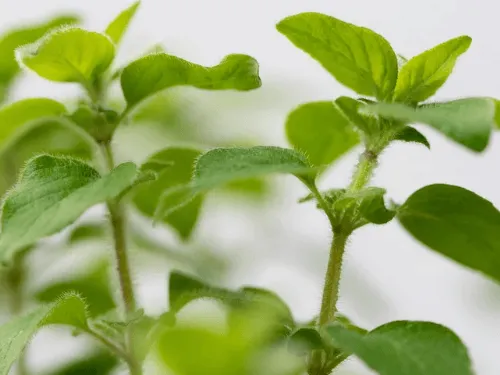
Basil, mint, parsley, chives and thyme are reliable choices. They stay compact, tolerate indoor conditions and reward regular harvesting, so you can grow fresh herbs for cooking all year. Woody herbs like rosemary are harder indoors because they want strong light and drier soil.
How is a hydroponic garden different from soil?
A hydroponic system grows roots in nutrient-rich water instead of soil, usually with plant pods, a water tank and an LED light. It tends to be cleaner and faster for herbs and vegetables, but it needs steady power, nutrients and regular reservoir checks.
Do I need wi-fi for a smart garden?
Not always. Many sensors and lights run on timers or batteries. Wi-fi adds remote monitoring and an alert on your phone when it is time to water your plants, which is helpful but optional.
Can I grow fruit and vegetables in an indoor garden?
Yes, though they need more light and space than herbs. Compact varieties like cherry tomatoes and lettuce do well under a strong full spectrum light with a larger planter.
Does a smart garden make a good gardening gift?
A countertop kit is an easy gift because it works out of the box for people without a green thumb. Pick one with pre-seeded pods so the recipient can enjoy fresh herbs within weeks, and check that refills are easy to buy.
A fruit garden turns ordinary outdoor space into a source of flavor, savings, exercise, and seasonal pleasure. Picking fresh fruit at home also gives you control over ripeness and growing methods, while blossoms and shelter can support wildlife. Fruit gardening is beginner-friendly because a perennial plant can return for years, and you can begin with one strawberry pot or blueberry shrub instead of a full orchard. This guide explains how to start a fruit garden from scratch: choosing suitable fruit, preparing the site, planting, watering, pollinating, protecting, pruning, and harvesting. Whether your home fruit garden will share a vegetable garden, occupy a patio, or fill a sunny border, the goal is a manageable system that produces healthy fruit without making your first season feel overwhelming.
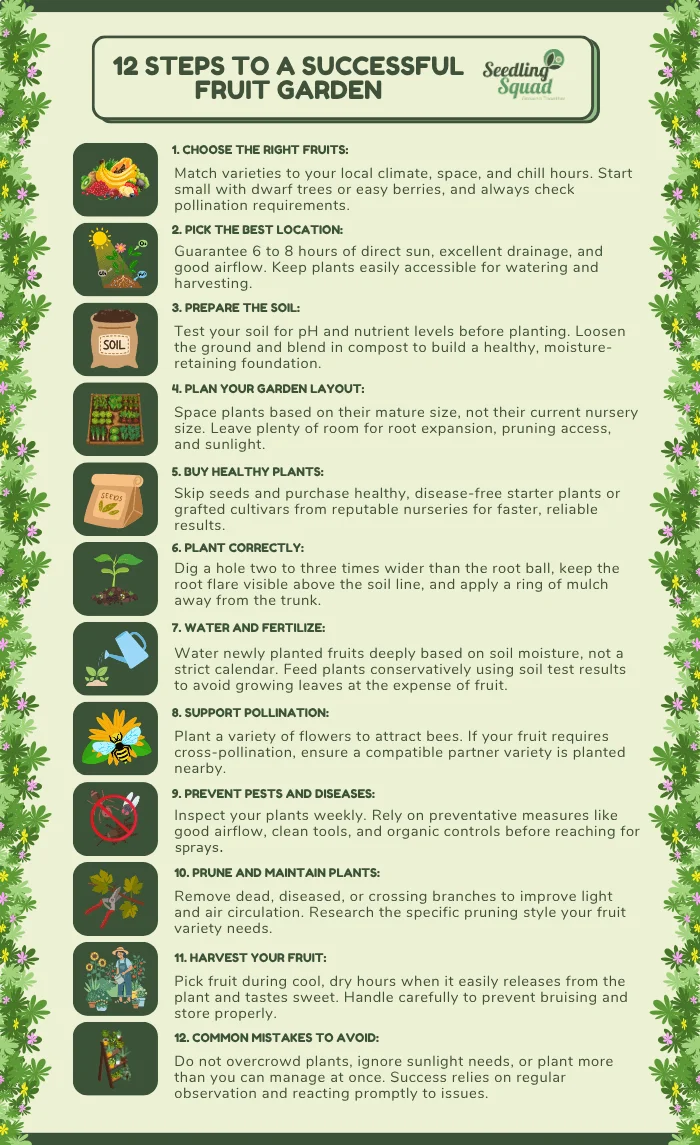
12 Steps to a Successful Fruit Garden
1. Choose the Right Fruits
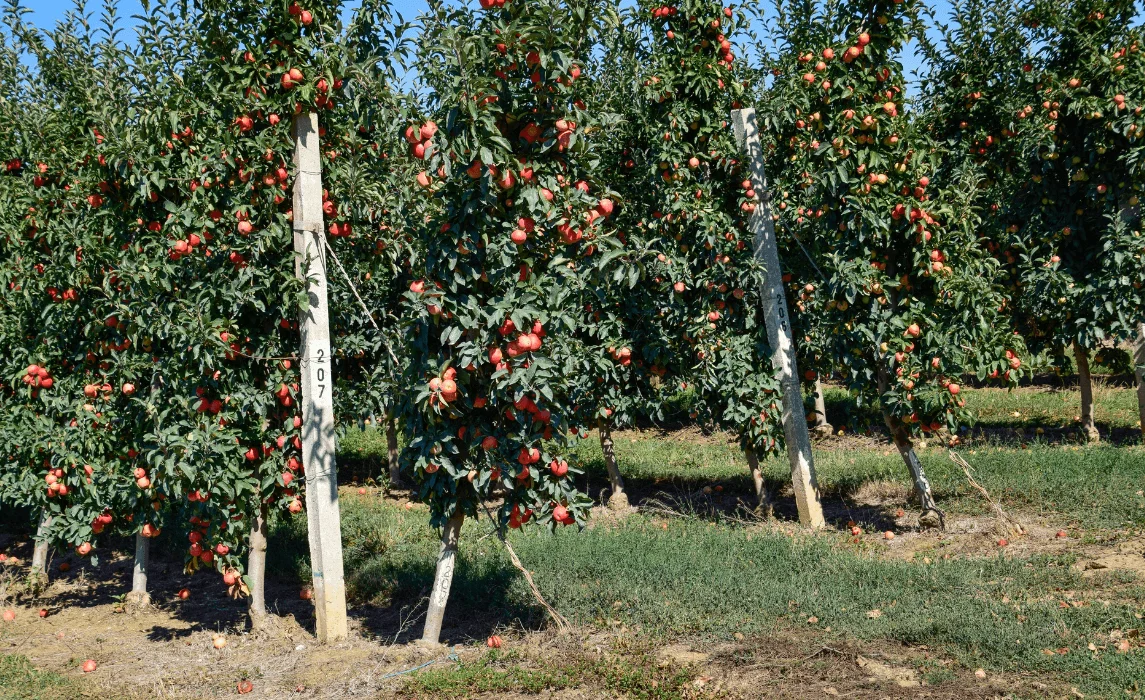
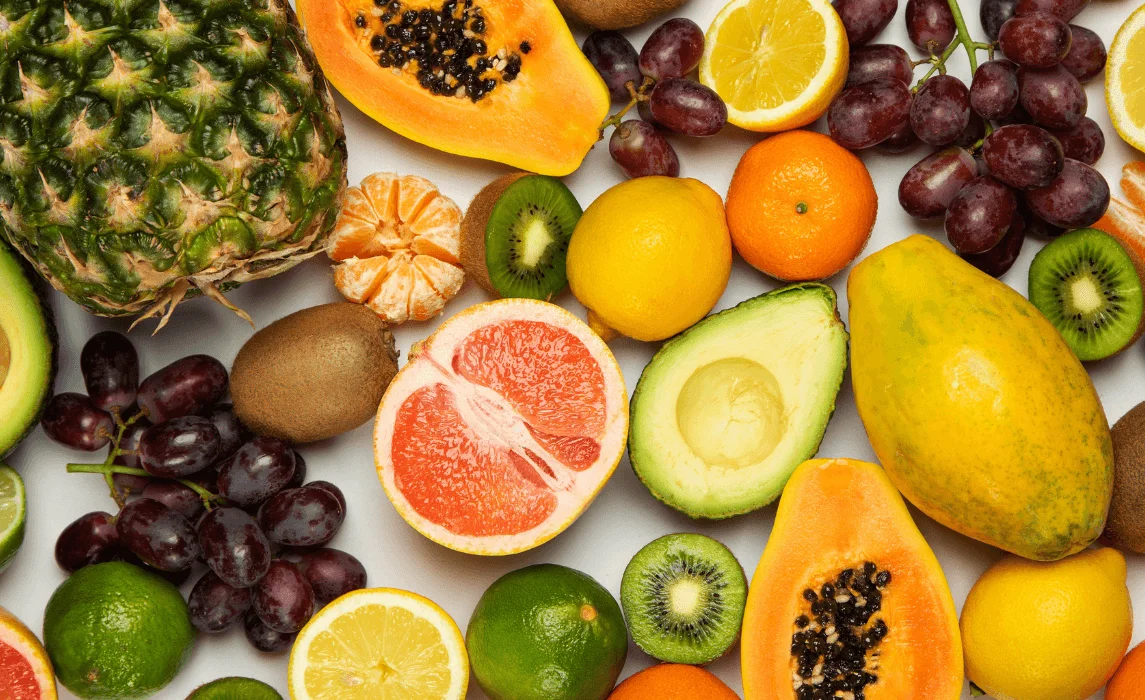
Match every type of fruit to your winter cold, summer heat, rainfall, and length of growing season before you buy. Local extension advice and a local garden center can identify fruit varieties that grow best in your area and explain which fruit species need winter chill. Next, measure the garden space. In a large yard, an apple tree, pear, or compact stone fruit may fit; in a small space, choose dwarf fruit trees, espalier fruit trees, fruit trees in containers, or small fruit crops. Strawberry, raspberry, blackberry, blueberry, and currant are among the easiest fruit to grow, although a blueberry needs acidic soil and a raspberry or blackberry needs firm boundaries. If you want to grow cherry trees, ask whether the variety is self-fertile. Beginners rarely need many fruit trees: 2-4 fruit trees can already create a generous fruit patch when their mature size and pollination partners are planned.
2. Pick the Best Location
Most fruit plants need at least six hours of direct sun, and the majority of fruit plants crop more heavily with eight, so track shade before deciding where fruits in your garden will live. Avoid frost pockets and ground that stays soggy after rain; good drainage protects roots, while proper airflow helps leaves dry and slows fungal disease. Trees need enough clearance from walls, wires, and paths, yet easy access matters too. Place the fruit garden near a hose or water source and where you can inspect it often. A sunny route through the home garden makes it simpler to water your garden, notice a pest early, weed, and gather ripe fruit before birds or weather do.
3. Prepare the Soil
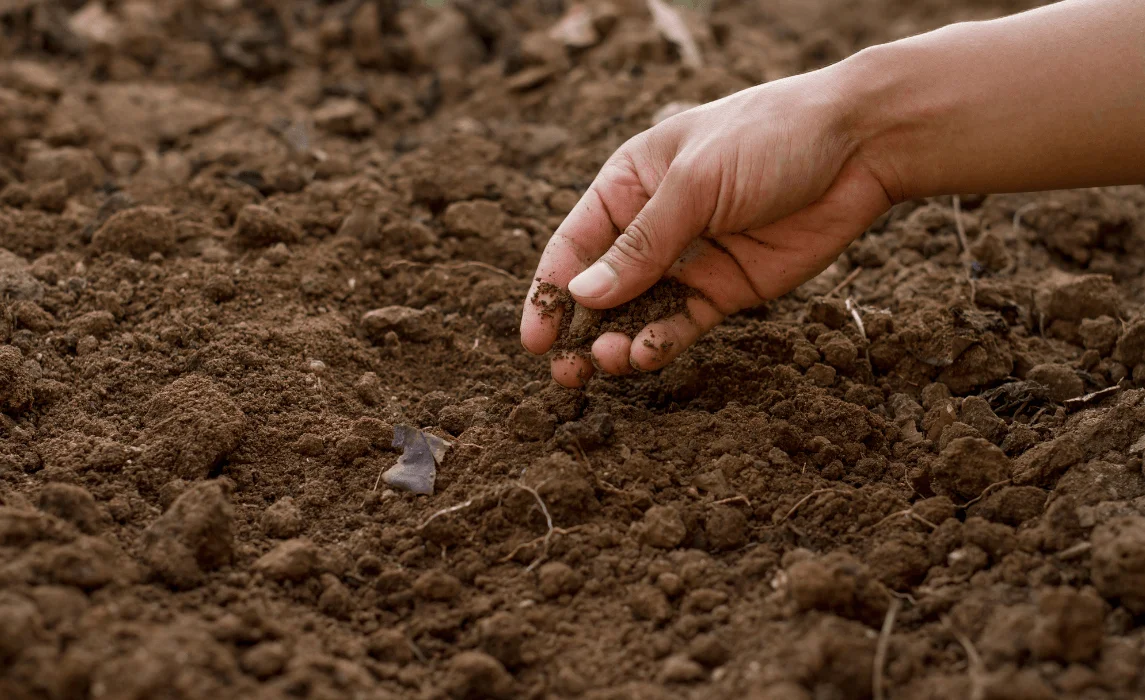
Test the garden soil rather than guessing. A basic laboratory or home test can reveal pH, drainage limits, and nutrient shortages; most fruit plants like slightly acidic to neutral soil, while blueberry prefers a lower pH. Loosen compacted ground and blend compost with the upper soil to increase organic matter, but do not fill only the planting hole with rich amendments because roots may circle inside it. If drainage is poor, roots face prolonged wetness, or bending is difficult, a raised bed can create a deeper, workable root zone. Build and improve the bed before planting, then let the soil settle. Healthy soil is the foundation of fruit growing: it holds enough moisture for growth, releases nutrients gradually, and supports the organisms that help fruit plants and trees resist stress.
4. Plan Your Garden Layout
Draw the layout at mature size, not at the size shown on a nursery bench. Many fruit trees spread wider than beginners expect, and even dwarf forms require room for roots, air, pruning, and harvest. Follow the label's spacing, keep vigorous canes away from narrow paths, and leave access around fruit trees for a ladder or wheelbarrow. Companion planting can place low herbs or flowers near trees and bushes to attract beneficial insects, but avoid dense competitors at the trunk. Keep a separate open circle of mulch and protect young bark from tools. If the fruit patch borders a veggie garden, arrange taller plants on the side that will not shade vegetables. A thoughtful small fruit garden lets plants in your garden expand without becoming crowded and makes every later task easier.
5. Buy Healthy Plants
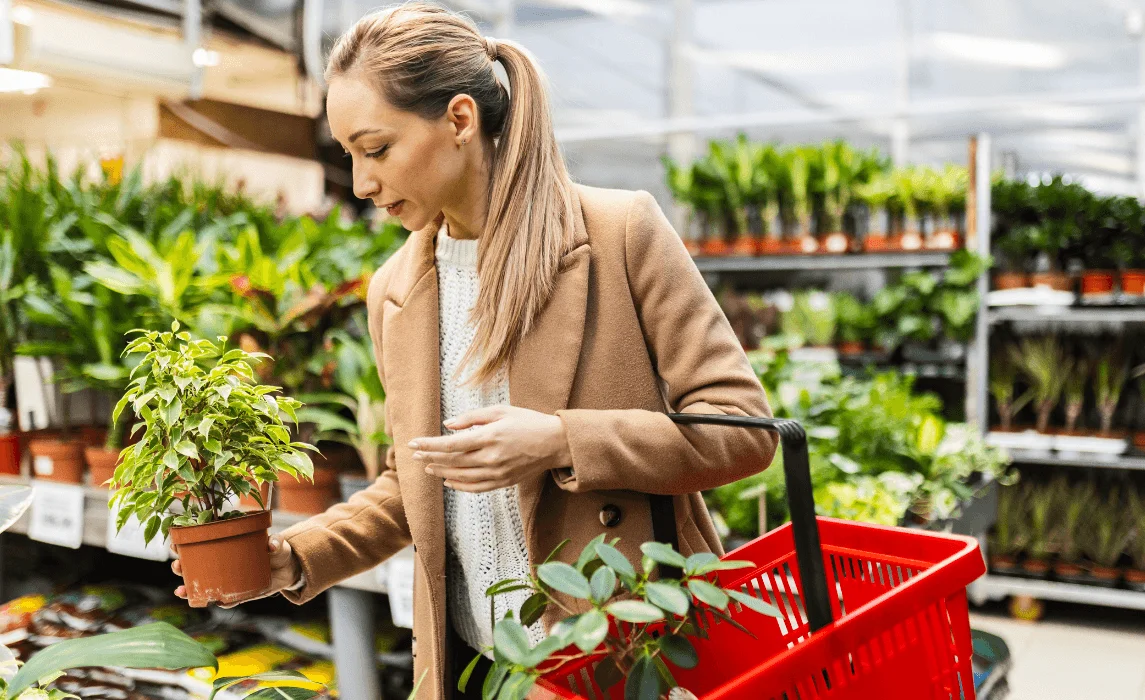
Seeds are inexpensive for strawberry and a few specialty crops, but they are slow and may not match the parent; starter plants give beginners faster, more predictable results. For an apple tree, pear, blueberry, currant, cane fruit, or other shrub, choose a named cultivar suited to your climate and space. Healthy fruit-bearing plants and trees should have moist roots, firm stems, evenly colored leaves, and no cankers, webbing, scale, rot, or circling roots. Check the graft union on a fruit tree and confirm the rootstock's mature size. A reputable nursery or garden center should label pollination needs and provide a guarantee. When comparing fruit trees for sale, ask how the plants and trees were grown and transported. Inspect every tree or bush before purchase; strong fruit plants and trees establish faster than discounted specimens already under stress.
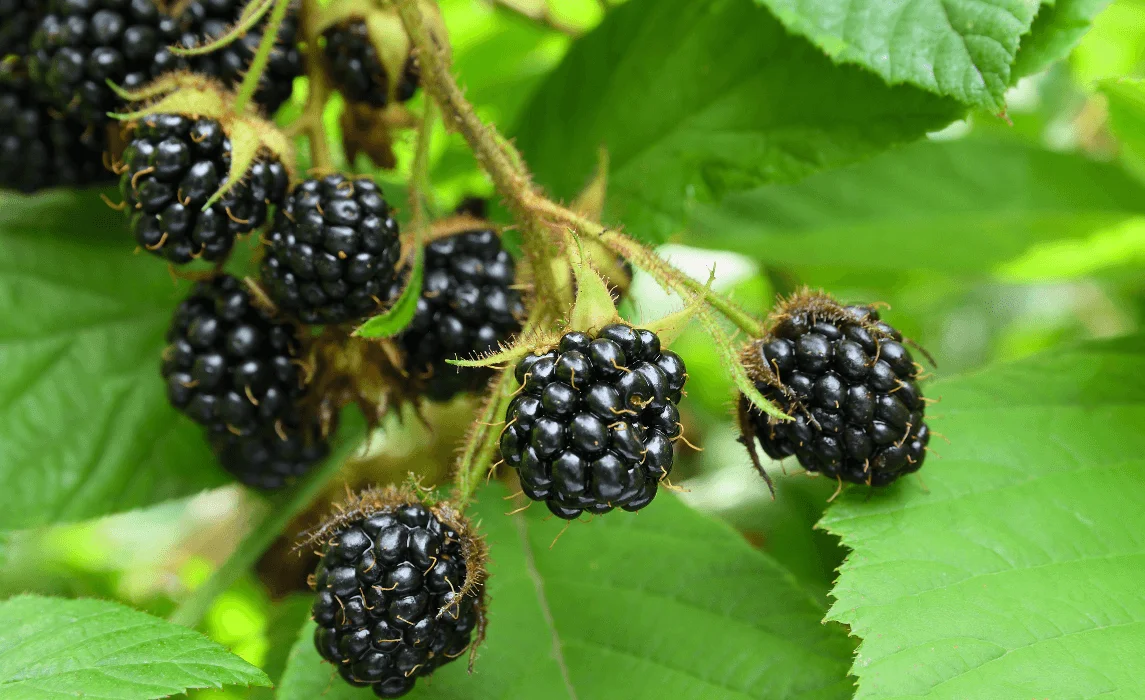
How to Grow Blackberry Fruit from Store-Bought Fruit in Your Home Garden
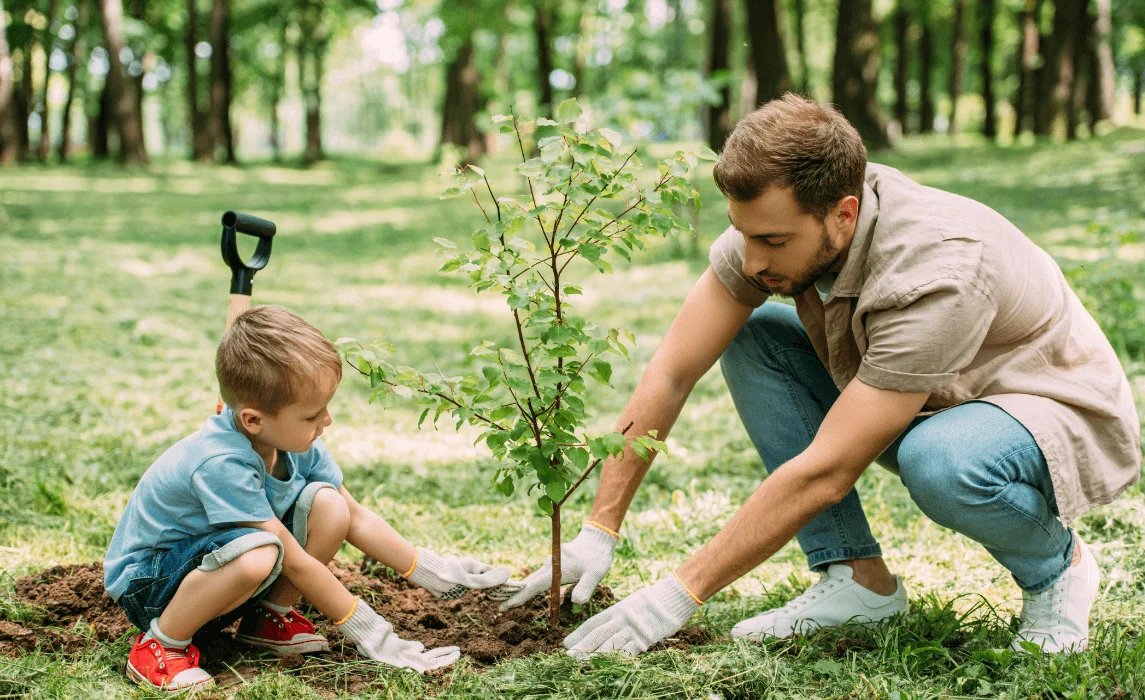
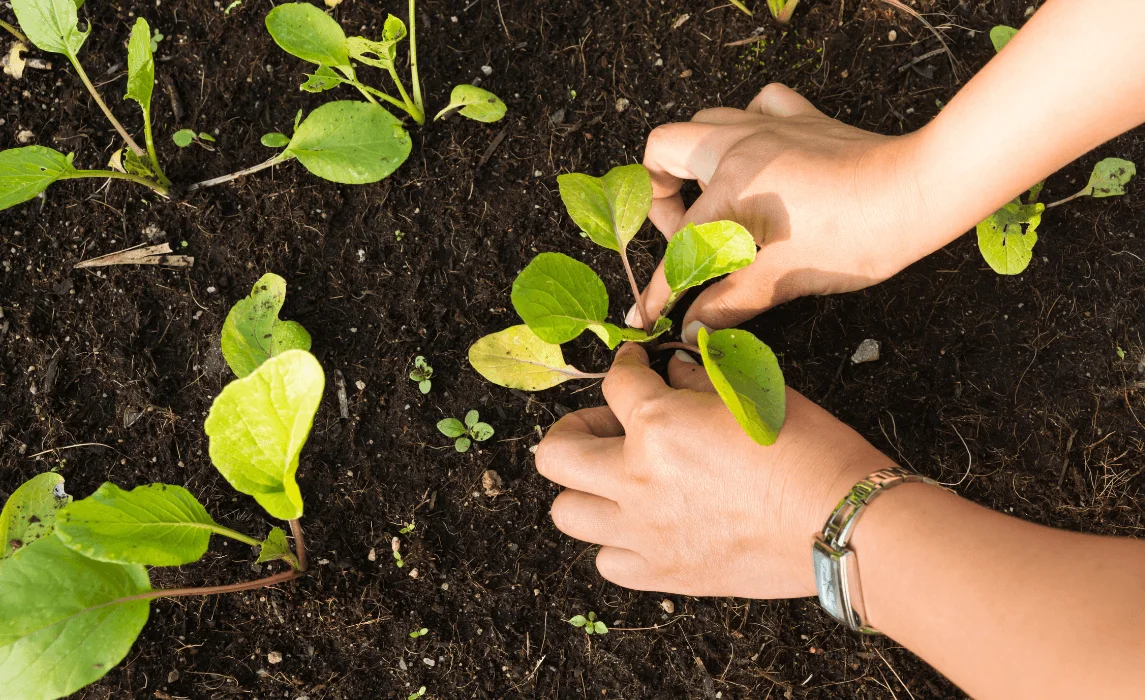
The safest planting time is usually early spring after severe freezes or autumn after leaf fall where winters are moderate; container-grown stock can be planted during the growing season if heat and drought are avoided. To plant fruit trees, dig a hole two to three times wider than the root ball but no deeper, loosen or spread roots, keep the root flare visible, and position the graft union above soil. Use the same depth when you plant fruit canes or shrubs, unless the label says otherwise. Backfill with native soil, firm gently, and water thoroughly. Then spread 2 to 3 inches of mulch over the root zone to conserve moisture, suppress weed growth, and moderate temperature. Keep mulch several inches from stems and trunks so bark stays dry and rodents have less cover.
7. Water and Fertilize
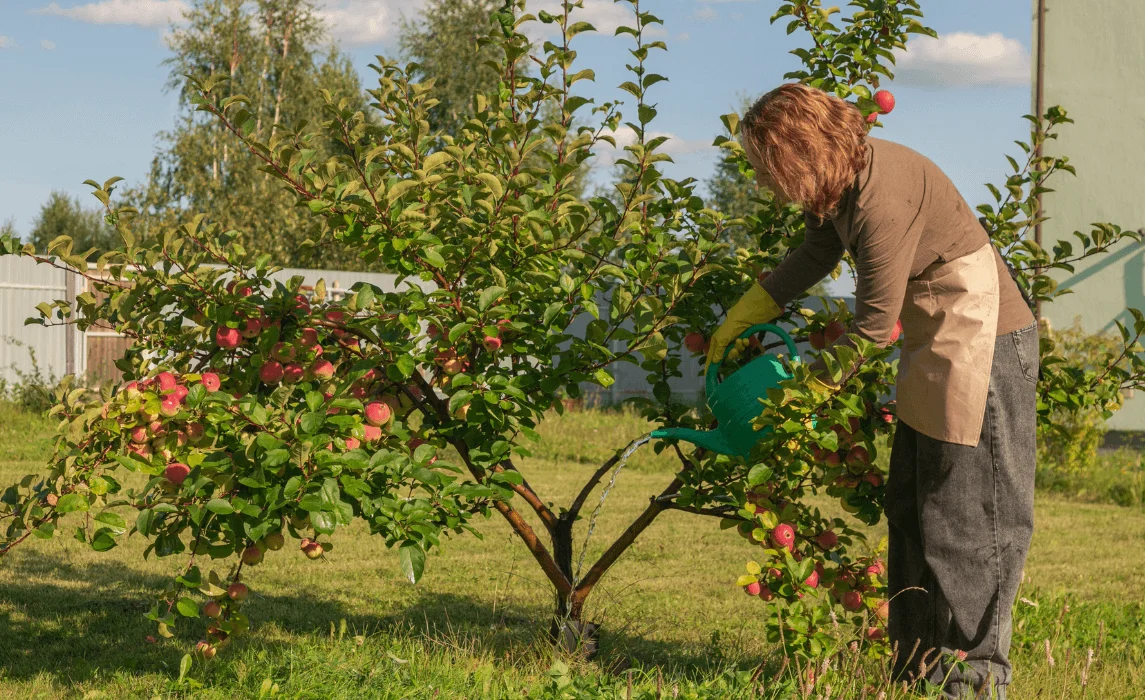
Water new plants deeply and regularly during their first season, checking the soil instead of following a rigid calendar. Established plants need less frequent irrigation, but fruit trees need steady moisture during bloom, fruit set, and dry spells; fruit plants like strawberry may need closer attention because their roots are shallow. Water your fruit at soil level in the morning, soaking the root zone rather than wetting foliage. Frequent light sprinkles encourage shallow roots, while waterlogged soil excludes air, so adjust for rain and drainage. Before fertilizing, use the soil test and watch growth. Compost may be enough in fertile ground; otherwise apply a balanced or fruit-specific feed at the label rate in early growth. Too much nitrogen produces leaves at the expense of fruit production, so never assume many fruit plants need heavy feeding.
8. Support Pollination
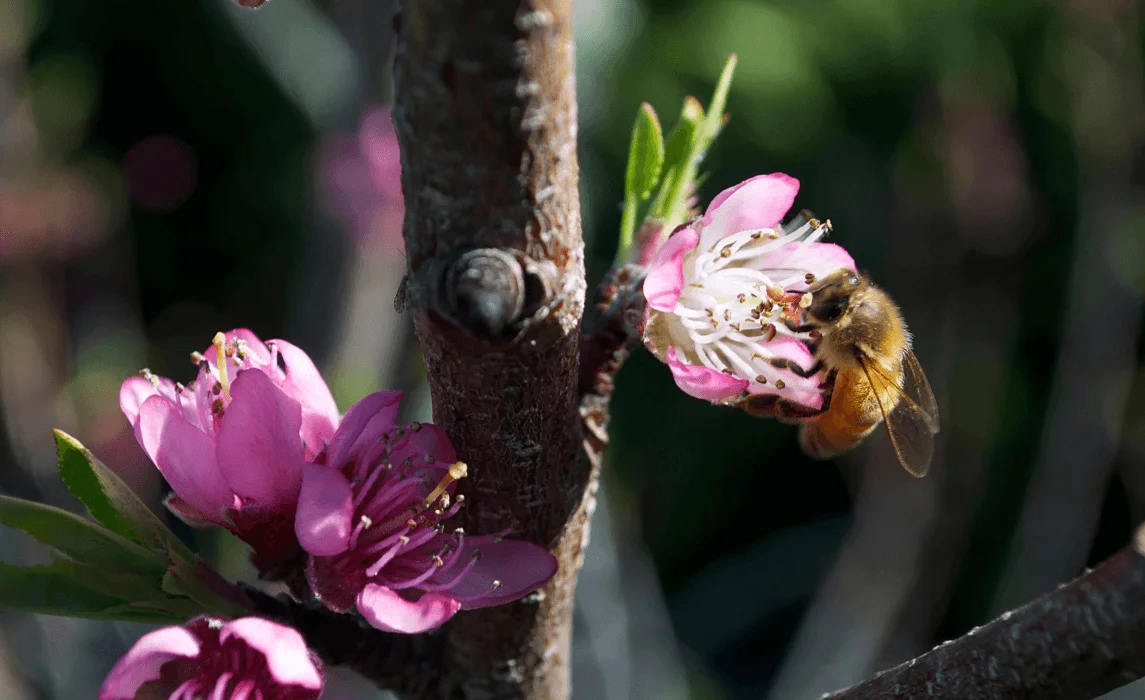
Pollination moves pollen to receptive flowers and allows fruit set; without it, a healthy plant may bloom yet fail to produce fruit. Attract bees and other pollinators by growing pesticide-free flowers with overlapping bloom times, providing shallow water, and leaving some safe nesting habitat. Many strawberry, raspberry, blackberry, currant, and peach cultivars are self-pollinating, meaning one plant can bear fruit, though visitors often improve yield. Other crops, including many apple, pear, blueberry, and cherry varieties, cross-pollinate and need a compatible cultivar flowering at the same time. Check the label rather than assuming two plants of the same name will work. When selecting perennial fruit, treat pollination as part of the purchase plan; a perennial plant has little value if its required partner is missing.
9. Prevent Pests and Diseases
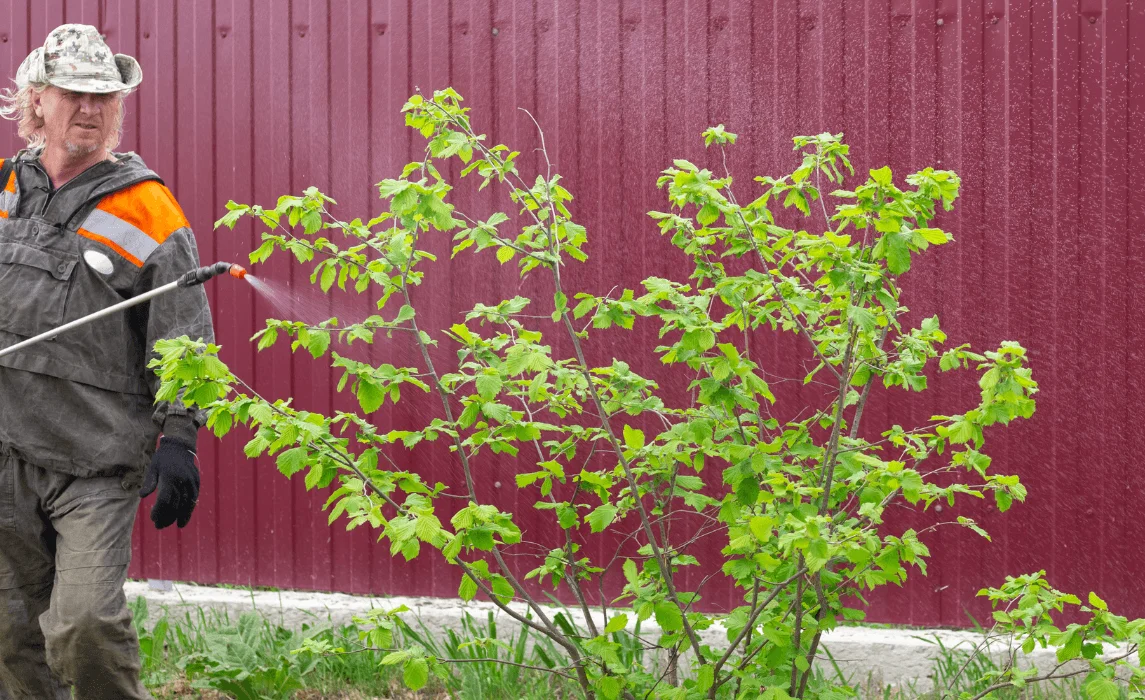
Common troublemakers include aphids, mites, scale, caterpillars, beetles, slugs, birds, rodents, and fruit flies, but the right response begins with identification. Inspect leaf undersides, shoots, fallen fruit, and bark each week. Prevent disease by spacing fruit trees and bushes for air, watering the soil instead of leaves, cleaning tools, removing mummified fruit, and choosing resistant cultivars. Clear a weed before it shelters pests or competes for water. Organic control methods include hand-picking, barriers, netting that is secured safely, insecticidal soap for appropriate soft-bodied insects, horticultural oil during the correct season, and beneficial insect habitat. Do not copy a commercial fruit spray schedule without diagnosis. Use the least disruptive treatment, follow its label exactly, protect bloom-time pollinators, and remove badly infected material so the rest of the fruit garden remains healthy.
10. Prune and Maintain Plants
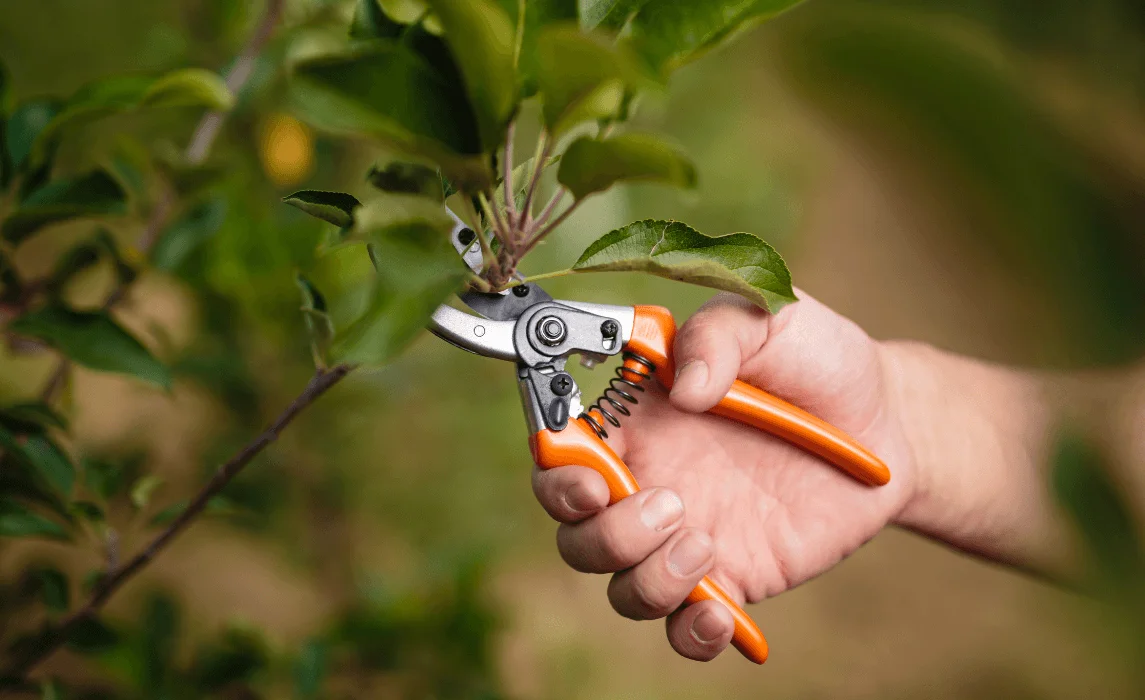
Pruning improves light, airflow, branch strength, picking access, and the balance between new growth and fruit harvest. Begin by removing dead, damaged, diseased, crossing, or inward-growing wood with clean, sharp tools. Make cuts just outside the branch collar and never leave long stubs. Different fruit growers use different systems because trees like apple and peach fruit on different wood, while raspberry canes may be summer-bearing or fall-bearing; identify the cultivar before cutting. Young plants need formative pruning, but excessive pruning can delay bearing or trigger weak shoots. Routine care also includes renewing mulch, tying canes, checking stakes and guards, thinning overloaded fruit, collecting drops, and recording bloom and harvest dates. These small habits keep perennial fruit plants productive and make annual maintenance of trees and bushes predictable.
11. Harvest Your Fruit
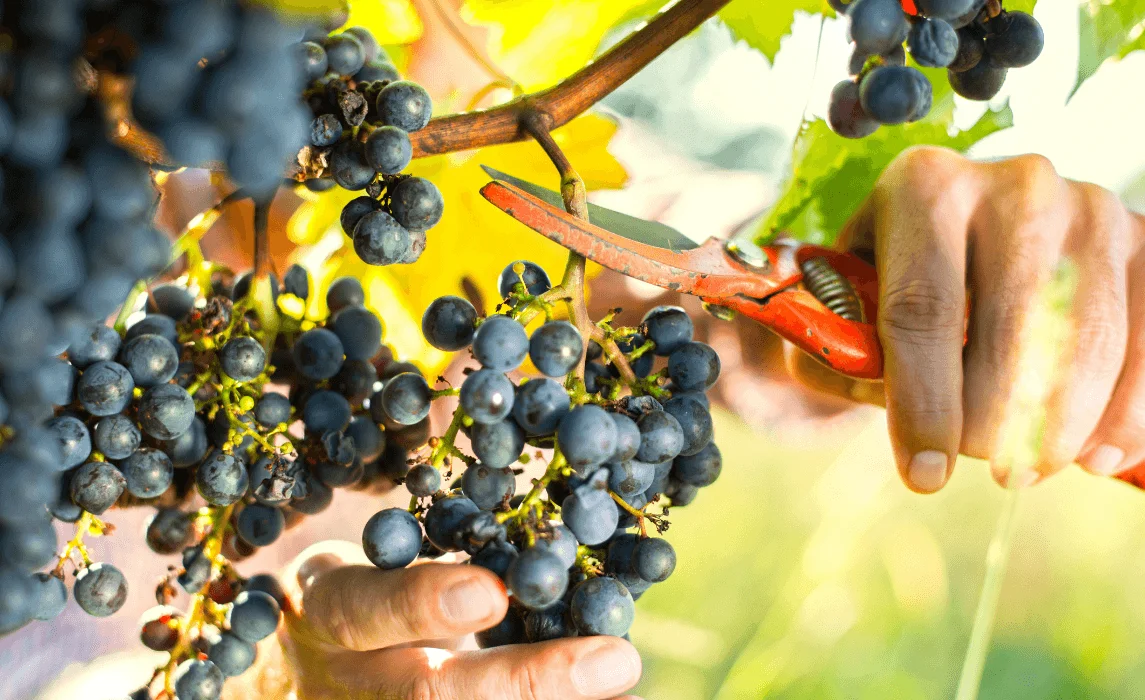
Color is only one sign of readiness. Ripe strawberry, raspberry, blackberry, blueberry, and other small fruit should taste sweet for the variety and release with a gentle pull; apple and pear maturity may be judged by seed color, background color, flavor, and how easily the fruit lifts and twists from the spur. Pick in cool, dry conditions, support the branch, and use clean snips for fruit that should not be pulled. Handle every fruit harvest gently because bruises shorten storage. Refrigerate berries promptly without washing until use, keep sound apples or pears cool and separate from damaged pieces, and process overripe fruit quickly. Check storage guidance for each variety of fruit: some are best eaten immediately, while others improve briefly or keep for weeks.
Easy-to-Grow Vegetables: A Beginner's Guide to Simple and Productive Gardening
The most expensive mistake is poor fruit selection: a tempting variety may need more winter chill, heat, room, or pollination support than your site can provide. Inadequate sunlight causes weak growth and poor flavor, while improper watering alternates root stress with rot. Overcrowding plants reduces airflow and makes pruning and picking difficult; this is especially costly when growing a fruit tree whose final canopy was ignored. Neglecting soil health leads to repeated fertilizer guesses instead of correcting pH, drainage, compost, or organic matter. Do not plant many fruit plants at once simply because they are available. Learn what each type of fruit needs, make space for mature fruit trees in your yard, and expand only after the first group settles in. A successful fruit garden depends more on consistent observation than on perfection: check moisture, growth, pests, supports, and fruit set, then respond early and calmly.
Frequently Asked Questions:
What is the easiest fruit to grow for a first garden?
Strawberry is often the simplest starting point because it fits containers, fruits quickly, and is easy to replace. Raspberry, blackberry, and currant can also be forgiving when their spread is controlled. The best fruit is the one matched to your climate, sunlight, soil, and available care.
Can I grow fruit trees in a small space?
Yes. Choose a dwarf tree on a clearly labeled rootstock, train an espalier against wires, or use fruit trees in containers with sufficient soil volume and winter protection. Confirm mature dimensions, pollination needs, and whether the container can be watered consistently before you grow fruit trees.
Do I need more than one fruit tree?
It depends on the cultivar. Some trees are self-fertile, while others need compatible partners that bloom together. A nursery may recommend 2-4 fruit trees for varied harvests, but one self-pollinating dwarf tree can be enough when garden space is limited.
How soon will fruit plants produce fruit?
Strawberries and some cane fruits may crop in the first or second season, while a grafted fruit tree often takes several years. Rootstock, plant age, climate, pruning, and stress all affect timing. Remove an excessive early crop if the young plant needs energy for roots and structure.
Can a fruit garden share space with vegetables?
Yes. A combined vegetable and fruit area works when permanent crops do not shade or crowd annual beds. Put long-lived fruit plants where future digging will not disturb their roots, maintain clear paths, and choose fruits to grow at home that fit the same sunlight and watering pattern as the wider garden.
Related posts
Here are some articles you might be interested in.