Ryan Johnson relocated to his grandfather's old farm when he was 22 years old where he discovered the joys of farming and gardening. With his cool demeanor and strong-willed passion for the agrarian lifestyle, he now shares his know-how to aspiring gardeners.
Evergreen Shrubs Q&A
How do I choose evergreen shrubs for my outdoor space?
Match mature size to USDA hardiness, light, drainage, and wind. Use a tall evergreen for screening, a mounded shrub for foundation planting, or ground cover on slopes. Repetition unifies home landscapes, while contrast creates a focal point in the landscape.
What are the best small evergreen shrubs?
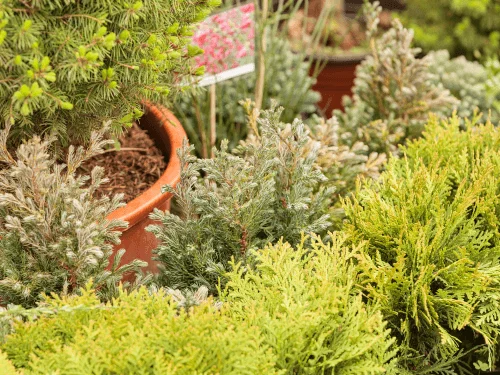
Blue Star juniper, dwarf Chamaecyparis, azalea, and Daphne are strong small-space choices. The best evergreen shrubs fit without constant shear work; check mature spread and leave airflow around glossy foliage.
Do evergreen shrubs flower as long as hydrangea?
Not usually. A hydrangea may have a long bloom time from mid-summer onward, while evergreen shrubs often bloom briefly. Combine azalea for spring, Viburnum or Mahonia for winter, and summer perennials.
When should I prune an evergreen hedge?
Prune flowering shrubs after bloom, and shape boxwood, yew, or Thuja lightly during growth. Avoid leafless old conifer wood; natural forms need less pruning and preserve year-round interest.
Why can an evergreen turn brown in winter?
Frozen soil, wind, salt, or poor drainage can brown green foliage. Water before freezing, mulch roots, and choose a protected area so evergreen shrubs retain year-round beauty and lasting structure.
Starting a Fruit Garden Q&A
What is the easiest fruit to grow for a first garden?
Strawberry is often the simplest starting point because it fits containers, fruits quickly, and is easy to replace. Raspberry, blackberry, and currant can also be forgiving when their spread is controlled. The best fruit is the one matched to your climate, sunlight, soil, and available care.
Can I grow fruit trees in a small space?
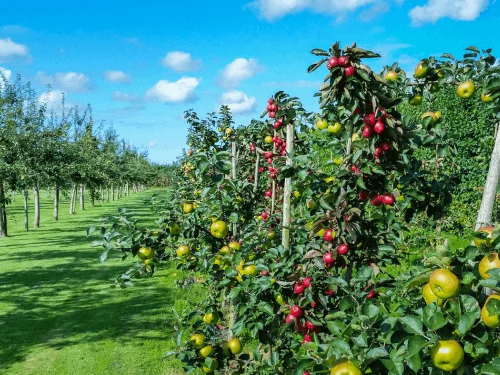
Yes. Choose a dwarf tree on a clearly labeled rootstock, train an espalier against wires, or use fruit trees in containers with sufficient soil volume and winter protection. Confirm mature dimensions, pollination needs, and whether the container can be watered consistently before you grow fruit trees.
Do I need more than one fruit tree?
It depends on the cultivar. Some trees are self-fertile, while others need compatible partners that bloom together. A nursery may recommend 2-4 fruit trees for varied harvests, but one self-pollinating dwarf tree can be enough when garden space is limited.
How soon will fruit plants produce fruit?
Strawberries and some cane fruits may crop in the first or second season, while a grafted fruit tree often takes several years. Rootstock, plant age, climate, pruning, and stress all affect timing. Remove an excessive early crop if the young plant needs energy for roots and structure.
Can a fruit garden share space with vegetables?
Yes. A combined vegetable and fruit area works when permanent crops do not shade or crowd annual beds. Put long-lived fruit plants where future digging will not disturb their roots, maintain clear paths, and choose fruits to grow at home that fit the same sunlight and watering pattern as the wider garden.
Cross Pollination Q&A
Q: Do all plants need cross-pollination?
A: No; self-pollinating plants can set seed alone, while other species benefit from or require a compatible partner.
Q: Do I need two different varieties?
A: For crops such as apples and pears, two compatible cultivars with overlapping bloom times are often needed.
Q: Does cross-pollination change this year's fruit?
A: Usually not; it generally affects the genetics of the seeds and any plants grown from them.
Q: What are signs of poor pollination?
A: Flowers may drop, young fruit may abort, or cucumbers and squash may develop unevenly.
Q: When should I hand-pollinate?
A: Work in the morning when flowers are freshly open and natural pollinator activity is low.
When you first step into the world of horticulture, the sheer joy of watching a seed sprout can quickly be overshadowed by the sudden appearance of a daunting plant problem. Understanding plant pathology—the study of plant diseases—is an essential skill for any beginner gardener. A plant disease is any abnormal condition that alters the appearance or function of a plant. These common diseases are caused by a variety of microscopic agents, and identifying plant issues early can save your entire garden. Plant diseases are classified generally by their causal agent, which is the biological organism or environmental factor responsible for the plant damage. The most frequent culprits include a pathogen like a fungus, a bacterium, a virus, or even a microscopic nematode. Sometimes, what looks like a disease is actually caused by an insect pest. In this comprehensive guide, we will explore the major types of disease that plague gardens, from fungal pathogens that create a dusting of white spores to systemic bacterial diseases that cause complete plant collapse. We will look at exactly how these diseases include various symptoms and how pathogens and pests interact with your garden ecosystem. By learning about disease control, you can implement control measures to keep the disease at bay and ensure robust plant growth.
10 Common Plant Diseases
1. Powdery Mildew
Powdery mildew is a fungal disease that affects an incredibly wide range of plants, from vegetables like squash and cucumbers to beautiful ornamental flowers like zinnias and roses. Powdery mildew is a fungal issue characterized by a dusty, white or gray coating that typically starts on the upper surfaces of leaves but can spread to all plant parts, including stems and flowers. This mildew is a fungal disease that thrives in high humidity but surprisingly does not require standing water to spread, making it quite unique among fungal pathogens. Because powdery mildew is a fungal disease that causes severe aesthetic and physiological plant damage by blocking sunlight and draining nutrients, early intervention is critical. To prevent powdery mildew, the beginner gardener should focus on excellent air circulation by spacing plants appropriately and pruning away overcrowded branches to reduce humidity around the leaves. When it comes to treatment, if you notice the telltale white spots that indicate disease, you must treat plant surfaces promptly. You can prune and discard the heavily infected plant material, ensuring it goes into the trash and not the compost bin. A specialized fungicide will control the spread if applied early; many gardeners successfully utilize sulfur-based sprays or horticultural oils used to control the fungal spores on the diseased plants before the infection overtakes the entire crop.
2. Black Spot
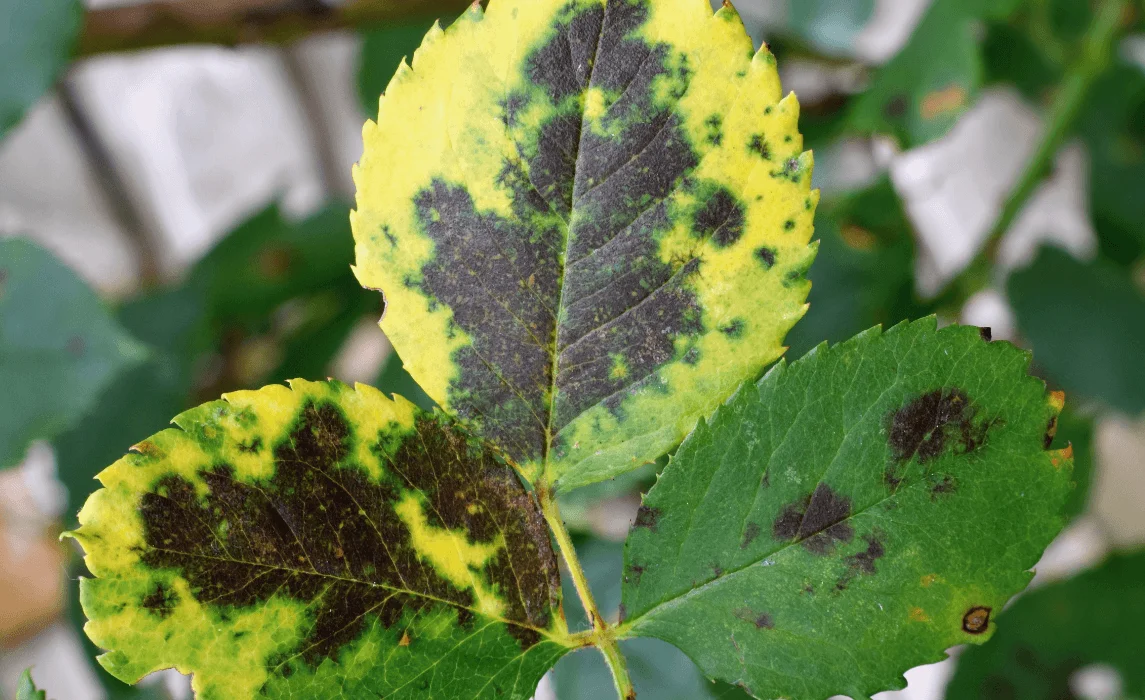
Black spot is an extremely prevalent fungal disease that primarily torments rose bushes but can also affect other ornamentals, making black spot of rose a major disease in the floral garden. As a leaf spot disease, it manifests as circular, dark black spots with fringed edges on the upper surfaces of leaves, eventually causing the surrounding plant tissue to turn a bright, sickly yellow before the leaf drops off completely. This defoliation severely weakens the plant, reducing its ability to photosynthesize and survive harsh winters. The causal agent is a fungus that overwinters in fallen plant debris and is splashed back up onto new foliage by rain or overhead irrigation. To prevent this devastating plant disease, your first line of defense is rigorous garden sanitation; always rake up and destroy fallen leaves and plant debris at the end of the growing season. Additionally, water your roses at the soil level to keep the foliage dry, removing the moisture the fungus needs to thrive. To treat plant infections once they appear, you must enact strict control measures to control black spot. Begin by carefully pruning away any diseased plant parts, wiping your pruners with a bleach or alcohol solution between cuts so you do not accidentally spread the pathogen. Following pruning, applying an appropriate copper-based fungicide or neem oil spray early in the morning can effectively halt the disease cycle and protect the newly emerging foliage from this persistent fungal disease.
3. Root Rot
Root rot is a devastating condition that strikes beneath the surface, often catching beginner gardeners completely off guard because the parts of the plant showing disease symptoms—usually yellowing, wilting leaves—are far removed from the actual site of the infection. Root rot occurs when a plant's root system literally begins to decay, turning into a brown, mushy mess that can no longer absorb water or vital nutrients. This rot is typically a fungal disease caused by various soil-borne fungal pathogens like Pythium or Phytophthora, which thrive in overly saturated, poorly draining soils where plant cells are suffocated from a lack of oxygen. The most actionable tip to prevent root rot is to ensure exceptional soil drainage by incorporating organic matter like perlite or compost into heavy clay soils and allowing the top inch of the soil to dry out entirely between watering sessions. Overwatering is the number one cause of this particular disease. If a plant has already begun to wilt and you suspect a problem at the roots, treating it involves physically removing the plant from its container or garden bed to inspect the root mass. You must aggressively trim away any brown, slimy, or foul-smelling roots with sterile scissors until only the firm, white, healthy roots remain. Afterward, repot the plant in entirely fresh, well-draining soil and consider applying a biological control product containing beneficial microbes, or a targeted fungicide, to help protect the remaining root system from further fungal disease development.
4. Blight
Blight is a rapid and highly destructive condition that can wipe out entire crops, particularly tomatoes and potatoes, in a matter of days. While blight is a fungal disease in many common instances—such as early blight caused by the fungus Alternaria—it can also be caused by bacterial plant pathogens, such as in the case of fire blight in apple trees. Regardless of the exact causal agent, blight typically presents as rapidly spreading dark brown or black lesions on leaves, stems, and fruits, often surrounded by a yellow halo, leading to total tissue collapse and a withered, scorched appearance. To prevent blight from devastating your garden, a crucial strategy is crop rotation; never plant tomatoes, potatoes, or eggplants in the same soil two years in a row, as the pathogens overwinter in the soil and leftover plant material. Furthermore, utilizing mulch creates a physical barrier that prevents soil-borne spores from splashing onto the lower leaves during heavy rainstorms. If your plants become infected and you spot the first lesion, immediate and aggressive plant disease control is necessary. You must carefully prune and destroy the infected plant parts immediately, taking extreme care not to brush against healthy foliage, as the spores spread easily on the wind and hands. Applying a preventative copper fungicide will control the spread to healthy tissue, but heavily diseased plants that are fully overcome must be completely uprooted and thrown in the garbage to protect the rest of the garden from this highly infectious and destructive plant problem.
5. Southern Bacterial Wilt
Southern bacterial wilt is one of the most formidable bacterial diseases a gardener can face, frequently acting as a silent, invisible pest that rapidly destroys seemingly healthy plants from the inside out. Unlike many fungal infections that present with visible leaf spots or mildew, southern bacterial wilt invades the plant’s internal vascular system, clogging the vital pathways that transport water and nutrients. The most striking symptom of this disease in plants is a sudden, dramatic wilt of the entire plant while the leaves remain completely green, usually occurring during the hottest part of the day, followed by rapid plant death. Because these bacteria live in the soil and enter plant roots through microscopic wounds, prevention relies heavily on careful handling of transplants to avoid root damage and managing root-feeding pests like a nematode that can create natural openings for the bacteria. Practicing long-term crop rotation and ensuring excellent soil drainage are also critical preventive steps. Unfortunately, because this pathogen operates deep within the plant host, there is no chemical spray or fungicide that can treat plant vascular systems once they become infected. The only actionable step for a beginner gardener when this major disease strikes is to immediately pull up and destroy the entire infected plant, including the surrounding soil if possible, to prevent the bacteria from spreading. Furthermore, focusing on planting plant varieties bred specifically with a high resistance to disease is the best long-term strategy for managing southern bacterial wilt in heavily affected regions.
Common Garden Pests Every Gardener Should Know for Better Pest Control
A canker is essentially an open wound or localized area of dead tissue on the stems, branches, or trunk of a woody plant, often appearing as sunken, discolored, or oozing patches that cause severe plant damage. Cankers are usually the result of fungal or bacterial pathogens that manage to breach the plant's outer bark through natural openings or, more commonly, through mechanical wounds caused by careless pruning, lawnmower strikes, or winter frost cracks. Once inside, the pathogen attacks the inner plant cells, slowly girdling the branch and cutting off the flow of water and nutrients, which eventually leads to the dieback of everything above the lesion. Preventing canker diseases primarily involves maintaining excellent overall plant health so the tree or shrub can naturally defend itself, as well as being incredibly careful not to injure the bark with gardening equipment. When pruning, always make clean cuts at the proper angle and avoid pruning during wet weather, which favors the spread of pathogens. To treat plant cankers, the gardener must resort to surgical pruning. You must cut off the diseased branch several inches below the visible canker, cutting into healthy, uninfected wood. It is absolutely vital to sterilize your pruning shears with a 10% bleach solution or rubbing alcohol between every single cut; failing to do so will simply turn your tools into vectors that spread the disease organism to other parts of the plant or garden.
7. Dutch Elm Disease
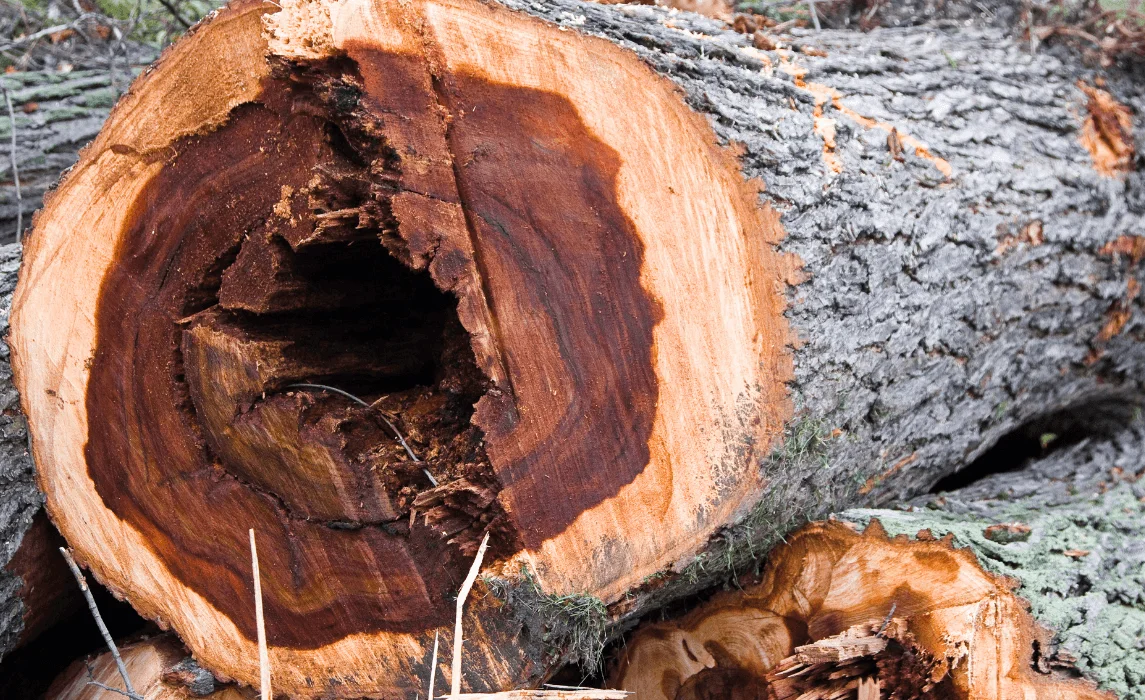
Dutch elm disease is a historically notorious and catastrophic fungal disease that affects elm trees, famous for wiping out millions of beautiful shade trees across urban landscapes in the 20th century. This particular disease is a prime example of a complex disease cycle involving both a plant pathogenic fungus and an insect vector. The fungus is primarily spread by the elm bark beetle, a pest that burrows into the bark of a host plant to lay its eggs, carrying the deadly fungal spores directly into the tree's vascular system. Once introduced, the fungus triggers the tree to produce defensive gums and tyloses that end up clogging its own water-conducting vessels, leading to the yellowing, wilting, and eventual death of the branches, usually starting at the top of the canopy. Preventing Dutch elm disease requires a community-level approach to plant disease management, focusing heavily on removing dead or dying elm wood where the beetles breed. For the individual homeowner, prevention means keeping elm trees perfectly pruned and deeply watered to boost their natural defenses against pests. While treating Dutch elm disease is extremely difficult and often requires a certified arborist, early detection is key. If a beginner gardener spots isolated wilting branches on an elm, aggressive pruning of those branches well below the disease symptoms can sometimes save the tree. In highly valuable ornamental trees, systemic fungicides can be injected directly into the tree trunk as a preventative measure, but this is a complex biological control measure best left to professionals in horticulture.
8. Downy Mildew
Downy mildew is often confused with powdery mildew by beginner gardeners, but it is a distinctly different and highly destructive plant disease. While powdery mildew sits on the top of leaves, downy mildew is a parasitic organism (technically a water mold, closely related to algae) that causes pale green or yellow angular spots on the upper side of the leaf, paired with a fuzzy, grayish-purple or blue growth on the underside. This fungal disease that causes such rapid defoliation relies heavily on cool, damp, and highly humid environmental conditions to spread its spores. Downy mildew is exceptionally damaging to crops like basil, grapes, and various cucurbits, bringing plant growth to a complete halt and ruining harvests. To keep the disease out of your garden, proper watering techniques are non-negotiable; always water at the base of the plant early in the day so the sun can quickly dry any stray moisture on the leaves. Ensuring wide plant spacing to allow the wind to dry the foliage is also an essential disease control strategy. If you notice the classic fuzzy underside indicating downy mildew, you must act fast to treat plant populations. Immediately remove and destroy all infected plant material, ensuring you do not compost it. Applying a preventative fungicide containing copper or a biological control product before the cool, wet weather sets in is highly recommended, as downy mildew is notoriously difficult to eradicate once it has aggressively established itself within the plant tissues.
9. Bacterial Leaf Spot
Bacterial leaf spot is a widespread and unsightly plant problem that targets a massive variety of garden plants, from leafy greens and peppers to highly prized ornamental shrubs. Unlike fungal spots, bacterial leaf spot disease usually begins as tiny, water-soaked dark lesions that look distinctly greasy or wet. As the disease development progresses, these spots expand, turn dark brown or black, and are often surrounded by a pronounced yellow halo. Eventually, the damaged plant tissue dries up and falls out, leaving ragged holes in the foliage. The bacteria responsible for these common diseases overwinter in plant debris and seeds, and they rely on splashing water from heavy rain or overhead sprinklers to enter plant foliage through stomata (natural openings) or small wounds. To prevent bacterial leaf spot, the absolute best defense is purchasing certified disease-free seeds and transplants, and utilizing drip irrigation rather than overhead watering to keep the leaves completely dry. To control plant damage once the disease has appeared, the beginner gardener must meticulously remove any leaves that indicate disease and clear away all fallen debris from the soil surface to stop the splashing cycle. While chemical controls are less effective for bacterial diseases than for fungal ones, utilizing a fixed copper spray can help protect healthy, uninfected leaves from becoming infected, though it will not cure leaves that already show the severe dark spots.
10. Mosaic Virus
Mosaic virus encompasses several types of disease that can stunt growth and drastically reduce yields in vegetables like tomatoes, cucumbers, and beans. Unlike a fungus or bacteria, a virus is a submicroscopic infectious agent; in fact, related pathogens called viroids are virus-like particles that lack cell walls entirely, making them completely immune to traditional chemical treatments. The mosaic virus causes highly distinctive disease symptoms on the host plant, characterized by a mottled, mosaic-like pattern of light and dark green, or sometimes yellow, on the leaves. The foliage often becomes distorted, crinkled, or curled, and the overall plant growth is severely stunted, producing hard, inedible fruit. Because viruses cannot move on their own, they are almost exclusively transmitted by a pest vector, most commonly aphids, leafhoppers, or whiteflies, which feed on an infected plant and carry the virus in their mouthparts to a healthy plant. Therefore, preventing mosaic virus is entirely about breaking the disease triangle by managing the insect pests. Using reflective mulches, applying insecticidal soaps, and encouraging beneficial predators like ladybugs are highly effective ways to keep the vector populations down. Furthermore, always sanitize your hands and tools after working with plant material, as some viruses (like Tobacco Mosaic Virus) can be spread simply by touch. If a plant contracts a mosaic virus, there is no cure and no chemical that can treat plant tissues. The only responsible action is to immediately dig up and destroy the diseased plants to protect the rest of your garden from this incurable plant problem.
What is the best way to properly identify a plant disease in my garden?
Observe the disease symptoms and affected plant parts carefully. Use extension publications from places like Michigan State University for region-specific identification before attempting to apply any control measures.
Why does my plant have white powder on its leaves?
This indicates powdery mildew, a fungal disease thriving in high humidity. Improve air circulation and keep foliage dry to effectively control the disease.
Can a fungicide cure all types of plant diseases?
No, a fungicide exclusively targets a fungus. It is completely ineffective against a virus, bacterial diseases, or a pest. Proper identification is always crucial.
Related posts
Here are some articles you might be interested in.



.webp)