Ryan Johnson relocated to his grandfather's old farm when he was 22 years old where he discovered the joys of farming and gardening. With his cool demeanor and strong-willed passion for the agrarian lifestyle, he now shares his know-how to aspiring gardeners.
How to Grow Pumpkins Q&A
Can I grow pumpkins in a small home garden?
Yes. Choose bush or miniature varieties, grow vines on a trellis, or use raised beds. Plan on one or two plants per hill and prune vines when space is tight.
When should I plant pumpkins for Halloween?
Plant seeds in late May or early June in most climates. Count back from your first frost date and allow for 90 to 120 days of growth.
Why does my pumpkin plant have flowers but no fruit?
Male flowers appear first, so early flowers will not set fruit. If female flowers open but fail to fruit, you probably have too few bees. Pollinate by hand in the morning.
What causes pumpkin leaves to turn white?
This is usually powdery mildew. Improve airflow, water at the base, remove infected leaves, and apply a fungicide or neem oil.
Can I eat the pumpkin I grew for carving?
Yes, though carving types are stringy and bland. Pie pumpkins are sweeter, but the seeds from any pumpkin can be roasted.
Growing Grapevines Q&A
How long does it take for a grape plant to produce fruit?
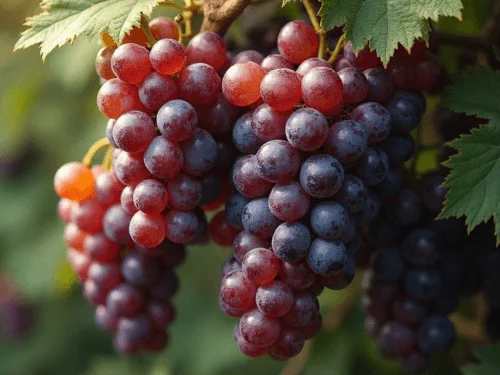
Most young vines need two to three years after planting before they set a full crop, though a few clusters may appear in year two. Patience pays off — established vines can keep producing for 40 years or more.
Do I need more than one vine to grow grapes?
No. Since most grape varieties are self-fertile, one plant is enough to produce fruit on its own. Planting a second variety nearby is optional and mainly helps with cross-pollination in a few less common types.
Can grape vines grow in containers?
Yes, though grape vines grow best planted directly in the ground, where the root system has room to spread. A large container works for a year or two, but expect to transplant once the vine outgrows the pot.
Why aren't my grapes ripening?
Grapes ripen slowly compared to many fruits, and cool weather, too much shade, or overcrowded canes can all delay the process. Give the vine full sun, thin the clusters, and be patient through the growing season.
What's the difference between table grapes and wine grapes?
Table grapes are bred for fresh eating, with thinner skins and fewer seeds, while wine grapes tend to have thicker skins, more seeds, and higher sugar content suited to fermentation.
Are grape vines toxic to pets?
Grapes and grape leaves are not toxic to people, but grapes and raisins are toxic to dogs and can cause kidney damage, so keep fallen fruit cleaned up if pets have access to the vineyard.
Bee Garden Q&A
What flowers attract the most bees to a garden?
Bees are generally drawn to flowers that are blue, purple, yellow, or white, and that offer easy access to nectar and pollen. Lavender, bee balm, sunflower, and coneflower are some of the most reliable plants that attract bees to a home garden.
Do I need to avoid pesticides in a bee-friendly garden?
Yes, whenever possible. Insecticide and pesticide products can harm adult bees and their larva, even in small amounts. Choosing natural pest control methods helps keep your garden safe for visiting bees.
Can a small home garden still support pollinators?
Absolutely. Even a few containers of zinnias, salvia, or crocus on a balcony can offer pollen and nectar for local bees. Bees will travel between small garden spaces, so every bit of habitat helps.
Do bees need more than just flowers?
Yes. Bees also need nesting sites and water. Ground-nesting bees need patches of bare soil, while a shallow bee bath gives bees a safe spot to drink, especially in hot weather.
Will planting a pollinator garden really help save the bees?
It genuinely can. As natural habitat shrinks, home gardens have become an important food source and shelter for bees, including many native bee species. A well-planned bee garden supports pollination for your own flowers and vegetables while helping the wider bee population.
What is the best USDA zone for growing a bee garden?
There is no single best zone. Most of the plants above grow well across USDA zones 4 through 9, and gardeners in colder or warmer zones can simply choose varieties suited to their climate, or grow warm-season bees favorites like sunflower and zinnia as annuals.
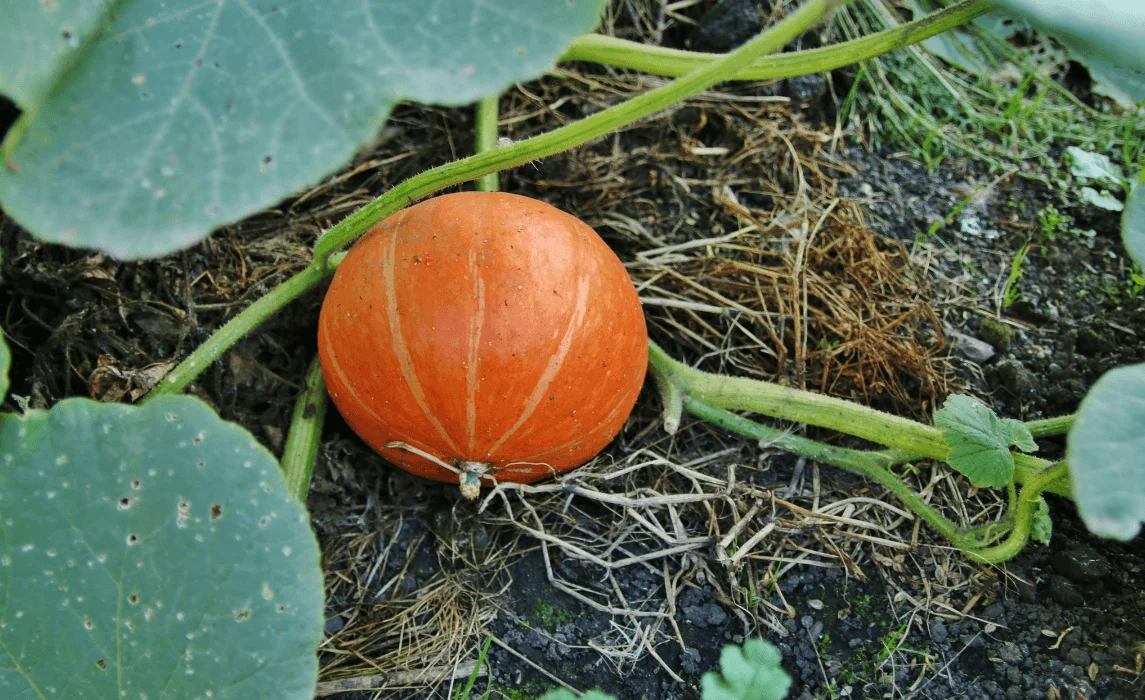
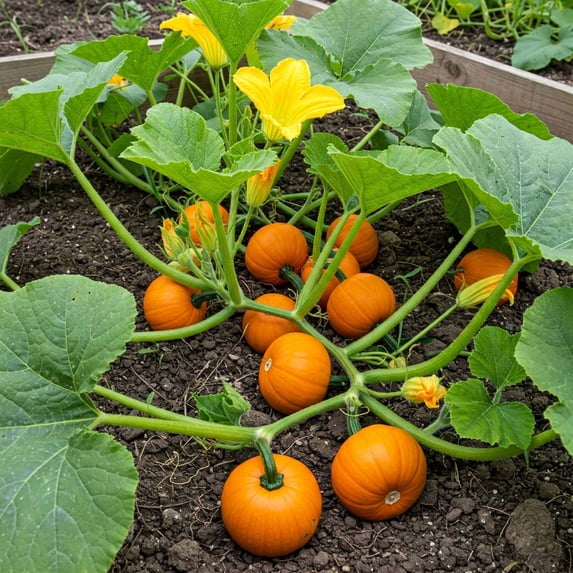
A pumpkin is a warm-season squash that grows on a long, sprawling vine and produces the round, orange fruit we love for carving, baking, and fall decorating. Pumpkins belong to the same family as cucumbers, melons, and zucchini, and they have been grown for thousands of years. Each pumpkin plant produces large leaves, bright yellow flowers, and fruits that can weigh anywhere from a few ounces to well over a thousand pounds.
If you want to grow pumpkins, you will be happy to learn that they are easy to grow when you give them sun, space, and steady water. A single seed can turn into a vigorous vine that fills a whole corner of your home garden by midsummer, and a small patch can feed a family and decorate a porch at the same time. Most varieties need a long growing season, so a little planning early on makes all the difference.
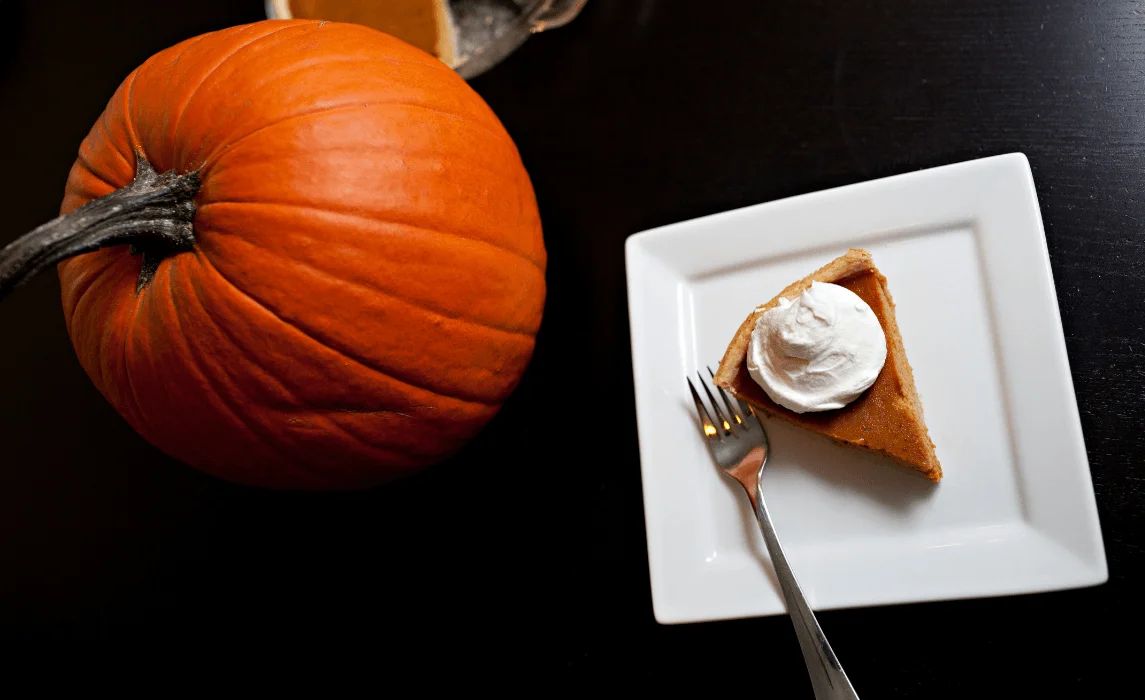
Beyond the jack-o'-lantern, a pumpkin is good for far more than carving. The flesh makes excellent pie, soup, bread, and roasted side dishes, and it is rich in fiber, vitamin A, and potassium. Pumpkin seeds are a crunchy, protein-rich snack, and the flowers are edible too. Pumpkins also store well, so a good harvest can last well into winter. Many gardeners even use extra fruits as animal feed or as natural fall decor.
Plant Name
Pumpkin (Cucurbita pepo, with C. maxima and C. moschata for some varieties)
Plant Type
Annual vining vegetable (a squash)
Size
Vines run 10–20 feet long; fruit ranges from under 1 pound to over 1,000 pounds
Soil Type
Fertile, well-drained loam rich in organic matter
Soil pH
6.0–6.8
Bloom Time
Early to midsummer, about 6–8 weeks after sowing
Hardiness Zones
3–9, grown as an annual
Native Area
Central America and Mexico
Toxicity Level
Non-toxic to people and generally safe for pets
Pumpkin Varieties and Types of Pumpkins
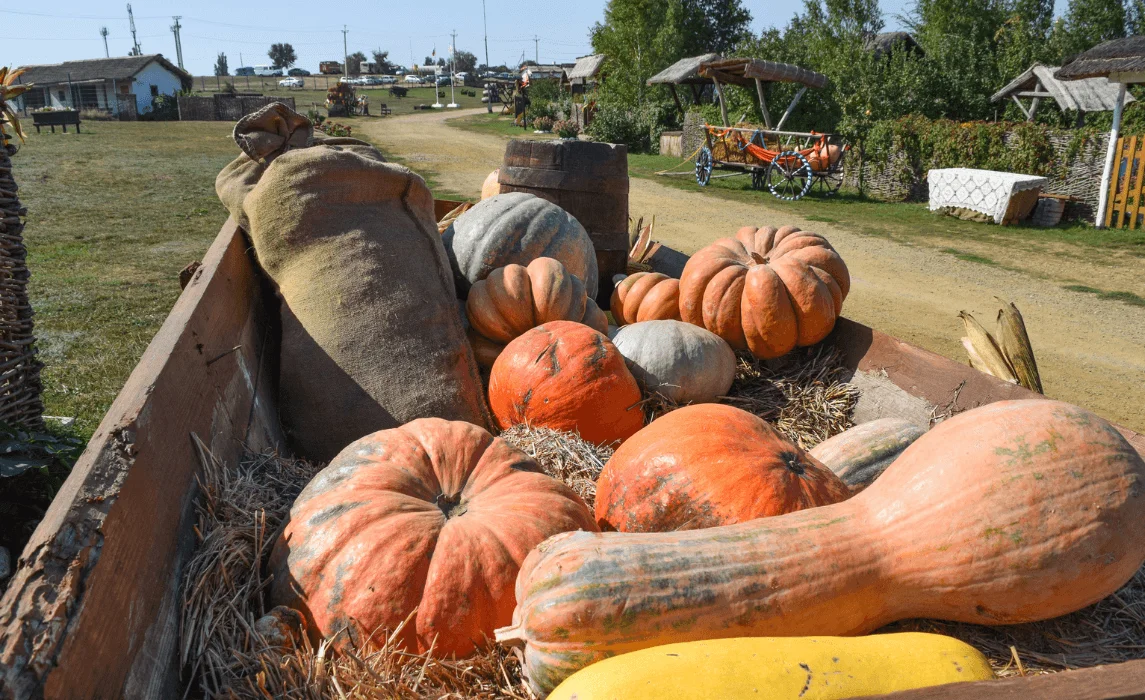
There are many types of pumpkins, so choose by purpose:
Carving Pumpkins
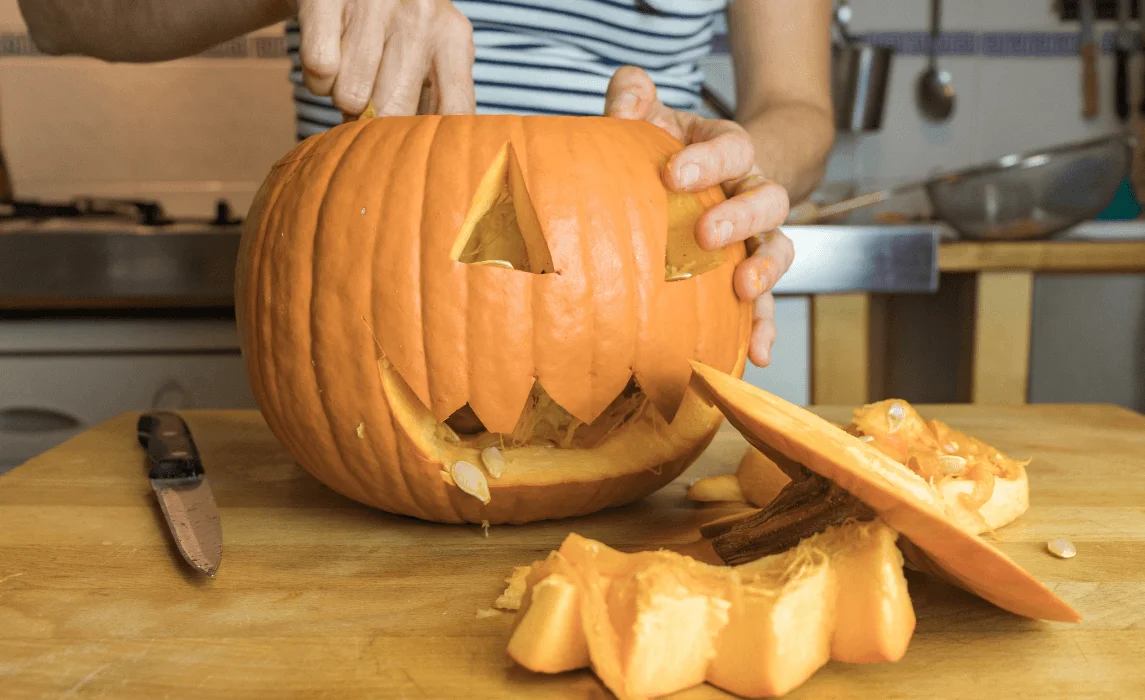
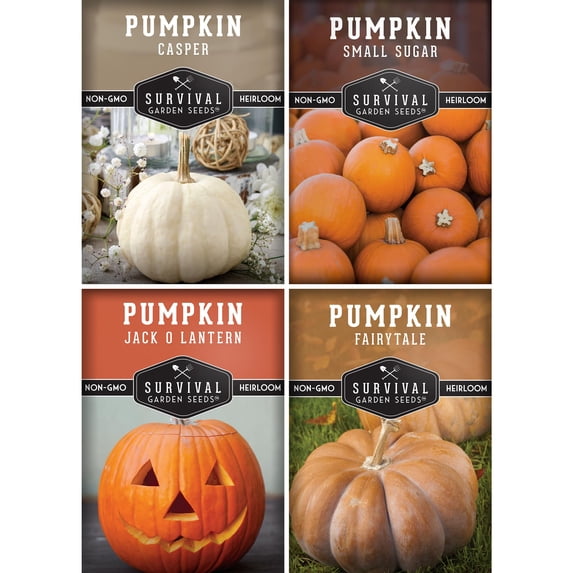
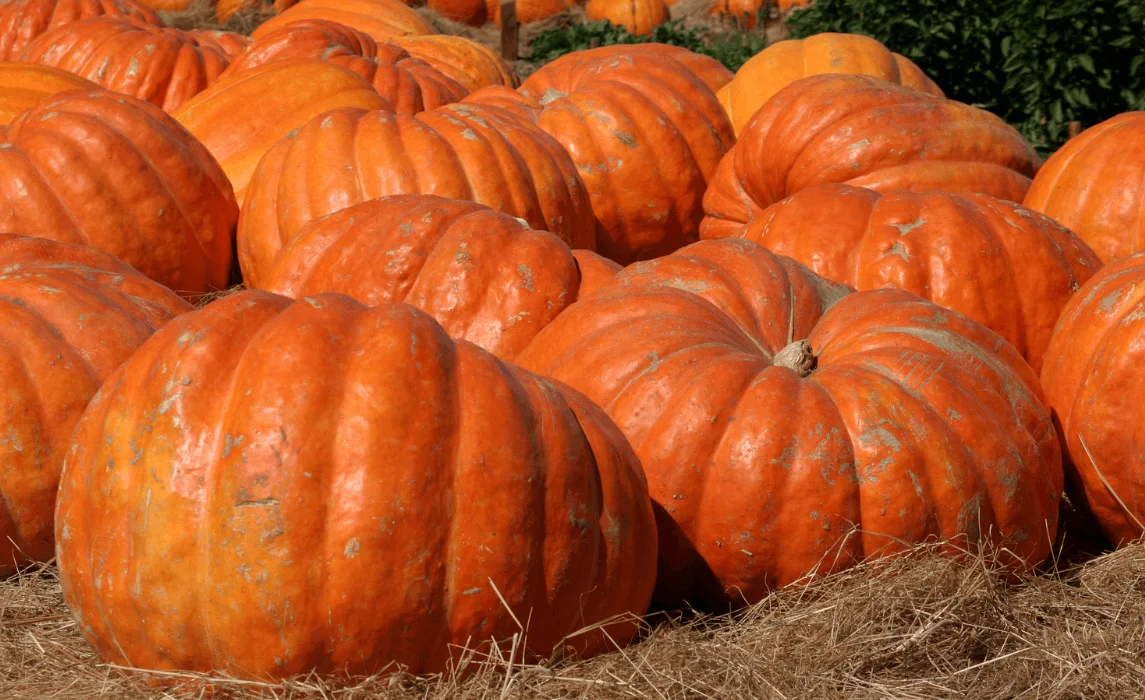
'Howden' and 'Jack O'Lantern' grow 15 to 25 pounds with sturdy stems, thin walls, and a classic round shape. They are easy to cut, hold up well on a porch, and are the top choice for Halloween.
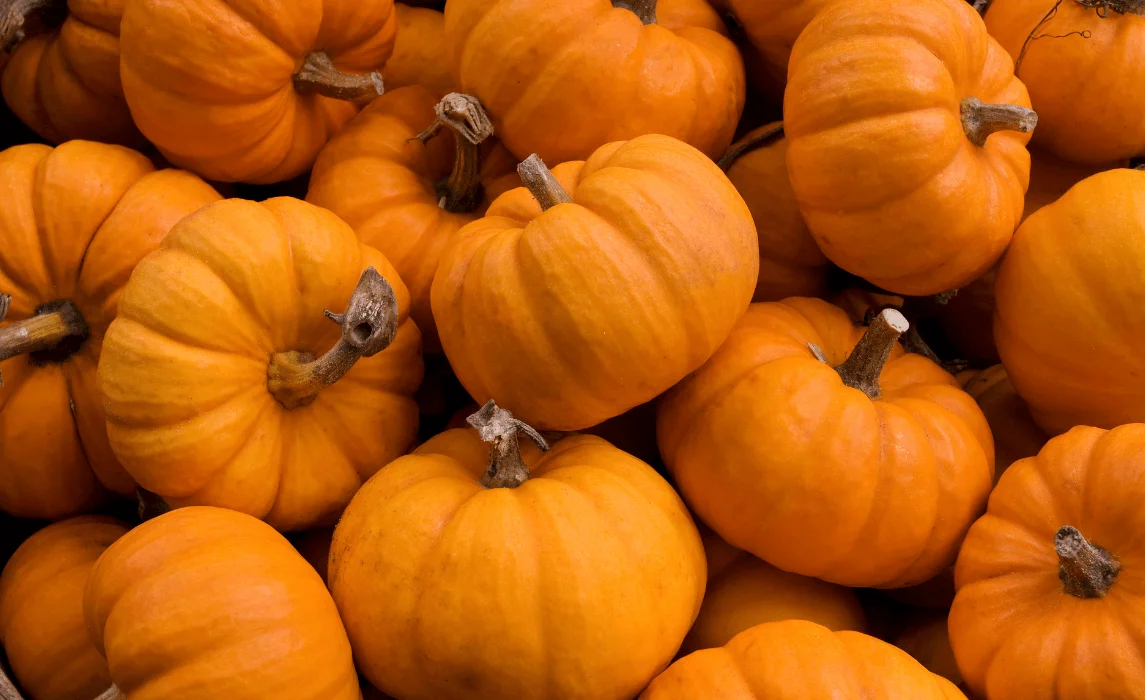
'Sugar Pie' and 'Small Sugar' stay around 6 to 8 pounds and have sweet, smooth, less stringy flesh. They are the best choice for pie, soup, and roasting.
'Jack Be Little' and 'Baby Boo' produce fruits of just a few ounces on compact vines. They are good for small spaces and trellis growing, and they make cute fall decor.
Mr. Fothergill's Pumpkin Small Oh Sow Simple Vegetable Seed
'Atlantic Giant' is the standard for growing giant pumpkins and can top 100 pounds even for beginners, with record fruits over 2,000 pounds. It needs plenty of room, feed, and water.
White and Specialty Pumpkins
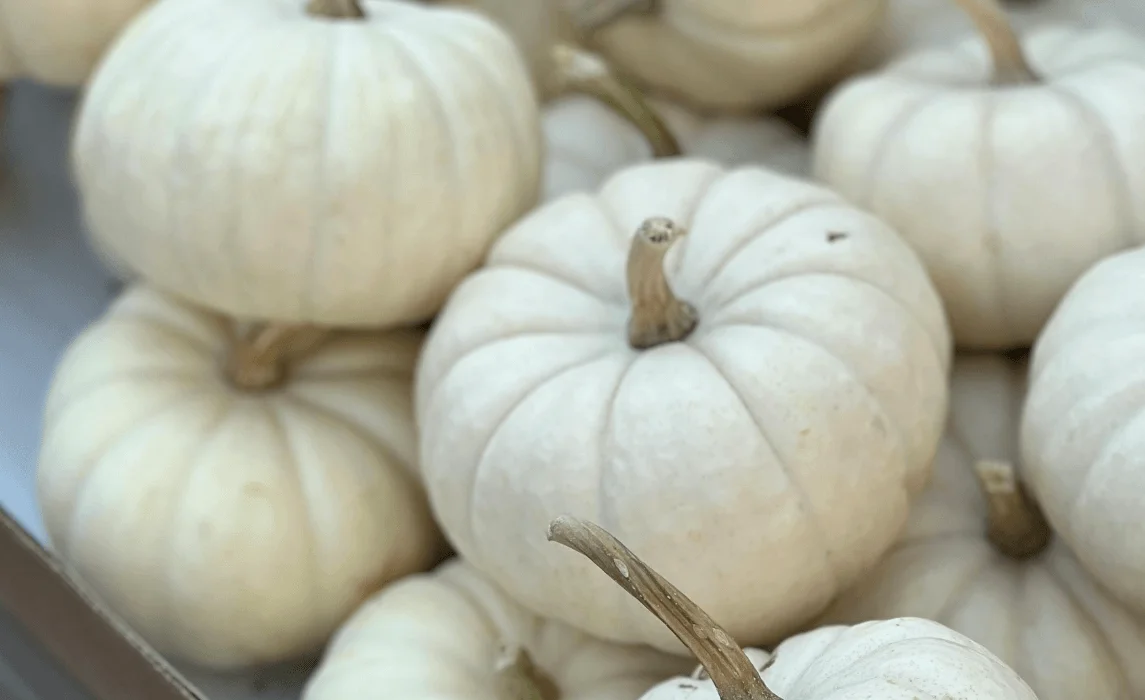
'Lumina' has ghostly white skin, and 'Cinderella' is a flat, deep orange fruit with sweet flesh. Both add color to a pumpkin patch.
If you have limited space, pick a bush or miniature pumpkin variety. If you want to grow big, choose a giant pumpkin and prepare to give it a lot of room.
Pumpkins hate cold, so plant pumpkins only after the danger of frost has passed and the soil has warmed to at least 70°F. In most areas, that means late May or early June. Count backward from your first frost: most varieties need 90 to 120 days to mature, so a pumpkin sown in early summer will be ready to harvest in fall. For Halloween pumpkins, sow in late May or June depending on your climate.
Pumpkins are best sown outdoors directly in the garden. If your growing season is short, you can start seeds indoors 2 to 4 weeks before transplanting. Use biodegradable pots, because pumpkin roots dislike disturbance, and harden seedlings off for a week before moving them outside.
Choose a spot with full sun and plenty of room. A pumpkin plant takes over space fast, so plan on a sunny corner of the home garden, the edge of a lawn, or a dedicated pumpkin patch. Raised beds work well for compact varieties, and you can train miniature vines up a trellis to save ground space.
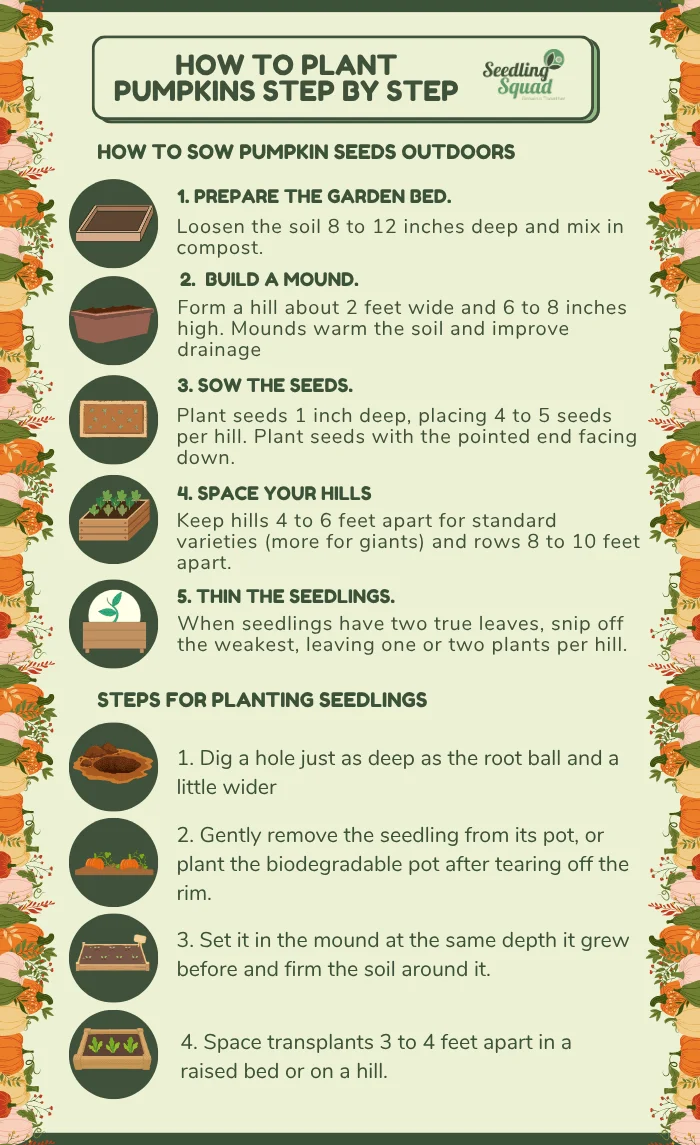
How to Plant Pumpkins Step by Step
How to Sow Pumpkin Seeds Outdoors
Prepare the garden bed. Loosen the soil 8 to 12 inches deep and mix in compost.
Build a mound. Form a hill about 2 feet wide and 6 to 8 inches high. Mounds warm the soil and improve drainage.
Sow the seeds. Plant seeds 1 inch deep, placing 4 to 5 seeds per hill. Plant seeds with the pointed end facing down.
Space your hills. Keep hills 4 to 6 feet apart for standard varieties (more for giants) and rows 8 to 10 feet apart.
Thin the seedlings. When seedlings have two true leaves, snip off the weakest, leaving one or two plants per hill.
Seeds usually germinate in 5 to 10 days when the soil is warm.
Steps for Planting Seedlings
Dig a hole just as deep as the root ball and a little wider.
Gently remove the seedling from its pot, or plant the biodegradable pot after tearing off the rim.
Set it in the mound at the same depth it grew before and firm the soil around it.
Space transplants 3 to 4 feet apart in a raised bed or on a hill.
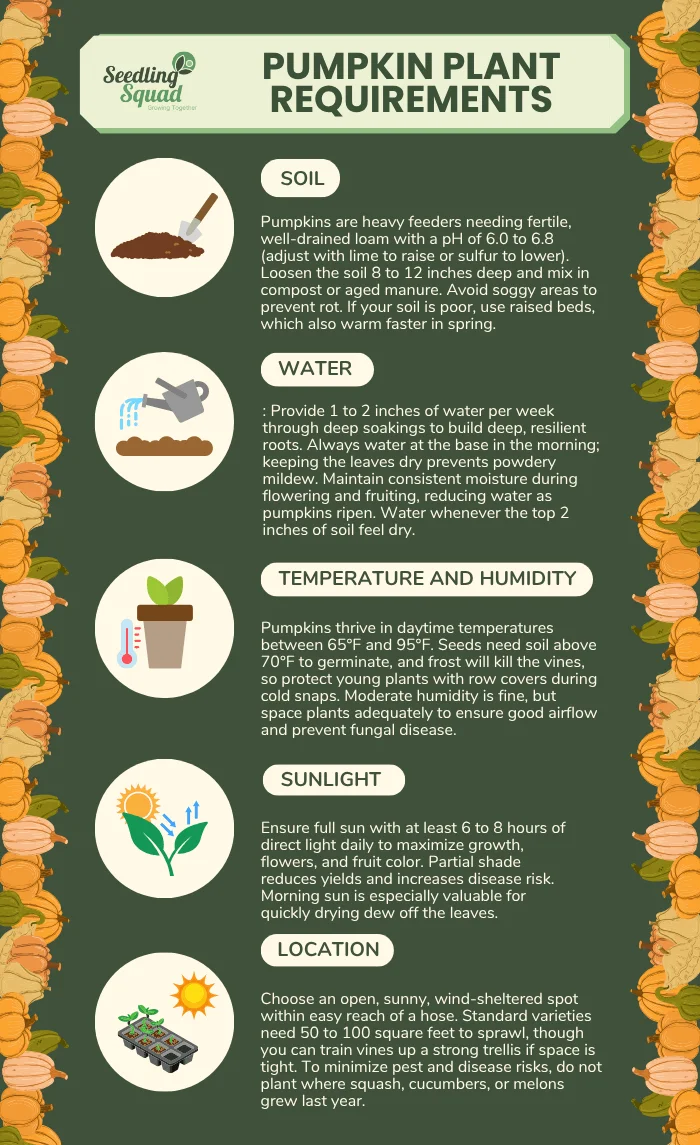
Pumpkin Plant Requirements
Soil
A pumpkin plant is a heavy feeder, so good soil matters. Aim for fertile, well-drained loam rich in organic matter, with a pH between 6.0 and 6.8. A home test kit will show your pH, and you can raise it with garden lime or lower it with sulfur.
Before planting, loosen the soil 8 to 12 inches deep and mix in 2 to 4 inches of compost or well-rotted manure. Avoid spots where water pools, since soggy ground invites rot. If your native soil is poor, a raised bed filled with topsoil and compost is an easy fix, and it warms faster in spring.
Water
Pumpkins are thirsty plants with large leaves that lose a lot of moisture on hot days. Give them 1 to 2 inches of water per week, preferably in one or two deep soakings so roots grow down and the plant handles dry spells better.
Water at the base in the morning and keep the leaves dry, since wet foliage encourages powdery mildew. Be most consistent during flowering and fruit sizing, then ease off as pumpkins ripen. If the top 2 inches of soil are dry, it is time to water.
Temperature and Humidity
Pumpkins thrive in warm weather, with ideal daytime temperatures between 65°F and 95°F. Seeds germinate poorly in soil below 70°F, growth slows below 60°F, and frost kills the vine. Protect young plants with row covers if a late cold snap threatens.
Moderate humidity is fine, but warm, damp air with little airflow invites fungal problems. Space plants well so air can move through the patch.
Sunlight
Pumpkins need full sun, at least 6 to 8 hours of direct light daily. Strong light fuels vine growth, encourages flowers, and helps fruits ripen with deep color. Plants in partial shade produce fewer pumpkins and get more disease. Morning sun is especially helpful because it dries dew off the leaves early.
Location
Choose an open, sunny site sheltered from strong winds. A pumpkin plant sprawls, so allow 50 to 100 square feet per plant for standard varieties and far more for giants. If space is tight, plant along a fence or beside a trellis where vines can wander or climb.
Avoid spots where squash, cucumbers, or melons grew last year, since pests and diseases can linger in the soil. Keep the site within easy reach of a hose, because you will be watering regularly all season.
How to Grow Squash in Containers: A Complete Guide to Growing Squash in Your Garden
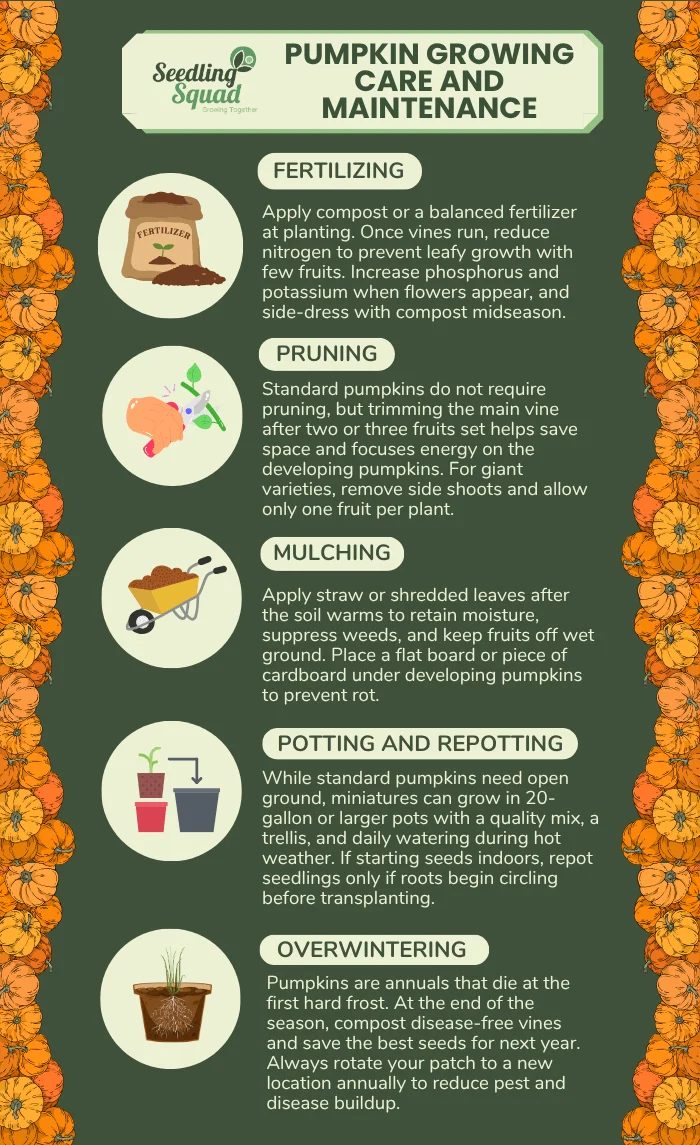
Feed lightly at planting with compost or a balanced fertilizer. Once the vines begin to run, switch to a fertilizer that is not too high in nitrogen, since too much nitrogen creates leafy growth but few fruits. Add a bit more phosphorus and potassium when flowers appear, and side-dress with compost midseason.
Pruning
You do not need to prune a standard pumpkin plant, but trimming helps in tight spaces. Cut the main vine back after the plant has set two or three fruits, to focus the plant's energy on those pumpkins. If you are growing giant pumpkins, prune off side shoots and leave only one fruit per plant.
Mulching
Spread a layer of mulch such as straw or shredded leaves around plants once the soil has warmed. Mulch holds moisture, helps keep weeds down, and keeps fruits off wet soil. Slide a flat board or cardboard under each developing fruit to prevent rot.
Potting and Repotting
Standard pumpkins are not container plants, but miniature pumpkins can grow in a large pot of at least 20 gallons. Use quality potting mix, add a trellis for the vine, and water daily in hot weather. If you start seeds in small pots indoors, move seedlings to larger containers before transplanting only if the roots start to circle.
Overwintering
The pumpkin plant is an annual and dies with the first hard frost, so it does not overwinter. At the end of the season, clear the vines and add them to the compost pile if they are disease-free. Save the best pumpkin seeds to dry for next year's crop, and rotate your pumpkin patch to a new spot the following year to reduce pest and disease buildup.
Pumpkin Problems
Common Pests
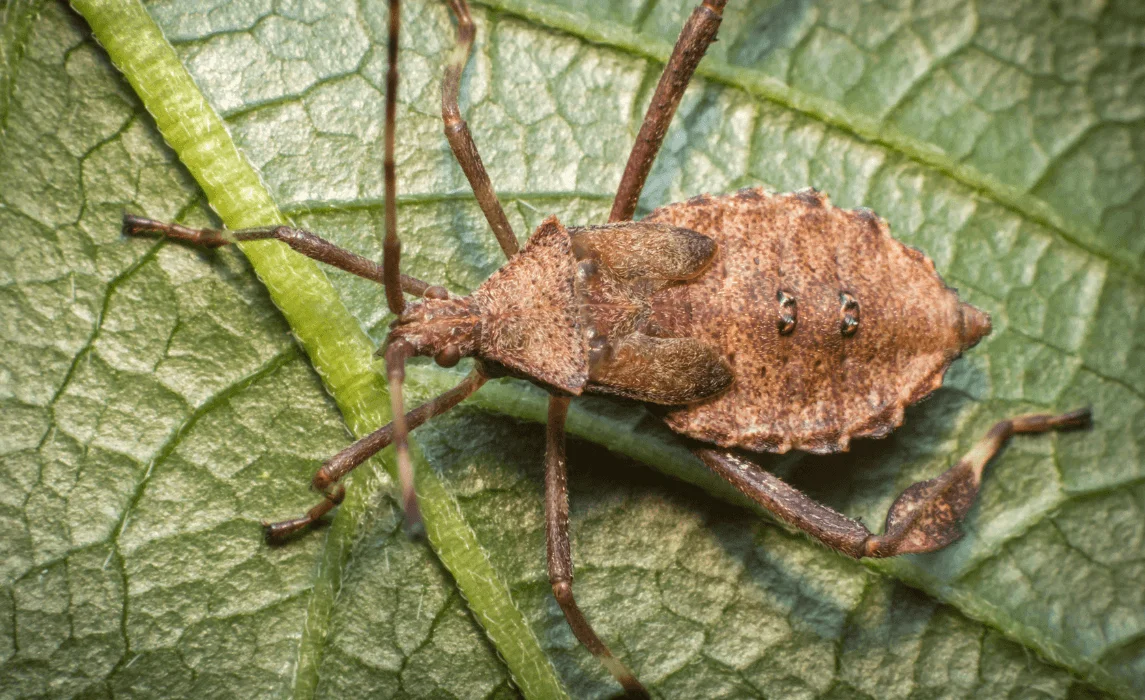
Squash bugs
Gray-brown bugs that suck sap and wilt leaves. Hand-pick them, crush egg clusters on leaf undersides, and trap them under boards.
Cucumber beetles
Striped or spotted beetles that chew leaves and spread bacterial wilt. Use row covers early in the season and remove covers when flowers open.
Squash vine borers
Larvae that tunnel into the base of the plant and cause sudden wilting. Wrap stems with foil or mound soil over stem nodes, and check for sawdust-like frass.
Aphids
Small insects that cluster on new growth. Knock them off with water or use insecticidal soap.
Each pest problem is best managed by prevention: rotate crops, keep the garden clean, and inspect plants weekly.
Common Diseases
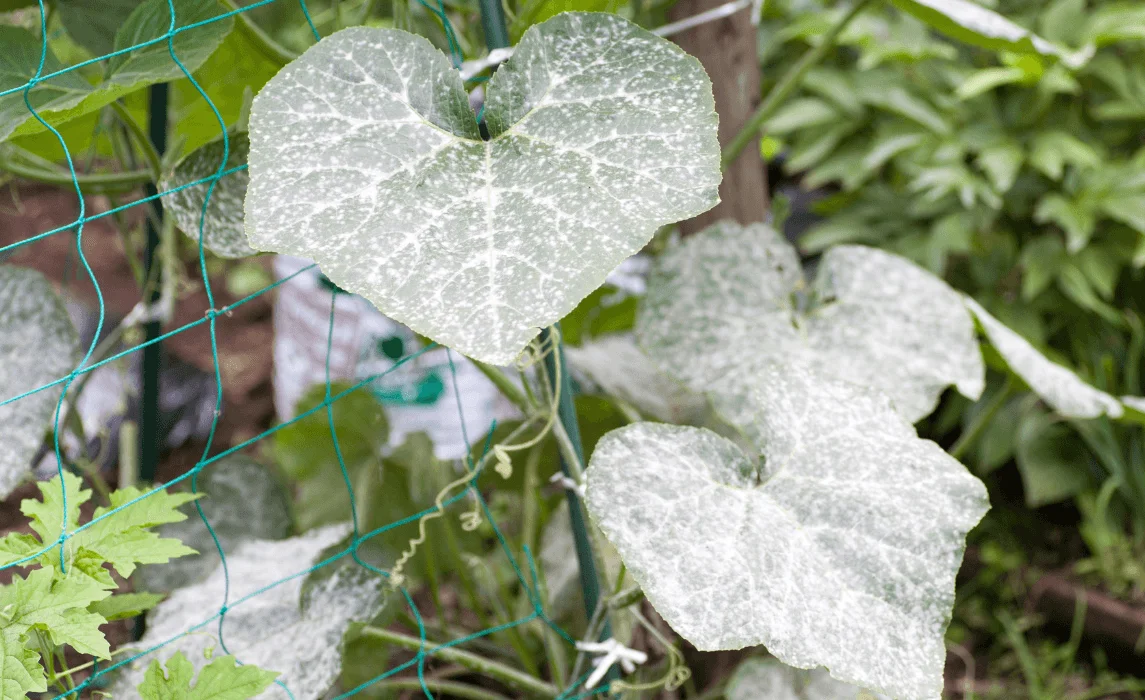
Powdery mildew
A white, powdery coating on leaves. Prevent it by spacing plants, watering at the base, and choosing resistant varieties. Treat with a baking soda spray, neem oil, or a sulfur fungicide, and remove badly infected leaves.
Downy mildew
Yellow spots on top of leaves with gray fuzz underneath. Improve airflow and remove infected foliage.
Blossom end rot
A dark, sunken patch on the fruit end caused by uneven watering and low calcium. Water consistently and mulch.
Fruit rot
Caused by wet soil and contact with the ground. Raise fruits off the soil with a board or straw.
When your pumpkin has problems, act fast: remove sick leaves, adjust watering, and treat early.
Harvest Pumpkins at the Right Time
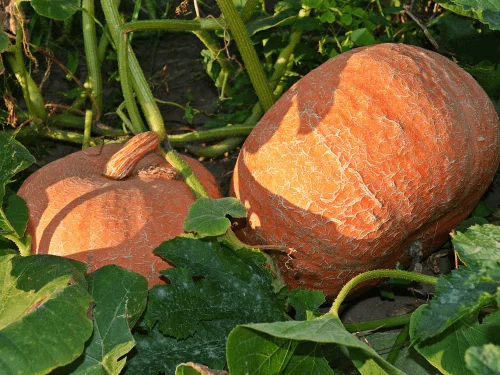
Most pumpkins are ready to harvest 90 to 120 days after sowing. Look for these signs that the pumpkin has ripened enough: the rind is hard and cannot be dented with a fingernail, the color is deep and even, the stem is dry, woody, and starting to crack, and the vine is dying back.
Always harvest before the first frost, which can damage the rind and shorten storage life. Use a sharp knife or pruners to cut pumpkins from the vine, leaving 3 to 4 inches of stem attached, since a pumpkin without its stem rots faster. Never carry a pumpkin by the stem, and handle cut pumpkins gently to avoid bruises.
After harvest, cure the pumpkins in a warm, sunny spot for about 10 days to harden the rind. Then store them in a cool, dry place around 50 to 55°F. Properly cured pumpkins can last two to three months or longer, so use any damaged pumpkins first for pie or soup.
Frequently Asked Questions:
Can I grow pumpkins in a small home garden?
Yes. Choose bush or miniature varieties, grow vines on a trellis, or use raised beds. Plan on one or two plants per hill and prune vines when space is tight.
When should I plant pumpkins for Halloween?
Plant seeds in late May or early June in most climates. Count back from your first frost date and allow for 90 to 120 days of growth.
Why does my pumpkin plant have flowers but no fruit?
Male flowers appear first, so early flowers will not set fruit. If female flowers open but fail to fruit, you probably have too few bees. Pollinate by hand in the morning.
What causes pumpkin leaves to turn white?
This is usually powdery mildew. Improve airflow, water at the base, remove infected leaves, and apply a fungicide or neem oil.
Can I eat the pumpkin I grew for carving?
Yes, though carving types are stringy and bland. Pie pumpkins are sweeter, but the seeds from any pumpkin can be roasted.
Related posts
Here are some articles you might be interested in.