How a Pollinator Helps with Self and Cross Pollination
Published on
August 21, 2026
Author
Ryan Johnson
Ryan Johnson relocated to his grandfather's old farm when he was 22 years old where he discovered the joys of farming and gardening. With his cool demeanor and strong-willed passion for the agrarian lifestyle, he now shares his know-how to aspiring gardeners.
Growing Grapevines Q&A
How long does it take for a grape plant to produce fruit?
Most young vines need two to three years after planting before they set a full crop, though a few clusters may appear in year two. Patience pays off — established vines can keep producing for 40 years or more.
Do I need more than one vine to grow grapes?
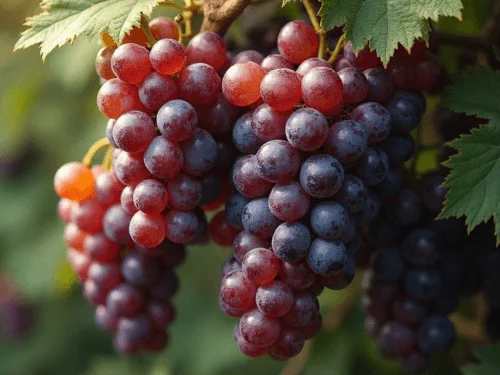
No. Since most grape varieties are self-fertile, one plant is enough to produce fruit on its own. Planting a second variety nearby is optional and mainly helps with cross-pollination in a few less common types.
Can grape vines grow in containers?
Yes, though grape vines grow best planted directly in the ground, where the root system has room to spread. A large container works for a year or two, but expect to transplant once the vine outgrows the pot.
Why aren't my grapes ripening?
Grapes ripen slowly compared to many fruits, and cool weather, too much shade, or overcrowded canes can all delay the process. Give the vine full sun, thin the clusters, and be patient through the growing season.
What's the difference between table grapes and wine grapes?
Table grapes are bred for fresh eating, with thinner skins and fewer seeds, while wine grapes tend to have thicker skins, more seeds, and higher sugar content suited to fermentation.
Are grape vines toxic to pets?
Grapes and grape leaves are not toxic to people, but grapes and raisins are toxic to dogs and can cause kidney damage, so keep fallen fruit cleaned up if pets have access to the vineyard.
Bee Garden Q&A
What flowers attract the most bees to a garden?
Bees are generally drawn to flowers that are blue, purple, yellow, or white, and that offer easy access to nectar and pollen. Lavender, bee balm, sunflower, and coneflower are some of the most reliable plants that attract bees to a home garden.
Do I need to avoid pesticides in a bee-friendly garden?
Yes, whenever possible. Insecticide and pesticide products can harm adult bees and their larva, even in small amounts. Choosing natural pest control methods helps keep your garden safe for visiting bees.
Can a small home garden still support pollinators?
Absolutely. Even a few containers of zinnias, salvia, or crocus on a balcony can offer pollen and nectar for local bees. Bees will travel between small garden spaces, so every bit of habitat helps.
Do bees need more than just flowers?
Yes. Bees also need nesting sites and water. Ground-nesting bees need patches of bare soil, while a shallow bee bath gives bees a safe spot to drink, especially in hot weather.
Will planting a pollinator garden really help save the bees?
It genuinely can. As natural habitat shrinks, home gardens have become an important food source and shelter for bees, including many native bee species. A well-planned bee garden supports pollination for your own flowers and vegetables while helping the wider bee population.
What is the best USDA zone for growing a bee garden?
There is no single best zone. Most of the plants above grow well across USDA zones 4 through 9, and gardeners in colder or warmer zones can simply choose varieties suited to their climate, or grow warm-season bees favorites like sunflower and zinnia as annuals.
Hypoallergenic Plants Q&A
Do houseplants cause allergies?
Yes, certain indoor plants can trigger a plant allergy through loose pollen, scented flowers, sap, dust, or damp soil. Allergies and houseplants are highly individual: one person may sneeze near peace lilies while another has no response. Overwatering lets mold produce a spore that may become airborne. If symptoms begin after adding plants in your home, isolate each pot, clean the area, and discuss persistent allergy symptoms with a qualified clinician.
Which plants to avoid?
Plants to avoid include strongly fragrant flowers, visibly dusty specimens, and wind-pollinated garden plants brought inside while shedding. Male palms can release pollen if they flower, and wet potting mix can make allergies worse. The best and worst choices depend on the person, so remove any plant that appears to cause pollen allergy symptoms or contact irritation.
Can indoor plants purify air?
Claims about indoor plants that purify come largely from controlled chambers. Although some air-purifying plants can take up chemicals, ordinary air purifying plants are not fast enough to replace ventilation or air cleaners in a real room. Plants can improve air quality mainly by supporting comfort and encouraging care for the space; they should not be presented as houseplants for clean air that reliably remove formaldehyde. To improve indoor air quality, control sources, ventilate safely, and use proven filtration.
How does the ogren scale work?
The Ogren Plant Allergy Scale system, also called OPALS, rates a plant's potential allergenicity from 1 to 10. It considers pollen, fragrance, and contact reactions, but the likelihood a plant will cause a reaction still depends on the individual and exposure. A high score does not prove a particular plant will cause pollen allergy, and a low score is not a medical guarantee.
Can plants help you breathe?
Allergy-friendly plants may make an indoor space calmer, but they do not treat disease or guarantee allergy relief. For people with allergies, clean leaves, dry saucers, fresh potting mix, and steady air circulation matter more than labels such as hypoallergenic plants. These indoor plants that are allergy-safe can help you breathe easier only by limiting likely triggers; they cannot help you breathe during an asthma attack.
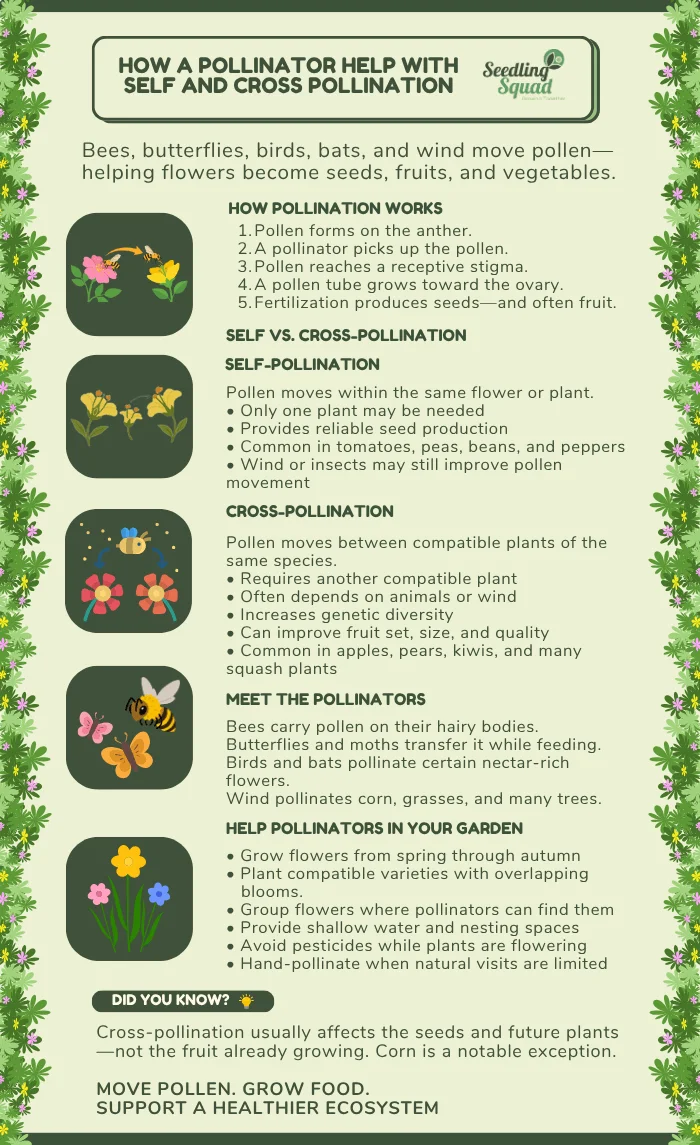
Pollination is the biological process that allows seed-producing plants to reproduce. It begins when pollen grains made in a male structure reach a receptive female structure. In a typical flower, the stamen bears an anther that releases pollen, while the pistil includes the stigma, style, and ovary. Successful pollen transfer can lead to fertilization, seed formation, and the development of the fruits and vegetables people harvest. Without it, an apple tree may bloom beautifully yet set little fruit, and a squash vine may produce flowers that simply fade away.
Cross-pollination is one of the most important forms of this process. It mixes genetic material from different individuals of the same species and is essential or beneficial for many plants. In a garden, cross-pollination can mean the difference between a sparse crop and baskets of well-shaped produce. It also connects the garden to a wider ecosystem: every bee, butterfly, bird, bat, and other pollinator that visits for nectar may carry pollen from plant to plant.
What Is Cross-Pollination?
Cross-pollination is the transfer of pollen from the flower of one plant to the flower of a different plant of the same species. More precisely, pollen travels from an anther on one plant to the stigma of another compatible plant. Gardeners also use the verb cross-pollinate, as in: bees cross-pollinate two apple cultivars when they move viable pollen between their blossoms. This movement from one plant to another is also called an outcross, and the broader breeding pattern is known as outbreeding.
Self-pollination works differently. Pollen may reach the stigma of the same flower, or it may move to another flower on the same plant. If compatible gametes then unite, self-fertilization follows. A self-pollinating plant can therefore set seed with only one plant present. This reliability is useful, but repeated selfing usually creates less genetic variability than mating between unrelated plants.
Some species require cross-pollination because their biology blocks or reduces selfing. With self-incompatibility, a plant recognizes and rejects its own pollen. Other plants have developed physical or timing mechanisms that prevent self-pollination. Heterostyly places the anther and stigma at different heights in different floral forms, as in many primrose species. Dichogamy separates their timing: in protandry, pollen is released before the stigma is receptive; in protogyny, the stigma is ready first. A protandrous flower and a protogynous flower both make self-pollination less likely.
How Cross-Pollination Works
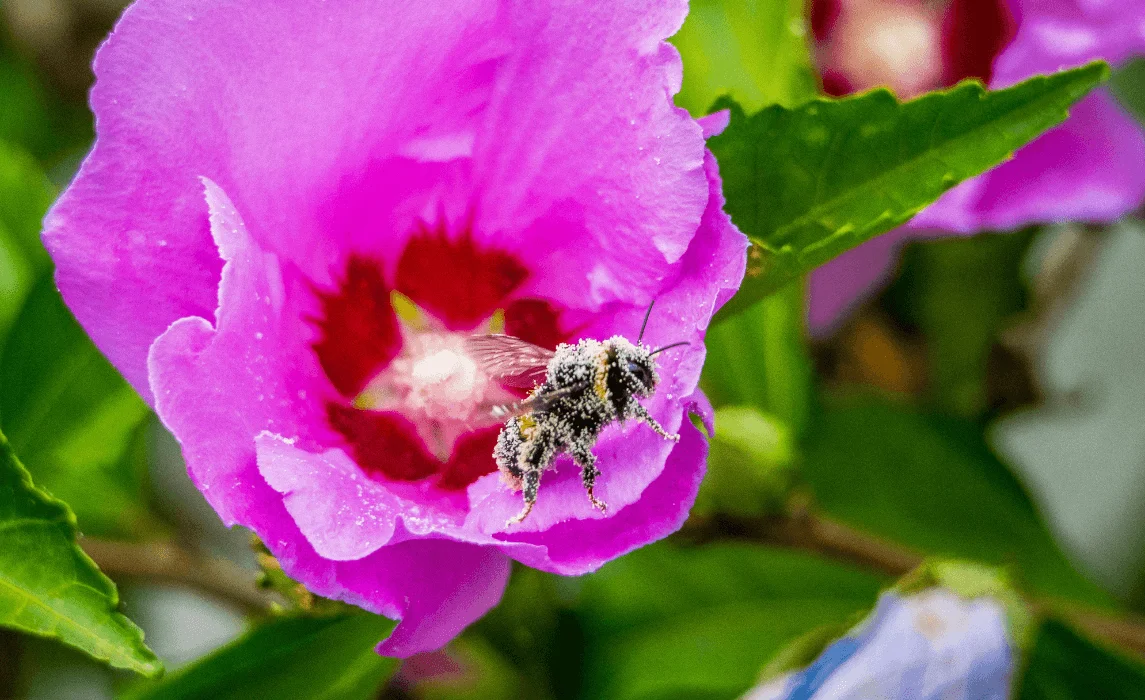
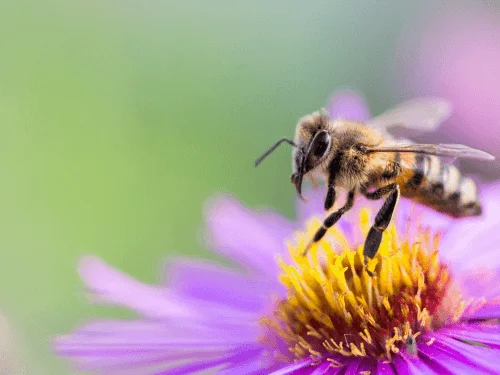
The process starts when a vector picks up or releases pollen. A bee brushes against stamens and pistils while collecting nectar, and grains cling to the hairs on its body. At the next compatible bloom, some grains touch the sticky stigma. Butterflies and moths can do the same, while hummingbirds and nectar-feeding bats pollinate certain plants as they feed. Wind performs vast amounts of pollen transfer in grasses, trees, and crops such as corn. Even gymnosperms, which produce cones rather than true flowers, commonly use wind to carry pollen.
After a compatible pollen grain lands, it germinates. A pollen tube grows down through the style toward an ovule in the ovary. Male genetic material moves through that tube, fertilization occurs, and the ovule can become a seed. In flowering plants, the ovary or nearby tissues often enlarge into fruit. The basic sequence is therefore anther, stigma, pollen tube, fertilization, seed, and fruit development. Not every visit succeeds: the pollen must be viable, the flower receptive, and the plants genetically compatible.
A gardener can substitute for an animal pollinator through hand pollination. The simplest method is to use a small brush or cotton swab to collect pollen from a newly opened male flower, then dab it onto the stigma of another female flower. Squash growers often remove the petals from a staminate flower and gently touch its anther to the pistillate flower. Hand work is especially helpful indoors, under row covers, during cold wet weather, or wherever few insects are active.
How Plants Prevent Self-Pollination
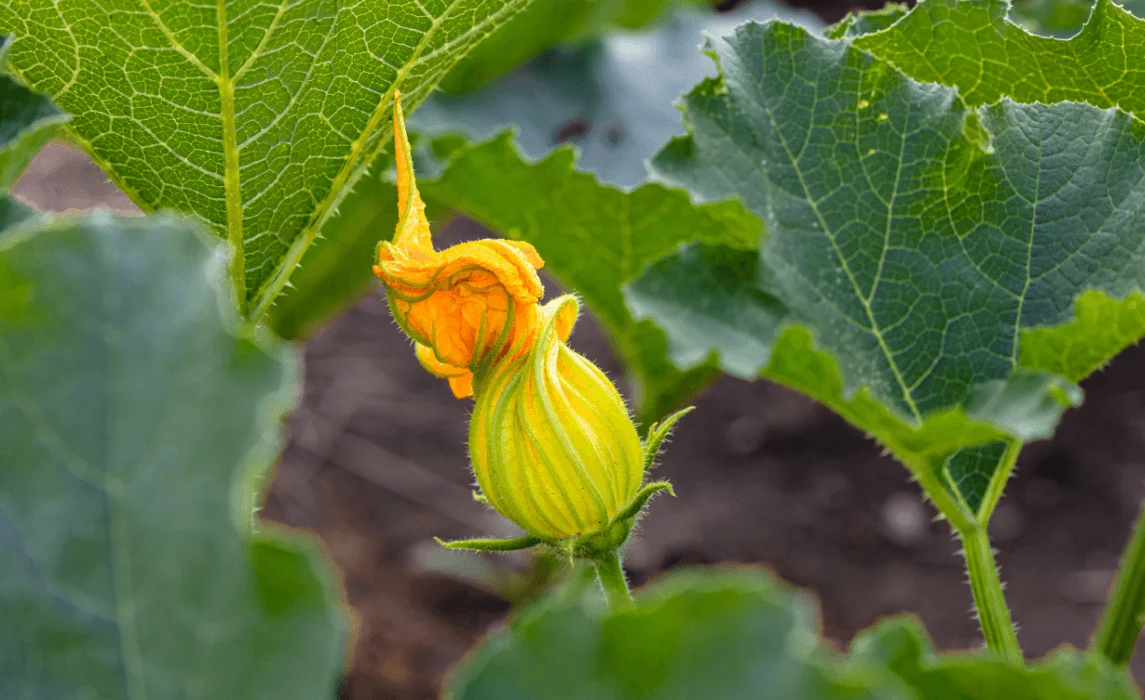
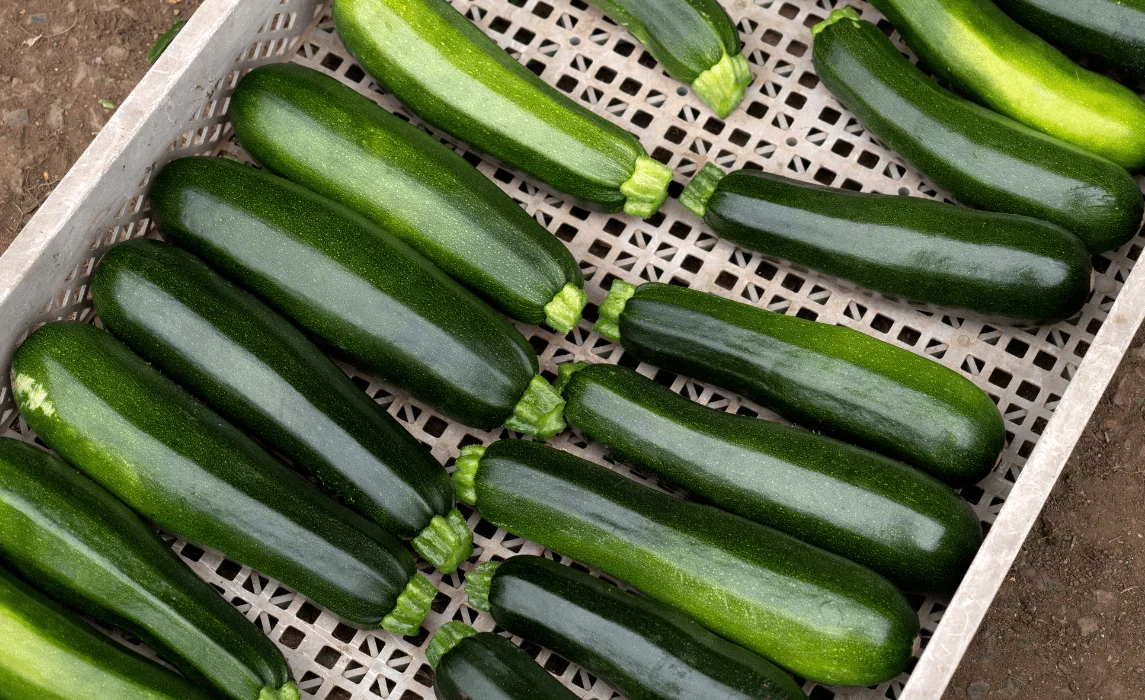
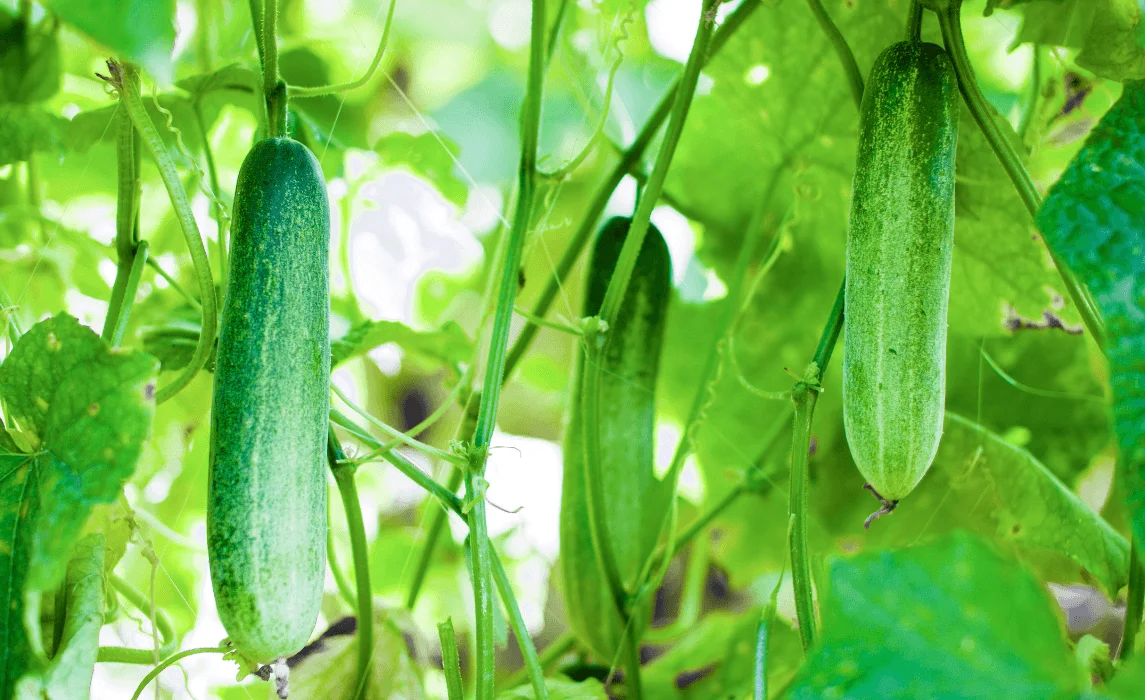
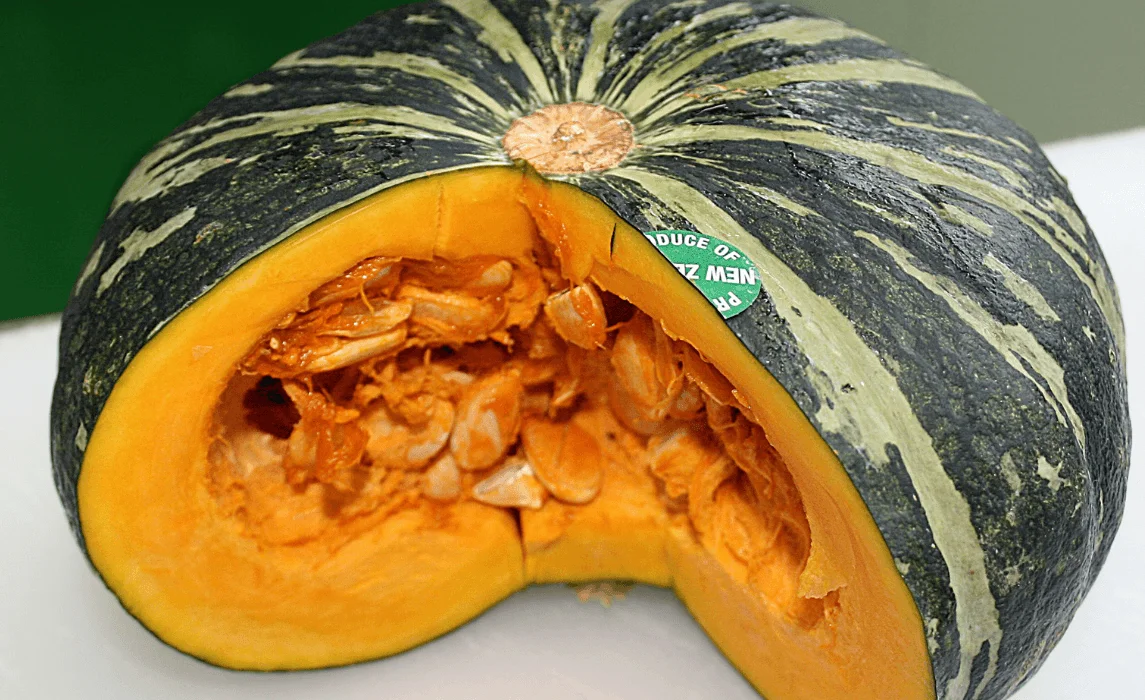
Plant sexual systems also shape the route pollen must take. Monoecious plants carry separate male and female flowers on one individual. Cucumbers, squash, pumpkins, and many melons are familiar examples: the staminate flowers supply pollen, while pistillate flowers contain ovaries that can become fruit. Because both occur on one plant, an insect can pollinate a flower on the same plant, although movement between two plants often increases pollen delivery and diversity.
Dioecious species go further by producing separate male and female plants. A female kiwi or holly shrub cannot receive suitable pollen unless a male plant grows close enough for wind or an animal to bridge the gap. This arrangement strongly encourages cross-pollination. Together with self-incompatibility, heterostyly, protandry, and protogyny, these systems show how many flowering plants limit mating within a single flower and promote survival of the species through wider gene exchange.
The most immediate benefit is better fruit and seed production. A flower that receives abundant compatible pollen is more likely to fertilize all or most of its ovules. That matters in crops such as cucumber and zucchini, where incomplete pollination can produce misshapen fruit, and in apples, where good seed set helps support normal fruit development. More successful flowers mean a larger harvest, while thorough pollination often improves uniformity, size, and market quality.
Crossing unrelated individuals also creates genetic diversity. Their progeny receive new combinations of genes rather than the narrower combinations often resulting from self-pollination. At the population level, this genetic variability gives natural selection more material to work with. Some seedlings may tolerate heat, drought, cold, pests, or diseases better than others. Cross-pollination does not guarantee that every seedling will be stronger, but over generations it can reduce inbreeding and improve a population's ability to respond to environmental stress.
The ecological benefits extend beyond the crop. Diverse flowers that attract pollinators provide nectar and pollen across the season. Their visitors support wild plants as well as vegetables and fruit trees, while the plants shelter other beneficial insects and birds. A garden designed around pollination is therefore more than a production system; it is a living network with greater resilience.
Cross-Pollination vs. Self-Pollination
Compared to self-pollination, cross-pollination needs an additional plant and usually a carrier. The pollen donor and recipient must bloom at overlapping times, be close enough for effective movement, and be compatible. The reward is greater mixing of genes. Self-pollination occurs within one flower or one plant, so it is more dependable when pollinators are scarce and it preserves the traits of a stable line. Its tradeoff is lower genetic diversity, especially after many generations of selfing.
Common self-pollinating vegetables include tomatoes, peppers, peas, beans, and lettuce. Wheat and barley are also largely self-pollinated, and many peach cultivars are self-fruitful. These plants may still benefit when wind or a bee vibrates or moves the flower, but they usually do not need a second cultivar to make a crop.
By contrast, many apples and pears need compatible partners. Sweet cherries vary by cultivar, blueberries often crop better with another variety, and kiwis typically need male and female plants. Corn is monoecious but relies on wind to move pollen from tassels to silks; group planting is much more effective than a single row. These examples of plants show why the label alone is not enough: gardeners should check the needs of the particular species and cultivar they intend to grow.
Feature
Cross-pollination
Self-pollination
Pollen route
Between different compatible plants
Within one flower or one plant
Main advantage
Genetic mixing and adaptable progeny
Reliable seed set when partners are scarce
Typical examples
Apples, pears, kiwis, many cucurbits
Tomatoes, peas, beans, barley, many peaches
Quick comparison: the appropriate strategy depends on the species and cultivar.
Common Garden Plants That Need Cross-Pollination
Cucumbers, squash, pumpkins, and melons bear male and female flowers and depend heavily on insect activity. A bee may need to visit a single female bloom several times to deposit enough pollen grains for full seed set. If visits are limited, the young fruit may yellow, abort, or grow unevenly. Planting several plants together, maintaining floral resources nearby, and hand-pollinating when necessary can directly raise harvest size and quality.
Apples are a classic cross-pollinated crop. Most cultivars need pollen from a genetically different, compatible apple or crabapple that flowers at the same time. One variety repeated several times may not be enough because the trees can share the same incompatibility profile. A crabapple or second apple tree can act as the pollen source, provided bloom periods overlap. Pears work similarly, although compatible pairings and flowering dates must be checked.
Wind-pollinated corn also rewards density. Pollen falls from tassels onto silks, and every silk leads to one potential kernel. Poor pollen transfer leaves gaps on ears of corn, so short blocks of multiple rows perform better than one long row. Gardeners growing multiple varieties should separate flowering times or distance if they want to prevent cross-pollination, because incoming pollen can affect kernel characteristics.
Fruit crops vary. Many peaches are self-fertile, but apples and pears commonly require cross-pollination. Some plums and cherries need a partner; others do not. Blueberry cultivars may be capable of setting fruit alone yet produce larger or earlier berries when two compatible cultivars exchange pollen. Always read cultivar-specific guidance rather than assuming that every member of a fruit group behaves identically.
How to Encourage Cross-Pollination in Your Garden
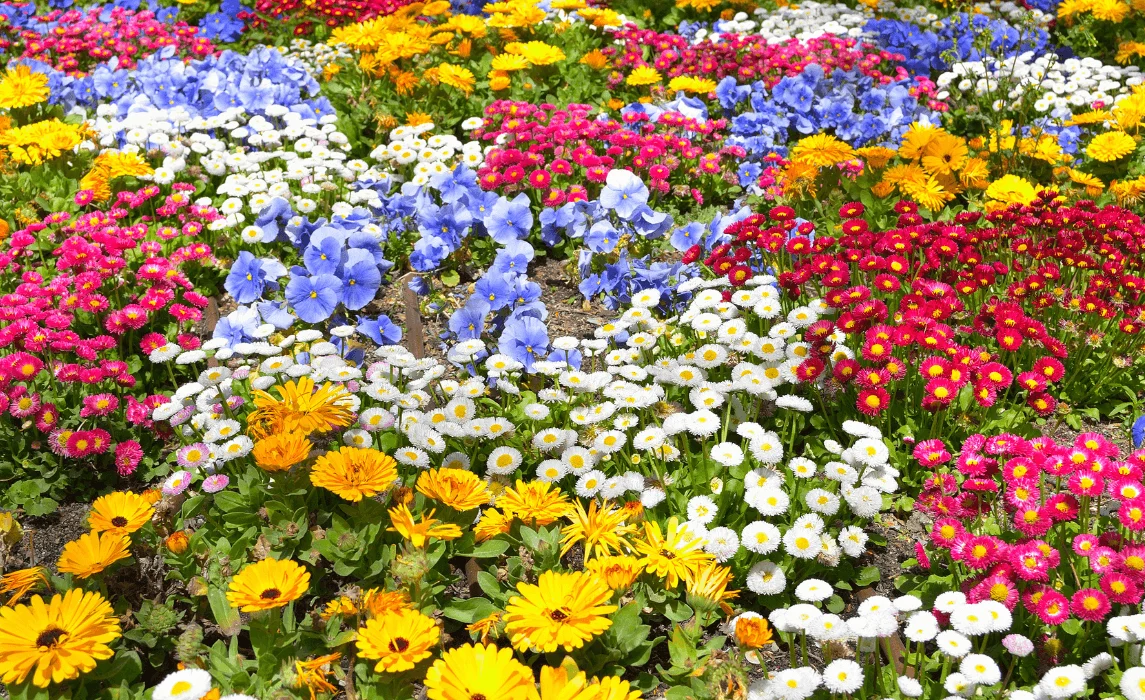
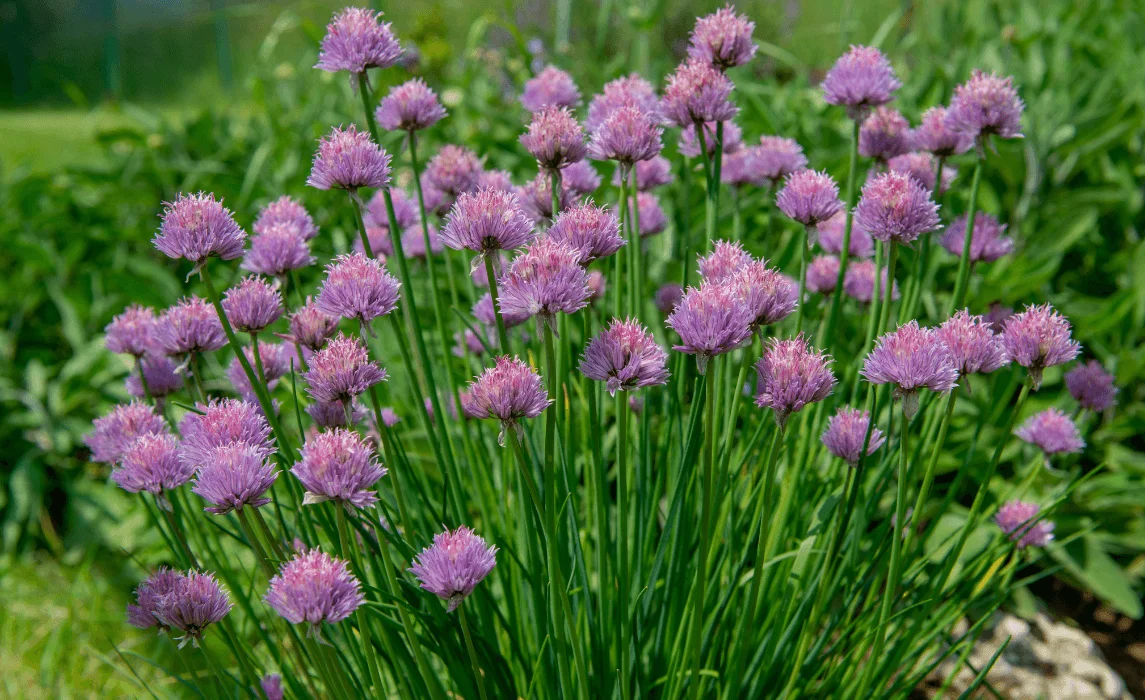
Begin with continuous bloom. Plant clusters of nectar-rich flowers in different shapes and colors so bees, hoverflies, butterflies, moths, and hummingbirds can feed from early spring through autumn. Native flowering plants are particularly valuable because local pollinators recognize them, but herbs such as thyme, oregano, dill, and chives are also useful when allowed to flower. Repeated clumps are easier for a pollinator to find than isolated blooms.
Create a bee-friendly environment with shallow water, some open soil for ground-nesting bees, hollow stems or nesting blocks for suitable solitary species, and shelter from strong wind. Avoid broad-spectrum insecticides, especially while plants are blooming. If treatment is unavoidable, choose the least harmful targeted option, follow its label, and apply when bees are not foraging. Reducing pesticide use also protects the many beneficial insect species that support a balanced garden.
Next, grow compatible varieties. For apples, pears, cherries, and other orchard crops, select two plants whose bloom periods overlap and whose compatibility is documented. Space them within the normal flight range of bees, and remember that walls, wind, and large distances can reduce movement from plant to another. In a small garden, a neighbor's compatible tree may help, but planting your own partner is more reliable.
Finally, observe and intervene. Watch male and female flowers in the morning, note whether bees are visiting, and inspect developing fruit. If activity is low, hand-pollinate freshly opened flowers and repeat for several days. Grow corn in blocks, keep squash blossoms uncovered during active hours, and avoid pruning away all nearby forage. These simple steps attract pollinators, improve the odds that plants cross-pollinate, and turn flowering into food.
Best Plants to Attract Butterflies to Your Garden: Gardening for Pollinators
The most persistent myth is that cross-pollination instantly changes the taste, color, or shape of the fruit already growing. In most fleshy fruits and garden vegetables, the harvested flesh is maternal tissue. A pumpkin pollinated by another compatible squash still develops according to the genetics of the plant bearing it. The cross affects the embryo inside the seed, so unusual traits normally appear only if that seed is saved and its progeny are grown the next year.
Corn is a useful exception to remember. Each kernel develops from a separately fertilized ovule, and pollen can influence visible or eating qualities of the kernel in the current season. That is why sweet corn growers may isolate varieties. Even so, unrelated garden plants cannot cross merely because they grow side by side. Cucumbers do not cross with pumpkins, and a tomato cannot cross with a pepper. Cross-pollination normally occurs only between sexually compatible plants, often within the same species.
Another misconception is that a plant labeled self-pollinating never needs help. A self-pollinating tomato may set fruit alone, yet vibration improves pollen release. Likewise, a plant able to self may yield more or better fruit when it receives compatible outside pollen. Conversely, two plants do not guarantee success if they are clones of one variety, bloom at different times, or are incompatible. Good pollination depends on biology, timing, weather, distance, and effective contact between anther and stigma.
Frequently Asked Questions:
Q: Do all plants need cross-pollination?
A: No; self-pollinating plants can set seed alone, while other species benefit from or require a compatible partner.
Q: Do I need two different varieties?
A: For crops such as apples and pears, two compatible cultivars with overlapping bloom times are often needed.
Q: Does cross-pollination change this year's fruit?
A: Usually not; it generally affects the genetics of the seeds and any plants grown from them.
Q: What are signs of poor pollination?
A: Flowers may drop, young fruit may abort, or cucumbers and squash may develop unevenly.
Q: When should I hand-pollinate?
A: Work in the morning when flowers are freshly open and natural pollinator activity is low.
Related posts
Here are some articles you might be interested in.