How to Attract Ladybugs to your Garden with the Best Plants for Natural Pest Control
Published on
October 24, 2025
Author
Ryan Johnson
Ryan Johnson relocated to his grandfather's old farm when he was 22 years old where he discovered the joys of farming and gardening. With his cool demeanor and strong-willed passion for the agrarian lifestyle, he now shares his know-how to aspiring gardeners.
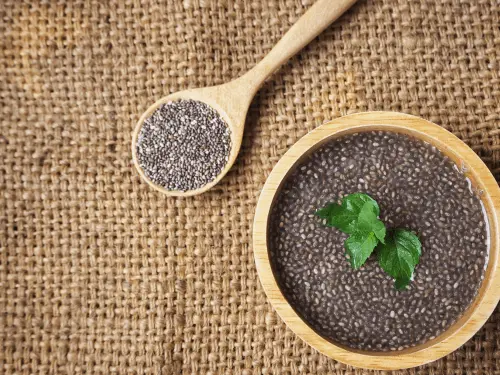
Growing Chia Plants Q&A
Can I grow chia from the chia seeds I buy at the store?
Yes. Organic chia seeds from the grocery store will often germinate, though germination can vary. Fresh seed from a garden supplier is more reliable.
How long does it take to grow chia?
Seeds sprout in about a week. The plant needs 100 to 150 days to mature before you can harvest the seeds.
Is chia a California native plant?
Salvia hispanica is native to central Mexico and Guatemala. However, Salvia columbariae, sometimes called California chia, is a California native plant.
Can I grow chia indoors?
You can grow chia sprouts and microgreens indoors easily. A full-size chia plant needs strong light and rarely sets a good seed crop indoors.
Why won't my chia flower?
Chia flowers when days get shorter. Plants in cooler regions or those lit at night may bloom late or not at all.
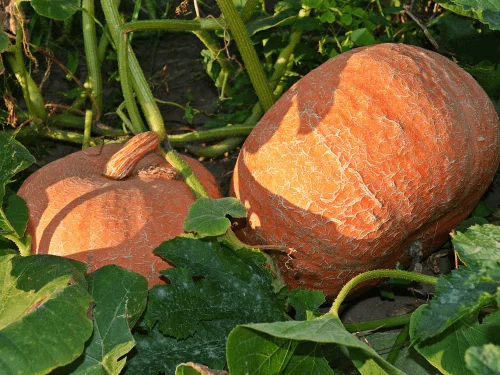
How to Grow Pumpkins Q&A
Can I grow pumpkins in a small home garden?
Yes. Choose bush or miniature varieties, grow vines on a trellis, or use raised beds. Plan on one or two plants per hill and prune vines when space is tight.
When should I plant pumpkins for Halloween?
Plant seeds in late May or early June in most climates. Count back from your first frost date and allow for 90 to 120 days of growth.
Why does my pumpkin plant have flowers but no fruit?
Male flowers appear first, so early flowers will not set fruit. If female flowers open but fail to fruit, you probably have too few bees. Pollinate by hand in the morning.
What causes pumpkin leaves to turn white?
This is usually powdery mildew. Improve airflow, water at the base, remove infected leaves, and apply a fungicide or neem oil.
Can I eat the pumpkin I grew for carving?
Yes, though carving types are stringy and bland. Pie pumpkins are sweeter, but the seeds from any pumpkin can be roasted.
Growing Grapevines Q&A
How long does it take for a grape plant to produce fruit?
Most young vines need two to three years after planting before they set a full crop, though a few clusters may appear in year two. Patience pays off — established vines can keep producing for 40 years or more.
Do I need more than one vine to grow grapes?
No. Since most grape varieties are self-fertile, one plant is enough to produce fruit on its own. Planting a second variety nearby is optional and mainly helps with cross-pollination in a few less common types.
Can grape vines grow in containers?
Yes, though grape vines grow best planted directly in the ground, where the root system has room to spread. A large container works for a year or two, but expect to transplant once the vine outgrows the pot.
Why aren't my grapes ripening?
Grapes ripen slowly compared to many fruits, and cool weather, too much shade, or overcrowded canes can all delay the process. Give the vine full sun, thin the clusters, and be patient through the growing season.
What's the difference between table grapes and wine grapes?
Table grapes are bred for fresh eating, with thinner skins and fewer seeds, while wine grapes tend to have thicker skins, more seeds, and higher sugar content suited to fermentation.
Are grape vines toxic to pets?
Grapes and grape leaves are not toxic to people, but grapes and raisins are toxic to dogs and can cause kidney damage, so keep fallen fruit cleaned up if pets have access to the vineyard.
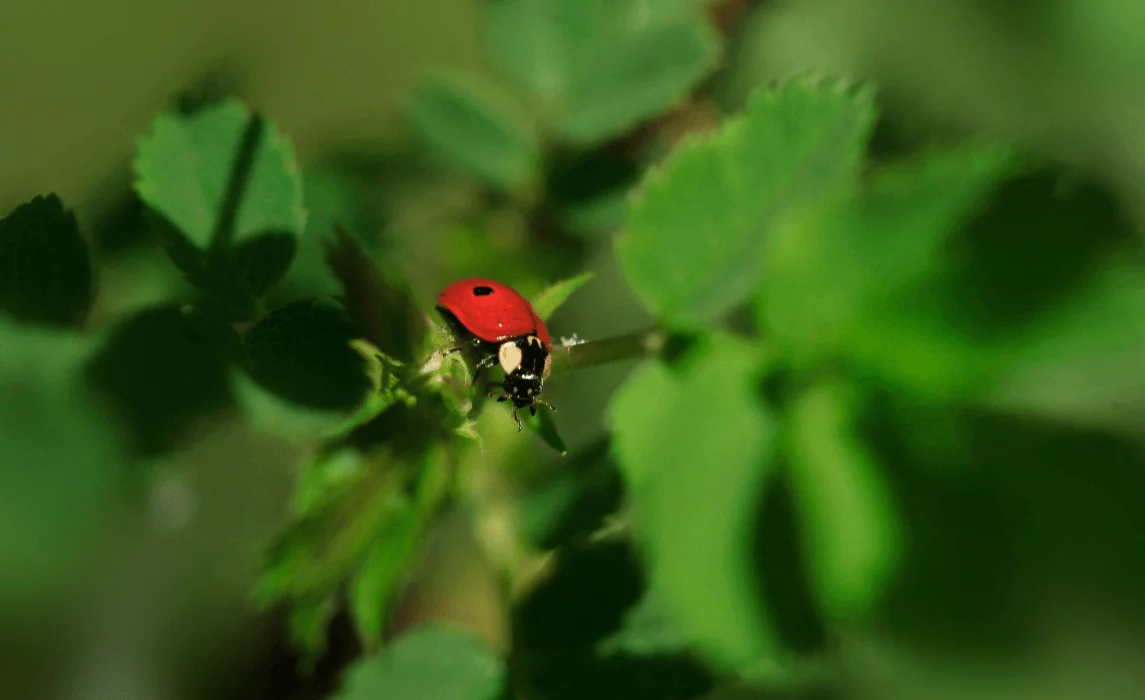
If you’ve ever spotted a ladybug (also known as a ladybird), you’ve seen one of nature’s most effective pest control allies. These tiny, colorful beetles are more than just charming garden visitors — they’re beneficial insects that can help keep your plants healthy and thriving. Ladybugs feast on aphids, mites, and other soft-bodied pests that damage leaves and stunt plant growth. By planting certain flowers and herbs that attract ladybugs, you can naturally balance your garden’s ecosystem and reduce the need for chemical pesticides. In this guide, we’ll explore the best plants to attract ladybugs, how to create an inviting habitat for them, and why these vibrant little predators are every gardener’s secret weapon for a lush, pest-free garden.
10 Plants that Attract Ladybugs
1. Dill (Anethum graveolens)
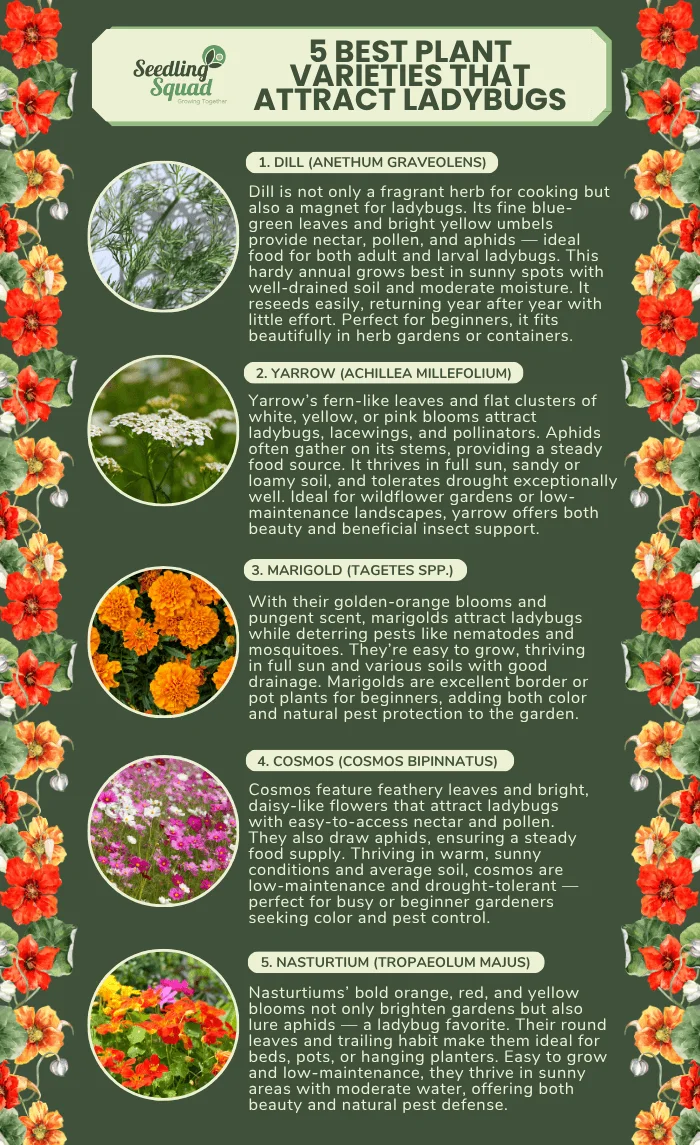
Dill is more than just a fragrant herb used for flavoring pickles and soups — it’s a true ally in the garden for attracting ladybugs. This feathery annual herb produces delicate, blue-green leaves and umbrella-like clusters of bright yellow flowers called umbels. These flowers are rich in nectar and pollen, making them irresistible to adult ladybugs seeking food. The plant also tends to attract aphids, which, in turn, provide a perfect hunting ground for ladybug larvae. Dill thrives in full sunlight and well-draining soil, preferring cooler temperatures during germination but growing vigorously once the weather warms. When left to flower, it reseeds easily, returning each year without much intervention. Ideal for beginner gardeners and herb enthusiasts, dill fits perfectly in herb beds, vegetable gardens, or even containers.
Soil: Well-drained, loamy soil with good aeration
Water: Moderate; water when topsoil dries out
Light: Full sun (6–8 hours daily)
Humidity: Moderate
Fertilizer: Compost or organic matter once during growth
Temperature: 60–70°F (15–21°C)
USDA Zone: 2–11
2. Yarrow (Achillea millefolium)
Yarrow is a timeless perennial known for its flat-topped clusters of tiny, tightly packed flowers that can range in color from white to yellow, pink, or red. Its fern-like foliage releases a mild herbal scent that draws in pollinators and predatory insects alike, particularly ladybugs and lacewings. Ladybugs are especially fond of yarrow because it provides both food and shelter — aphids often gather on its stems, creating a natural feeding site. Yarrow thrives best in full sun and well-drained, slightly sandy soil. It is extremely hardy and drought-tolerant, making it perfect for low-maintenance gardens or xeriscaping. Since it can spread quickly, it’s best for gardeners who appreciate wildflower-style or cottage gardens. With minimal watering needs and excellent resilience, yarrow offers beauty, fragrance, and an ecological boost.
Marigolds are the cheerful stars of many gardens, loved for their bright orange and golden-yellow flowers that seem to radiate sunlight. Beyond their beauty, they’re powerhouses for attracting beneficial insects, including ladybugs. Their pungent scent repels pests like nematodes, whiteflies, and mosquitoes, while simultaneously attracting aphids — the perfect prey for ladybugs. These vibrant annuals thrive in full sun and adapt easily to various soil types, provided there’s good drainage. Gardeners can grow marigolds as border plants, in vegetable patches, or in decorative pots. Their compact size makes them suitable for both small balcony gardens and sprawling flower beds. Marigolds appeal to beginner gardeners who appreciate low-effort blooms that bring both color and ecological benefits.
Soil: Fertile, well-drained soil
Water: Regular; keep soil evenly moist but not soggy
Discover natural, aromatic plants like basil, lavender & marigold that help repel insects and protect your garden. :contentReference[oaicite:0]{index=0}
4. Cosmos (Cosmos bipinnatus)
Cosmos are ethereal flowers with feathery foliage and daisy-like blooms that flutter elegantly in the breeze. They come in shades of pink, white, magenta, and deep crimson, making them a charming addition to any garden. Ladybugs adore cosmos because the open structure of their blooms offers easy access to pollen and nectar. These flowers also attract aphids, providing a steady food source for ladybugs and their larvae. Cosmos thrive in warm, sunny climates and poor to average soil, as overly rich soil can lead to excessive foliage instead of flowers. They’re low-maintenance and drought-tolerant once established, making them perfect for busy or beginner gardeners who want long-lasting summer blooms that promote natural pest control.
Soil: Average, well-drained soil
Water: Moderate; water deeply once or twice a week
Light: Full sun (6+ hours daily)
Humidity: Low to moderate
Fertilizer: Minimal; avoid overfeeding
Temperature: 65–85°F (18–29°C)
USDA Zone: 2–11
5. Fennel (Foeniculum vulgare)
Fennel is an aromatic herb that serves multiple purposes — culinary, ornamental, and ecological. Its tall, feathery stems and clusters of small yellow flowers make it a striking feature in the garden. Ladybugs are particularly attracted to fennel’s umbel-shaped flowers, which provide an abundance of nectar and pollen. The plant also tends to draw aphids, making it a reliable feeding ground for ladybugs and other predatory insects. Fennel thrives in sunny locations with well-drained soil and moderate watering. It’s best suited for intermediate gardeners who enjoy edible plants that double as beneficial insect hosts. Because it can self-seed prolifically, it’s wise to monitor its spread or plant it in a contained area.
Soil: Fertile, well-drained soil enriched with compost
Water: Moderate; keep soil moist but not waterlogged
Light: Full sun
Humidity: Moderate
Fertilizer: Organic compost once per growing season
Temperature: 60–75°F (15–24°C)
USDA Zone: 4–9
6. Cilantro (Coriandrum sativum)
Cilantro, known for its citrusy leaves used in cooking, becomes a magnet for ladybugs once it starts to flower. When it bolts, cilantro produces clusters of tiny white or pale pink blossoms that serve as rich nectar sources for beneficial insects. Ladybugs are drawn to these blooms as well as to the aphids that feed on the stems. Cilantro thrives in cooler temperatures and well-drained soil rich in organic matter. It prefers partial sunlight in hot climates and full sun in milder regions. This herb is ideal for gardeners who enjoy culinary plants with added ecological perks. It’s particularly rewarding for container gardeners and those who love dual-purpose plants that nourish both their kitchen and their garden’s biodiversity.
Soil: Well-drained, nutrient-rich soil
Water: Keep soil evenly moist
Light: Full sun to partial shade
Humidity: Moderate
Fertilizer: Balanced organic feed every 3–4 weeks
Temperature: 50–80°F (10–26°C)
USDA Zone: 3–11
7. Sweet Alyssum (Lobularia maritima)
Sweet alyssum lives up to its name with clusters of tiny, honey-scented blooms that carpet the ground in white, lavender, or pink hues. These fragrant flowers attract ladybugs by the dozens, especially during early spring and late fall when other food sources are scarce. The plant’s dense growth also provides a safe hiding spot for ladybugs and their larvae. Alyssum grows best in well-drained soil with full to partial sunlight, thriving equally well in garden beds, containers, or hanging baskets. It’s perfect for beginner gardeners or anyone who wants a sweetly scented, low-growing plant that continuously blooms and supports beneficial insects throughout the season.
Soil: Well-drained, moderately fertile soil
Water: Regular; avoid letting soil dry completely
Light: Full sun to partial shade
Humidity: Moderate
Fertilizer: Light feeding every 4–6 weeks
Temperature: 55–75°F (13–24°C)
USDA Zone: 5–9
8. Nasturtium (Tropaeolum majus)
Nasturtiums are beloved for their showy, edible flowers that bloom in fiery shades of orange, red, and yellow. Their round, shield-like leaves add a lush, tropical look to the garden, while their tendency to attract aphids makes them excellent decoy plants. Ladybugs flock to nasturtiums to feed on the aphids, creating a balanced, natural pest control system. Nasturtiums thrive in sunny locations and well-drained soil with moderate watering. They’re easy to grow from seed and flourish in garden beds, pots, or hanging planters. These hardy annuals are ideal for casual gardeners, beginners, and families who want vibrant color and eco-friendly pest protection in one plant.
Often dismissed as a weed, dandelions are actually among the most valuable wild plants for attracting ladybugs. Their early-spring blooms provide nectar and pollen when few other flowers are available. The bright yellow petals attract ladybugs emerging from hibernation, while their hollow stems often harbor aphids — offering a ready meal. Dandelions thrive in almost any soil and are remarkably drought-tolerant, making them excellent for naturalized lawns or pollinator gardens. For eco-conscious gardeners who prefer low-maintenance and sustainable landscapes, keeping a few dandelions around can significantly benefit beneficial insect populations.
Soil: Adaptable; tolerates most soil types
Water: Low; drought-resistant
Light: Full sun
Humidity: Moderate
Fertilizer: Not required
Temperature: 50–85°F (10–29°C)
USDA Zone: 3–9
10. Angelica (Angelica archangelica)
Angelica is a stately biennial herb that adds elegance and biodiversity to any garden. Its towering stems, which can reach up to six feet tall, bear umbrella-shaped clusters of pale green or yellowish flowers that attract ladybugs, hoverflies, and bees. The plant’s broad, glossy leaves and aromatic nature make it visually striking. Ladybugs are drawn to angelica’s plentiful nectar and often use the plant’s shaded base as a resting or egg-laying site. Angelica thrives in moist, nutrient-rich soil and partial shade, making it perfect for cooler or woodland gardens. It’s a rewarding plant for experienced gardeners who appreciate dramatic, architectural plants that enhance both beauty and ecology.
Learn how to attract and protect the good bugs—like ladybugs, lacewings & hoverflies—that help control pests naturally and boost garden health.
Frequently Asked Questions:
1. Why should I attract ladybugs to my garden?
Ladybugs act as natural pest controllers, consuming aphids, mites, and other harmful insects that damage plants. By inviting them, you reduce pesticide use and encourage a healthier ecosystem.
2. What do ladybugs eat?
Ladybugs primarily feed on aphids, but they also consume whiteflies, mealybugs, scale insects, and other soft-bodied pests that plague vegetable and flower gardens.
3. How can I keep ladybugs in my garden year-round?
To retain ladybugs, provide consistent food sources (such as aphid-prone plants), water, and shelter like mulch, bug hotels, or dense plantings. Avoid using chemical insecticides that can harm them.
Related posts
Here are some articles you might be interested in.


.webp)
.webp)
.webp)

.webp)
.webp)
.webp)
.webp)
.webp)
.webp)
.webp)