Anjali was born and raised in Indi and is now residing in New Jersey with her husband. Anjali's passion lies in raising her own vegetables and herbs, which she wants to share with others.
Growing Chia Plants Q&A
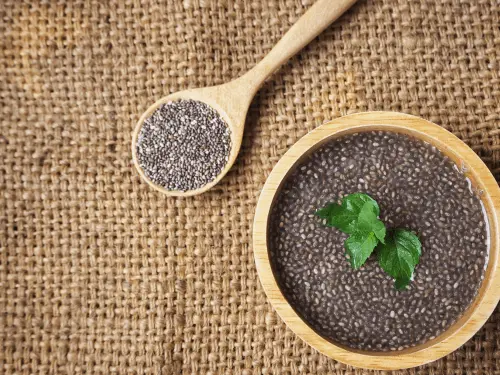
Can I grow chia from the chia seeds I buy at the store?
Yes. Organic chia seeds from the grocery store will often germinate, though germination can vary. Fresh seed from a garden supplier is more reliable.
How long does it take to grow chia?
Seeds sprout in about a week. The plant needs 100 to 150 days to mature before you can harvest the seeds.
Is chia a California native plant?
Salvia hispanica is native to central Mexico and Guatemala. However, Salvia columbariae, sometimes called California chia, is a California native plant.
Can I grow chia indoors?
You can grow chia sprouts and microgreens indoors easily. A full-size chia plant needs strong light and rarely sets a good seed crop indoors.
Why won't my chia flower?
Chia flowers when days get shorter. Plants in cooler regions or those lit at night may bloom late or not at all.
How to Grow Pumpkins Q&A
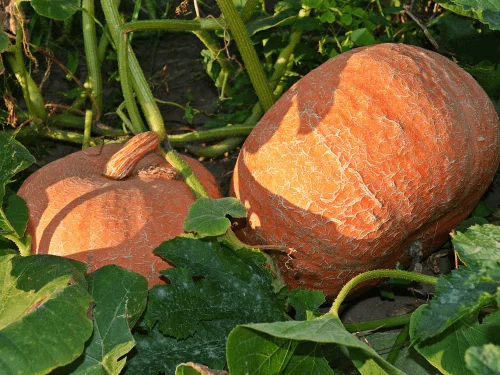
Can I grow pumpkins in a small home garden?
Yes. Choose bush or miniature varieties, grow vines on a trellis, or use raised beds. Plan on one or two plants per hill and prune vines when space is tight.
When should I plant pumpkins for Halloween?
Plant seeds in late May or early June in most climates. Count back from your first frost date and allow for 90 to 120 days of growth.
Why does my pumpkin plant have flowers but no fruit?
Male flowers appear first, so early flowers will not set fruit. If female flowers open but fail to fruit, you probably have too few bees. Pollinate by hand in the morning.
What causes pumpkin leaves to turn white?
This is usually powdery mildew. Improve airflow, water at the base, remove infected leaves, and apply a fungicide or neem oil.
Can I eat the pumpkin I grew for carving?
Yes, though carving types are stringy and bland. Pie pumpkins are sweeter, but the seeds from any pumpkin can be roasted.
Growing Grapevines Q&A
How long does it take for a grape plant to produce fruit?
Most young vines need two to three years after planting before they set a full crop, though a few clusters may appear in year two. Patience pays off — established vines can keep producing for 40 years or more.
Do I need more than one vine to grow grapes?
No. Since most grape varieties are self-fertile, one plant is enough to produce fruit on its own. Planting a second variety nearby is optional and mainly helps with cross-pollination in a few less common types.
Can grape vines grow in containers?
Yes, though grape vines grow best planted directly in the ground, where the root system has room to spread. A large container works for a year or two, but expect to transplant once the vine outgrows the pot.
Why aren't my grapes ripening?
Grapes ripen slowly compared to many fruits, and cool weather, too much shade, or overcrowded canes can all delay the process. Give the vine full sun, thin the clusters, and be patient through the growing season.
What's the difference between table grapes and wine grapes?
Table grapes are bred for fresh eating, with thinner skins and fewer seeds, while wine grapes tend to have thicker skins, more seeds, and higher sugar content suited to fermentation.
Are grape vines toxic to pets?
Grapes and grape leaves are not toxic to people, but grapes and raisins are toxic to dogs and can cause kidney damage, so keep fallen fruit cleaned up if pets have access to the vineyard.
This disclosure clearly states that the content creator may earn a commission if readers make a purchase through the provided links. Learn more
Hey there, fellow kitchen wizards! After successfully dabbling in the world of indoor herbs, I've decided to take on a slightly spicier challenge: growing peppers indoors. And let me tell you, it's a whole different ballgame than my little herb garden.
But that's exactly why I'm here! I want to share my pepper-growing adventures with you. We'll navigate the twists and turns of indoor pepper cultivation together, learning from both my triumphs and my learning experiences.
So, buckle up, grab your gardening gloves, and get ready to spice up your life with homegrown peppers. It's going to be a flavorful journey!
1. Choosing pepper varieties
Choosing the right varieties for your indoor garden can make all the difference between a bountiful harvest and a disappointing dud. Not all peppers play well indoors, so we'll focus on varieties that are happy to call your windowsill home.
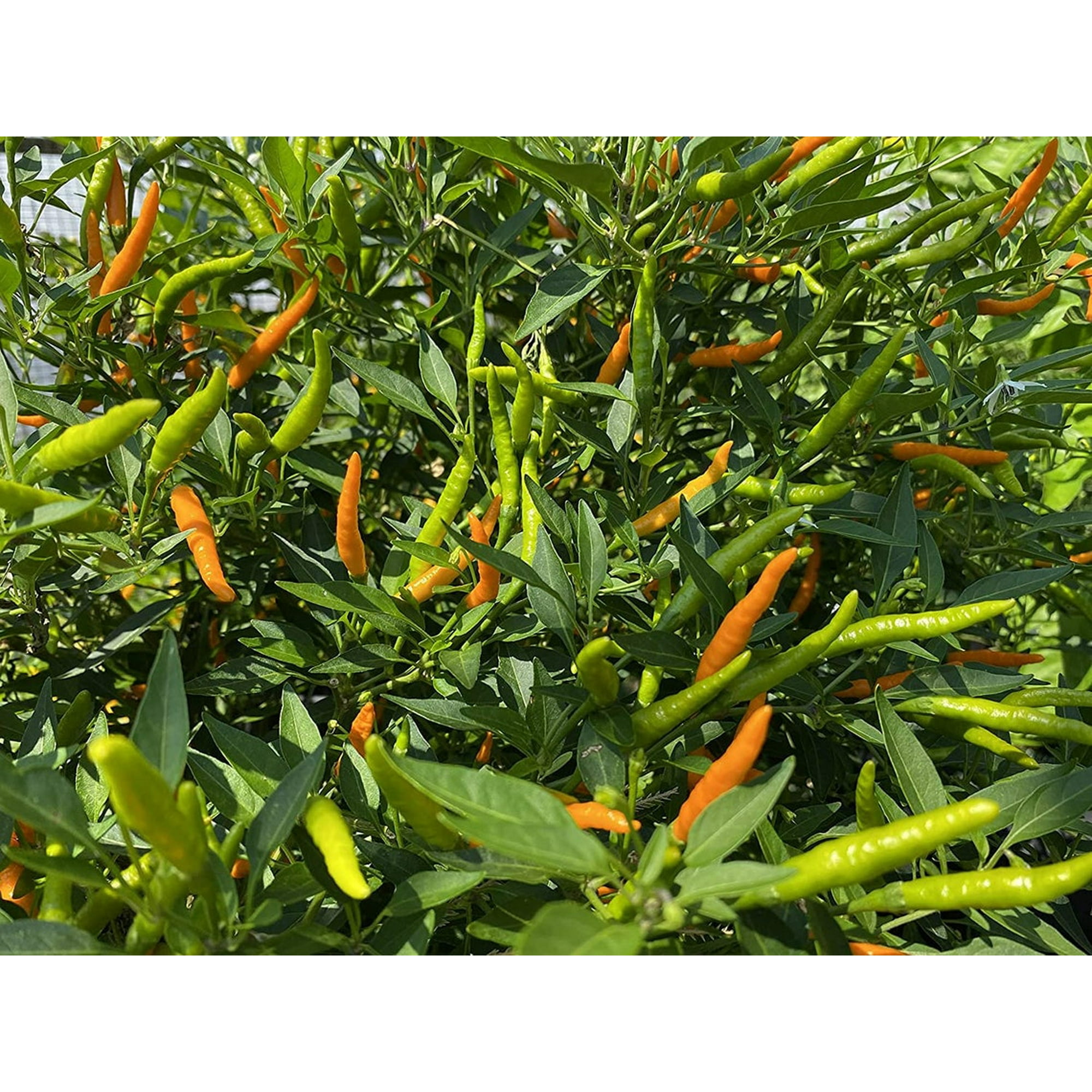
Thai Chili
Why They're Good Indoors:Thai chili plants are compact and bushy, making them perfect for container gardening. They're incredibly productive, showering you with a fiery harvest even in limited space. Plus,
Pepper Personality: These little firecrackers pack a powerful punch with their citrusy heat. They're ideal for infusing stir-fries, curries, and sauces with a burst of flavor.
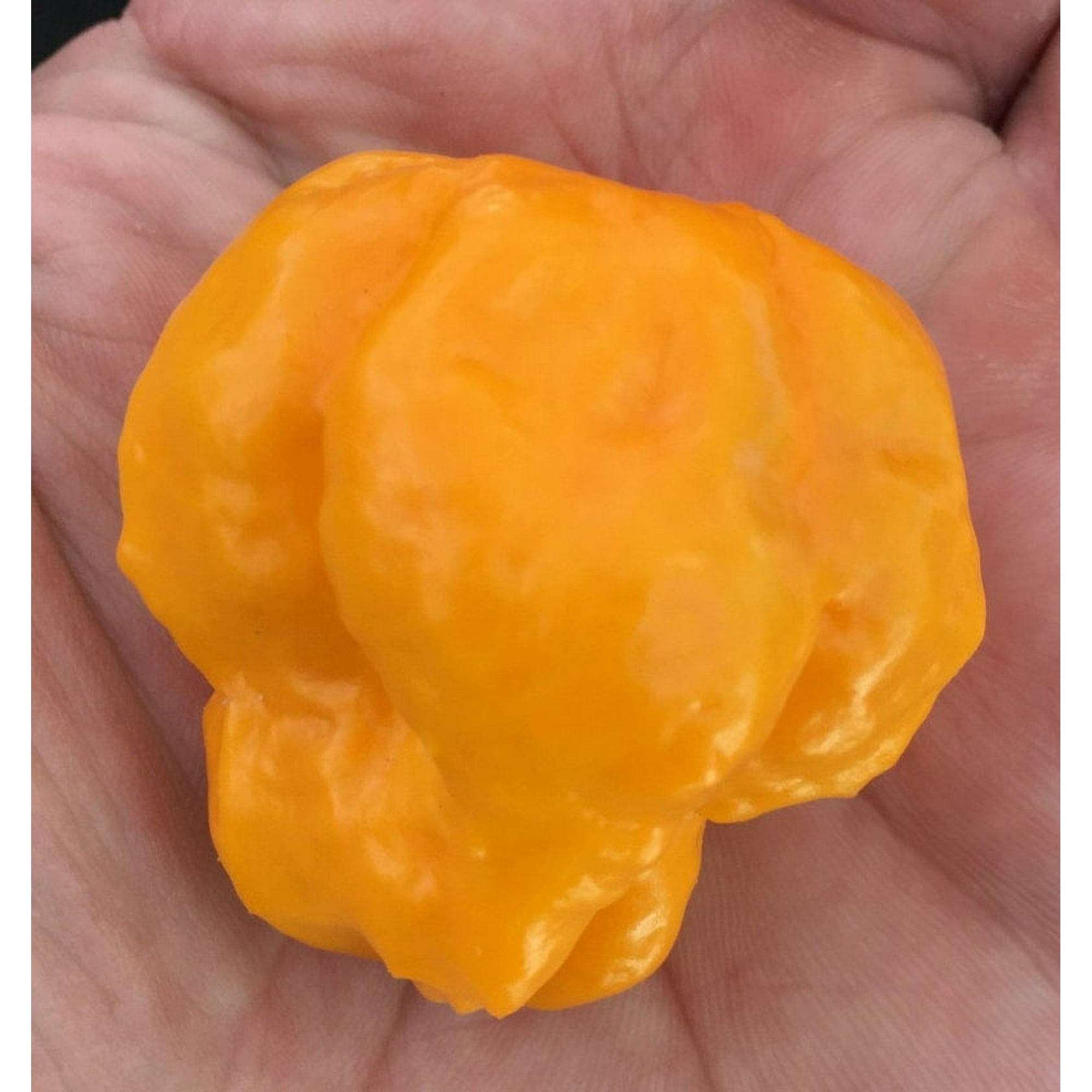
Scotch Bonnet
Why They're Good Indoors: Scotch bonnets adore warmth and humidity, making them well-suited to the cozy conditions of your home. They thrive in containers, so you can easily give them the space they need to flourish.
Pepper Personality: Be prepared for a flavor explosion! Scotch bonnets are notoriously hot, but they also offer a delightful sweetness and a hint of tropical fruitiness. Use them sparingly to add a serious kick to your dishes.
Jalapeño
Why They're Good Indoors: Jalapeños are relatively adaptable to varying light levels, making them a great choice for indoor growers. They're also relatively compact, so they won't take over your space.
Pepper Personality: Jalapeños are the Goldilocks of peppers—not too hot, not too mild. Their grassy flavor and moderate heat make them a versatile addition to salsas, tacos, and nachos.
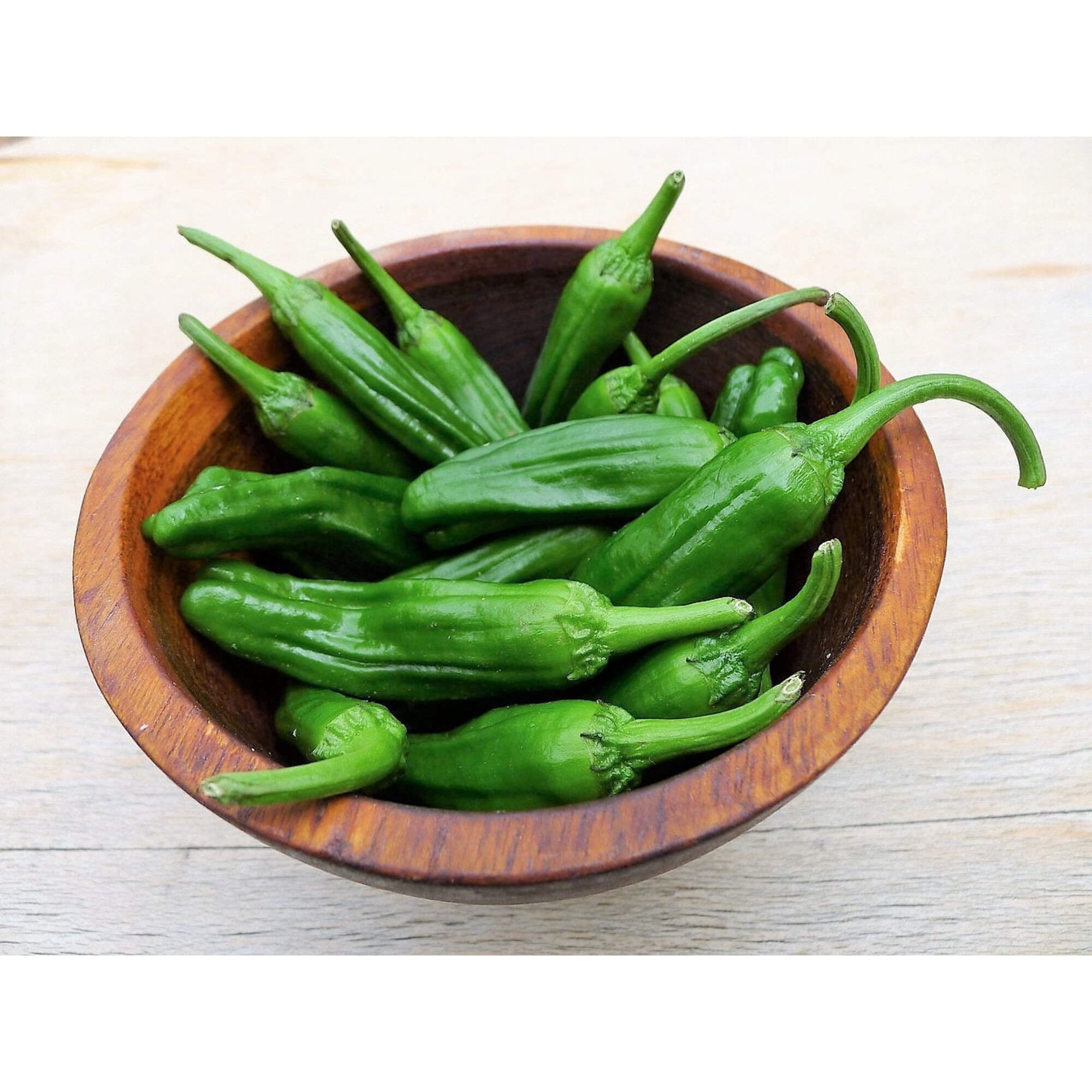
Shishito
Why They're Good Indoors: Unlike many peppers, shishitos are surprisingly tolerant of cooler temperatures, making them a good choice for those without a super sunny spot. Their small size is also a plus for indoor growing.
Pepper Personality: Shishitos are surprisingly mild, with only a few in each batch packing a bit of a punch. Their slightly sweet flavor and thin skin make them perfect for grilling or pan-frying.
Serrano
Why They're Good Indoors: Serranos are fast-growing and prolific producers, so you can expect a quick and abundant harvest. Their compact size makes them well-suited for container gardening.
Pepper Personality: Serranos bring a bright, acidic heat to the table. They're hotter than jalapeños, but not as fiery as habaneros. Use them to spice up salsas, guacamole, or stir-fries.
Banana Habanero
Why They're Good Indoors: Banana habaneros are surprisingly tolerant of low humidity, which can be a challenge for many pepper varieties indoors. They also stay relatively compact, making them ideal for container growing.
Pepper Personality: These fruity firecrackers offer a unique combination of sweetness and intense heat. Their flavor is reminiscent of tropical fruits, with a slow-burning heat that builds over time.
Pequin
Why They're Good Indoors: Pequin pepper plants are compact and produce a prolific amount of fruit. They're relatively adaptable to different growing conditions, making them a good choice for beginners.
Pepper Personality: Pequins are tiny but mighty! These little peppers pack a serious smoky punch. Use them to add a complex, fiery flavor to salsas, chili, or grilled meats.
Chiltepin
Why They're Good Indoors: Chiltepins are drought-tolerant, making them less fussy about watering than some other pepper varieties. Their small size and bushy growth habit make them well-suited for containers.
Pepper Personality: Considered the "mother of all peppers," chiltepins offer an intense, berry-like flavor with a lingering heat that will leave your taste buds tingling.
Sherwood's Seeds 10 Orange Thai Chili Pepper Plant Seed
Give your peppers plenty of room to grow by choosing a pot that's at least 12 inches in diameter and 12 inches deep. If you're growing larger varieties like bell peppers, consider a 5-gallon pot or even larger. Proper drainage is essential, so ensure your pot has drainage holes to prevent waterlogged roots. Plastic, fabric, or glazed ceramic pots are all excellent choices. Unglazed clay pots can dry out faster, requiring more frequent watering.
Sherwood's Seeds 10 Jamaican Scotch Bonnet Hot Pepper Plant Seeds
Peppers thrive in well-draining, nutrient-rich soil. Look for a potting mix specifically formulated for vegetables or container gardening. It should be fluffy, allowing for both good drainage and moisture retention. Avoid using garden soil, as it's too heavy and can compact in pots, hindering root growth. For a DIY approach, you can create your own potting mix using a combination of compost, perlite, and vermiculite.
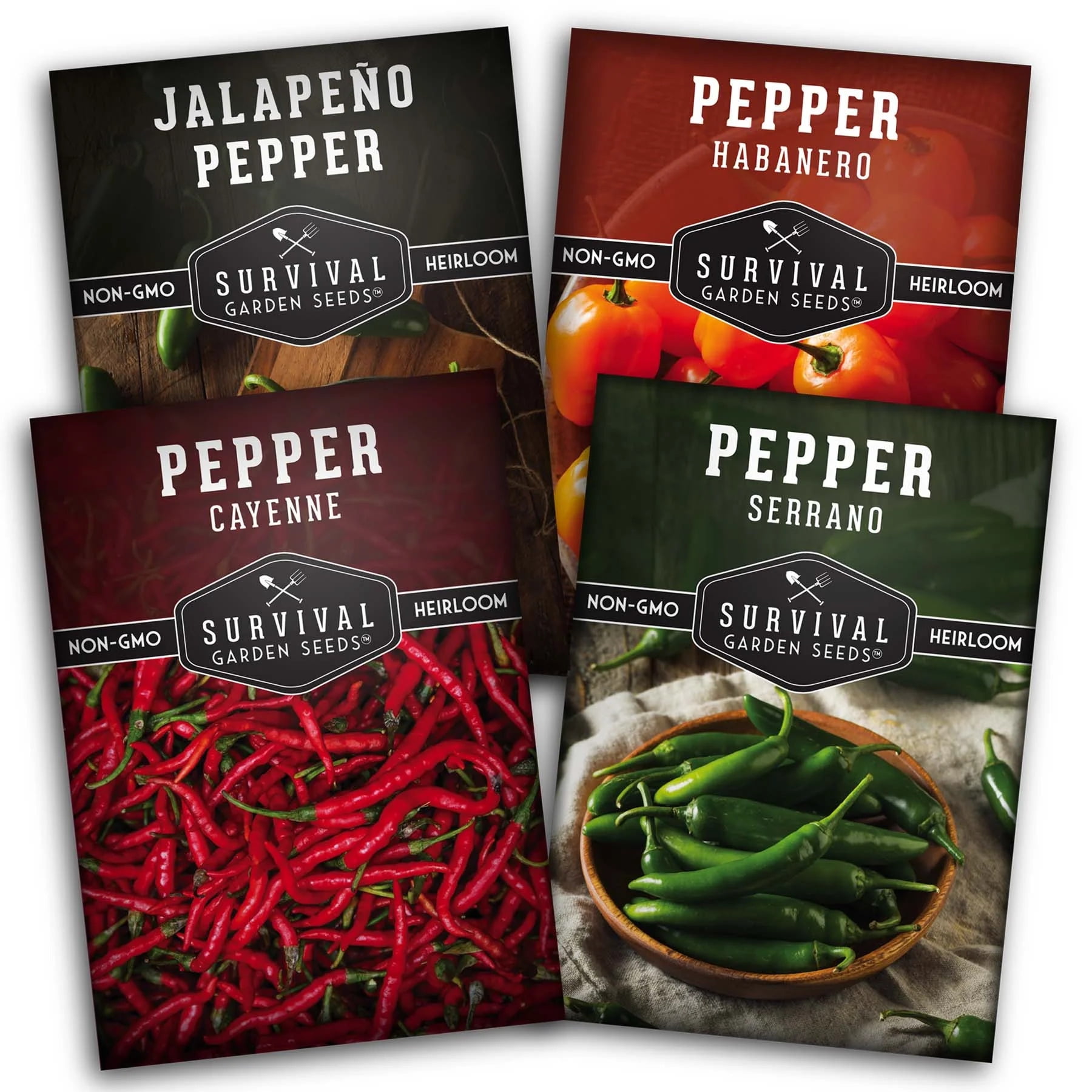
4 Packs Hot Pepper Collection - Cayenne, Habanero, Jalapeño, Serrano
These plants are sun-loving, so ensure they receive at least 6 hours of direct sunlight daily. A south-facing window is ideal for indoor pepper plants. If you lack sufficient natural light, supplement with grow lights. LED grow lights are an excellent choice as they provide the right spectrum for plant growth and are energy-efficient.
Seedville 50 Green to Red Shishito Pepper Plant Seeds
Once your pepper seedlings have a few sets of true leaves, they're ready for their new home. Gently loosen the soil around their roots and carefully lift them out of their starter container. Plant them in their larger pots at the same depth they were growing before. After transplanting, water them thoroughly to help them settle in and establish their roots.
Seedville 50 Green to Red Shishito Pepper Plant Seeds
Think of your pepper plants like little sunbathers who love a good drink. They need consistent attention but aren't too demanding.
Watering
Peppers enjoy consistently moist soil, but they hate having "wet feet" (roots sitting in water). Check the soil by sticking your finger about an inch deep. If it feels dry, it's time to water. Water thoroughly, until it drains out the bottom of the pot, but avoid getting the leaves wet to prevent fungal diseases.
Fertilizing
They are hungry plants! Feed them a balanced fertilizer every 2-3 weeks. Look for one specifically for vegetables or tomatoes. Follow the package instructions, as too much fertilizer can harm your plants. If you prefer organic options, compost tea or fish emulsion are great choices.
Hand-pollinating
Indoor peppers sometimes need a little matchmaking help. When your pepper plant flowers, give it a gentle shake a few times a day to help distribute the pollen. You can also use a small paintbrush to transfer pollen from flower to flower. Aim to do this in the morning when the flowers are most receptive.
Harvesting peppers
Patience is key! Peppers are ready to be harvested when they reach their full size and color, as indicated on your seed packet. Use a sharp knife or scissors to cut the peppers from the plant. Avoid pulling them, as this can damage the plant. Don't wait too long to harvest, as overripe peppers can become bitter.
7. Common Pests and Diseases
Even indoors, a few pesky critters and unwanted ailments might try to crash your pepper party. But don't worry, with a little vigilance and some simple solutions, you can keep your plants healthy and happy.
Pests to Watch Out For:
Aphids
These tiny green or black bugs cluster on leaves and stems, sucking out the plant's juices. A simple spray of water or insecticidal soap can usually send them packing.
Spider Mites
If you see fine webbing and tiny, speckled dots on the leaves, spider mites might be the culprit. Increase humidity around the plants and use insecticidal soap or neem oil to control them.
Fungus Gnats
These small flies are more annoying than harmful, but their larvae can damage roots. Let the soil dry out a bit between watering to discourage them.
Diseases to Keep an Eye On:
Powdery Mildew
A white powdery coating on the leaves is a sign of this fungal disease. Improve air circulation around your plants and try a baking soda spray to combat it.
Blossom End Rot
If the bottom of your peppers turn black and leathery, it's likely blossom end rot, caused by calcium deficiency. Water consistently and consider adding a calcium supplement to the soil.
FAQs: Frequently Asked Questions
Q: Can I grow peppers indoors all year long?
A: Yes! It's absolutely possible to grow peppers indoors year-round, even in the winter. However, you'll need to provide the right growing conditions. Peppers need plenty of sunshine, warmth, and consistent moisture to thrive. Consider using a grow tent with LED grow lamps and a heat mat, especially in winter, to ensure your peppers get enough sunshine and warmth to keep growing.
Q: What are the best peppers to grow indoors?
A: The best peppers for indoor growing are those that tend to grow smaller and more compact. This includes smaller pepper varieties like Thai peppers, ornamental chili peppers, and some types of sweet peppers like banana peppers. While you can grow larger peppers like bell peppers indoors, they'll need a bigger pot (at least a 1-gallon pot) and may not produce as many peppers as they would outdoors.
Q: Do I need a grow light to grow peppers indoors?
A: Peppers need a lot of direct sunlight to grow and thrive. While you can grow them in a sunny window, they'll likely do much better with a grow light, especially in winter when sunlight is limited. These are a great option, as they provide the full spectrum that pepper plants need and don't produce too much heat. If you're a pepper geek and want to grow many peppers, a grow tent with LED grow lights is highly recommended.
Q: How do I start growing peppers indoors?
A: You can start your pepper growing journey by planting pepper seeds in a seed starter mix or seed trays indoors. Keep the soil moist and warm, and within a few weeks, you should see pepper seedlings emerge. Once they have a few sets of true leaves, you can plant your seedlings in larger pots with a good potting mix.