The Benefits of Mulching: A Beginner's Guide to the Many Benefits of Mulch for Lawn Care and Healthy Gardening
Published on
April 3, 2025
Author
Zuri Khumalo
Zuri's frequent journeys to South Africa in her youth ignited her fervor for environmental science, gardening, and sustainable living. These travels deepened her connection with nature, inspiring her to contribute to conservation efforts in her own meaningful ways.
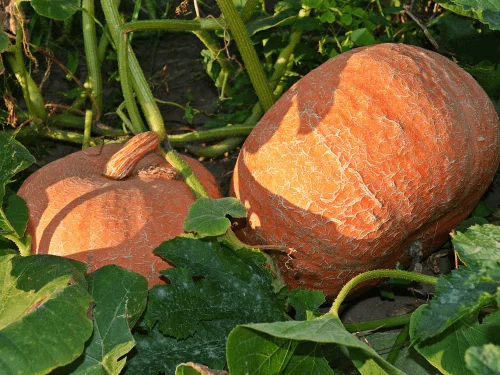
How to Grow Pumpkins Q&A
Can I grow pumpkins in a small home garden?
Yes. Choose bush or miniature varieties, grow vines on a trellis, or use raised beds. Plan on one or two plants per hill and prune vines when space is tight.
When should I plant pumpkins for Halloween?
Plant seeds in late May or early June in most climates. Count back from your first frost date and allow for 90 to 120 days of growth.
Why does my pumpkin plant have flowers but no fruit?
Male flowers appear first, so early flowers will not set fruit. If female flowers open but fail to fruit, you probably have too few bees. Pollinate by hand in the morning.
What causes pumpkin leaves to turn white?
This is usually powdery mildew. Improve airflow, water at the base, remove infected leaves, and apply a fungicide or neem oil.
Can I eat the pumpkin I grew for carving?
Yes, though carving types are stringy and bland. Pie pumpkins are sweeter, but the seeds from any pumpkin can be roasted.
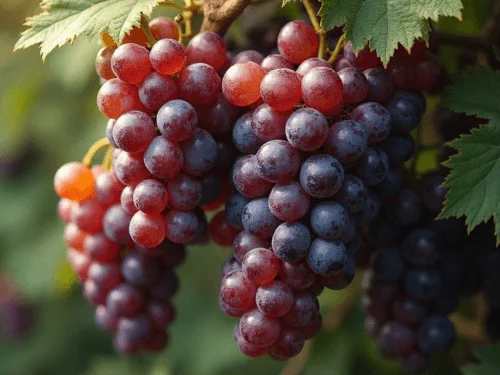
Growing Grapevines Q&A
How long does it take for a grape plant to produce fruit?
Most young vines need two to three years after planting before they set a full crop, though a few clusters may appear in year two. Patience pays off — established vines can keep producing for 40 years or more.
Do I need more than one vine to grow grapes?
No. Since most grape varieties are self-fertile, one plant is enough to produce fruit on its own. Planting a second variety nearby is optional and mainly helps with cross-pollination in a few less common types.
Can grape vines grow in containers?
Yes, though grape vines grow best planted directly in the ground, where the root system has room to spread. A large container works for a year or two, but expect to transplant once the vine outgrows the pot.
Why aren't my grapes ripening?
Grapes ripen slowly compared to many fruits, and cool weather, too much shade, or overcrowded canes can all delay the process. Give the vine full sun, thin the clusters, and be patient through the growing season.
What's the difference between table grapes and wine grapes?
Table grapes are bred for fresh eating, with thinner skins and fewer seeds, while wine grapes tend to have thicker skins, more seeds, and higher sugar content suited to fermentation.
Are grape vines toxic to pets?
Grapes and grape leaves are not toxic to people, but grapes and raisins are toxic to dogs and can cause kidney damage, so keep fallen fruit cleaned up if pets have access to the vineyard.
Bee Garden Q&A
What flowers attract the most bees to a garden?
Bees are generally drawn to flowers that are blue, purple, yellow, or white, and that offer easy access to nectar and pollen. Lavender, bee balm, sunflower, and coneflower are some of the most reliable plants that attract bees to a home garden.
Do I need to avoid pesticides in a bee-friendly garden?
Yes, whenever possible. Insecticide and pesticide products can harm adult bees and their larva, even in small amounts. Choosing natural pest control methods helps keep your garden safe for visiting bees.
Can a small home garden still support pollinators?
Absolutely. Even a few containers of zinnias, salvia, or crocus on a balcony can offer pollen and nectar for local bees. Bees will travel between small garden spaces, so every bit of habitat helps.
Do bees need more than just flowers?
Yes. Bees also need nesting sites and water. Ground-nesting bees need patches of bare soil, while a shallow bee bath gives bees a safe spot to drink, especially in hot weather.
Will planting a pollinator garden really help save the bees?
It genuinely can. As natural habitat shrinks, home gardens have become an important food source and shelter for bees, including many native bee species. A well-planned bee garden supports pollination for your own flowers and vegetables while helping the wider bee population.
What is the best USDA zone for growing a bee garden?
There is no single best zone. Most of the plants above grow well across USDA zones 4 through 9, and gardeners in colder or warmer zones can simply choose varieties suited to their climate, or grow warm-season bees favorites like sunflower and zinnia as annuals.
This disclosure clearly states that the content creator may earn a commission if readers make a purchase through the provided links. Learn more
If you’re new to gardening or lawn care, you might have heard the term “mulch” tossed around but weren’t quite sure what it entails. Mulching is more than just a decorative touch for your garden beds; it’s a vital practice that can significantly enhance the health and appearance of your plants and lawn. Adding mulch to your garden creates a protective blanket of mulch that helps to conserve moisture in the soil, suppress weeds, and regulate soil temperature. While there are some advantages and disadvantages of mulching, the benefits typically outweigh the drawbacks, especially for new plants and landscape plants alike. In this beginner's guide, we will delve into the many benefits of mulch, exploring how it can conserve moisture, suppress weeds, regulate soil temperature, and improve overall soil health. Whether you're aiming for a lush green lawn or a flourishing garden, understanding the role of mulch is essential to achieving your gardening goals. Let’s uncover the transformative power of this simple yet effective gardening technique!
Types of Mulch
Mulch can be categorized into two main types: organic and inorganic. Understanding these categories is essential for selecting the right type of mulch for your specific needs.
Organic Mulch
Organic mulch consists of natural materials that decompose over time, enriching the soil with nutrients. Common types of organic mulch include:
Wood chips: Made from shredded trees and shrubs, wood chips decompose slowly, providing long-lasting benefits.
Bark mulch: Typically derived from tree bark, this type of mulch is decorative and helps retain moisture in the soil.
Straw: A byproduct of grain harvesting, straw is light and effective at suppressing weeds.
Leaves: Shredded leaves provide an excellent source of organic matter and nutrients as they break down.
Grass clippings: These are readily available and add nitrogen to the soil as they decompose.
Compost: Decomposed organic matter, compost is nutrient-rich and improves soil structure.
Mulching offers a plethora of benefits that contribute to the overall health and aesthetics of gardens and landscapes. Here are some key benefits of mulch:
Weed Suppression
One of the primary benefits of mulching is its ability to suppress weed growth. By creating a thick barrier that blocks sunlight, mulch prevents weed seeds from germinating and competing with desirable plants for nutrients and water. This is particularly beneficial for maintaining a clean and tidy garden while minimizing the need for chemical herbicides. A well-mulched area allows desirable plants to thrive, ultimately leading to a healthier garden ecosystem. Regularly checking and replenishing mulch can further enhance its effectiveness in weed control.
Moisture Retention
Mulch plays a crucial role in retaining soil moisture by reducing evaporation. This ensures that plants have a consistent supply of water, which is essential during hot, dry weather. This is especially important for newly planted seeds and young plants, as they need adequate moisture to establish their root systems. By maintaining a stable moisture level, mulched gardens often require less frequent watering, saving both time and resources while promoting robust plant growth. Additionally, mulch can help prevent soil crusting, allowing water to infiltrate more effectively.
Soil Temperature Regulation
Another significant benefit of mulch is its ability to regulate soil temperature. In the summer, a layer of mulch keeps the soil cool, protecting plant roots from extreme heat and stress. Conversely, in winter, mulch acts as insulation, helping to maintain a stable temperature in the soil and protecting roots from freezing conditions. This temperature moderation is vital for promoting healthy root development and plant growth throughout the year, particularly in areas with extreme temperature fluctuations.
Erosion Prevention
Mulch is an effective tool for preventing soil erosion, especially on sloped areas. Heavy rains and strong winds can wash away topsoil, leading to nutrient loss and degradation of the landscape. By applying mulch, you create a protective layer that stabilizes the soil and reduces the impact of rainfall, ensuring that the soil remains intact and productive. This is particularly important in gardens with delicate plants that rely on healthy soil, as well as in areas with high foot traffic or heavy equipment use.
Improved Soil Quality
As organic mulch breaks down over time, it enriches the soil with essential nutrients and organic matter. This process improves soil structure, promoting better drainage and aeration. Healthy soil is fundamental to plant growth, as it allows roots to access essential nutrients and water. The decomposition of organic materials also fosters a thriving ecosystem of beneficial microbes and earthworms, which further enhances soil fertility and helps suppress soil-borne diseases.
Aesthetic Appeal
Beyond its functional benefits, mulching enhances the visual appeal of gardens and landscapes. A fresh layer of mulch creates a neat and polished appearance, significantly improving the overall aesthetics of your outdoor space. Various types of mulch, such as colored wood chips, straw, or decorative stones, can complement your garden design and make your plants stand out. Incorporating mulch in landscape design can also unify different plantings and create a more cohesive look.
Habitat for Beneficial Microbes
Organic mulches encourage the growth of beneficial microorganisms that play a vital role in soil health. These microbes help decompose organic matter, releasing nutrients into the soil and promoting a balanced ecosystem. A diverse microbial community is essential for plant health, as it aids in nutrient uptake, enhances disease resistance, and improves overall plant vigor.
Certain types of mulch, such as cedar and pine, can act as natural pest deterrents. The oils and compounds found in these materials can repel harmful insects like termites and beetles, reducing the need for chemical pesticides. By creating a barrier that discourages pests while promoting beneficial organisms, mulching contributes to a healthier garden environment. Regularly checking for any signs of pest activity can help maintain a balanced ecosystem in your garden.
Here are 10 actionable mulching tips for beginners to help you get started with effective mulching practices:
1. Choose the Right Type of Mulch
Selecting the appropriate type of mulch is crucial for achieving your gardening goals. Organic options like wood chips, straw, or shredded leaves provide nutrients as they decompose, enriching the soil. In contrast, inorganic options like gravel or landscape fabric provide long-lasting benefits without contributing nutrients. Consider your plants' specific needs, local climate, and aesthetic preferences when making your selection. Local garden centers can often provide advice on the best mulch types for your area.
2. Prepare the Soil
Before applying mulch, ensure the soil is well-prepared. This involves removing any existing weeds, rocks, or debris to create a clean surface. If necessary, loosen the soil and amend it with compost or other organic matter to improve its quality. This preparation helps the mulch settle properly and enhances its effectiveness in retaining moisture and suppressing weeds. Testing soil pH and nutrient levels can also inform your amendments.
3. Apply Mulch at the Right Time
Timing is key for effective mulching. For optimal results, apply mulch in early spring or fall. In spring, mulch helps retain moisture as plants begin to grow, while in fall, it protects the soil and plant roots from cold temperatures. Avoid mulching during hot summer months, as this can lead to overheating of the soil and potentially harm plants. Following seasonal trends and local weather patterns can guide your timing.
4. Use the Right Depth
A general guideline for mulch depth is to apply 2 to 4 inches. This thickness effectively suppresses weeds and retains moisture without suffocating plant roots. Too little mulch may not provide adequate coverage, while too much can hinder air circulation and promote fungal issues. Measure the area before applying to ensure you use the right amount. Consider the specific needs of different plant species, as some may require deeper mulch layers than others.
5. Keep Mulch Away from Plant Bases
When applying mulch around plants, leave a gap of 1 to 2 inches between the mulch and the plant base. This prevents moisture buildup around the stems, reducing the risk of rot and fungal diseases. Proper placement allows air to circulate around plant stems, promoting healthy growth and minimizing pest issues. Regularly monitor the mulch layer to ensure it stays at the appropriate distance from plant bases.
6. Refresh Mulch Regularly
Organic mulch breaks down over time, so it’s important to refresh it regularly. Depending on the type of mulch used, you may need to replenish it every year or two. Monitor the mulch layer throughout the growing season and add more as needed to maintain its effectiveness. Assessing the condition of the mulch can help you decide the best time for replenishment.
7. Use a Variety of Mulch
Consider using a variety of mulch materials to enhance the health and aesthetics of your garden. Mixing different types of organic mulches can improve soil diversity and provide a range of nutrients. Additionally, using colored or textured mulches can create visual interest and complement your plantings. Combining different textures and colors can also help highlight specific plants or areas of your garden.
8. Mulch Around Trees and Shrubs
When mulching around trees and shrubs, apply mulch in a wide circle around the base, extending it to the edge of the canopy if possible. This practice helps retain moisture, suppress weeds, and protects the root system. Be cautious not to pile mulch against the trunk, as this can lead to decay and disease in the tree or shrub. Maintaining a proper distance from the trunk also encourages a healthy root system.
9. Monitor for Pests
While mulch can deter pests, it can also attract certain critters if not managed properly. Regularly check your mulch for signs of pests, such as termites or rodents. If you notice any issues, consider adjusting your mulch type or application method to minimize the risk. Implementing companion planting can also help create a balanced ecosystem that deters pests naturally.
10. Don’t Forget About Drainage
While mulching is beneficial, it’s essential to ensure that water can still drain properly. If you’re using mulch in areas prone to water pooling, consider applying a permeable landscape fabric underneath or selecting mulch materials that allow for good drainage, such as gravel. This ensures your plants remain healthy without drowning in excess water, which is especially crucial in heavy rainfall areas.
Scotts Turf Builder Weed and Feed Fertilizer 11.57lbs
Mulch helps suppress weed growth by blocking sunlight from reaching weed seeds, preventing them from germinating. A thick enough layer of mulch can significantly reduce the number of weeds that grow in a garden bed or lawn. It is recommended to apply at least 2-3 inches of mulch around plant roots to achieve optimal weed control.
Q: How do I determine how much mulch I need?
A: To calculate the amount of mulch required, measure the area to be covered in square feet. Multiply this by the desired mulch depth (in feet). For example, for a 100 square foot area with a 3-inch depth, convert inches to feet (3 inches = 0.25 feet) and calculate: 100 x 0.25 = 25 cubic feet of mulch needed.
Q: Can I use old newspaper as mulch?
A: Yes, old newspaper can be an effective mulch material. Layering several sheets of newspaper helps suppress weeds while breaking down over time to enrich the soil. To improve aesthetics and stability, cover the newspaper with a layer of organic mulch, like straw or wood chips.
Q: How often should I replace my mulch?
A: Organic mulch typically needs to be replaced every 1 to 2 years, depending on the material and how quickly it decomposes. Regularly check your mulch layer for thickness and effectiveness and refresh it as needed.
Q: Is mulch safe for vegetable gardens?
A: Yes, organic mulches such as straw, grass clippings, or shredded leaves are safe and beneficial for vegetable gardens. They help retain moisture, suppress weeds, and improve soil quality as they decompose.
Related posts
Here are some articles you might be interested in.