Viola Plant Care: Essential Tips for Thriving Violas in Your Garden
Published on
February 11, 2025
Author
Sarah Wilson
Sarah Wilson started her gardening journey during the pandemic and had fallen in love with it ever since. Eager to connect with fellow garden enthusiasts, she wants to share the knowledge she's gained over the past three years.
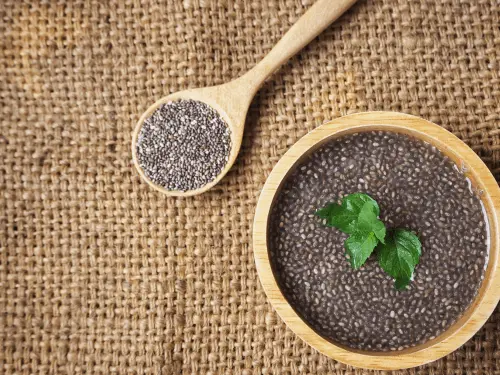
Growing Chia Plants Q&A
Can I grow chia from the chia seeds I buy at the store?
Yes. Organic chia seeds from the grocery store will often germinate, though germination can vary. Fresh seed from a garden supplier is more reliable.
How long does it take to grow chia?
Seeds sprout in about a week. The plant needs 100 to 150 days to mature before you can harvest the seeds.
Is chia a California native plant?
Salvia hispanica is native to central Mexico and Guatemala. However, Salvia columbariae, sometimes called California chia, is a California native plant.
Can I grow chia indoors?
You can grow chia sprouts and microgreens indoors easily. A full-size chia plant needs strong light and rarely sets a good seed crop indoors.
Why won't my chia flower?
Chia flowers when days get shorter. Plants in cooler regions or those lit at night may bloom late or not at all.
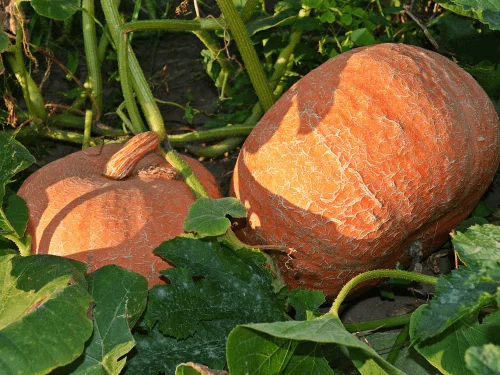
How to Grow Pumpkins Q&A
Can I grow pumpkins in a small home garden?
Yes. Choose bush or miniature varieties, grow vines on a trellis, or use raised beds. Plan on one or two plants per hill and prune vines when space is tight.
When should I plant pumpkins for Halloween?
Plant seeds in late May or early June in most climates. Count back from your first frost date and allow for 90 to 120 days of growth.
Why does my pumpkin plant have flowers but no fruit?
Male flowers appear first, so early flowers will not set fruit. If female flowers open but fail to fruit, you probably have too few bees. Pollinate by hand in the morning.
What causes pumpkin leaves to turn white?
This is usually powdery mildew. Improve airflow, water at the base, remove infected leaves, and apply a fungicide or neem oil.
Can I eat the pumpkin I grew for carving?
Yes, though carving types are stringy and bland. Pie pumpkins are sweeter, but the seeds from any pumpkin can be roasted.
Growing Grapevines Q&A
How long does it take for a grape plant to produce fruit?
Most young vines need two to three years after planting before they set a full crop, though a few clusters may appear in year two. Patience pays off — established vines can keep producing for 40 years or more.
Do I need more than one vine to grow grapes?
No. Since most grape varieties are self-fertile, one plant is enough to produce fruit on its own. Planting a second variety nearby is optional and mainly helps with cross-pollination in a few less common types.
Can grape vines grow in containers?
Yes, though grape vines grow best planted directly in the ground, where the root system has room to spread. A large container works for a year or two, but expect to transplant once the vine outgrows the pot.
Why aren't my grapes ripening?
Grapes ripen slowly compared to many fruits, and cool weather, too much shade, or overcrowded canes can all delay the process. Give the vine full sun, thin the clusters, and be patient through the growing season.
What's the difference between table grapes and wine grapes?
Table grapes are bred for fresh eating, with thinner skins and fewer seeds, while wine grapes tend to have thicker skins, more seeds, and higher sugar content suited to fermentation.
Are grape vines toxic to pets?
Grapes and grape leaves are not toxic to people, but grapes and raisins are toxic to dogs and can cause kidney damage, so keep fallen fruit cleaned up if pets have access to the vineyard.
Viola always reminds me of my grandmother's garden. She had a knack for cultivating the most beautiful flowers, and her violets were no exception. I remember spending countless afternoons with her, carefully tending to the delicate blooms, and learning the importance of patience and attention to detail in gardening. Those moments instilled in me a deep appreciation for these enchanting plants and a desire to continue her legacy of nurturing nature's wonders. Viola, with their delicate petals and vibrant colors, adds a touch of elegance and charm to any garden. Whether you're a seasoned gardener or a beginner, caring for these beautiful plants can be a rewarding experience. With the right knowledge and techniques, you can ensure that your violets not only survive but thrive in your garden. In this comprehensive guide, we'll explore everything you need to know about Viola plant care, from planting to maintenance and troubleshooting.
Types of Viola Plants
These are just a few examples of the many viola species and cultivars available, each with its own unique characteristics and growing requirements.
1. Viola odorata (Sweet Violet)
Description: Sweet violets are cherished for their fragrant, purple-blue flowers that bloom in early spring. They feature heart-shaped leaves and delicate petals with a sweet, nostalgic fragrance.
Uses: Sweet violets are prized for their culinary and medicinal uses, with flowers and leaves used in teas, syrups, and desserts. They naturalize readily in woodland settings and are often found growing under trees or along shady paths. They also make charming additions to shaded borders and rock gardens.
2. Viola tricolor (Pansy)
Description: Pansies are renowned for their large, colorful flowers with distinctive "faces" that feature dark blotches on the petals. They come in a wide range of colors, including purple, yellow, white, and orange, often with contrasting markings.
Growing Conditions: Pansies thrive in cool, mild climates and prefer full sun to partial shade.
Uses: Pansies are popular bedding plants and are often used to add color to flower beds, borders, and containers. They are commonly used in containers, hanging baskets, and garden borders, providing cheerful blooms from spring to fall. Their edible flowers can be used to garnish salads or desserts, adding a splash of color and flavor.
3. Viola cornuta (Horned Violet)
Description: Horned violets are compact, mound-forming plants with small, dainty flowers that bloom profusely from spring to summer. They feature elongated petals and distinctive "horns" on the backs of the flowers.
Growing Conditions: Horned violets prefer full sun to partial shade and well-drained soil.
Uses: Horned violets are excellent ground covers and are often used to carpet slopes or fill in gaps between stones in rockeries. They are versatile plants that are well-suited for rock gardens, borders, and edging, providing a burst of color in the garden. They also make charming additions to cottage gardens and mixed perennial borders.
4. Viola sororia (Common Blue Violet)
Description: Common blue violets are native wildflowers known for their cheerful, purple-blue blooms and heart-shaped leaves. They spread readily via rhizomes, forming dense colonies in woodland and meadow habitats.
Growing Conditions: Common blue violets thrive in partial shade and moist, humus-rich soil.
Uses: Common blue violets are valued for their role in native plantings and wildlife gardens. They are ideal for naturalizing in shaded areas, providing early spring color and attracting pollinators such as bees and butterflies. They also make charming additions to informal garden settings, where they can be allowed to naturalize and spread freely.
5. Viola wittrockiana (Winter Pansy)
Description: Winter pansies are cold-hardy annuals that bloom from fall to spring, providing welcome color during the cooler months. They feature compact growth habits and large, flat-faced flowers in a variety of colors.
Growing Conditions: Winter pansies thrive in full sun to partial shade and tolerate a wide range of soil conditions.
Uses: Winter pansies are essential for adding color to the garden during the colder months. They are commonly used in winter bedding displays, containers, and window boxes, brightening up the garden when other plants are dormant. They are often planted in combination with other cool-season annuals such as ornamental kale and flowering cabbage to create vibrant winter displays.
Planting Violas
Before diving into the care routine, it's crucial to start with proper planting techniques to give your violas the best start possible.
Location:
Optimal placement for violas involves selecting a site with dappled sunlight or gentle shade, as these conditions mimic their native woodland habitats. Avoid areas exposed to harsh, direct sunlight, as the tender leaves and blooms are susceptible to sunburn. Instead, prioritize spots where they can enjoy the coolness and moisture that shade provides, fostering healthy growth and vibrant blossoms.
Soil:
Violas revel in loamy, well-draining soil that's rich in nutrients and slightly acidic to neutral in pH. If your soil tends to be heavy and compacted, enrich it with generous amounts of organic matter like compost or peat moss. These amendments not only enhance drainage but also boost soil fertility, providing an ideal foundation for vigorous viola growth and prolonged flowering.
Planting Depth:
When transplanting violas, precision is key to ensuring their long-term health. Position the plant so that the junction between its roots and stems, known as the crown, rests level with the surrounding soil surface. This placement prevents the risk of suffocating the roots if buried too deeply or exposing them to desiccation if planted too shallowly, thereby fostering robust root development and overall plant vigor.
Spacing:
Give your viola garden ample breathing room by spacing individual plants between 6 to 12 inches apart, depending on the specific variety. This generous spacing not only accommodates their natural growth habits but also minimizes competition for resources like sunlight, water, and nutrients.
Watering:
Immediately after planting, lavish your violas with a thorough watering to settle the soil around their roots and kickstart the establishment process. Going forward, maintain a consistent moisture regimen, ensuring the soil remains evenly moist but never waterlogged. Keep a vigilant eye on moisture levels, particularly during dry spells or hot weather, adjusting your watering frequency as needed to sustain healthy growth and prolific blooming.
Temperature:
Violas generally prefer cooler temperatures ranging from 60 to 70 degrees Fahrenheit (15 to 21 degrees Celsius). They can tolerate slightly warmer temperatures during the day but prefer cooler nights. Avoid exposing them to extreme heat or cold drafts.
Humidity:
Violas thrive in moderate humidity levels. Aim for humidity levels between 40% to 60%. If your indoor environment is too dry, you can increase humidity by misting the plants regularly or placing a tray filled with water and pebbles near the plants. Alternatively, you can use a humidifier.
Lighting:
Violas prefer partial to full sunlight. They typically need about 4 to 6 hours of sunlight per day to thrive. If you're growing them indoors, place them near a south-facing window where they can receive adequate sunlight. If natural light is insufficient, you can supplement with artificial grow lights. Keep the lights on for about 12 to 14 hours a day, ensuring they get a mix of blue and red spectrum lights for optimal growth.
Essential Care Tips
Once your violas are established, consistent care is essential to promote healthy growth and prolific flowering.
Fertilization
Apply a balanced, slow-release fertilizer formulated for flowering plants in early spring as new growth emerges. Avoid high-nitrogen fertilizers, as they can promote lush foliage at the expense of flowers. Follow the manufacturer's recommendations for application rates.
Deadheading
Remove spent flowers regularly to encourage continuous blooming throughout the growing season. This practice also prevents the plant from expending energy on seed production, redirecting it towards new growth and flower production.
Pruning
Trim back leggy or overgrown stems to maintain a compact, tidy appearance and promote branching. Use clean, sharp pruners to avoid damaging the plant, and prune after the initial spring flush of flowers for best results.
Winter Care
In colder climates, provide winter protection for violas by mulching around the base of the plants to insulate the roots and prevent frost heaving. Consider covering the plants with a layer of straw or evergreen boughs for added protection during harsh weather.
Repotting
Repotting your viola is best done in early spring or late fall to minimize stress. Begin by selecting a pot slightly larger than the current one with good drainage holes. Ensure the pot is clean and sterilized. Prepare a well-draining, nutrient-rich potting mix or use a commercial one. Carefully remove the viola from its current pot, gently tease apart any tangled roots, and trim them if necessary. Place the viola in the new pot, ensuring the top of the root ball is level with the rim. Fill in around the roots with potting mix, gently pressing down to remove air pockets. Water thoroughly, allowing excess water to drain. Finally, find a suitable location with adequate sunlight, water regularly but avoid overwatering, and your viola should thrive in its new home.
Troubleshooting Common Issues
Despite your best efforts, viola may occasionally encounter problems that require attention.
Yellowing Leaves
Yellowing leaves can indicate various issues, including overwatering, underwatering, nutrient deficiencies, or pest infestations. Assess the growing conditions and adjust watering and fertilization accordingly. Treat pests promptly to prevent further damage.
Poor Flowering
If your violas are not blooming as profusely as expected, inadequate sunlight, nutrient deficiencies, or overcrowding may be to blame. Ensure the plants receive sufficient light, fertilize as needed, and thin out overcrowded areas to promote airflow and light penetration.
Crown Rot
Crown rot, characterized by mushy, discolored stems and foliage, is often caused by overwatering or poor drainage. To prevent crown rot, avoid excessive irrigation and improve soil drainage by amending heavy soils with organic matter.
Pests and Diseases
Monitor your violas regularly for signs of pests or diseases, such as distorted foliage, sticky residues, or unusual spots or lesions. Identify the problem promptly and take appropriate action, such as pruning affected areas, applying insecticidal soap, or treating with fungicides as needed.
Frequently Asked Questions and Answers:
Q: Can I grow violas indoors?
A: Yes, many varieties of violas can be grown indoors as houseplants. Choose a bright, sunny windowsill or provide supplemental lighting to ensure adequate sunlight. Use well-draining potting soil and water the plants regularly, taking care not to overwater. Indoor violets may benefit from occasional fertilization during the growing season.
Q: How do I propagate violas?
A: Violas can be propagated by division, cuttings, or seeds. Division involves separating clumps of mature plants into smaller sections, each with roots attached. Cuttings can be taken from healthy stems and rooted in moist potting mix. Seeds can be sown indoors or directly in the garden, following the guidelines outlined earlier in this article.
Q: Why are my violas not blooming?
A: Several factors can affect flowering in violas, including inadequate sunlight, nutrient deficiencies, overcrowding, or stress from extreme temperatures or waterlogged soil. Ensure that your violets receive sufficient sunlight, fertilize as needed, thin out overcrowded areas, and provide optimal growing conditions to encourage blooming.
Q: Can I eat the flowers of violas?
A: Yes, the flowers of many viola varieties are edible and can be used to garnish salads, desserts, and beverages. However, it's essential to ensure that the flowers have not been treated with pesticides or other chemicals. Only consume flowers from plants grown organically or specifically labeled as edible.