Zuri's frequent journeys to South Africa in her youth ignited her fervor for environmental science, gardening, and sustainable living. These travels deepened her connection with nature, inspiring her to contribute to conservation efforts in her own meaningful ways.
Growing Grapevines Q&A
How long does it take for a grape plant to produce fruit?
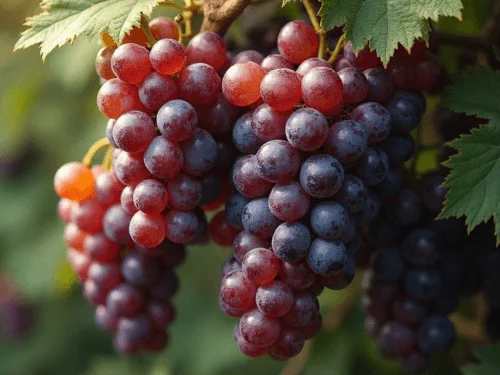
Most young vines need two to three years after planting before they set a full crop, though a few clusters may appear in year two. Patience pays off — established vines can keep producing for 40 years or more.
Do I need more than one vine to grow grapes?
No. Since most grape varieties are self-fertile, one plant is enough to produce fruit on its own. Planting a second variety nearby is optional and mainly helps with cross-pollination in a few less common types.
Can grape vines grow in containers?
Yes, though grape vines grow best planted directly in the ground, where the root system has room to spread. A large container works for a year or two, but expect to transplant once the vine outgrows the pot.
Why aren't my grapes ripening?
Grapes ripen slowly compared to many fruits, and cool weather, too much shade, or overcrowded canes can all delay the process. Give the vine full sun, thin the clusters, and be patient through the growing season.
What's the difference between table grapes and wine grapes?
Table grapes are bred for fresh eating, with thinner skins and fewer seeds, while wine grapes tend to have thicker skins, more seeds, and higher sugar content suited to fermentation.
Are grape vines toxic to pets?
Grapes and grape leaves are not toxic to people, but grapes and raisins are toxic to dogs and can cause kidney damage, so keep fallen fruit cleaned up if pets have access to the vineyard.
Bee Garden Q&A
What flowers attract the most bees to a garden?
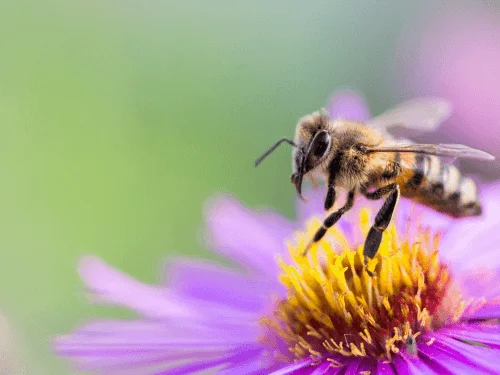
Bees are generally drawn to flowers that are blue, purple, yellow, or white, and that offer easy access to nectar and pollen. Lavender, bee balm, sunflower, and coneflower are some of the most reliable plants that attract bees to a home garden.
Do I need to avoid pesticides in a bee-friendly garden?
Yes, whenever possible. Insecticide and pesticide products can harm adult bees and their larva, even in small amounts. Choosing natural pest control methods helps keep your garden safe for visiting bees.
Can a small home garden still support pollinators?
Absolutely. Even a few containers of zinnias, salvia, or crocus on a balcony can offer pollen and nectar for local bees. Bees will travel between small garden spaces, so every bit of habitat helps.
Do bees need more than just flowers?
Yes. Bees also need nesting sites and water. Ground-nesting bees need patches of bare soil, while a shallow bee bath gives bees a safe spot to drink, especially in hot weather.
Will planting a pollinator garden really help save the bees?
It genuinely can. As natural habitat shrinks, home gardens have become an important food source and shelter for bees, including many native bee species. A well-planned bee garden supports pollination for your own flowers and vegetables while helping the wider bee population.
What is the best USDA zone for growing a bee garden?
There is no single best zone. Most of the plants above grow well across USDA zones 4 through 9, and gardeners in colder or warmer zones can simply choose varieties suited to their climate, or grow warm-season bees favorites like sunflower and zinnia as annuals.
Hypoallergenic Plants Q&A
Do houseplants cause allergies?
Yes, certain indoor plants can trigger a plant allergy through loose pollen, scented flowers, sap, dust, or damp soil. Allergies and houseplants are highly individual: one person may sneeze near peace lilies while another has no response. Overwatering lets mold produce a spore that may become airborne. If symptoms begin after adding plants in your home, isolate each pot, clean the area, and discuss persistent allergy symptoms with a qualified clinician.
Which plants to avoid?
Plants to avoid include strongly fragrant flowers, visibly dusty specimens, and wind-pollinated garden plants brought inside while shedding. Male palms can release pollen if they flower, and wet potting mix can make allergies worse. The best and worst choices depend on the person, so remove any plant that appears to cause pollen allergy symptoms or contact irritation.
Can indoor plants purify air?
Claims about indoor plants that purify come largely from controlled chambers. Although some air-purifying plants can take up chemicals, ordinary air purifying plants are not fast enough to replace ventilation or air cleaners in a real room. Plants can improve air quality mainly by supporting comfort and encouraging care for the space; they should not be presented as houseplants for clean air that reliably remove formaldehyde. To improve indoor air quality, control sources, ventilate safely, and use proven filtration.
How does the ogren scale work?
The Ogren Plant Allergy Scale system, also called OPALS, rates a plant's potential allergenicity from 1 to 10. It considers pollen, fragrance, and contact reactions, but the likelihood a plant will cause a reaction still depends on the individual and exposure. A high score does not prove a particular plant will cause pollen allergy, and a low score is not a medical guarantee.
Can plants help you breathe?
Allergy-friendly plants may make an indoor space calmer, but they do not treat disease or guarantee allergy relief. For people with allergies, clean leaves, dry saucers, fresh potting mix, and steady air circulation matter more than labels such as hypoallergenic plants. These indoor plants that are allergy-safe can help you breathe easier only by limiting likely triggers; they cannot help you breathe during an asthma attack.
Looking to jazz up your garden with a splash of color and a touch of grandeur? Delphiniums might be just what you need! These perennials stand out with their tall, eye-catching spikes and an array of vibrant hues from deep blues to bright purples.
But here’s the scoop: while delphiniums might steal the show with their show-stopping looks, they come with a bit of a warning label. All parts of the plant are toxic if ingested, so they’re not the best option if you have curious kids or pets who like to nibble on greenery. You might want to think twice before planting them. Enjoy their beauty responsibly and let these impressive blooms steal the show in your garden!
12 Delphinium Flower Varieties for Your Garden
Now, let’s dive into some delphinium varieties that might just become your new favorites! Here’s a quick tour of these stunning plants to help you get familiar with what each has to offer:
1. Delphinium elatum 'Pacific Giants'
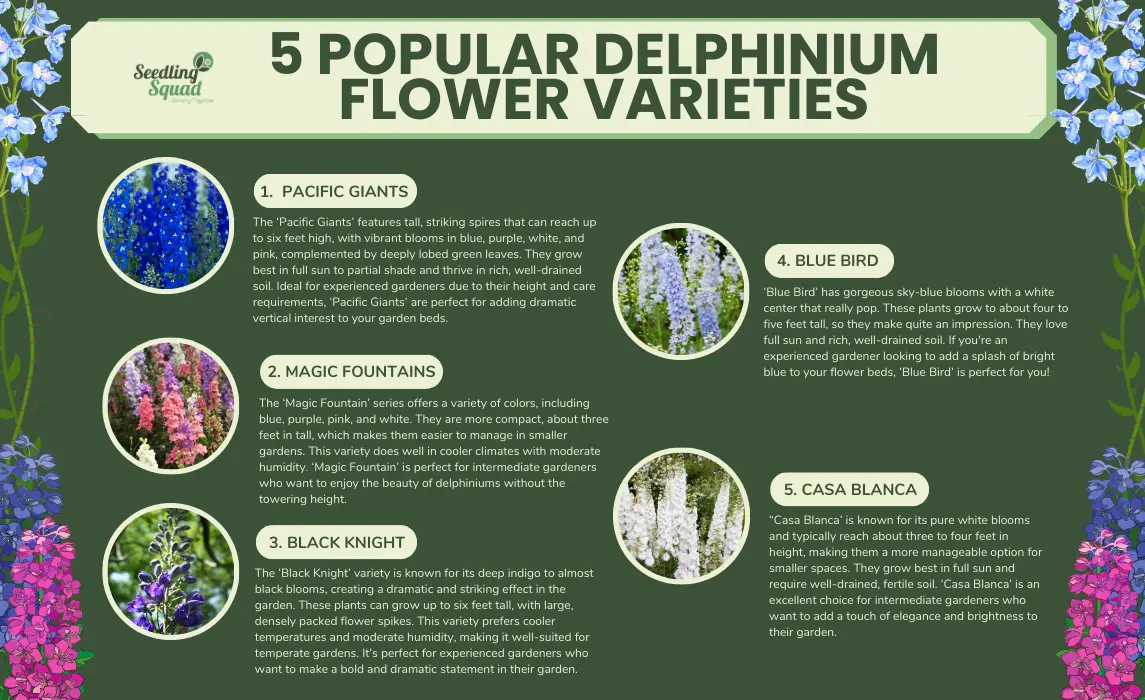
The ‘Pacific Giants’ series is a favorite among gardeners for its tall, striking spires that can reach up to six feet in height. These delphiniums boast large, vibrant blooms in shades of blue, purple, white, and pink. Their deeply lobed leaves are a lush green, providing a beautiful backdrop to the flowers. They grow best in full sun to partial shade and thrive in rich, well-drained soil. Regular watering is essential, especially during dry spells, but be careful not to let the soil become waterlogged. These beauties prefer cooler temperatures and moderate humidity, making them perfect for gardens in temperate regions. Ideal for experienced gardeners due to their height and care requirements, ‘Pacific Giants’ are perfect for adding dramatic vertical interest to your garden beds.
2. Delphinium belladonna 'Casa Blanca'
Known for its pure white blooms, ‘Casa Blanca’ is a stunning variety that stands out in any garden. These plants typically reach about three to four feet in height, making them a more manageable option for smaller spaces. The blooms are large and densely packed along the spikes, with deeply cut, dark green foliage. They grow best in full sun and require well-drained, fertile soil. Regular watering and a good layer of mulch to retain moisture are key to their success. This variety prefers cooler climates and moderate humidity, making it well-suited for temperate gardens. ‘Casa Blanca’ is an excellent choice for intermediate gardeners who want to add a touch of elegance and brightness to their garden.
3. Delphinium 'Blue Butterfly'
If you’re looking for a compact delphinium variety, ‘Blue Butterfly’ is an excellent choice. This dwarf variety only reaches about 12 to 18 inches in height, making it perfect for containers or the front of flower beds. The vibrant blue flowers are small but abundant, creating a dense, colorful display. With finely divided, fern-like leaves, this plant adds texture as well as color. ‘Blue Butterfly’ thrives in full sun and well-drained soil. It’s quite tolerant of heat compared to other delphiniums, making it a good choice for warmer regions. Regular watering is necessary, especially during hot, dry periods, and it prefers moderate humidity. This variety is great for beginners due to its compact size and relatively easy care requirements.
4. Delphinium grandiflorum 'Blue Mirror'
The ‘Blue Mirror’ variety is known for its striking azure blue flowers that seem to glow in the sunlight. This compact plant typically grows to about two feet tall, with blooms that appear in early to mid-summer. The leaves are finely cut and fern-like, adding a delicate texture to your garden. ‘Blue Mirror’ grows best in full sun and well-drained, moderately fertile soil. It requires regular watering but does not tolerate waterlogged conditions. This variety prefers cooler temperatures and moderate humidity, making it ideal for temperate climates. It’s a fantastic choice for gardeners of all experience levels, adding a pop of vivid blue to borders and mixed beds.
5. Delphinium 'Blue Bird'
From Blue Butterfly to Blue Mirror, and now Blue Bird—don’t get confused! While these varieties share the blue hue, they each bring something unique to your garden. ‘Blue Bird’ has gorgeous sky-blue blooms with a white center that really pop. These plants grow to about four to five feet tall, so they make quite an impression. The flowers are large and densely packed along the spikes, with dark green, deeply lobed foliage adding to their charm. They love full sun and rich, well-drained soil. Keep them well-watered, especially during dry spells, but avoid soggy soil. ‘Blue Bird’ thrives in cooler temperatures and moderate humidity, making it a fantastic choice for temperate climates. If you're an experienced gardener looking to add a splash of bright blue to your flower beds, ‘Blue Bird’ is perfect for you!
6. Delphinium 'Magic Fountain'
The ‘Magic Fountain’ series offers a variety of colors, including blue, purple, pink, and white. These plants are more compact, growing to about three feet in height, which makes them easier to manage in smaller gardens. The flowers are densely packed along the spikes, and the foliage is deeply lobed and dark green. ‘Magic Fountain’ delphiniums thrive in full sun to partial shade and prefer rich, well-drained soil. Regular watering is essential, but avoid letting the soil become too wet. This variety does well in cooler climates with moderate humidity. ‘Magic Fountain’ is perfect for intermediate gardeners who want to enjoy the beauty of delphiniums without the towering height.
7. Delphinium 'Summer Stars'
This one is a compact, bushy plant that reaches about two to three feet in height. It features pure white blooms that are densely packed along the spikes, creating a stunning visual effect. The leaves are deeply cut and dark green, providing a beautiful contrast to the flowers. ‘Summer Stars’ grows best in full sun and well-drained, fertile soil. Regular watering and mulching to retain moisture are important for their success. They prefer cooler temperatures and moderate humidity, making them well-suited for temperate gardens. This variety is ideal for beginner to intermediate gardeners looking to add a touch of elegance to their garden.
8. Delphinium 'Guardian Lavender'
The ‘Guardian Lavender’ variety is known for its tall spikes of soft lavender blooms. These plants can grow up to four feet tall, making them a striking addition to any garden. The flowers are large and densely packed, and the foliage is deeply lobed and green. ‘Guardian Lavender’ thrives in full sun and well-drained, fertile soil. Regular watering is essential, especially during dry spells, but be careful not to overwater. This variety prefers cooler climates and moderate humidity. It’s a great choice for experienced gardeners who want to add a pop of pastel color to their garden beds.
9. Delphinium 'Dark Blue and White Bee'
This variety is known for its striking contrast between the deep blue petals and the white centers, or ‘bees.’ These plants can grow up to six feet tall, with large, densely packed flower spikes. The leaves are deeply lobed and dark green. ‘Dark Blue and White Bee’ grows best in full sun and well-drained, fertile soil. Regular watering is necessary, especially during dry periods, but avoid waterlogged conditions. This variety prefers cooler temperatures and moderate humidity, making it well-suited for temperate gardens. It’s perfect for experienced gardeners who want to make a bold statement in their garden.
10. Delphinium 'New Millennium Stars'
The ‘New Millennium Stars’ series offers a range of colors, including blue, purple, pink, and white. These plants are known for their strong stems and large, densely packed flower spikes. They can grow up to six feet tall, with deeply lobed, dark green foliage. ‘New Millennium Stars’ thrive in full sun to partial shade and prefer rich, well-drained soil. Regular watering is essential, but be careful not to let the soil become waterlogged. This variety does well in cooler climates with moderate humidity. It’s ideal for experienced gardeners looking for a reliable and stunning addition to their garden.
11. Delphinium 'Red Caroline'
A unique variety, ‘Red Caroline’ offers a rare and striking red bloom, standing out in any garden. These plants typically reach about three to four feet in height, with large, densely packed flower spikes. The foliage is deeply lobed and dark green. ‘Red Caroline’ grows best in full sun and well-drained, fertile soil. Regular watering and a good layer of mulch to retain moisture are key to their success. This variety prefers cooler temperatures and moderate humidity, making it well-suited for temperate gardens. ‘Red Caroline’ is an excellent choice for intermediate gardeners who want to add a touch of uniqueness and vibrant color to their garden.
12. Delphinium 'Black Knight'
The ‘Black Knight’ variety is known for its deep indigo to almost black blooms, creating a dramatic and striking effect in the garden. These plants can grow up to six feet tall, with large, densely packed flower spikes. The leaves are deeply lobed and dark green. ‘Black Knight’ grows best in full sun and well-drained, fertile soil. Regular watering is necessary, especially during dry periods, but avoid waterlogged conditions. This variety prefers cooler temperatures and moderate humidity, making it well-suited for temperate gardens. It’s perfect for experienced gardeners who want to make a bold and dramatic statement in their garden.
FAQs
Q: Do delphiniums have a fragrance?
A: Most delphinium varieties are not particularly fragrant. Their appeal lies more in their vibrant colors and striking appearance rather than scent. If you're looking for fragrant flowers, you might want to pair them with other scented plants.
Q: Are there non-toxic alternatives to delphiniums that look similar?
A: If you’re looking for similar-looking, non-toxic alternatives, consider plants like snapdragons or annual salvia. These plants offer vibrant colors and tall flower spikes without the toxicity risks associated with delphiniums.
Q: Can delphinium varieties be crossbred to create new types?
A: Yes, delphiniums can be crossbred to create new varieties. Breeders often cross different species or varieties to develop plants with unique colors, growth habits, or improved traits. If you’re interested in growing hybrid varieties, check with specialized breeders or nurseries that offer these selections.
Related posts
Here are some articles you might be interested in.