Pothos Care: Essential Tips for a Healthy Pothos Plant
Published on
March 13, 2025
Author
Zuri Khumalo
Zuri's frequent journeys to South Africa in her youth ignited her fervor for environmental science, gardening, and sustainable living. These travels deepened her connection with nature, inspiring her to contribute to conservation efforts in her own meaningful ways.
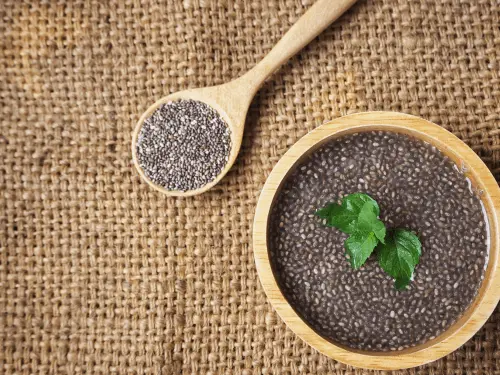
Growing Chia Plants Q&A
Can I grow chia from the chia seeds I buy at the store?
Yes. Organic chia seeds from the grocery store will often germinate, though germination can vary. Fresh seed from a garden supplier is more reliable.
How long does it take to grow chia?
Seeds sprout in about a week. The plant needs 100 to 150 days to mature before you can harvest the seeds.
Is chia a California native plant?
Salvia hispanica is native to central Mexico and Guatemala. However, Salvia columbariae, sometimes called California chia, is a California native plant.
Can I grow chia indoors?
You can grow chia sprouts and microgreens indoors easily. A full-size chia plant needs strong light and rarely sets a good seed crop indoors.
Why won't my chia flower?
Chia flowers when days get shorter. Plants in cooler regions or those lit at night may bloom late or not at all.
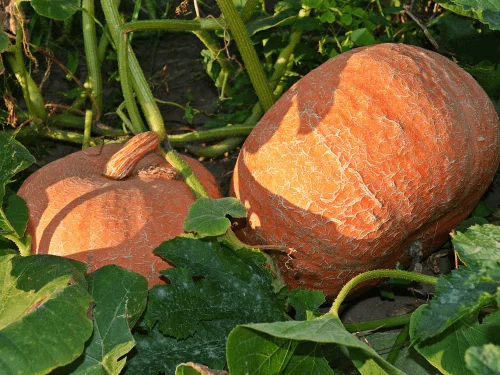
How to Grow Pumpkins Q&A
Can I grow pumpkins in a small home garden?
Yes. Choose bush or miniature varieties, grow vines on a trellis, or use raised beds. Plan on one or two plants per hill and prune vines when space is tight.
When should I plant pumpkins for Halloween?
Plant seeds in late May or early June in most climates. Count back from your first frost date and allow for 90 to 120 days of growth.
Why does my pumpkin plant have flowers but no fruit?
Male flowers appear first, so early flowers will not set fruit. If female flowers open but fail to fruit, you probably have too few bees. Pollinate by hand in the morning.
What causes pumpkin leaves to turn white?
This is usually powdery mildew. Improve airflow, water at the base, remove infected leaves, and apply a fungicide or neem oil.
Can I eat the pumpkin I grew for carving?
Yes, though carving types are stringy and bland. Pie pumpkins are sweeter, but the seeds from any pumpkin can be roasted.
Growing Grapevines Q&A
How long does it take for a grape plant to produce fruit?
Most young vines need two to three years after planting before they set a full crop, though a few clusters may appear in year two. Patience pays off — established vines can keep producing for 40 years or more.
Do I need more than one vine to grow grapes?
No. Since most grape varieties are self-fertile, one plant is enough to produce fruit on its own. Planting a second variety nearby is optional and mainly helps with cross-pollination in a few less common types.
Can grape vines grow in containers?
Yes, though grape vines grow best planted directly in the ground, where the root system has room to spread. A large container works for a year or two, but expect to transplant once the vine outgrows the pot.
Why aren't my grapes ripening?
Grapes ripen slowly compared to many fruits, and cool weather, too much shade, or overcrowded canes can all delay the process. Give the vine full sun, thin the clusters, and be patient through the growing season.
What's the difference between table grapes and wine grapes?
Table grapes are bred for fresh eating, with thinner skins and fewer seeds, while wine grapes tend to have thicker skins, more seeds, and higher sugar content suited to fermentation.
Are grape vines toxic to pets?
Grapes and grape leaves are not toxic to people, but grapes and raisins are toxic to dogs and can cause kidney damage, so keep fallen fruit cleaned up if pets have access to the vineyard.
If you're looking for an easy-to-care-for houseplant that thrives in various conditions, pothos (Epipremnum aureum) is an excellent choice. Known for its trailing vines and lush, heart-shaped leaves, this low-maintenance plant is a favorite among both beginner and seasoned plant enthusiasts. In this guide, we'll cover essential pothos care tips to keep your plant thriving, whether you have a classic Golden Pothos, vibrant Neon Pothos, or cascading Ivy-like varieties. Plus, we'll explore common issues—like why pothos leaves turn yellow—and how to fix them, ensuring your plant stays lush and vibrant year-round.
Plant Attribute
Details
Plant Name
Pothos (Epipremnum aureum)
Plant Type
Vine, Evergreen Houseplant
Size
Can grow up to 10 feet indoors; in the wild, it can reach 30-40 feet
Soil Type
Well-draining potting mix (loamy, peat-based)
Soil pH
Slightly acidic to neutral (6.1–7.0)
Bloom Time
Rarely blooms indoors, but produces small white flowers in the wild
Hardiness Zones
10-12 (can be grown outdoors in tropical climates)
Native Area
Southeast Asia, Solomon Islands
Toxicity Level
Toxic to pets and humans if ingested (contains calcium oxalate crystals)
Best Pothos Varieties
Pothos plants come in various types, each with unique leaf colors and patterns. Some popular varieties include:
One of the most popular and widely recognized pothos varieties, the Golden Pothos features heart-shaped leaves with vibrant green and yellow variegation. It is an excellent low-maintenance houseplant that thrives in a variety of lighting conditions, from low light to bright indirect light. It grows quickly and can trail or climb with proper support, making it a favorite for hanging baskets or trellises.
This variety has solid deep-green leaves, making it an ideal choice for low-light environments. Unlike variegated pothos, which require more light to maintain their patterns, the Jade Pothos can thrive even in dim corners of a room. Its lush, uniform foliage gives it a classic, elegant look, and its hardy nature makes it one of the easiest pothos types to care for.
Known for its stunning white and green marbled variegation, the Marble Queen Pothos requires bright indirect light to maintain its striking patterns. This variety tends to grow slower than Golden Pothos due to its higher amount of white variegation, which reduces its chlorophyll production. Regular pruning helps maintain a bushy appearance, and its cascading vines look beautiful in hanging planters or on shelves.
As the name suggests, this variety boasts bright, neon-green foliage that adds a vibrant pop of color to any space. The young leaves often start with a more intense yellow-green hue and gradually deepen as they mature. Neon Pothos thrives in medium to bright indirect light but can also adapt to lower light conditions, though its color may become slightly duller. Its bold, luminous leaves make it a great statement plant in any indoor setting.
A rare and highly sought-after variety, the Manjula Pothos has uniquely wavy leaves with a mix of cream, white, silver, and green variegation. Unlike other pothos, its leaves have a broader and more irregular shape, with each leaf displaying a different pattern. It requires bright indirect light to maintain its variegation and grows at a moderate pace. Due to its rarity, it is often considered a collector's plant and adds an artistic touch to indoor gardens.
Take a Cutting – Snip a 4-6 inch vine section with at least one node and a few leaves.
Remove Lower Leaves – Trim off any leaves near the bottom to prevent rotting.
Root in Water – Place the cutting in a glass of water with the node submerged.
Wait for Roots – Roots should develop in 2-4 weeks. Change the water every few days.
Transfer to Soil – Once roots are 2-3 inches long, plant the cutting in well-draining soil.
From a Nursery Plant (Recommended for Beginners)
Choose a healthy pothos plant with vibrant green leaves.
Select a pot with drainage holes to prevent root rot.
Fill the pot with well-draining soil (a mix of peat, perlite, and loamy soil).
Gently loosen the root ball and place the plant in the pot.
Fill with soil, leaving about an inch of space from the rim.
Water thoroughly and place in bright, indirect light.
Pothos Care Requirements
Soil
Pothos thrives in light, well-draining soil that allows excess water to escape easily, preventing root rot. A high-quality indoor potting mix works well, especially when combined with perlite or sand to improve aeration. Avoid using heavy clay-based soils, as they retain too much moisture and can lead to soggy roots, which may cause fungal issues. If repotting, choose a container with drainage holes to further support healthy root development.
Watering
Proper watering is essential for a thriving pothos plant. Water your pothos every 1-2 weeks, allowing the top inch or two of soil to dry out between waterings. Overwatering can lead to root rot and yellowing leaves, while underwatering may cause the plant to droop. If the leaves appear limp and wilted, it’s a sign the plant needs water. However, if they turn yellow and feel mushy, reduce watering frequency. Using room-temperature, filtered water can help prevent mineral buildup in the soil.
Temperature & Humidity
Pothos plants prefer a temperature range of 65-85°F (18-29°C), making them well-suited for most indoor environments. While they can tolerate slight temperature fluctuations, avoid exposing them to temperatures below 50°F (10°C), as cold stress can stunt growth and damage leaves. In terms of humidity, pothos thrives in moderate to high humidity levels but is adaptable to drier air. If your home has particularly dry conditions, especially during winter, you can mist the plant occasionally, place a pebble tray with water nearby, or use a humidifier to maintain optimal moisture levels.
Sunlight & Location
Pothos flourishes in bright, indirect sunlight, which promotes healthy growth and vibrant foliage. While it can tolerate low-light conditions, prolonged exposure to dim lighting may cause variegated varieties to lose their distinctive patterns, turning solid green. Be mindful of placing your pothos near windows with direct sun exposure, as intense sunlight can scorch the leaves, causing them to turn brown and crispy. If growing in a low-light area, consider rotating the plant occasionally to encourage even growth and prevent legginess.
Maintenance Tips for a Healthy Pothos
Fertilizing
During the growing season, which spans spring and summer, pothos plants benefit from regular feeding every 4-6 weeks. A balanced liquid fertilizer, diluted to half strength, provides essential nutrients that promote healthy foliage and robust growth. Over-fertilization can lead to salt buildup in the soil, so it’s best to follow recommended guidelines and flush the soil occasionally with water to prevent any nutrient imbalances. As growth naturally slows in the cooler months of fall and winter, fertilization should be reduced or stopped altogether to avoid stressing the plant.
Pruning
Pruning is essential to keeping pothos plants lush and well-shaped. Trimming long, leggy vines encourages fuller, bushier growth by redirecting energy to new shoots. Regularly removing yellowing, damaged, or dead leaves improves the plant’s overall appearance and prevents potential disease spread. When pruning, always use sterilized scissors or pruning shears to avoid introducing infections. Snipped vines can also be propagated in water or soil to create new plants, making pruning a great way to maintain and expand your pothos collection.
Mulching
Mulching can help regulate soil moisture and temperature for pothos plants, particularly when grown in outdoor containers or warm indoor environments. A thin layer of organic mulch, such as shredded bark, coconut coir, or sphagnum moss, can retain moisture, reduce evaporation, and minimize soil compaction. However, it's important to avoid over-mulching, as excessive moisture retention can lead to root rot. Keep the mulch layer about half an inch away from the plant's base to prevent fungal issues and ensure proper air circulation.
Potting & Repotting
Repotting is necessary every 1-2 years or when the plant outgrows its container, indicated by roots emerging from the drainage holes or stunted growth. To repot, start by selecting a new pot that is 1-2 inches larger in diameter than the current one, ensuring it has adequate drainage. Gently remove the plant from its old container, carefully loosening compacted roots to encourage healthy growth in fresh soil. Use a well-draining potting mix, such as one containing peat moss and perlite, to provide optimal aeration and moisture retention. After repotting, water the plant thoroughly and place it in bright, indirect light to help it adjust to its new home.
Overwintering
Pothos plants are sensitive to cold temperatures and should be kept indoors during the winter months, especially in regions with harsh climates. Sudden temperature changes, such as exposure to drafts from windows or doors, can stress the plant and cause leaf drop. Similarly, placing pothos near heating vents can lead to dehydration and browning leaf tips. To keep your pothos healthy during winter, maintain a stable indoor temperature between 60-75°F (16-24°C) and ensure moderate humidity by misting the plant occasionally or using a humidifier if needed.
Spider Mites: These tiny pests feed on plant sap, causing yellow speckles and fine webbing on leaves. Left untreated, they weaken the plant and cause leaf drop. Wipe leaves with insecticidal soap or neem oil, and increase humidity to discourage infestations.
Mealybugs: Recognizable by their white, cotton-like clusters, mealybugs suck sap from plants, leading to yellowing and weakened growth. They also produce sticky honeydew, which attracts mold. Remove them using a cotton swab dipped in alcohol or apply insecticidal soap.
Fungus Gnats: These small flying pests lay eggs in moist soil, and their larvae damage roots. Overwatering worsens the problem. Let the soil dry between waterings and use sticky traps to catch adults.
Diseases
Root Rot: Caused by overwatering, this disease turns roots black and mushy, leading to yellowing leaves and wilting. Trim affected roots, repot in fresh soil, and reduce watering.
Leaf Spot Disease: This fungal infection creates brown or black spots on leaves, spreading in humid conditions. Remove infected leaves and avoid overhead watering. Improve air circulation to prevent further spread.
Frequently Asked Questions:
1. What is pothos, and why is it called Devil’s Ivy?
Pothos, also known as Devil’s Ivy, is an indoor plant prized for its low maintenance and trailing vines. It gets the nickname Devil’s Ivy because it’s one of the easiest houseplants to grow and can survive in low light, making it difficult to kill.
2. Why are my pothos leaves turning yellow?
If your pothos leaves are turning yellow, it’s best not to let the plant sit in overly wet soil. Leaves turn yellow due to overwatering, poor drainage, or lack of light. Make sure your pothos soil is well-draining and allow the soil to dry out between waterings.
3. Is pothos toxic to pets?
Yes, pothos is toxic to cats and dogs if ingested due to calcium oxalate crystals, which can cause vomiting and mouth irritation.
Related posts
Here are some articles you might be interested in.


.webp)