Weed-Removing Tools: The Best Weeding Tools to Remove Weeds with a Weeder or Weed Puller Tool
Published on
March 14, 2025
Author
Ryan Johnson
Ryan Johnson relocated to his grandfather's old farm when he was 22 years old where he discovered the joys of farming and gardening. With his cool demeanor and strong-willed passion for the agrarian lifestyle, he now shares his know-how to aspiring gardeners.
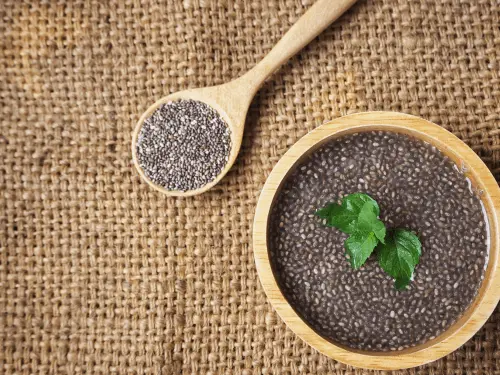
Growing Chia Plants Q&A
Can I grow chia from the chia seeds I buy at the store?
Yes. Organic chia seeds from the grocery store will often germinate, though germination can vary. Fresh seed from a garden supplier is more reliable.
How long does it take to grow chia?
Seeds sprout in about a week. The plant needs 100 to 150 days to mature before you can harvest the seeds.
Is chia a California native plant?
Salvia hispanica is native to central Mexico and Guatemala. However, Salvia columbariae, sometimes called California chia, is a California native plant.
Can I grow chia indoors?
You can grow chia sprouts and microgreens indoors easily. A full-size chia plant needs strong light and rarely sets a good seed crop indoors.
Why won't my chia flower?
Chia flowers when days get shorter. Plants in cooler regions or those lit at night may bloom late or not at all.
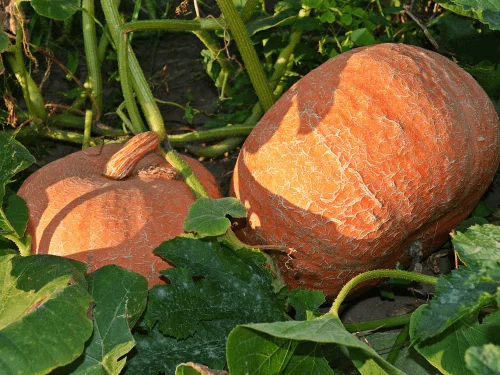
How to Grow Pumpkins Q&A
Can I grow pumpkins in a small home garden?
Yes. Choose bush or miniature varieties, grow vines on a trellis, or use raised beds. Plan on one or two plants per hill and prune vines when space is tight.
When should I plant pumpkins for Halloween?
Plant seeds in late May or early June in most climates. Count back from your first frost date and allow for 90 to 120 days of growth.
Why does my pumpkin plant have flowers but no fruit?
Male flowers appear first, so early flowers will not set fruit. If female flowers open but fail to fruit, you probably have too few bees. Pollinate by hand in the morning.
What causes pumpkin leaves to turn white?
This is usually powdery mildew. Improve airflow, water at the base, remove infected leaves, and apply a fungicide or neem oil.
Can I eat the pumpkin I grew for carving?
Yes, though carving types are stringy and bland. Pie pumpkins are sweeter, but the seeds from any pumpkin can be roasted.
Growing Grapevines Q&A
How long does it take for a grape plant to produce fruit?
Most young vines need two to three years after planting before they set a full crop, though a few clusters may appear in year two. Patience pays off — established vines can keep producing for 40 years or more.
Do I need more than one vine to grow grapes?
No. Since most grape varieties are self-fertile, one plant is enough to produce fruit on its own. Planting a second variety nearby is optional and mainly helps with cross-pollination in a few less common types.
Can grape vines grow in containers?
Yes, though grape vines grow best planted directly in the ground, where the root system has room to spread. A large container works for a year or two, but expect to transplant once the vine outgrows the pot.
Why aren't my grapes ripening?
Grapes ripen slowly compared to many fruits, and cool weather, too much shade, or overcrowded canes can all delay the process. Give the vine full sun, thin the clusters, and be patient through the growing season.
What's the difference between table grapes and wine grapes?
Table grapes are bred for fresh eating, with thinner skins and fewer seeds, while wine grapes tend to have thicker skins, more seeds, and higher sugar content suited to fermentation.
Are grape vines toxic to pets?
Grapes and grape leaves are not toxic to people, but grapes and raisins are toxic to dogs and can cause kidney damage, so keep fallen fruit cleaned up if pets have access to the vineyard.
When it comes to maintaining a healthy and beautiful garden, weeds can be a persistent challenge. Unwanted plants compete with flowers, vegetables, and lawns for nutrients, water, and sunlight, making it essential to remove them effectively. That’s where ****weed-removing tools come in. Whether you prefer a weeder, weed puller tool, or specialized hand tool, having the right equipment can make the task easier and more efficient. In this guide, we’ll explore the best weeding tools to help you tackle stubborn weeds with ease, ensuring your garden stays lush and thriving.
What Are Weeds and Why Should You Remove Them?
Weeds are unwanted plants that grow in places where they don't belong, often competing with desirable plants for essential resources like nutrients, water, and sunlight. While some weeds have medicinal or ecological benefits, they can quickly become problematic by overtaking gardens, reducing crop yields, and harboring pests and diseases. If left unchecked, they can spread aggressively and become difficult to control. Effective weed removal is crucial for maintaining a healthy and thriving garden, and the right tools can help eliminate weeds efficiently by targeting both the plant and its roots to prevent regrowth. Some invasive weeds, such as dandelions and bindweed, can regenerate from even small root fragments, making it essential to remove them properly. Choosing the best weeding tools not only saves time and effort but also minimizes soil disturbance, preserves beneficial organisms, and helps maintain a well-kept outdoor space. By implementing effective weed management strategies, gardeners can ensure their plants flourish while keeping their landscapes neat and weed-free.
The Best Gardening Tools for Removing Weeds
There are many weed puller tools, hand weeding tools, and long-handle weed removers designed for different gardening needs. Below, we list the top tools, how they work, what weeds they target, and their advantages and disadvantages.
Weed Puller Tools
There are two main types of weed puller tools: stand-up weed pullers and long-handle weed pullers, both designed to remove deep-rooted weeds while minimizing strain on the body. A stand-up weed puller features a long handle with a claw or grabbing mechanism at the bottom, allowing you to place it over a weed, press it into the soil using your foot, and then twist or pull to extract the weed along with its roots. This tool is great for large gardens and lawns, as it removes entire weed roots and prevents regrowth, but it may struggle in tight spaces or near hard surfaces. On the other hand, a long-handle weed puller works similarly but often incorporates a lever action for extra pulling power, making it easier to extract stubborn weeds. It provides excellent leverage, making weed removal effortless, but some models can be bulky or heavy. Both tools are excellent for keeping gardens and lawns weed-free without the need for bending, making them ideal choices for gardeners seeking efficiency and comfort.
Hand Weeding Tool (Weeder Hand Tool)
A hand weeding tool is perfect for removing small weeds, tackling weeds in flower beds, and performing precise weeding in tight spaces. This handheld tool typically has a sharp blade or prong, which is used to dig around weeds and loosen their roots for easier removal.
The main benefits of a hand weeding tool include its precision in flower beds, lightweight design, and ease of control. It is an excellent option for removing small or young weeds before they spread. However, using this tool requires bending or kneeling, which may strain your back, and it is not effective for dealing with deep-rooted weeds.
Popular weeder hand tools include the Hori Hori Knife, a Japanese weeding sickle ideal for cutting weed roots, the CobraHead Weeder, which features a curved blade that simplifies weeding tasks, and the Radius Garden Weeder, known for its ergonomic grip and effective weed removal.
Garden Hoe (Scuffle Hoe, Stirrup Hoe, and Dutch Hoe)
A garden hoe is an excellent tool for removing large amounts of shallow weeds quickly. This tool consists of a flat, sharp blade attached to a long handle, which is used by dragging or pushing the blade just below the soil surface to slice through weed roots.
One of the major advantages of using a garden hoe is its ability to cover large areas efficiently, making it ideal for vegetable gardens and large flower beds. By slicing weeds before they establish themselves, it helps prevent new weed growth. However, it is not effective for deep-rooted weeds and can be difficult to maneuver in tight spaces.
Among the best garden hoes are the Stirrup Hoe (Scuffle Hoe), which cuts weeds in both directions for faster weeding, the Dutch Hoe, which is excellent for tackling shallow weeds in soft soil, and the Oscillating Hoe, a versatile tool perfect for weeding between garden rows.
Garden Knife (Grampa’s Garden Knife & Hori Hori Knife)
A garden knife is a versatile tool designed for cutting through weed roots, loosening soil, and precision weeding. This sharp, serrated tool can be used not only for weed removal but also for various gardening tasks such as planting.
One of the key advantages of a garden knife is its multipurpose functionality, making it a valuable addition to any gardener’s toolkit. It excels at precision weeding and is particularly effective for removing individual weeds. However, using this tool requires bending or kneeling, and it is not practical for large-scale weeding.
Highly recommended garden knives include Grampa’s Garden Knife, which is excellent for cutting deep-rooted weeds, and the Hori Hori Knife, a sharp and versatile tool known for its effectiveness in weed removal.
Tips for Effective Weed Removal
Weeds are detrimental to a healthy lawn and garden, competing with desirable plants for nutrients, water, and sunlight. Using the right weeding tools and techniques can make weed control effortless. Here are some expert tips to help you easily remove weeds without bending, ensuring a thriving yard and garden.
Having the best weeding tools for your needs makes weeding tasks more efficient. A stand-up weed puller tool with a long handle allows you to easily remove weeds without bending, making it a must-have tool for gardeners who want to avoid strain on their knees and back. For deep-rooted weeds, a weed puller that's strong enough to remove the roots is essential. Some of the best tools include:
Grampa’s Weeder – An original tool designed to grab the weed and remove it with minimal effort.
Grampa’s Garden Knife – A sharp, versatile tool for cutting through tough weeds.
Japanese Weeding Sickle – A tool with a sharp blade that slices through smaller weeds and their roots.
Weeder Hand Tool – Best for precise removal of individual weeds.
2. Remove Weeds Before They Seed
To maintain a weed-free garden or yard, get rid of weeds early before they spread. A weed remover tool like a puller tool with a long handle makes it easy to remove unwanted weeds without disturbing surrounding plants. Weeds like crabgrass and dandelions are difficult to remove once they mature, so eliminating them at the seedling stage is key.
3. Maintain Your Tools for Long-Lasting Performance
Garden accessories, such as weed pullers, need regular maintenance to stay effective. Maintain your tools by cleaning them after each use, sharpening blades, and storing them properly to prevent rust. Tools with blades, such as a cultivator garden tool or a Japanese weeding sickle, should be sharpened frequently for effortless weeding. A garden cart can help transport your tools for your next garden project.
4. Kill Weeds with Precision
Using a weed puller tool with a long handle helps remove the roots completely, preventing regrowth. A weed remover tool is great for targeting individual weeds while ensuring you don’t harm nearby plants. For chemical weed control, use it as a weed killer by applying herbicides directly to the leaves and roots of stubborn weeds.
5. Reduce Weeds with Mulching
One of the most effective ways to reduce weeds in your garden is by applying a thick layer of mulch. This helps prevent sunlight from reaching weed seeds, stopping them from sprouting. Organic mulch also improves soil health, making your lawn and garden more resilient against weed invasions.
Frequently Asked Questions:
1. What’s the best way to keep my garden weed-free?
Keeping a garden weed-free requires a combination of proper tools and maintenance techniques. Using a stand-up weed puller tool or a hand weeding tool helps to completely remove the weeds and their roots, preventing regrowth. Applying mulch to your garden beds can block sunlight and suppress weed growth. A garden hoe is useful for breaking up young weeds before they become established. Having a garden cart nearby allows you to collect and dispose of weeds efficiently. Regularly weeding your garden and using these tools will help maintain a weed-free space.
2. How do I prevent weeds from coming back after removing them?
Once you finish removing the weed, there are several steps you can take to prevent it from growing back. Ensuring that you remove their roots completely with the best weed puller is the first and most important step. You can also use pre-emergent herbicides to prevent weed seeds from sprouting. Regularly pulling weeds before they flower and spread seeds can greatly reduce their numbers. Additionally, maintaining soil health with compost and mulch can create an environment where weeds struggle to grow. By consistently following these methods, you can keep your garden weed-free.
3. Can I use a garden knife or hori hori knife as a weeding tool?
Yes! A hori hori knife is a great tool for removing weeds in tight spaces, especially in flower beds or between vegetable rows. This versatile tool allows you to cut through tough roots and even dig out deeply embedded weeds. If you are dealing with compact soil or stubborn deep-rooted weeds, a hori hori knife can be a valuable addition to your variety of weeding tools.
Related posts
Here are some articles you might be interested in.